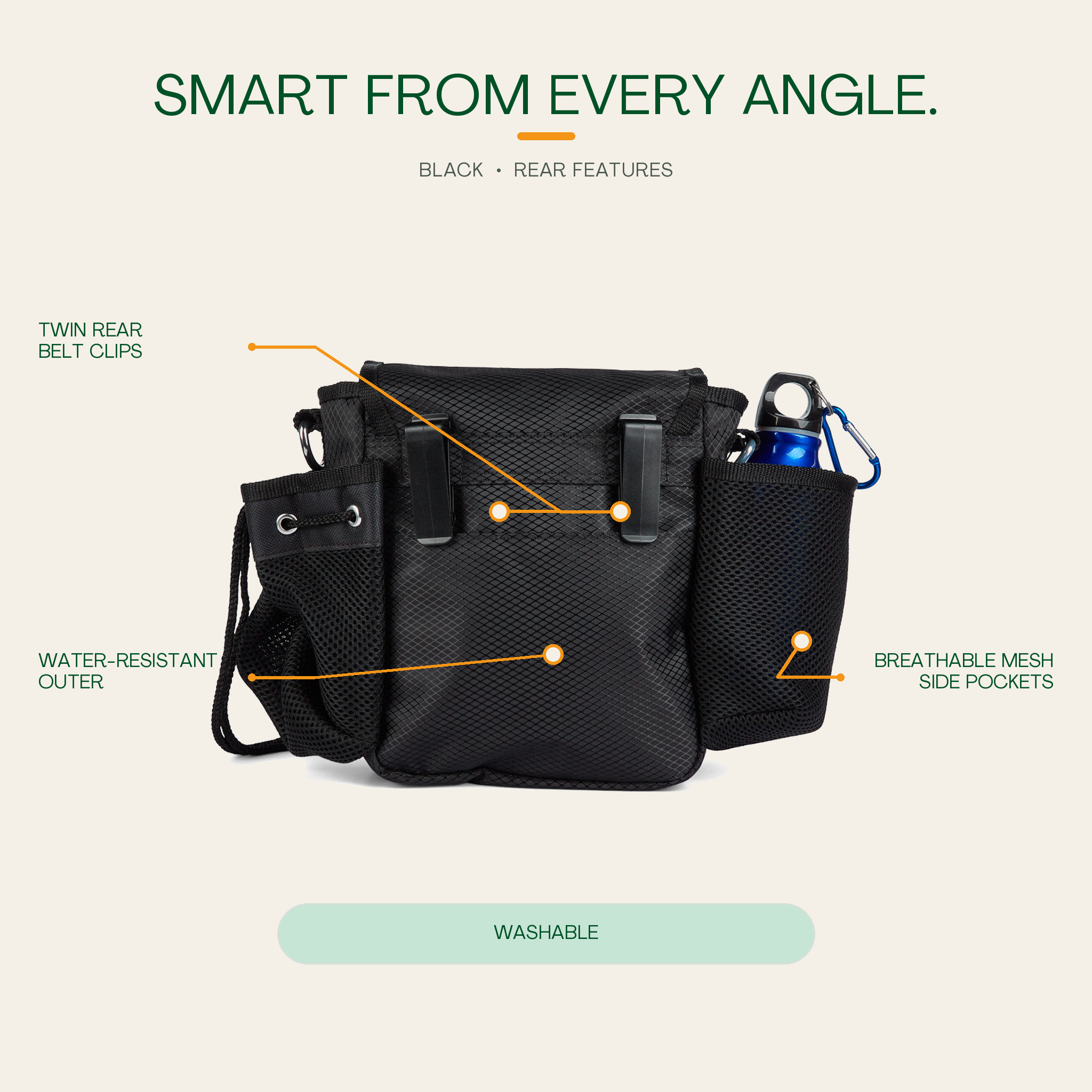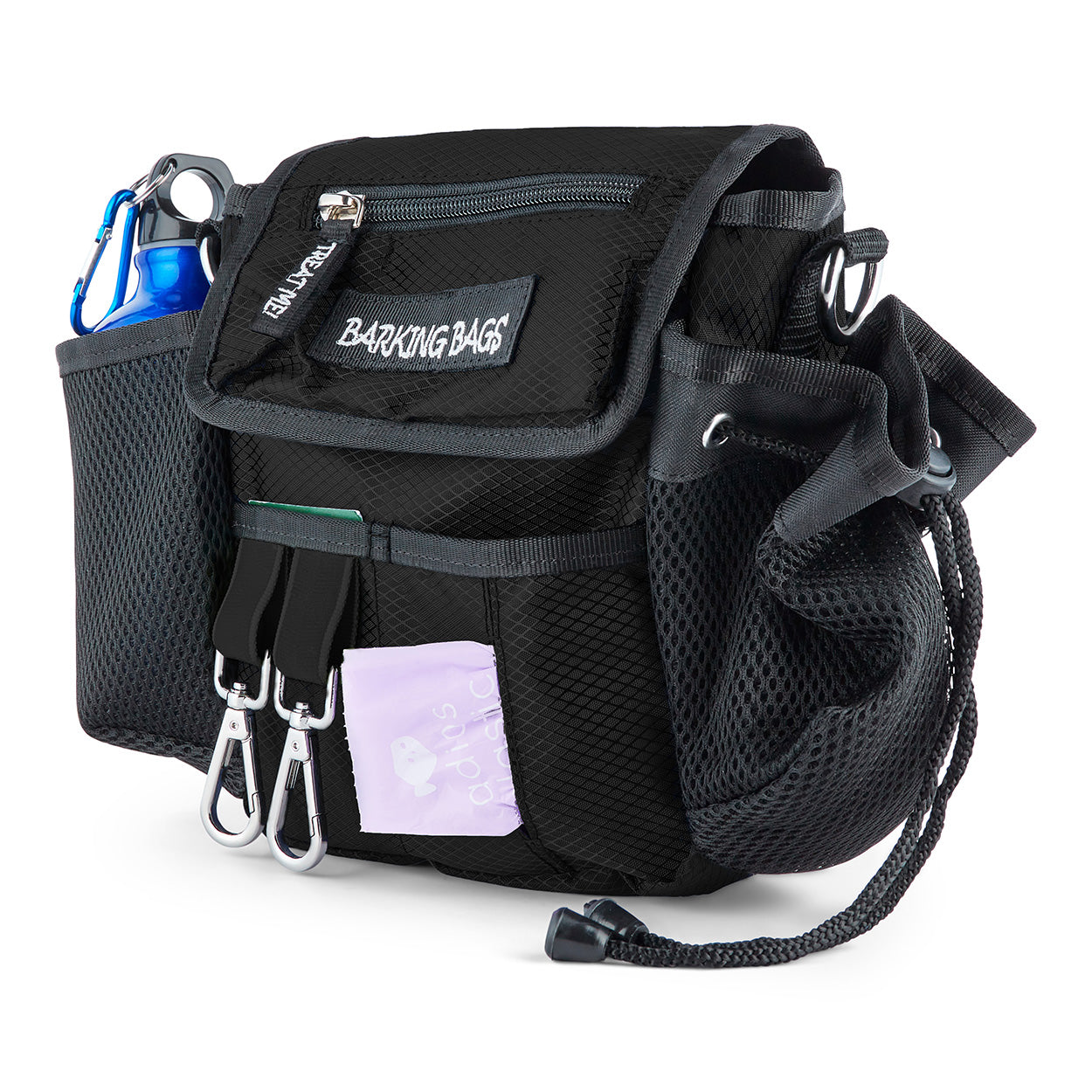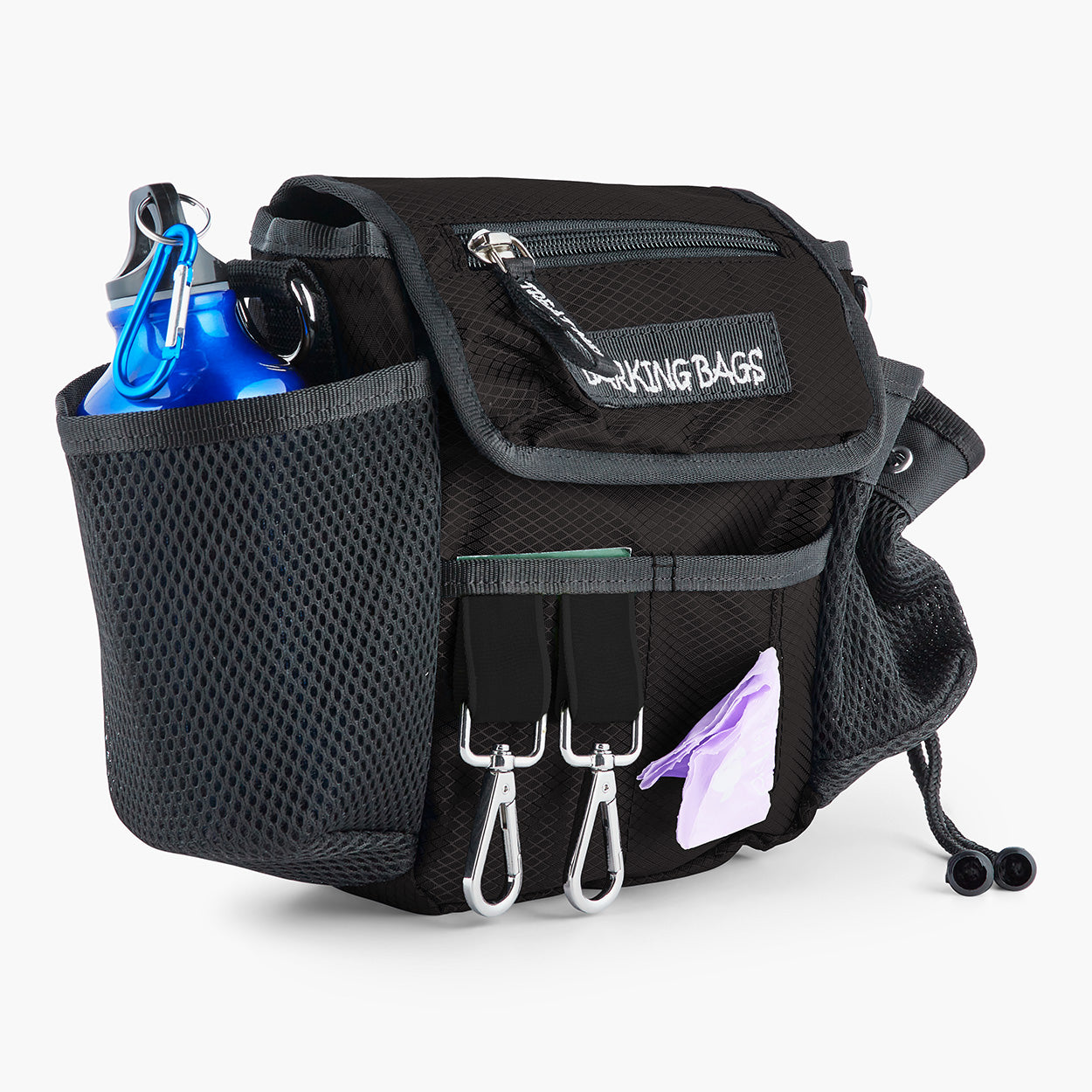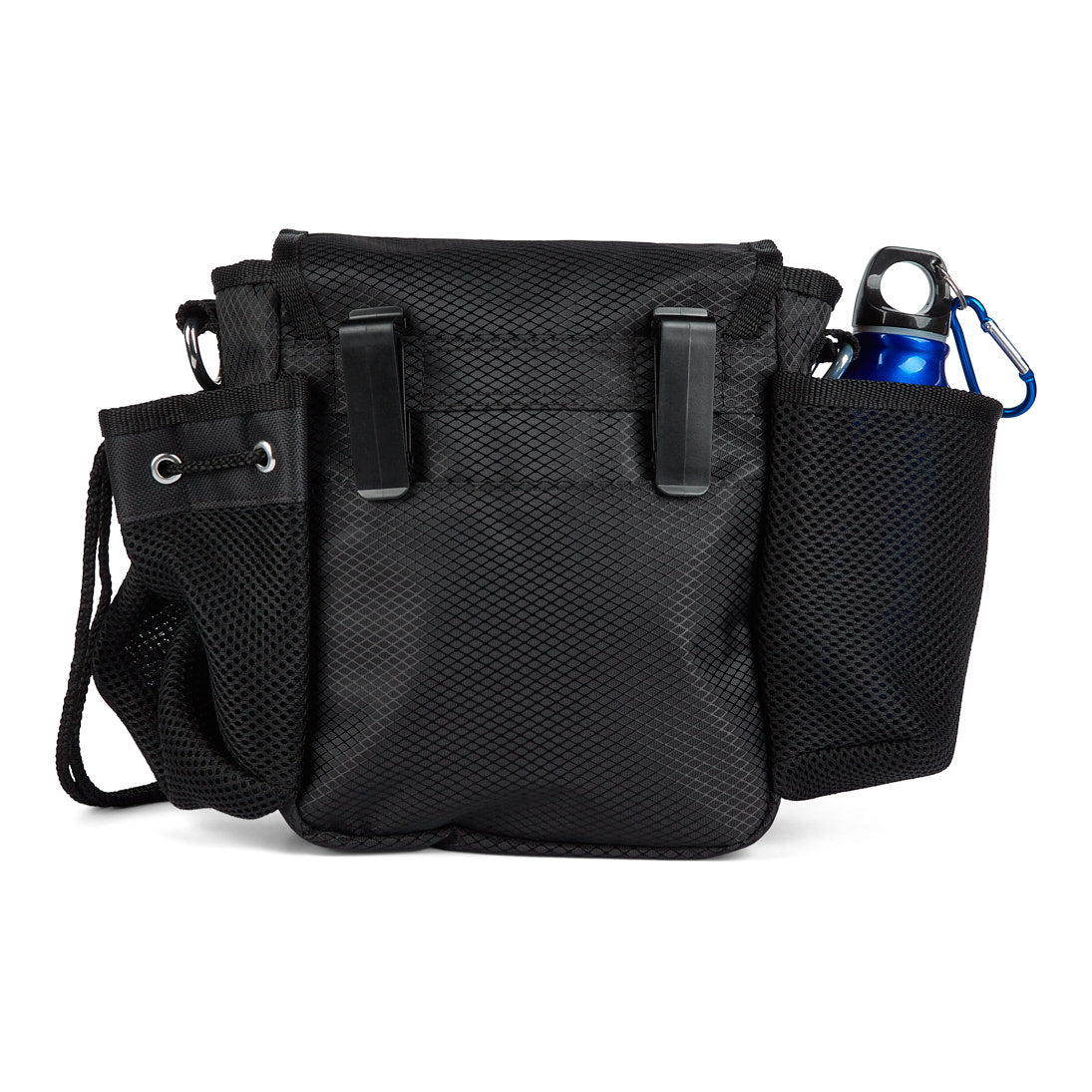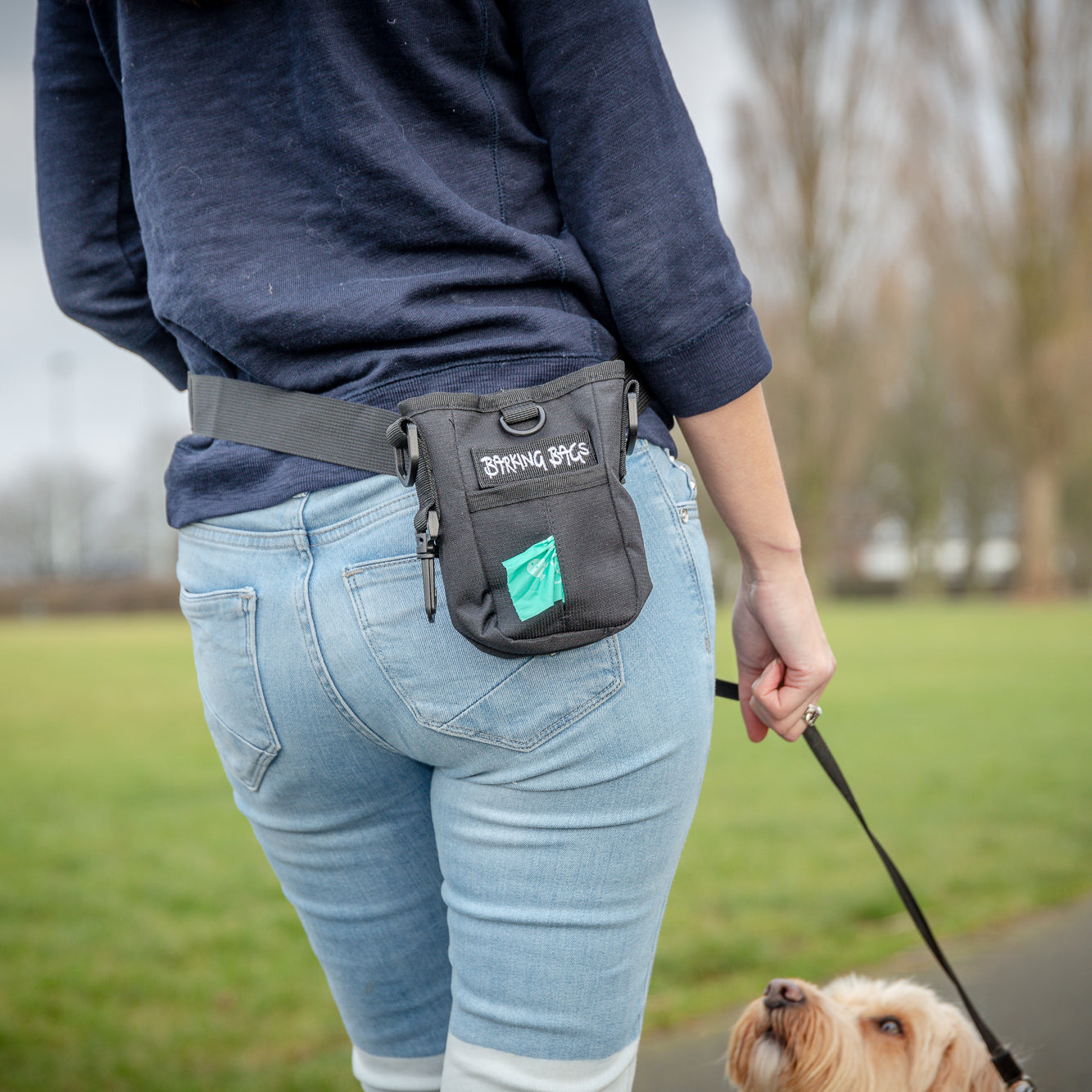

You only need to fish a squashed treat out of your coat pocket once to understand why use a dog treat pouch is such a common question among dog owners. On a real walk, timing matters. When your dog checks in, nails a recall or ignores a distraction, you want the reward ready in a second, not buried under keys, poo bags and loose change.
A dog treat pouch sounds like a small upgrade, but it can change the rhythm of your walks. Instead of improvising with jacket pockets or a handbag you did not mean to turn into a dog kit, you have one dedicated place for rewards. That means less fumbling, fewer crumbs, and a much smoother experience for both you and your dog.
Why use a dog treat pouch for everyday walks?
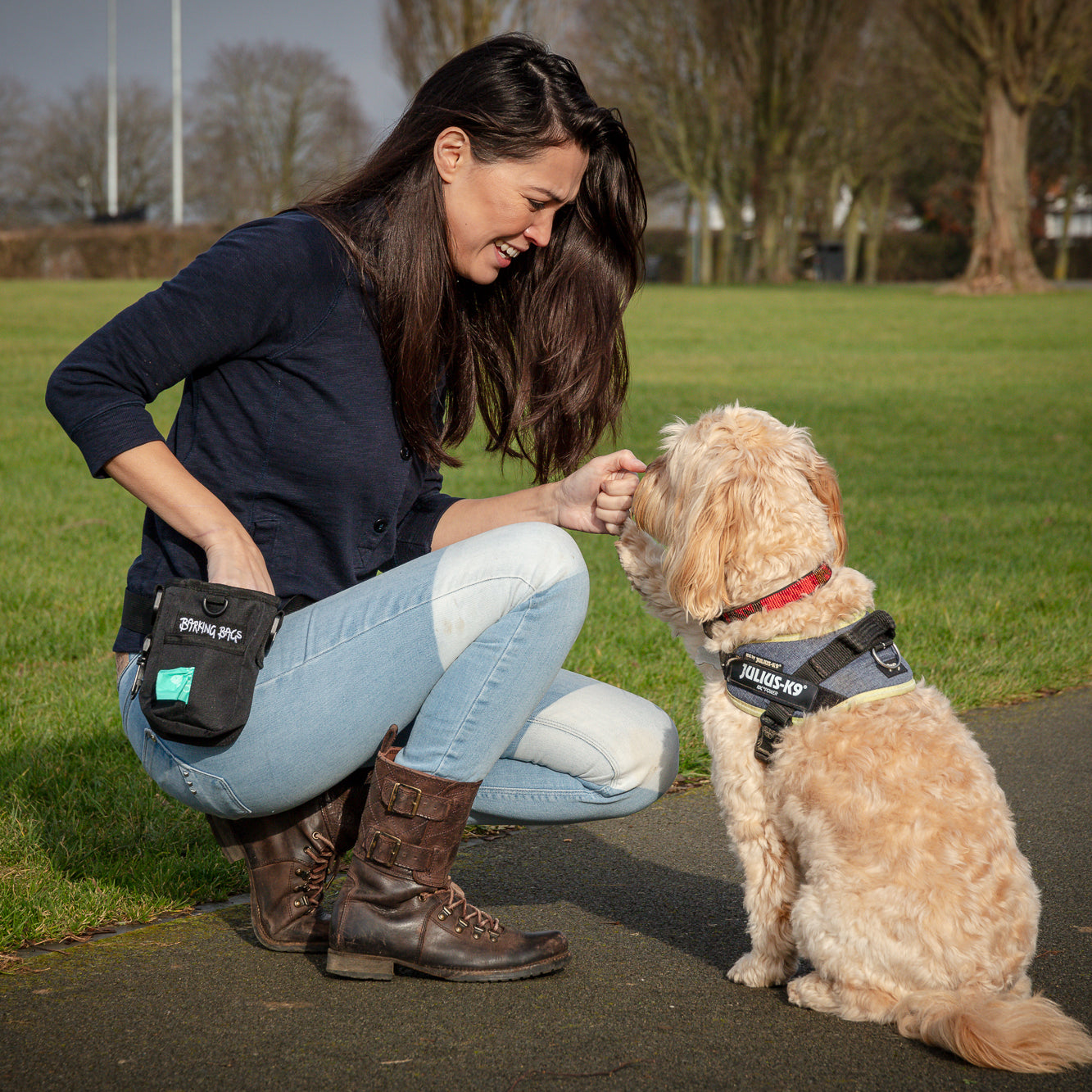
The biggest reason is simple: convenience that actually helps you be more consistent. Dogs learn through timing and repetition. If your treat takes too long to appear, the moment has passed. A pouch keeps rewards within easy reach, so you can mark good behaviour quickly and clearly.
That matters just as much on an ordinary pavement walk as it does in a training class. Many owners think treat pouches are only for puppies or formal obedience work, but that is not really how dog life works. Everyday walks are full of training moments - waiting nicely at the kerb, walking calmly past another dog, coming back when called, settling while you chat, leaving food on the ground alone. If you reward those moments consistently, your walk gets easier over time.
There is also the practical side. Treats in pockets leave grease, crumbs and that unmistakable dog biscuit smell behind. Soft treats are worse. If you have ever forgotten they were in there and found them later in the wash, you already know. A proper pouch keeps your clothes cleaner and your treats separate from the rest of your essentials.
Faster rewards, clearer training
A well-timed reward tells your dog exactly what worked. That is one of the strongest arguments for why use a dog treat pouch instead of simply carrying a handful of treats or stuffing them in a pocket. It removes delay.
For recall, speed is especially important. If your dog comes back and then has to wait while you rummage around, the reward feels less connected to the action. The same goes for loose lead walking. When your dog chooses to walk nicely beside you, being able to reinforce that choice straight away makes the message much clearer.
This is useful for puppies, adolescent dogs and older dogs learning new habits. It is also useful for owners. You are more likely to reward the right things when access is easy. When treats are awkward to reach, people naturally reward less often, even when they mean well.
A pouch helps you stay organised
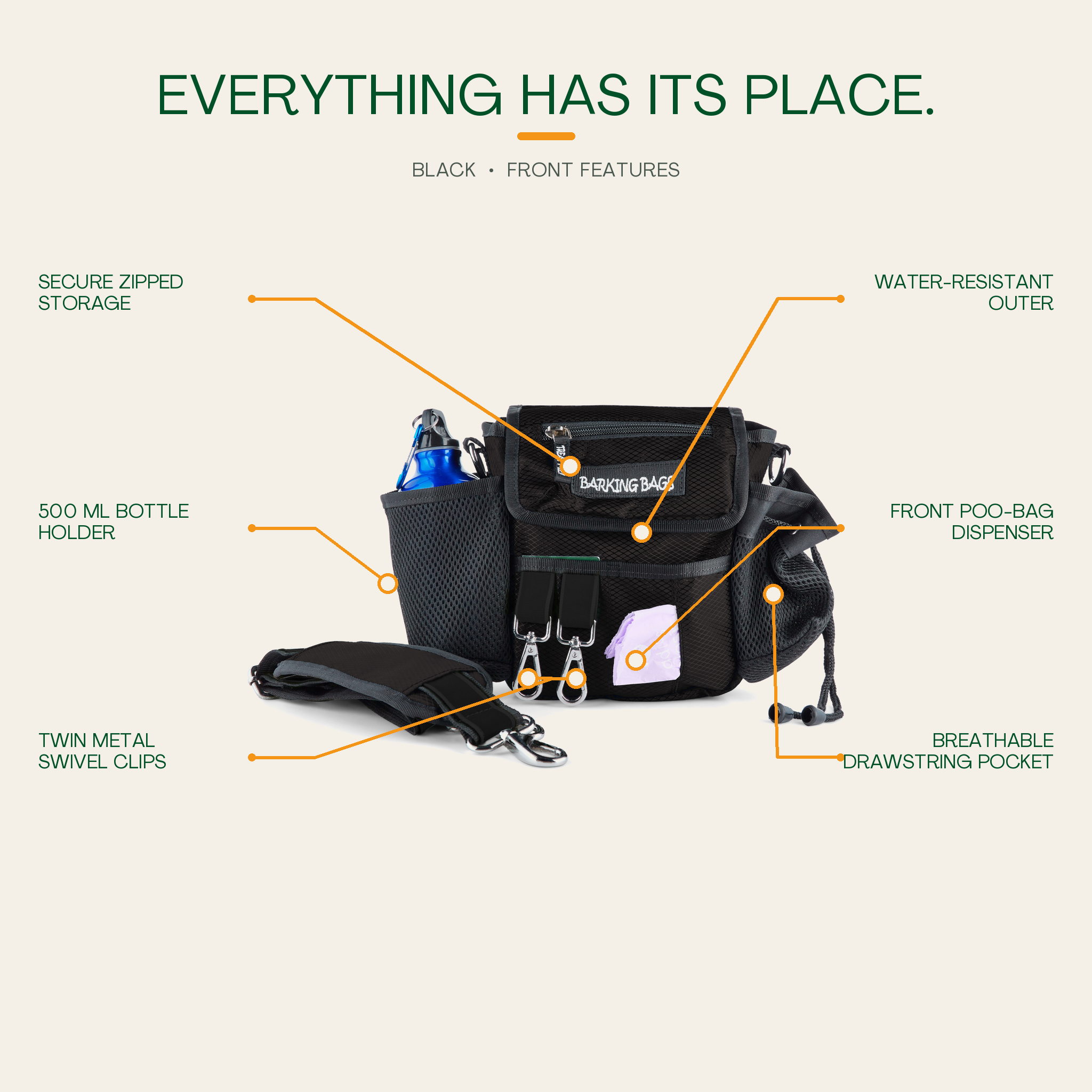
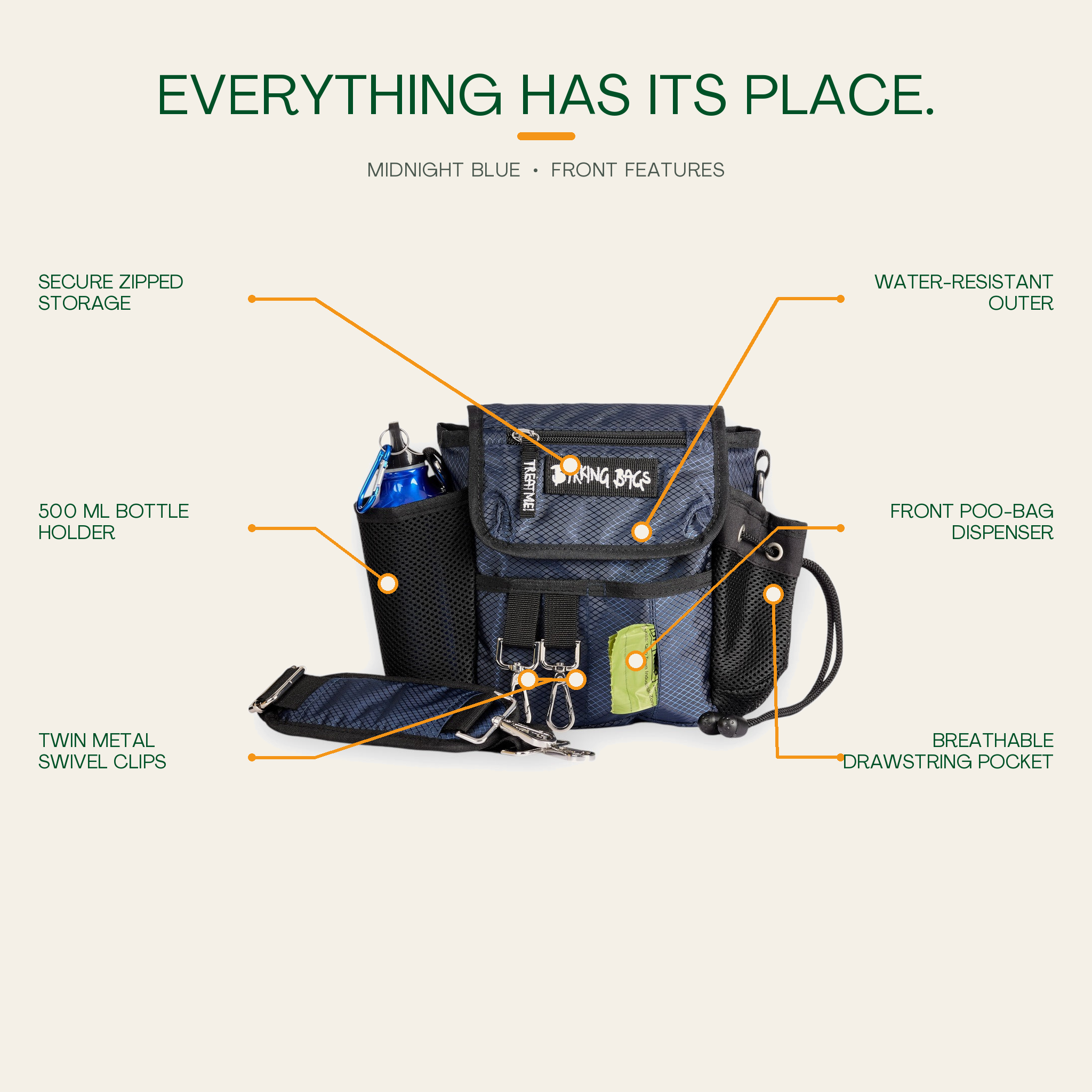
Dog walks rarely involve just one item. You have treats, waste bags, keys, a phone, perhaps a whistle, maybe a ball, and often your own bits and pieces too. That is where dedicated dog-walking accessories make a real difference. A treat pouch gives rewards their own home, rather than forcing everything into the same pocket or bag compartment.
That may not sound exciting, but it has a knock-on effect. You know where your treats are, how many you have left and whether they are still fresh. You are not pulling out a house key with bits of liver cake stuck to it. You are not wondering which pocket has the emergency poo bag. The walk feels more straightforward because your kit is working with you, not against you.
For busy owners, that matters. When getting out of the door already involves leads, harnesses and an excited dog circling the hall, anything that simplifies the routine earns its place.
Cleaner, more hygienic and less wasteful
Treats carried loose in a pocket tend to get crushed, warmed up and covered in lint. If they are moist treats, they can leave residue behind and spoil faster. A pouch creates a cleaner barrier between rewards and everything else you carry.
It can also help with portion control. When you decant the amount you need for one walk, you are less likely to overfeed or reach into a large packet without keeping track. That is helpful if your dog is training regularly, watching their weight or simply very good at persuading you they deserve one more.
Freshness is another small but real advantage. Dogs are usually enthusiastic about treats, but even the keenest learner can lose interest if the reward is stale, crumbly or smells of your waterproof pocket. A pouch designed for frequent access makes it easier to carry treats in good condition.
Better for confidence on busier walks
Not every walk is a quiet loop round the block. Some involve busy parks, school-run pavements, cafés, livestock, cyclists or that one squirrel-heavy route your dog finds almost impossible to resist. In those moments, having rewards ready can help you manage the environment before it tips into chaos.
If your dog is nervous, excitable or still building focus around distractions, a treat pouch lets you reinforce calm choices early. You can reward eye contact, a pause, a turn away, or simply staying with you when something interesting appears. The result is not magic, and a pouch will not fix training gaps on its own, but it gives you a much better chance of responding quickly and confidently.
That confidence matters for the human end of the lead too. When you feel prepared, you are more likely to stay calm, and dogs are very good at picking up on that.
Who benefits most from a dog treat pouch?
The honest answer is almost any dog owner who uses treats regularly, but some people will notice the difference more than others. Puppy owners often love a pouch because early training happens constantly and rewards need to be immediate. Dog trainers and professional walkers benefit because they need efficient access, often with more than one dog or multiple sessions in a day.
Owners of rescue dogs, reactive dogs or dogs working on recall can also find a pouch especially useful. In these cases, you are not just offering the occasional biscuit. You are actively managing behaviour and looking for moments to reward. Easy access helps.
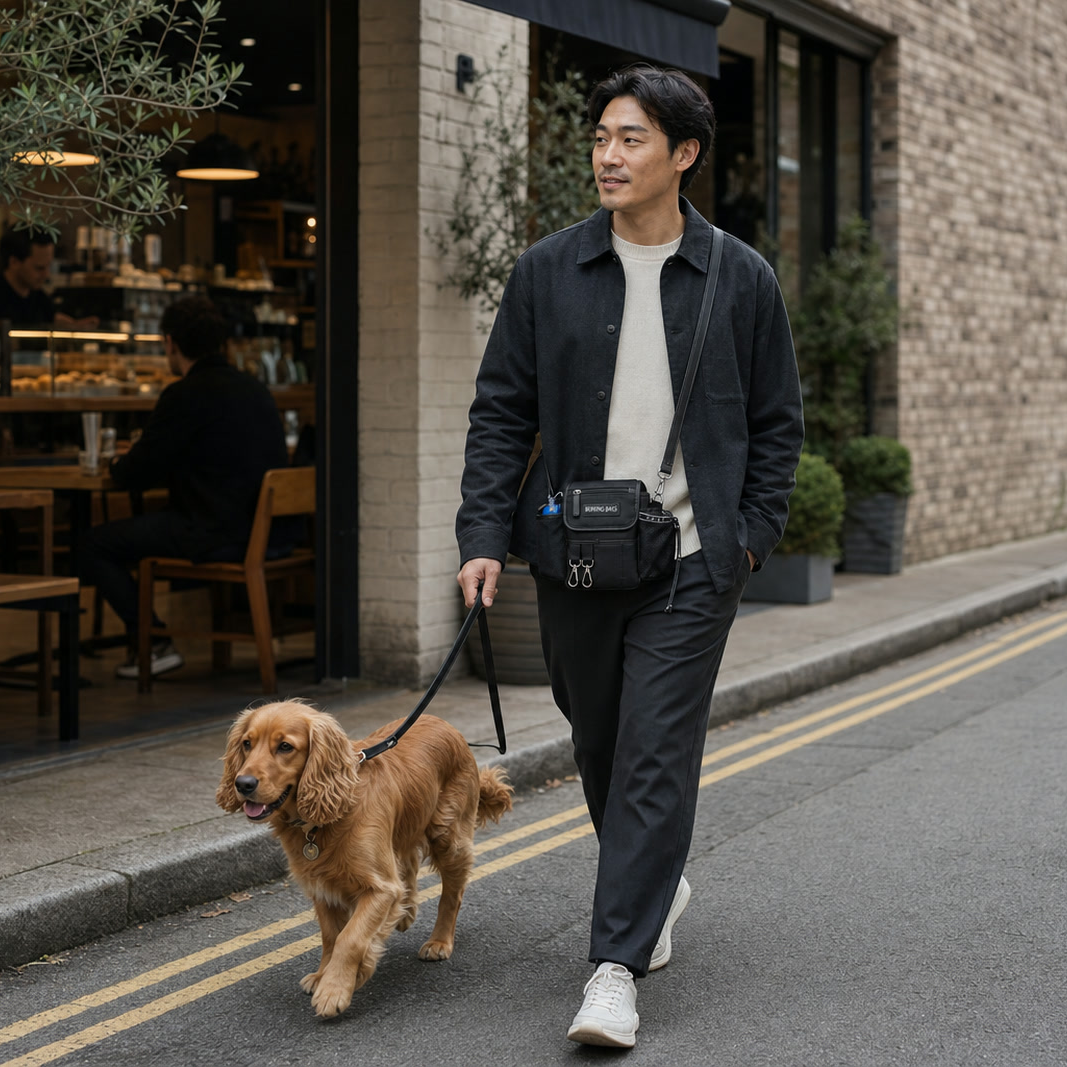
Then there are the style-conscious owners who simply do not want dog treats mixed in with their everyday handbag. Fair enough. Practical does not have to mean scruffy. A dedicated dog-walking setup can look pulled together and still do the job properly.
Are there any downsides?
A treat pouch is useful, but it is not one-size-fits-all. If you only take treats on the odd training session and never use them on normal walks, you may not feel the benefit as much. Some owners also prefer carrying everything in one larger dog walking bag rather than clipping on an extra accessory.
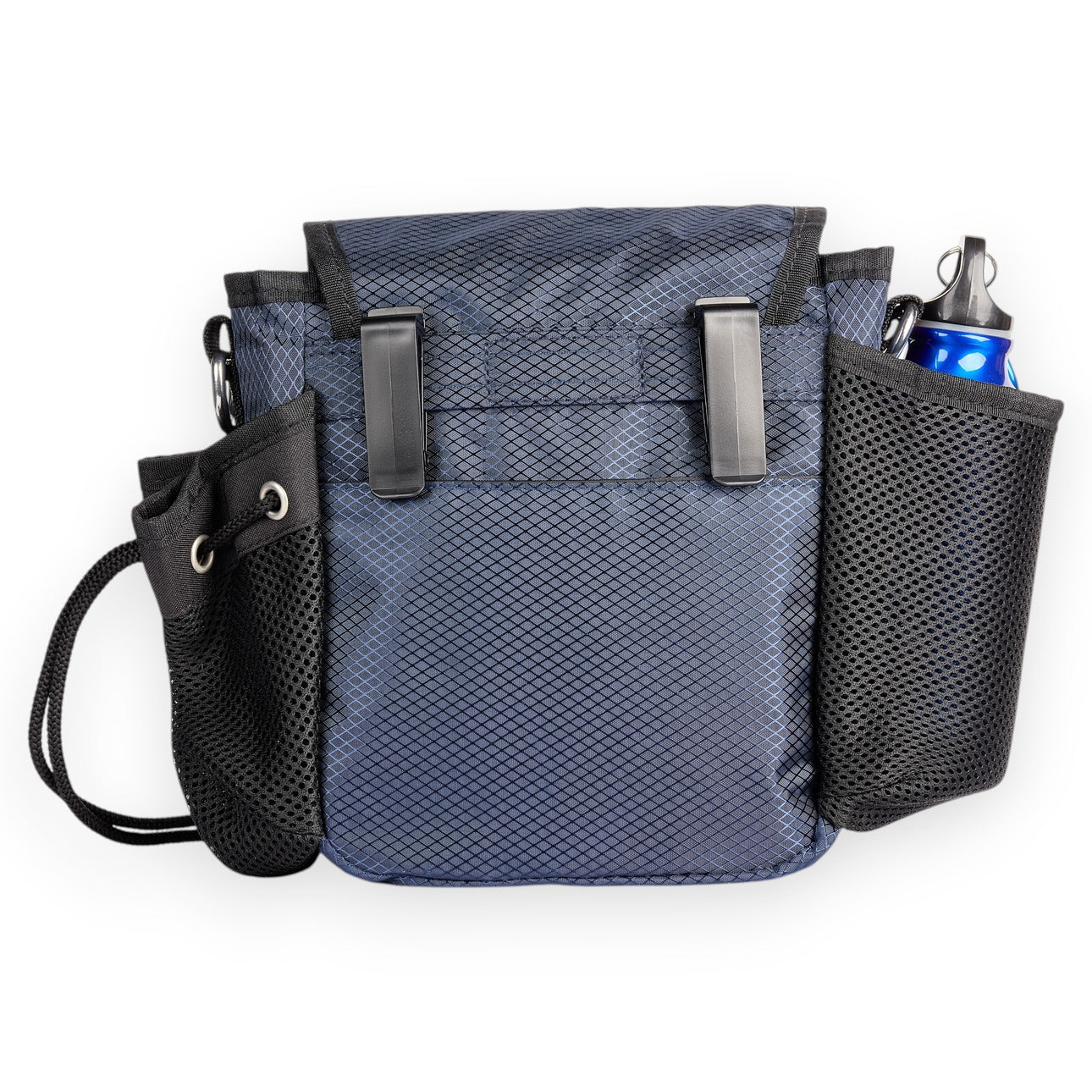
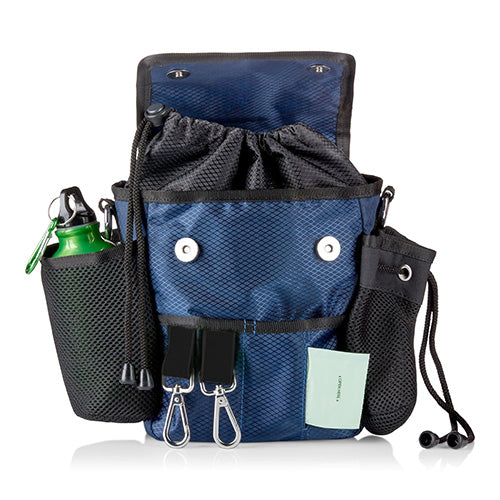
It also depends on the type of walk. For a quick lead walk around the block, a small pouch may be all you need. For longer outings, training sessions or all-day use, you may want a more complete system that holds treats alongside your other essentials. That is often where matching dog walking bags and accessories come into their own, because they let you stay organised without stuffing every item into the same space.
The key is choosing something that suits your routine. A pouch should make walks easier, not become another fiddly thing to carry.
What to look for in a good treat pouch
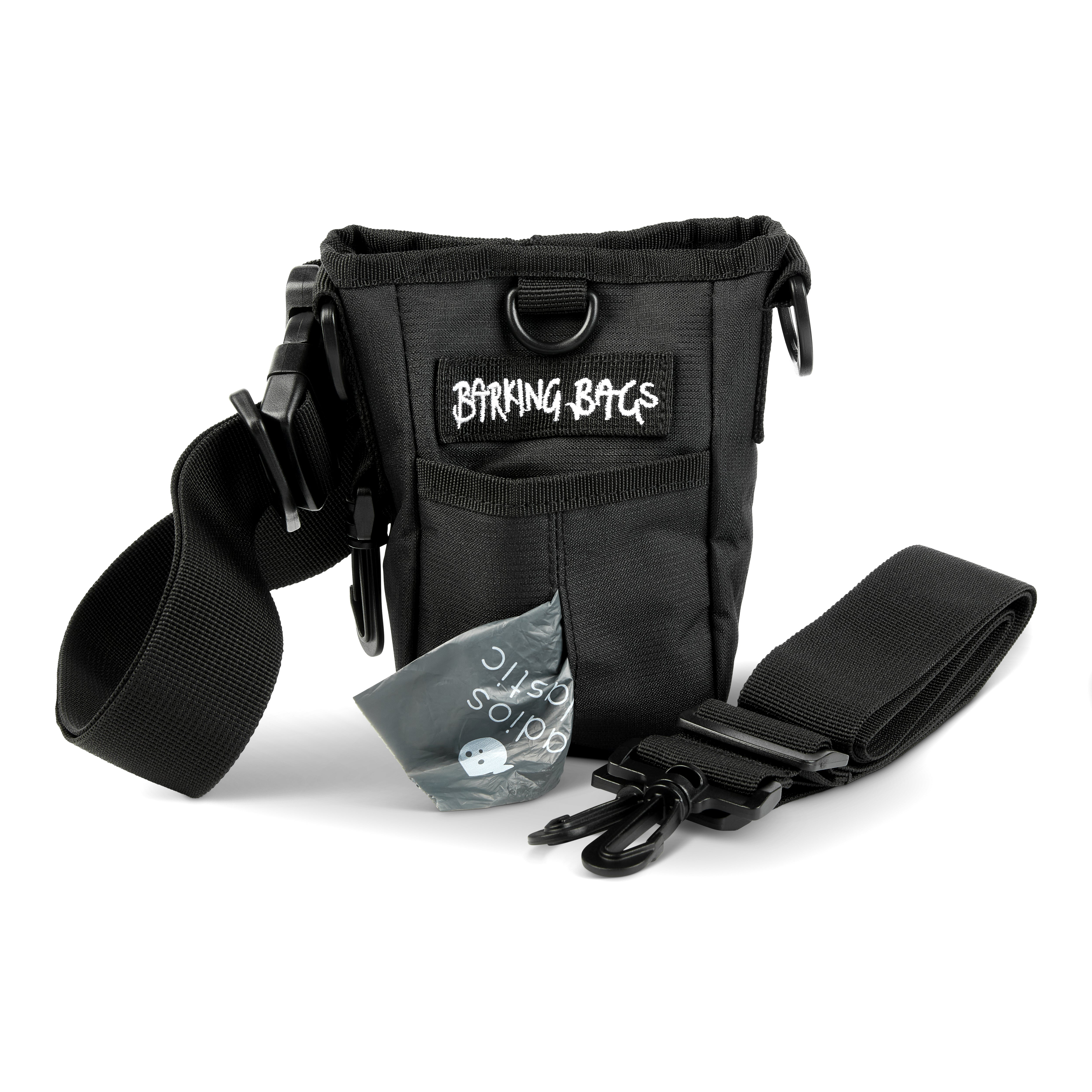
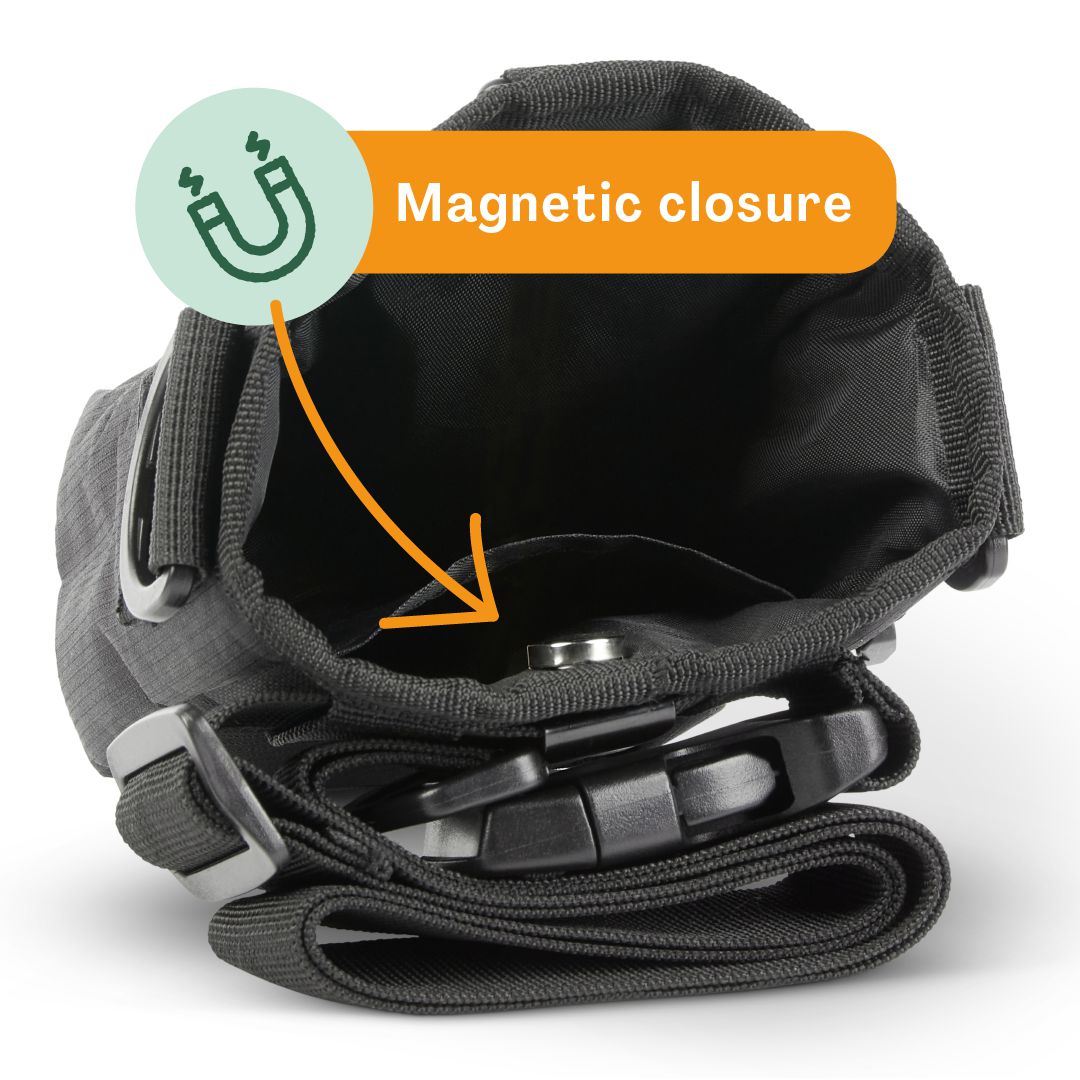
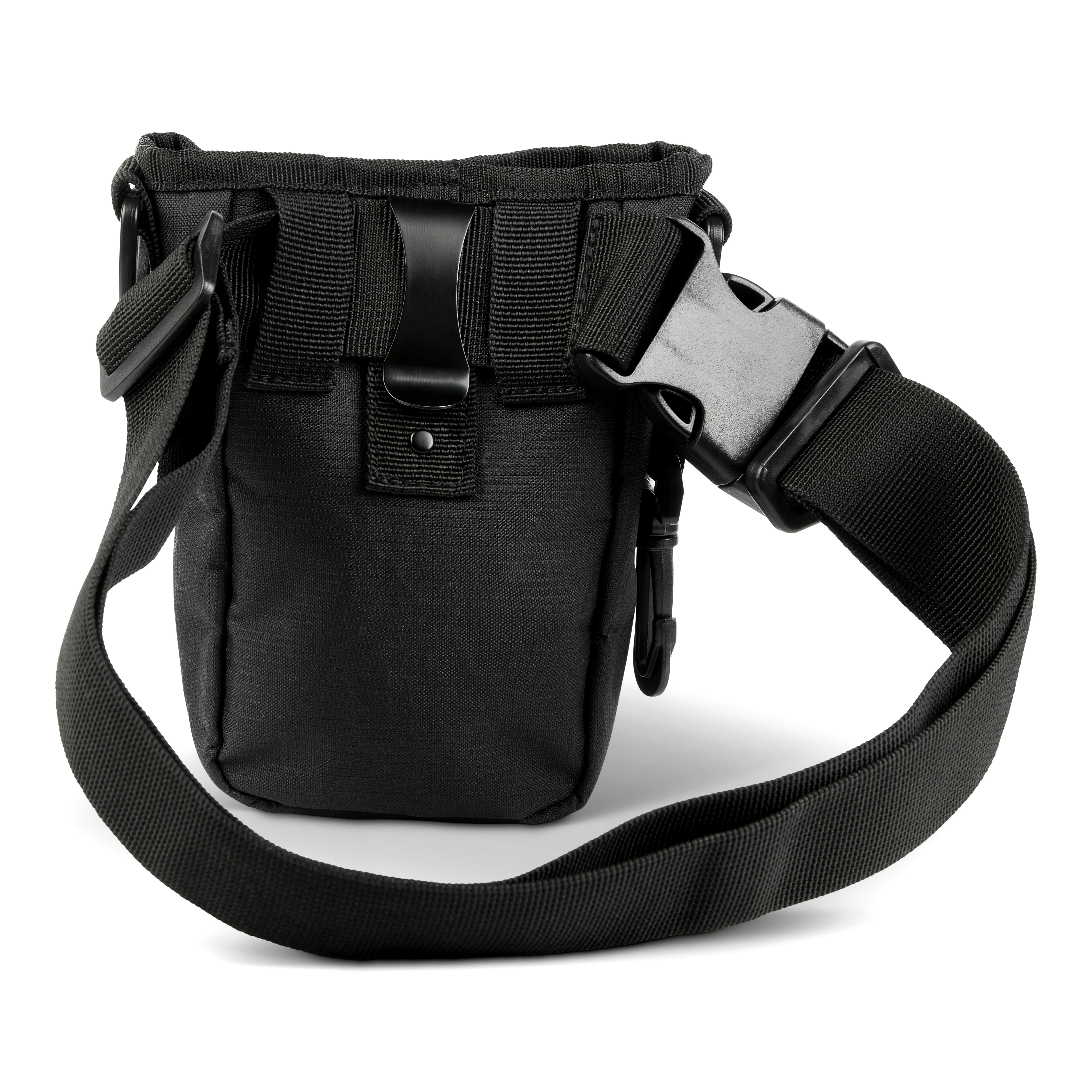
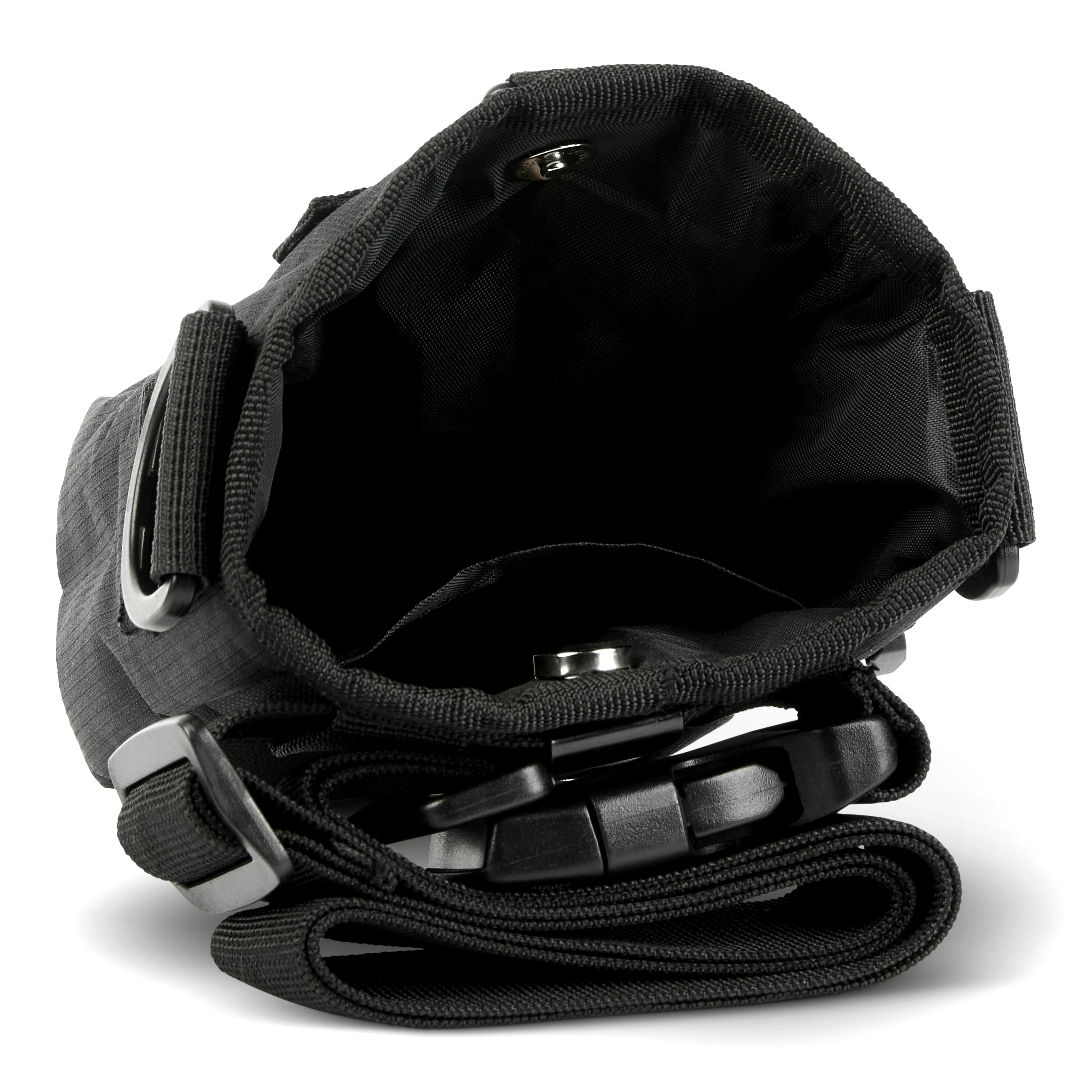
A good treat pouch needs to open easily with one hand and close securely enough that treats do not spill everywhere when you bend down. That balance matters more than people expect. If it is too stiff, you will stop using it properly. If it is too loose, you will end up feeding the footpath.
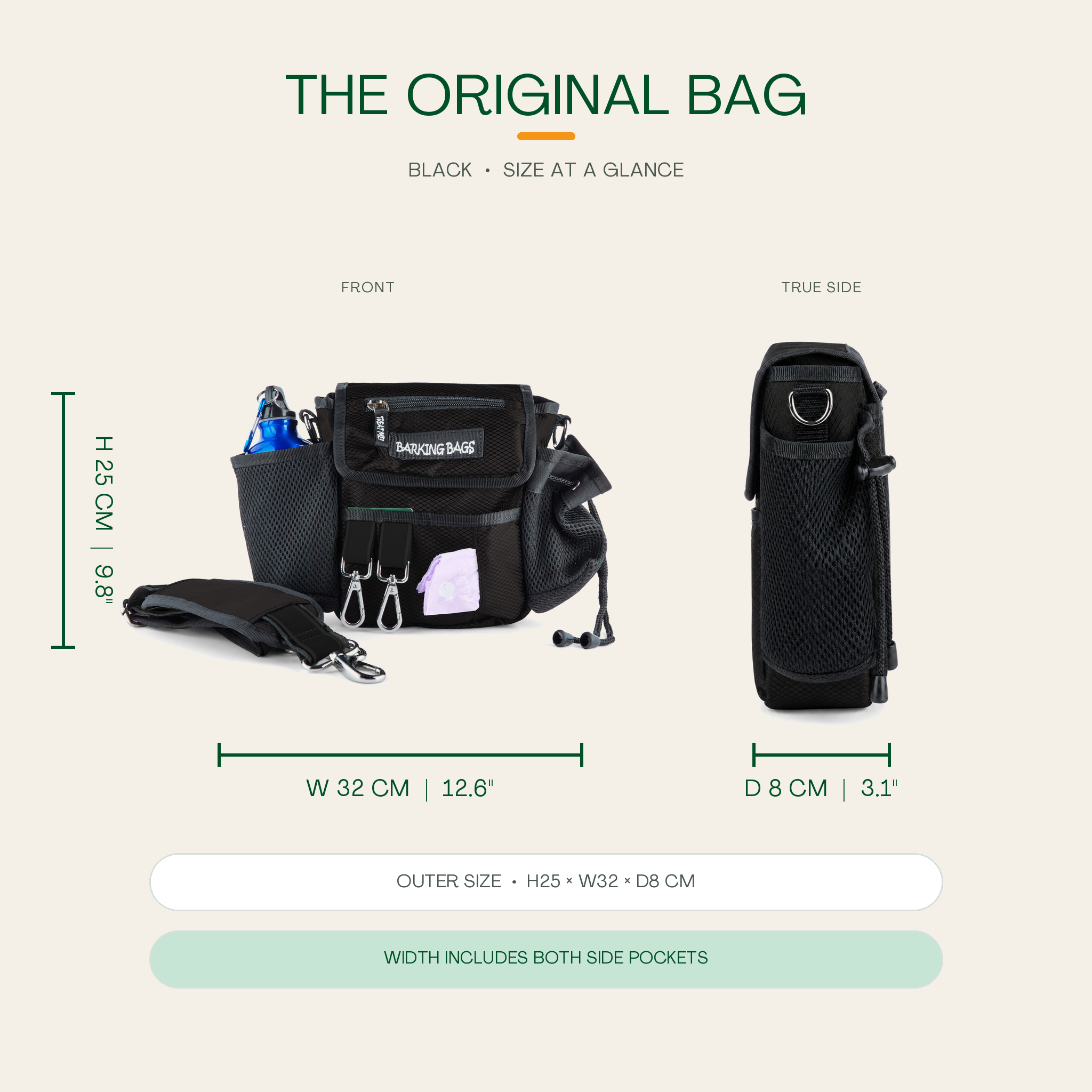
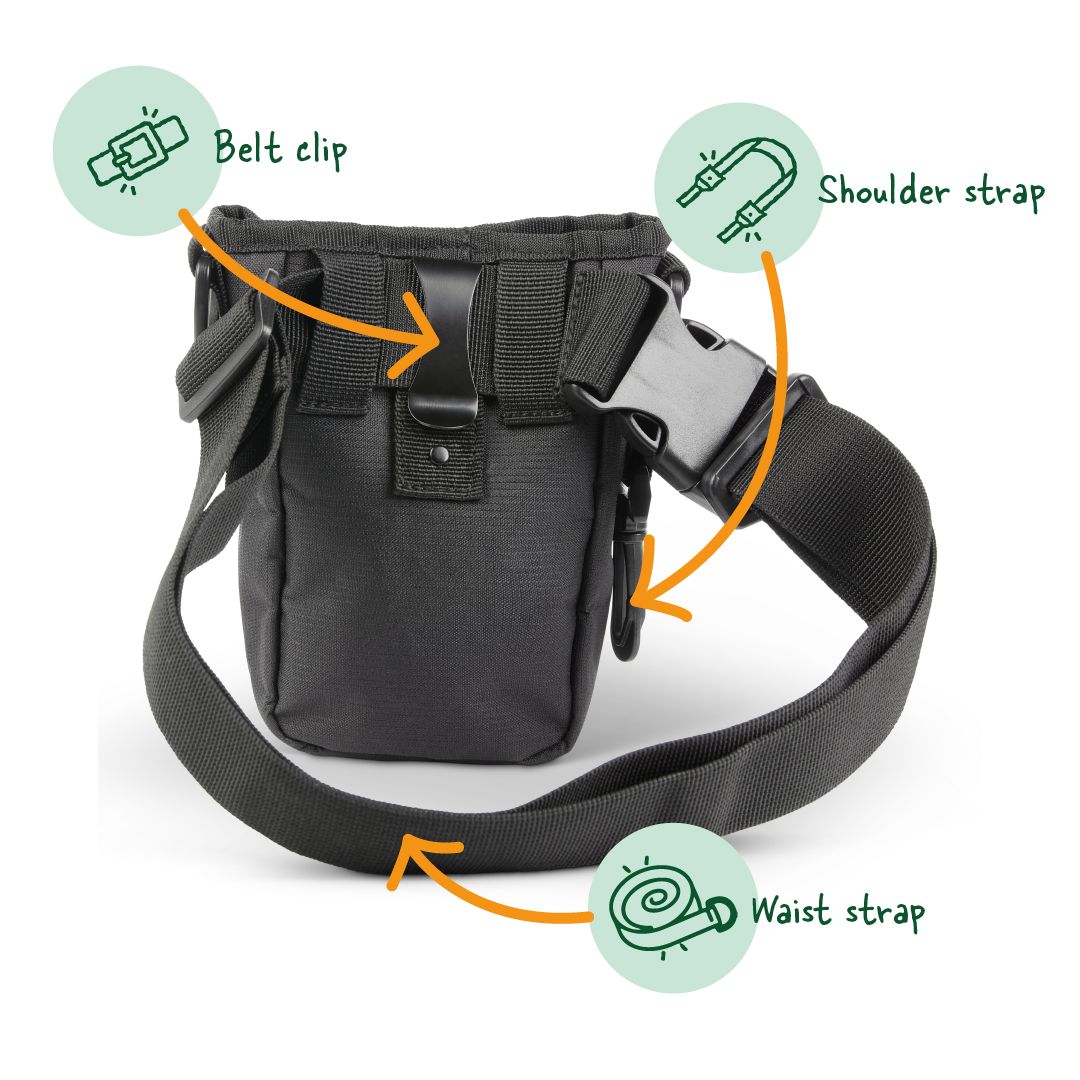
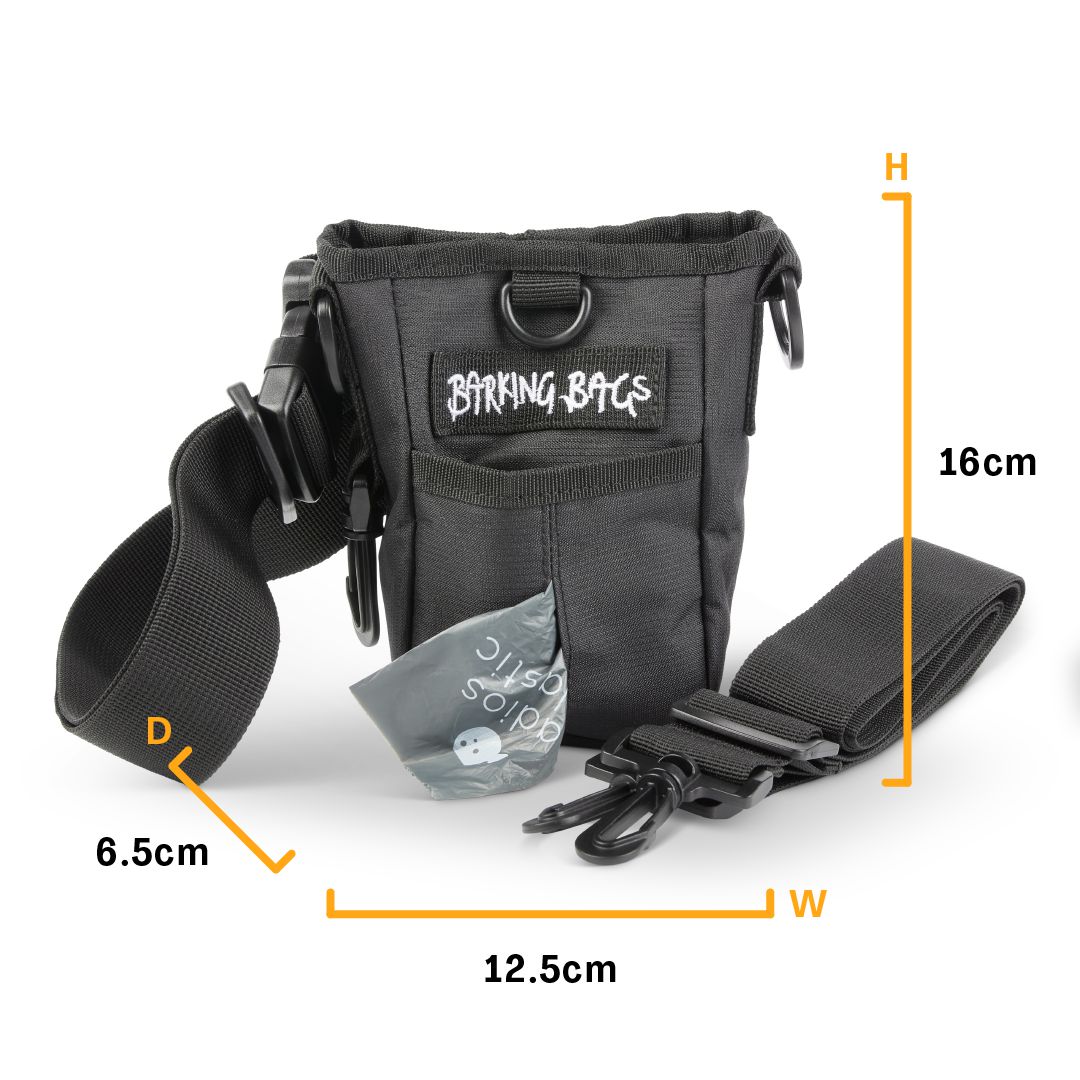
Size is worth thinking about too. You want enough room for the walk ahead, but not so much that you overfill it or carry stale leftovers from three days ago. Easy-clean materials help, especially if you use high-value treats. And if the pouch connects neatly to the rest of your walking setup, even better.
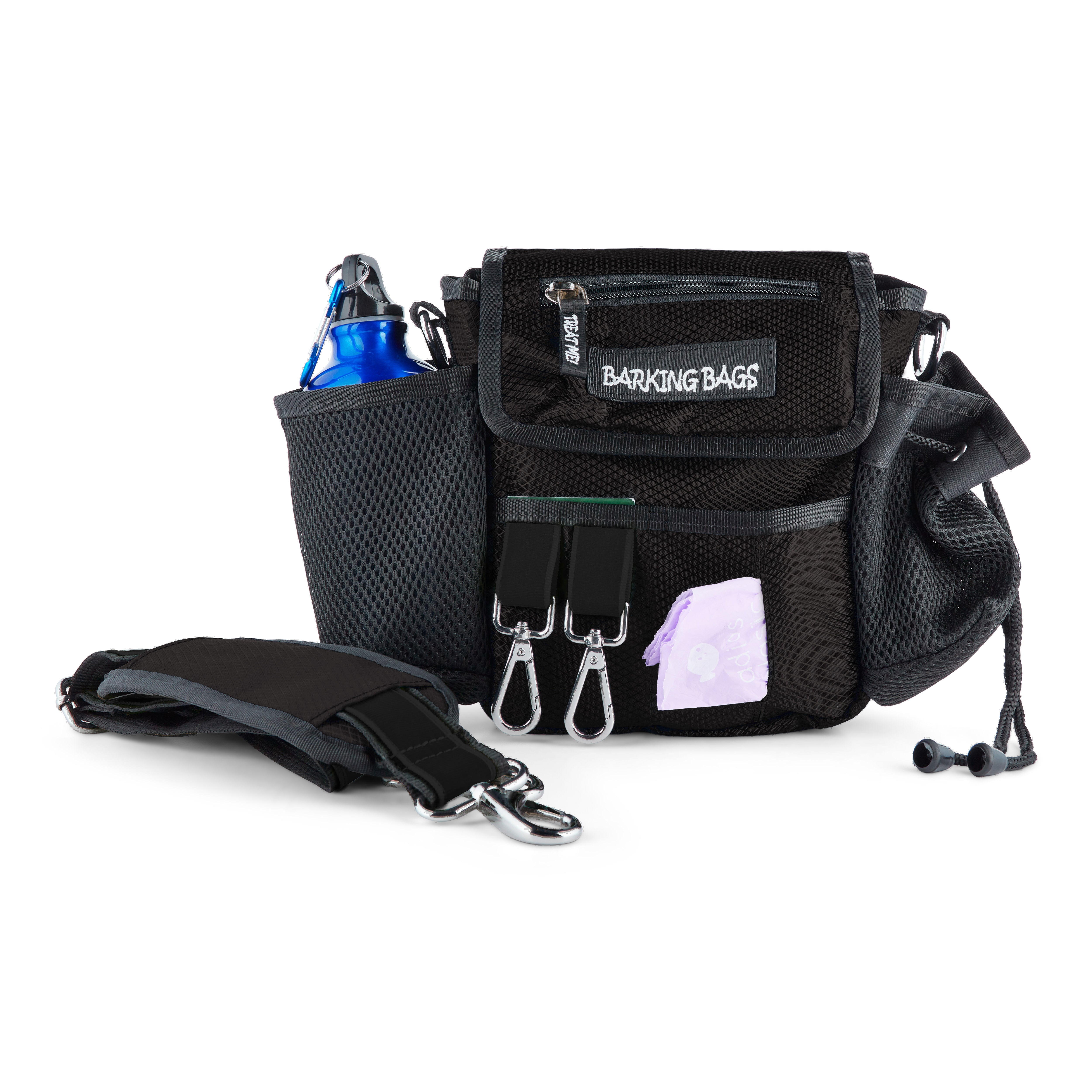
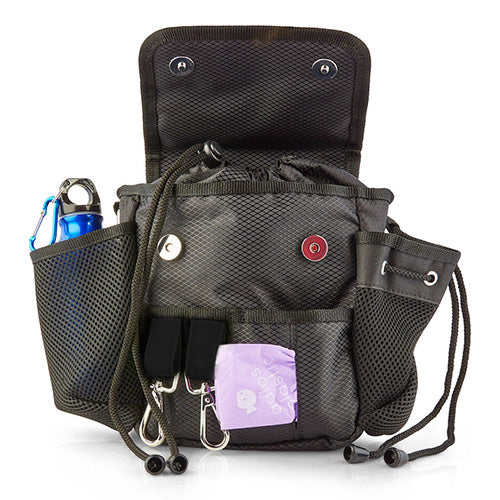
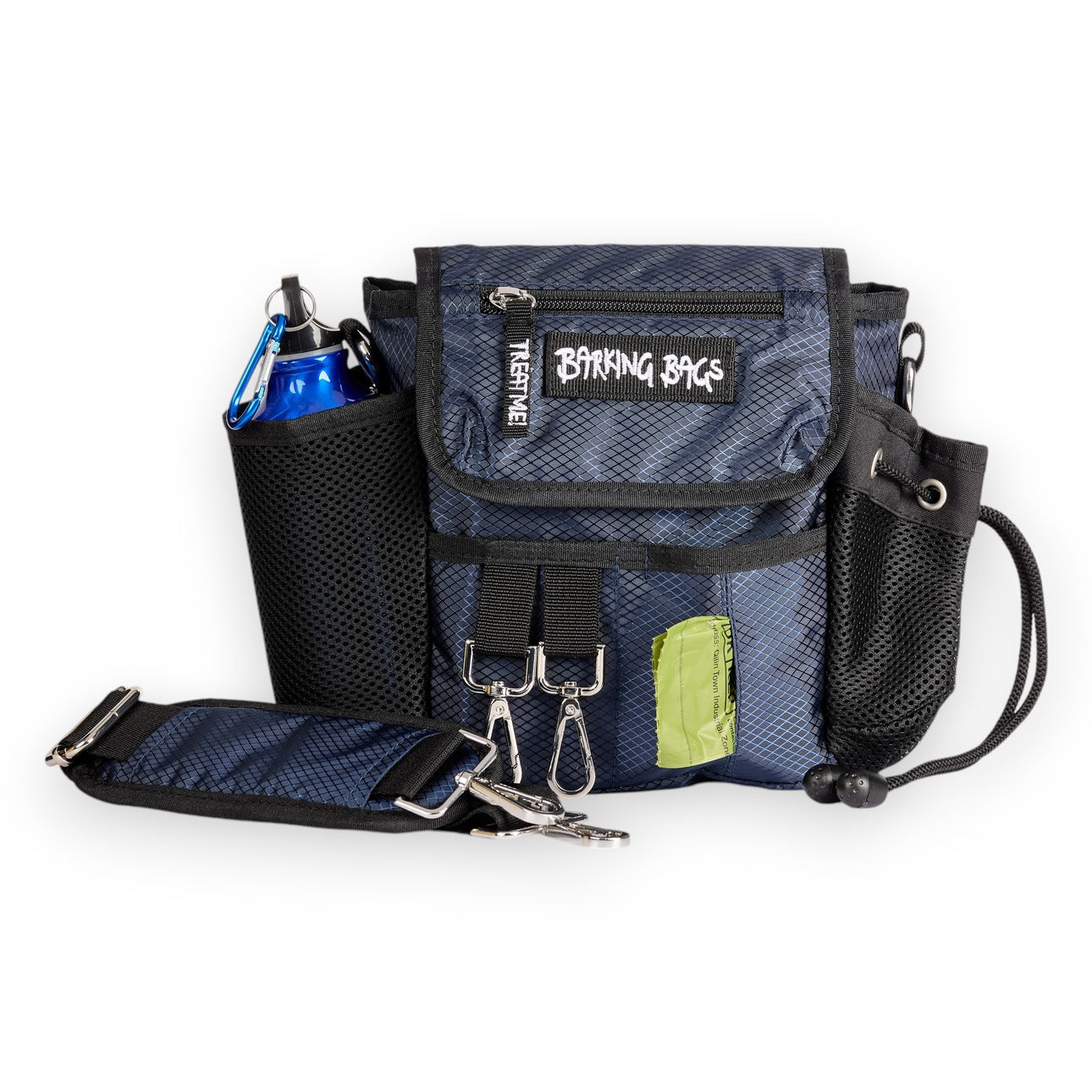
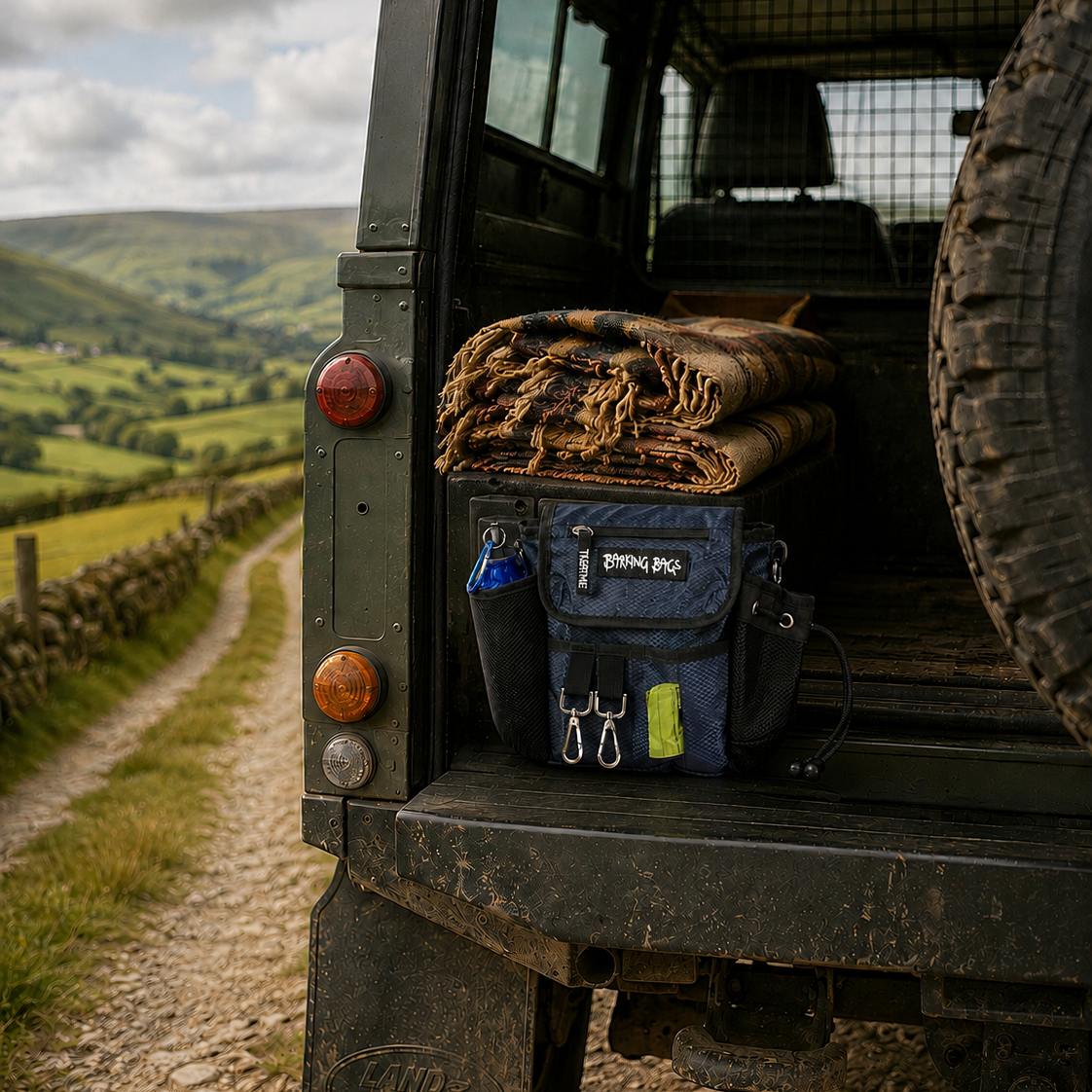
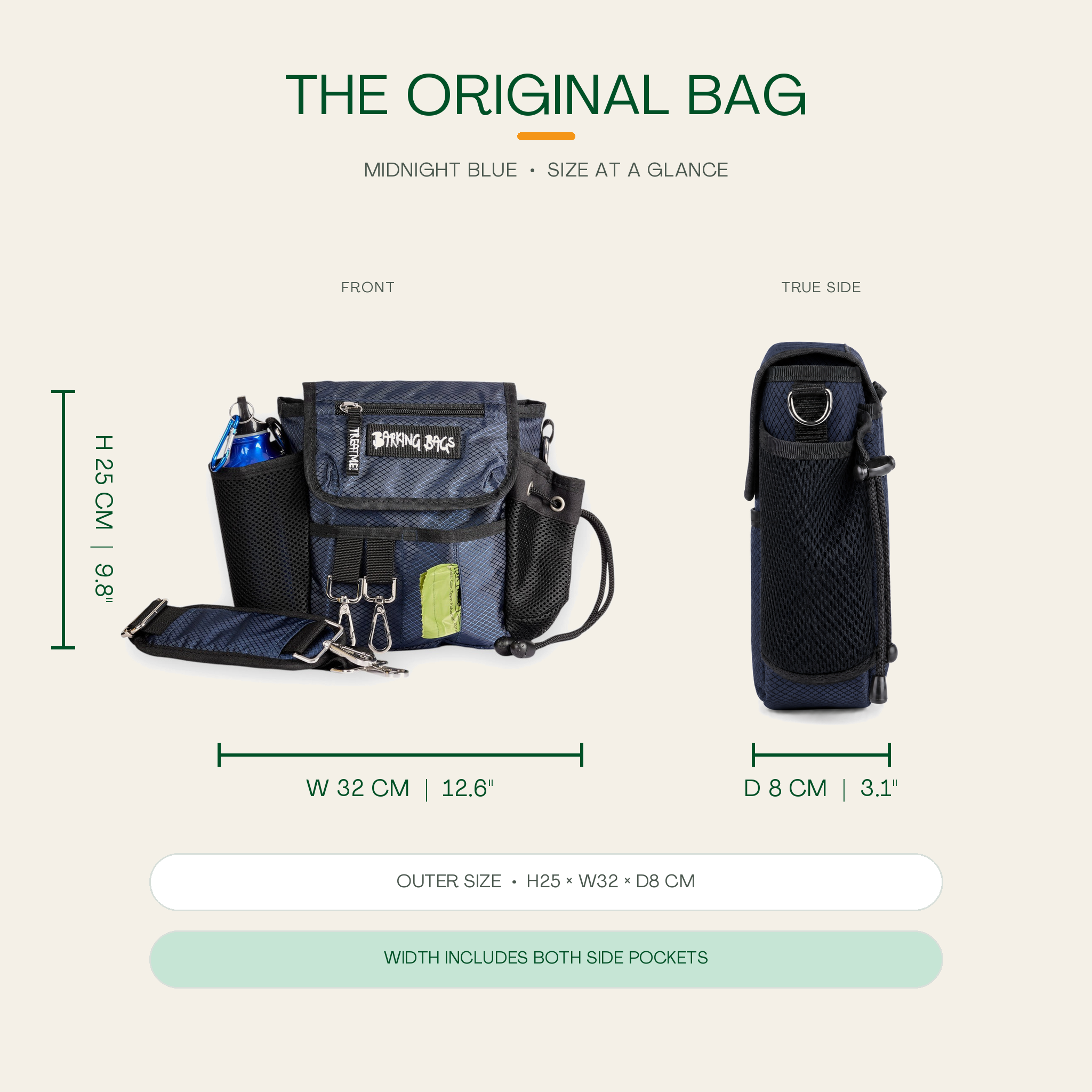
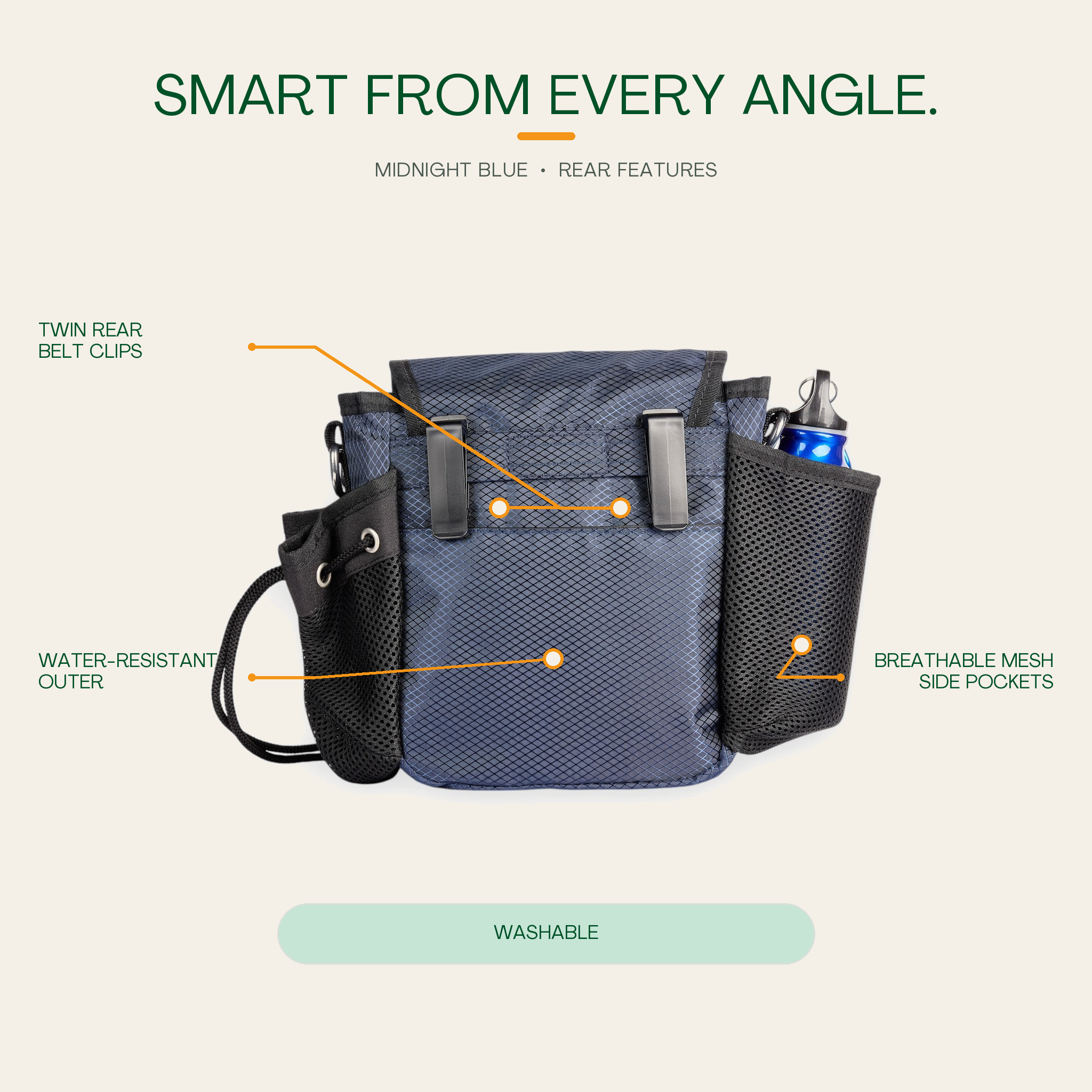
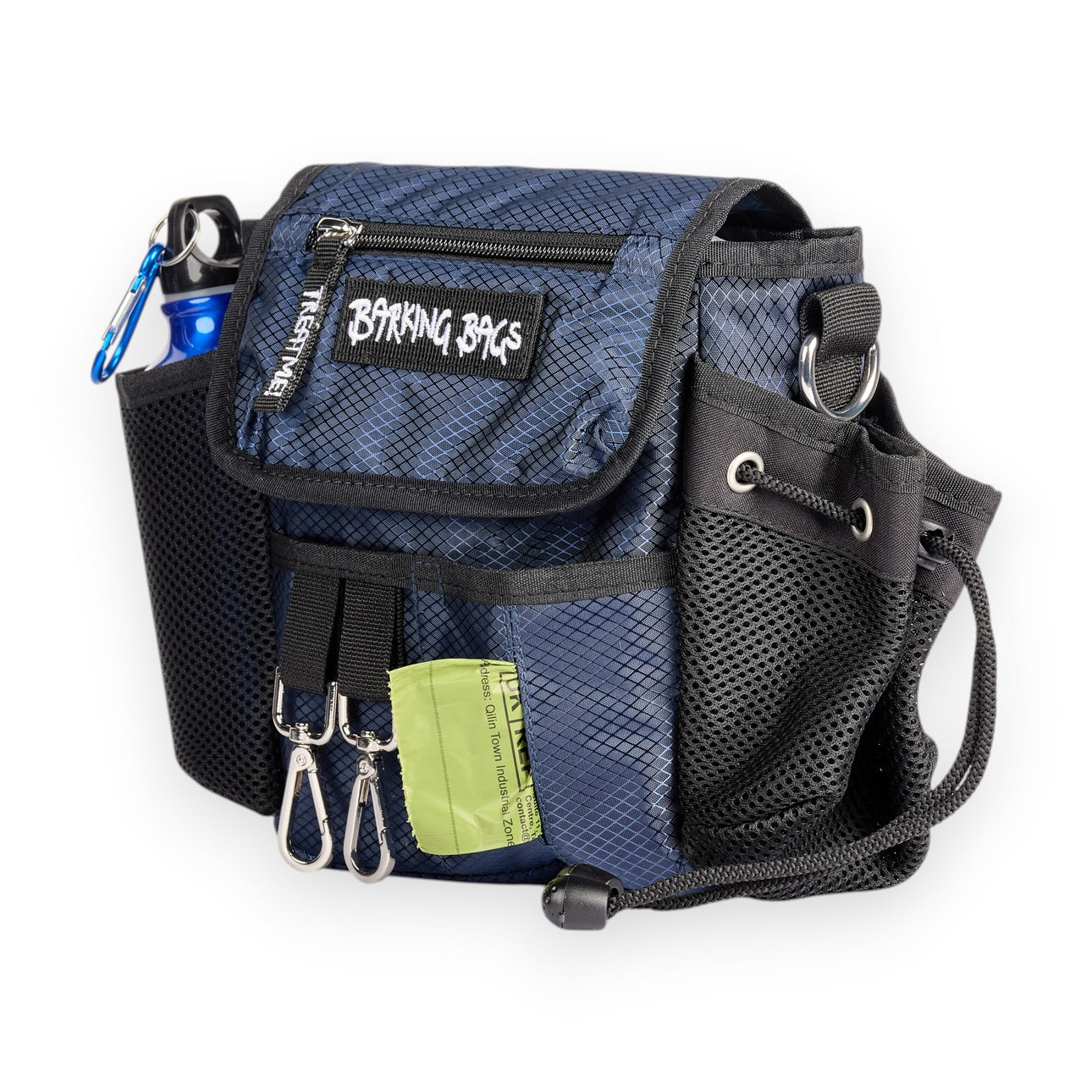
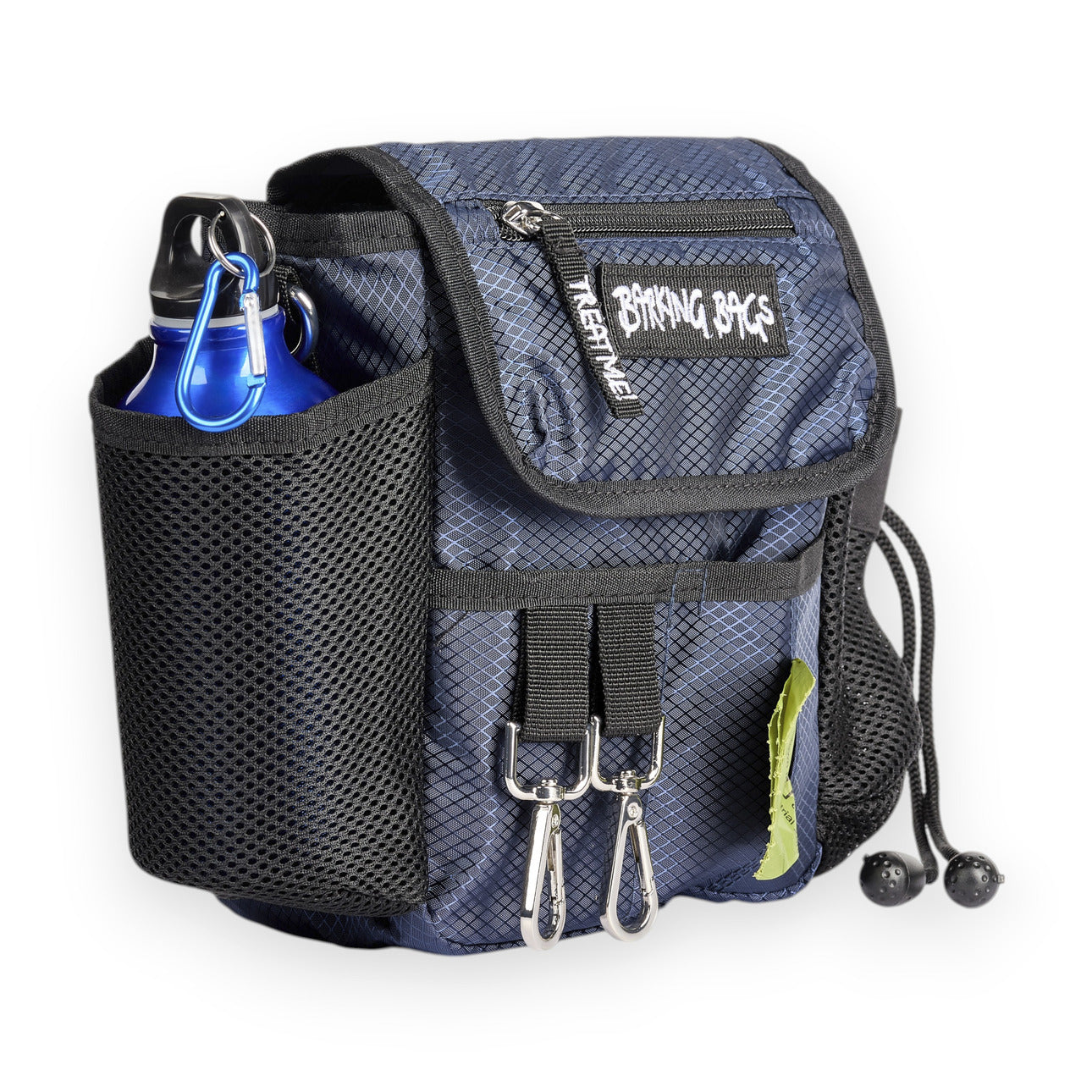
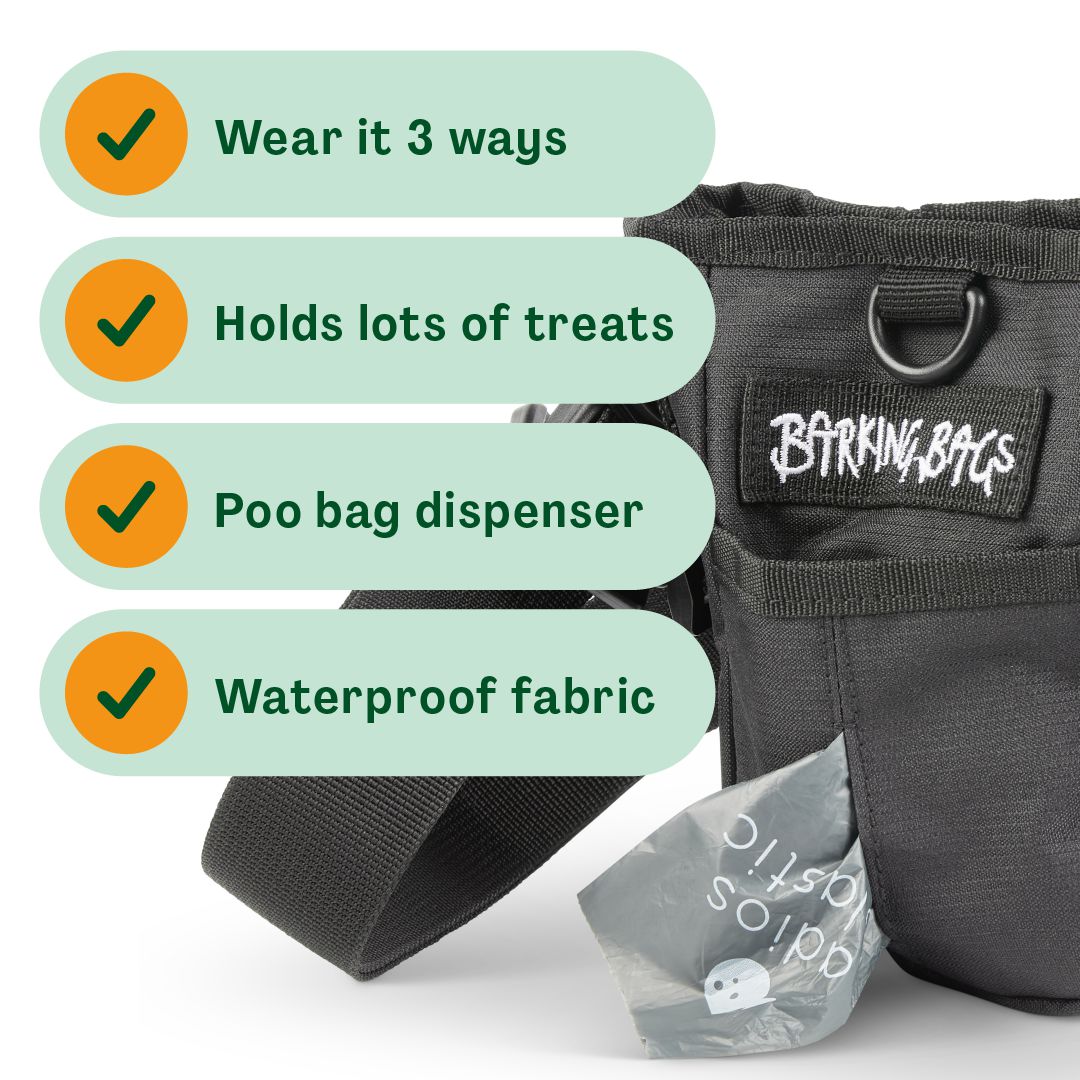
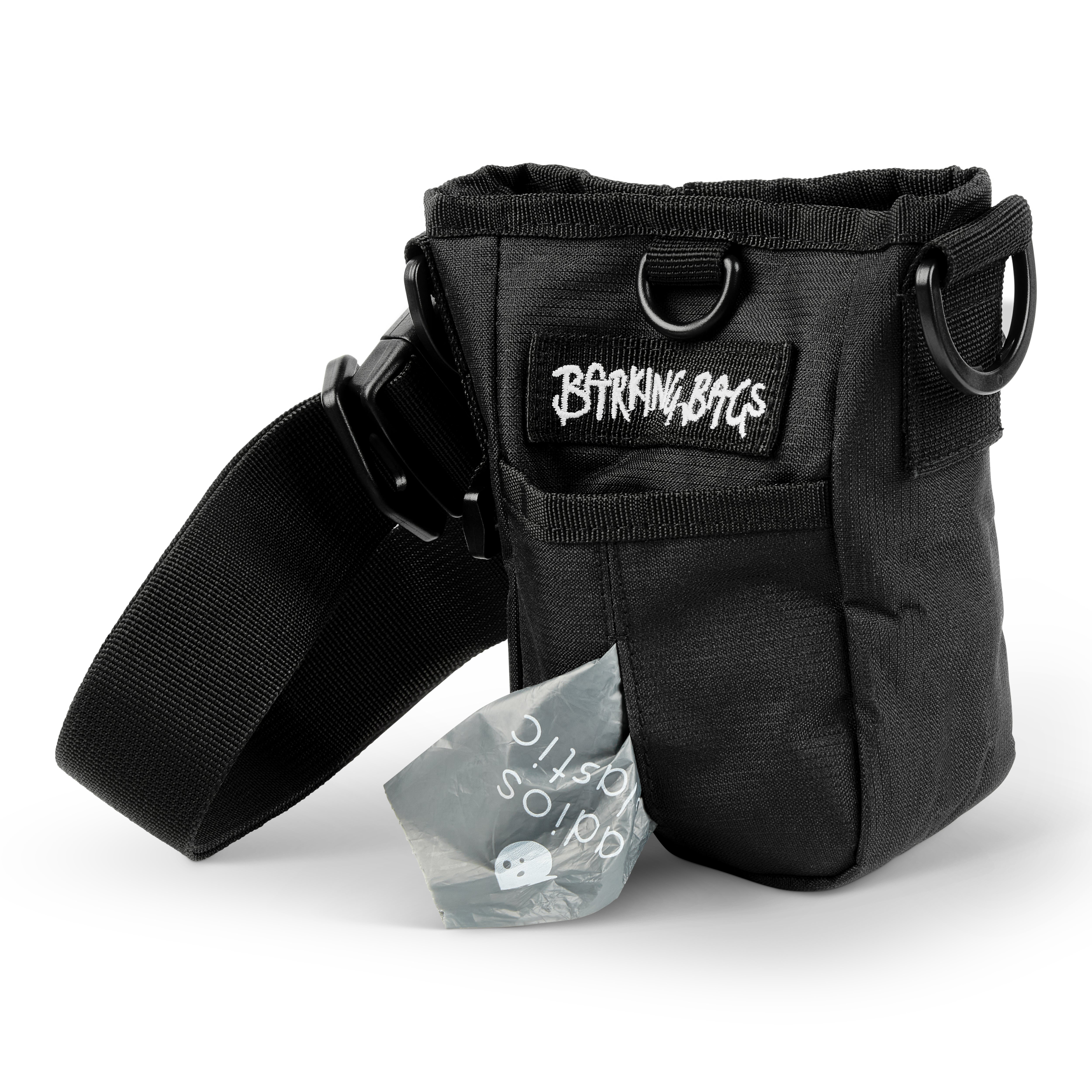
That is why specialist dog-walking brands tend to get the details right. They are designed around what actually happens on walks, not what looks good on a shelf. Barking Bags, for example, focuses on making dog-walking essentials feel organised, purposeful and easy to carry without compromising on style.
Small change, big difference
There are plenty of dog accessories that sound useful and then end up forgotten in a drawer. A treat pouch is not usually one of them. When it suits your routine, you notice the benefit straight away - faster rewards, cleaner pockets, better organisation and a more prepared feeling every time you clip on the lead.
If your walks often involve training, distractions or a dog who thrives on clear feedback, a treat pouch is less of a nice extra and more of a practical bit of kit. Sometimes the simplest upgrades are the ones you end up using every single day. And when dog walking already asks you to carry half your life out the door, having one thing in the right place can make everything feel easier.