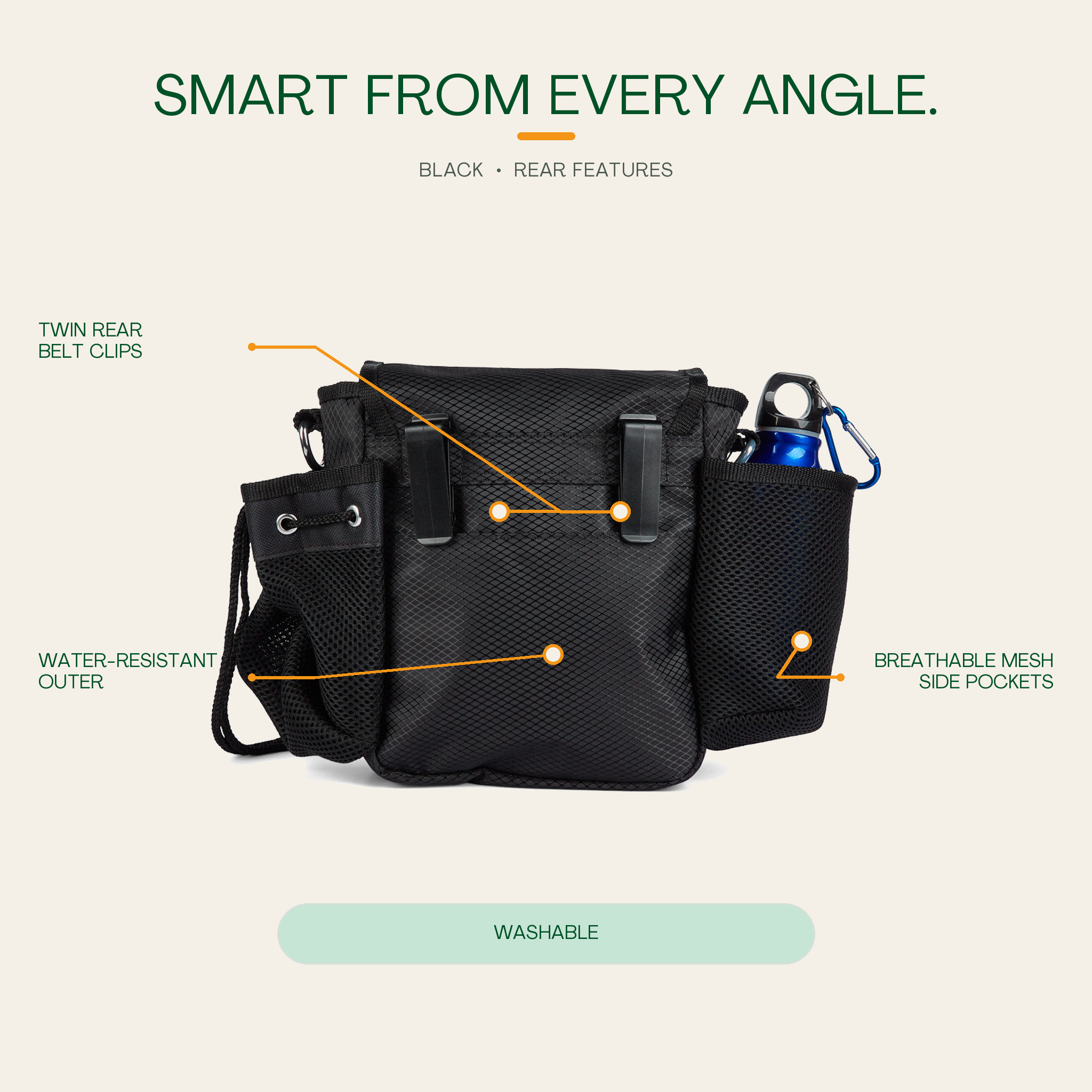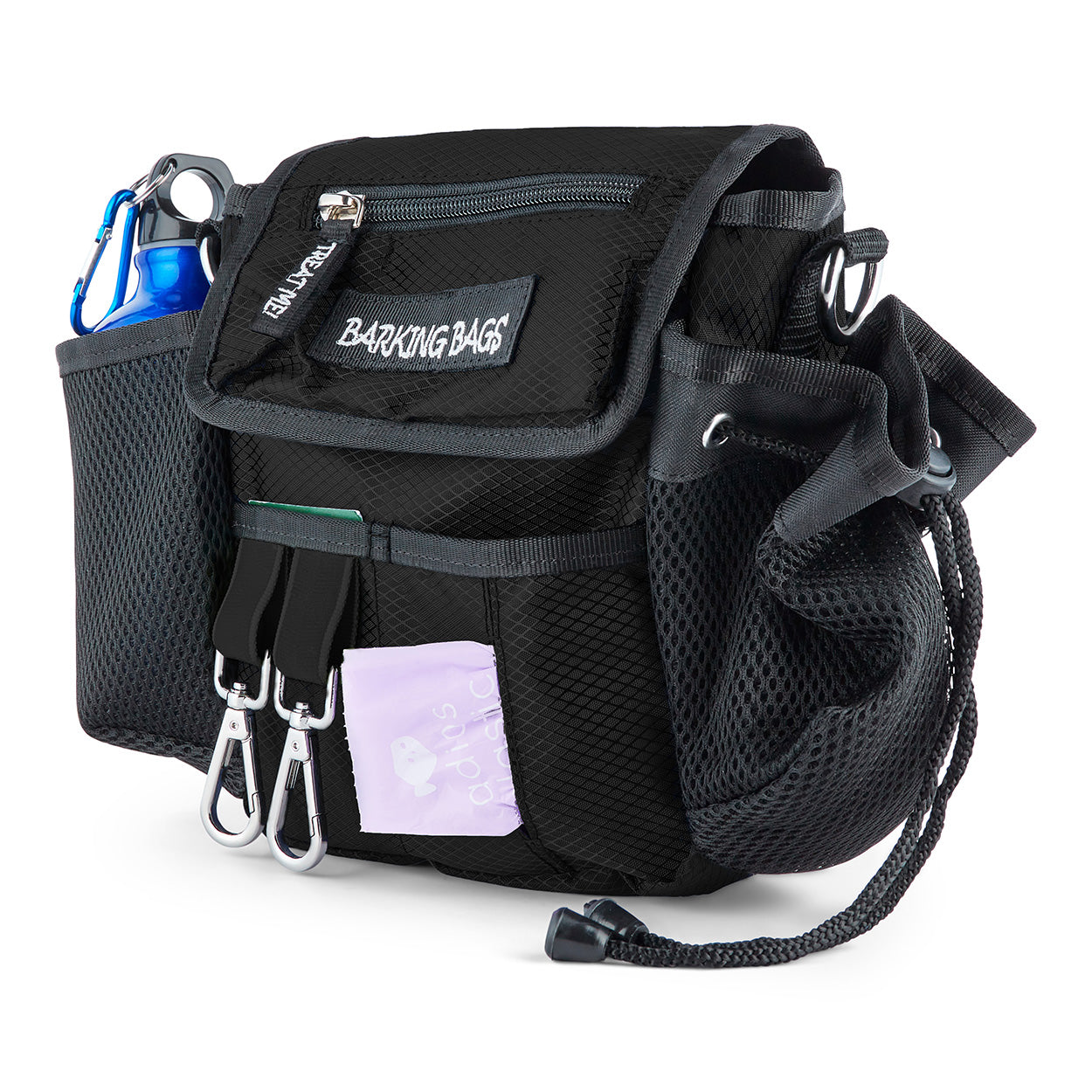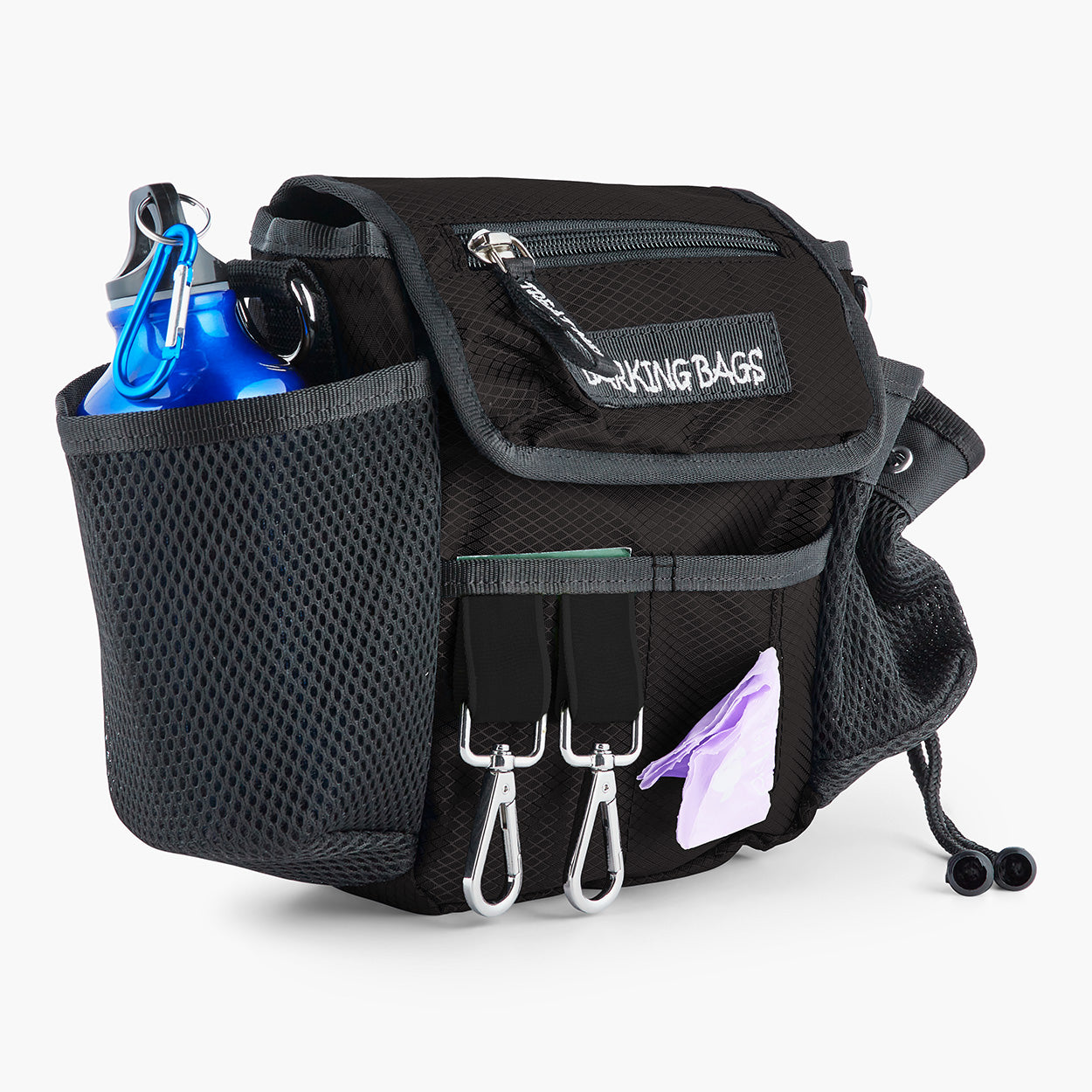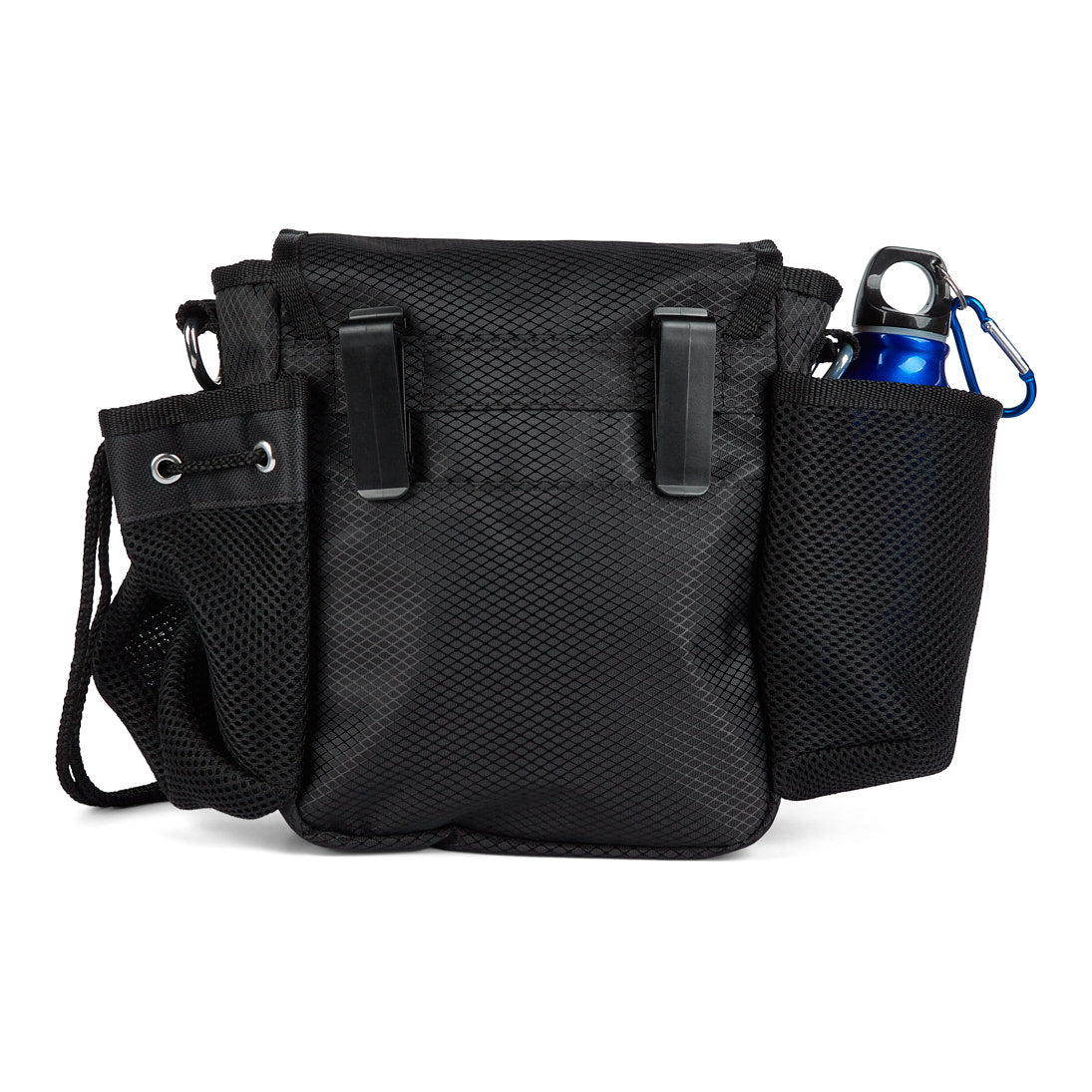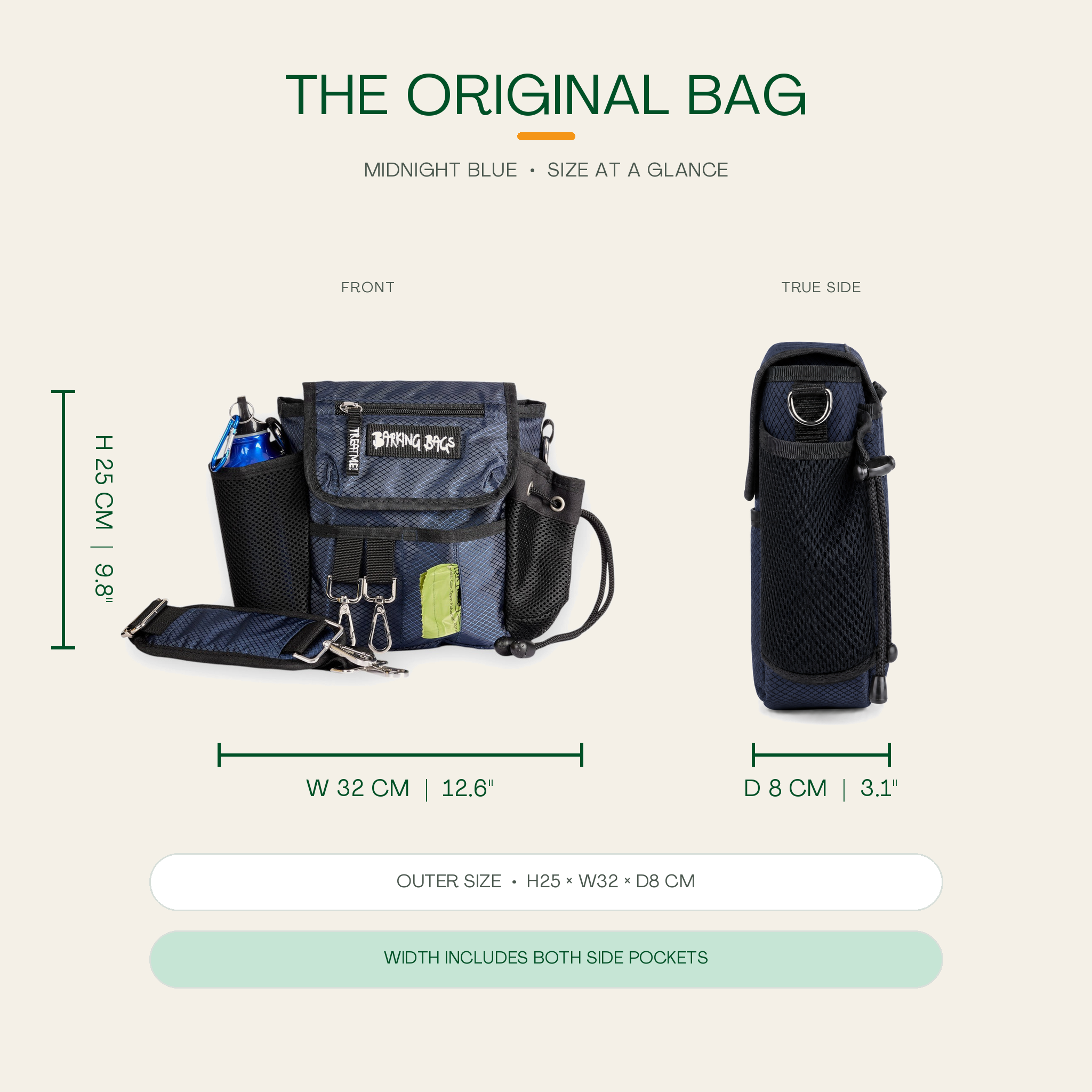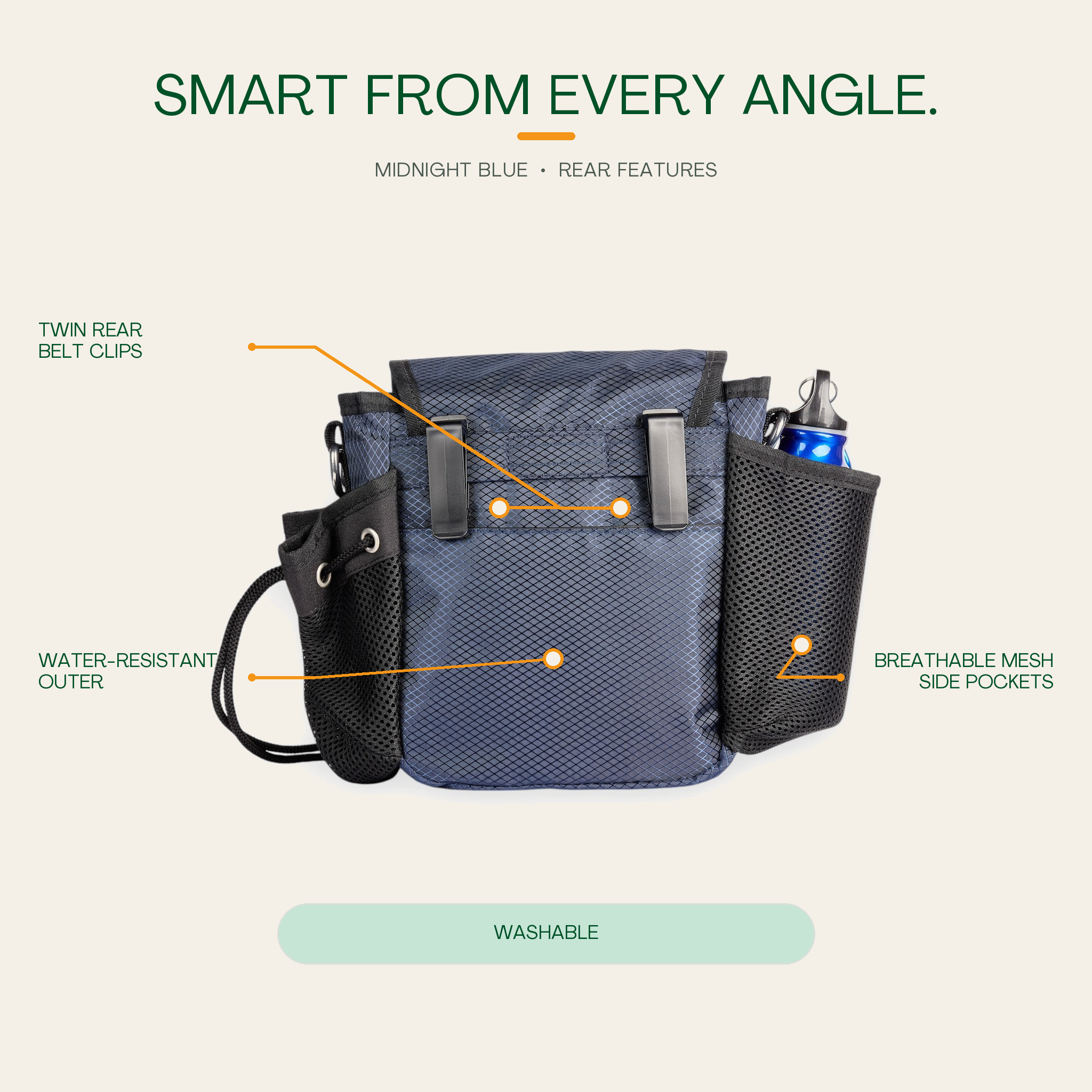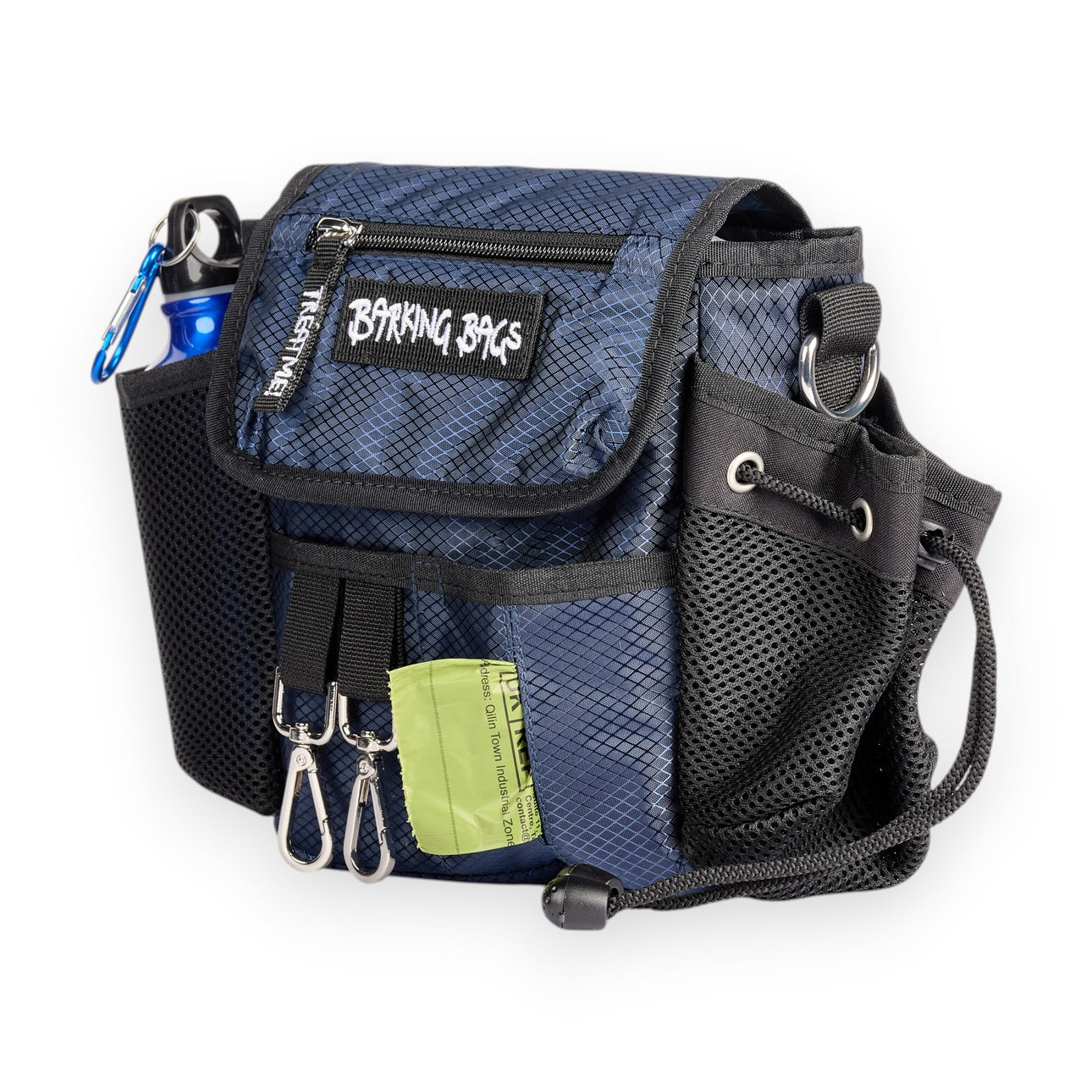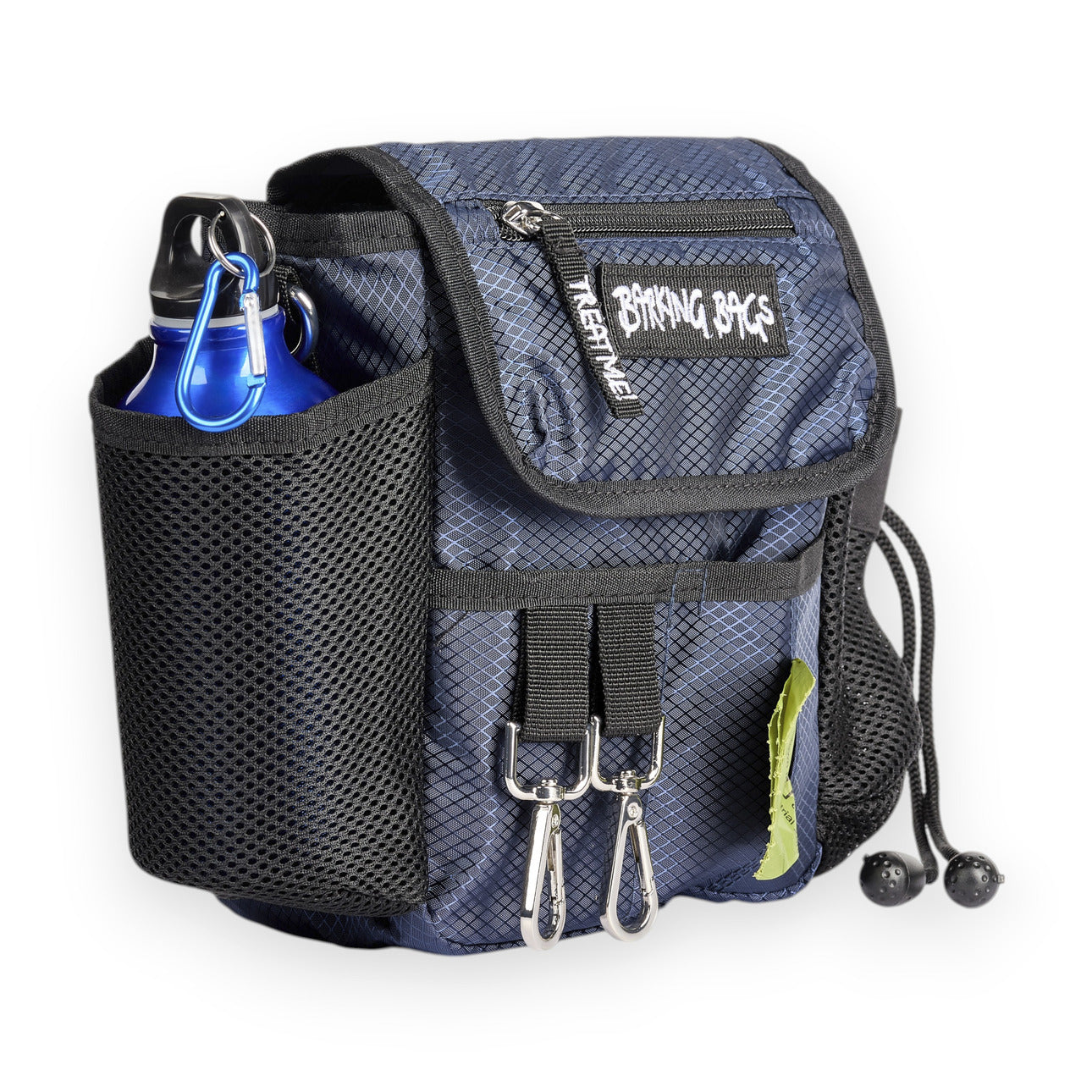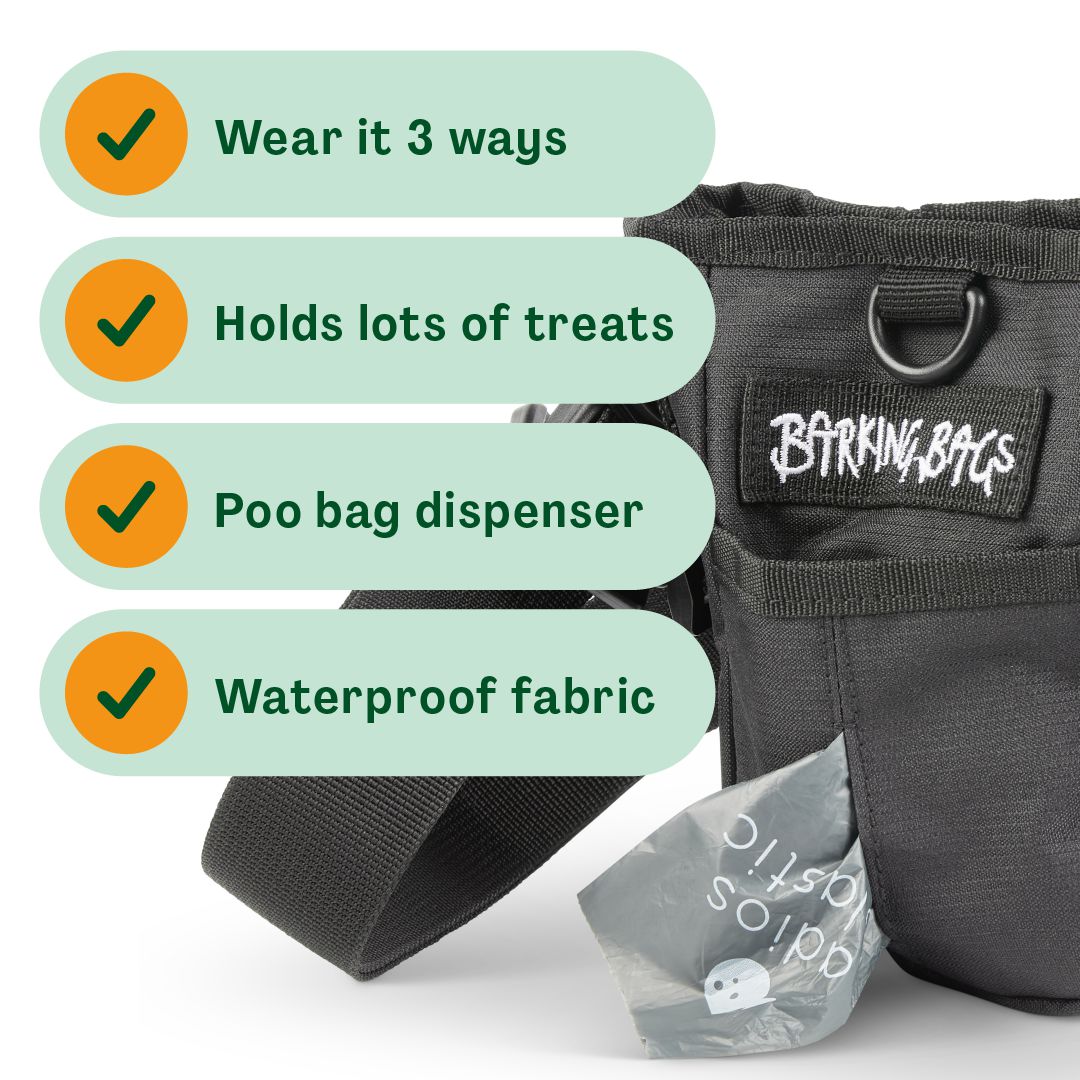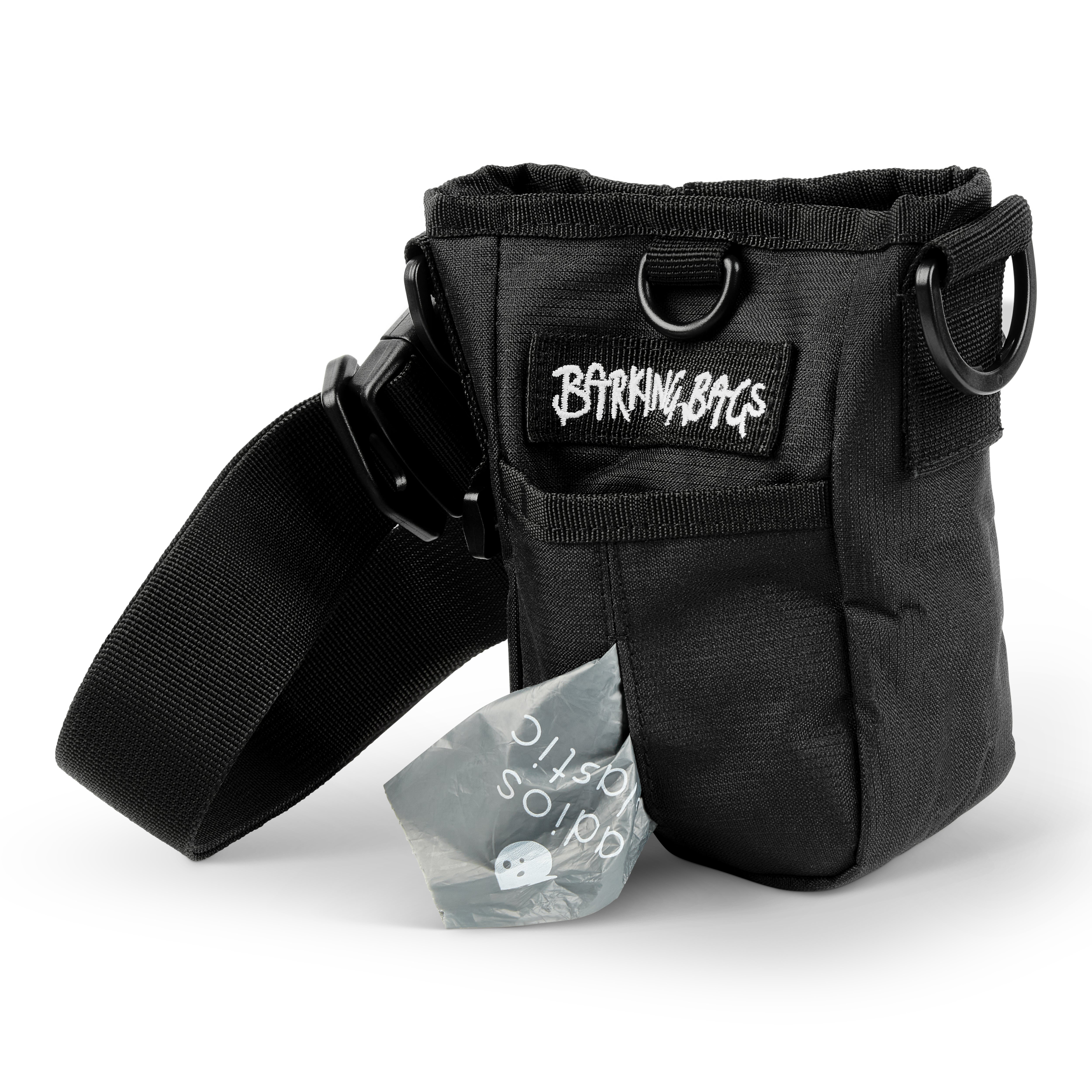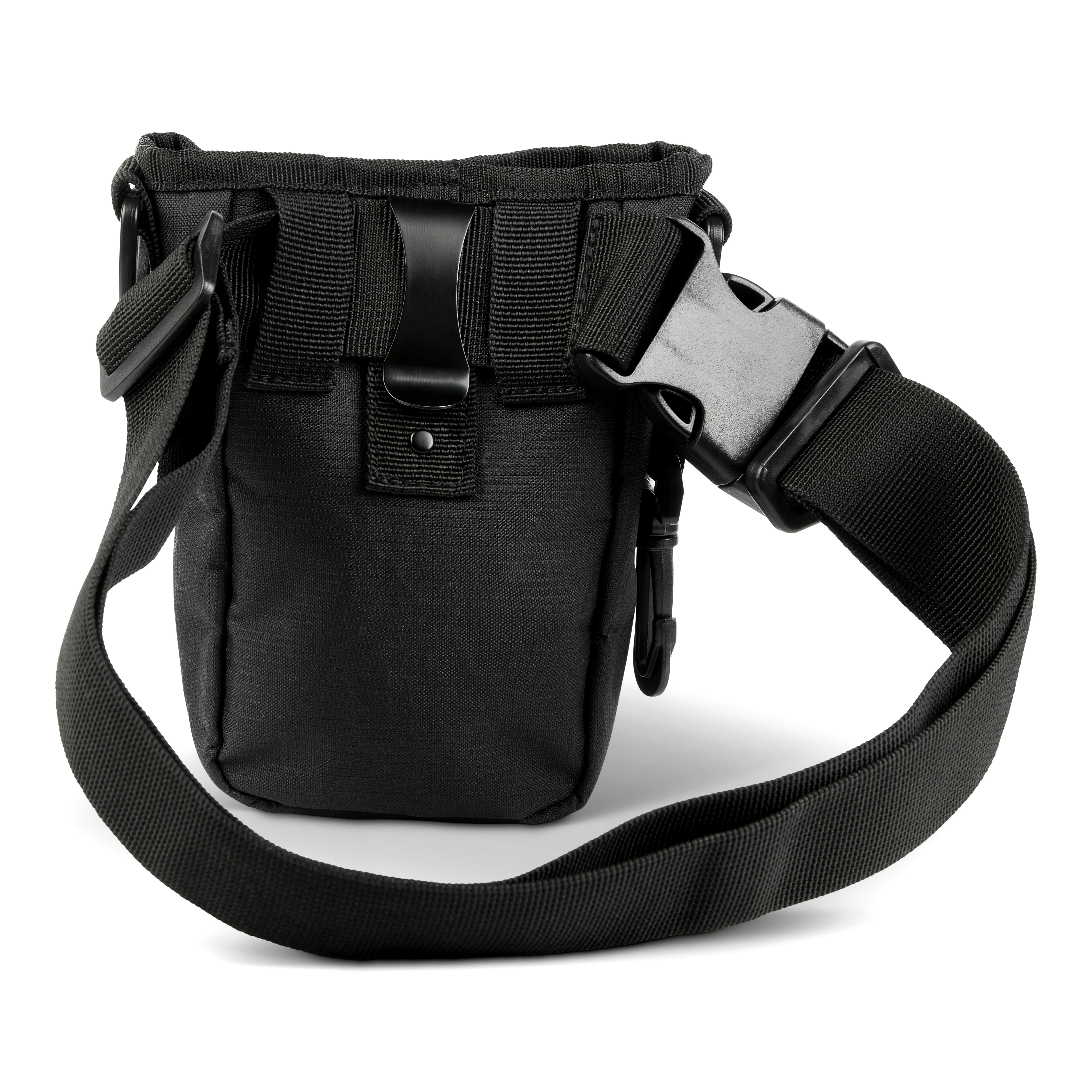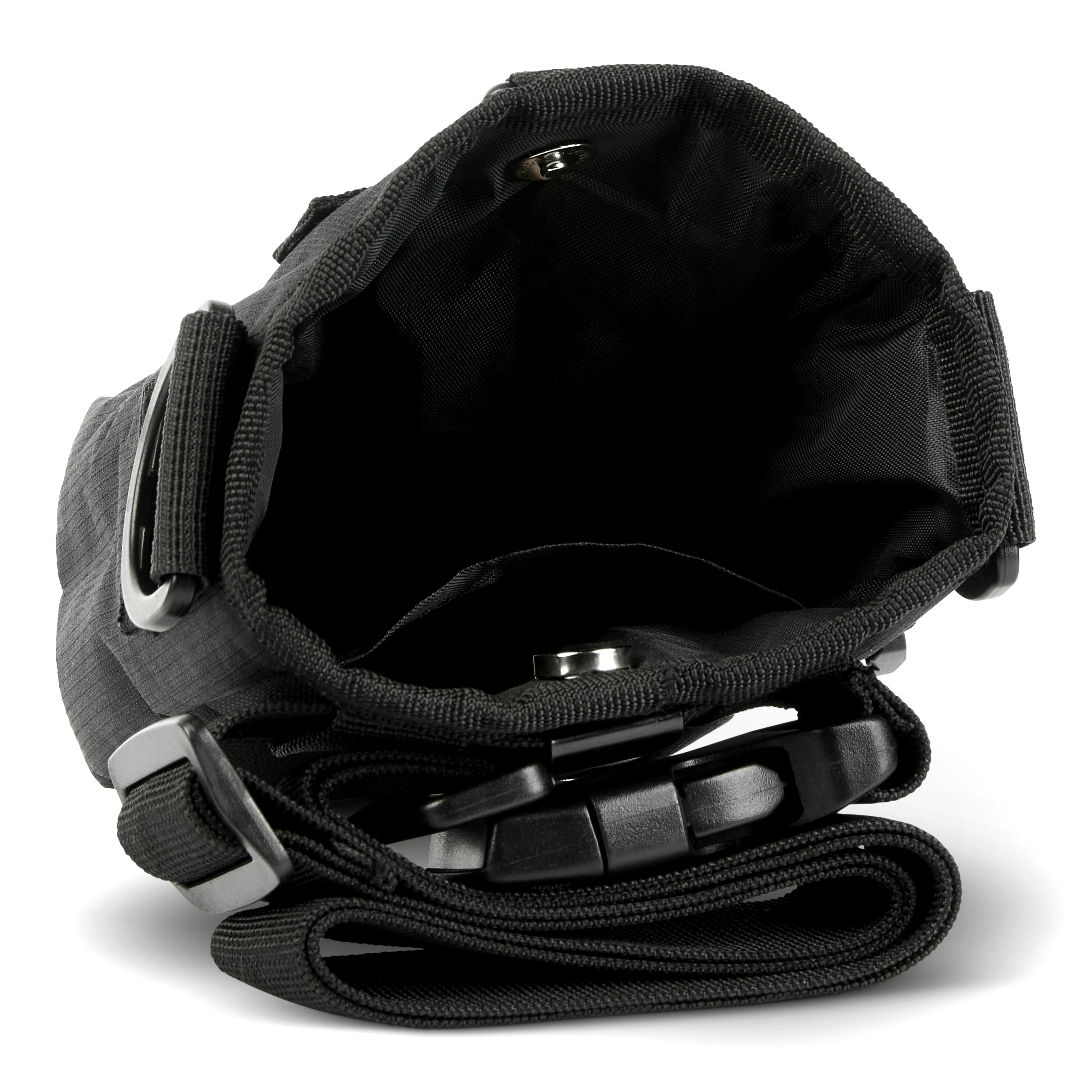

That frantic pocket check before you leave the house - treats, poo bags, keys, phone, ball, lead - is exactly why dog walking gear trends have changed so much in recent years. People are no longer happy making do with a random tote, an overstuffed coat pocket or a handbag that smells faintly of liver treats. They want gear that fits the routine properly, looks good, and makes everyday walks feel easier.
This shift is not really about novelty. It is about dog owners expecting more from the products they use every day. Walks have become a bigger part of lifestyle, training and social time, so the accessories around them are getting more thoughtful too. The best trends are the ones that solve real annoyances, not the ones that simply add another gadget to buy.
The dog walking gear trends changing everyday walks
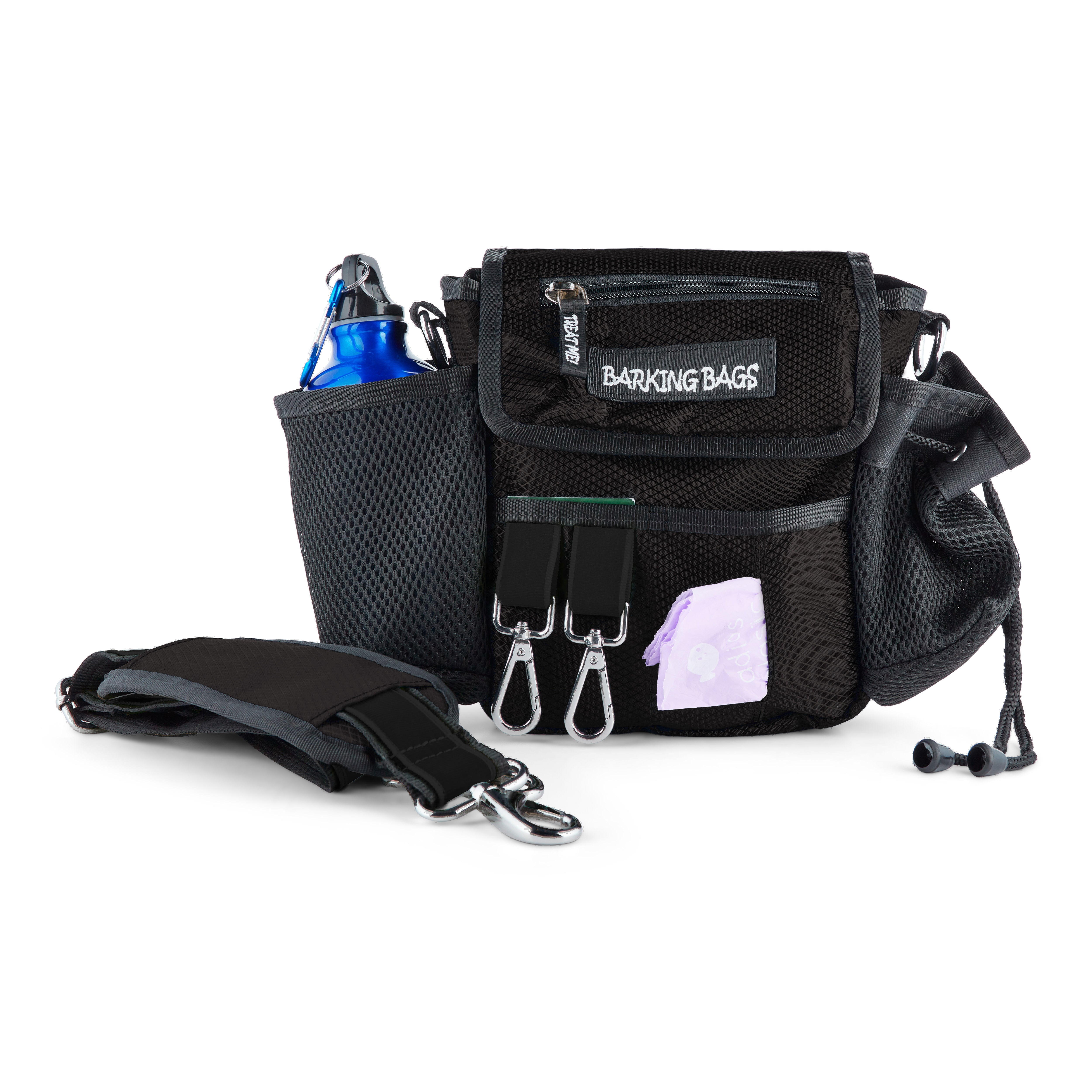
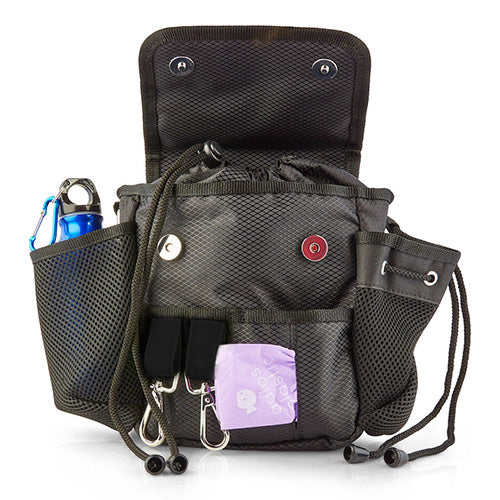
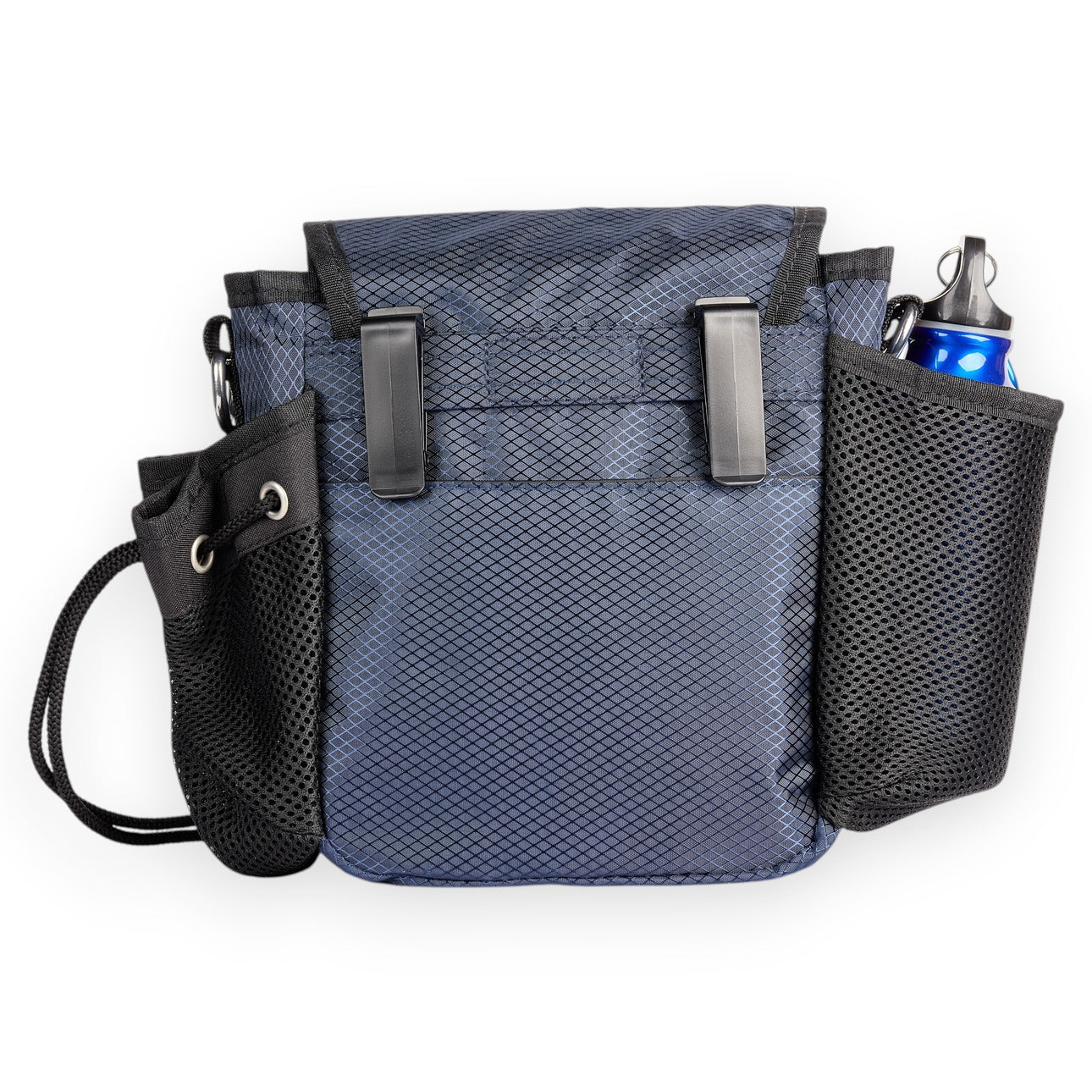
The clearest trend is purpose-built organisation. For a long time, dog owners were expected to improvise - clip a poo bag holder to one strap, carry treats in another pouch, shove personal items somewhere else and hope for the best. That patchwork approach still exists, but it is losing ground to gear designed around the actual rhythm of a dog walk.
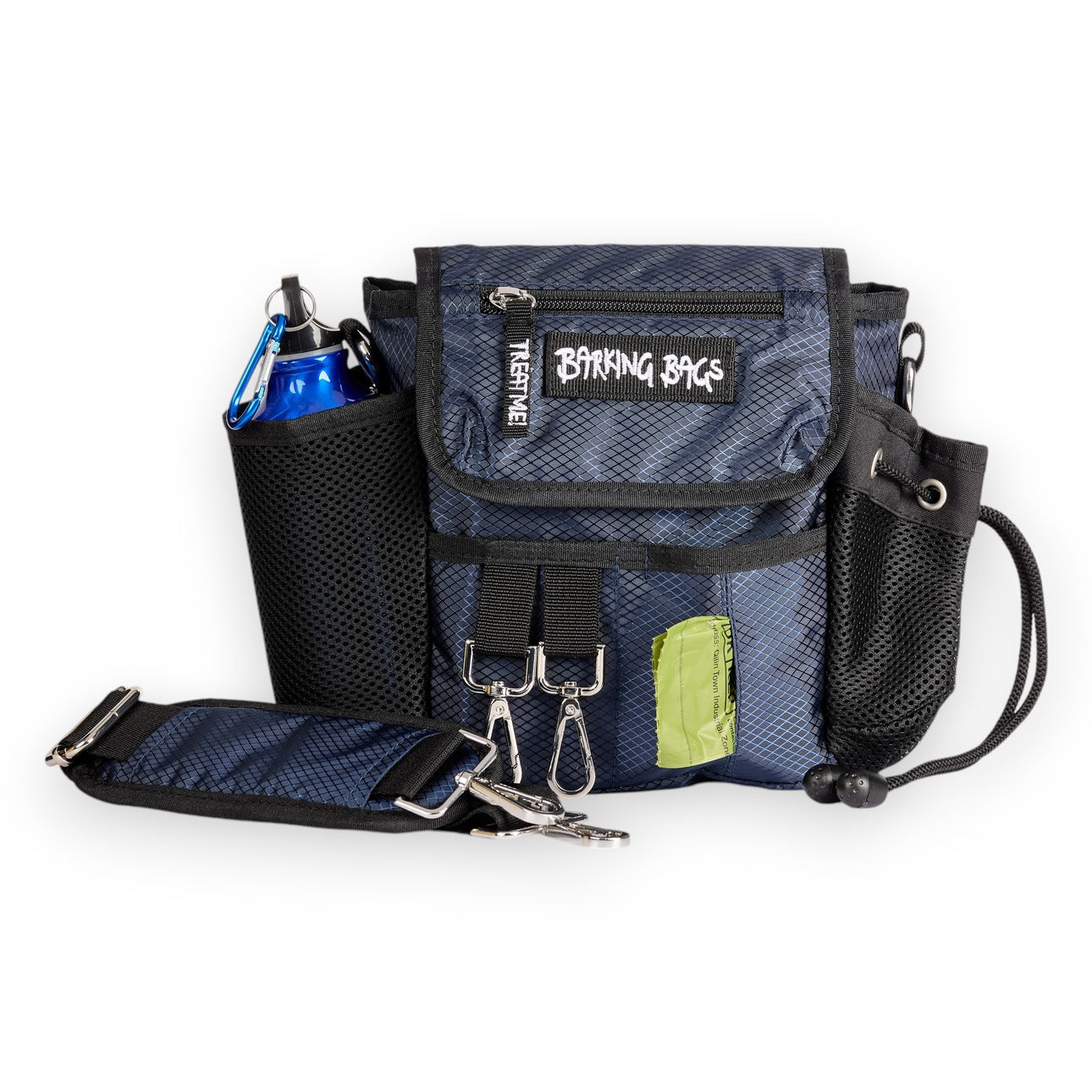
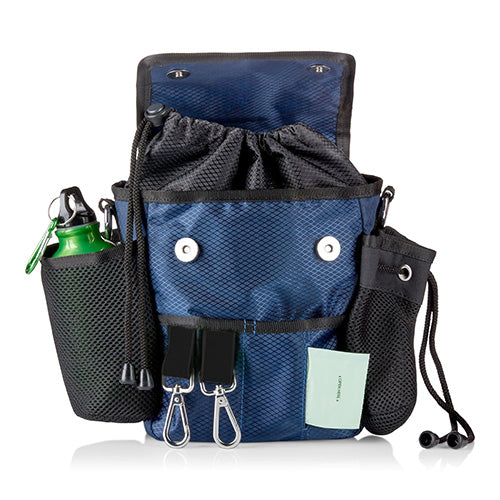
People want one place for the essentials, with sensible compartments and quick access when a dog suddenly needs rewarding, redirecting or cleaning up after. That sounds simple, but it makes a real difference. If your treats are buried under your keys, timing slips. If your bags are hard to grab, a basic task becomes irritating. Good design matters most when your hands are full and your dog is moving.
This is why dedicated walking bags, compact treat carriers and add-on accessories have become more popular. The trend is less about carrying more and more about carrying better.
Style is no longer optional
Another obvious change is that dog walking gear is no longer expected to look purely functional. Owners want practical products, but they also want them to feel considered. That means cleaner shapes, better colours, smarter hardware and materials that do not scream outdoor utility unless that is the look someone actually wants.
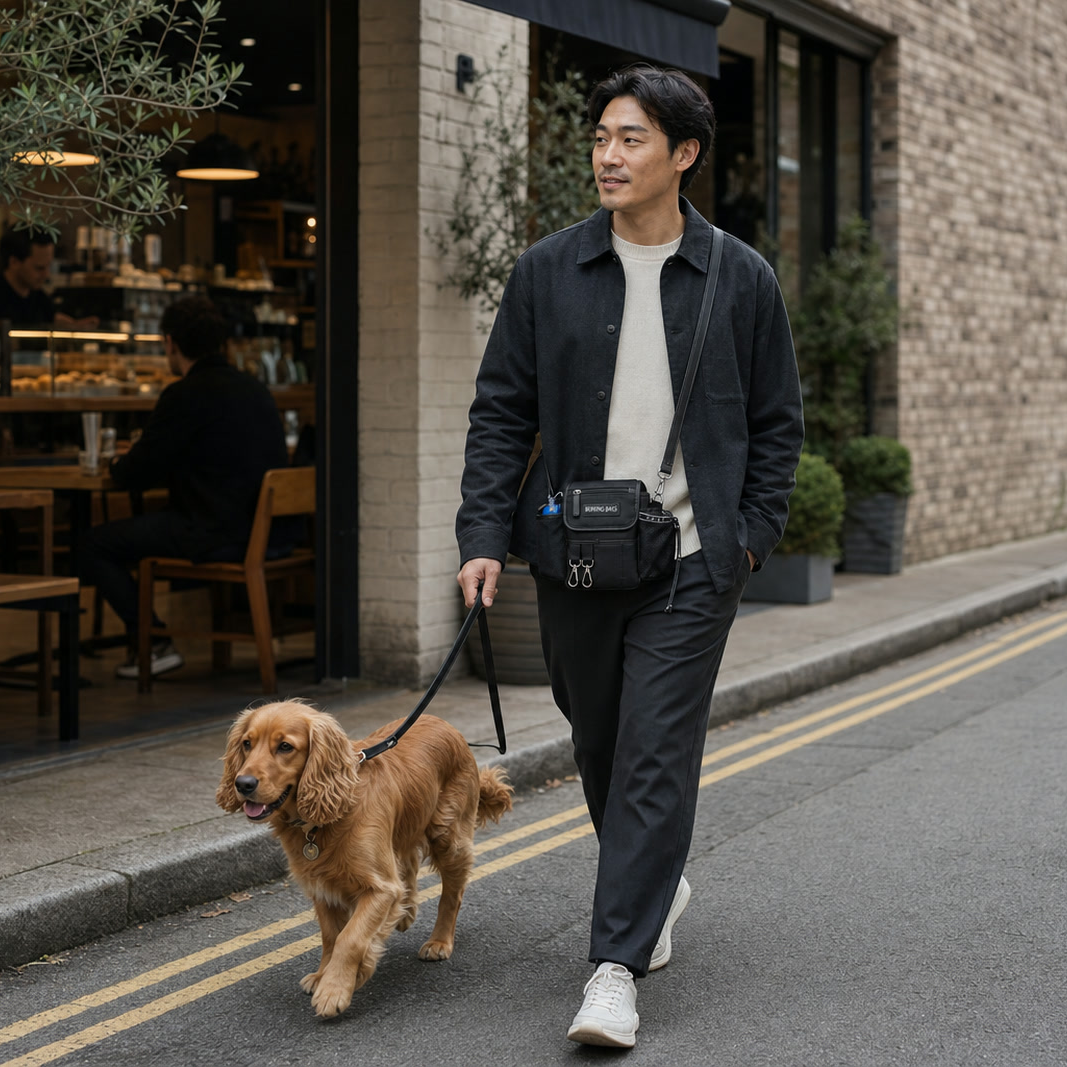
There is a practical side to this. If a bag or accessory looks good enough to wear beyond the park, it gets used more often. It can work for the school run, a coffee stop, a training session or a longer day out. For many owners, especially those walking daily, that overlap matters.
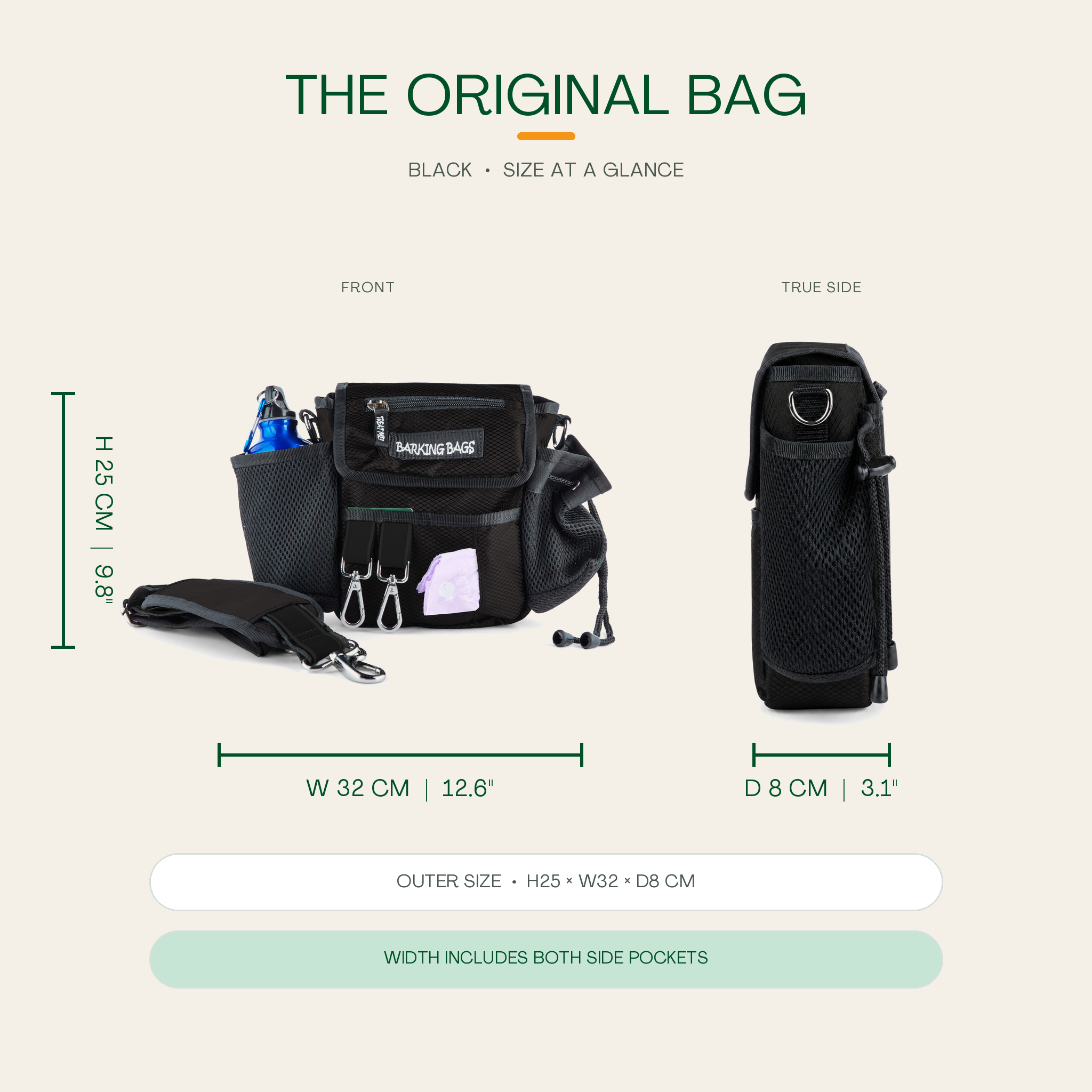
The trade-off is that style should not come at the expense of function. A sleek bag that cannot fit a ball, wipes and a lead is not solving much. The strongest products now balance both - polished enough to wear anywhere, but designed around the messier realities of dog ownership.
Smarter storage is leading dog walking gear trends
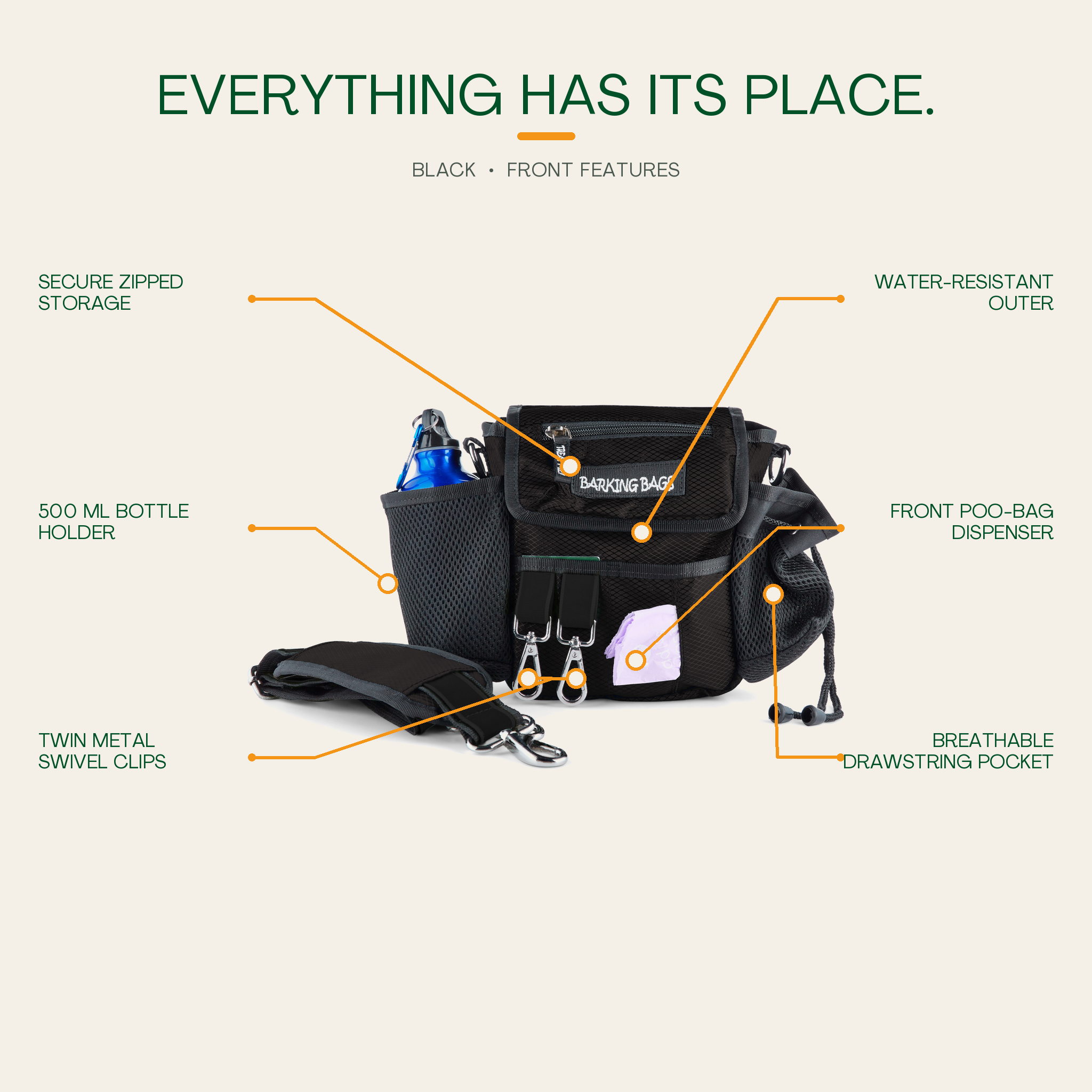
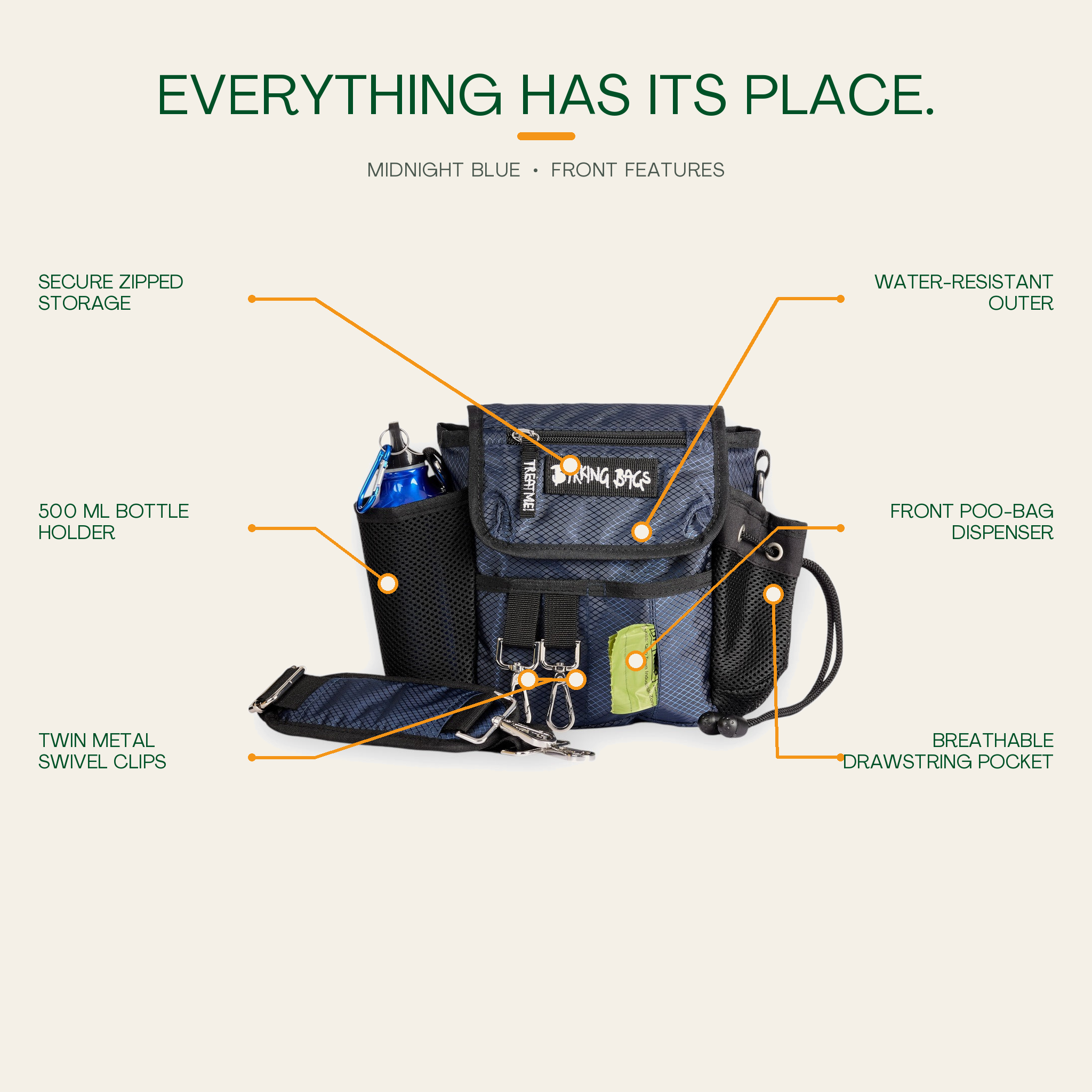
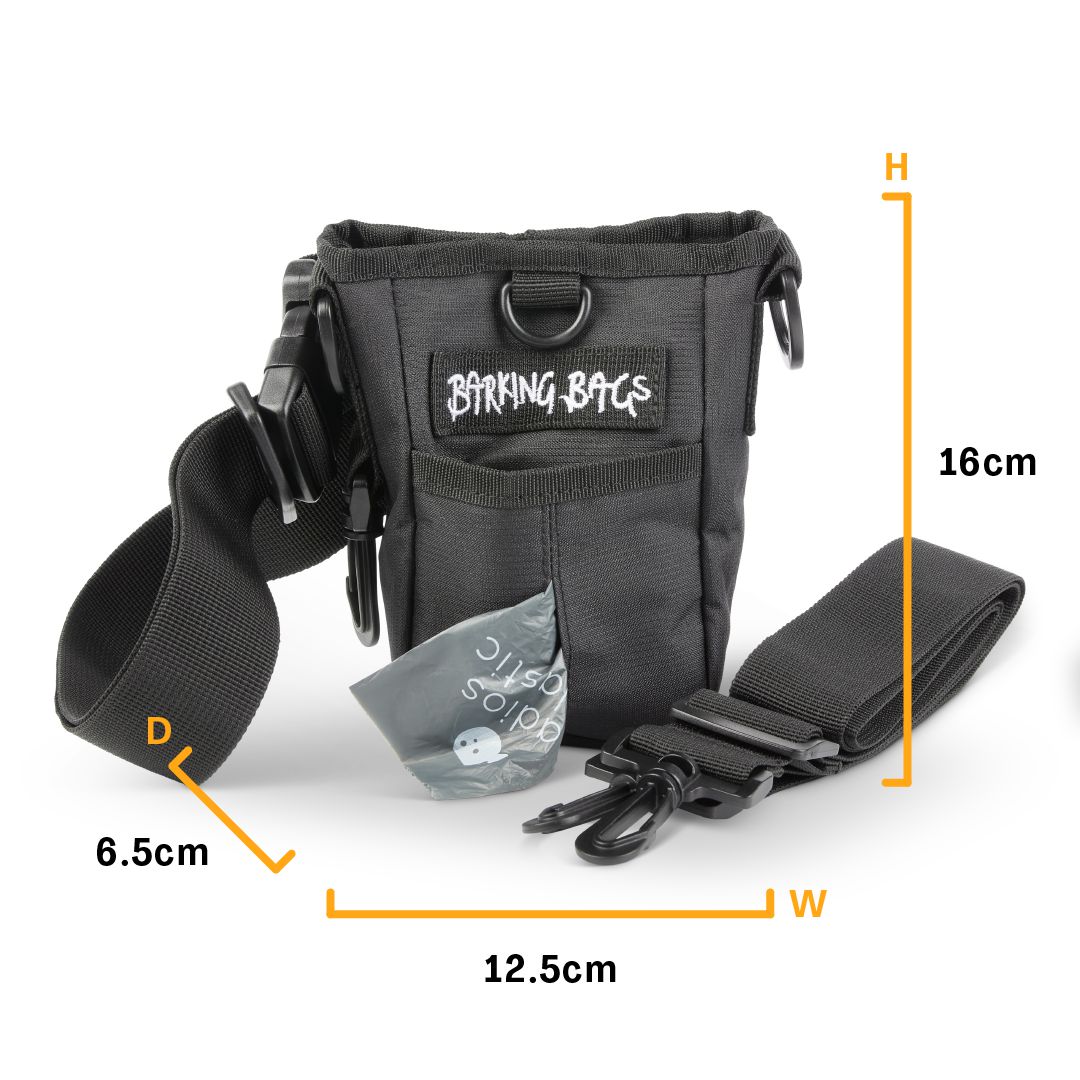
Storage is where the category is becoming far more specialised. Instead of one big compartment, people are looking for layouts that reflect how they actually walk their dogs. Separate spaces for treats, waste bags and valuables are becoming standard expectations rather than premium extras.
This matters for everyday owners, but even more so for trainers and professional walkers. If you are handling multiple dogs, switching between high-value treats and standard rewards, or carrying phone, keys and personal bits alongside dog gear, poor organisation slows everything down. Better storage is not just tidy. It supports consistency.
There is also more interest in modular setups. Some dog owners want a full dedicated bag. Others prefer a smaller treat pouch for short walks and training sessions, with the option to add accessories depending on the day. That flexibility fits real life better than a one-size-fits-all solution.
A quick pavement walk before work needs something different from a weekend hike or a busy afternoon of back-to-back client dogs. The trend is not towards one perfect product for every situation. It is towards systems that adapt.
Hands-free remains a priority
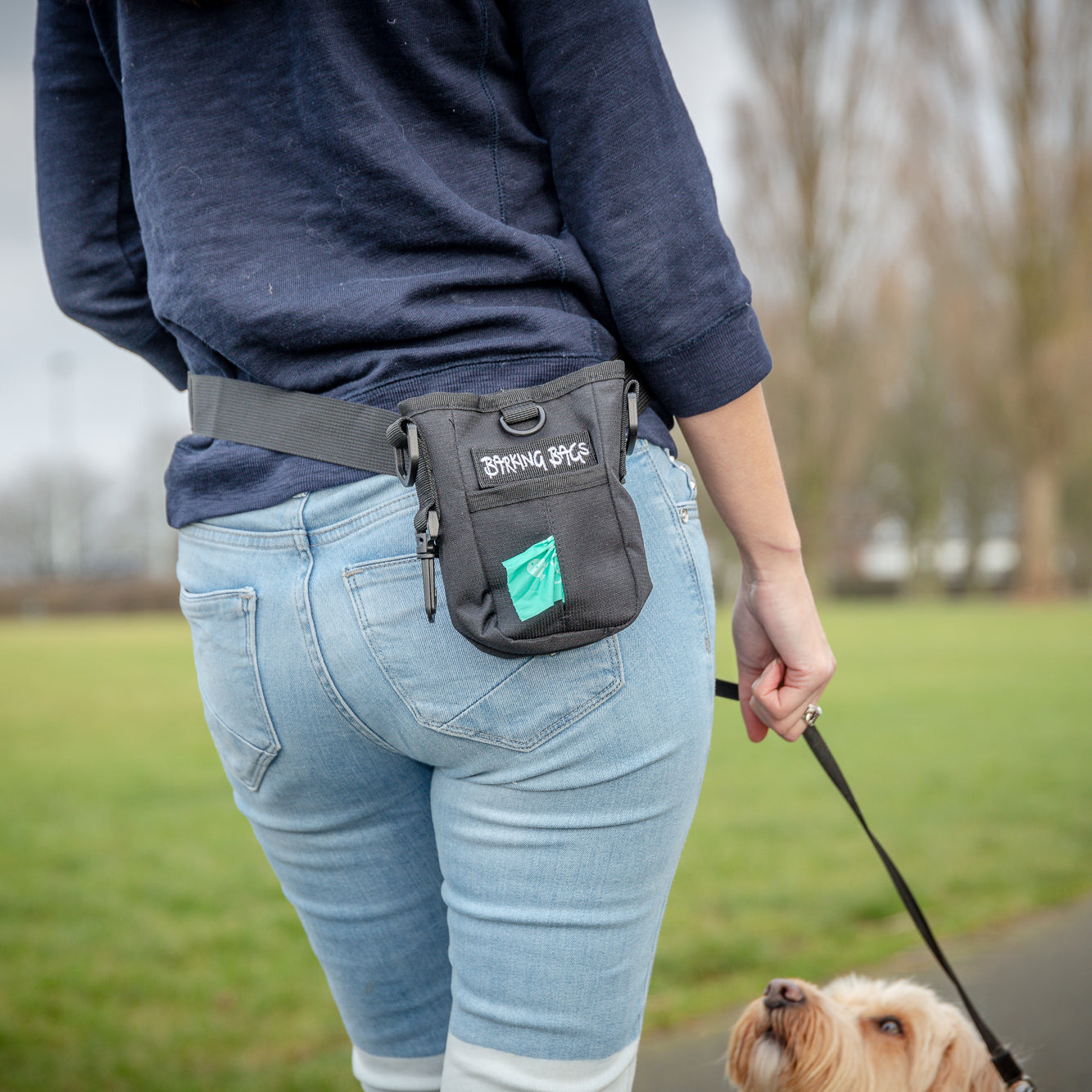
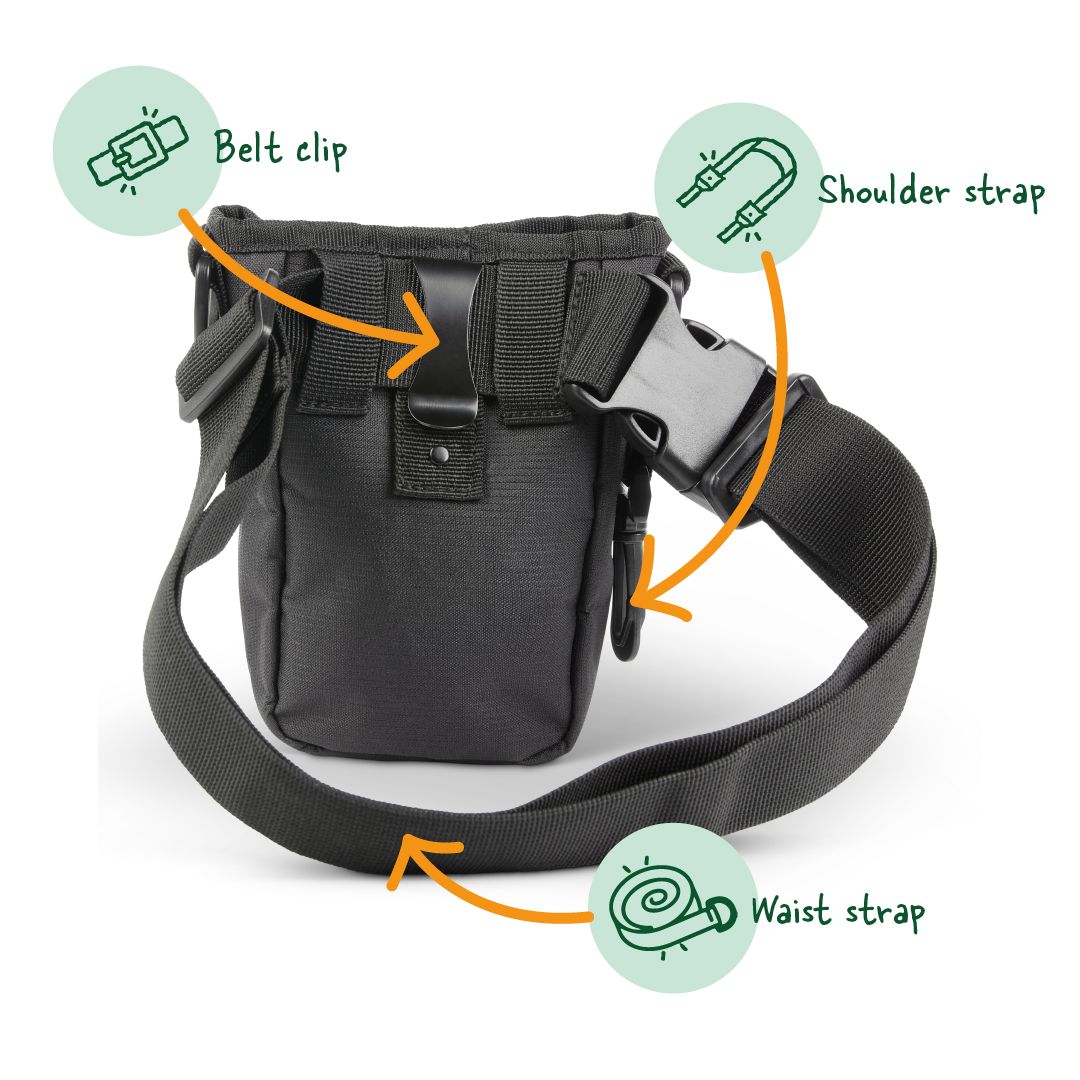
Hands-free design is still high on the list, and for good reason. When you are handling a lead, opening gates, rewarding good behaviour or managing an excitable dog near a road, extra freedom matters. Crossbody styles, secure straps and easy-access openings all support that.
But there is nuance here. Fully hands-free works brilliantly for many owners, yet some still prefer a bag they can remove quickly or reposition easily depending on coat layers and weather. The better gear accounts for that by making comfort adjustable, rather than assuming every walk looks the same.
This is where design earns its keep. A bag can be compact without being fiddly. It can sit securely without feeling restrictive. The details decide whether something gets used daily or left by the front door.
Better materials, not just more features
One of the more useful dog walking gear trends is a move towards better materials and easier maintenance. Dog walking kit gets wet, muddy, thrown in the car, put on damp benches and generally tested far more than a standard everyday bag. People are paying more attention to wipe-clean finishes, durable linings and fabrics that hold their shape.
This is a practical trend rather than a flashy one, but it has staying power. No one wants a bag that looks tired after a month of real use. Equally, nobody wants something so stiff or technical that it feels overengineered for a normal local walk.
There is also growing interest in products that feel durable enough to justify buying once and using properly, rather than replacing cheap stopgaps every season. That does not always mean the most expensive option wins. It means buyers are looking harder at value over time.
Accessories are becoming more purposeful
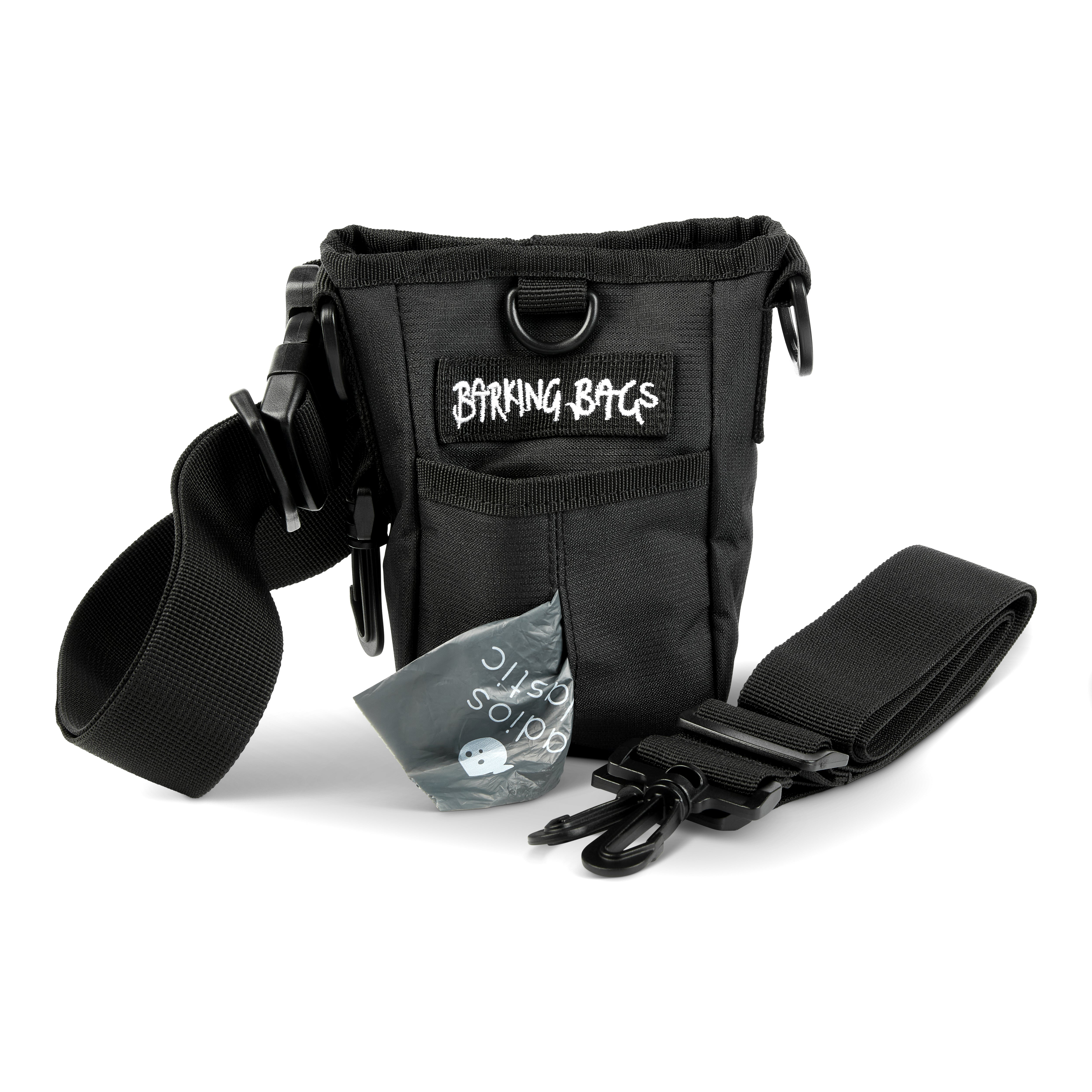
Not long ago, accessories in this category could feel like afterthoughts. Now they are more likely to solve specific tasks. Think separate treat storage, integrated poo bag access, clips for keys, space for tennis balls, or attachments that help tailor a setup for training.
This reflects a broader shift in buying habits. Dog owners are more aware of what makes a walk smoother and are more willing to invest in pieces that remove friction. If an accessory saves you rummaging, dropping things or carrying multiple pouches, it earns its place.
That said, there is a point where too many extras become clutter. The strongest setups feel streamlined, not overloaded. Useful accessories should simplify the walk, not turn it into a packing exercise.
Training-friendly design is growing fast
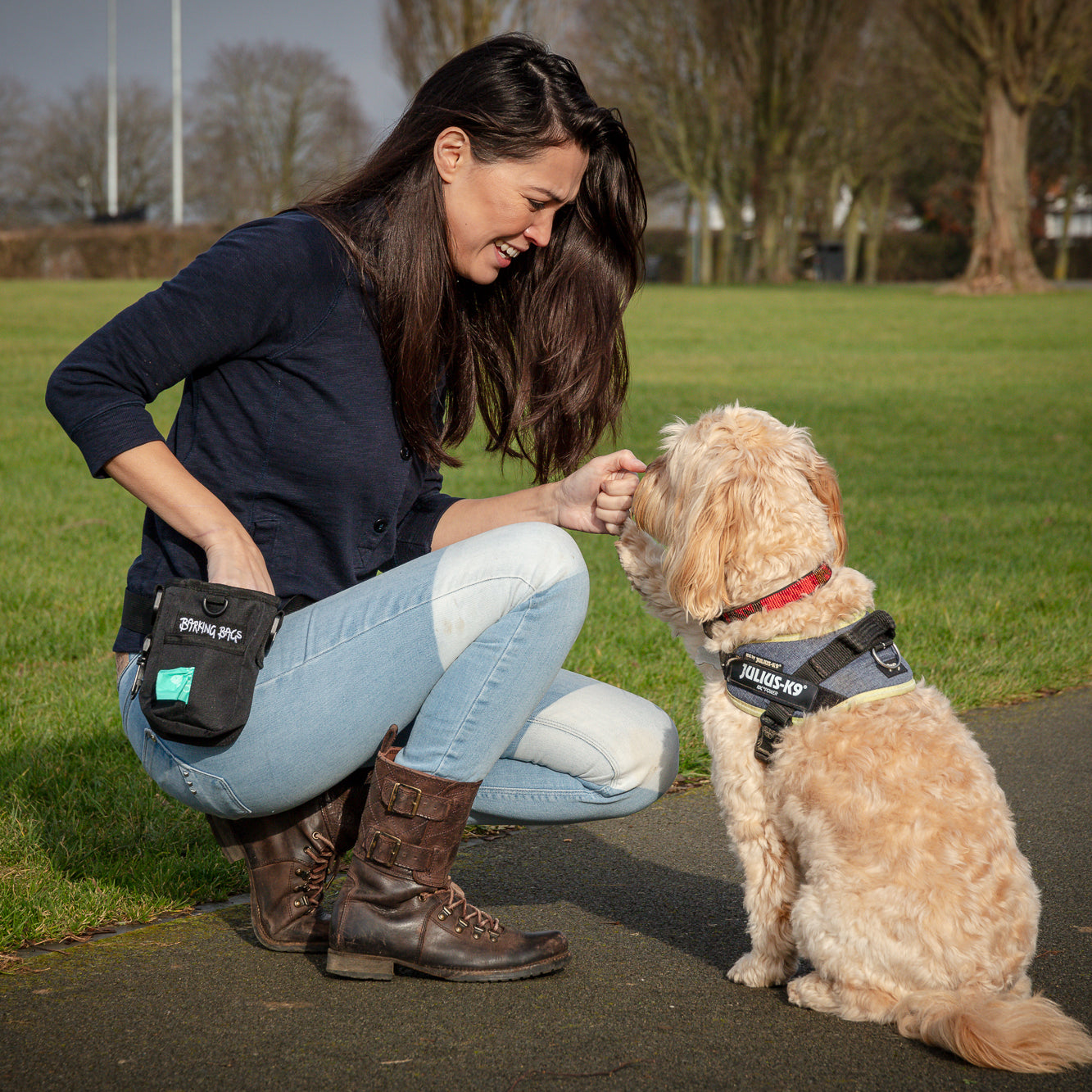
A big influence on product development is the rise in reward-based training and owners wanting to build training into everyday walks. That has increased demand for gear that supports speed and consistency - especially around treat access.
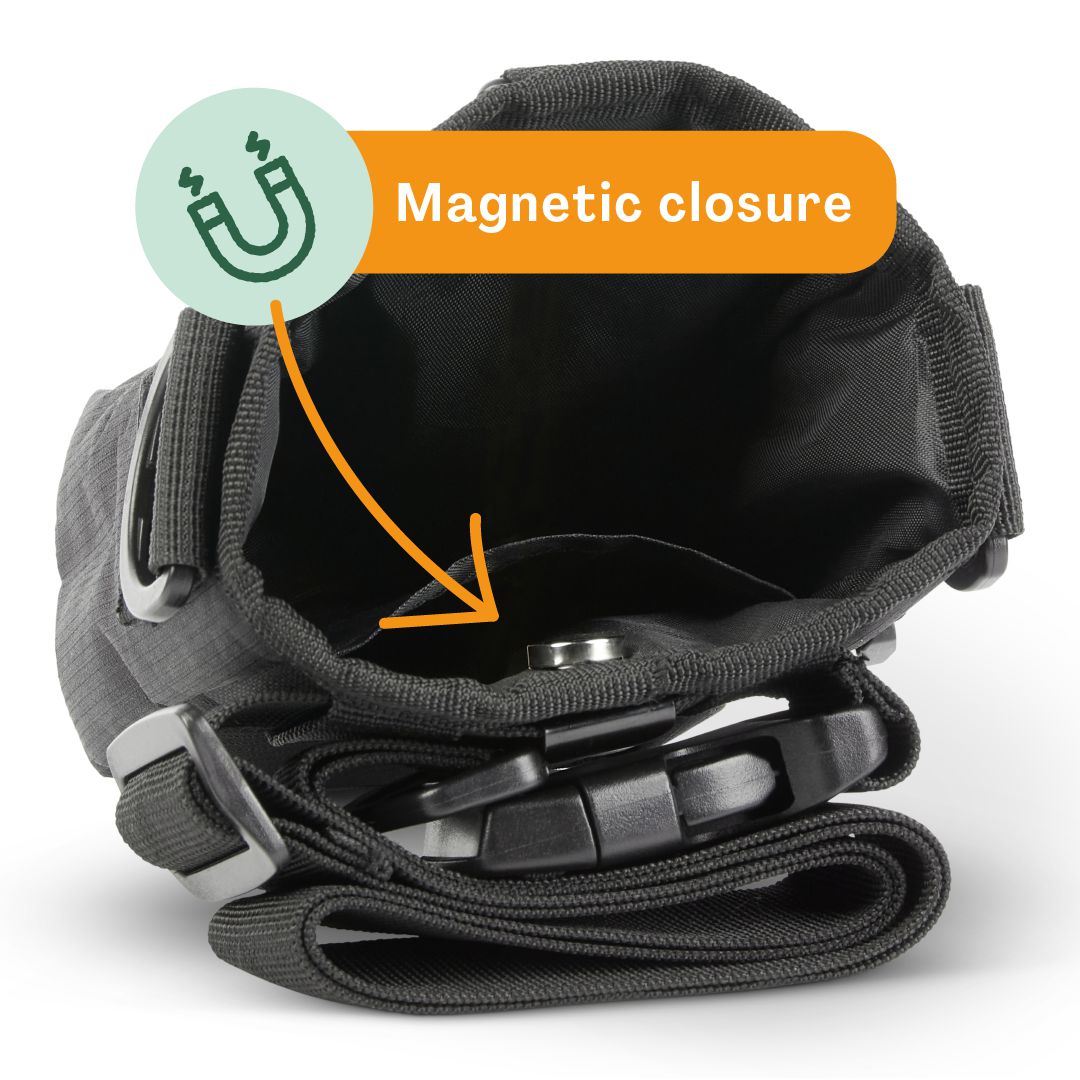
Anyone who has tried to reward loose lead walking while fumbling with a zip knows the problem. Training-friendly design means treats are accessible, secure and separate from personal items. It also means enough space for different reward types if needed.
For newer dog owners, this can make training feel less awkward and more achievable. For experienced handlers, it simply saves time. That is why purpose-designed solutions are getting more attention than generic belt bags or handbags repurposed for dog use.
At Barking Bags, this is exactly the kind of everyday problem good product design is meant to fix - making walks more organised without compromising on style.
What these trends mean before you buy
The most useful takeaway is not that you need every new piece of kit. It is that expectations have changed. Dog walking gear now needs to work harder because dog owners do more with it. A bag or accessory should suit your routine, not create a new one.
If your walks are short and local, compact storage and easy clean-up may matter most. If you train regularly, treat access and compartment layout will be higher priorities. If you walk multiple dogs or spend hours out each day, comfort, durability and space will quickly become non-negotiable.
It also helps to be honest about what you actually carry. Some people only need room for the basics. Others need water, toys, spare leads, wipes and personal essentials. Trend-led buying only works when it matches the reality of your dog walks.
The good news is that the best dog walking gear trends are not gimmicks. They are a sign that the category is finally catching up with the way people really live with dogs - busy, practical, style-aware and fed up with makeshift solutions. When your gear is designed around that routine, everything feels a bit more sorted from the moment you clip on the lead.