
A long dog walk has a way of exposing every bad bag choice. Half an hour in, your shoulder starts to ache, the poo bags have vanished to the bottom, your phone is wedged next to damp treats, and you are somehow carrying a lead, tennis ball and coffee with only two hands. If you have been asking which bag suits long dog walks, the answer is usually not your usual handbag, coat pocket or an old tote grabbed on the way out.
The right bag for a longer walk needs to do more than hold things. It should keep your essentials easy to reach, sit comfortably while you move, and cope with the slightly chaotic reality of walking a dog in the real world. That might mean muddy paths, off-lead moments, training stops, sudden rain, or a dog who decides every hedge deserves a full inspection.
Which bag suits long dog walks for real life?
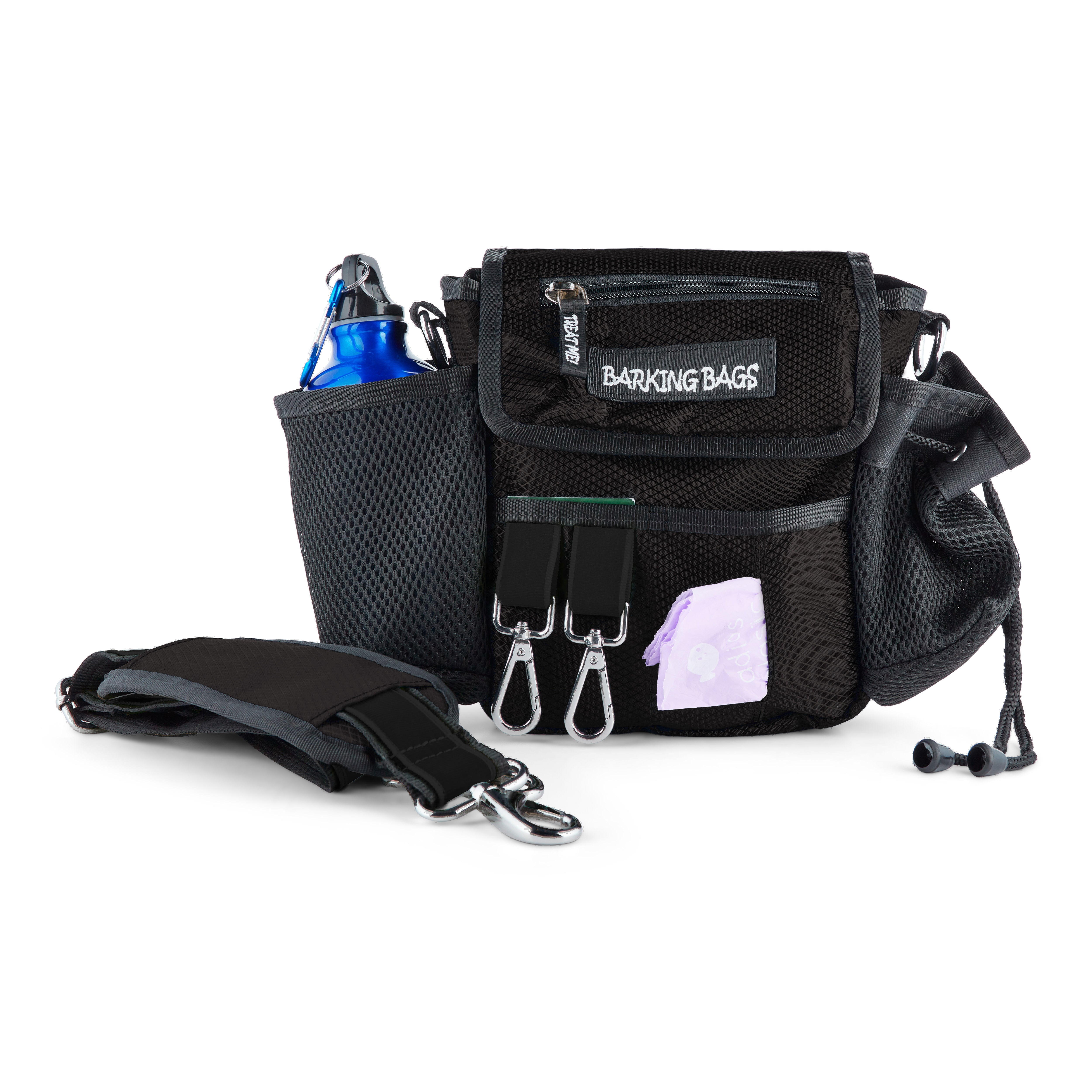
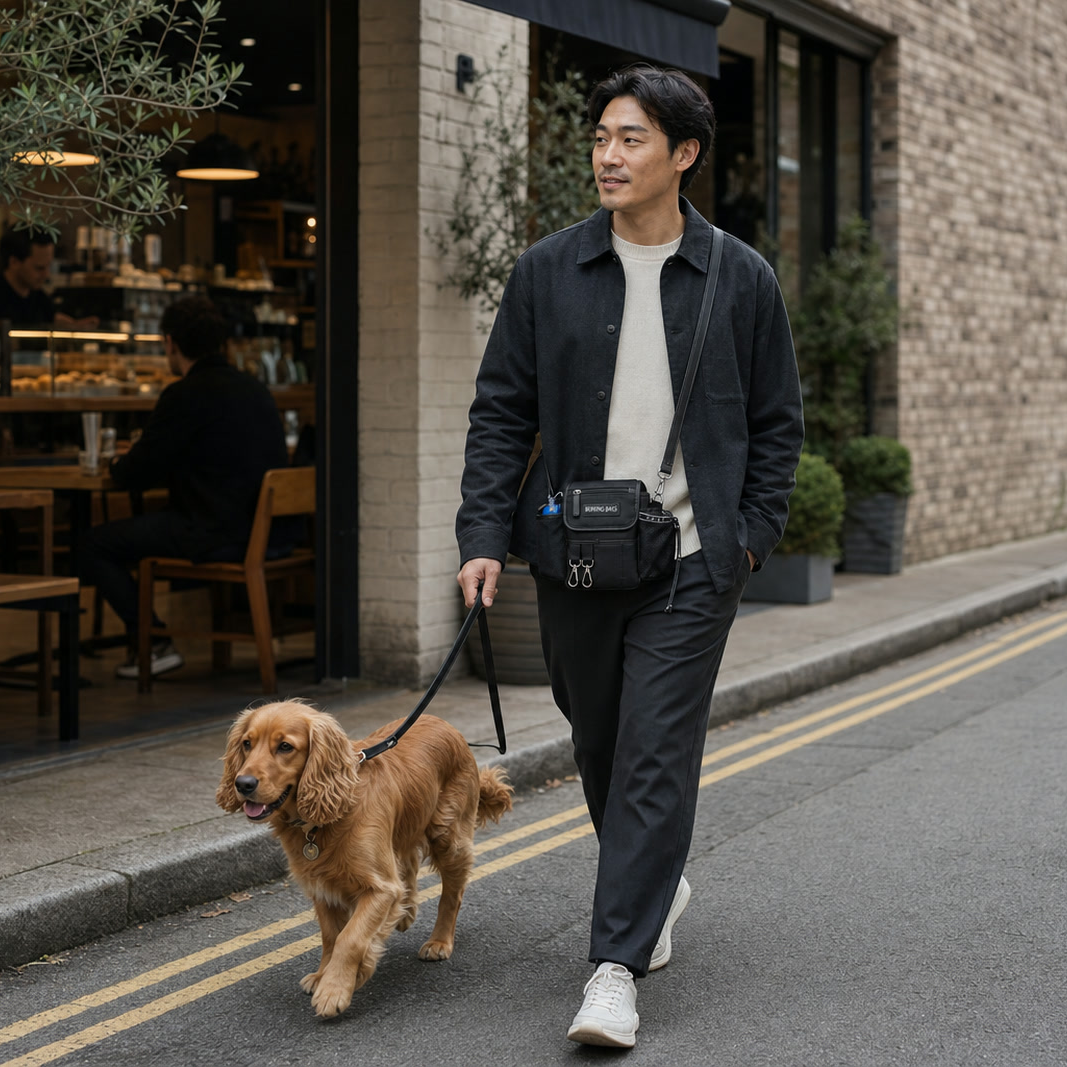
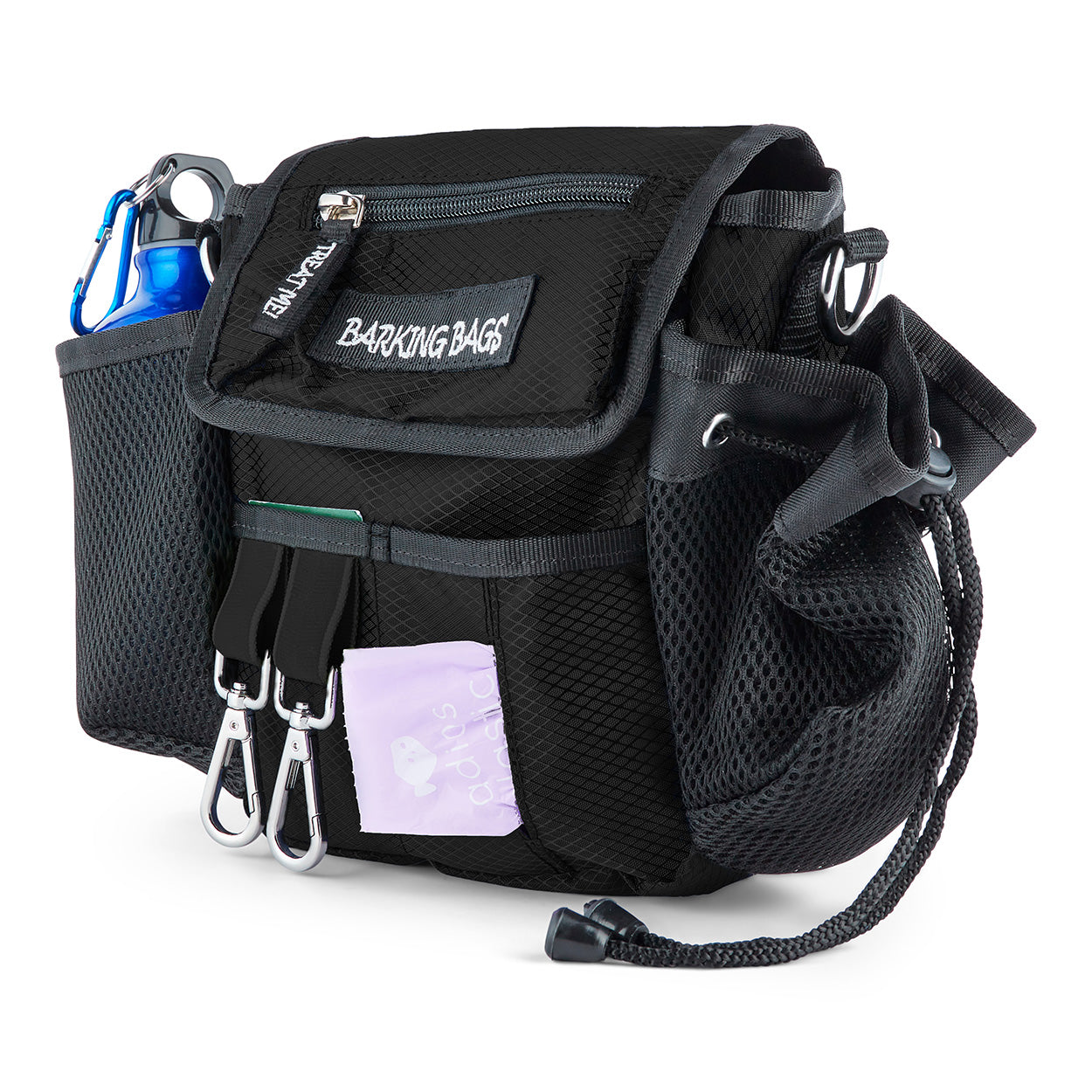
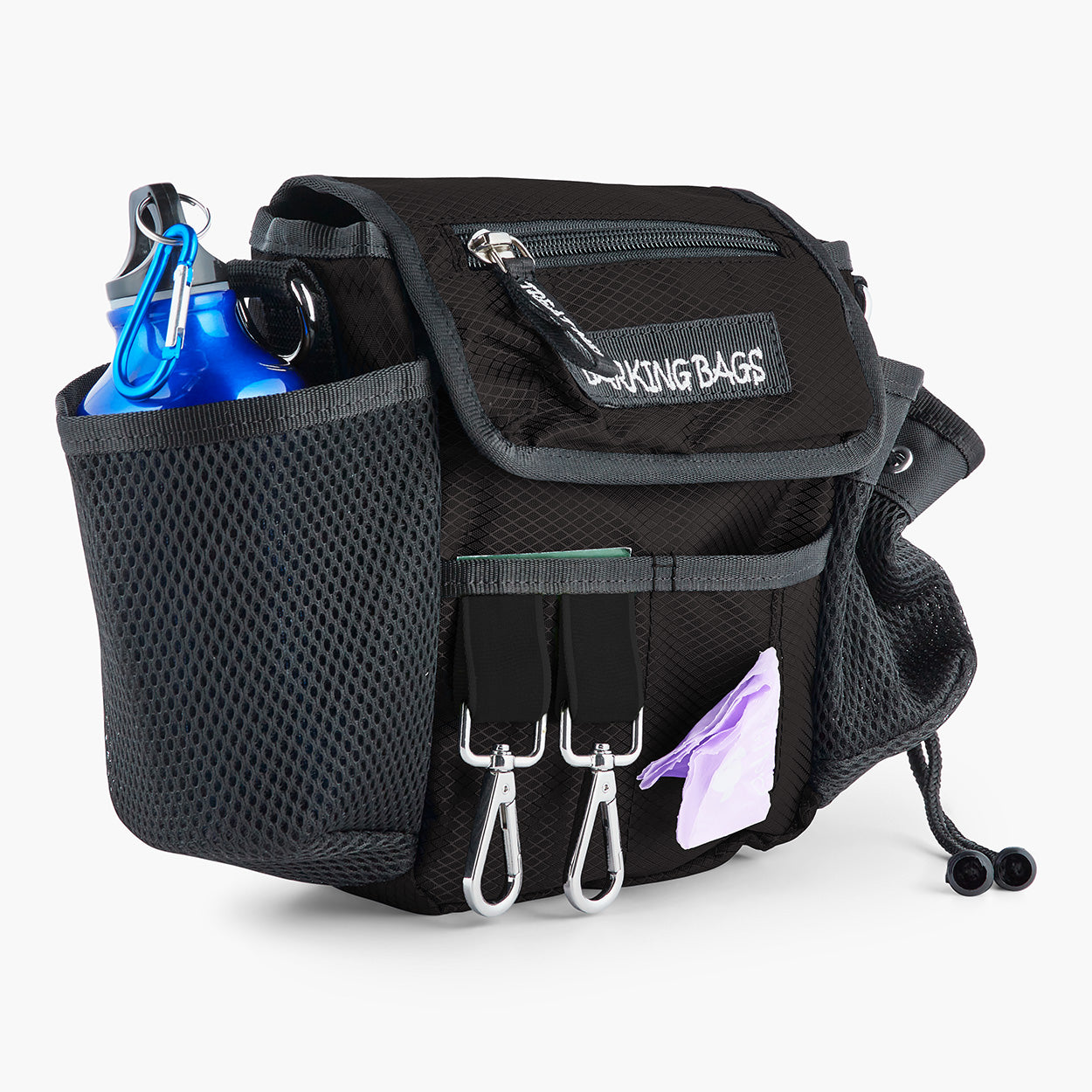
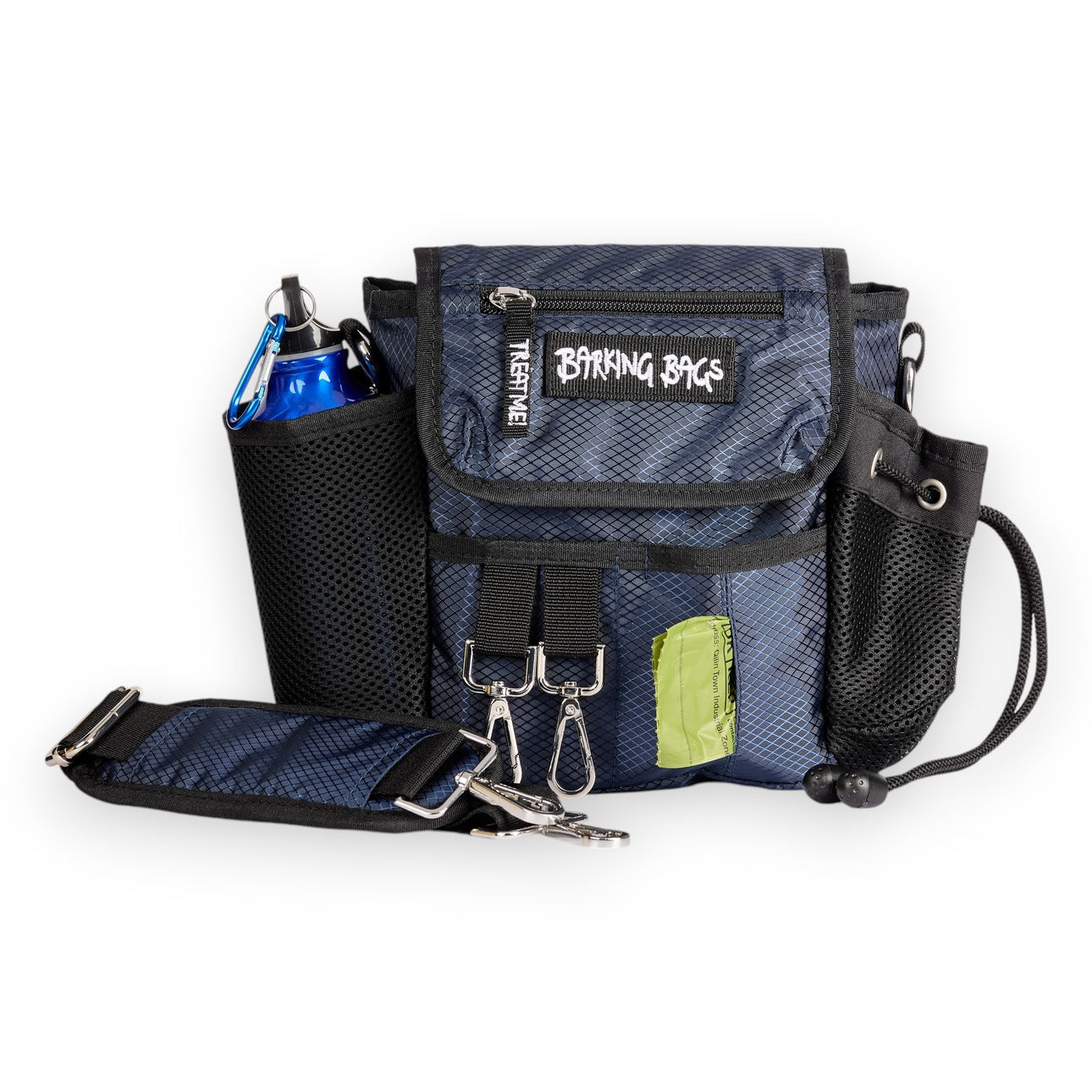
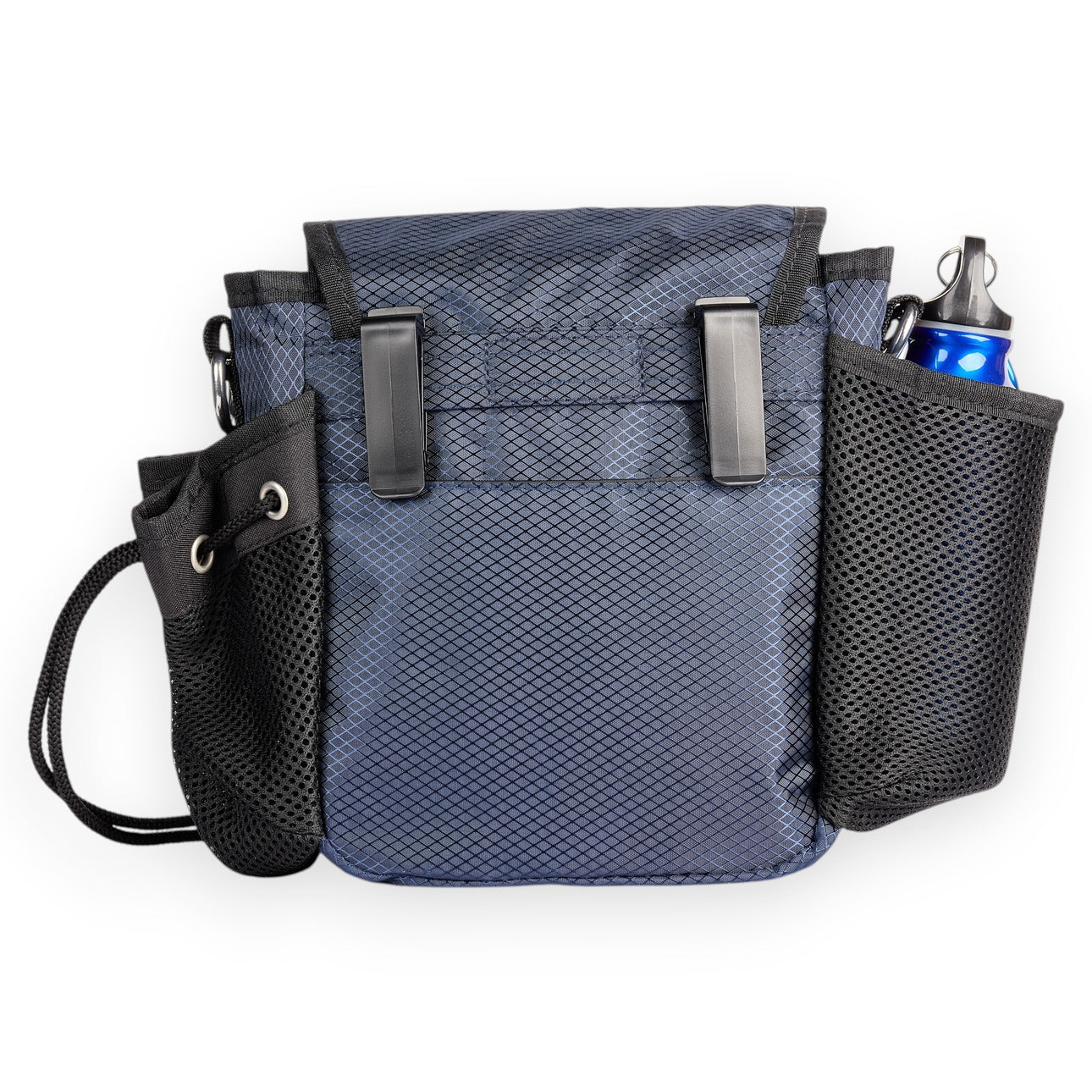
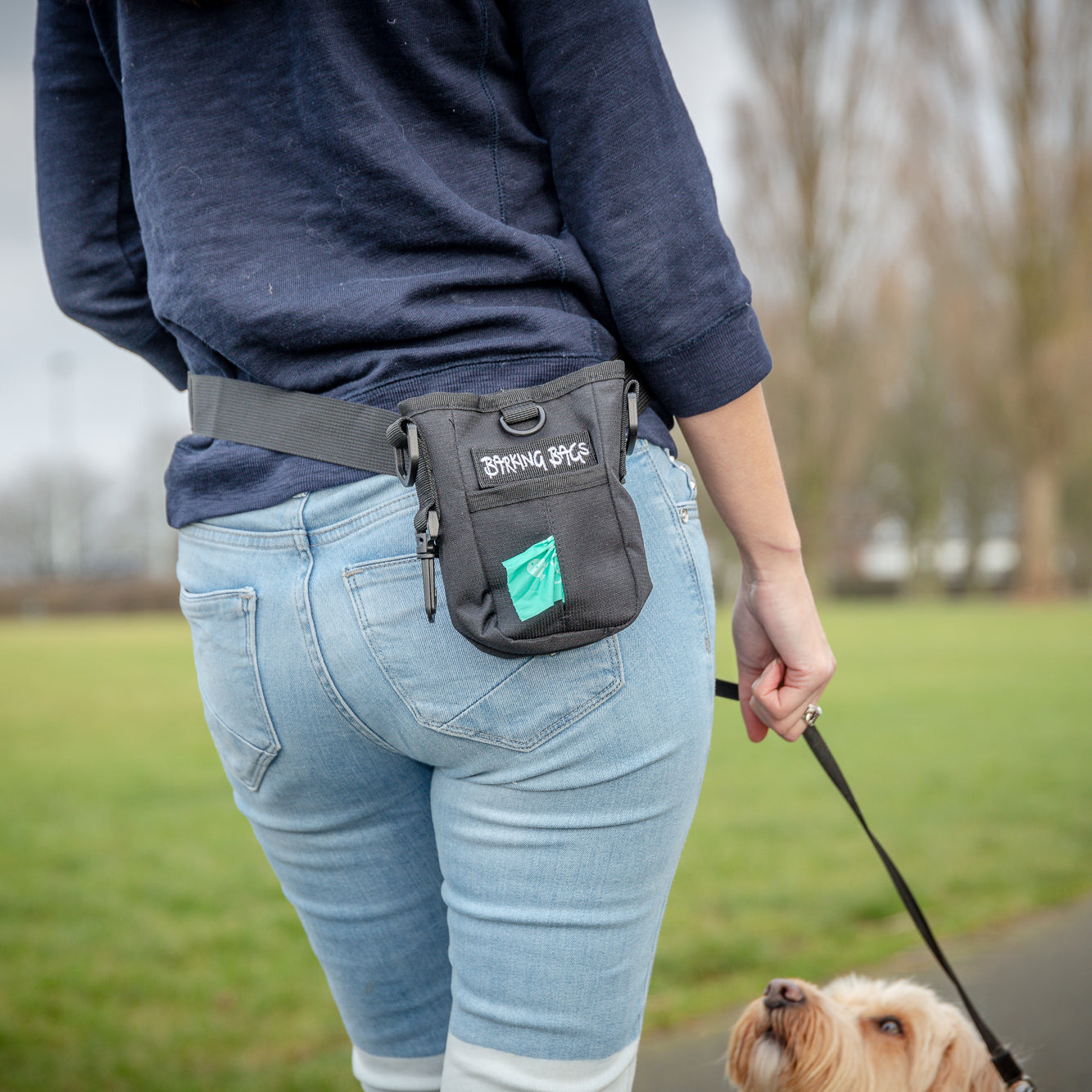
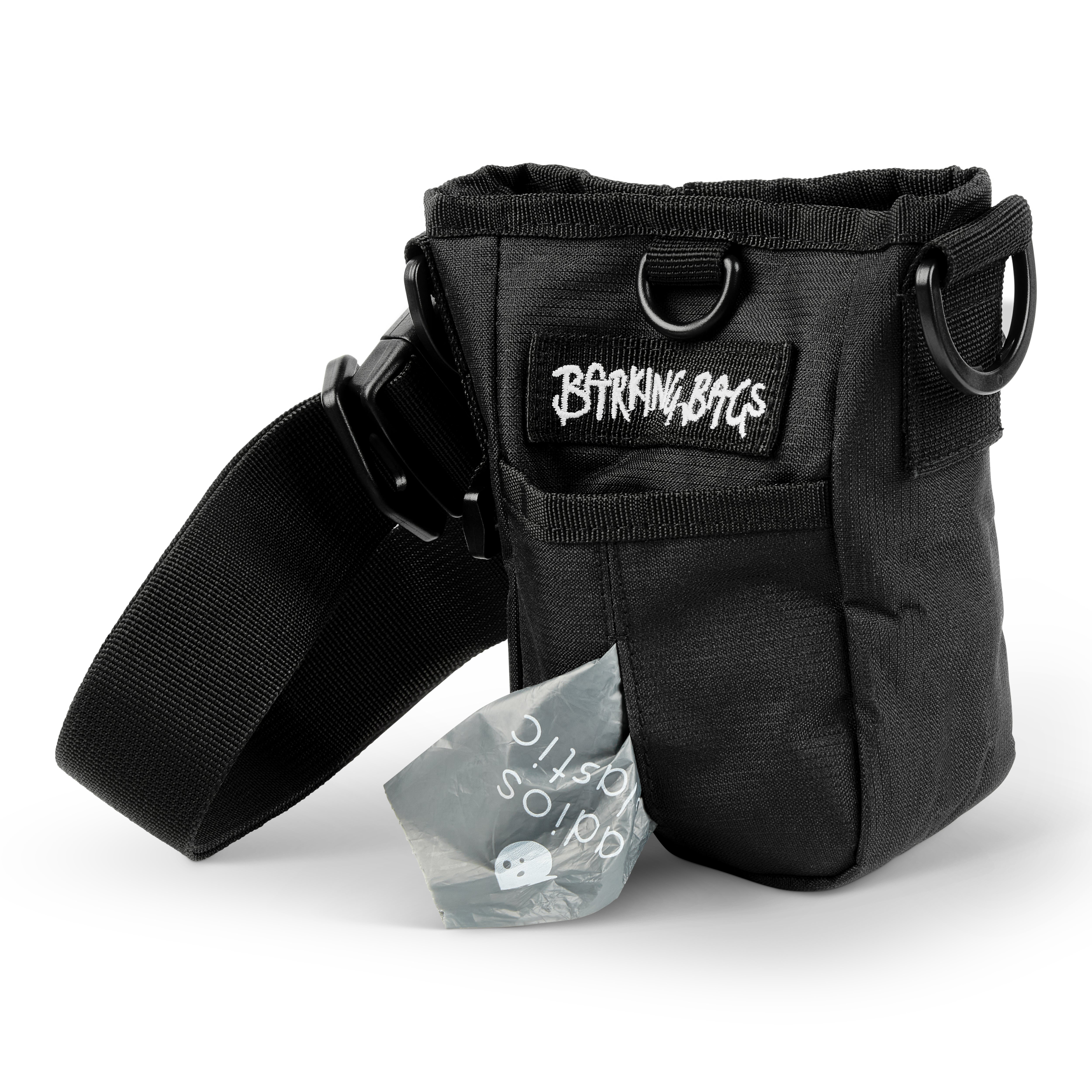
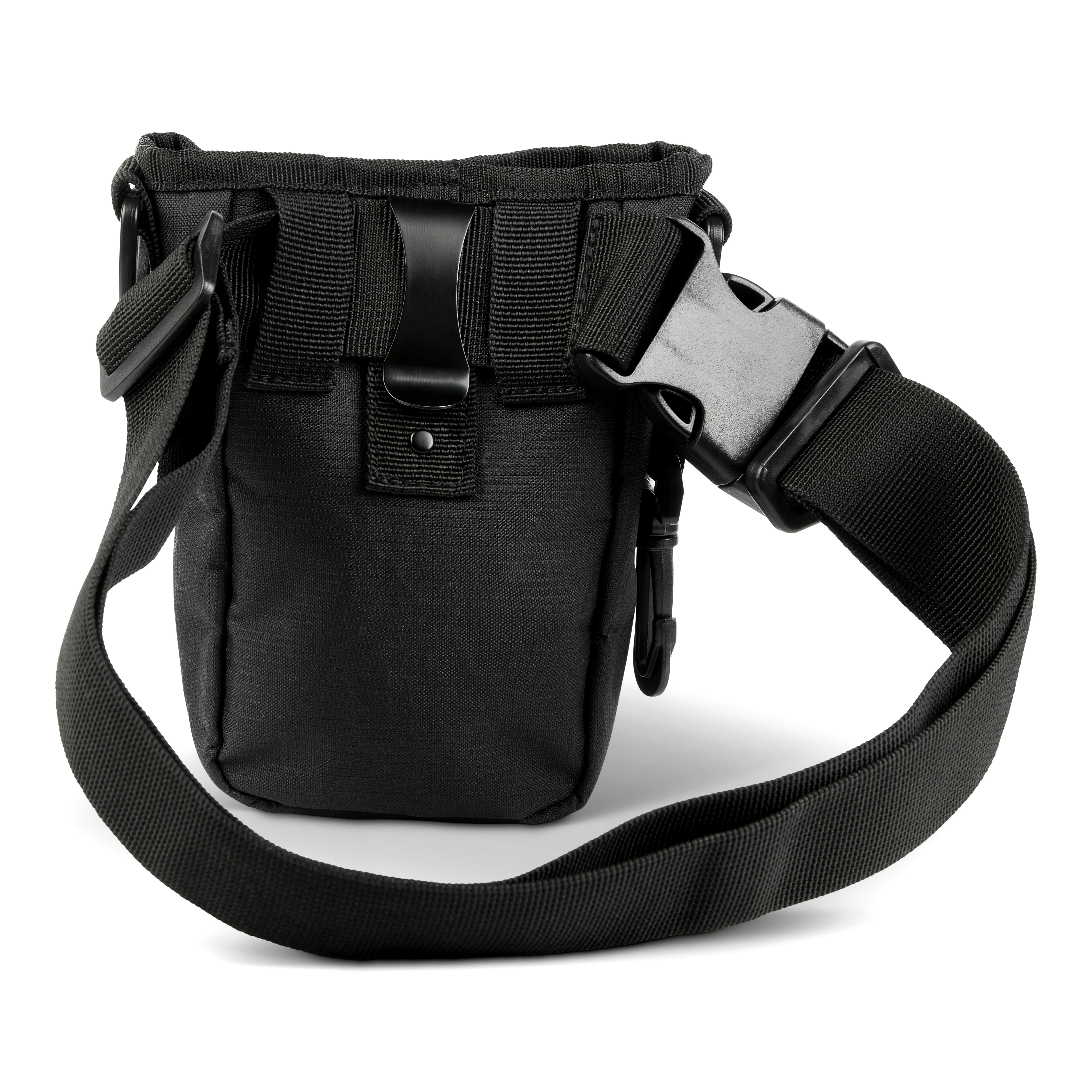
For most dog owners, a dedicated crossbody dog walking bag is the best fit for longer walks. It keeps your hands freer, spreads weight better than a shoulder bag, and gives you quick access to the things you use repeatedly, like treats, waste bags and your phone.
That said, it does depend on how you walk. If your dog is calm, your route is short-to-medium and you only carry the basics, a compact bag may be enough. If you are out for an hour or more, juggling training gear, water, a ball, your own essentials and maybe even items for a second dog, you will want more structure and a bit more capacity.
The key point is this: long walks call for a bag designed around dog walking, not a general bag that you hope will cope. There is a difference between carrying items and organising them.
What makes a bag work better on long walks?
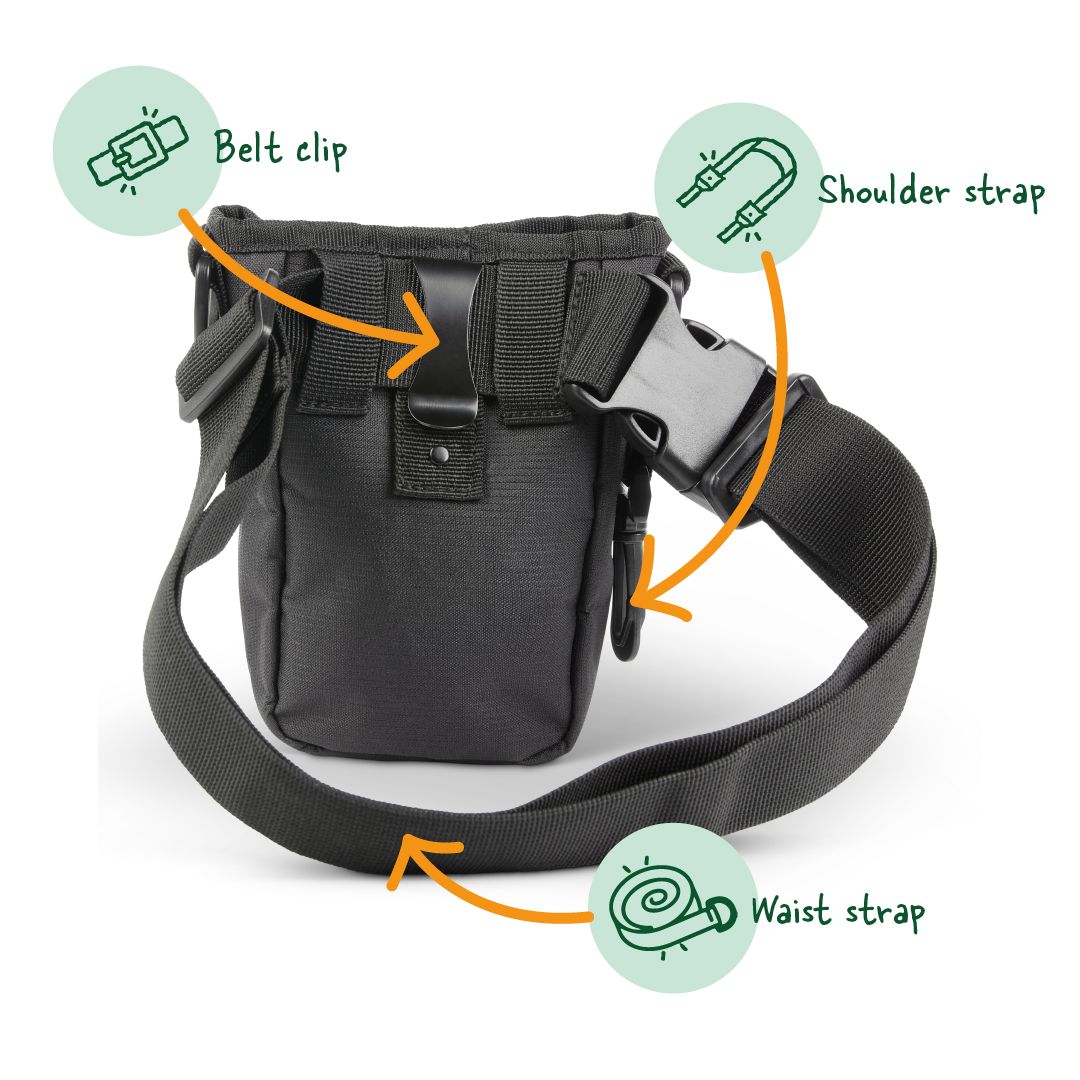
Comfort comes first. On a proper walk, a bag sits against you for a long stretch, often with more weight than you realise. A thin strap or awkward shape can start to pull quickly. Crossbody designs tend to feel more secure because they move less and leave both hands available when needed.
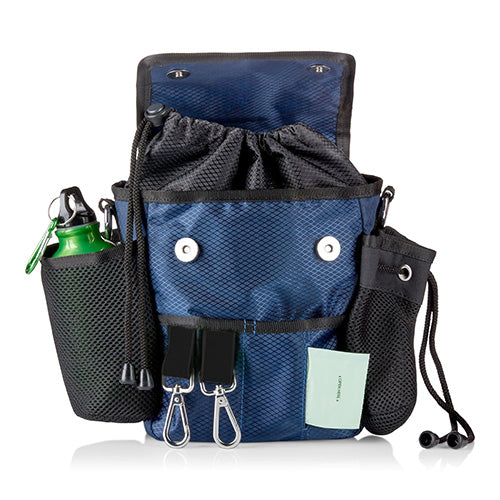
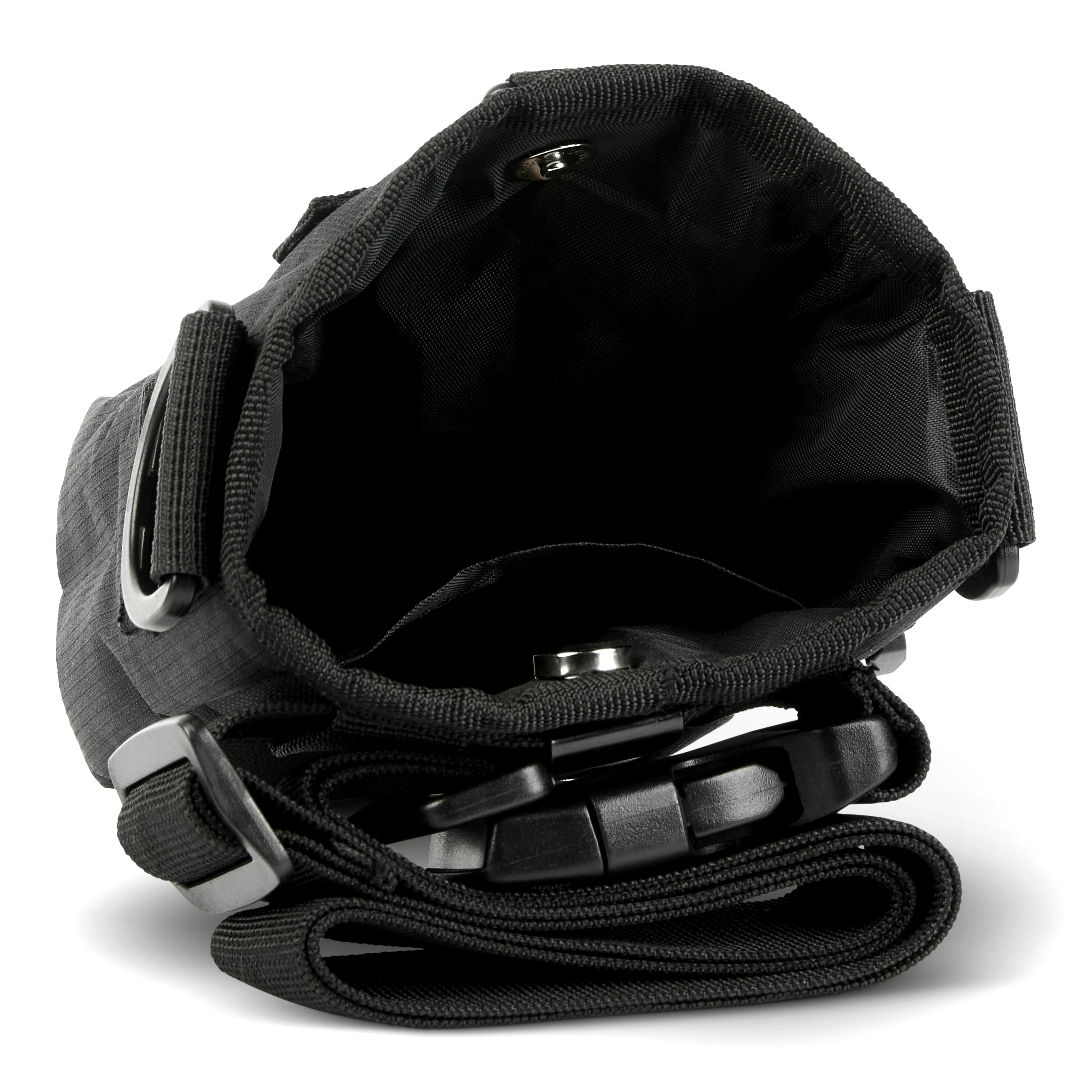
Organisation matters just as much. Longer walks involve repeat access. You are not opening your bag once at the start and once at the end. You are reaching for treats during training, pulling out waste bags at speed, checking your phone, grabbing keys, and possibly sorting out a towel or portable water bowl. Separate compartments help because they stop everything merging into one unhelpful pile.
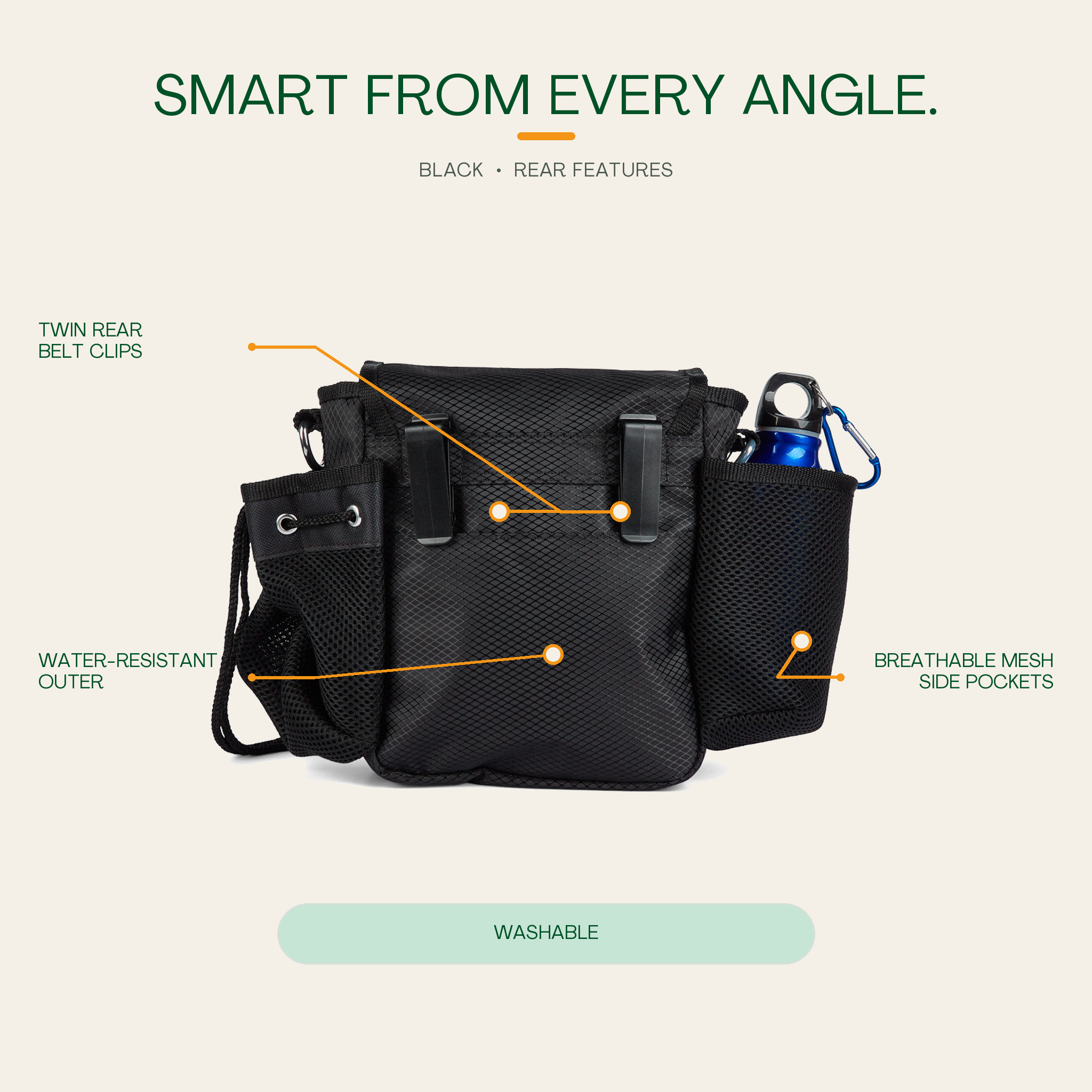
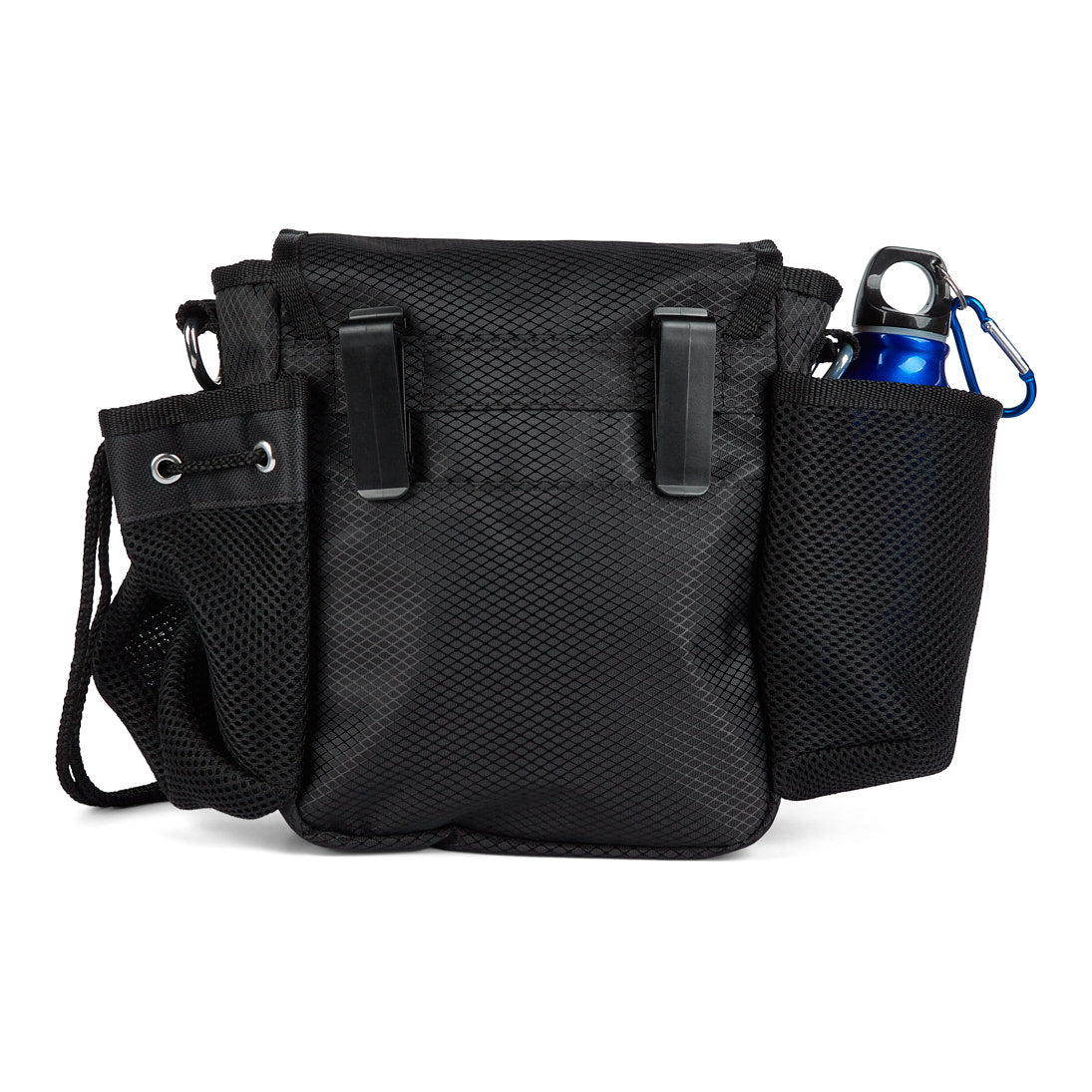
Material is another practical detail that becomes more important the longer you are out. Dog walks are not pristine. Bags get put on damp benches, brushed against muddy coats and caught in drizzle. Easy-clean, durable fabric is a much better choice than anything too delicate or too precious.
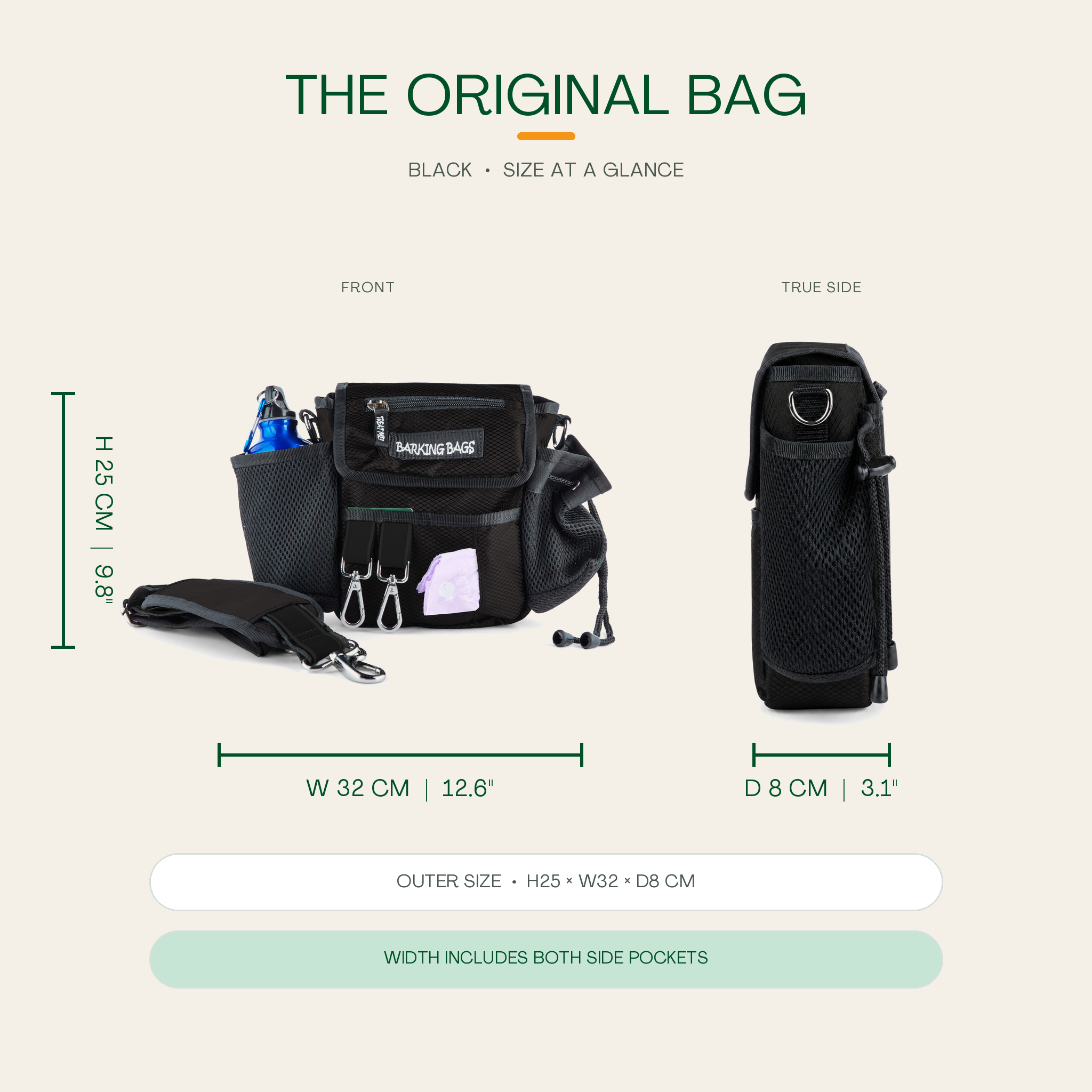
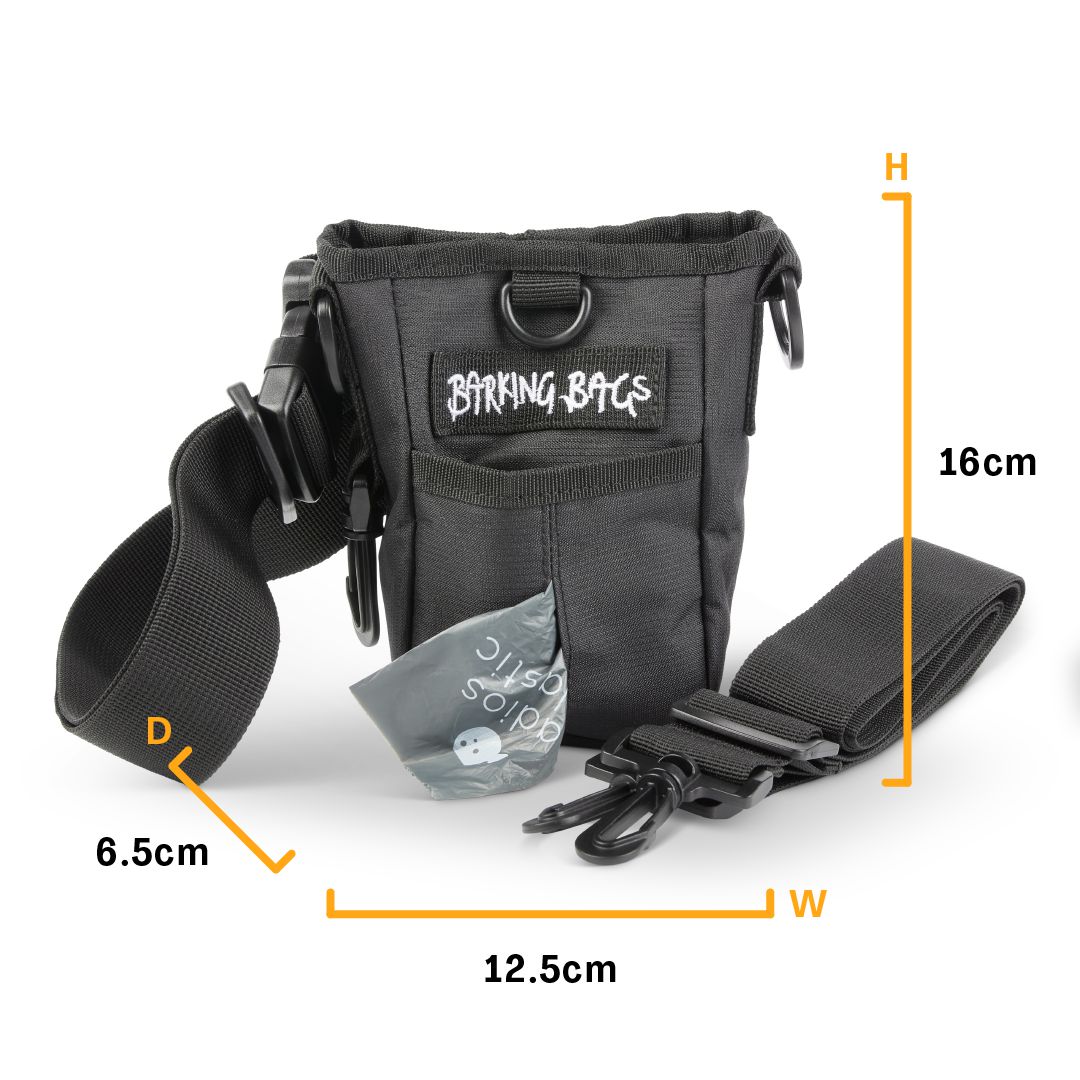
Then there is size. Bigger is not always better. An oversized bag can become cluttered and heavy, which defeats the point. The best bag for long walks is usually the smallest one that still holds everything you genuinely use.
The essentials your bag should carry
For a typical long dog walk, most people need room for treats, waste bags, keys, phone, lead accessories and a few personal items. You may also want space for a ball, small toy, hand sanitiser, water, or a collapsible bowl.
If your dog is in training, add another layer. High-value treats, a clicker, long line attachments and separate storage for rewards all become useful. Professional dog walkers and multi-dog households usually need even more organisation because each extra dog multiplies the kit.
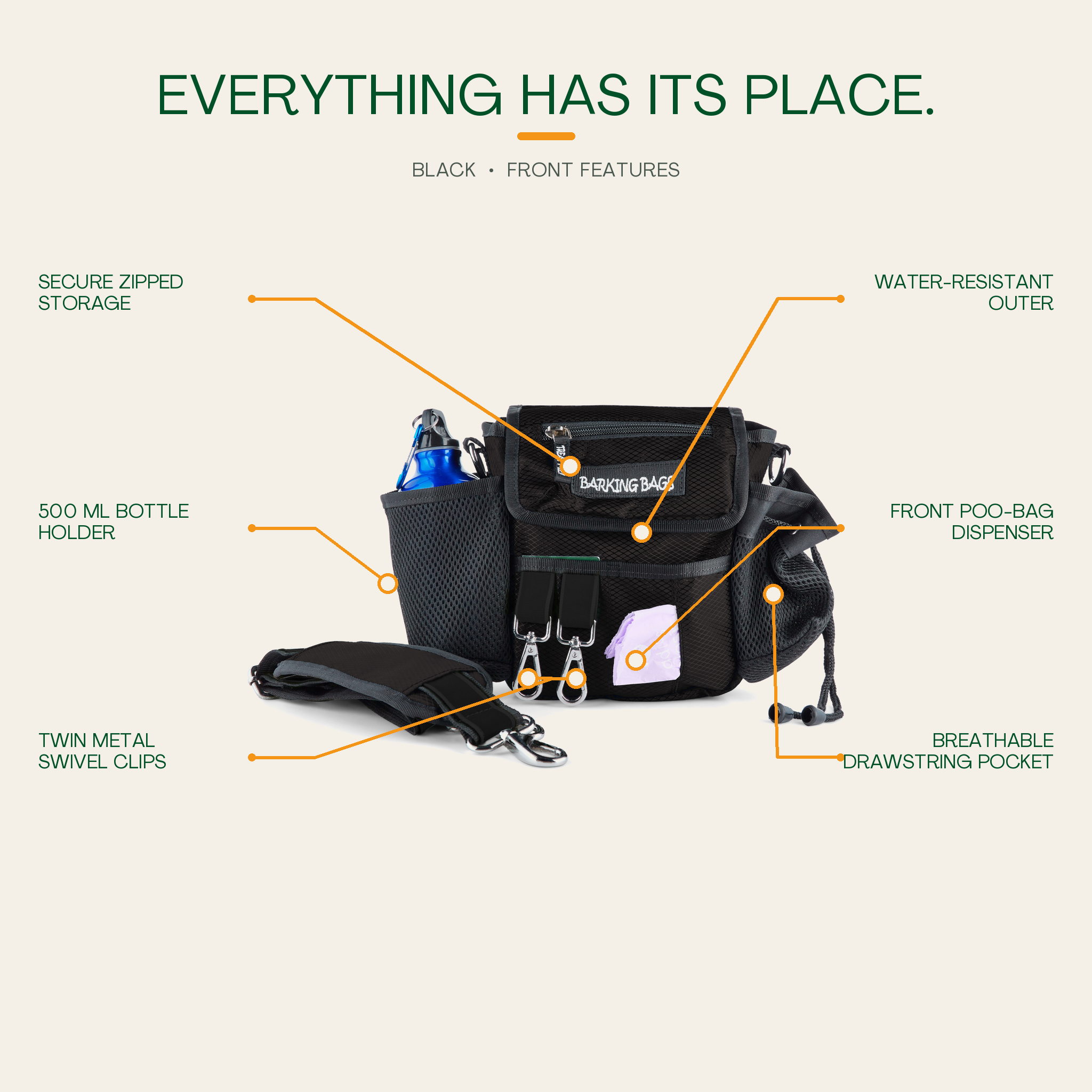
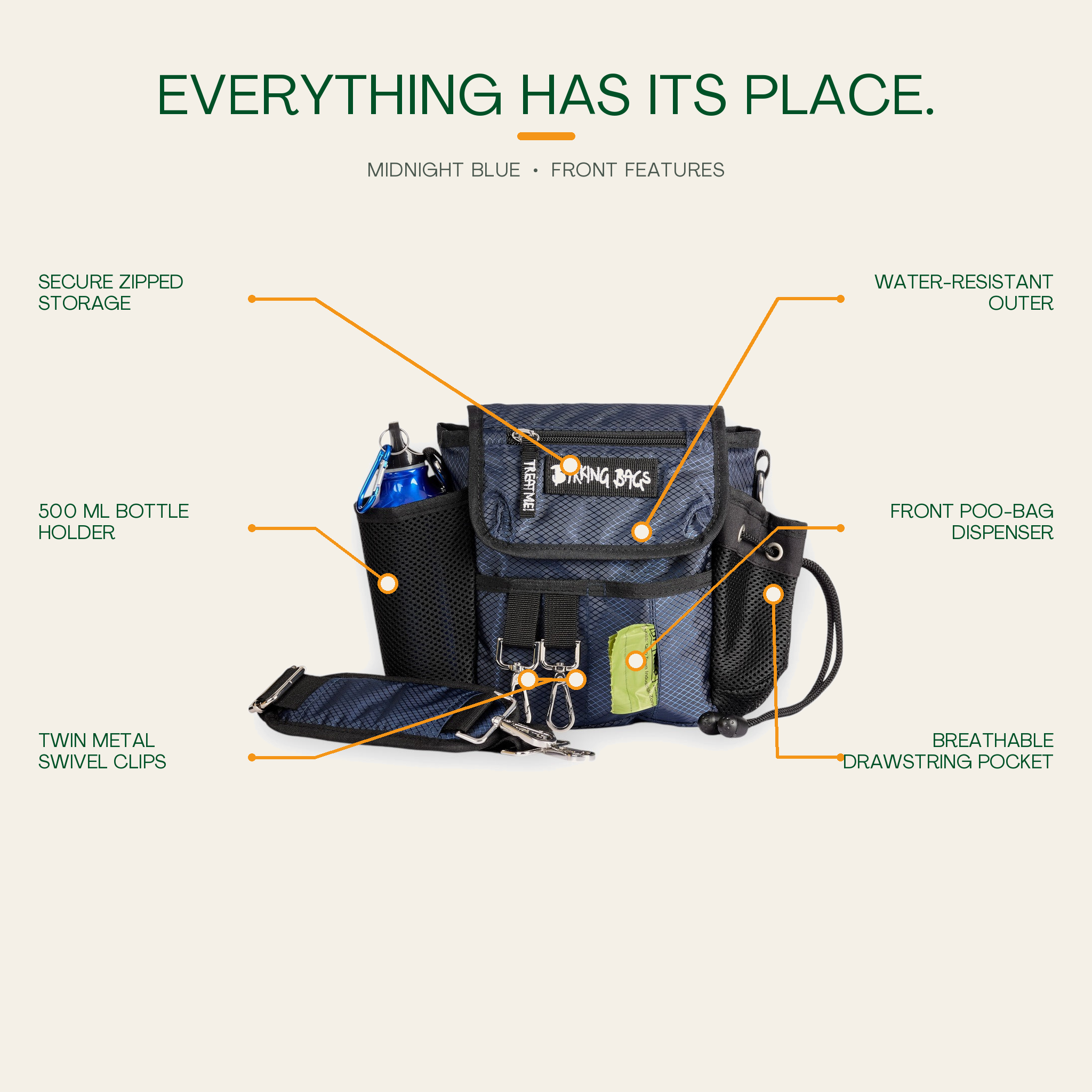
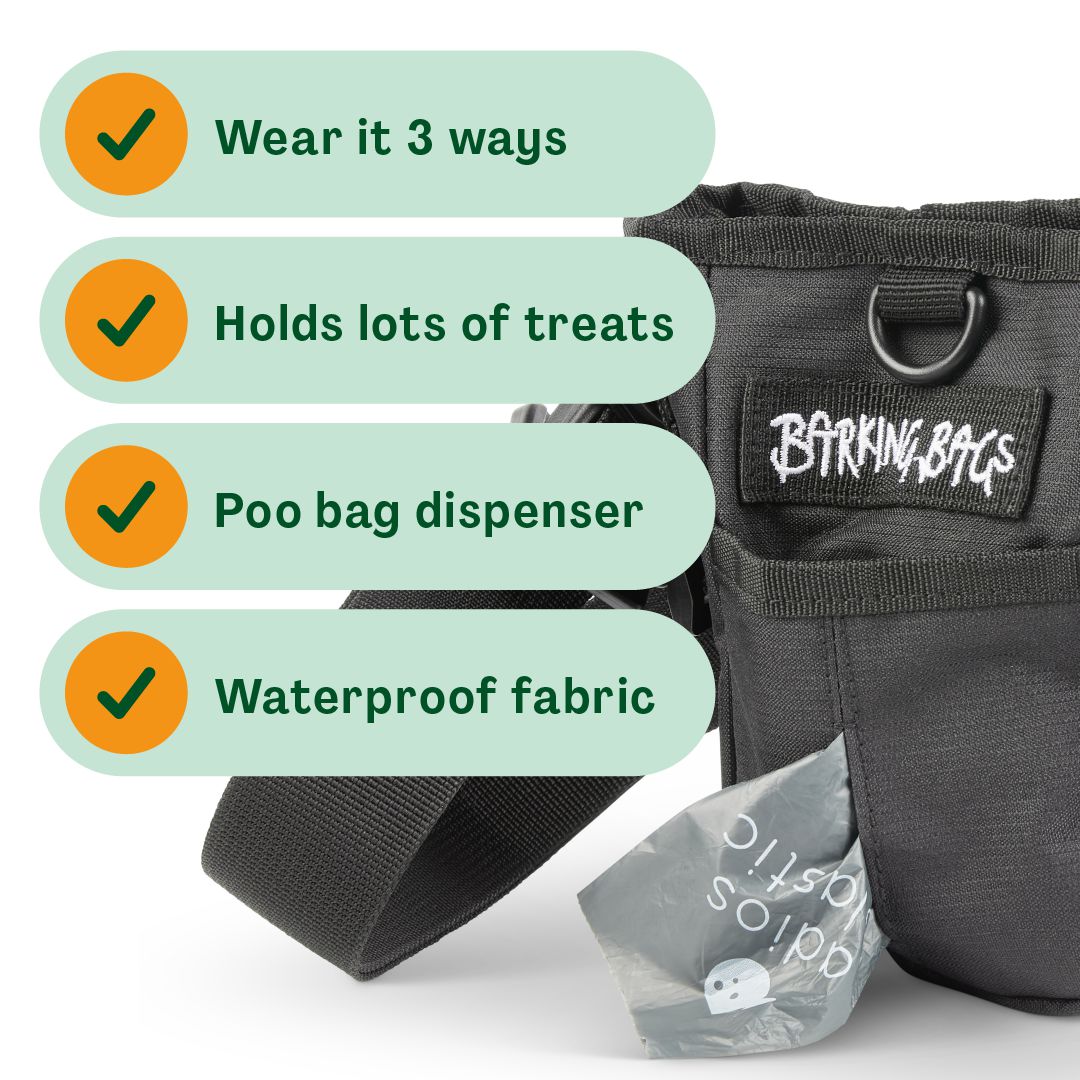
A bag that includes dedicated pockets or dispensers for the most-used items can make a noticeable difference. It saves time, reduces rummaging and keeps the walk feeling smoother.
Choosing the right bag by walk type
The easiest way to work out which bag suits long dog walks is to start with your routine, not just the product photos.
For everyday countryside or park walks
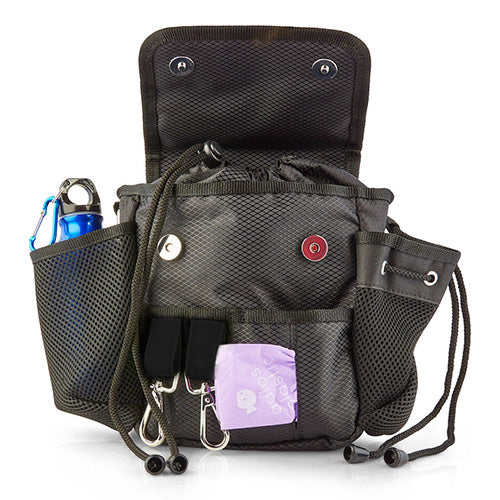
If your usual route is 45 minutes to 90 minutes, a medium-sized crossbody bag is often the sweet spot. You need enough space for dog essentials and your own bits, but not so much that the bag becomes bulky. This is where purpose-built dog walking bags tend to stand out - they are designed around the exact mix of items people actually carry.
Look for a bag with enough sections to separate treats from personal belongings, plus room for extras like a ball or compact water bottle. A secure zip is worth having, especially if your walk includes bending, running or a dog that likes to pull unexpectedly.
For training-focused walks
Training walks need quick access more than anything else. If you are rewarding good recall, lead manners or calm behaviour around distractions, fumbling around in one deep compartment is frustrating.
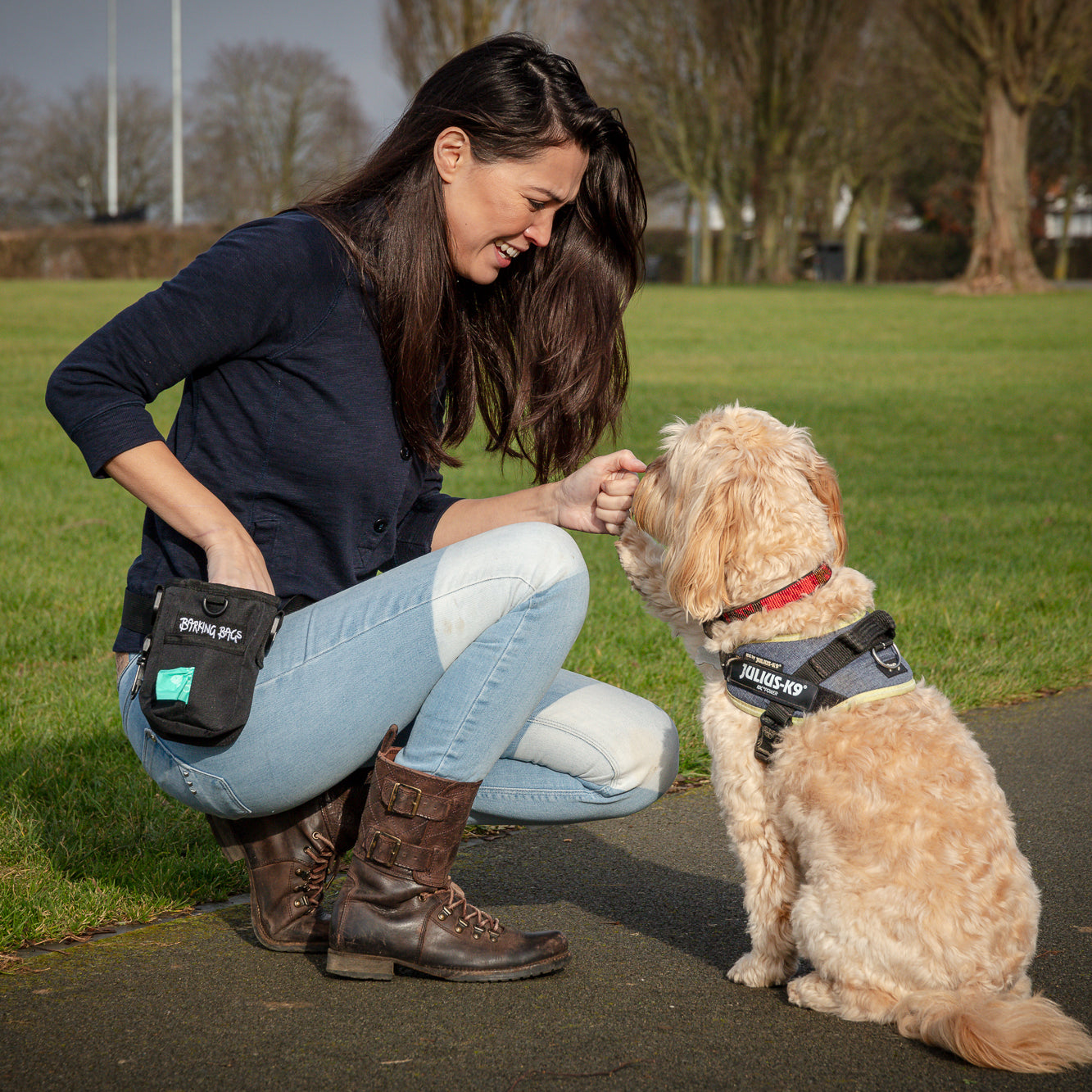
In that case, a bag with a dedicated treat section or the option to pair your main bag with a separate treat bag can work well. It keeps rewards instantly available while still leaving space for your phone, keys and all the rest. This setup is especially useful if your dog is young, easily distracted or still learning the basics.
For professional dog walkers or multi-dog homes
If you are walking more than one dog, or you are out for most of the day, your needs shift from simple convenience to proper system. Capacity matters, but layout matters more. You need a place for leads, waste bags, wipes, treats, your phone, house keys and likely a few dog-specific extras without slowing yourself down.
This is where a structured dog walking bag earns its place. A generic backpack can hold more, but it is slower to access and often less practical in the moment. A shoulder bag can feel overloaded very quickly. For many regular walkers, a purpose-designed crossbody bag with accessory options strikes the right balance.
Features worth looking for before you buy
A good-looking bag is a bonus, but long dog walks are where practical details prove their value.
An adjustable strap is one of them. People wear bags differently, and the right fit changes how comfortable it feels over time. A wipe-clean lining or easy-care fabric is another strong plus, especially if treats, muddy tennis balls or wet leads end up inside.
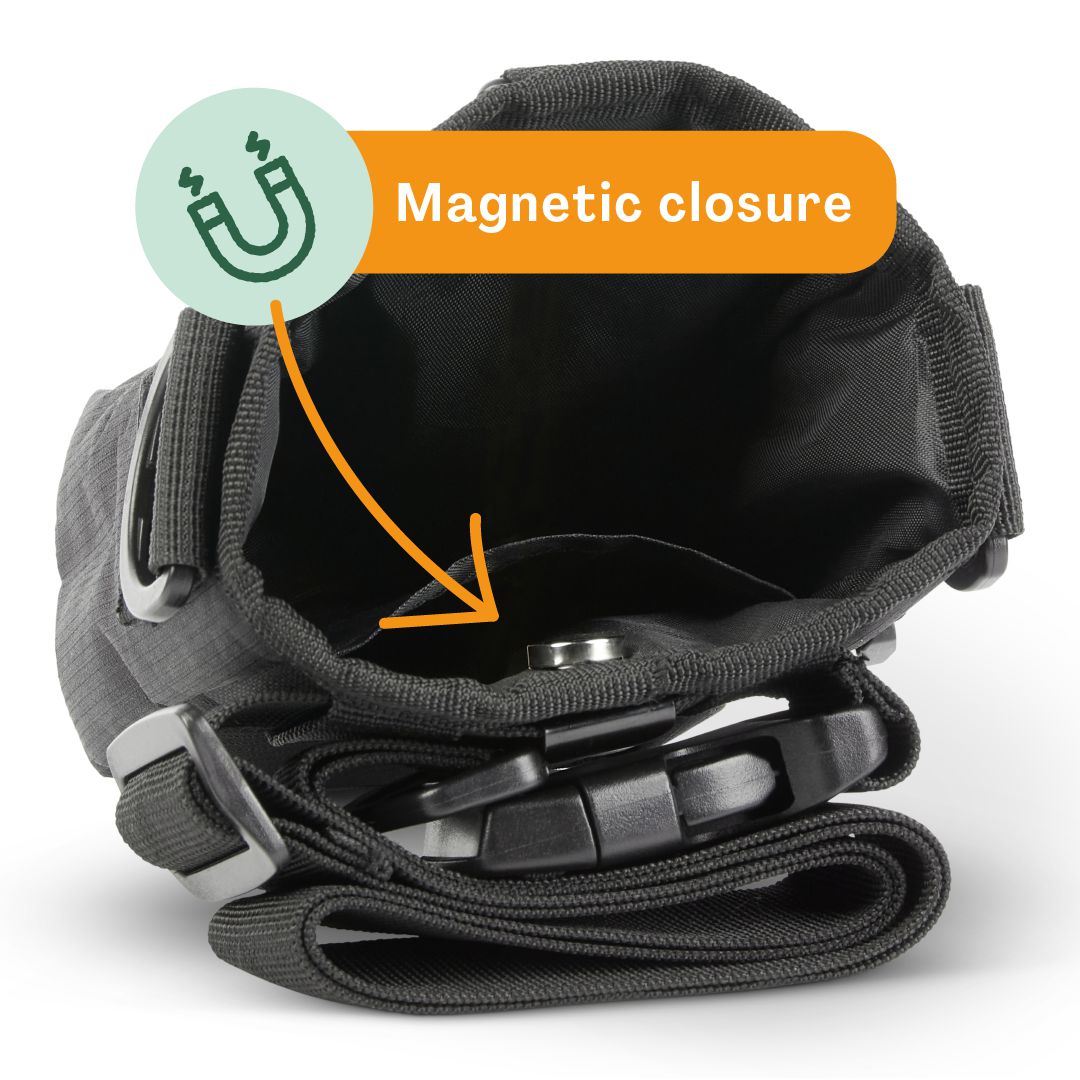
Secure compartments help protect the things you really care about, like your phone and keys. External access points for frequently used items can be helpful too, as long as they do not leave belongings too exposed.
Style still matters. Many dog owners want a bag that feels pulled together rather than purely functional. That is fair. If you walk your dog every day, your bag becomes part of your routine, and it should feel good to carry. The best options manage both - practical enough for muddy paths, smart enough that you would not mind wearing them beyond the dog field.
Common bag mistakes on long walks
One of the biggest mistakes is relying on coat pockets. It sounds simple until one pocket fills with crumbs, another with used poo bags, and your phone nearly falls out every time you crouch down. Pockets are fine for a very quick loop round the block, not for a longer outing.
Another is choosing a bag based only on size. More space sounds helpful, but if there is no structure, you just end up carrying more clutter. Small but well-organised often beats large and chaotic.
The last one is treating dog walking like an afterthought. If you walk daily, this is not an occasional errand. It is part of your routine. Investing in a bag designed for that routine can make every single walk easier.
So, which bag suits long dog walks best?
For most people, the best answer is a dedicated dog walking crossbody bag with enough room for essentials, clear internal organisation, comfortable wear and easy-clean materials. It should fit your usual route, your dog’s needs and how much you like to carry, without feeling oversized or fussy.
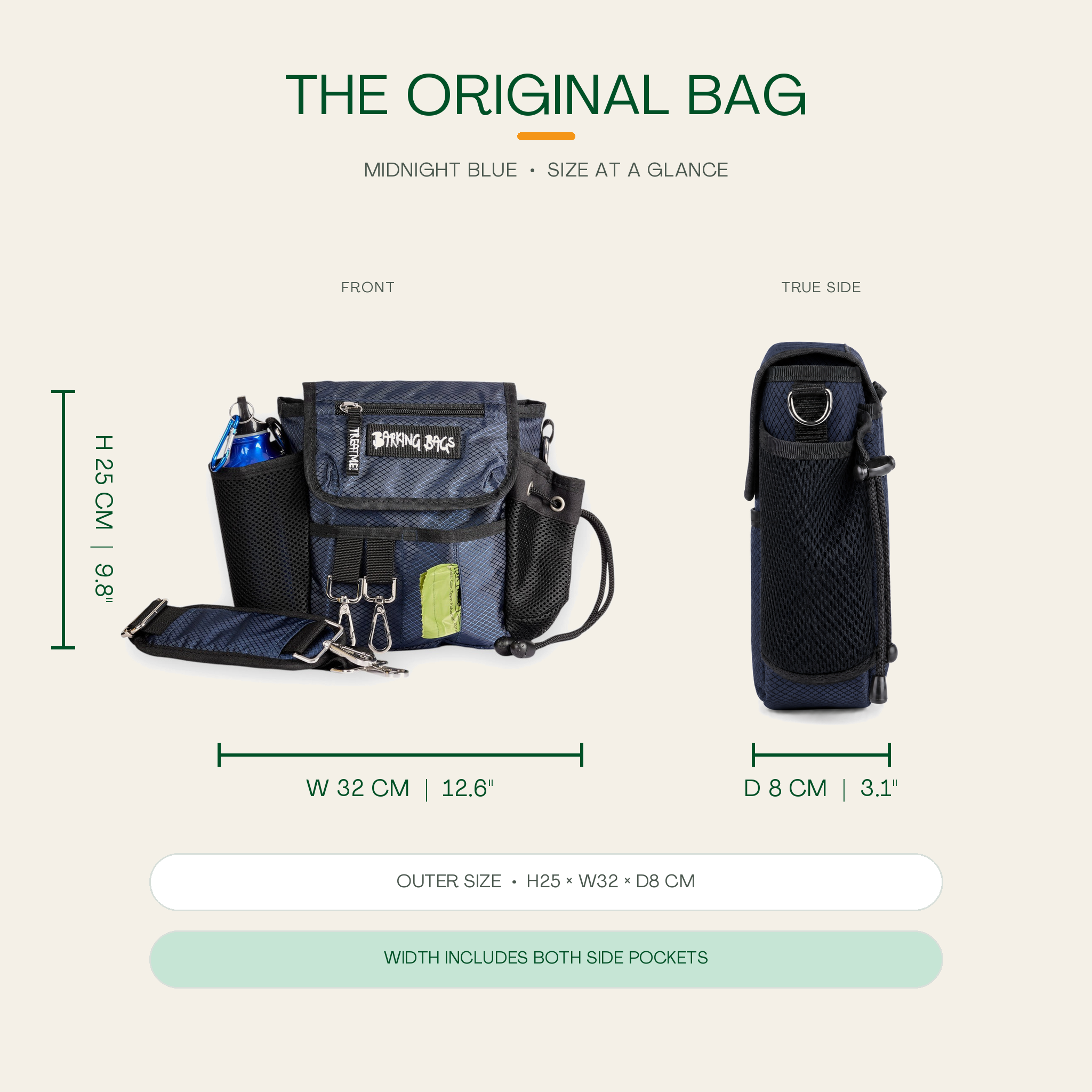
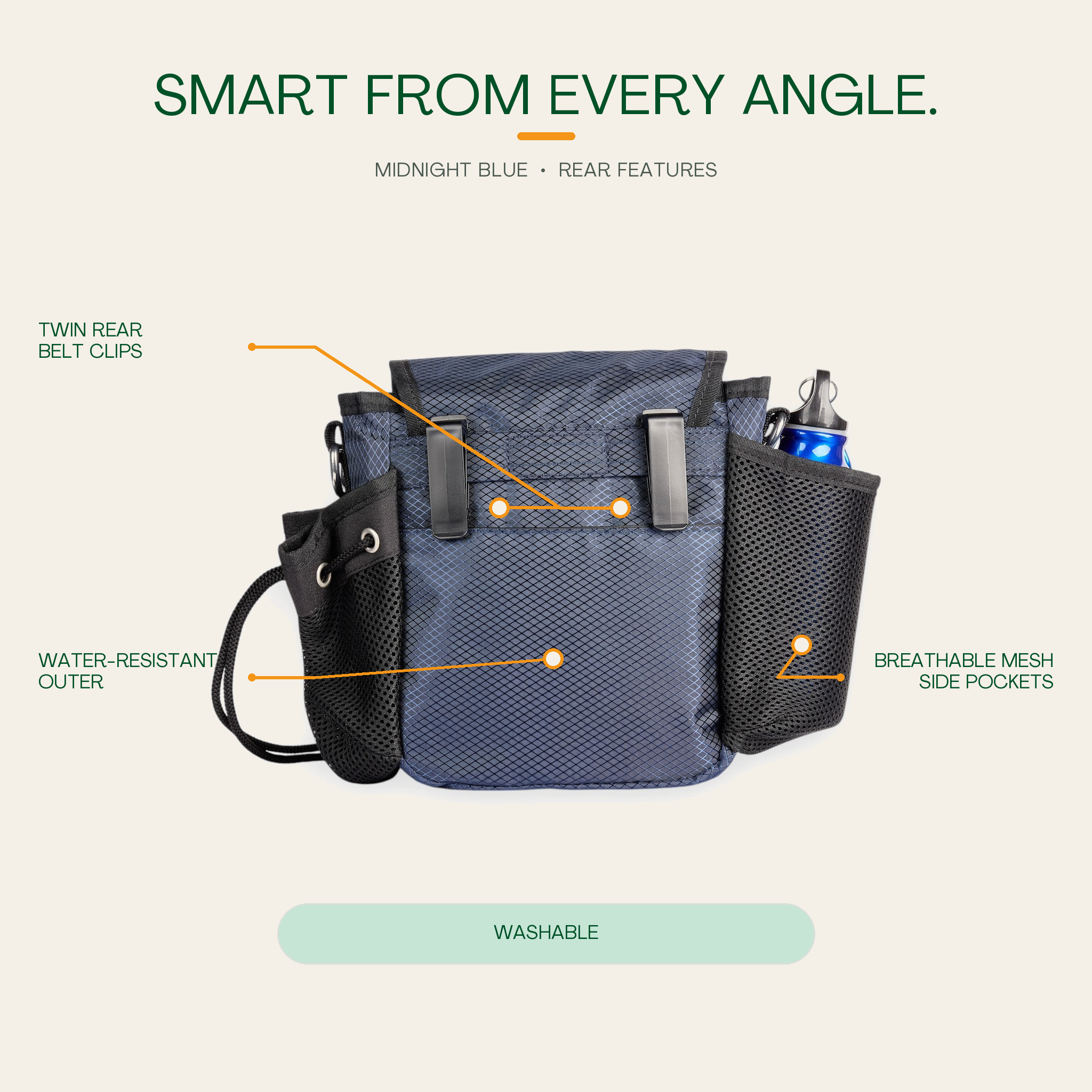
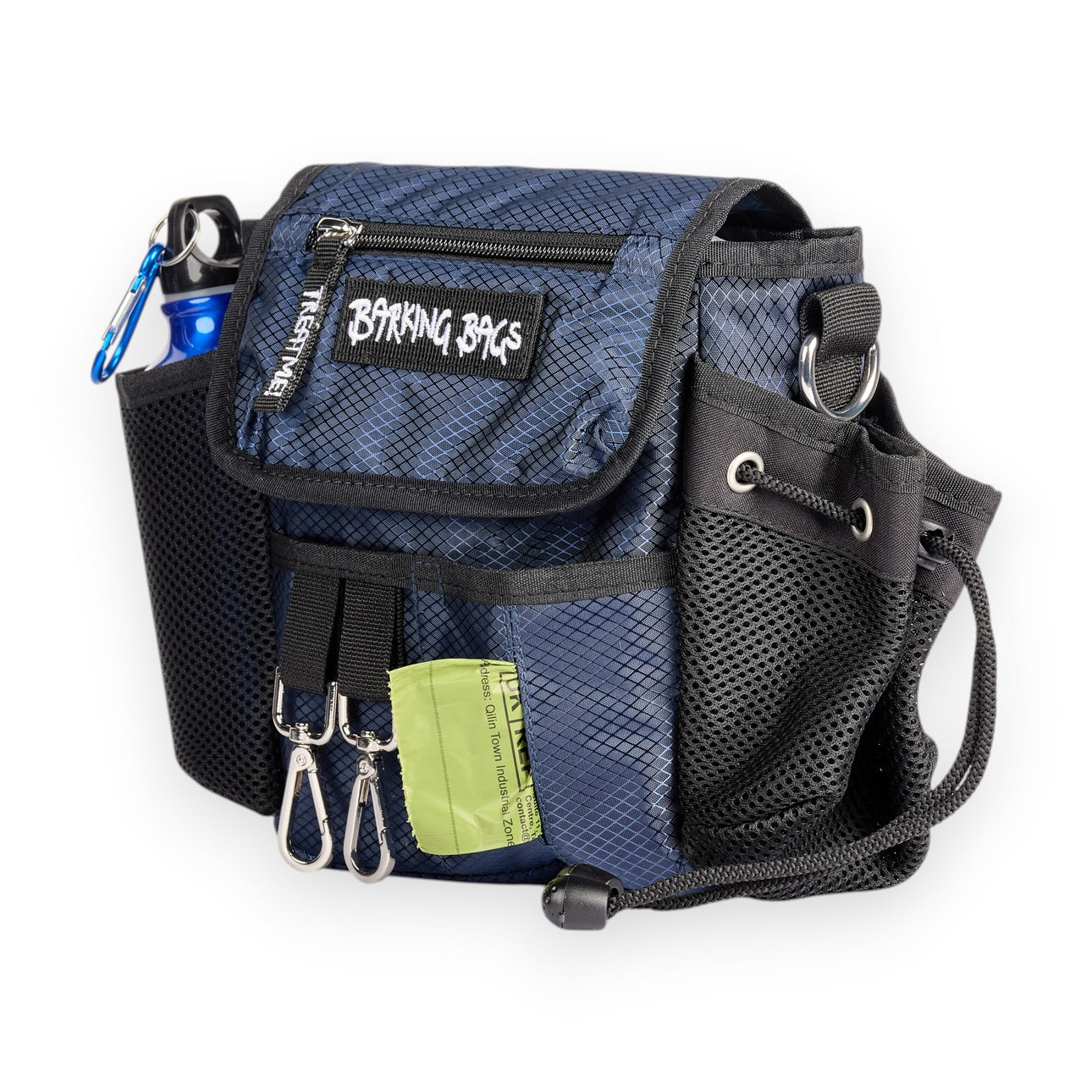
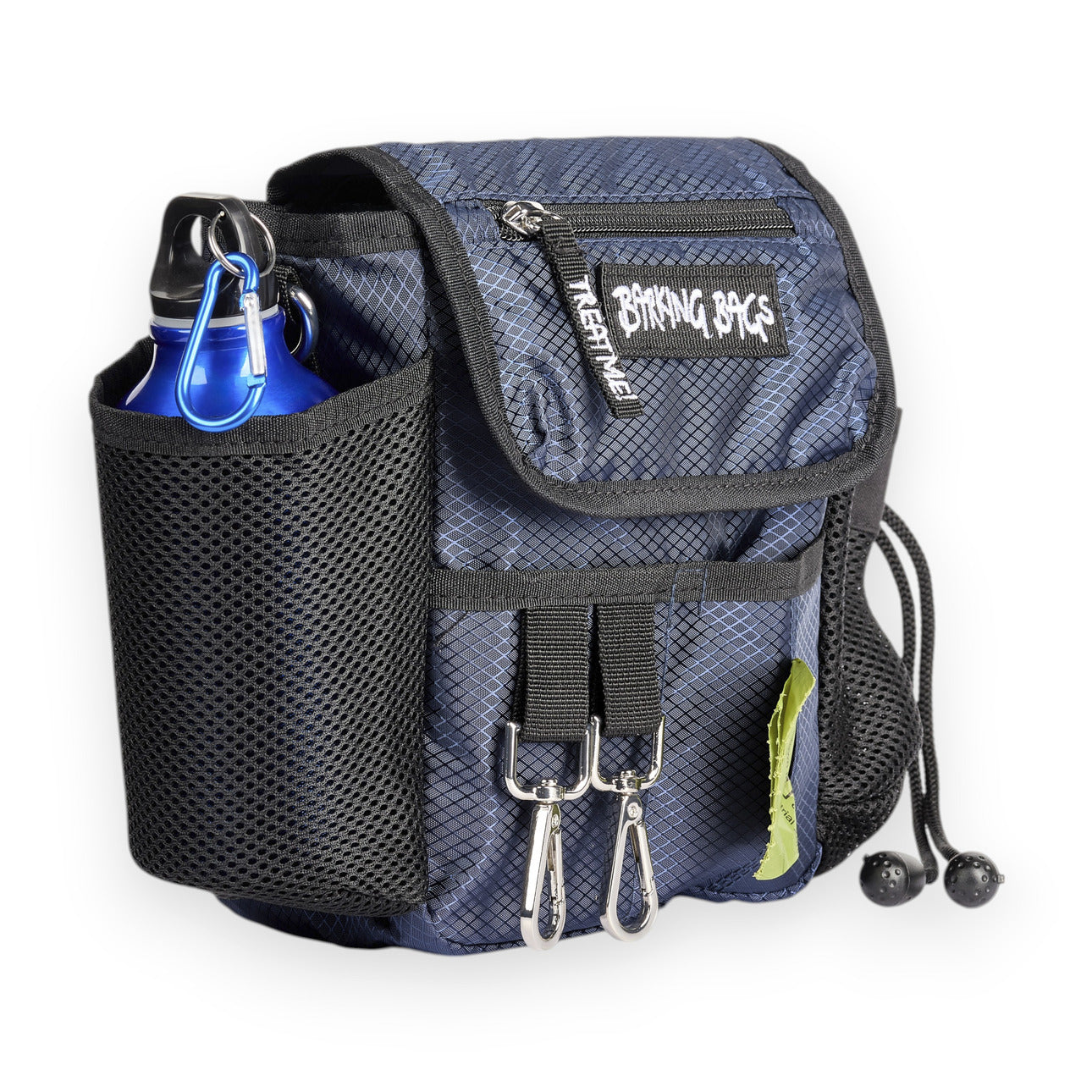
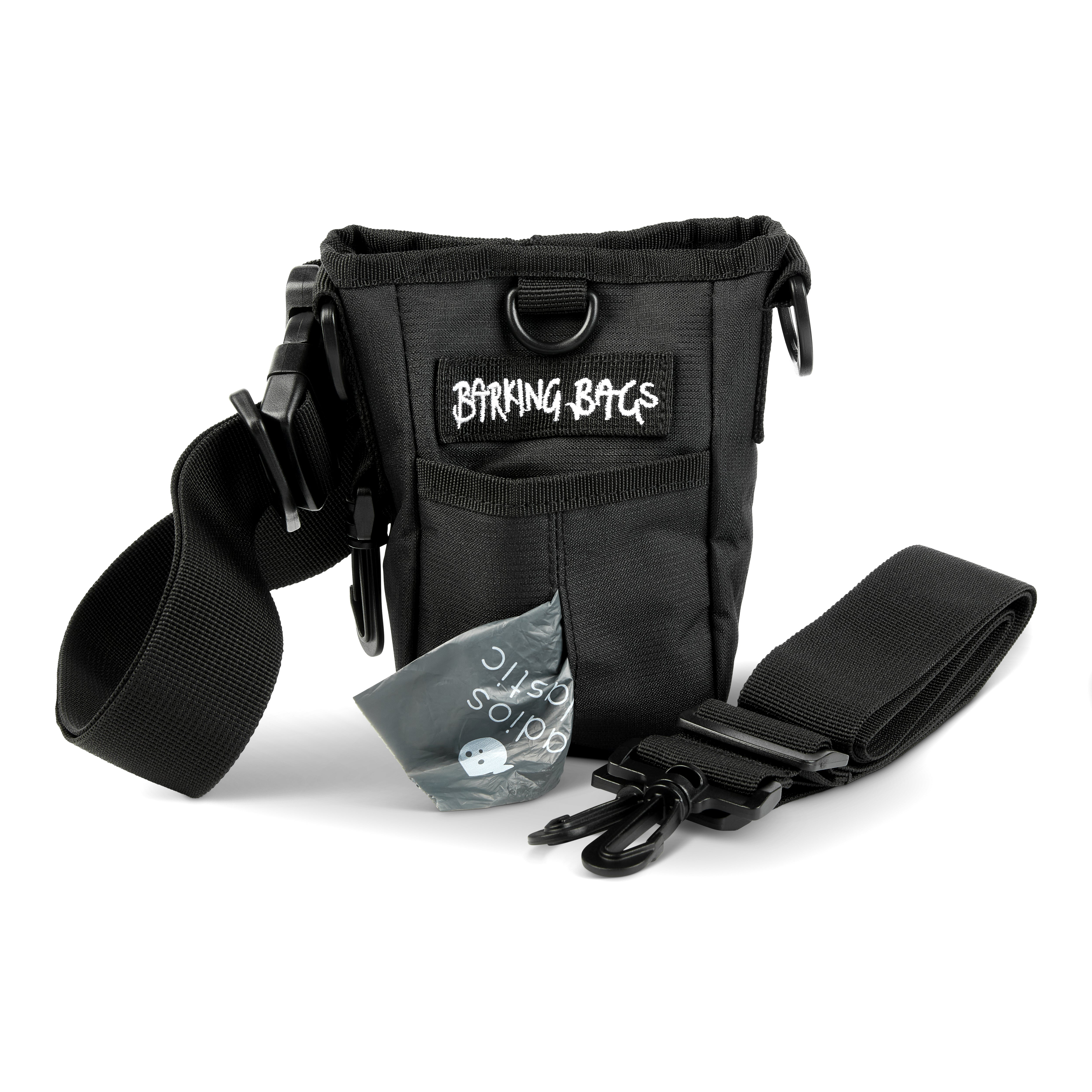
If you only need the basics, keep it compact. If your walks are longer, more active or more training-focused, choose a bag with more structure and flexibility. And if dog walking is a daily non-negotiable, a specialist option like those designed by Barking Bags makes far more sense than making do with whatever is by the front door.
A good dog walking bag will not stop your dog rolling in something questionable or refusing to come back from the most interesting bush in Britain. It will, however, make you feel more prepared, more organised and a lot less fed up by minute twenty.