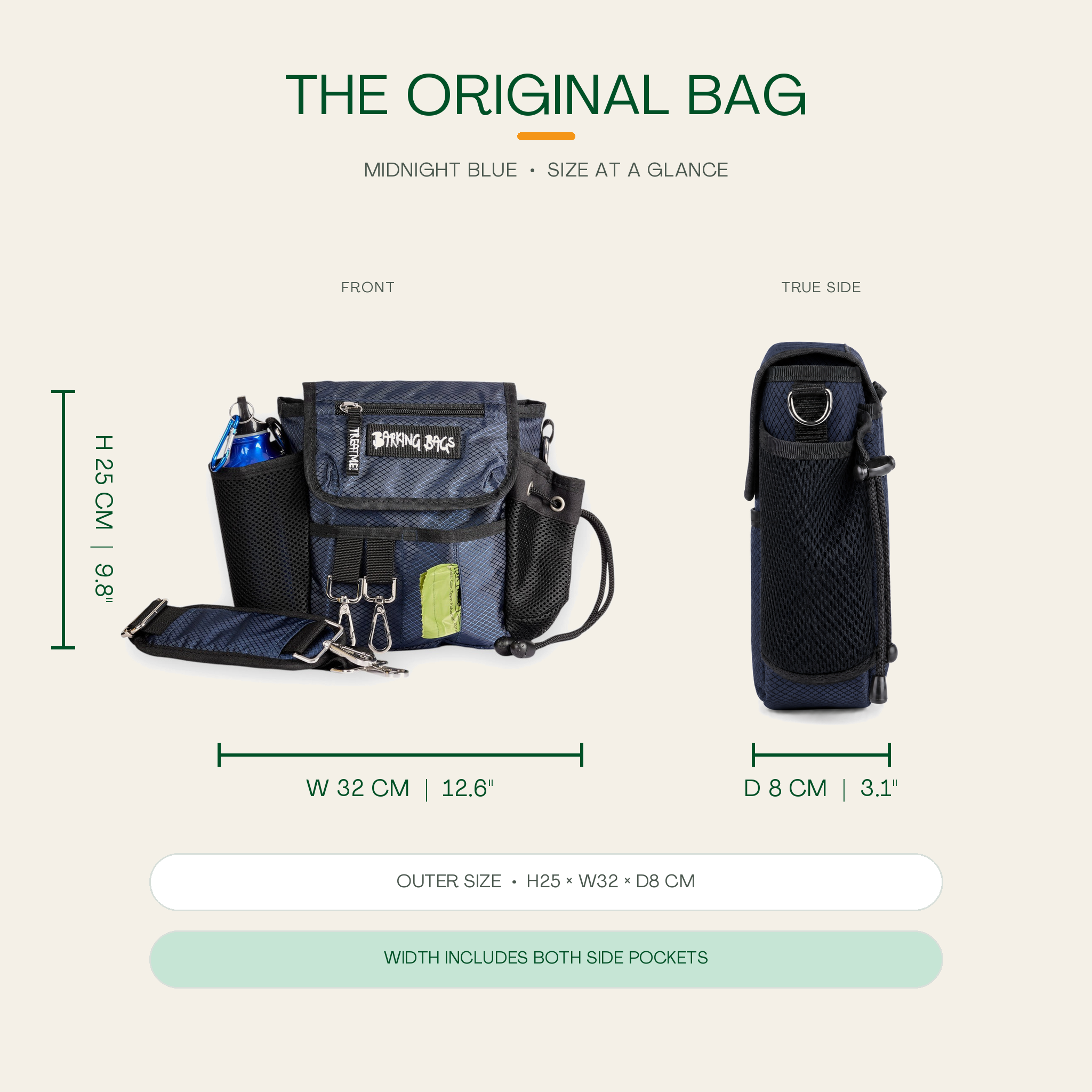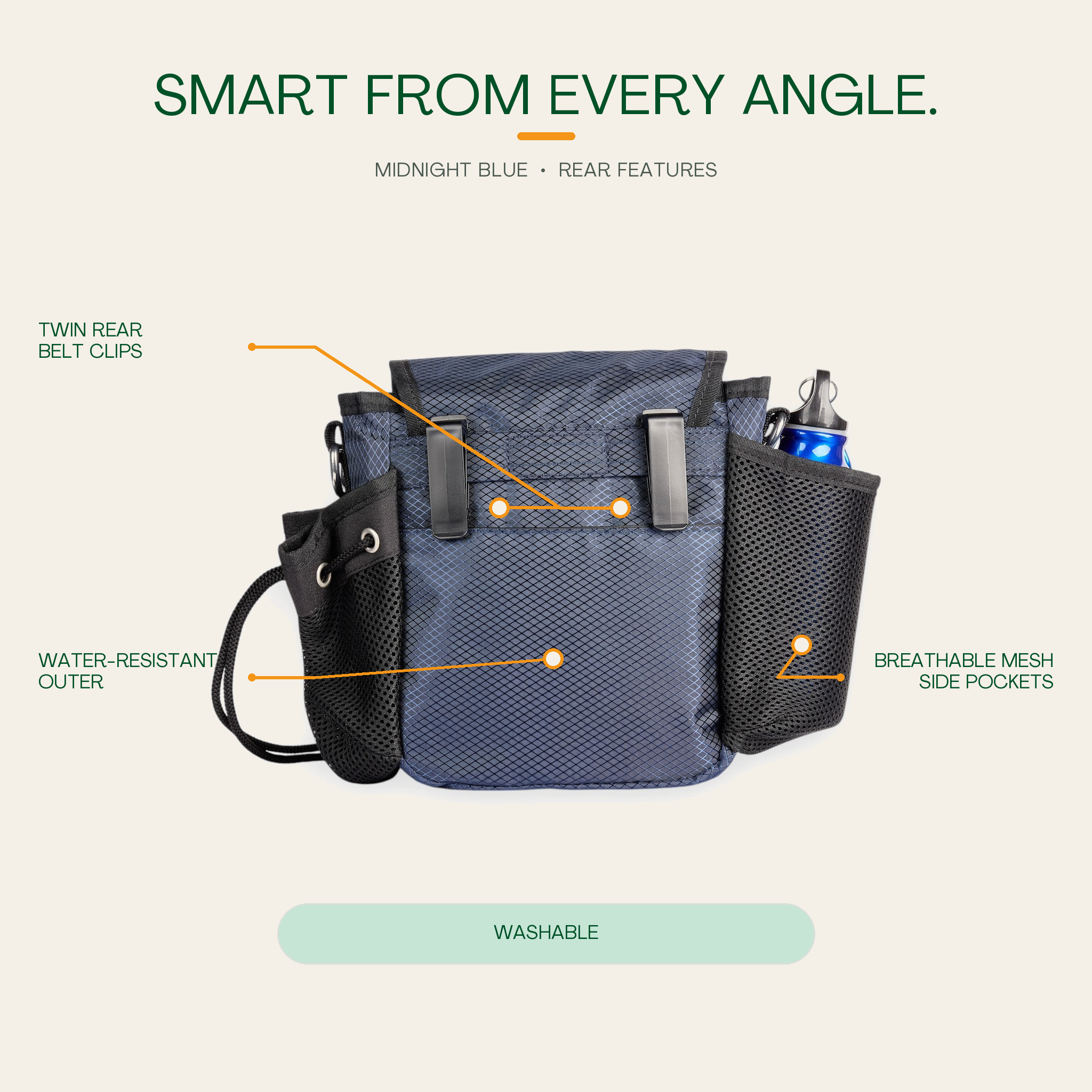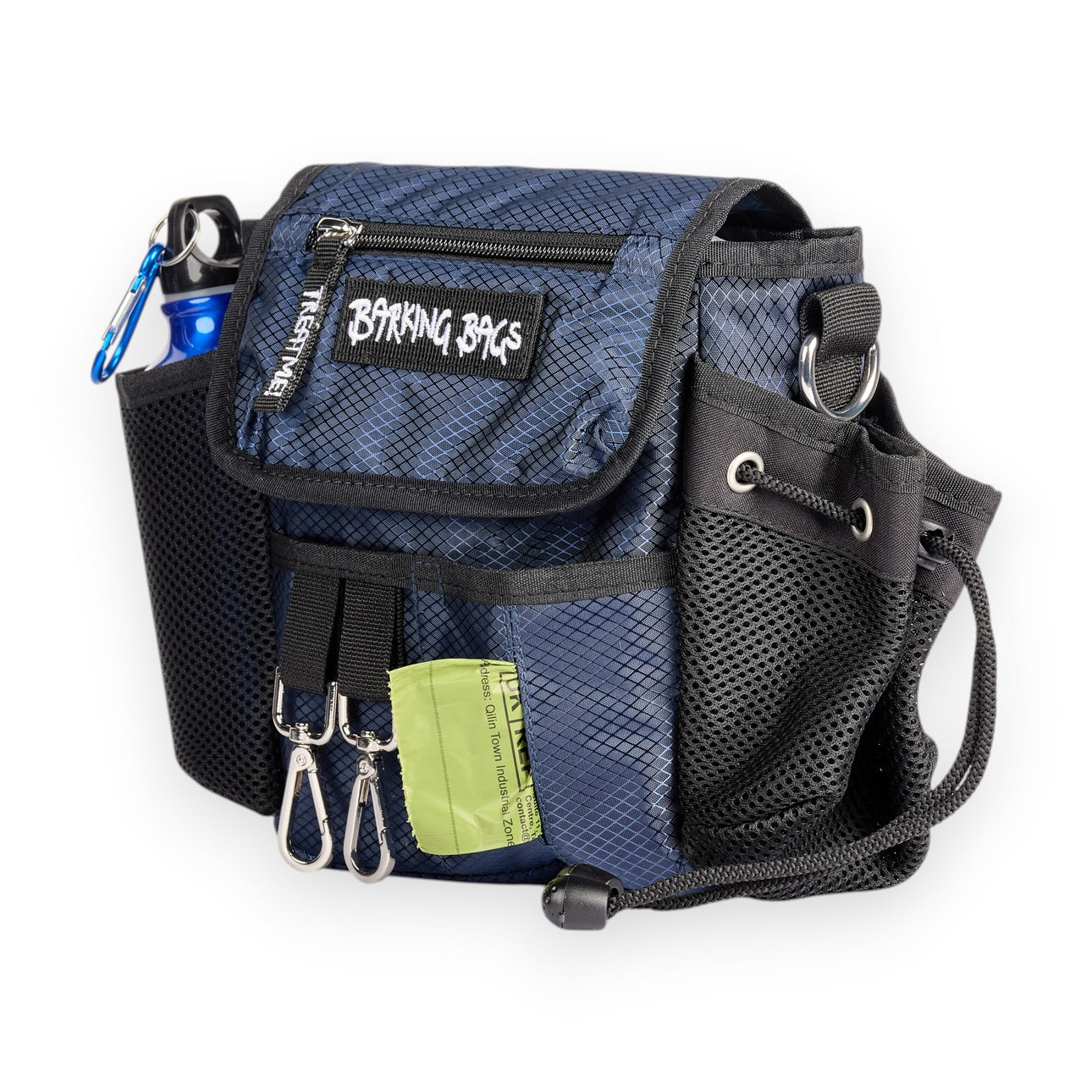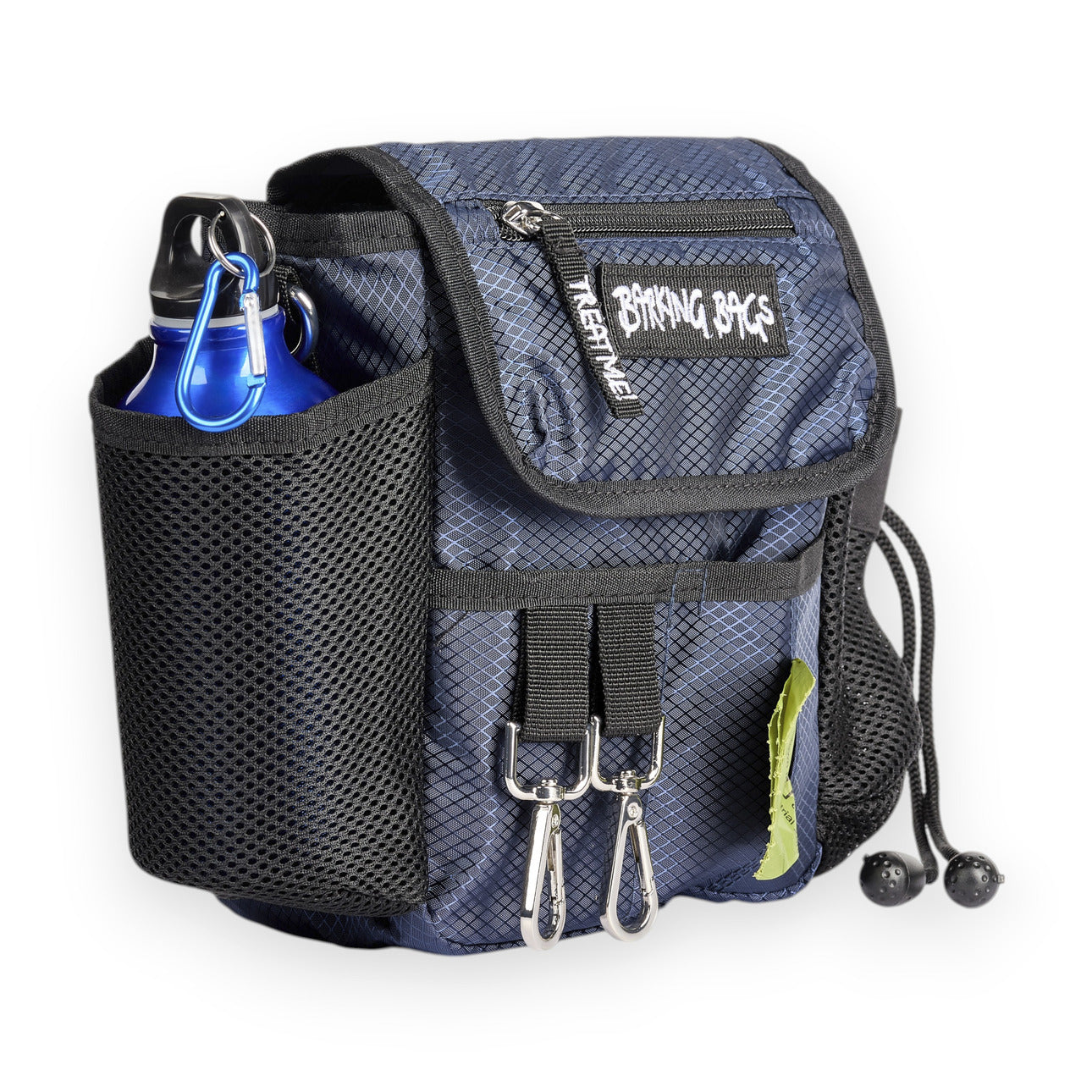

If you have ever fumbled for a soggy bit of chicken in your coat pocket while your dog loses focus, you already know why a proper treat pouch matters. This treat pouch review for dog training looks at what actually makes a pouch useful in real life - not just in a product photo, but on damp park walks, busy pavements and everyday training sessions.
A good treat pouch should do one thing brilliantly: make rewards quick and easy to access. But the best ones also help you stay organised, carry the extras and avoid turning every walk into a juggling act. That is where design makes a bigger difference than many owners expect.
What a treat pouch needs to do well
Dog training happens in seconds. Your timing matters, and so does your setup. If you need both hands to open a pouch, or if treats get buried at the bottom, the pouch is working against you.
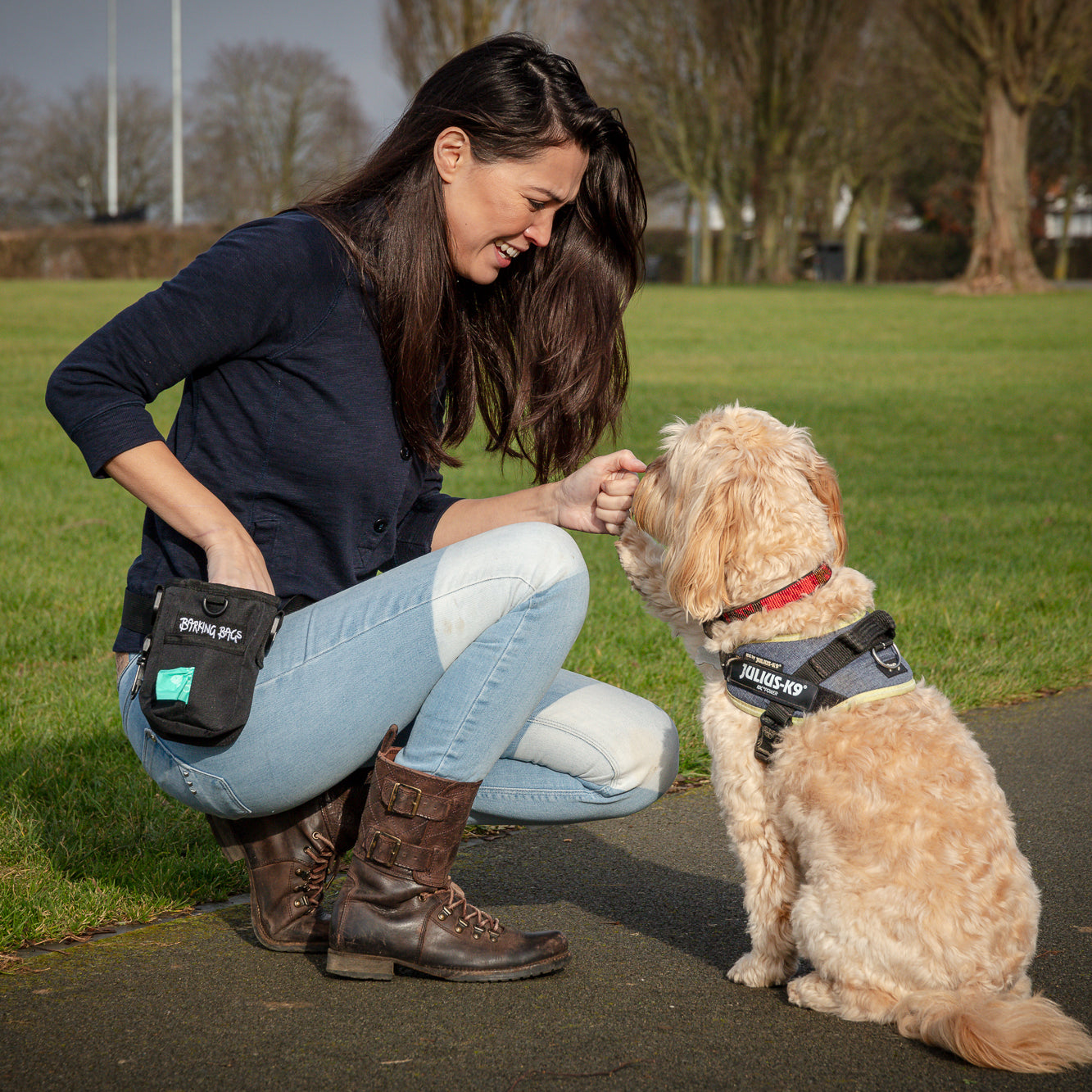
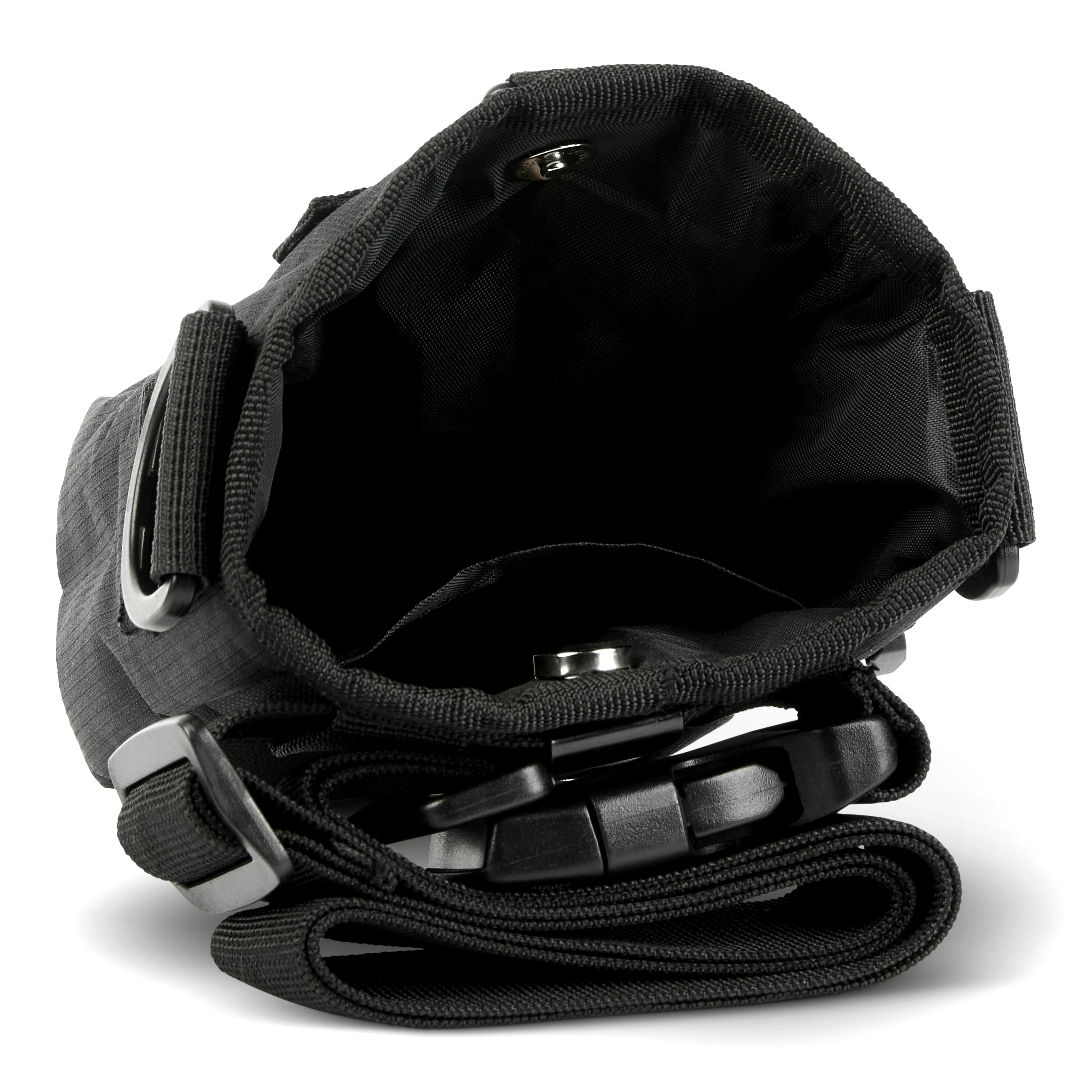
The first thing to look for is access. A wide opening is usually better than a narrow one, especially if you train with one hand while holding a lead in the other. Structured openings often work well because they stay open when you need them and close securely when you do not. Soft pouches can feel compact, but some collapse in on themselves and slow you down.
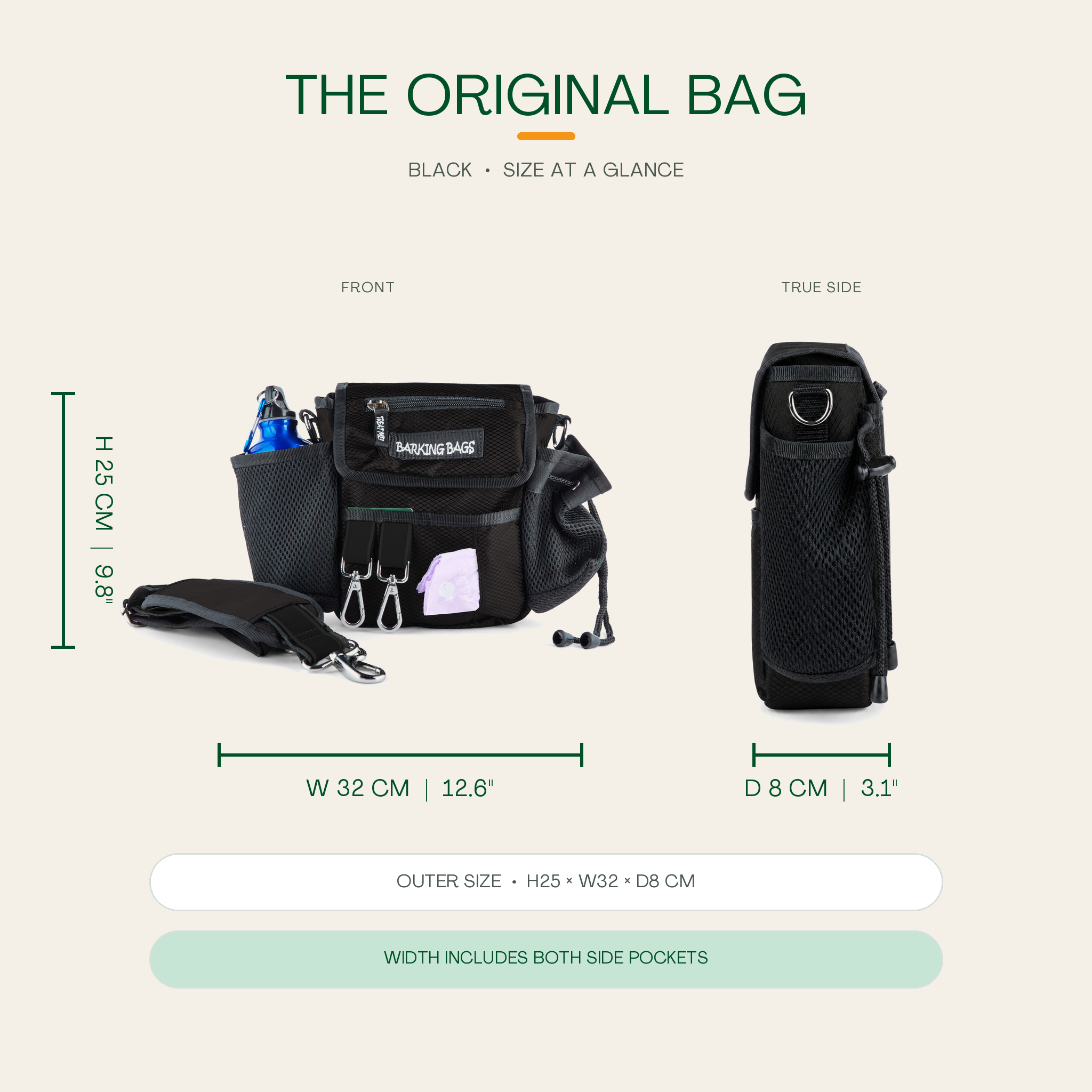
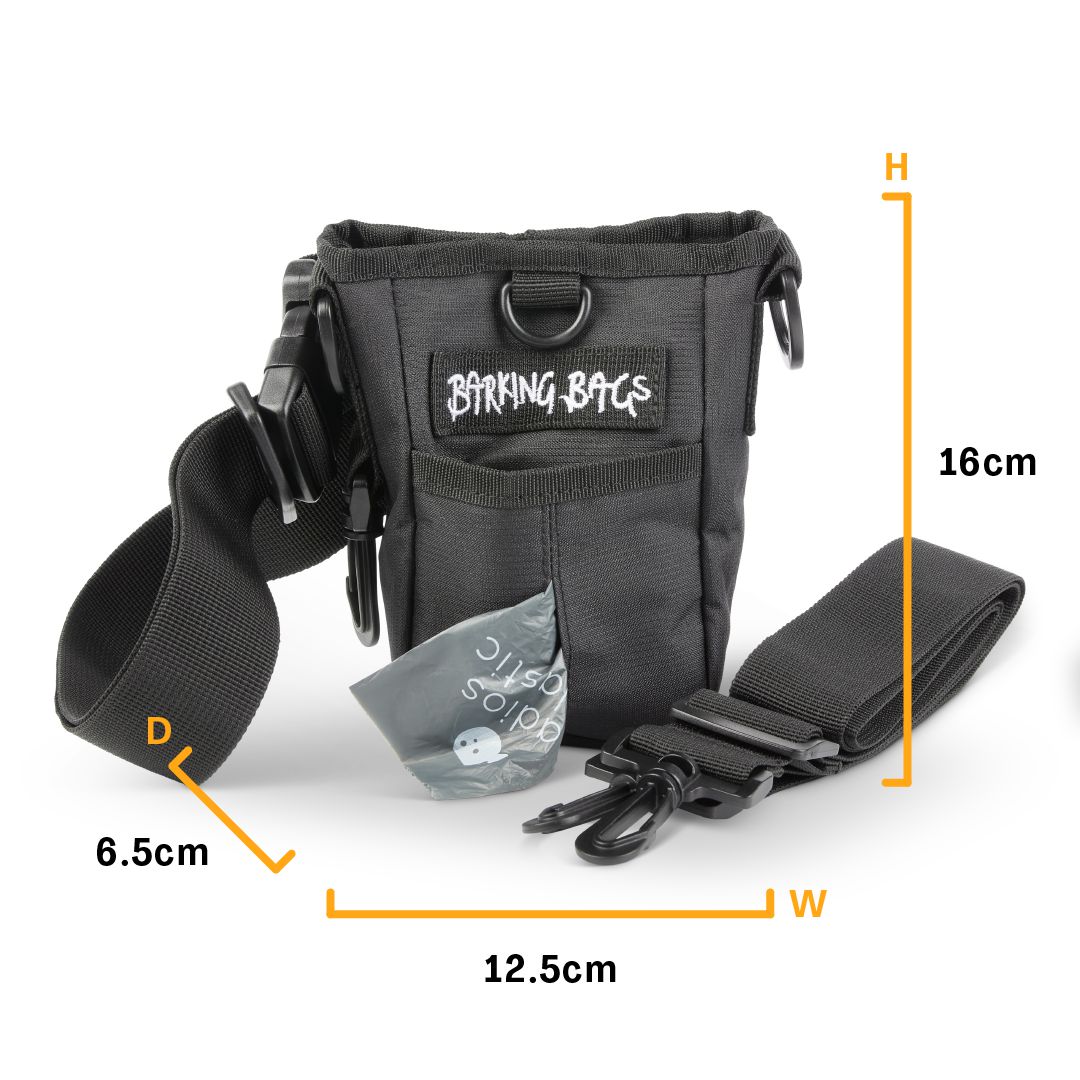
Capacity is the next trade-off. Small pouches suit short training sessions, puppy classes or quick lead work around the block. Larger pouches are better for longer walks, multi-dog households or professional dog walkers who need more rewards on hand. The catch is obvious - the bigger the pouch, the bulkier it can feel.
Material matters more than most reviews admit. Training treats are rarely neat. You might use cheese, sausage, liver treats or bits of kibble. If the lining cannot be wiped clean easily, smells build up fast. A washable or wipe-clean interior is one of those features you only appreciate after week two.
Treat pouch review for dog training: the features worth paying for
Not every extra feature is worth the money, but some genuinely improve daily use. The best treat pouches tend to get the basics right first, then add thoughtful details around them.
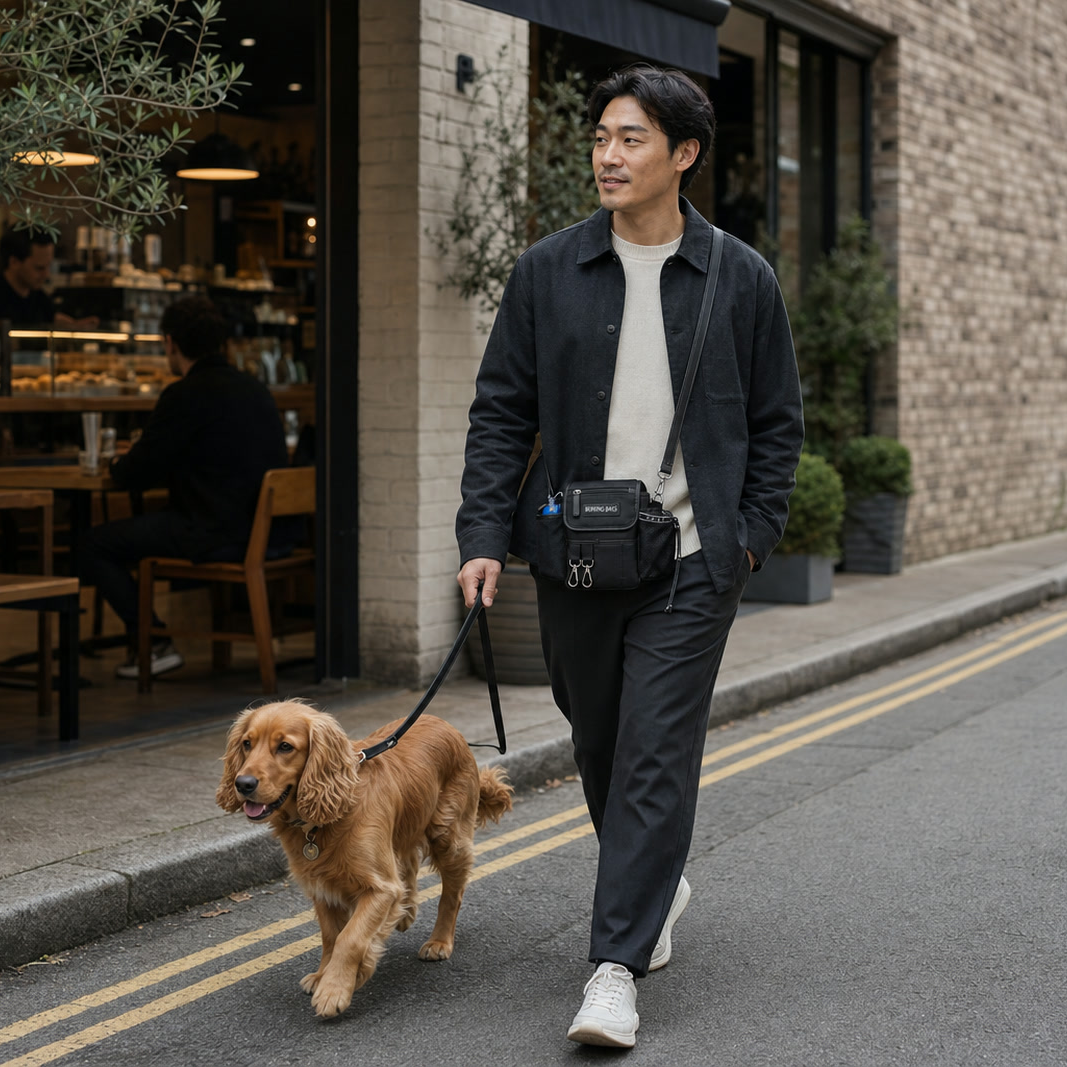
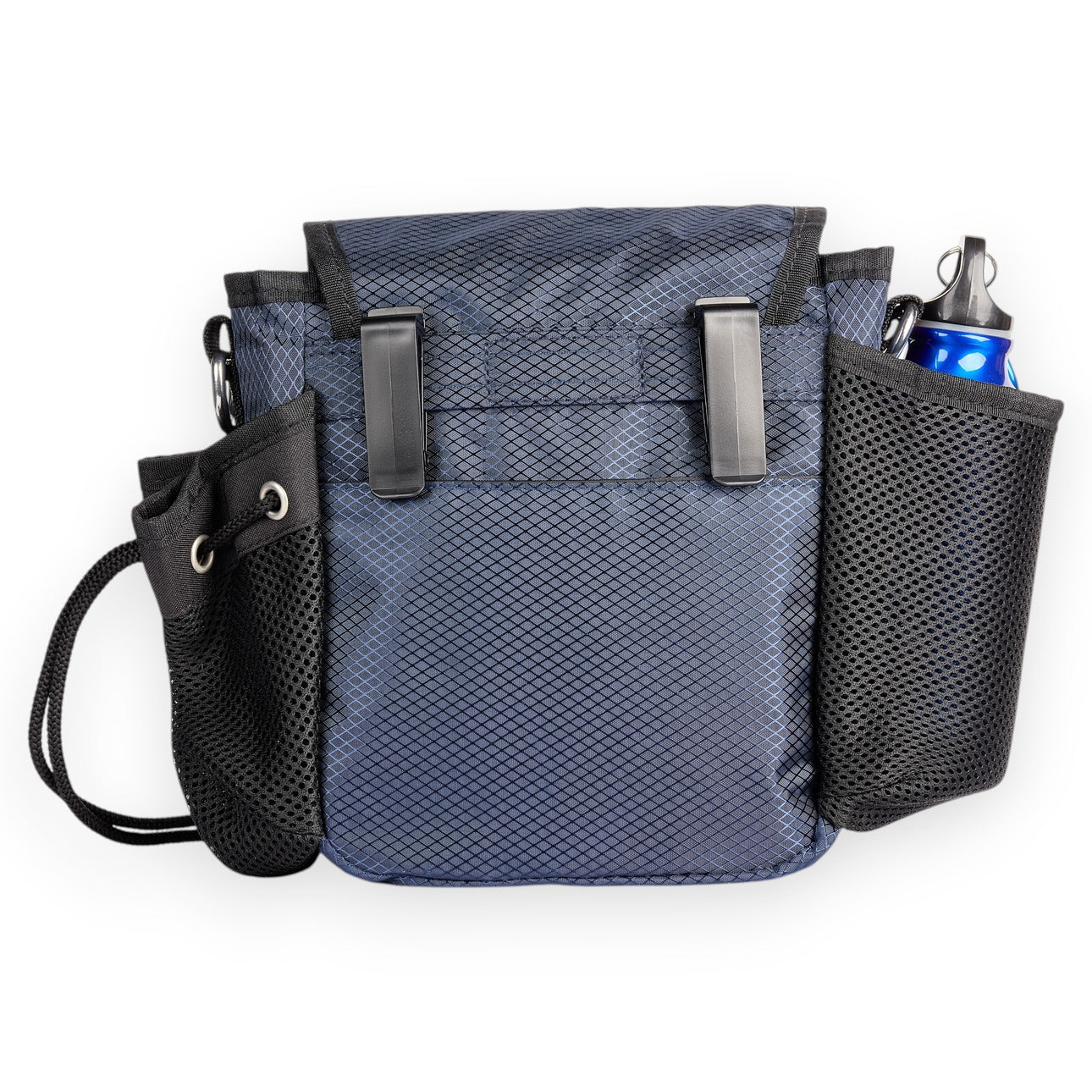
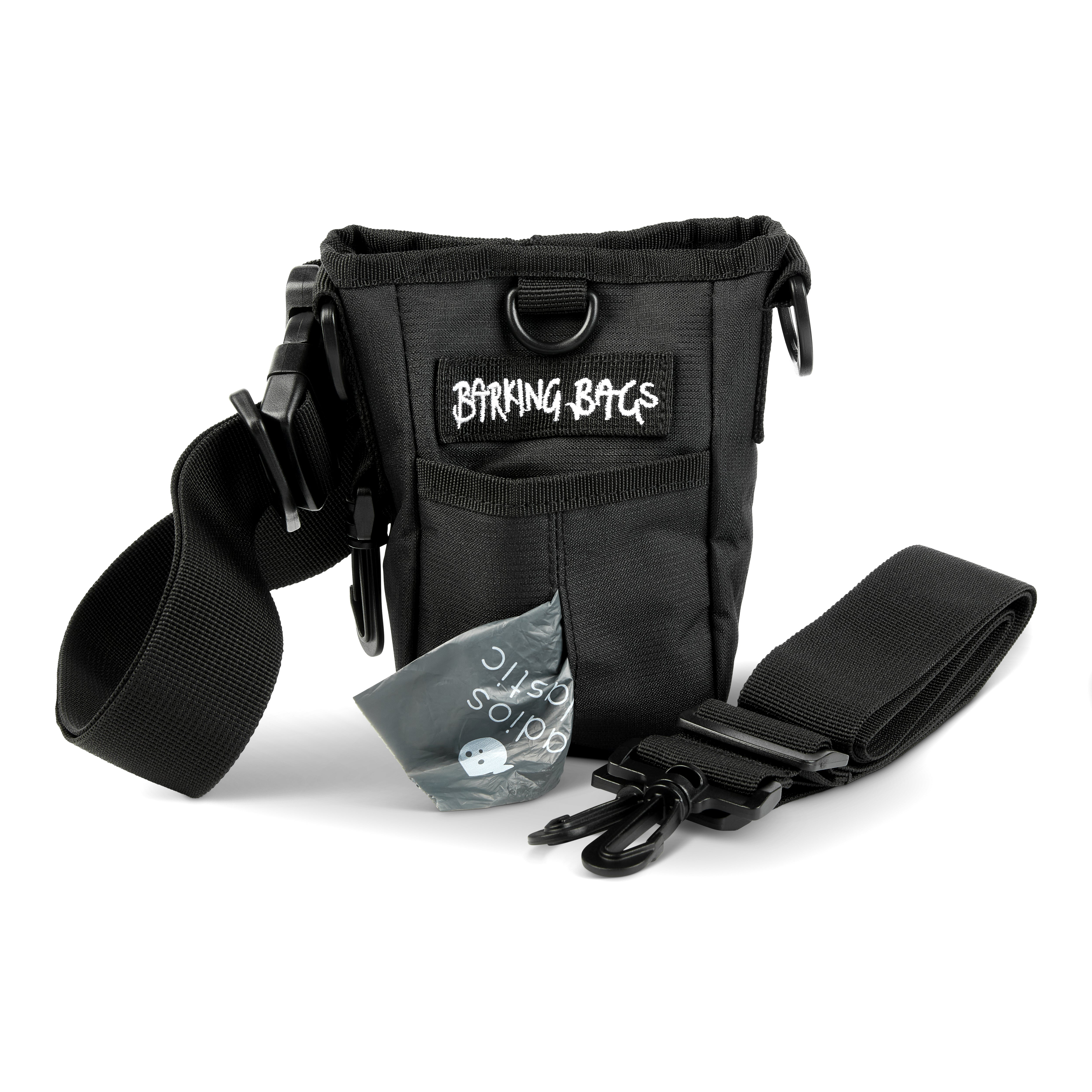
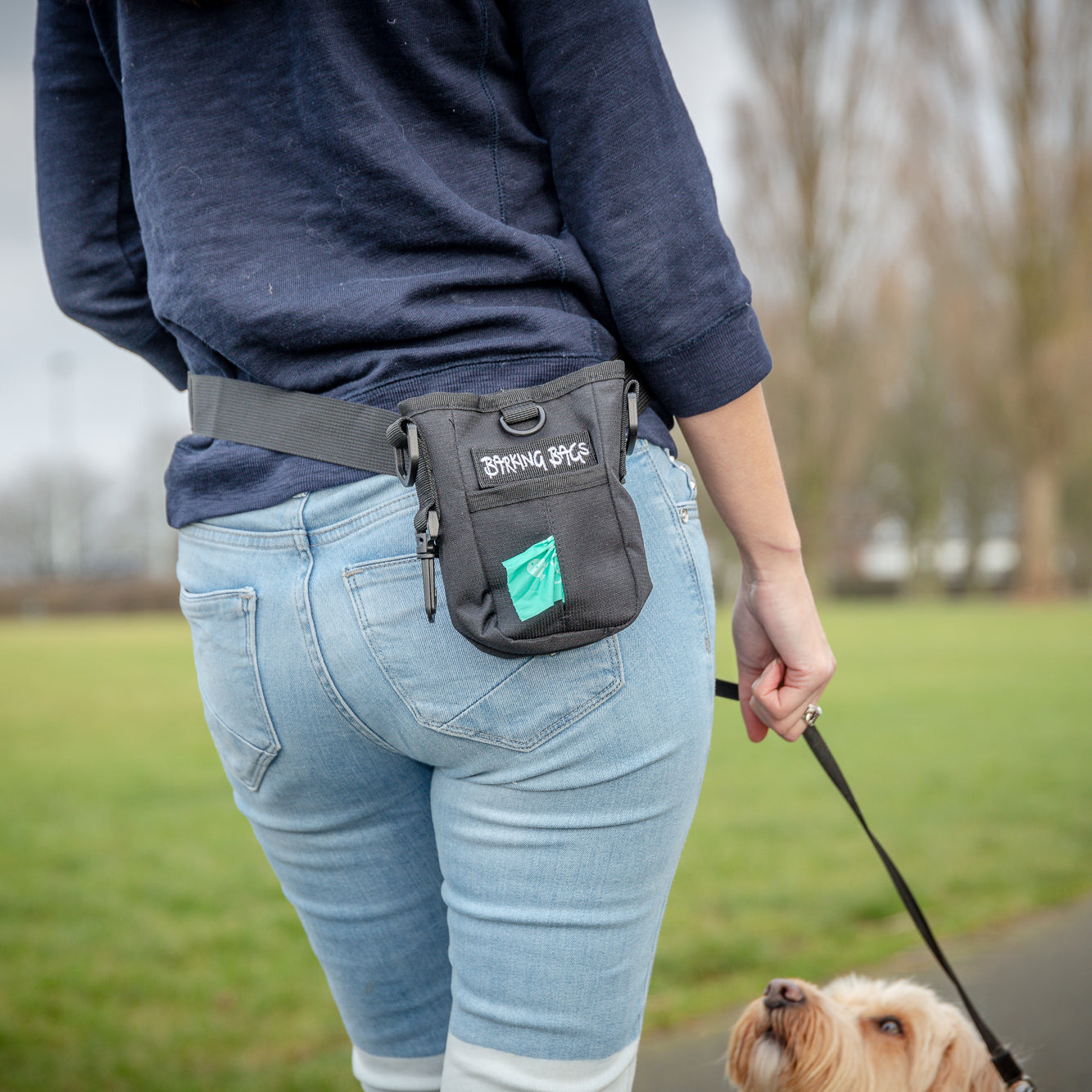
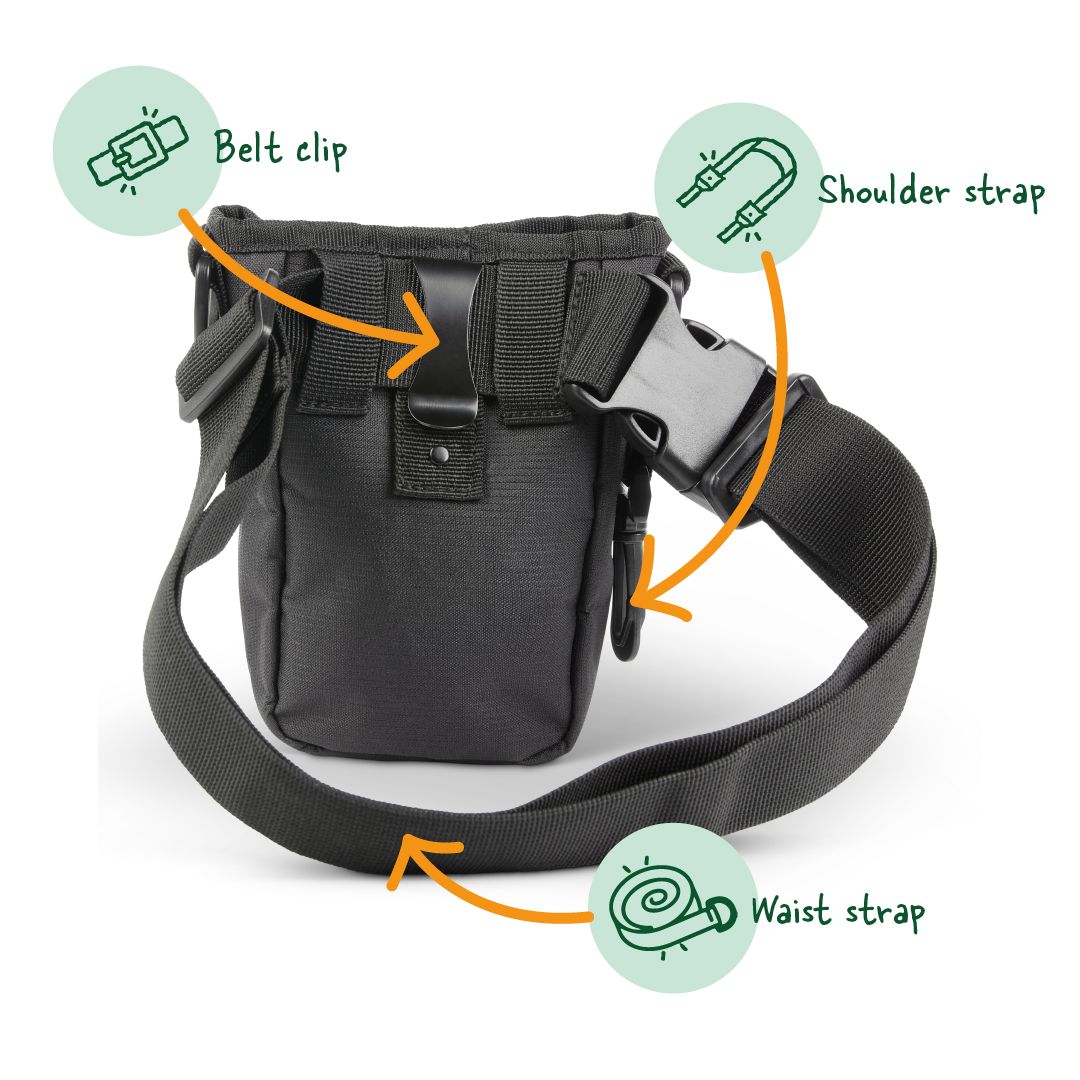
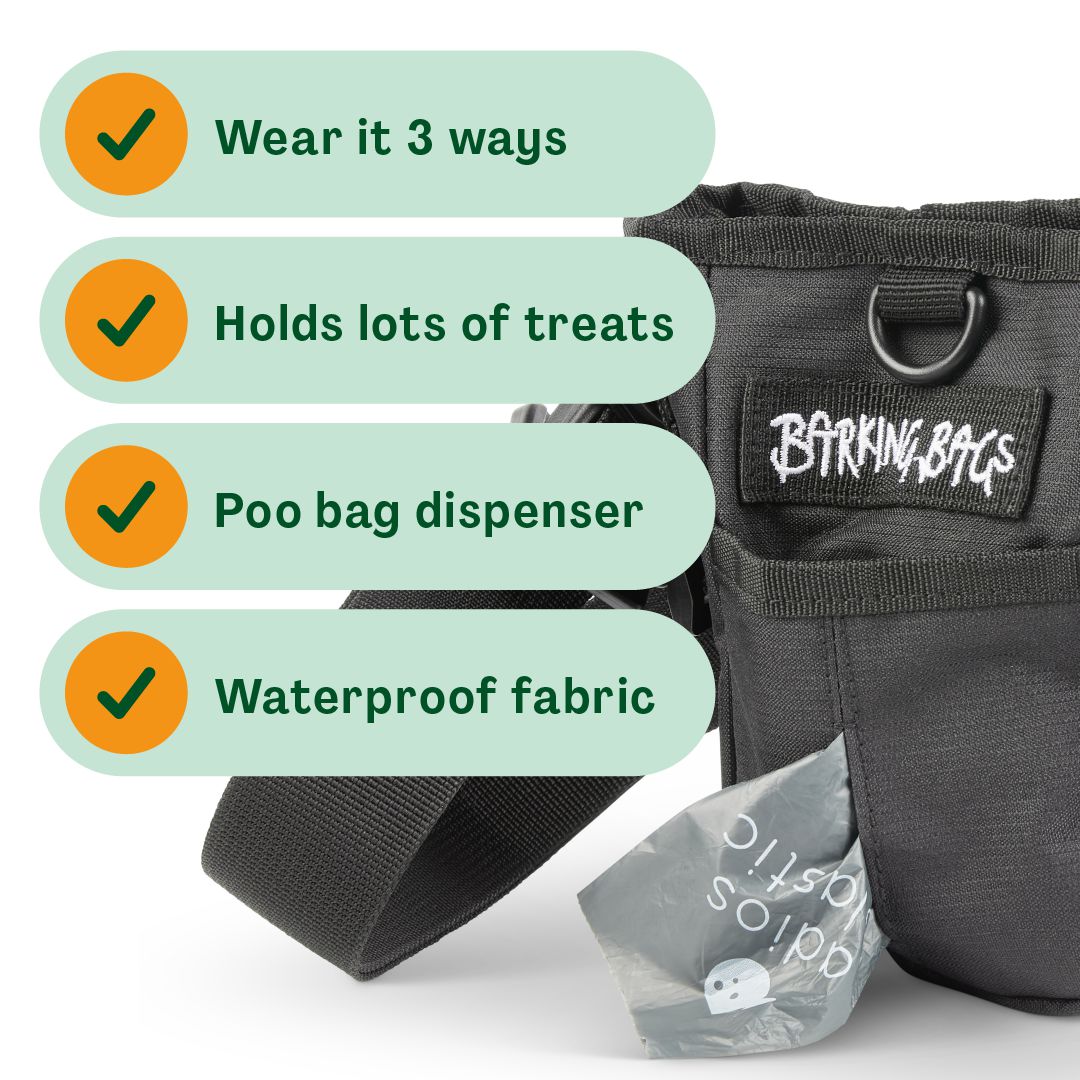
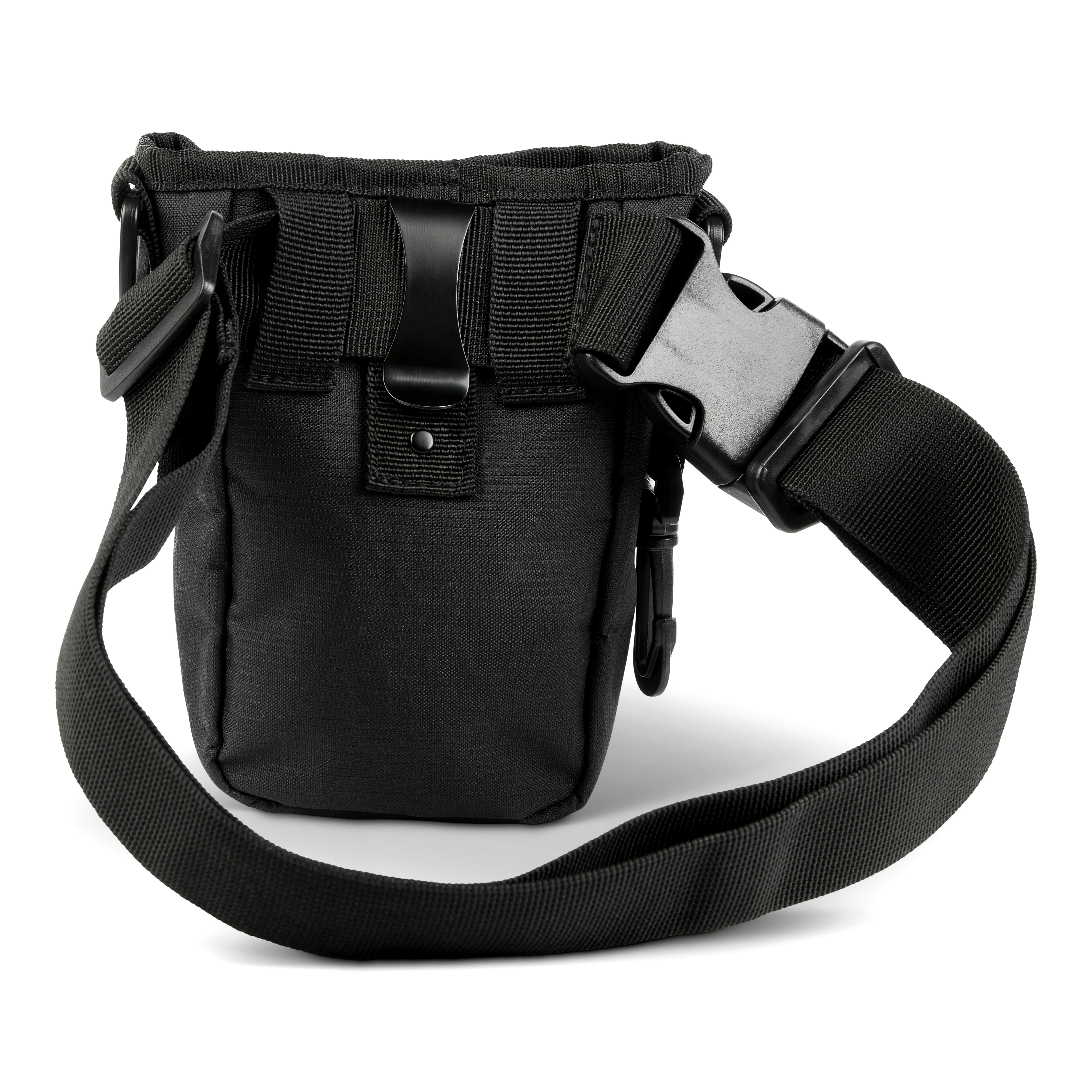
A secure attachment system is high on the list. Belt clips are convenient, but they can shift around or pop off if the pouch is heavy. Adjustable waist straps feel more stable for active walks and training sessions, particularly if you bend down often or move quickly. Some people prefer a crossbody option because it feels more like a bag than a training accessory, which can be useful if you want something that blends into everyday walks.
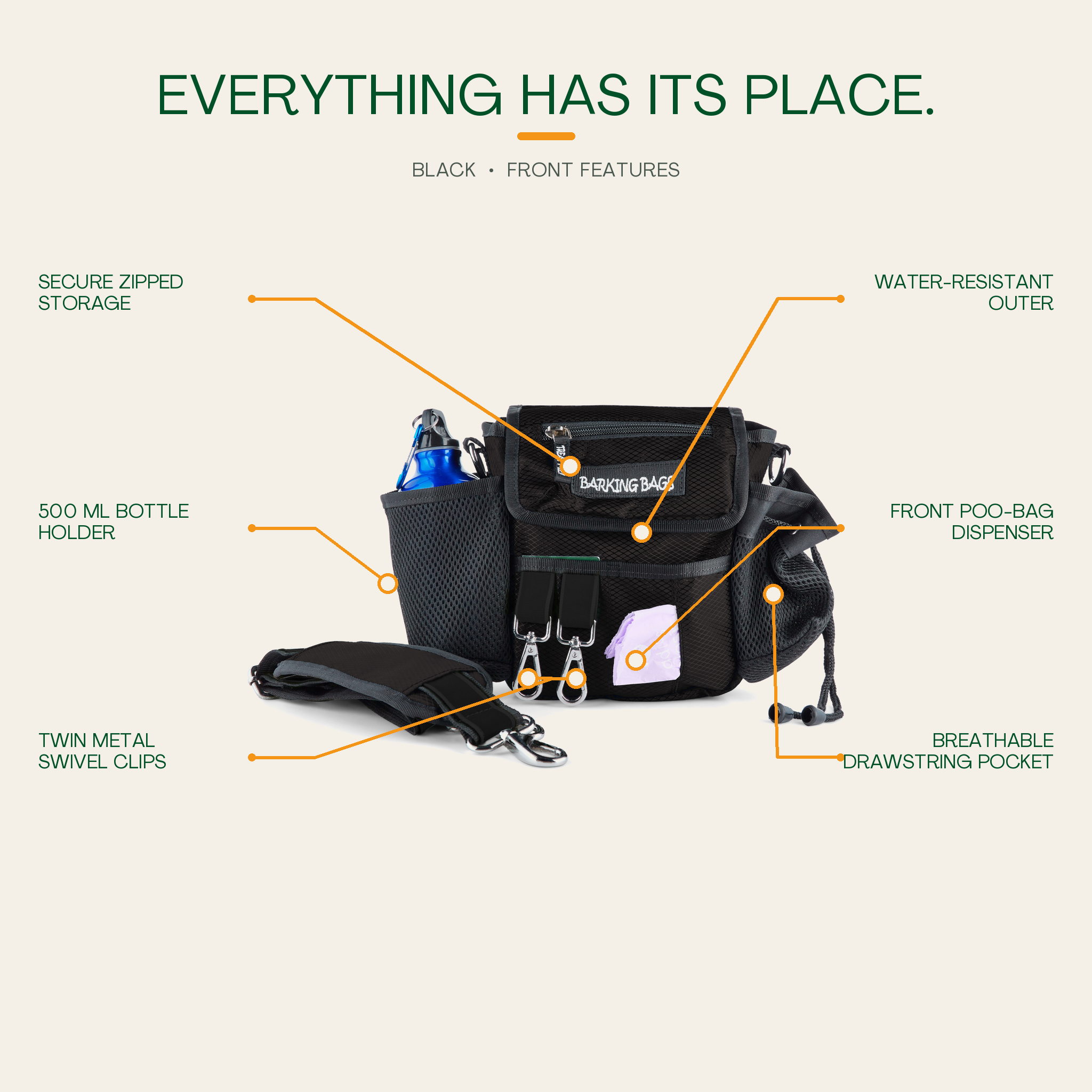
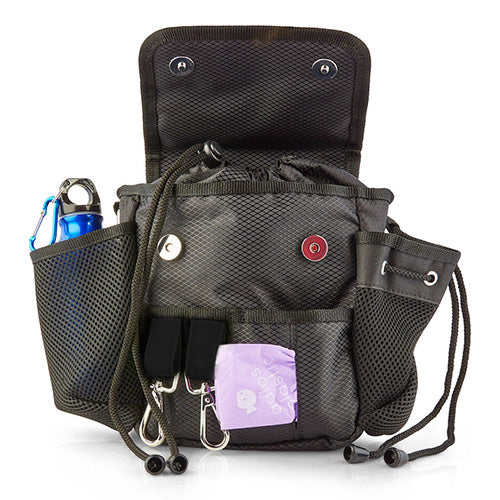
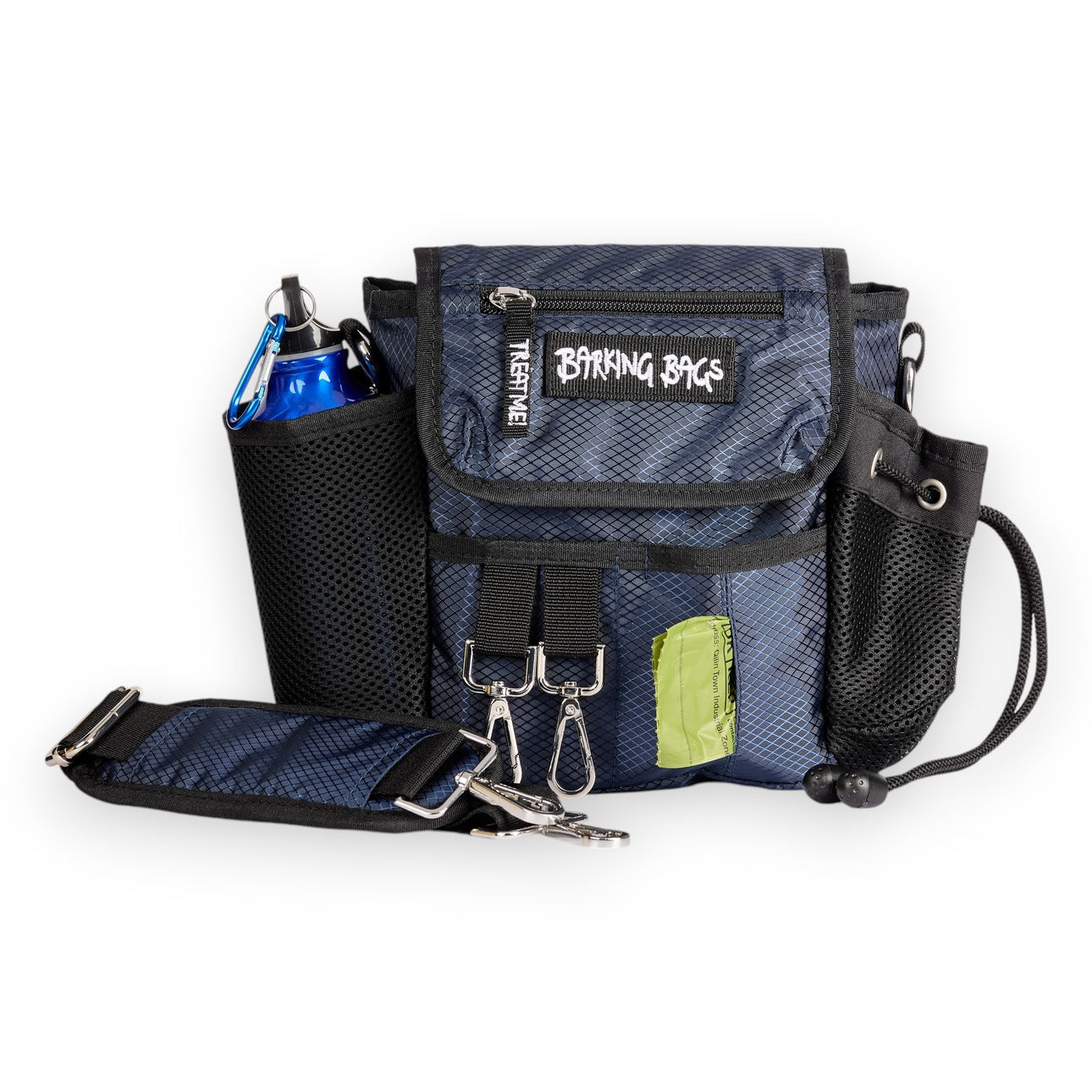
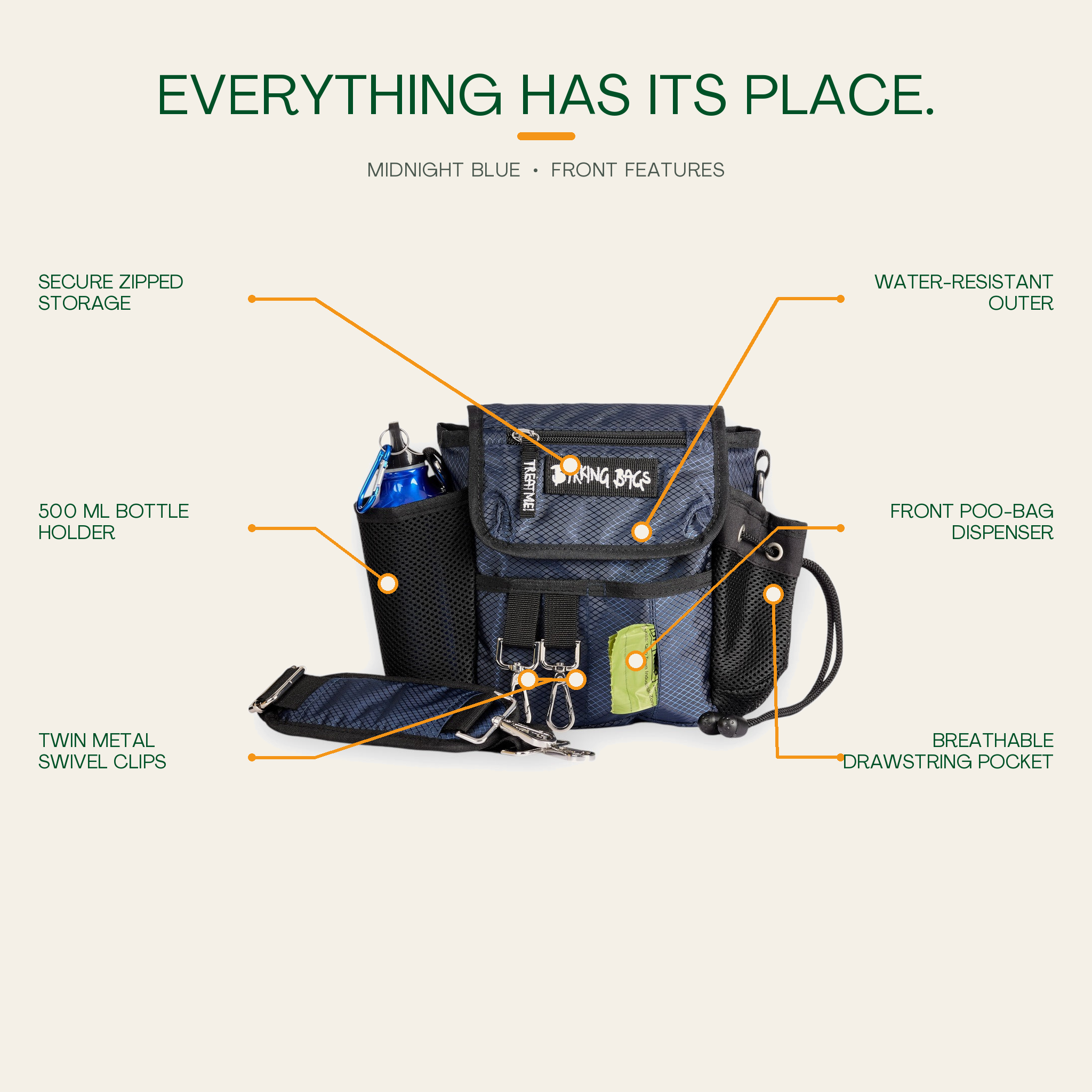
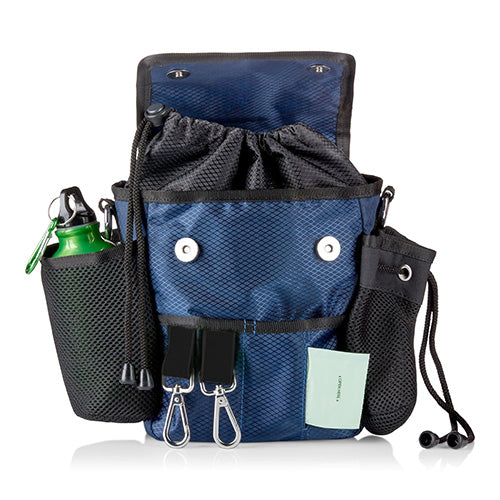
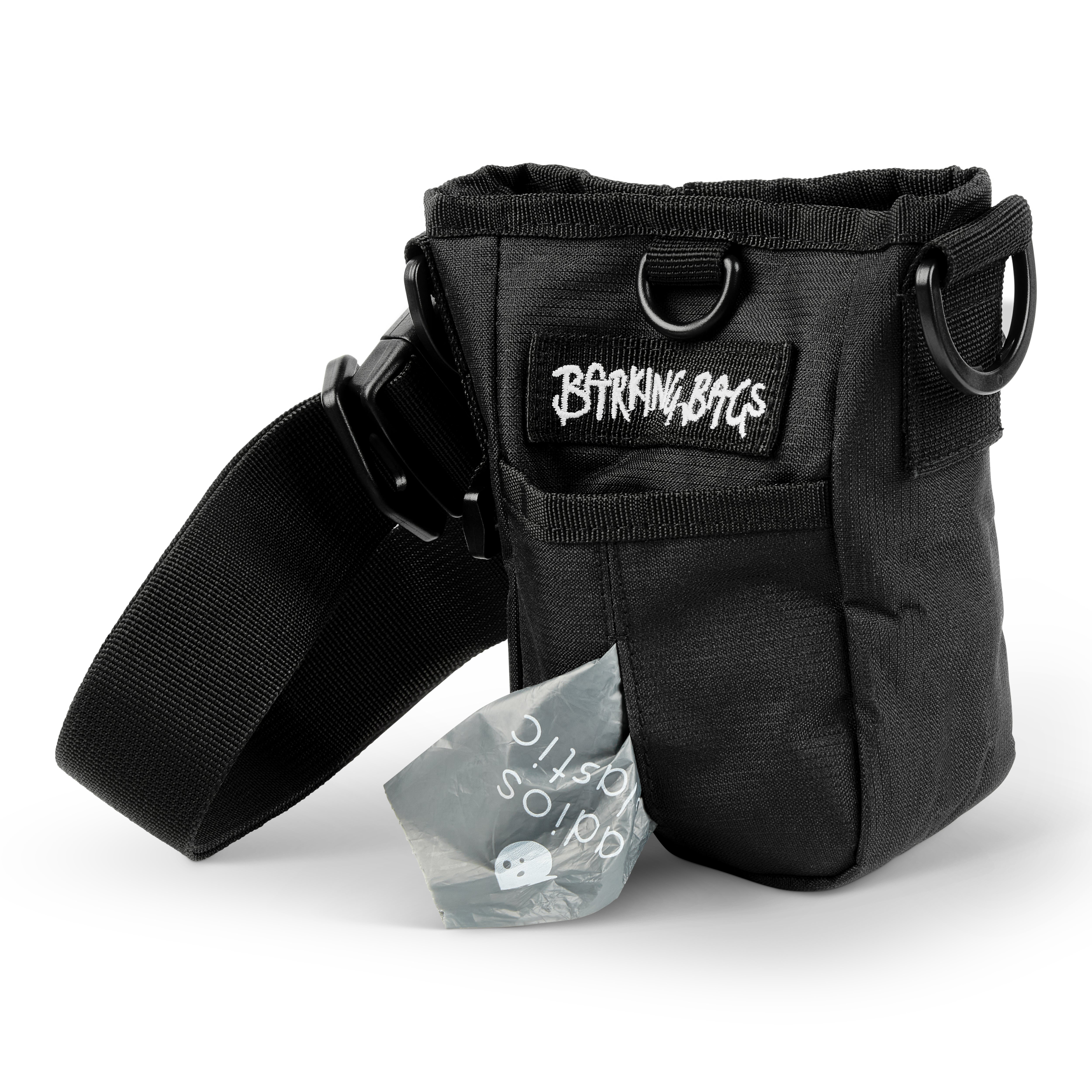
Separate compartments are another detail that can make a big difference. A main treat section is essential, but an extra pocket for poo bags, keys or your mobile phone stops you needing a second bag. This is where many basic pouches fall short. They hold treats well enough, but they do not support the rest of the walk.
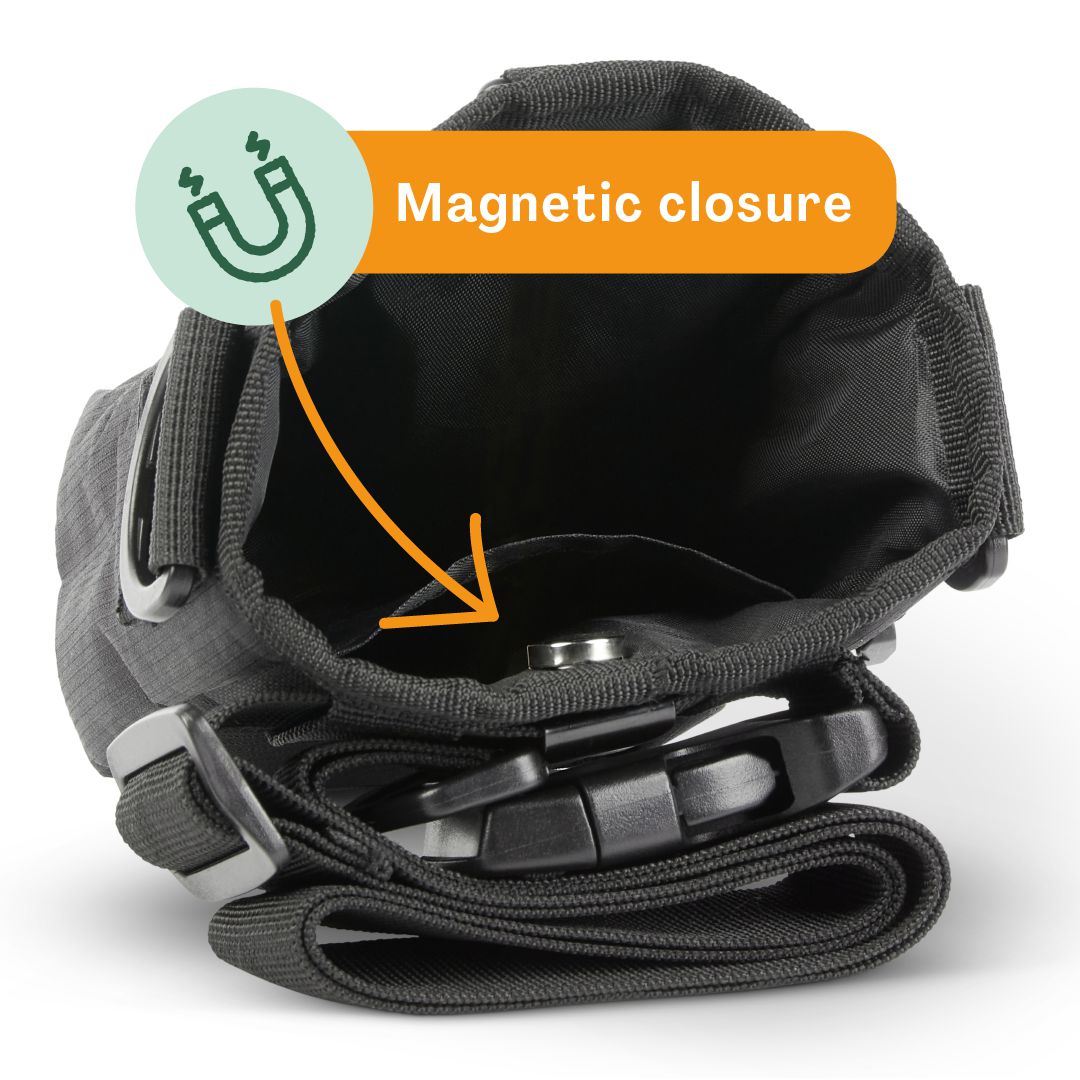
Closures are worth a close look too. Magnetic closures are fast and satisfying to use, but they need to be strong enough to prevent spills. Drawstring tops can keep treats secure, though they are not always the quickest. Zip closures are best for storage, not for active reward delivery. If your dog is working on timing-sensitive behaviours, speed usually wins.
The difference between training pouches and full dog walking bags
A classic treat pouch is designed around access to rewards. A dog walking bag is designed around the whole routine. Which is better depends on how you actually walk and train.
If you are heading to a weekly training class with your dog, a simple pouch may be all you need. It keeps rewards close and cuts down on clutter. But if your training happens during normal walks, a more organised bag often makes more sense. You are probably carrying a lead, waste bags, your mobile phone, keys and maybe a ball or toy as well. In that situation, a pouch can start to feel limited.
For many owners, the sweet spot is a design that combines quick-access treat storage with space for essentials. That is why purpose-built dog walking bags have become more popular. They remove the need to choose between looking organised and being prepared.
Where cheaper pouches usually fall short
Budget options can absolutely work, especially if you only train occasionally. But lower-cost pouches often cut corners in the same places.
The opening may be too small. The lining may absorb grease and odour. The clip may feel flimsy after a few weeks. And the overall shape may sag once you add anything heavier than dry treats. None of that sounds dramatic, but when you use a pouch every day, those small annoyances add up.
The other issue is versatility. A very basic pouch may be fine for treats alone, yet useless if you want to carry your mobile phone or a roll of poo bags. That can leave you stuffing the rest into your pockets, which is exactly the problem many owners are trying to solve.
Paying more does not guarantee a better product, but thoughtful design usually shows up in the details. Better structure, better cleaning, better storage and better comfort are often what separate a pouch you tolerate from one you use daily.
How to choose the right pouch for your routine
The best treat pouch review for dog training is not really about finding one perfect option for everyone. It is about matching the pouch to your own routine.
If you have a puppy, quick access and easy cleaning should be your top priorities. Puppy training means lots of rewards and often messier treats. You will use the pouch constantly, so comfort matters too.
If you train an adult dog on regular walks, look for something that handles both treats and daily essentials. A pouch with extra compartments or a compact walking bag will usually feel more practical than a single-purpose design.
If you are a professional walker or trainer, durability and capacity become much more important. You need a pouch that holds enough rewards for longer sessions and stands up to repeated use in all weather. Attachment options matter here as well, because anything that shifts, twists or digs in will become irritating fast.
And if style matters to you, that is fair enough. Dog accessories do not have to look purely functional. The best designs manage to be practical without looking bulky or overly sporty. That balance is part of what makes a bag feel like something you want to wear, not just something you have to wear.
A practical view on design-led options
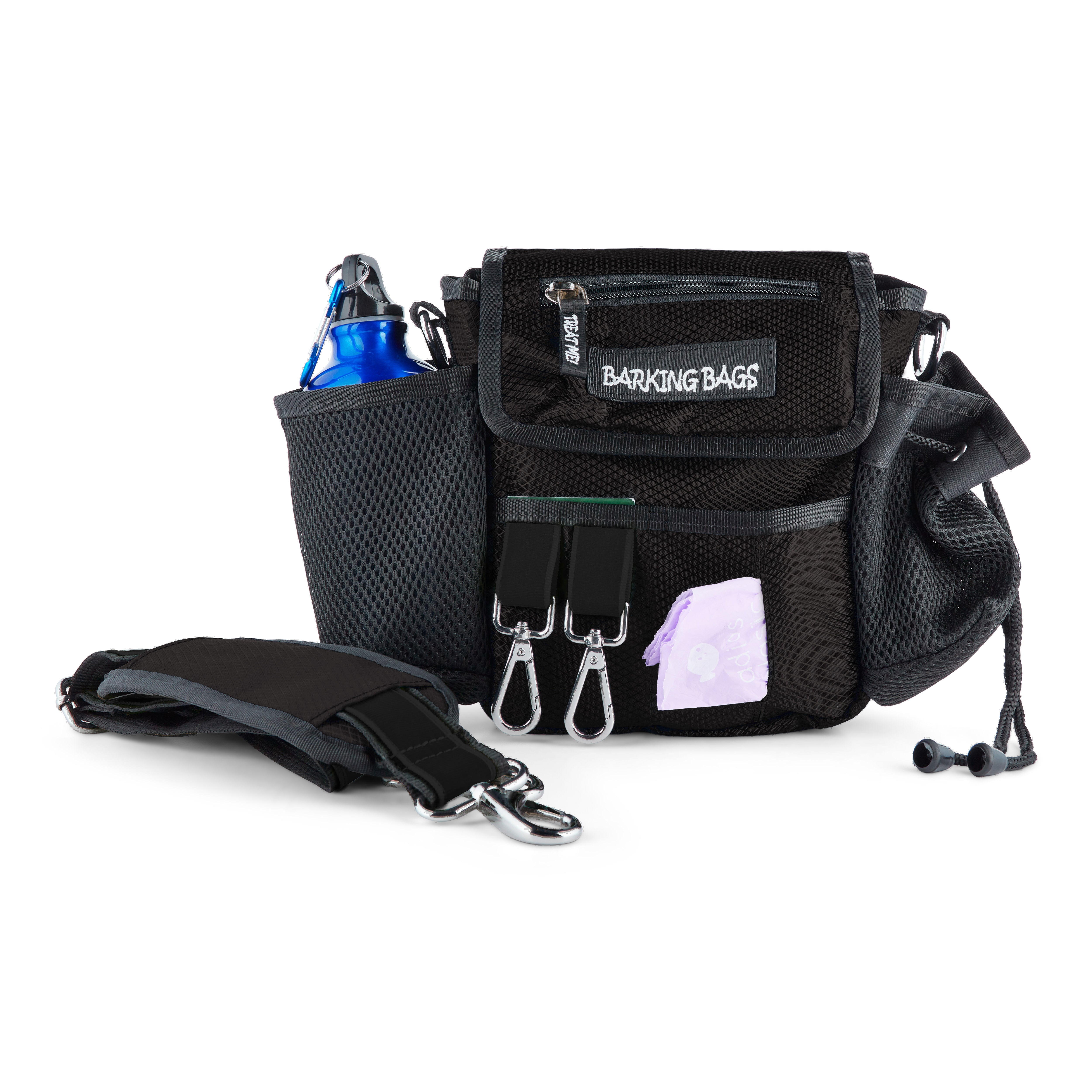
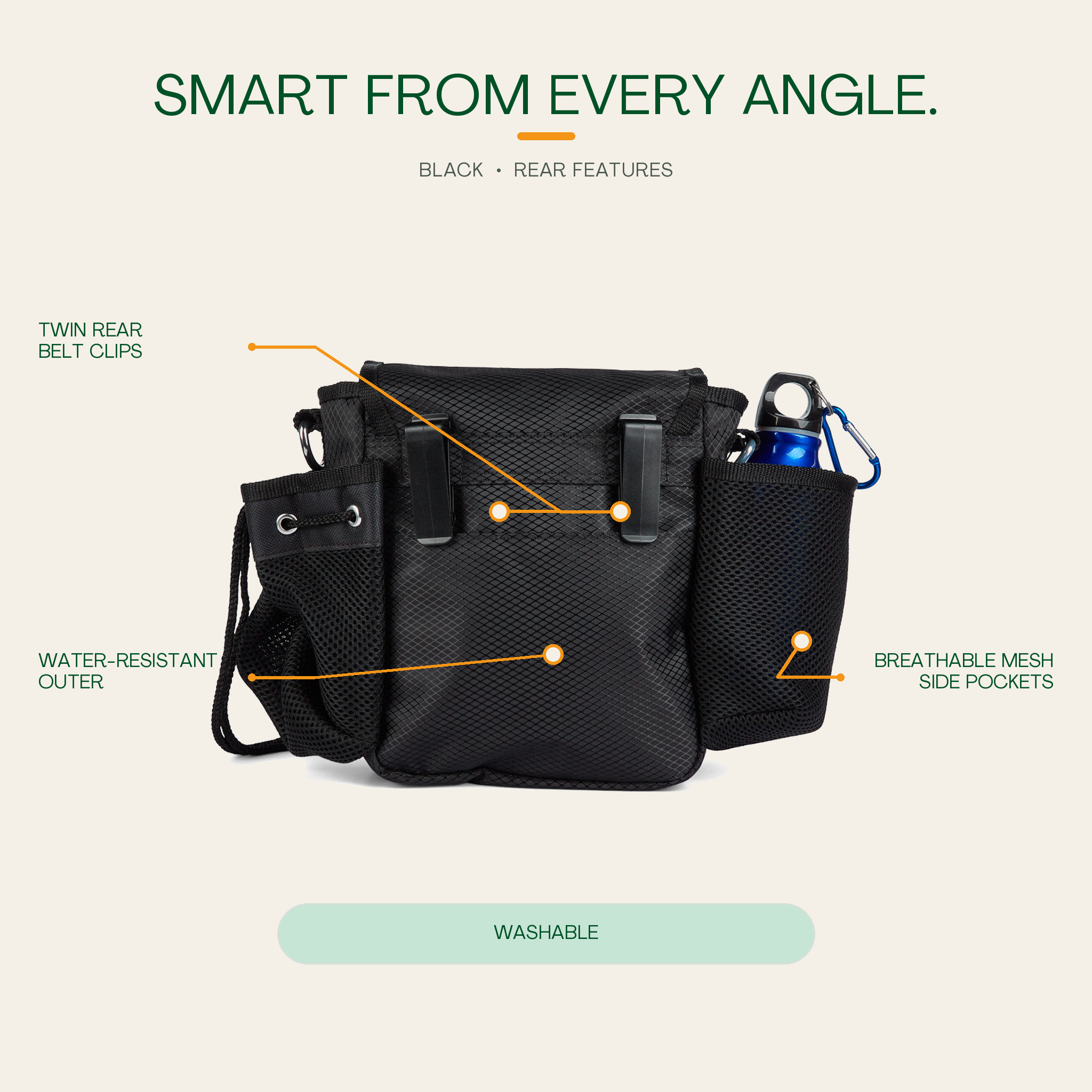
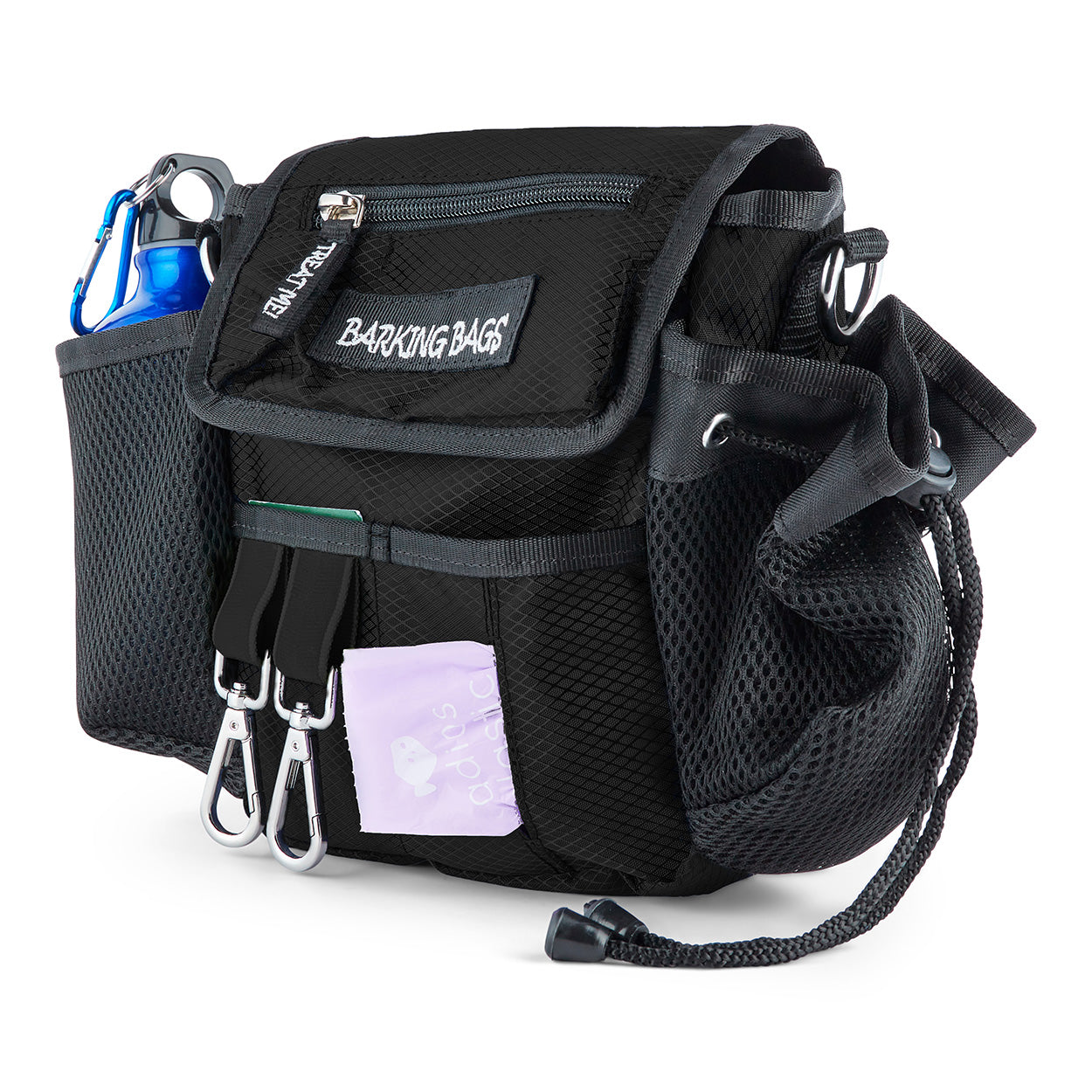
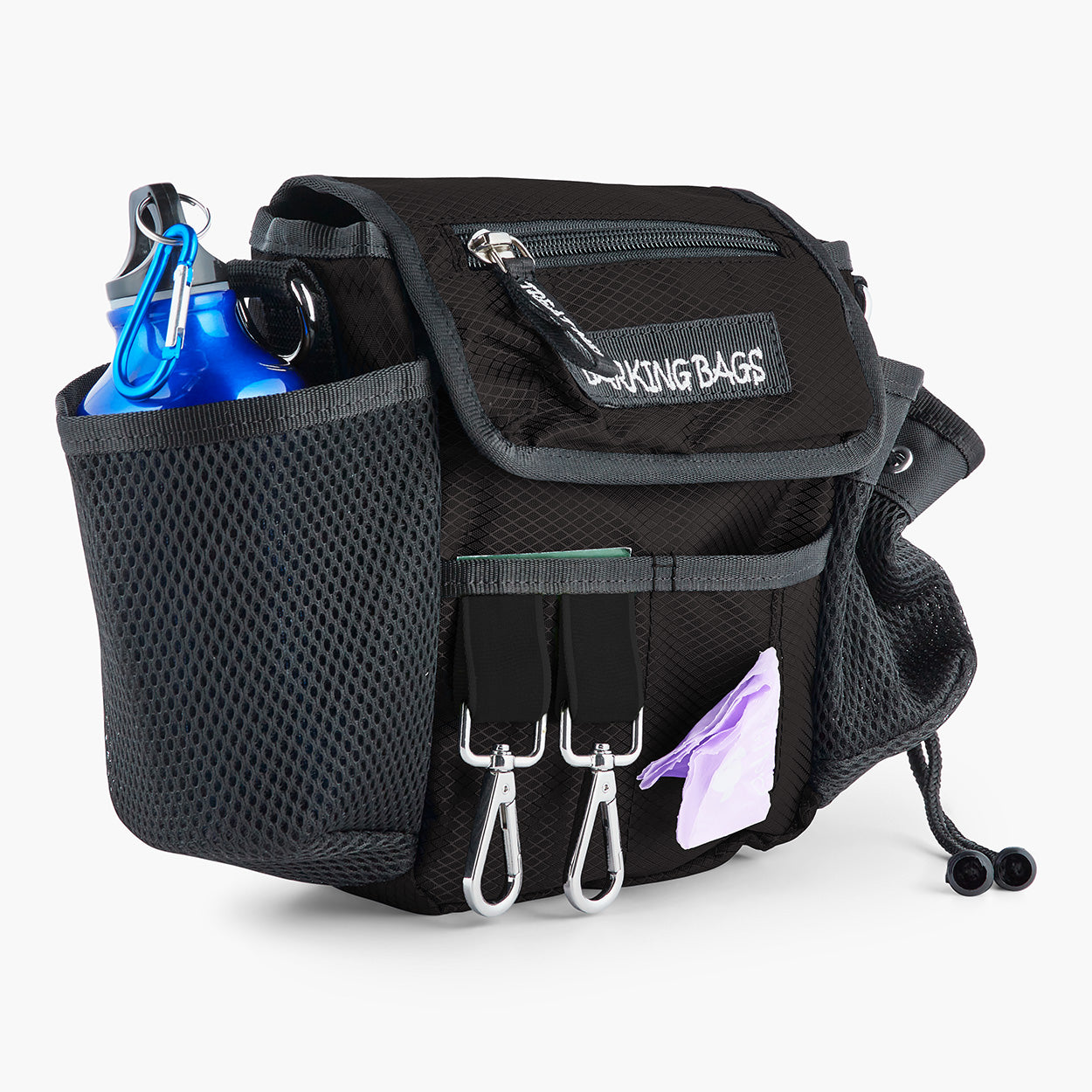
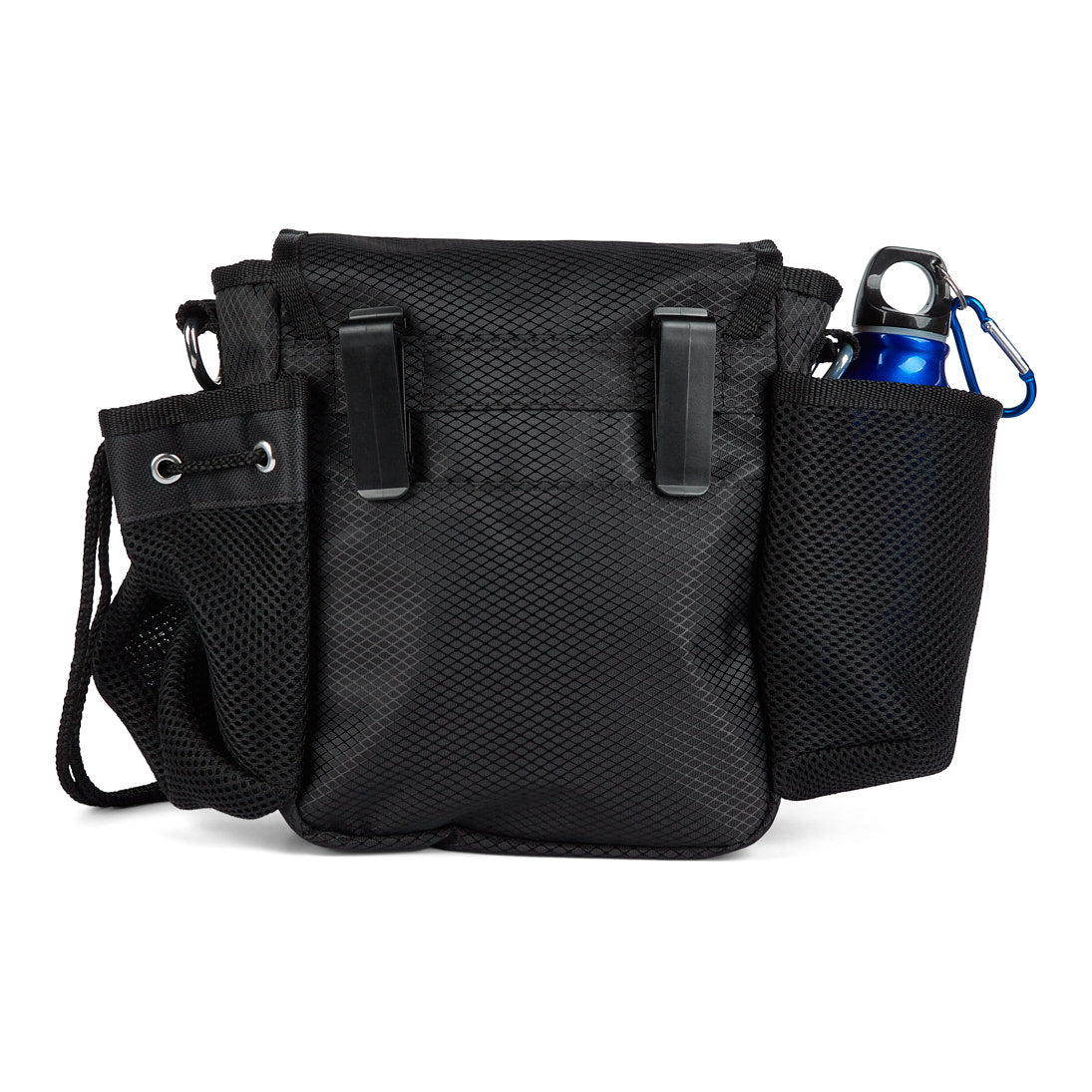
This is where specialist brands tend to stand out. Rather than treating dog walking as an afterthought, they build around the full routine. Barking Bags is one example of that thinking - accessories designed specifically for dog owners who want organisation, function and a cleaner look than the average generic pouch.
That matters because most people are not buying a treat holder in isolation. They are buying a better system for walks, training and everyday life with a dog. The more your accessories work together, the less you rely on coat pockets, spare tote bags and last-minute improvising.
What matters most after the first week
First impressions are useful, but daily use tells the truth. After the first week, the questions change. Is it still comfortable? Is it easy to wipe clean? Can you open it without looking? Does it still feel secure when you are moving about with a dog pulling towards a squirrel?
That is often where the best products separate themselves. They become part of your routine so naturally that you stop thinking about them. And that is exactly what a treat pouch should do.
If your current setup slows you down, leaves your pockets greasy or turns every walk into a rummage, it is probably time to upgrade. The right pouch will not train your dog for you, but it will make rewarding faster, walks tidier and the whole process feel far more organised. Choose the one that fits how you actually walk, and you will feel the difference by your next trip to the park.