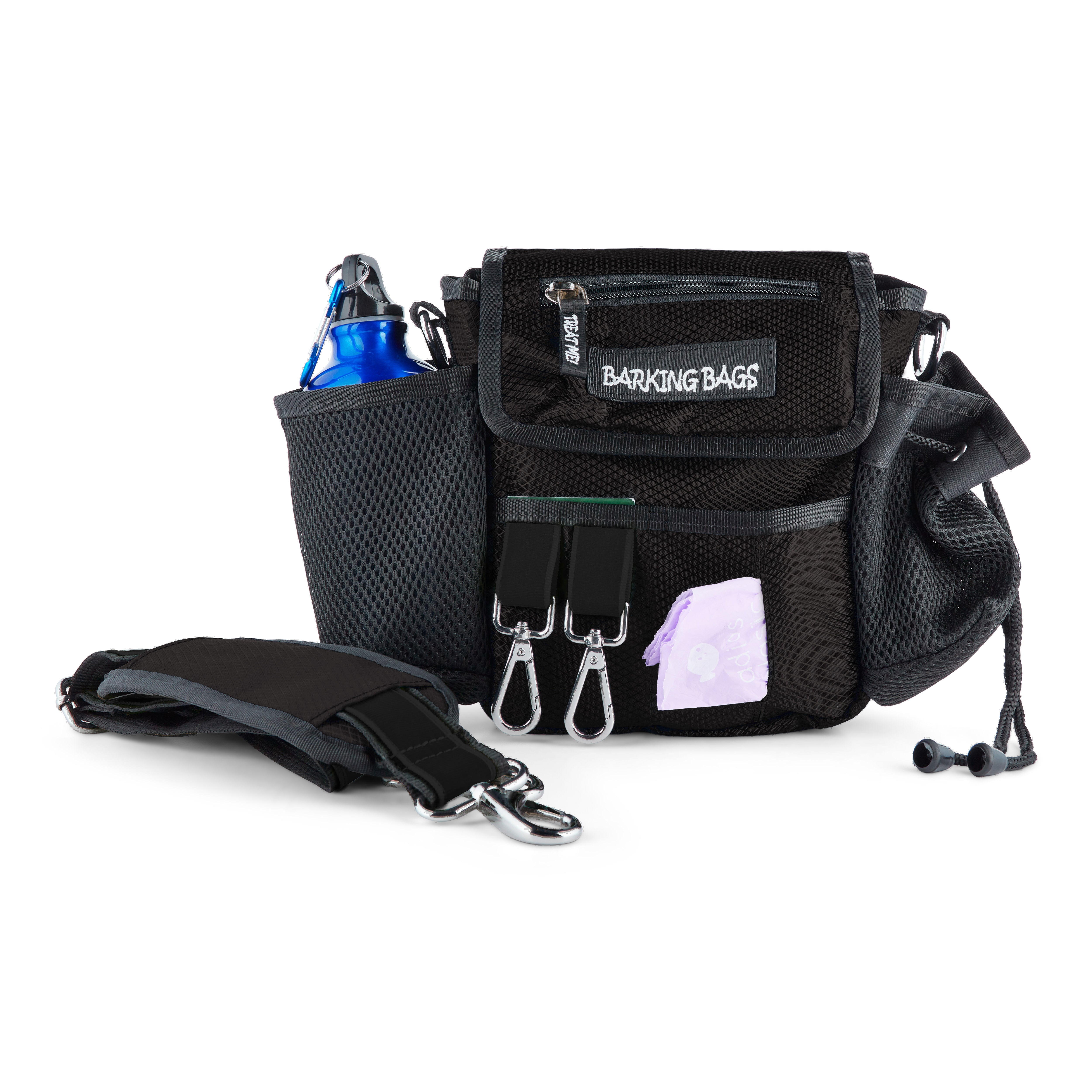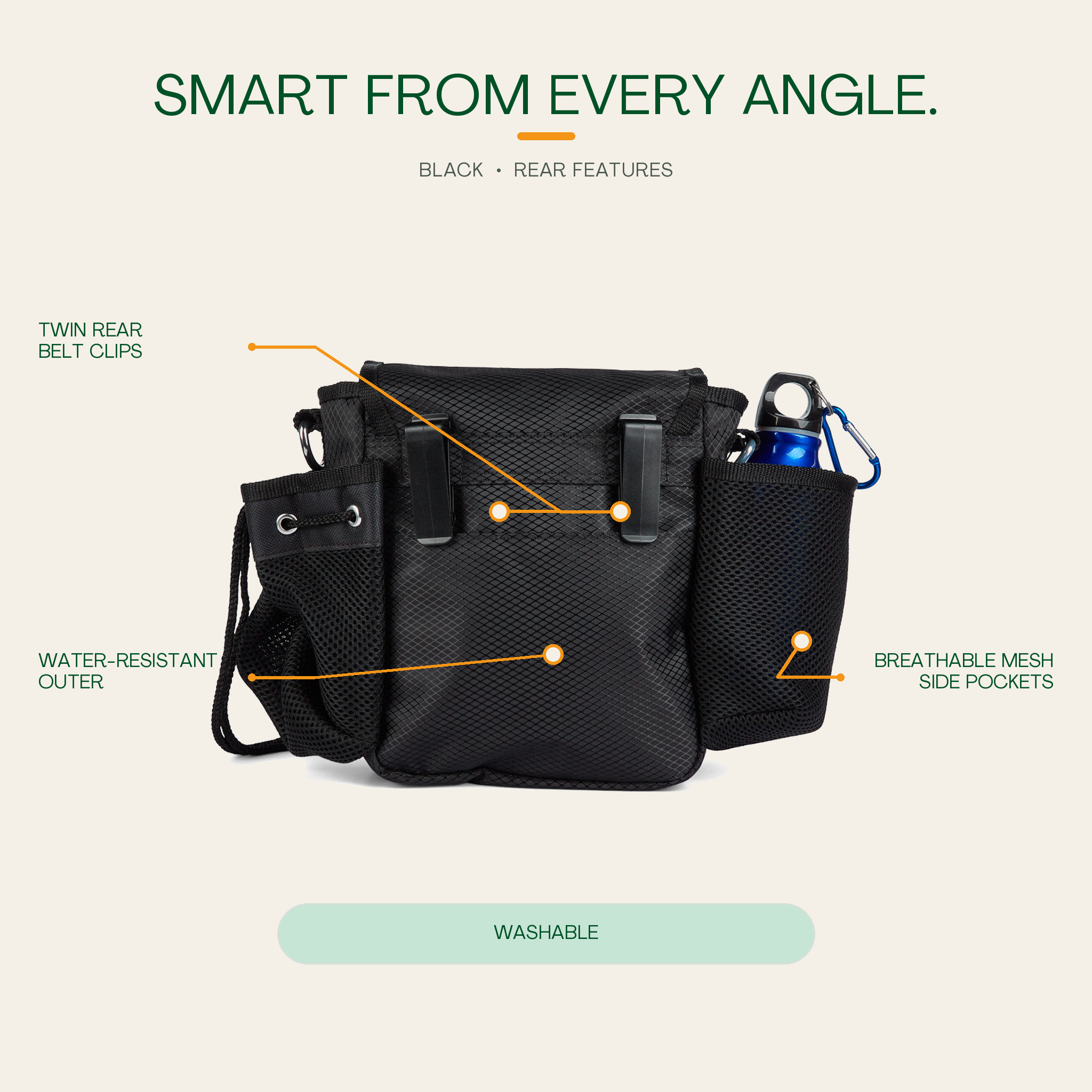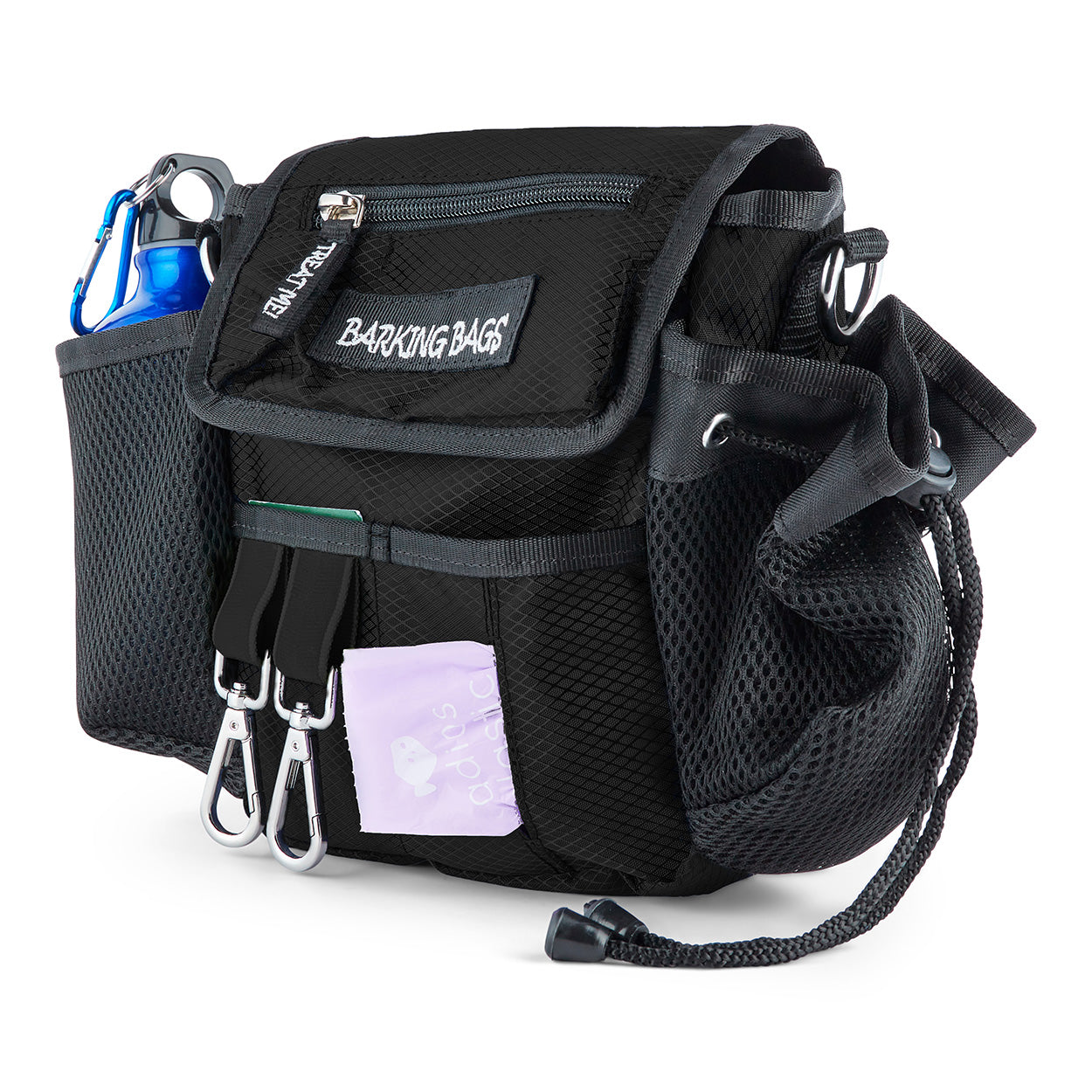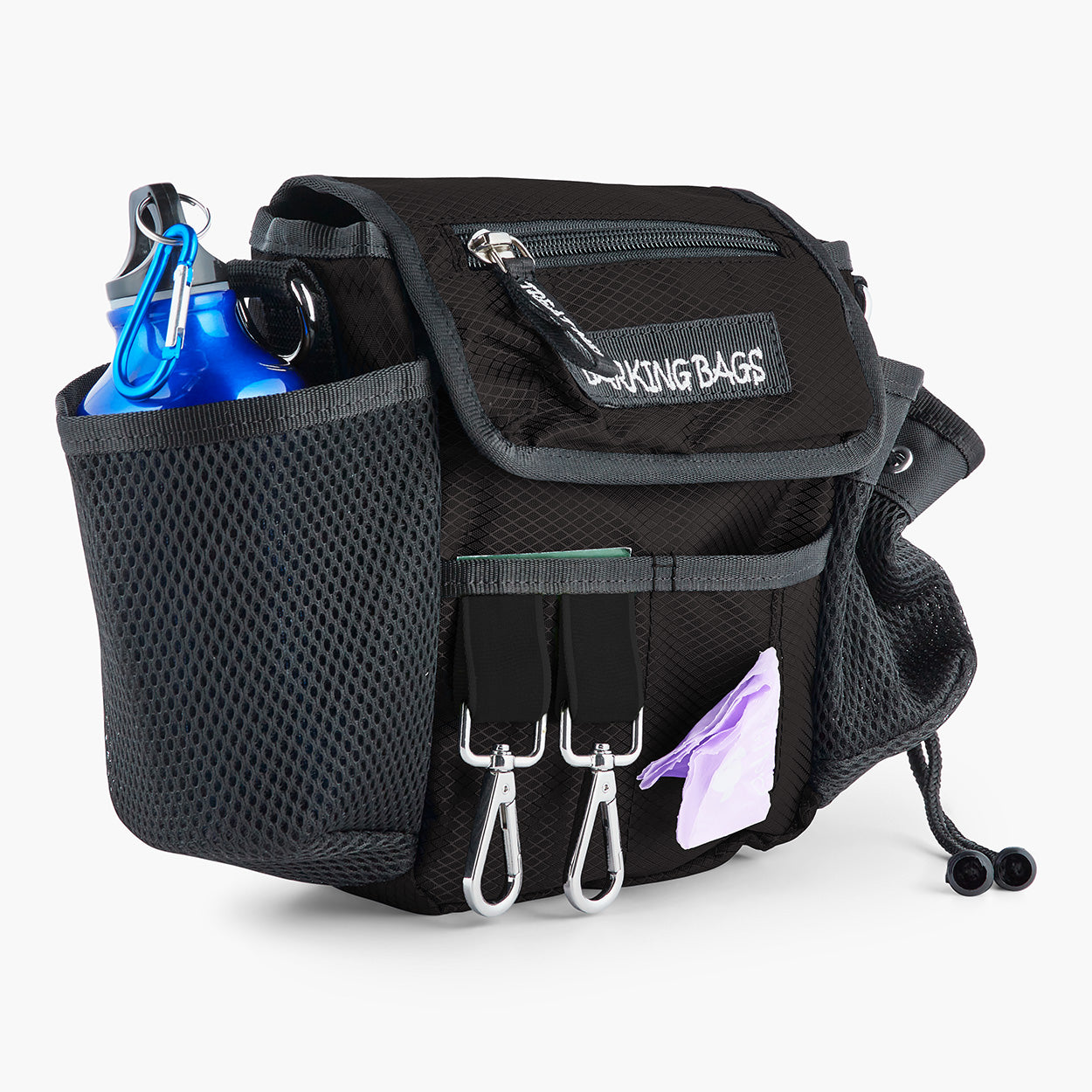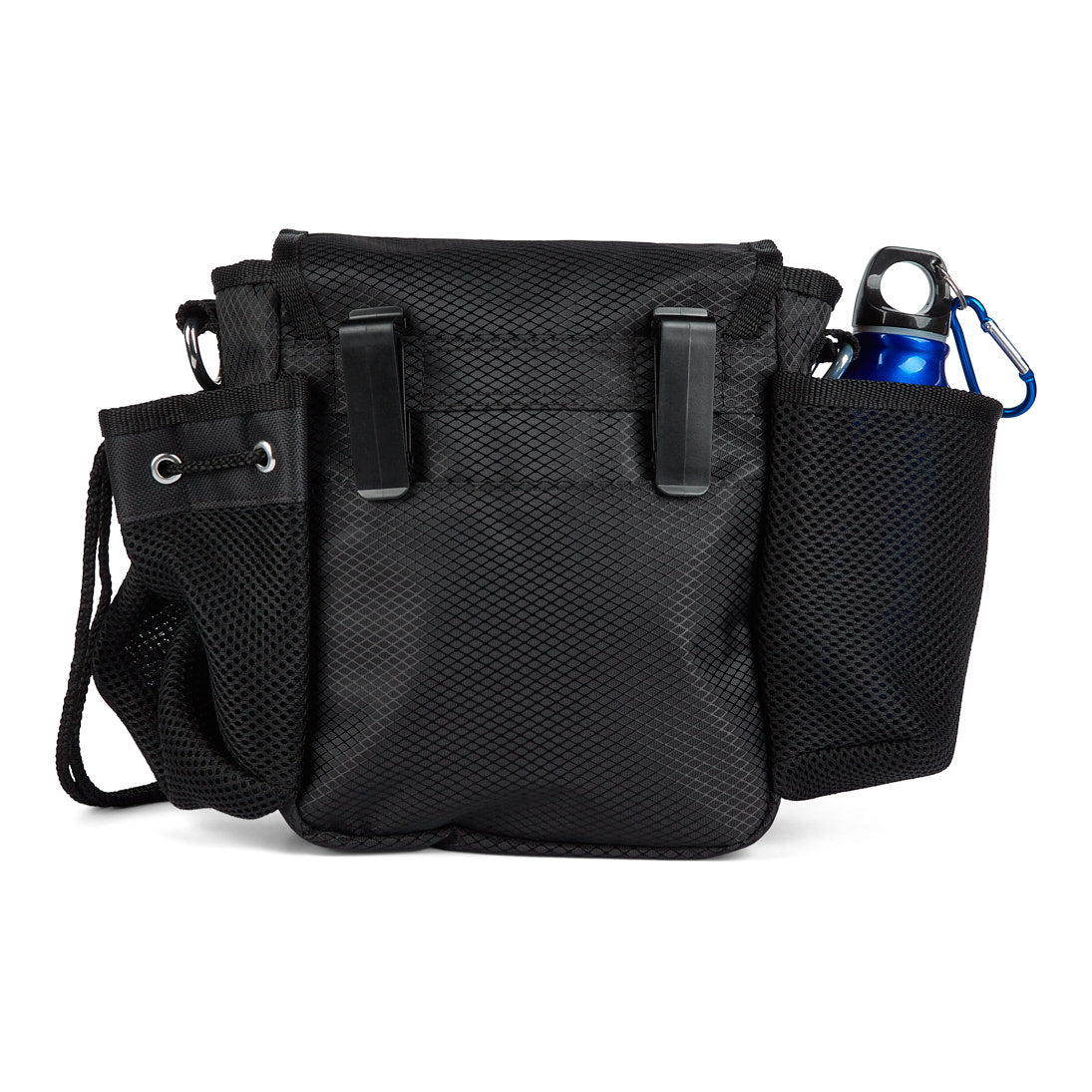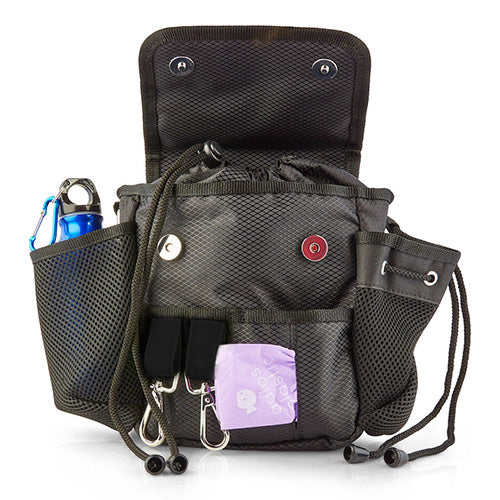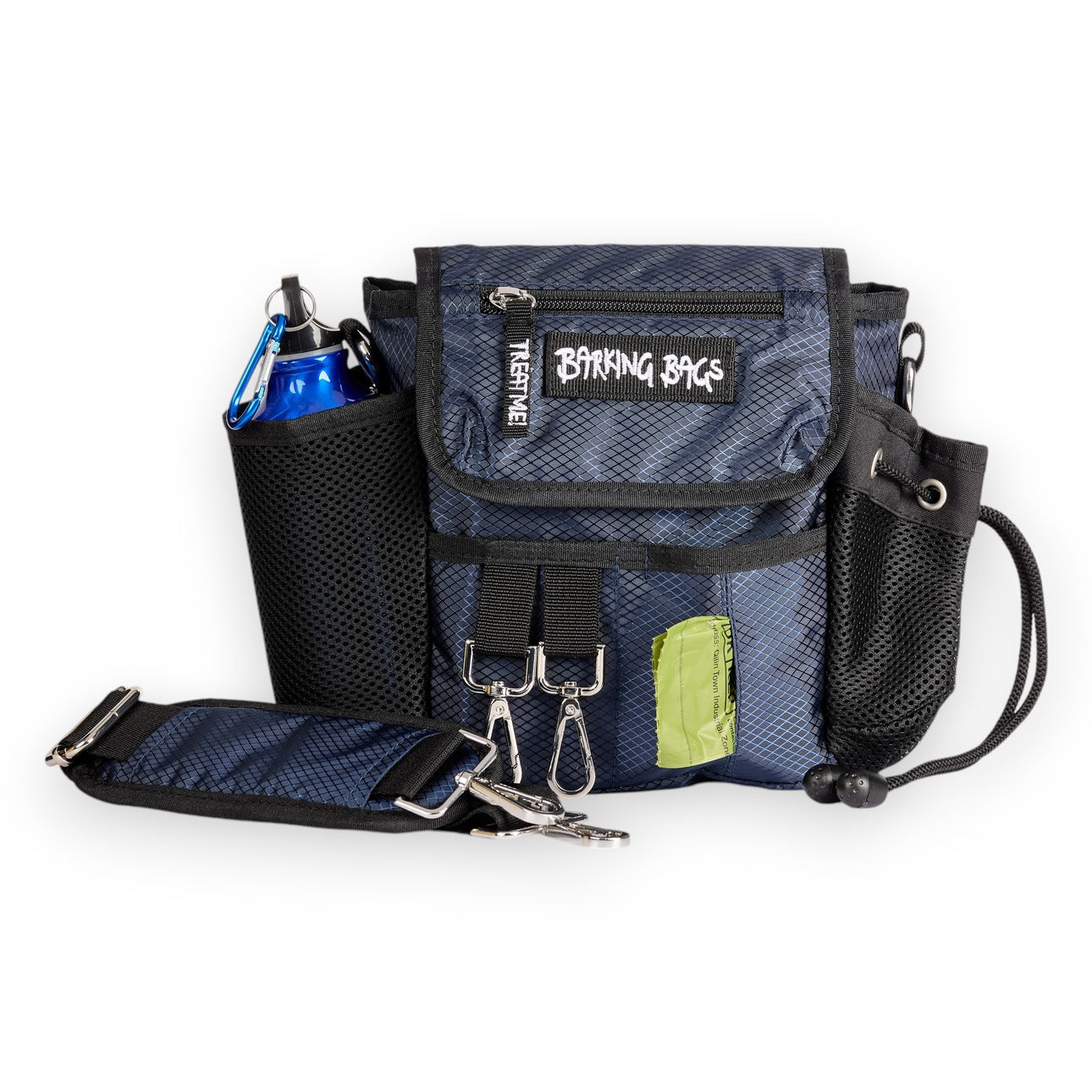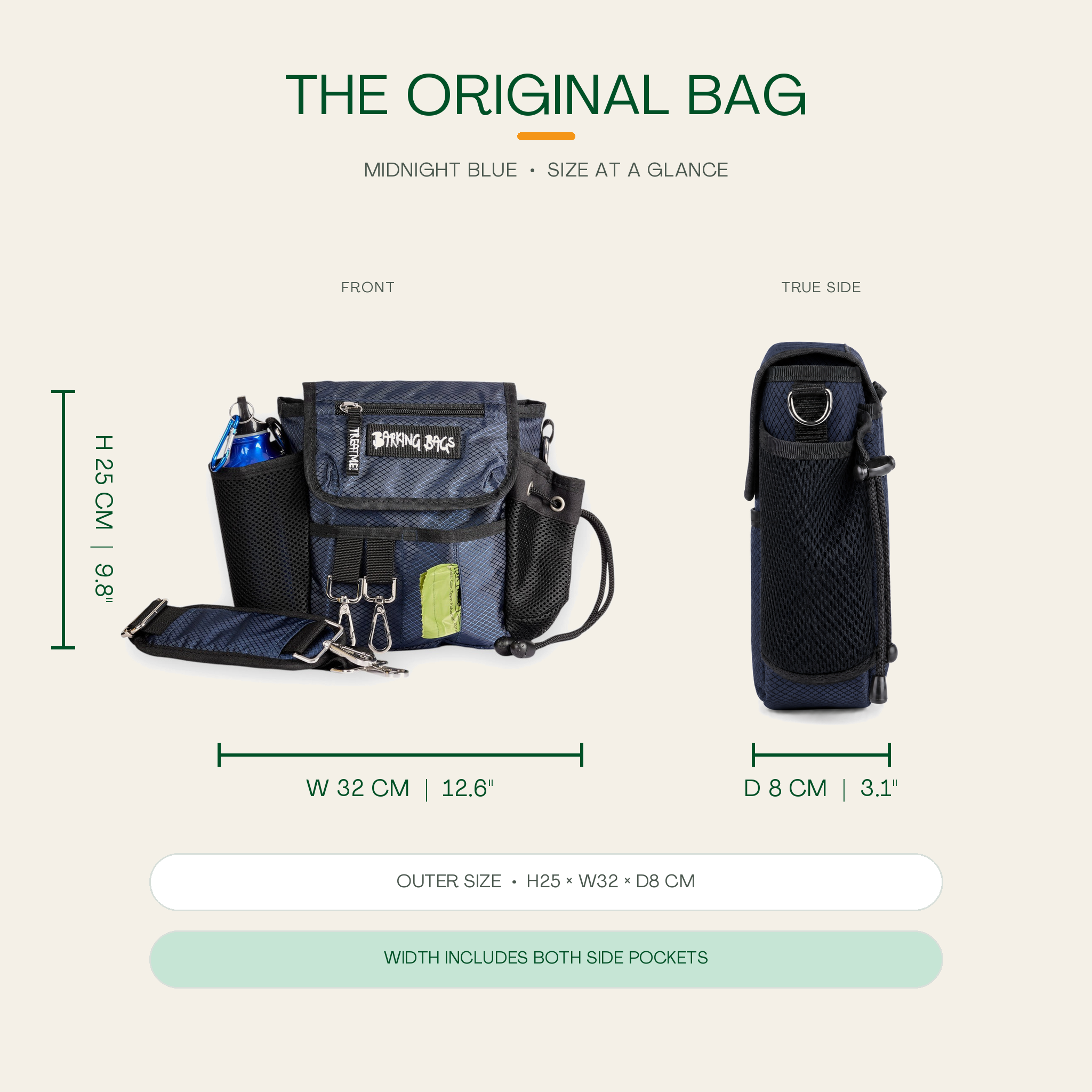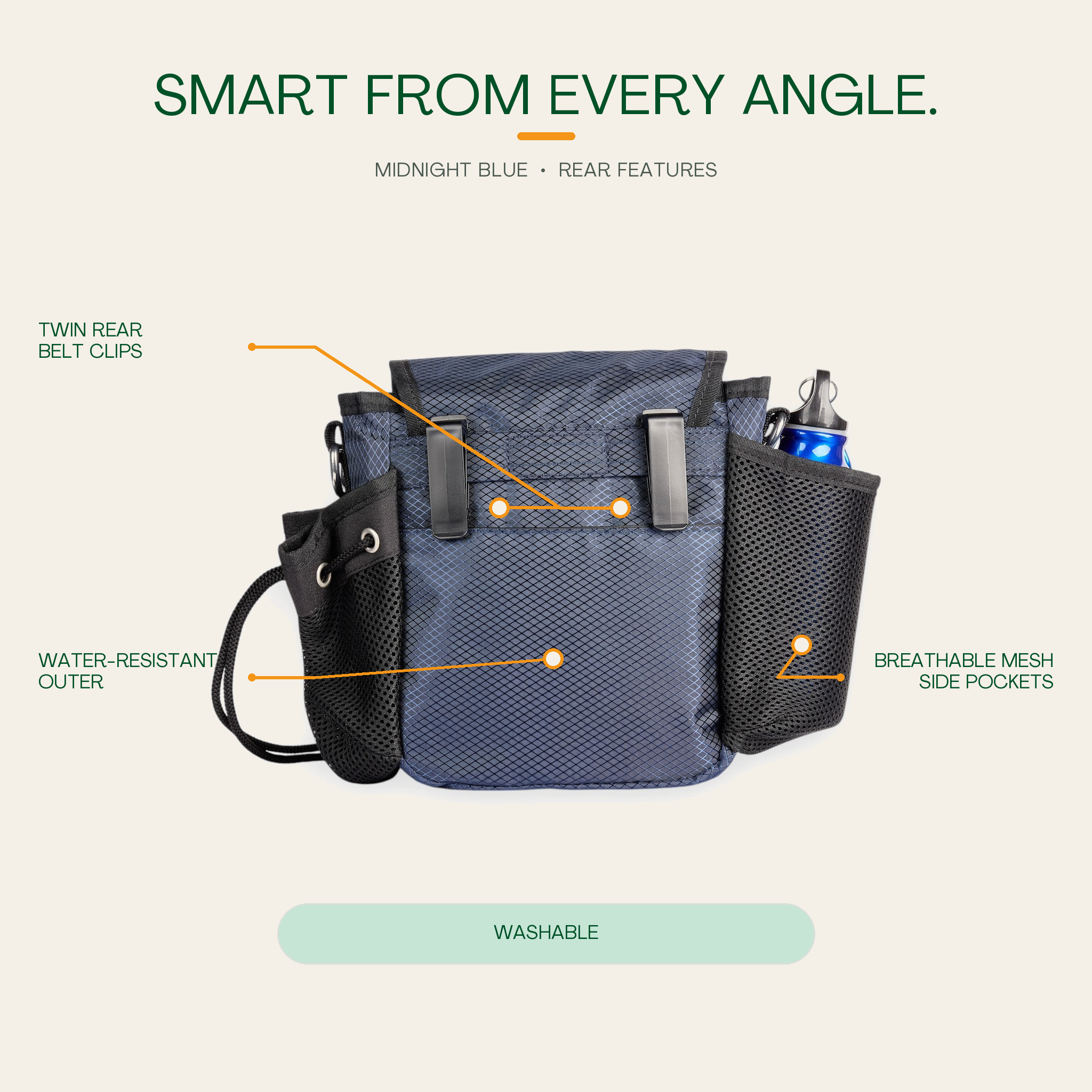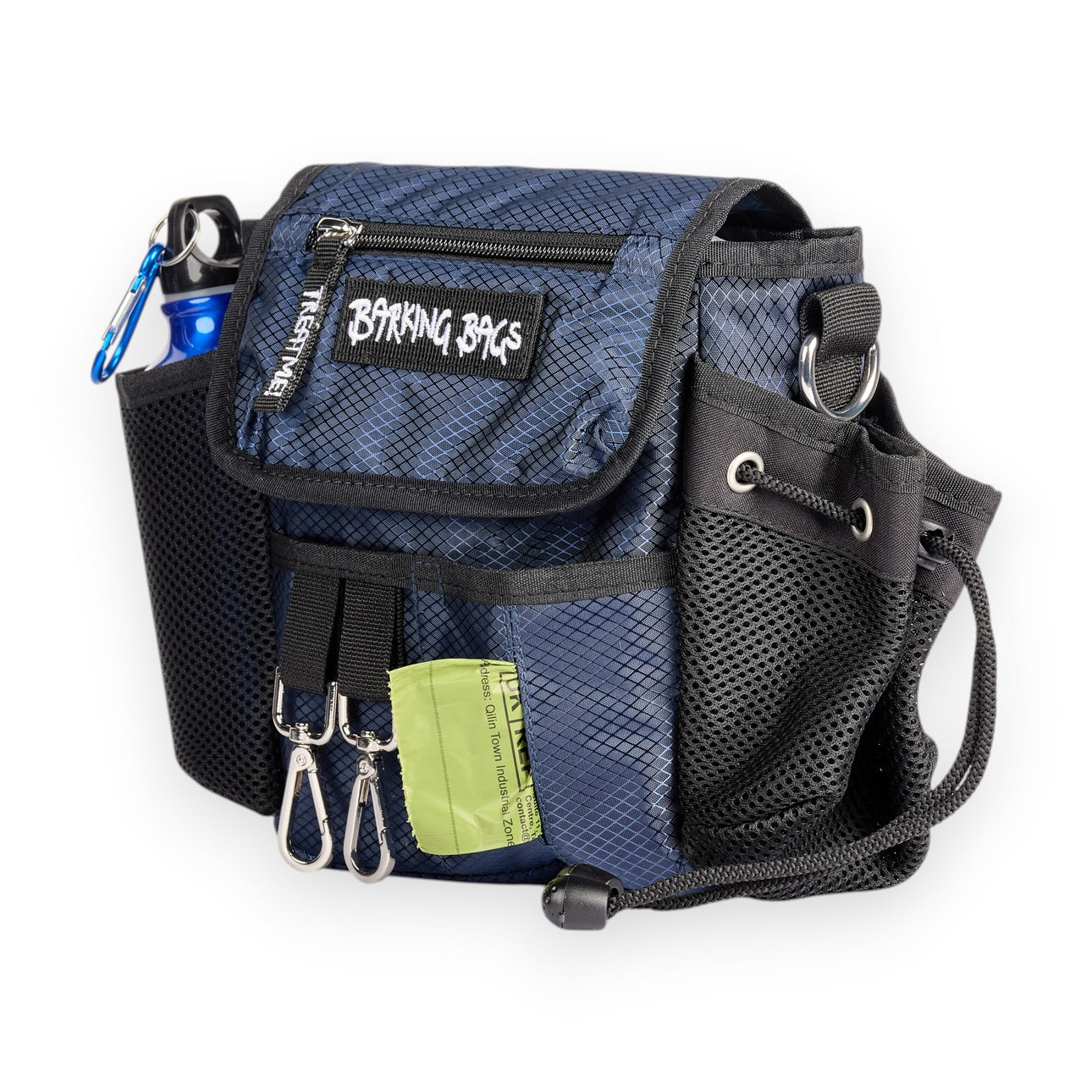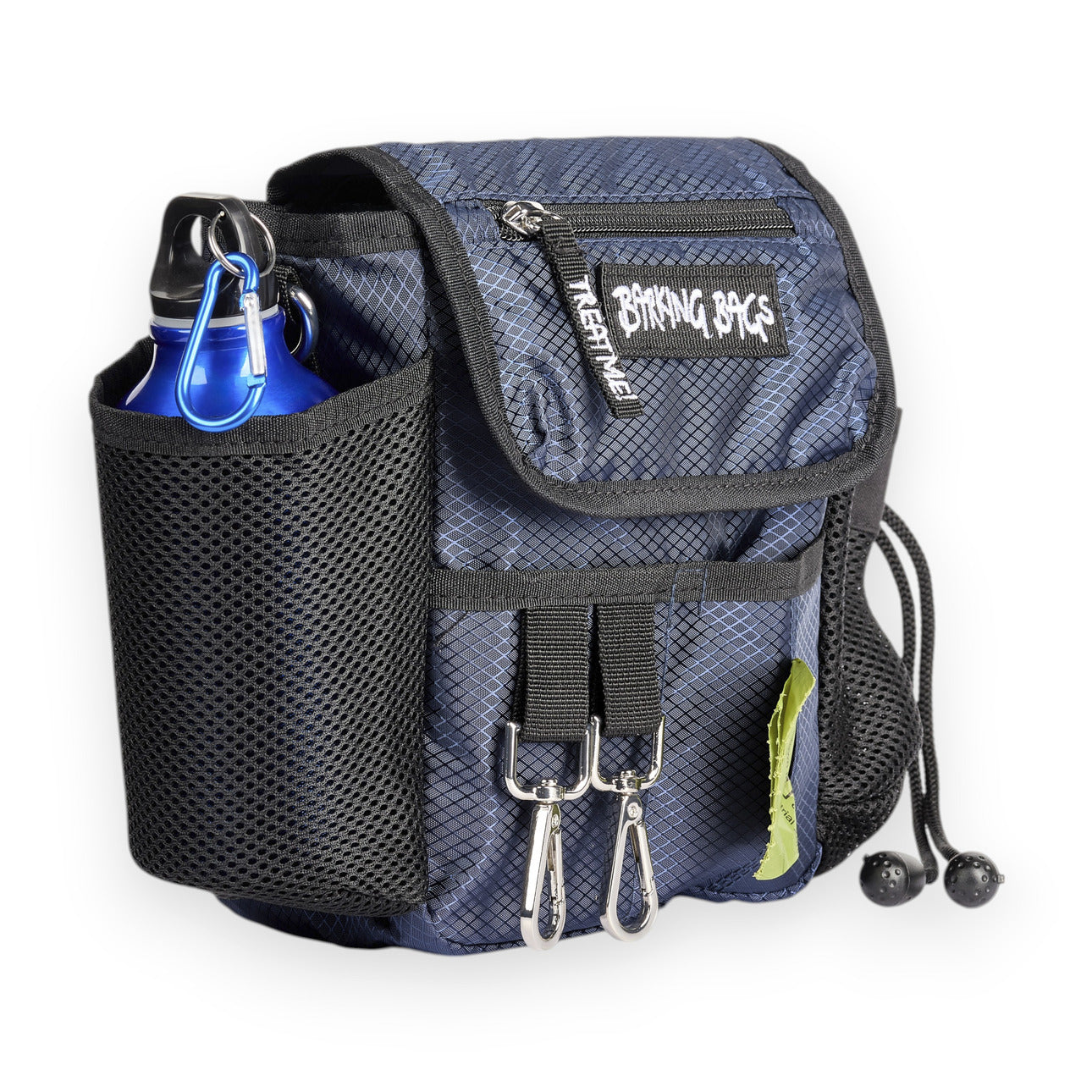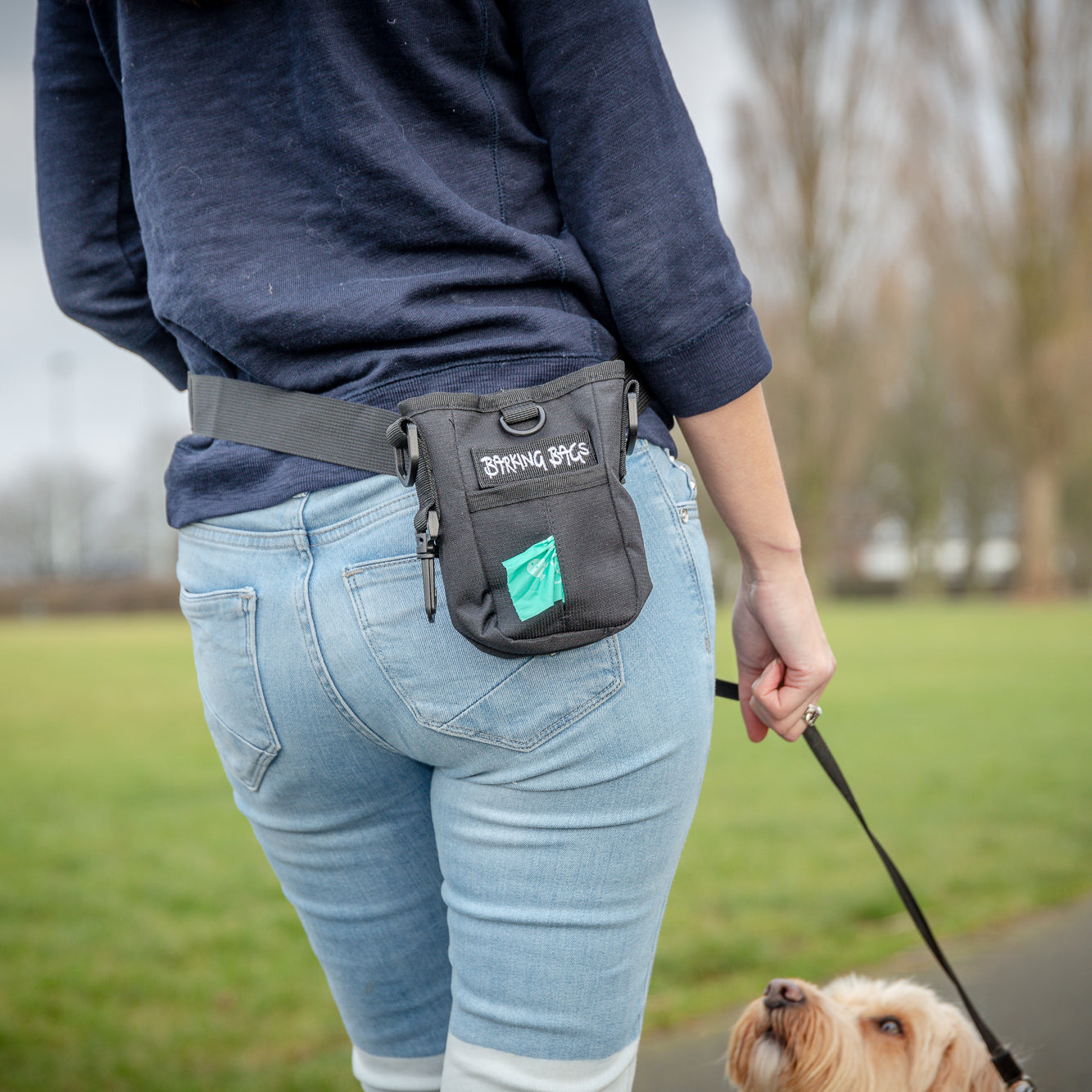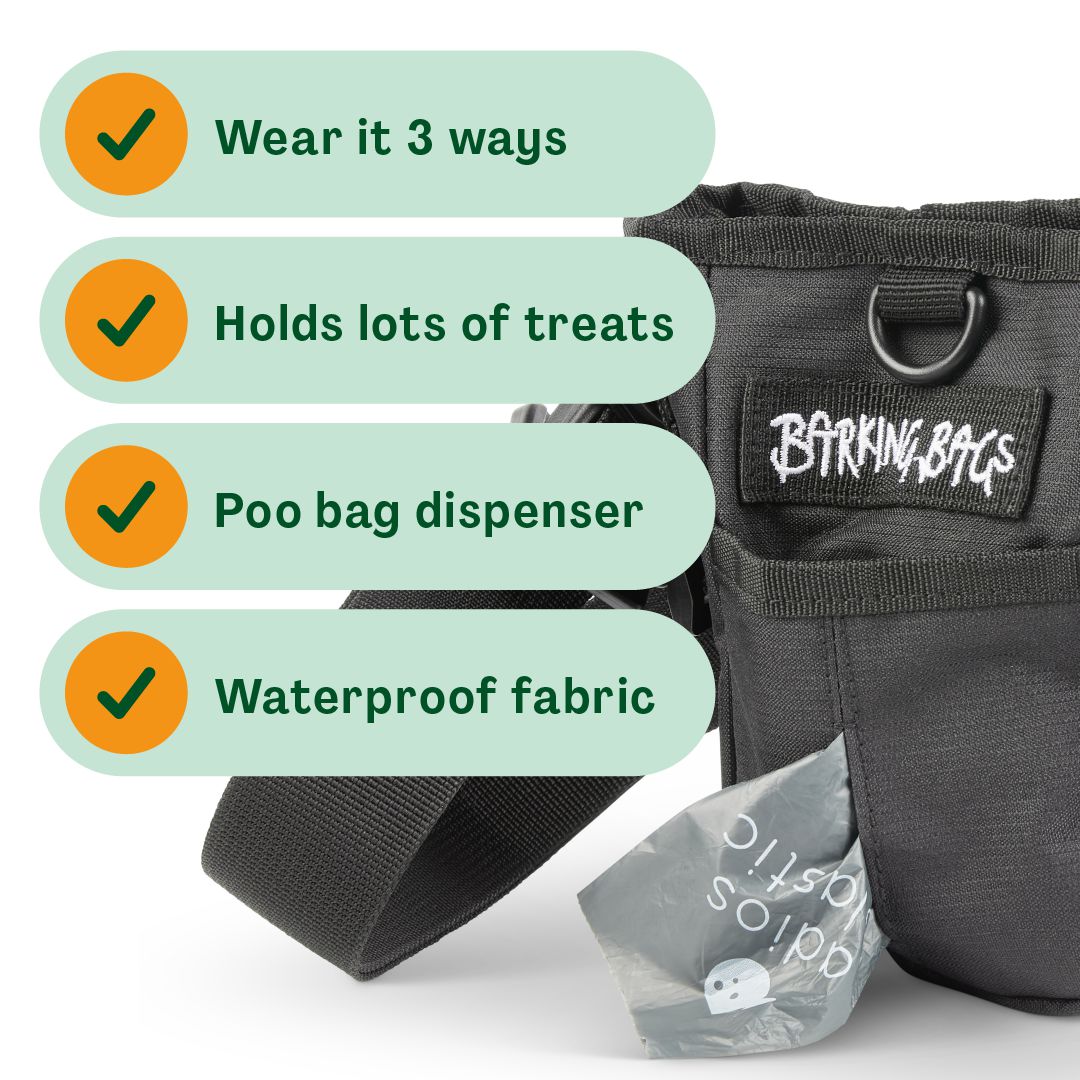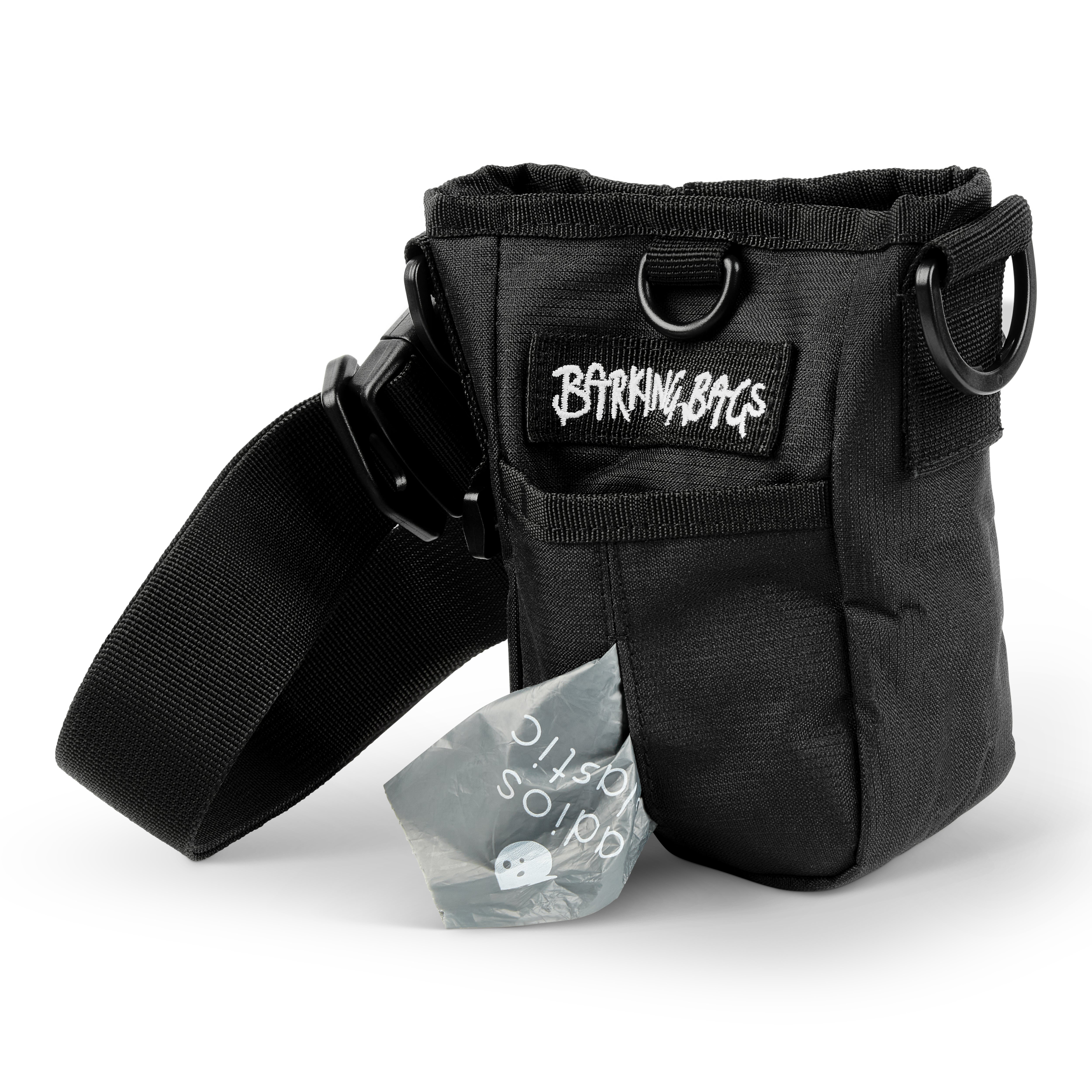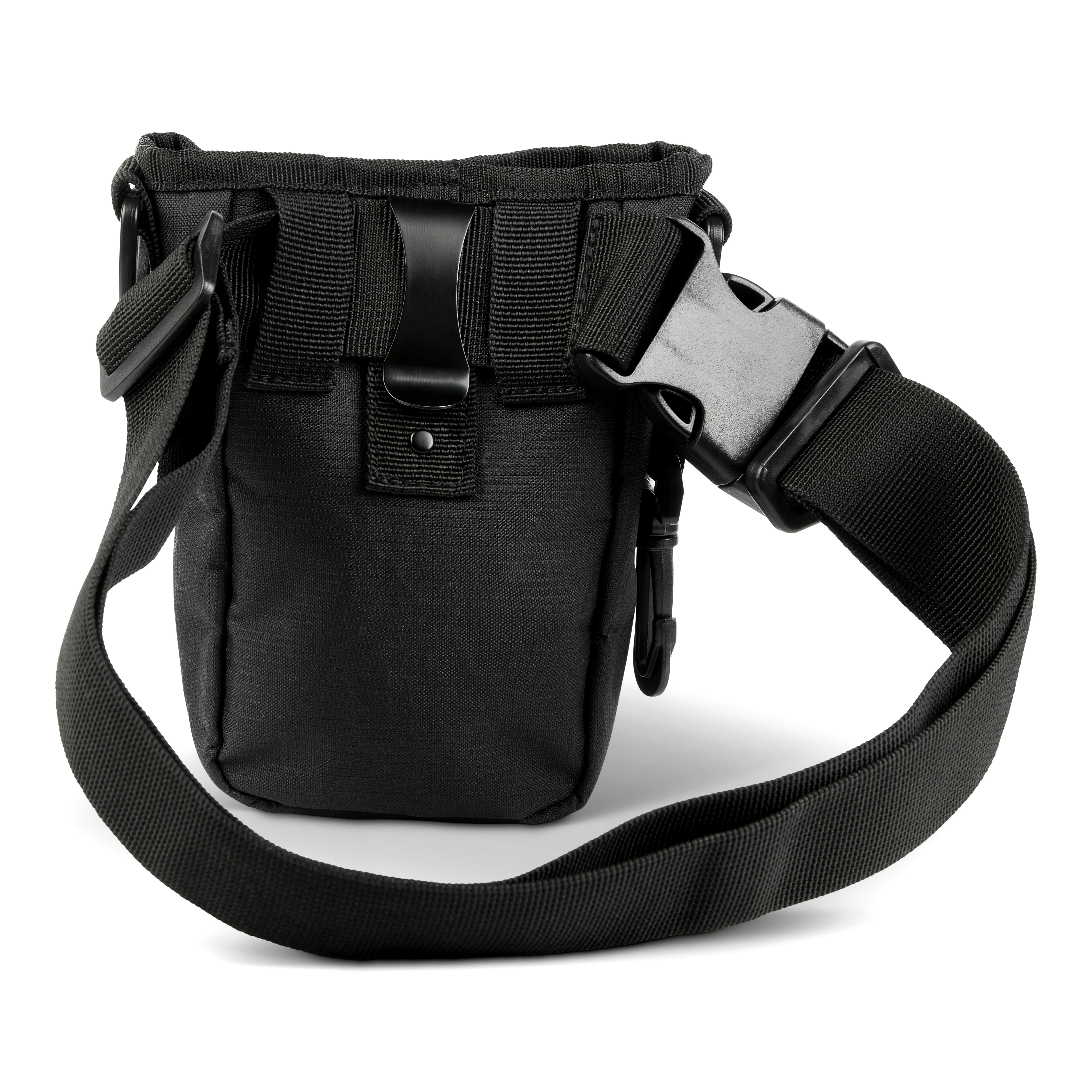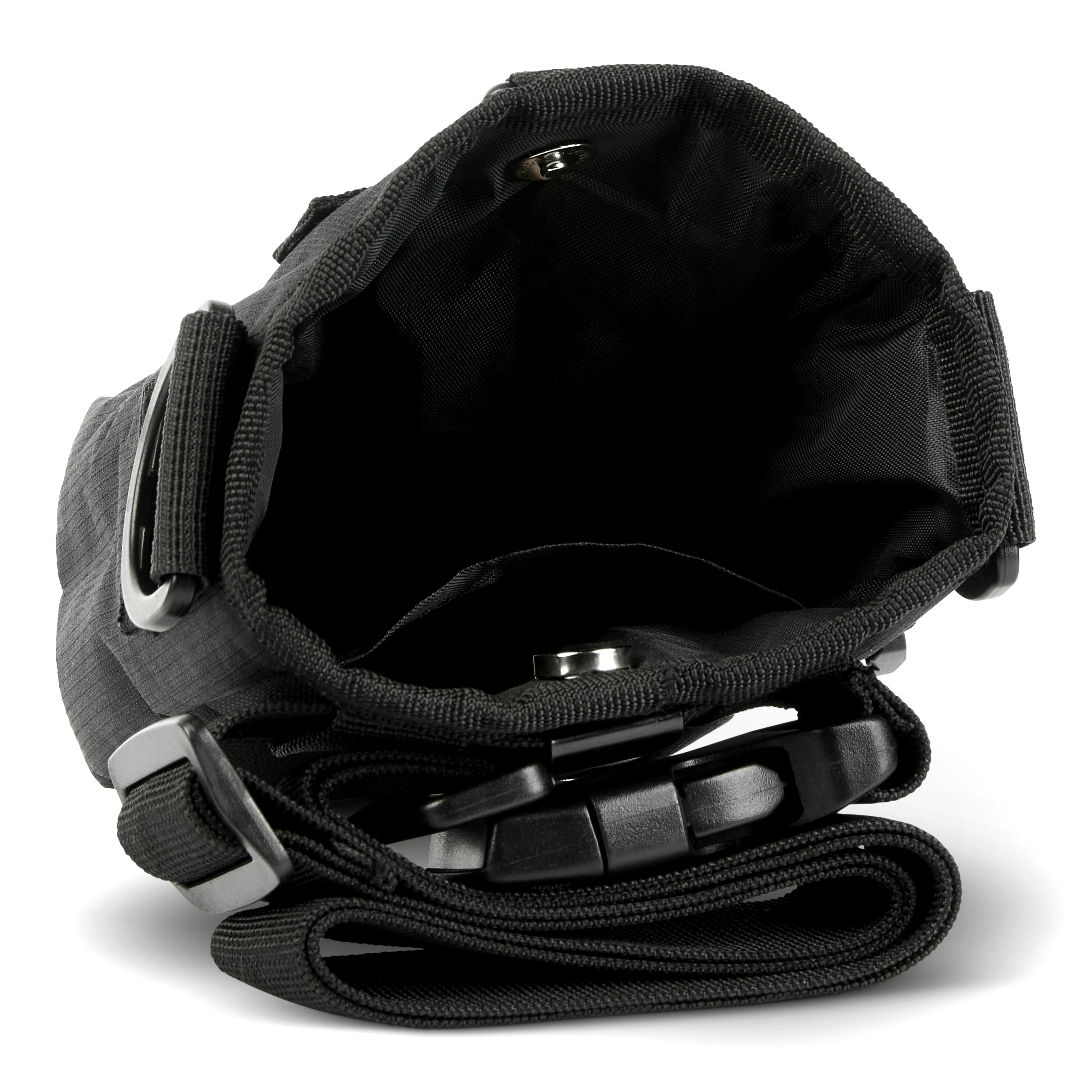

You only notice how badly your current setup works when you're halfway through a walk, your dog spots a squirrel, and your phone, keys, poo bags and treats are all somehow in the wrong place. A proper dog bag for phone and keys fixes that small but very real bit of chaos. It gives everything a place, keeps your hands freer, and stops dog walks feeling like a juggling act.
For plenty of dog owners, the habit starts with using whatever is nearest - a coat pocket, a handbag, a tote, maybe a treat pouch clipped onto the side. It works, until it doesn't. Keys dig in. Your phone gets covered in biscuit dust. Poo bags vanish into the lining. And if you're walking daily, those little annoyances add up quickly.
Why a dog bag for phone and keys makes such a difference
A dog walk has its own kit list. Even on a short loop round the block, you're usually carrying more than just your personal bits. There are treats, waste bags, a lead, perhaps a ball, maybe hand sanitiser, and often a second set of house keys if someone else is home later. Trying to squeeze all that into normal pockets or a standard handbag is where the trouble starts.
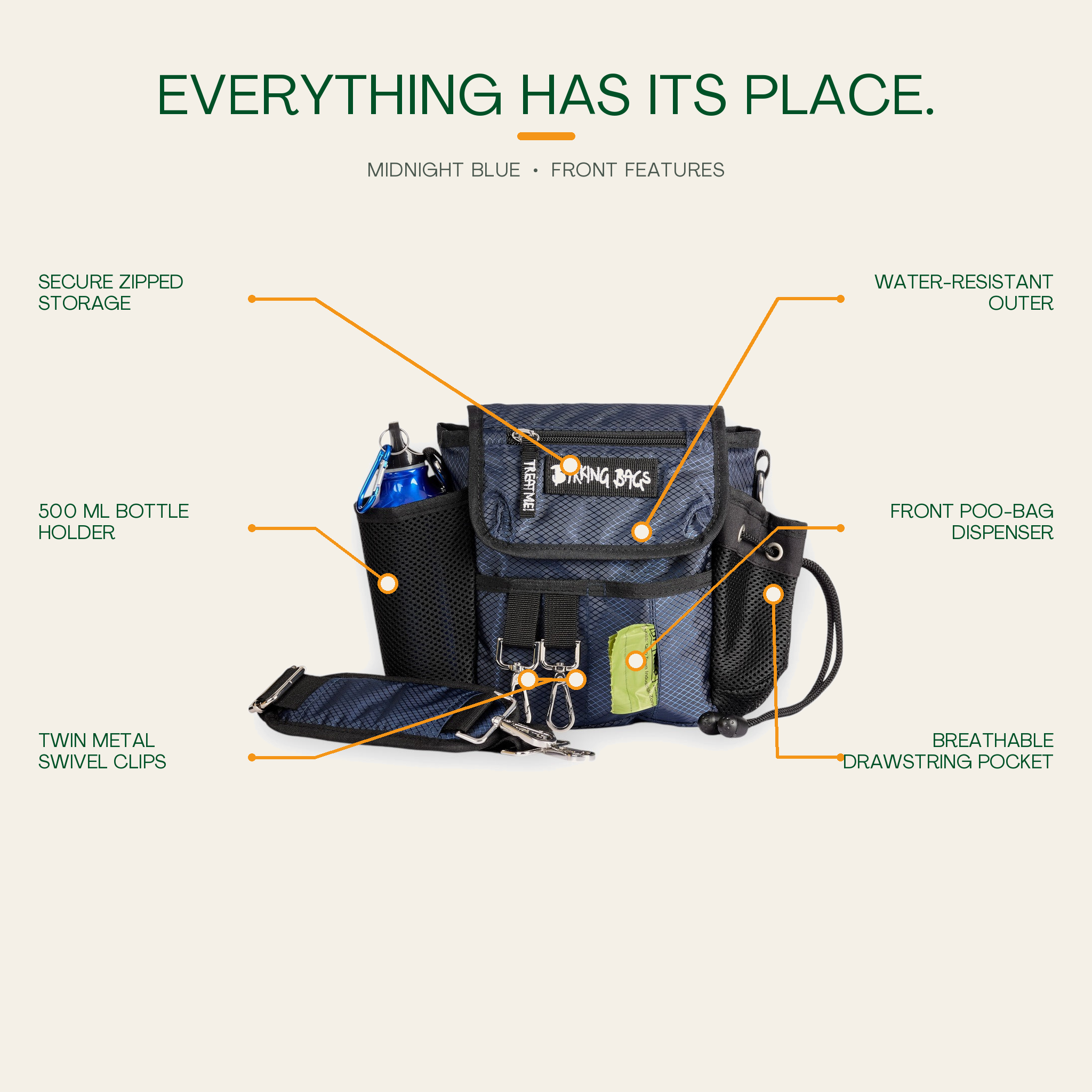
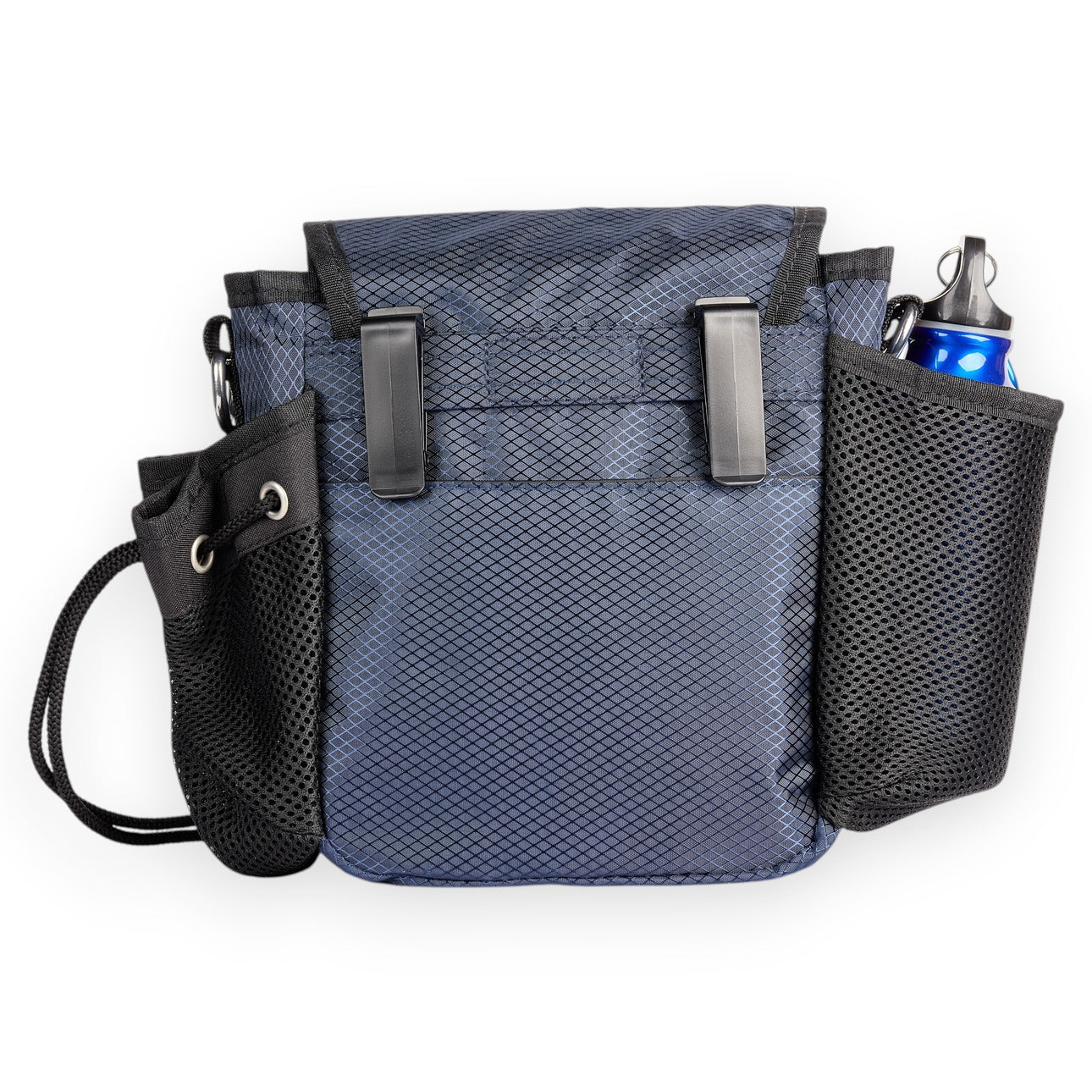
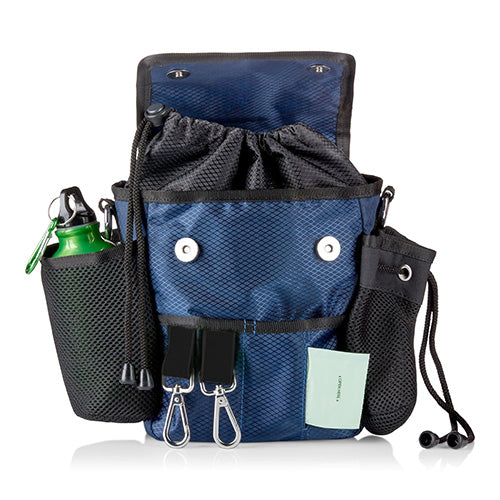
A dedicated dog walking bag works better because it's built around the routine itself. That sounds obvious, but it matters. Your phone and keys need to be secure, but they also need to be easy to reach. Treats need their own spot, ideally away from your personal items. Waste bags need to come out quickly without rummaging. When each item has a clear place, the walk feels simpler from the moment you leave the house.
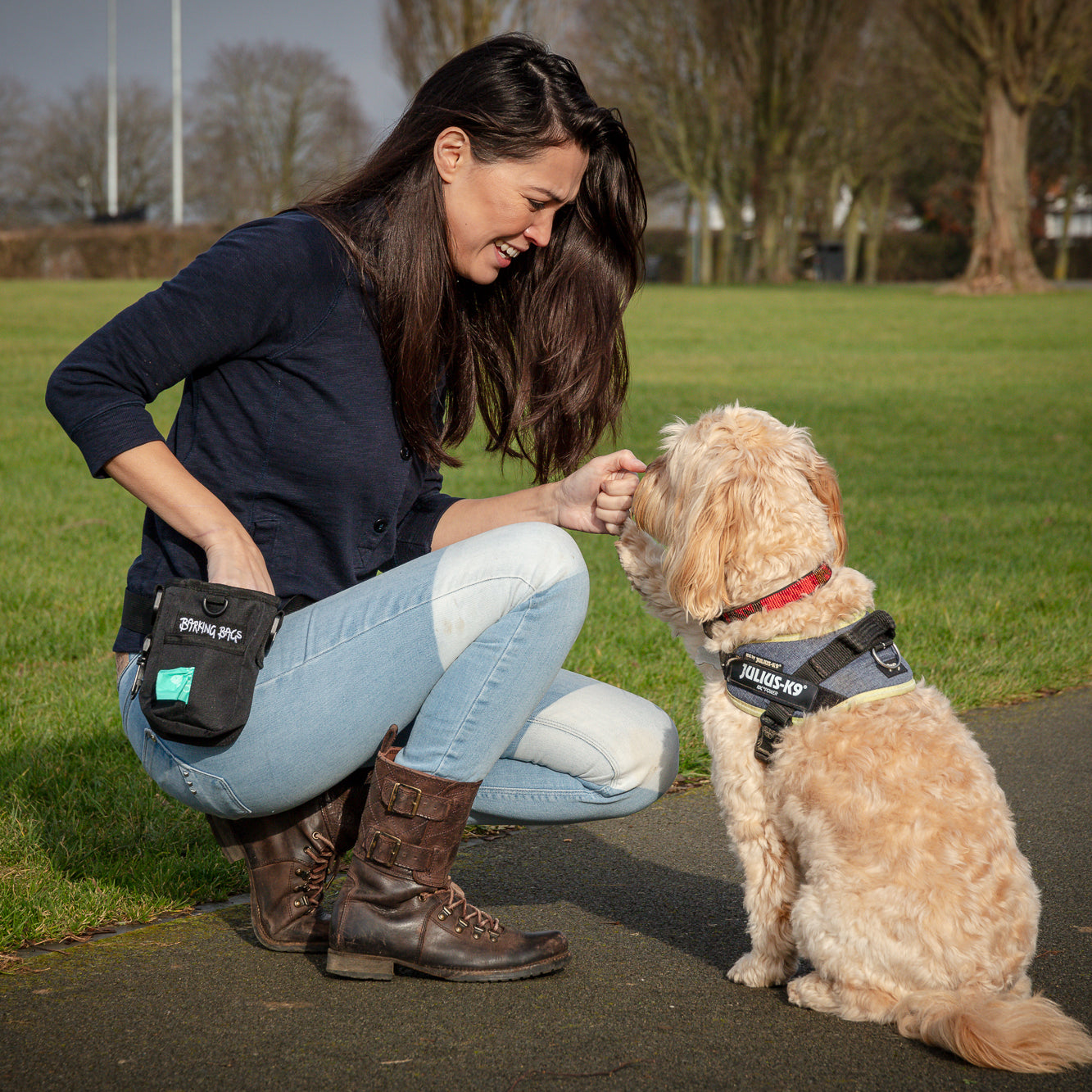
There's also the comfort factor. A bag designed for dog walking tends to sit better on the body, whether you're strolling through the park, doing training work, or heading out for a longer weekend walk. You don't want something that swings around, slips off your shoulder or feels too bulky once you've added the basics.
What to look for in a dog bag for phone and keys
The best bag is not necessarily the biggest one. For many owners, bigger just means more clutter. What you want is enough room for the essentials, plus a layout that helps you stay organised without having to think about it.
A secure pocket for valuables
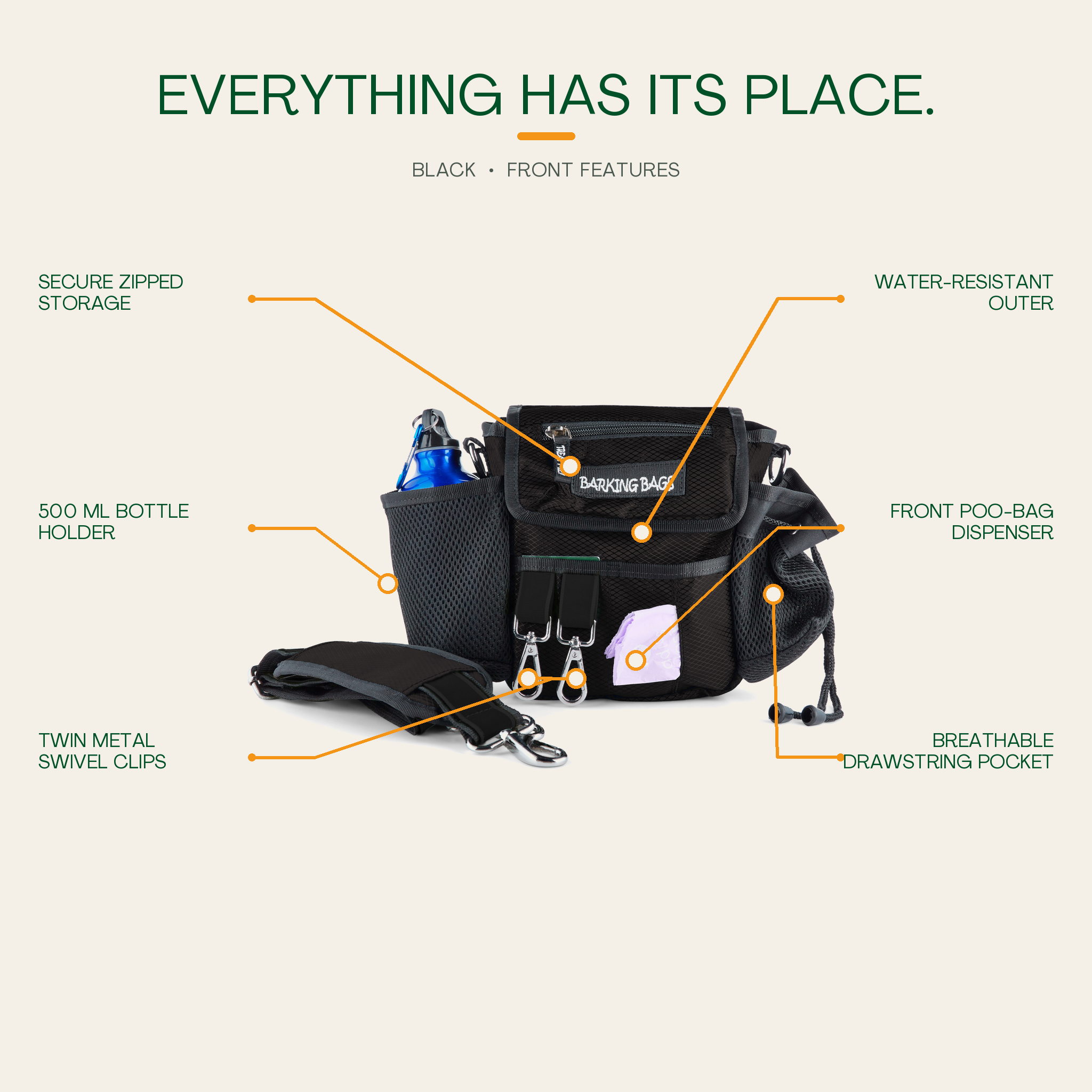
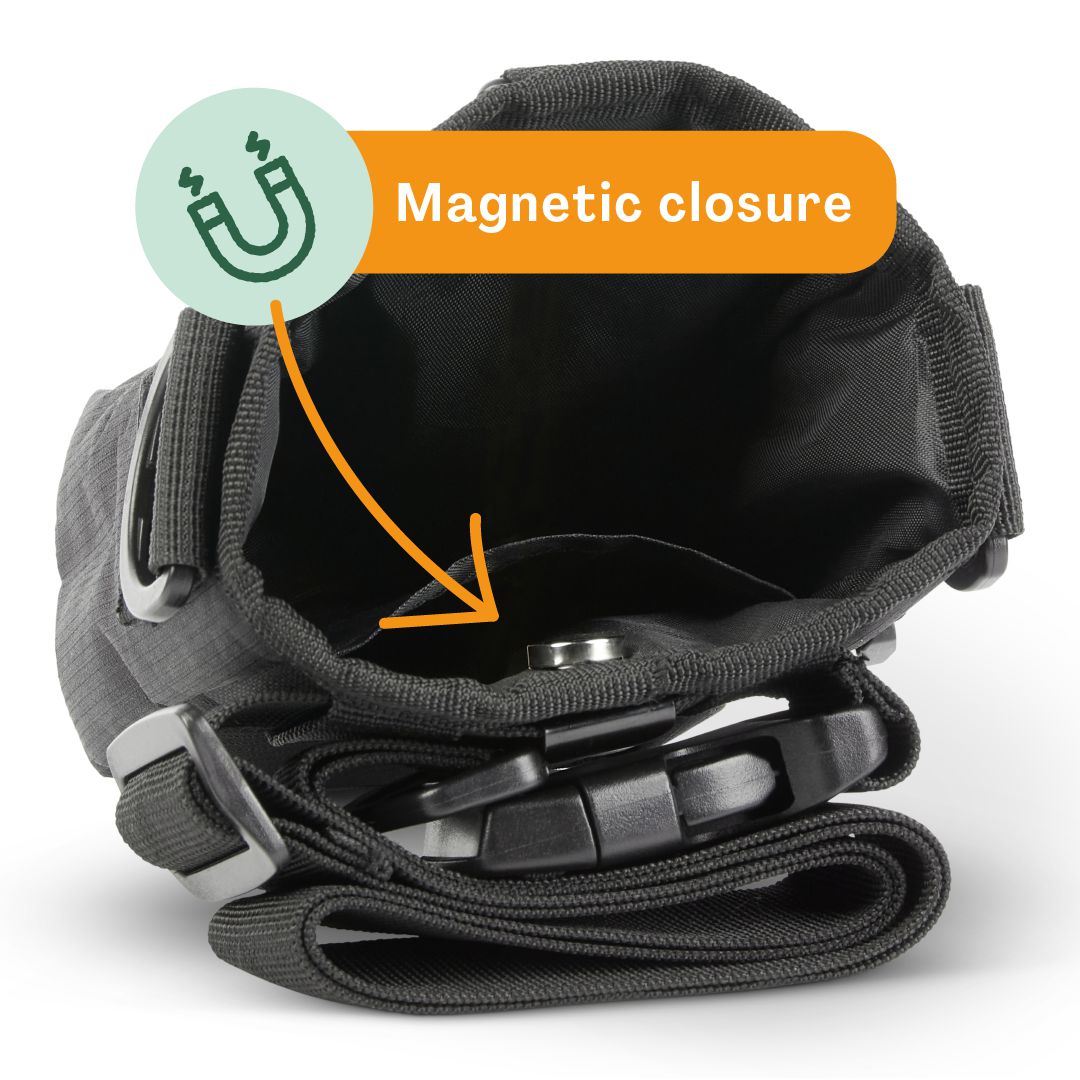
This is the non-negotiable bit. Your phone and keys should have a dedicated compartment, preferably zipped or otherwise properly closed. Open-top sections can be fine for treats or a spare lead clip, but valuables need more protection, especially if you're bending down, throwing a ball or moving quickly.
If you use your phone often on walks for photos, maps, voice notes or training apps, easy access matters almost as much as security. A good bag balances both. You should not have to empty half the contents just to answer a call.
Separate storage for dog essentials
No one wants their phone screen smelling faintly of liver treats. One of the biggest advantages of a purpose-built dog walking bag is separation. Personal items stay clean and protected, while dog bits stay in their own zone.
This is especially helpful if you're carrying moist treats, used poo bag rolls, or muddy accessories after a wet walk. Compartments do more than keep things tidy - they make the whole experience feel less messy.
Easy-access poo bag storage
You can get away without this, but once you've used a bag with a proper dispenser or designated waste bag section, it is very hard to go back. It saves time, reduces faff, and means one less thing to search for when your dog chooses the least convenient moment.
Comfortable wear for everyday use
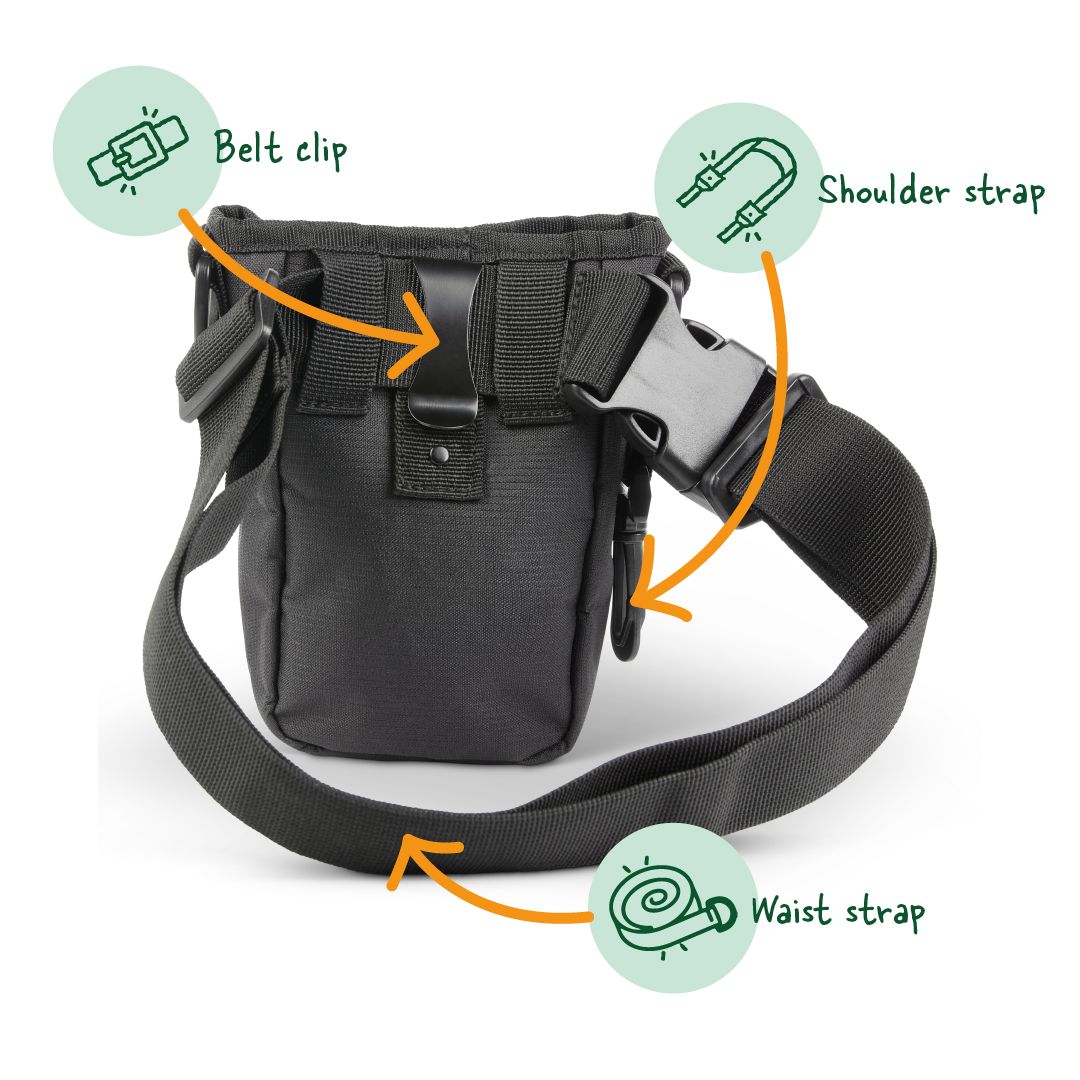
A dog walking bag gets used often, sometimes several times a day. That means comfort matters more than people think. Adjustable straps, a shape that sits close to the body, and a size that does not feel oversized all make a difference.
If you're a professional walker or trainer, comfort becomes even more important. What feels fine for a twenty-minute potter can become irritating over two or three hours.
Size matters, but only if it matches your routine
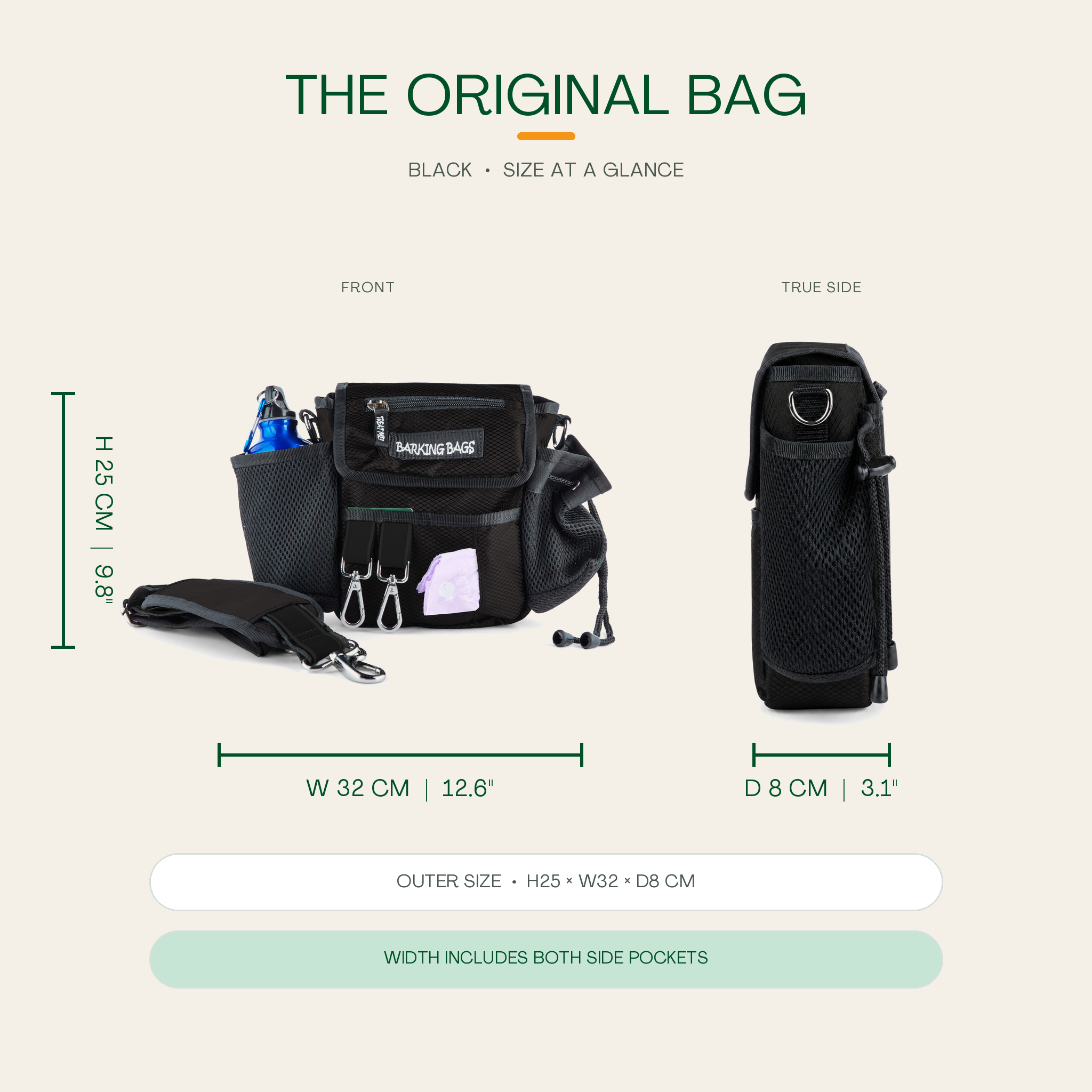
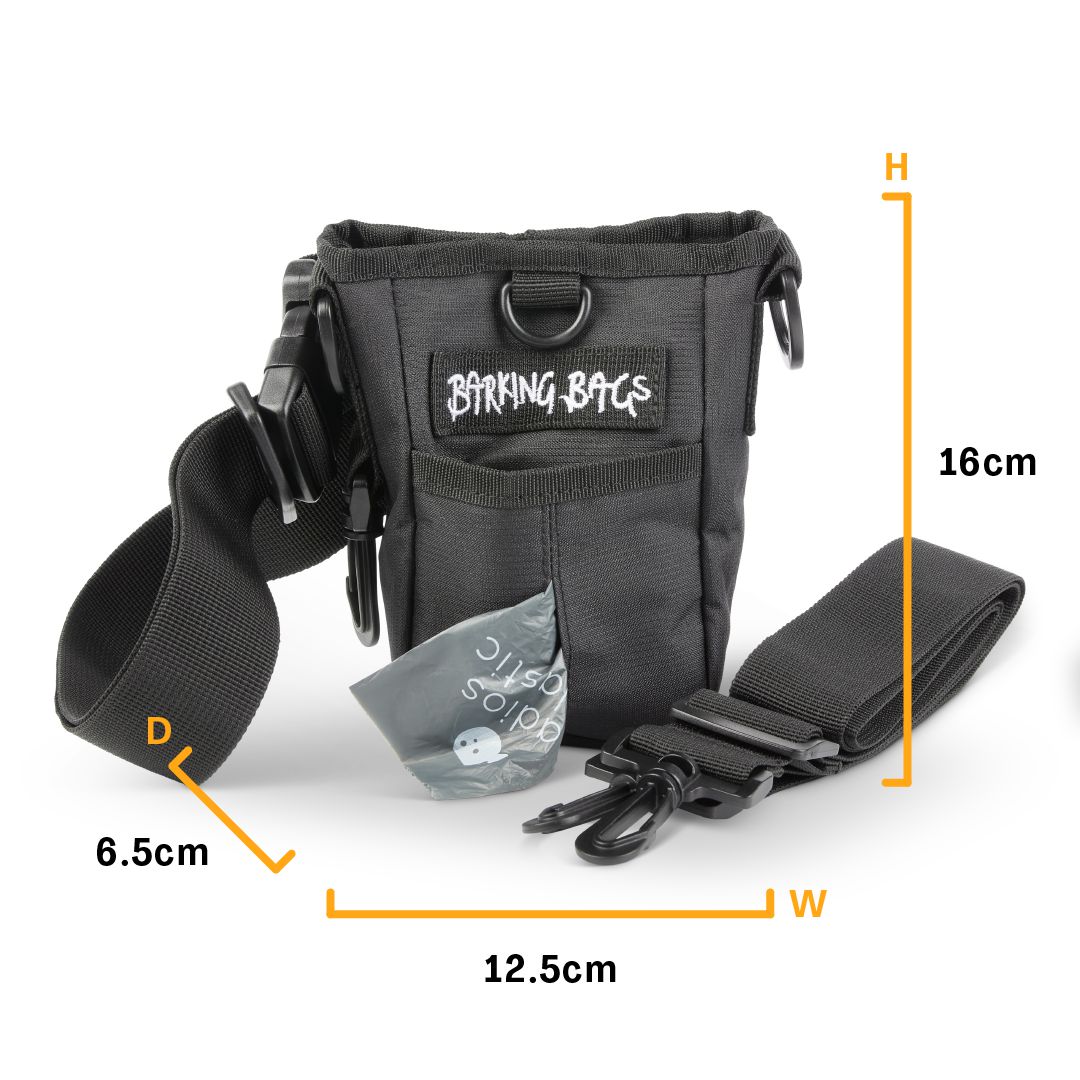
This is where it depends. The right dog bag for phone and keys will be different for someone doing quick local walks with one dog than for someone carrying training tools, water and extras for longer outings.
If your typical walk is short and simple, a compact bag is usually the smarter choice. It keeps the load lighter and stops you carrying things you do not actually need. If your walks are longer, or you handle multiple dogs, you may need more room and more structure.
The trick is to shop for your real routine, not your occasional one. A bag that suits a once-a-month country walk may be too much for everyday use. Equally, something ultra-compact can feel limiting if you are constantly clipping extras onto the outside.
Why ordinary bags fall short
A standard crossbody bag or handbag might seem close enough, but dog walking has different demands. Normal bags are designed for personal items first. Dog essentials get squeezed in around them. That usually means poor organisation and awkward access.
Pockets are often too small for treats, too shallow for keys, or too open for a phone when you're moving about. Materials may not cope well with muddy hands or damp weather. And visually, plenty of everyday bags just do not look their best after repeated exposure to biscuits, poo bags and soggy tennis balls.
That is the gap a specialist product fills. A dedicated design is not about overcomplicating the walk. It is about making the basics easier and more reliable.
Choosing a dog walking bag that still looks good
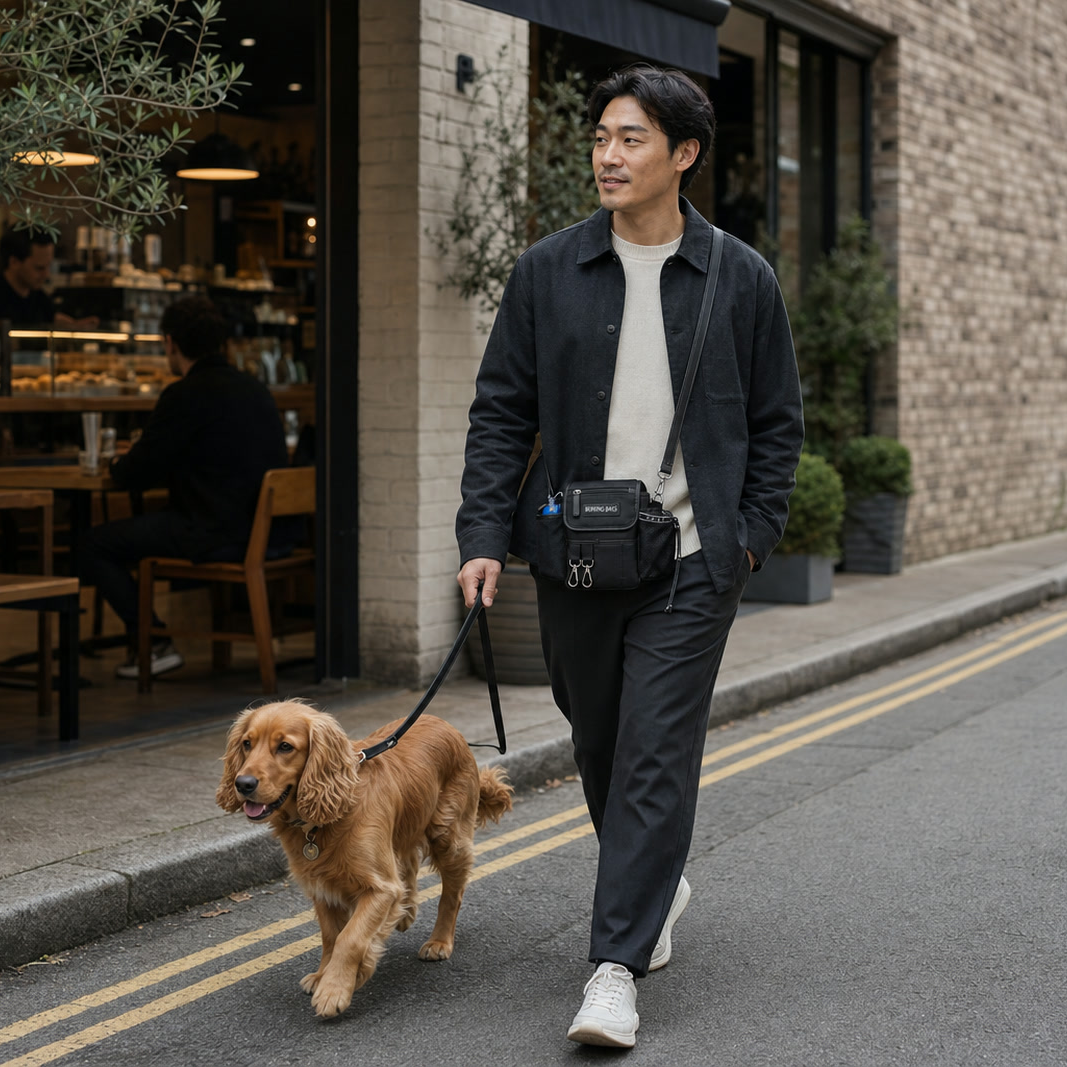
Practical does not have to mean clunky. For lots of dog owners, style matters because the bag is part of daily life, not a piece of occasional kit. You might wear it on the school run, to the café, through town, or while travelling to the park. It needs to feel like something you actually want to carry.
That is why design matters just as much as function. Clean lines, wearable colours and a smart shape make a bag more versatile. The best ones do the practical job brilliantly without looking overly utilitarian.
This is often what separates a bag you use for a week from one you reach for every day. If it feels considered, it becomes part of your routine rather than an extra thing to remember.
A few real-world details worth checking
Before choosing a dog bag for phone and keys, pay attention to the small design choices. They usually tell you how well the bag will work in practice.
Check whether the phone pocket fits larger handsets, especially if you use a case. Look at how the keys are stored - a zipped section is usually better than a loose slip pocket. Think about whether treats can be accessed one-handed. Consider how easy the lining will be to wipe clean after muddy or damp walks.
It is also worth being honest about your own habits. If you are someone who likes everything zipped away, go for more secure compartments. If you need fast access while handling a lively dog, prioritise layout over extra features. The best bag is the one that fits the way you actually walk.
Who benefits most from a dedicated dog bag?
Almost anyone who walks a dog regularly will notice the difference, but some owners feel it straight away. New puppy owners often love the added organisation because early walks involve more gear and more unpredictability. Dog trainers benefit from easy-access treats and separate storage. Professional walkers need consistency, comfort and speed.
Then there are the dog owners who are simply tired of sacrificing their usual handbag or stuffing everything into coat pockets. That group is bigger than you might think. Once your walks become a fixed part of your day, a proper setup starts to feel less like a luxury and more like common sense.
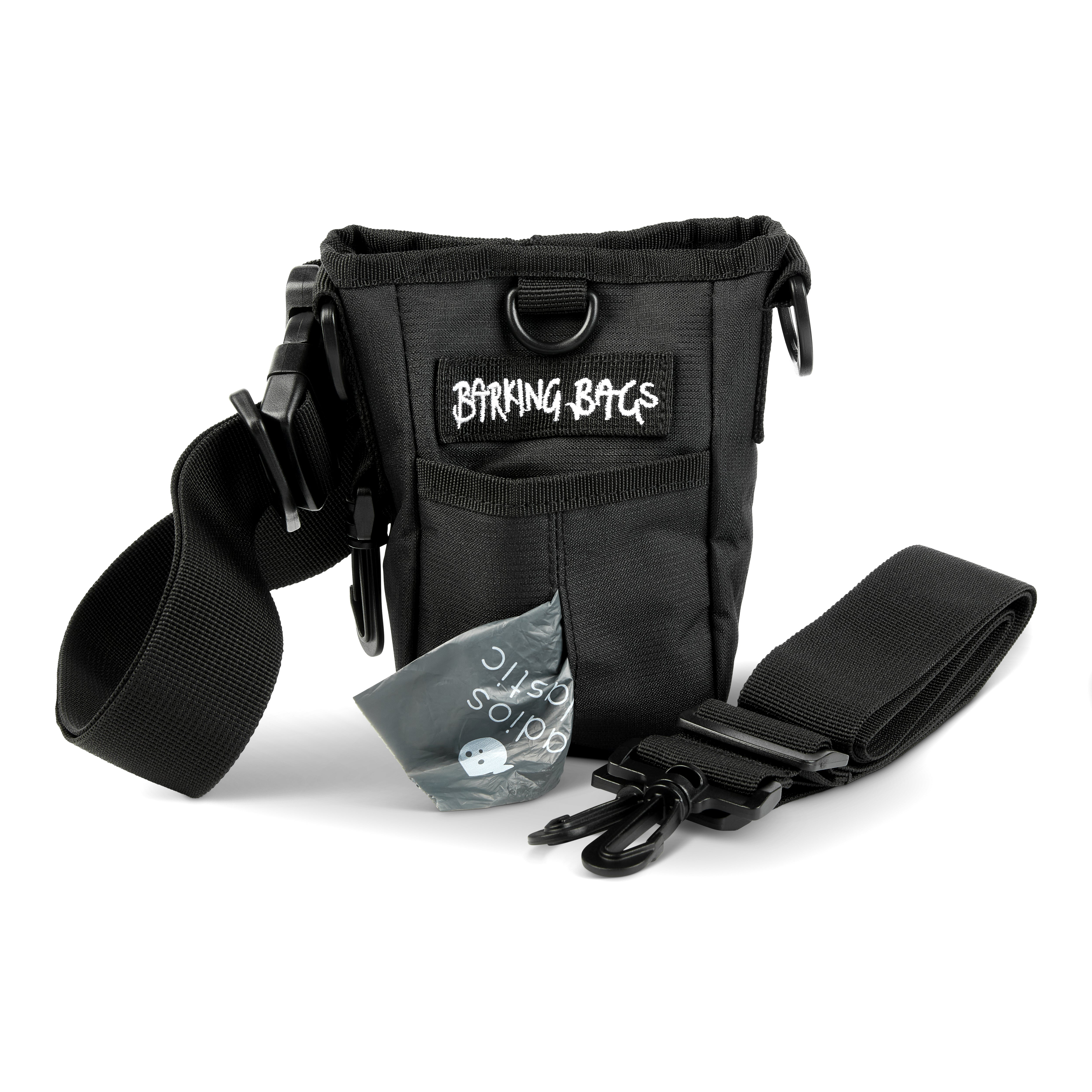
A specialist brand like Barking Bags understands that because the whole point is solving this exact problem. Not with a generic bag that sort of works, but with one made around the real rhythm of dog walking.
The best dog bag for phone and keys is the one you trust
Trust matters more than extra bells and whistles. You want to know your keys will still be there when you get home, your phone is protected, and your dog essentials are easy to grab when needed. That sense of order changes the walk in a quiet but noticeable way.
When your bag works properly, you stop thinking about it. You leave the house faster. You spend less time rummaging. You enjoy the walk more because you're focused on your dog, not on where you've shoved everything.
That is really what a good dog walking bag should do. It should take the everyday mess of leads, treats, poo bags, phone and keys, and turn it into something simple. And once you've had that, going back to overstuffed pockets feels like a very odd choice.