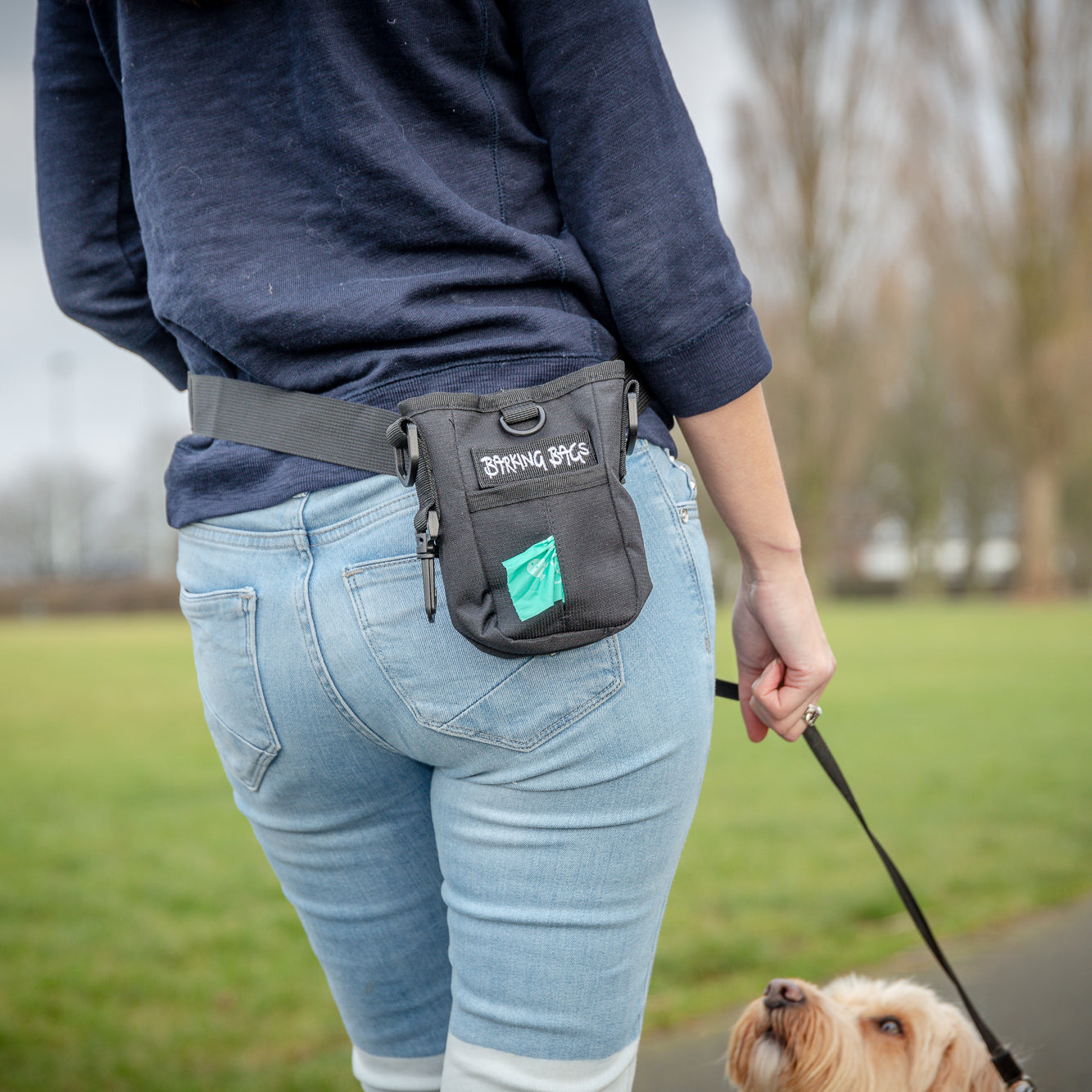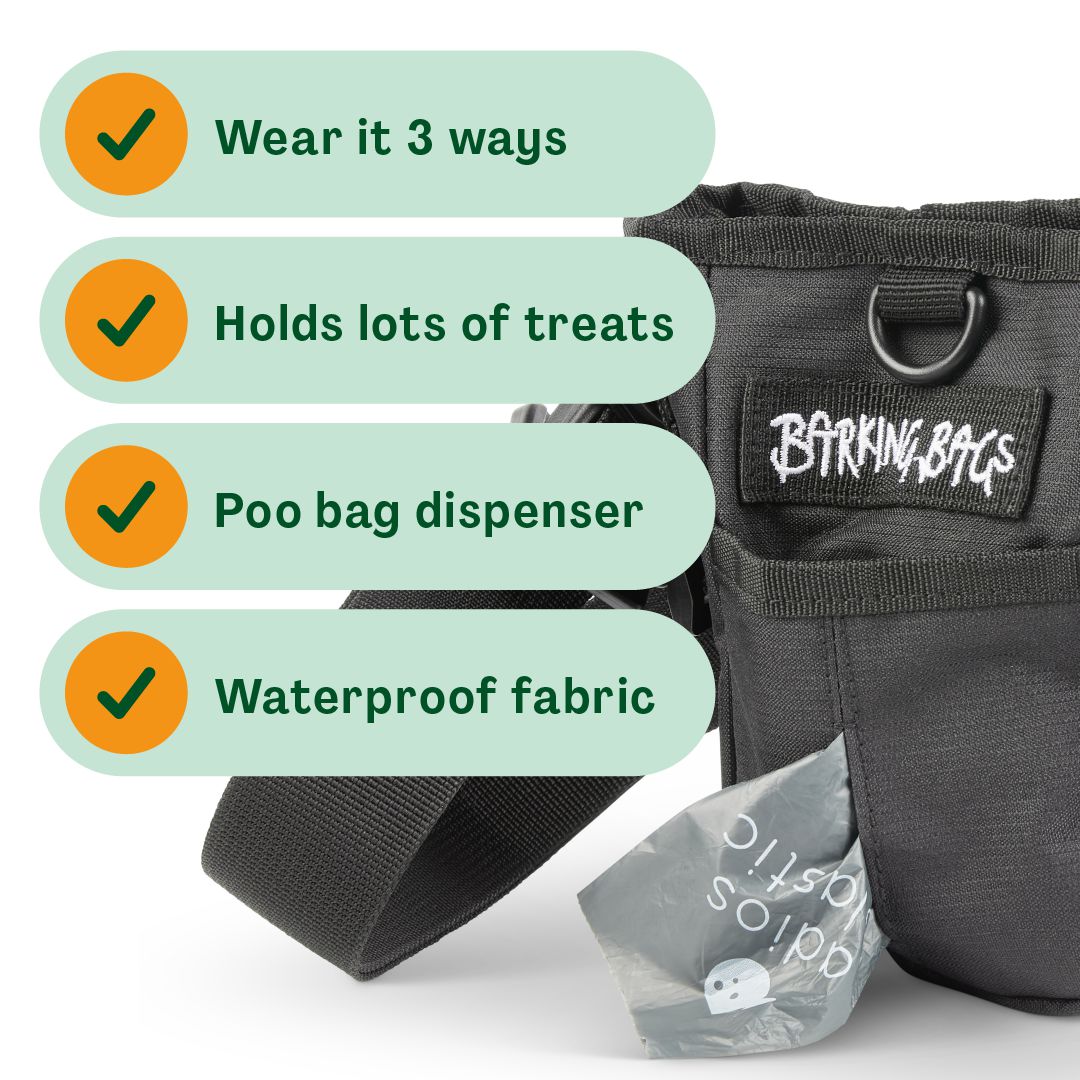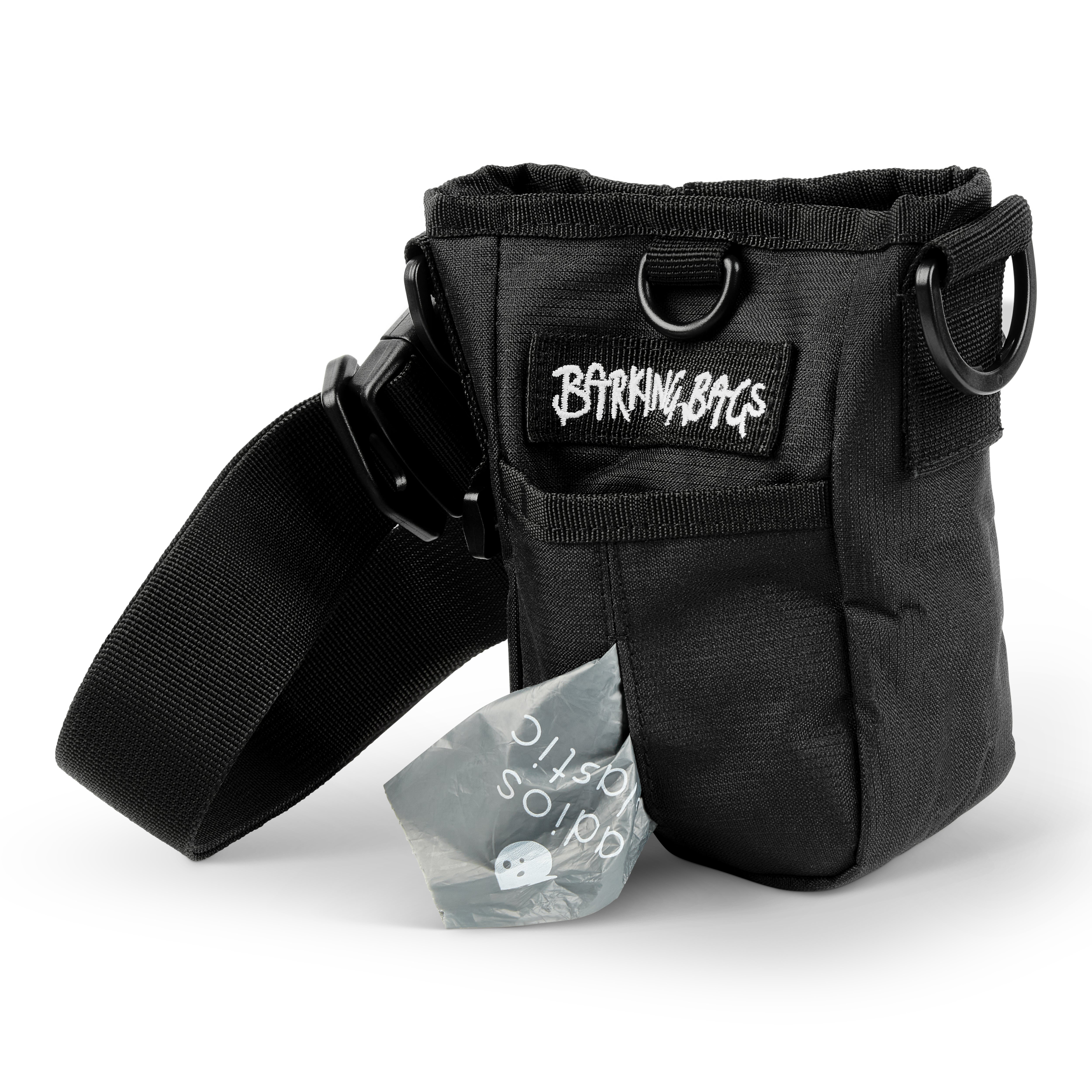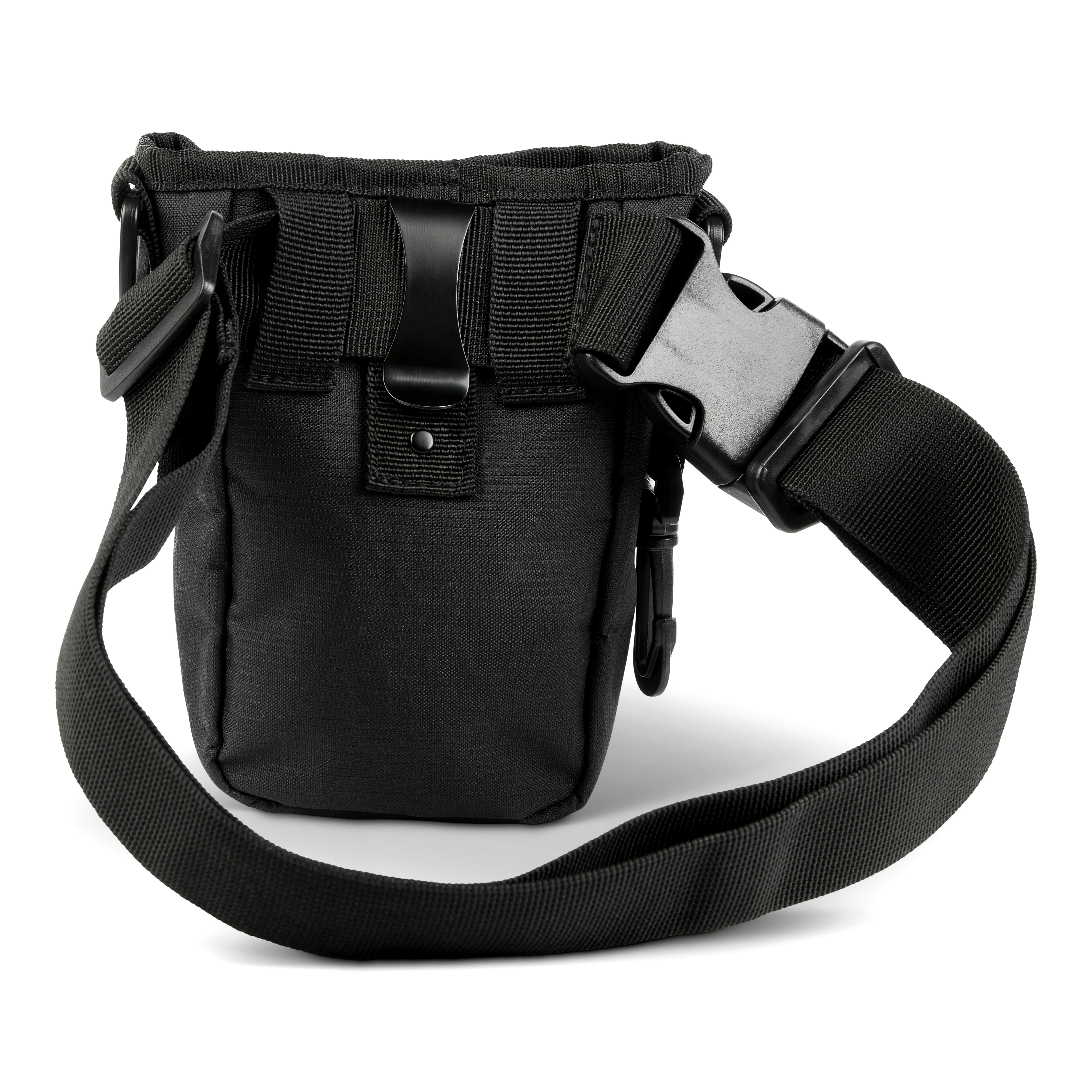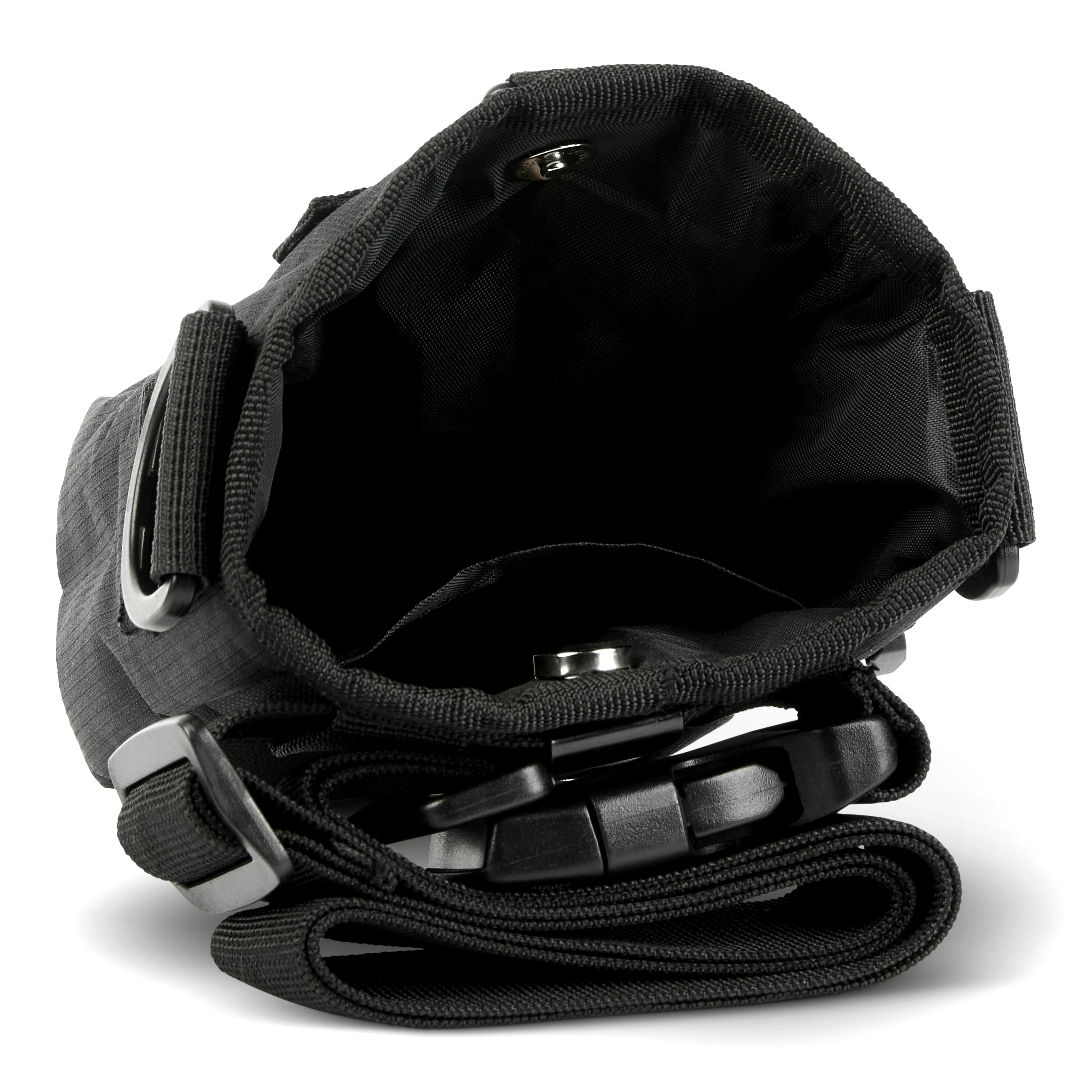

You feel the difference before you even leave the house. A few treats in one hand, poo bags shoved in a coat pocket, keys somewhere else, mobile phone balancing on top - and suddenly a simple walk feels far less simple. That is exactly why the treat pouch versus dog walking bag question matters. Both are useful, but they solve different problems, and choosing the right one can make your daily walks feel far more organised.
If you only ever carry rewards for quick training sessions, a treat pouch can be spot on. If your walks involve the full routine - lead, treats, waste bags, water, mobile phone, keys and the odd tennis ball - a dedicated dog walking bag usually makes more sense. The real answer depends on how you walk, what your dog needs, and how much you want one bag to do.
Treat pouch versus dog walking bag: what is the real difference?
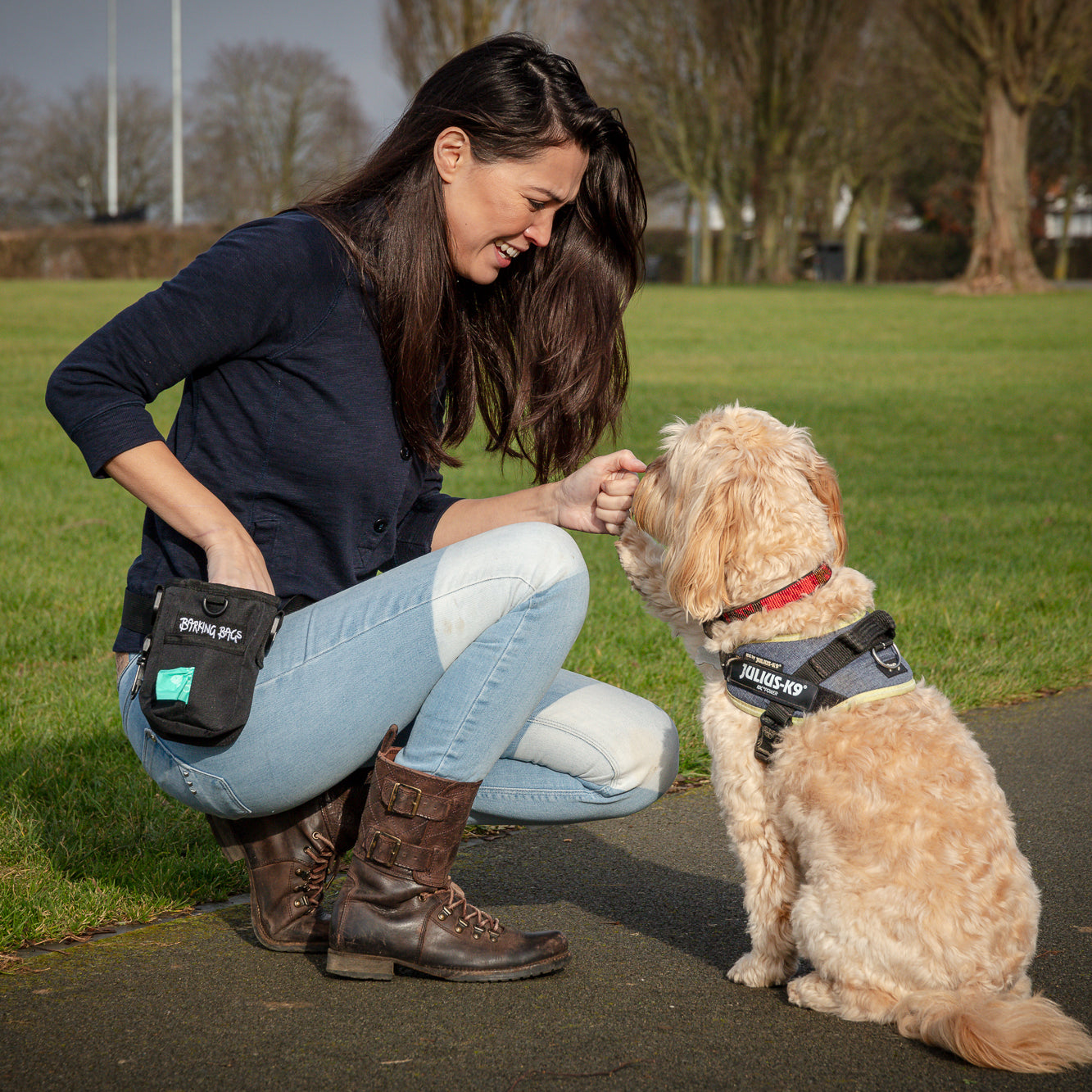
A treat pouch is built for speed. It keeps rewards close at hand so you can mark and reinforce behaviour quickly. That matters during training, especially if you are working on recall, loose lead walking, focus, or reactivity. The best thing about a treat pouch is access. You do not want to fumble when your dog finally offers the behaviour you have been waiting for.
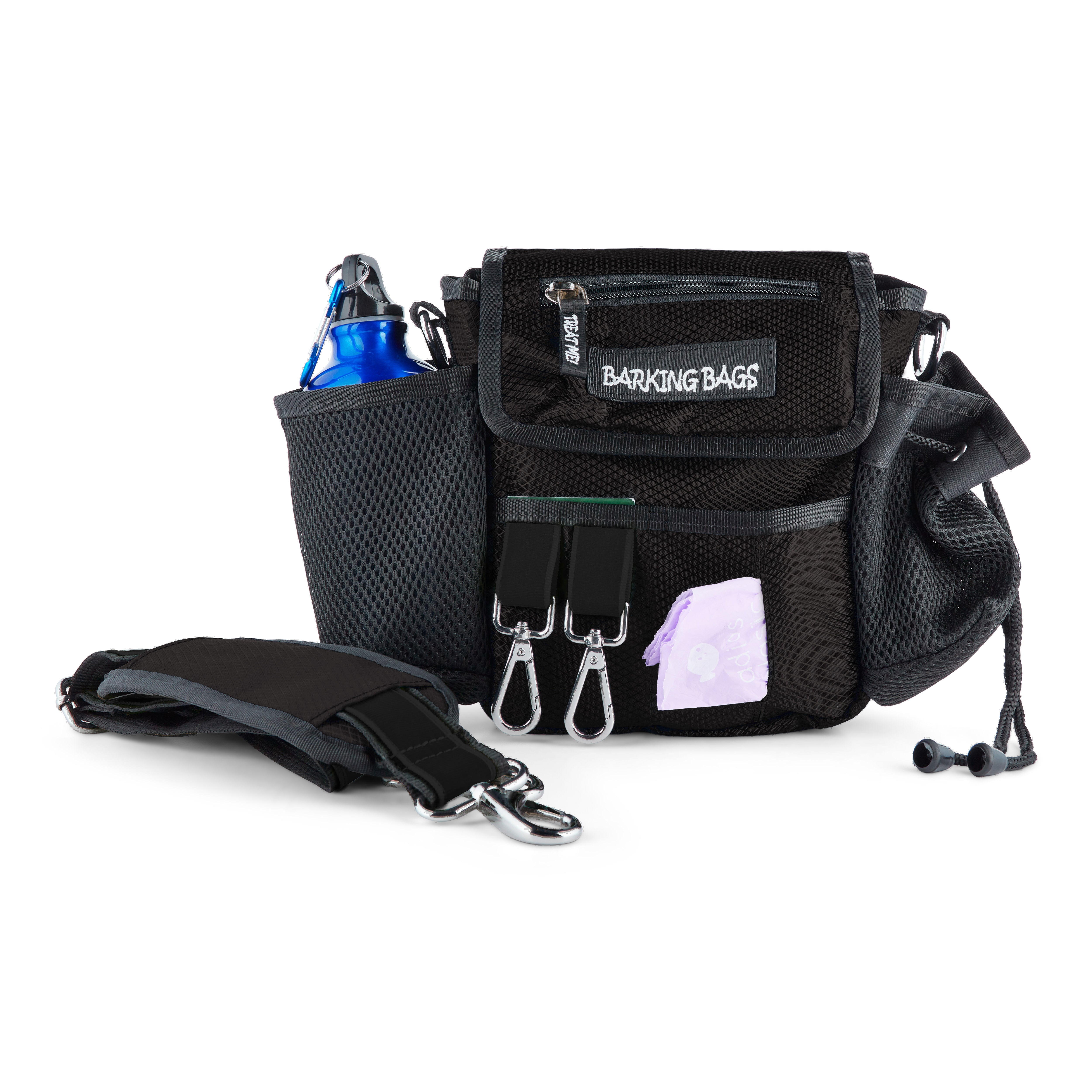
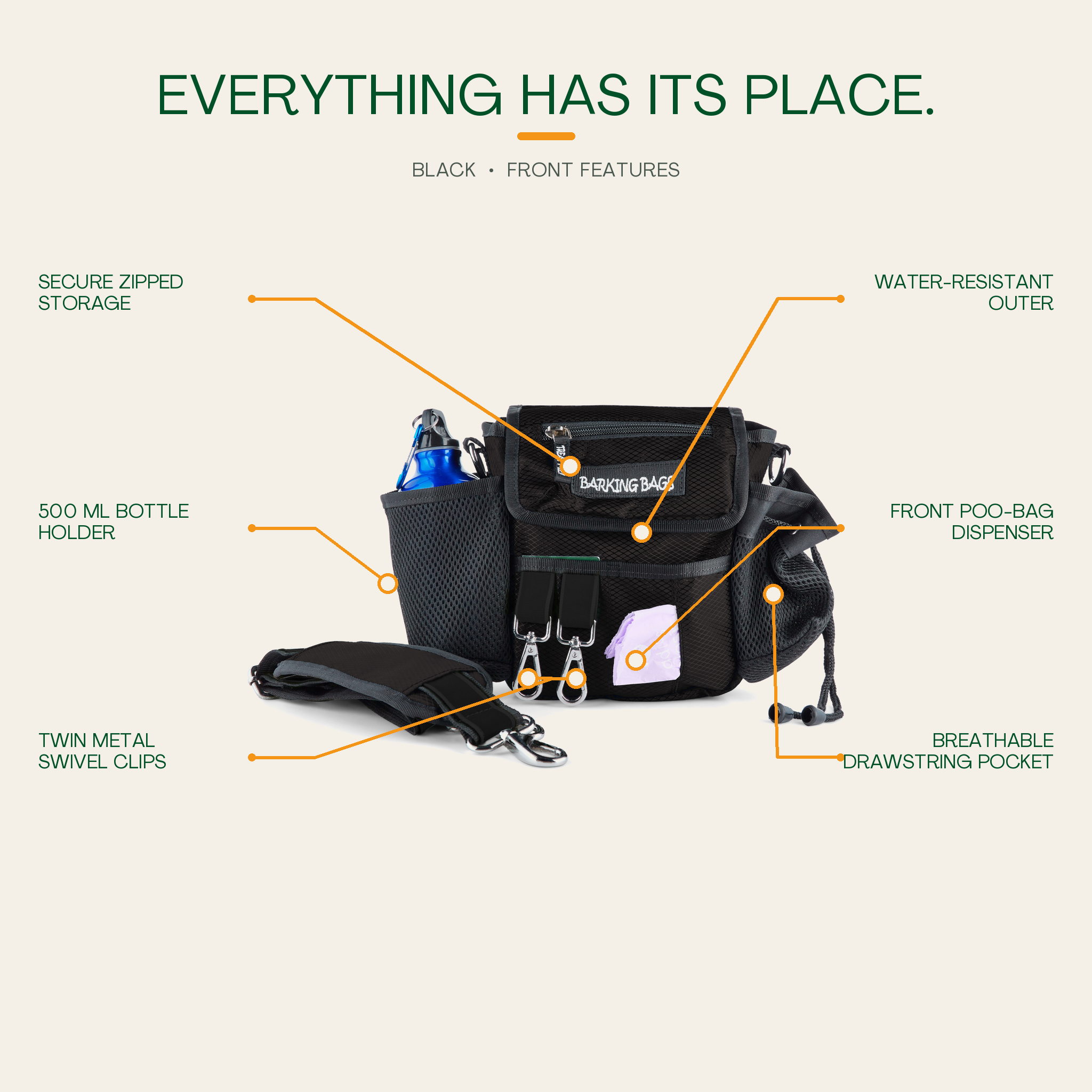
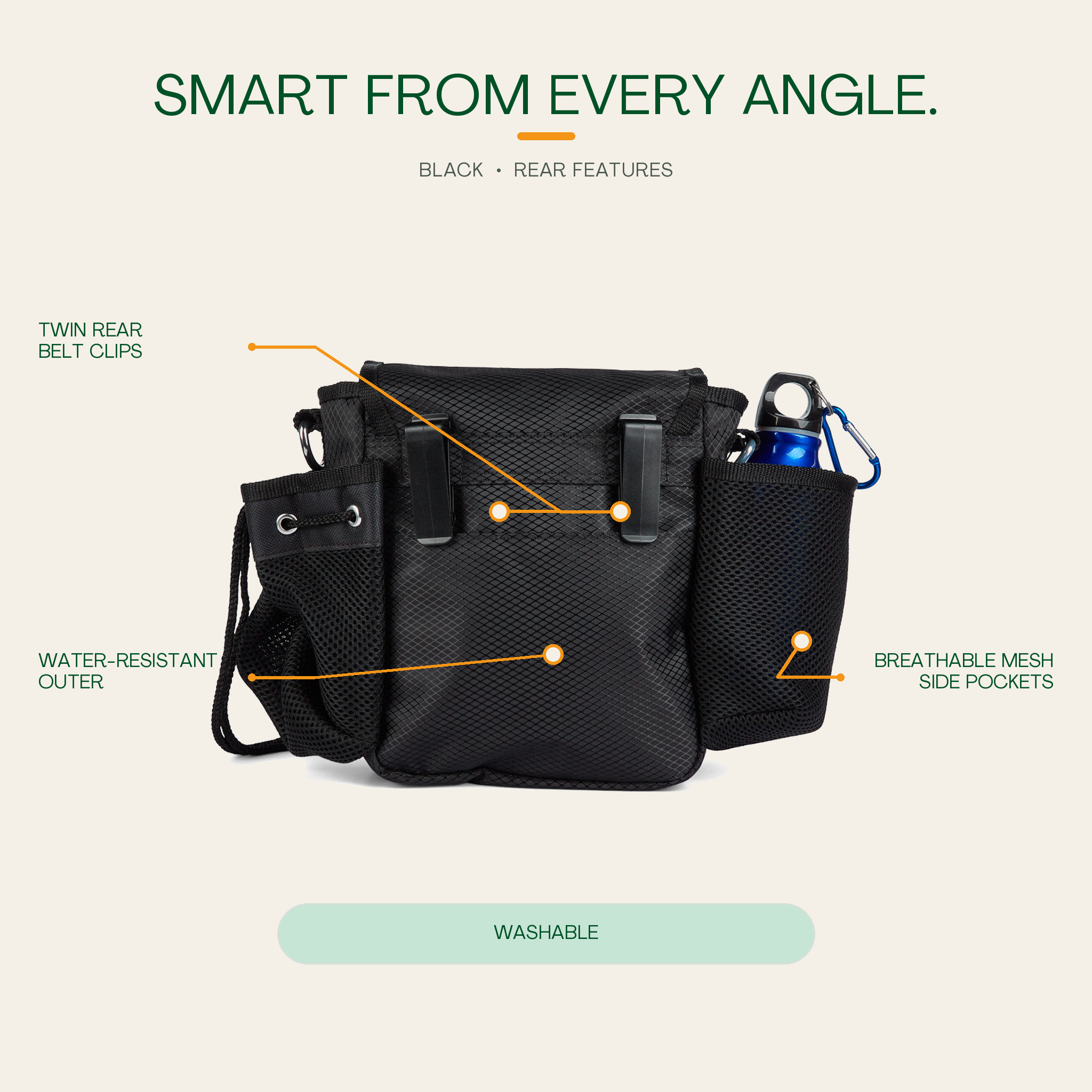
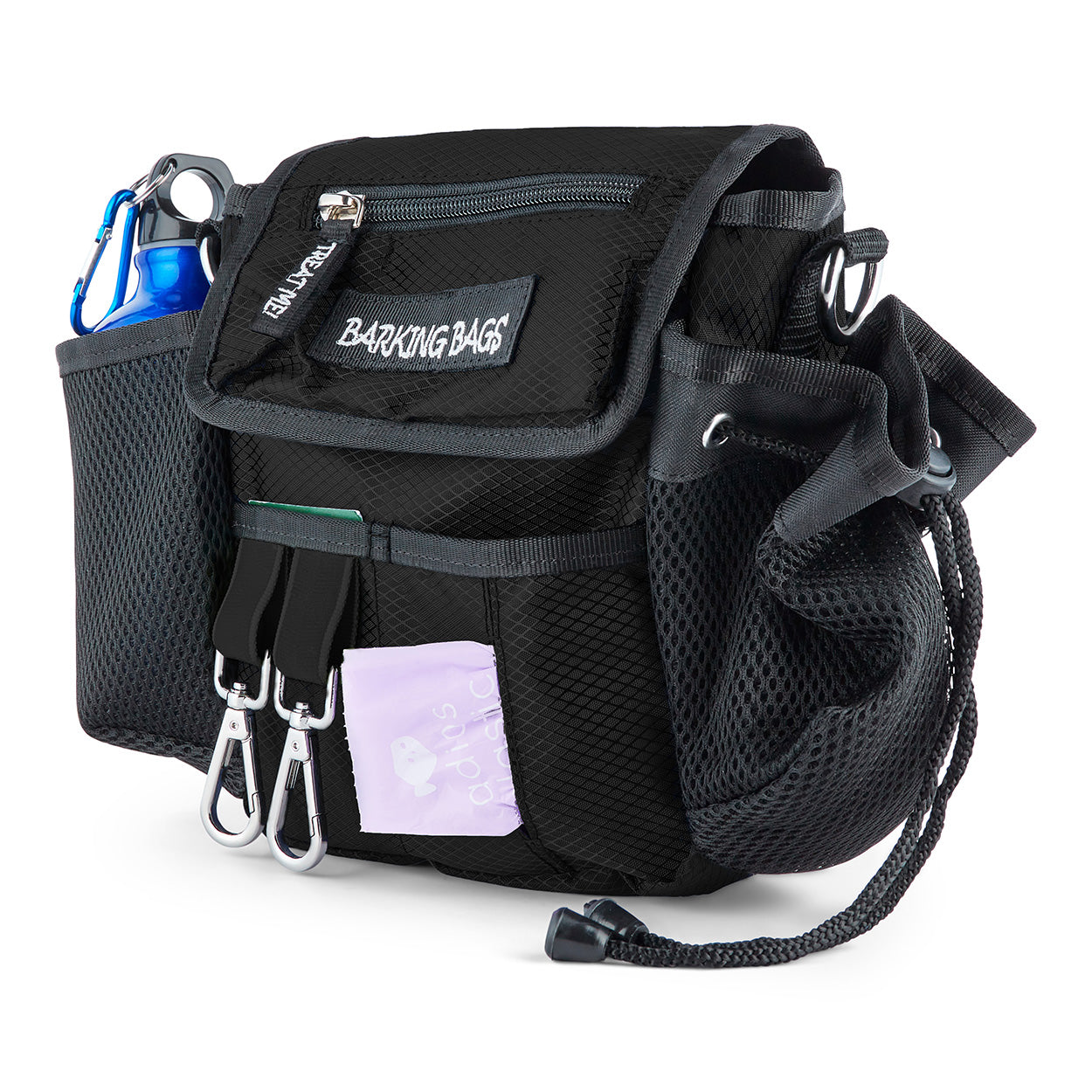
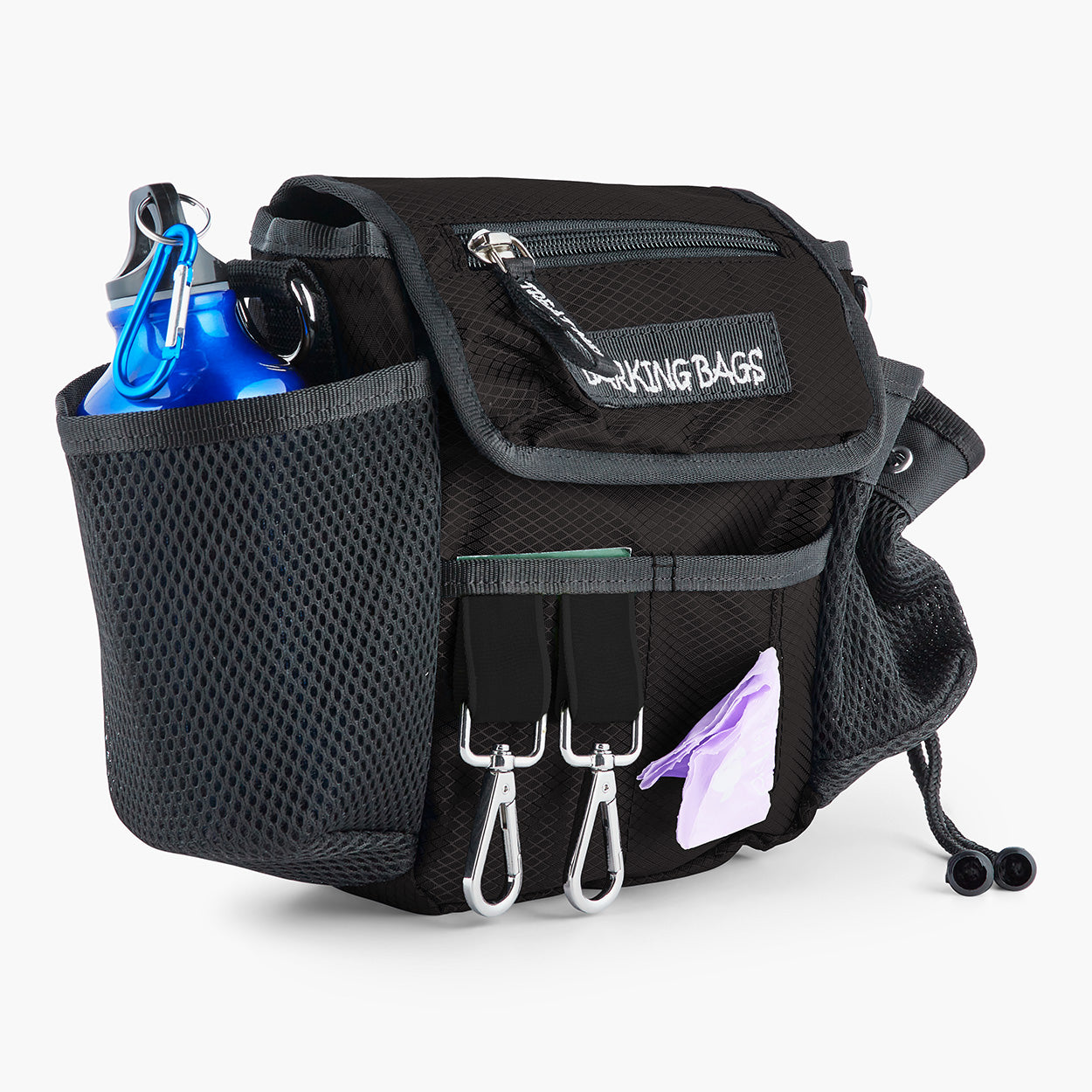
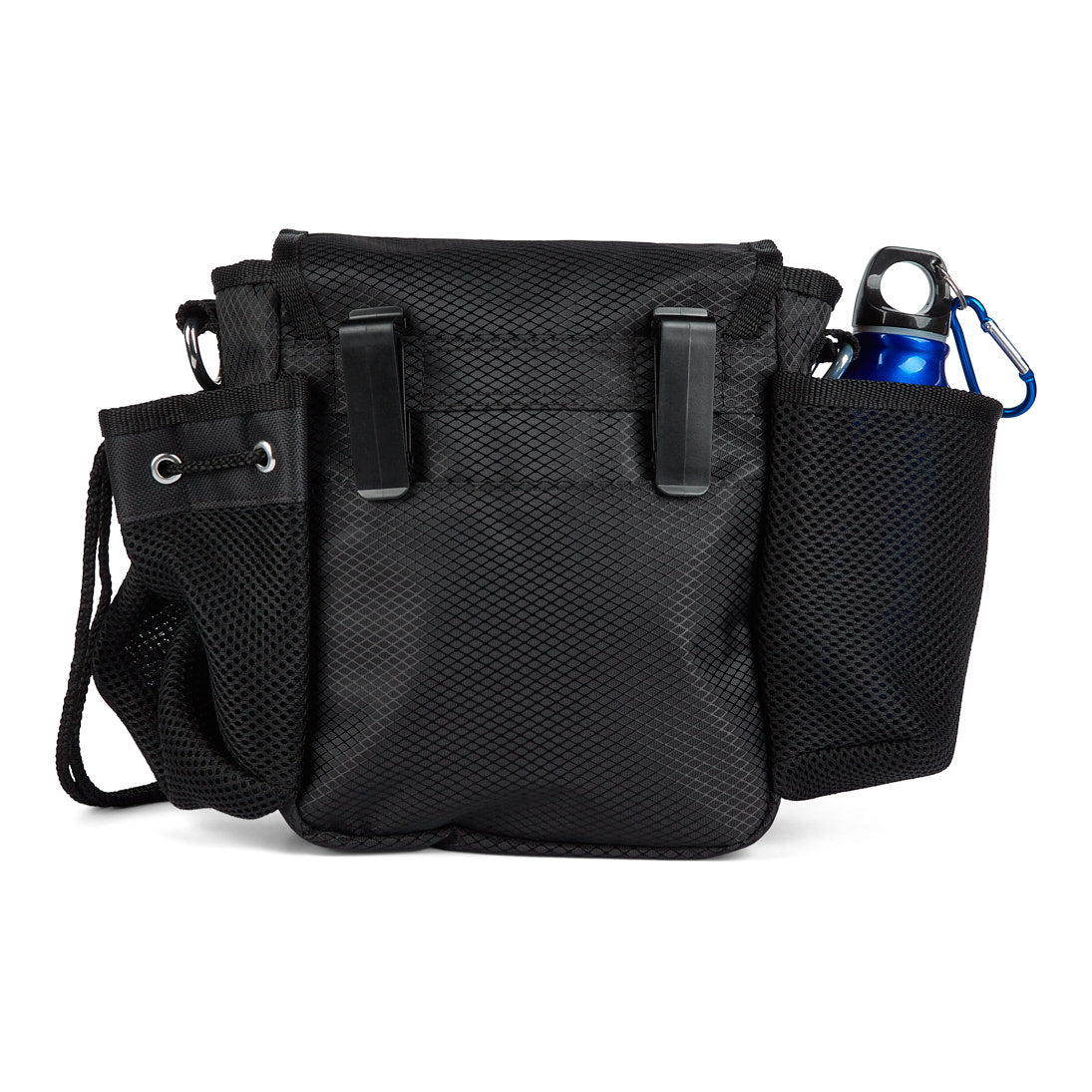
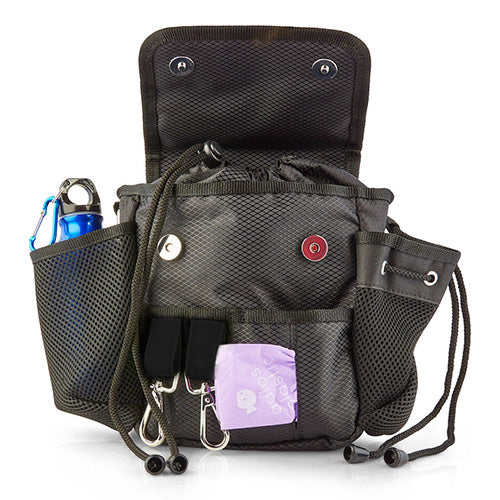
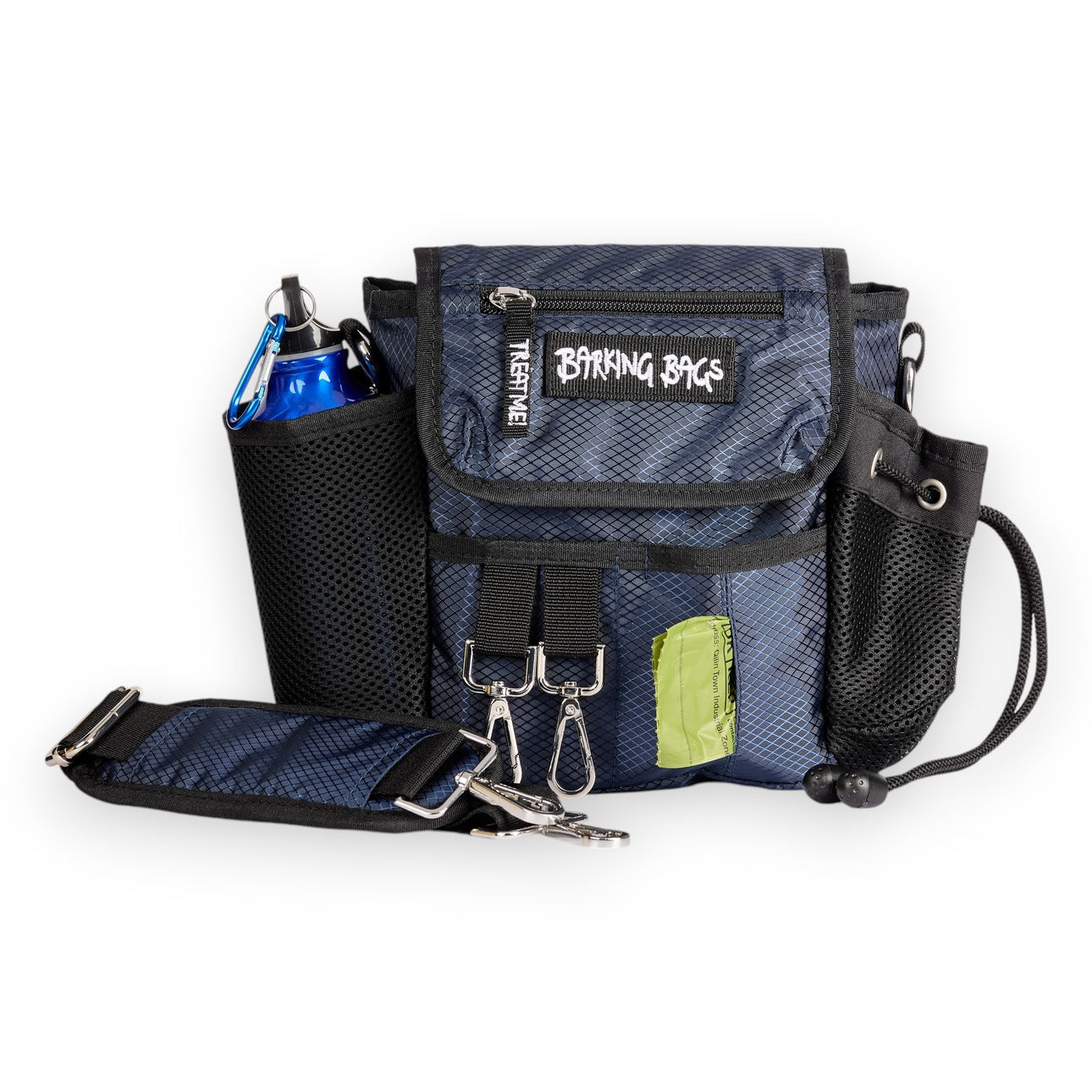
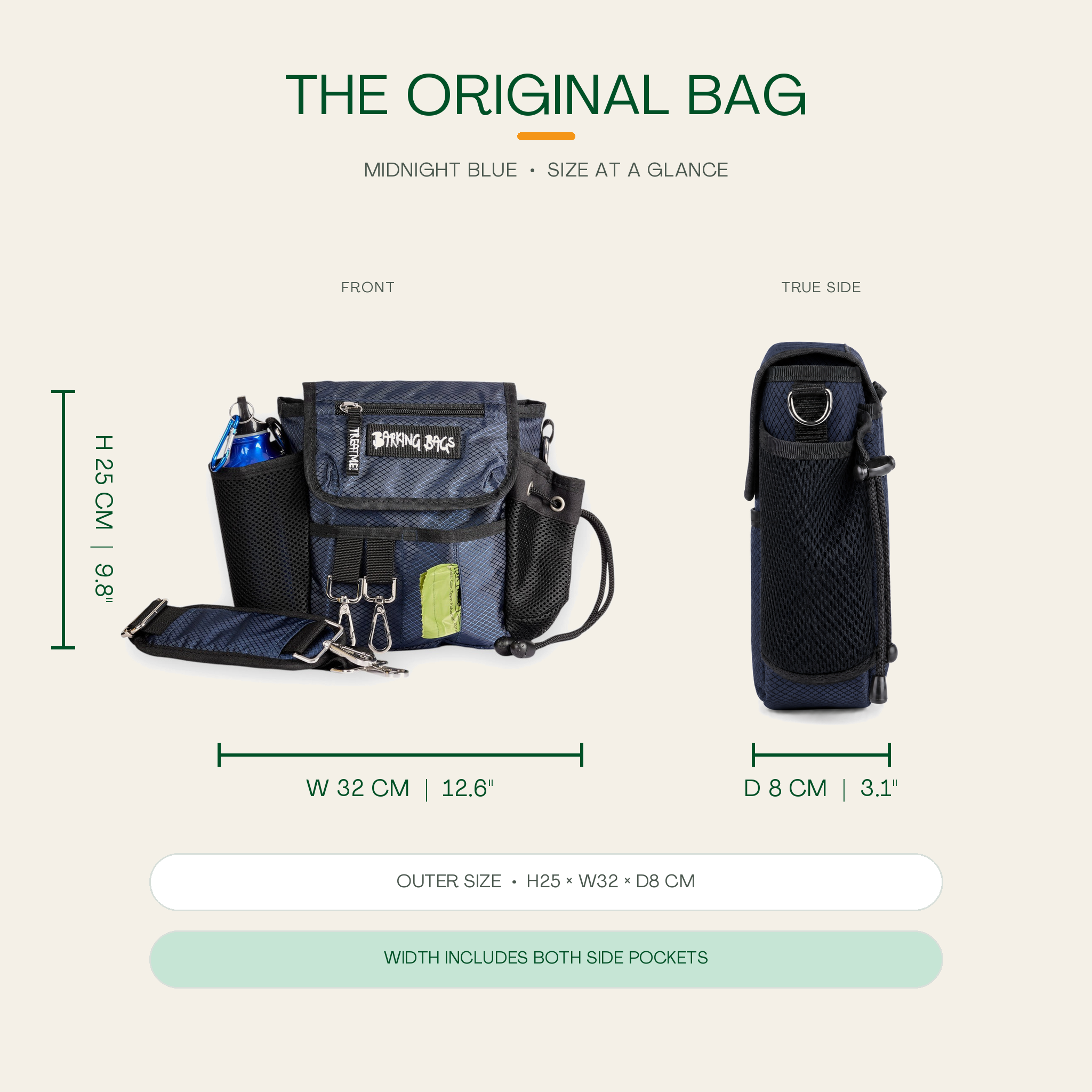
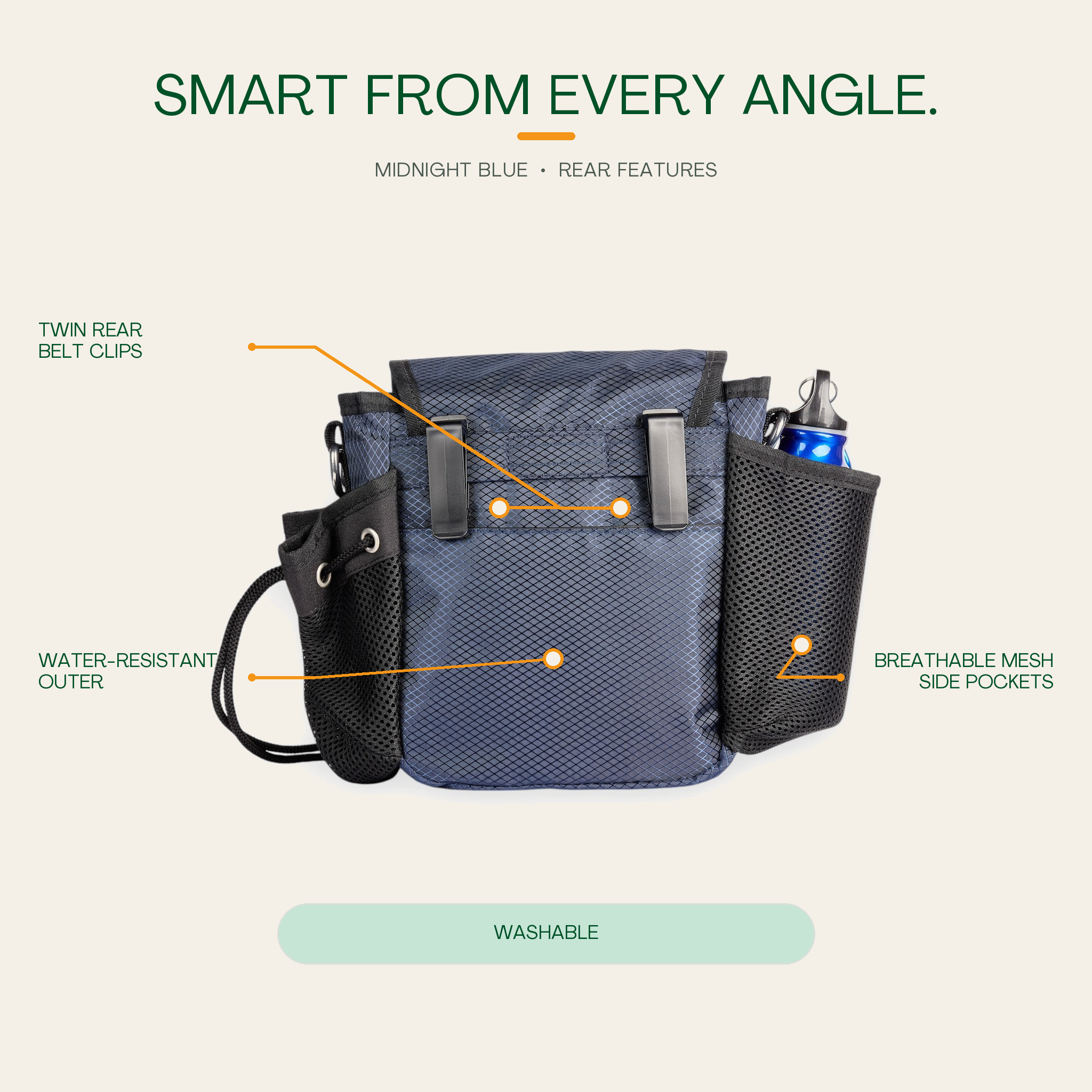
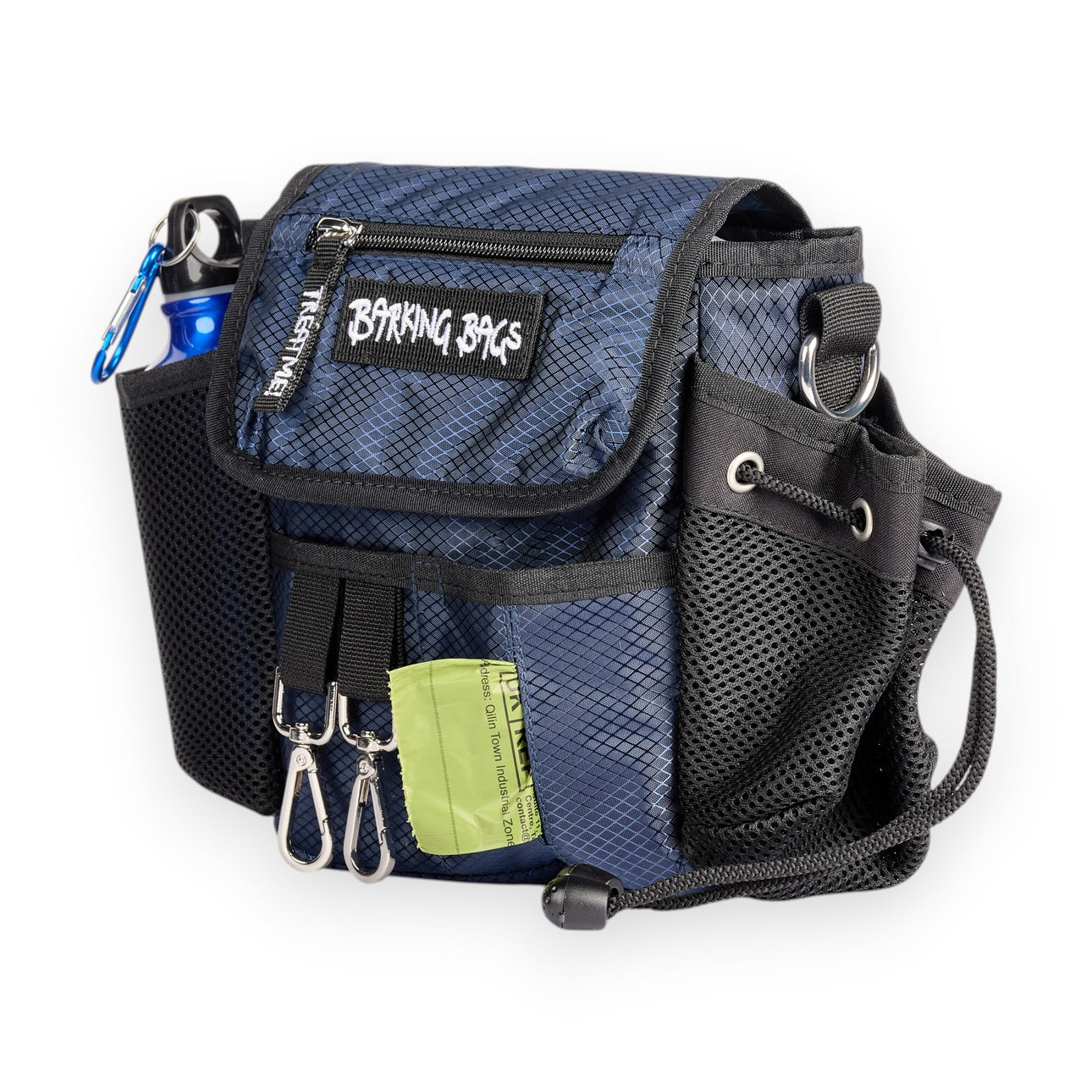
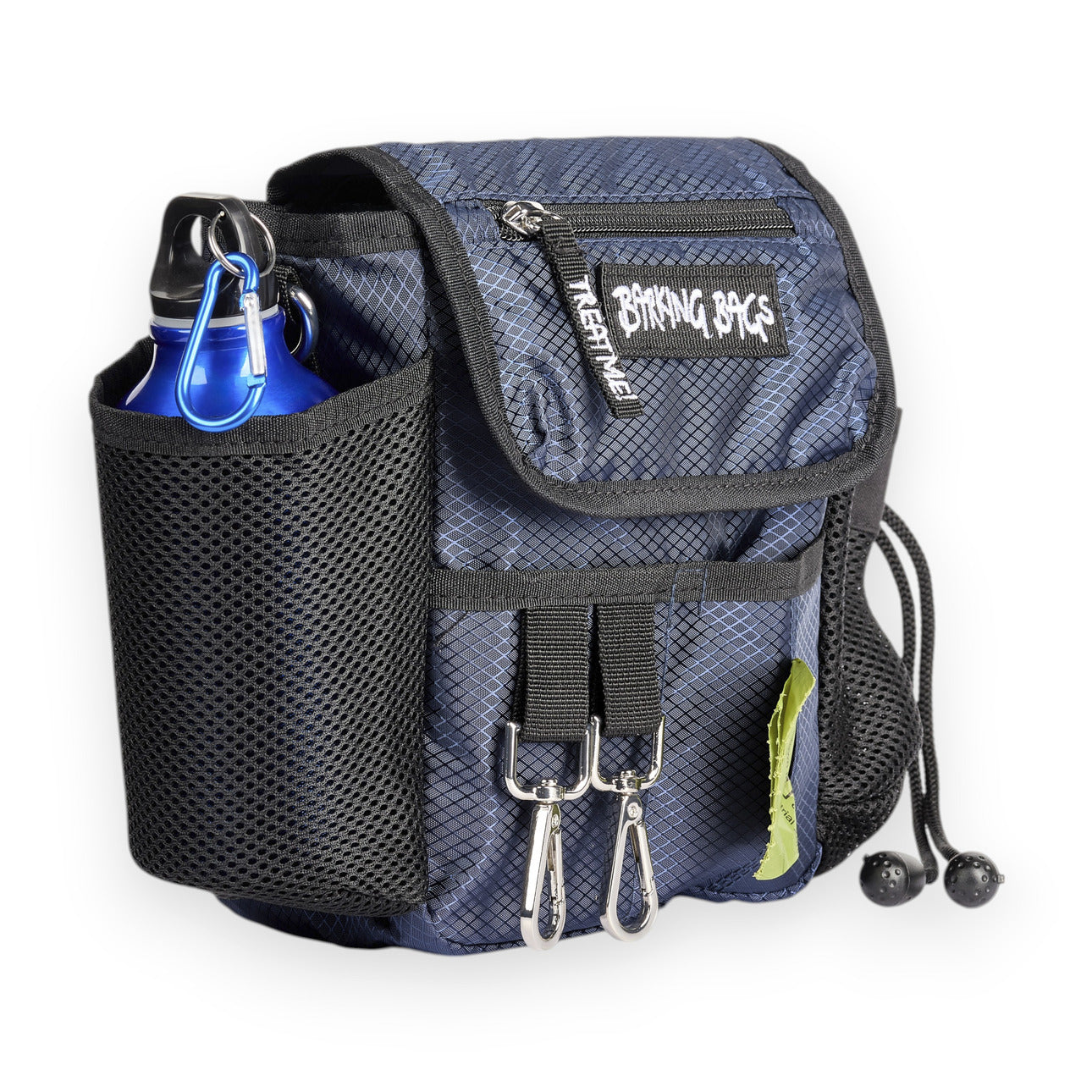
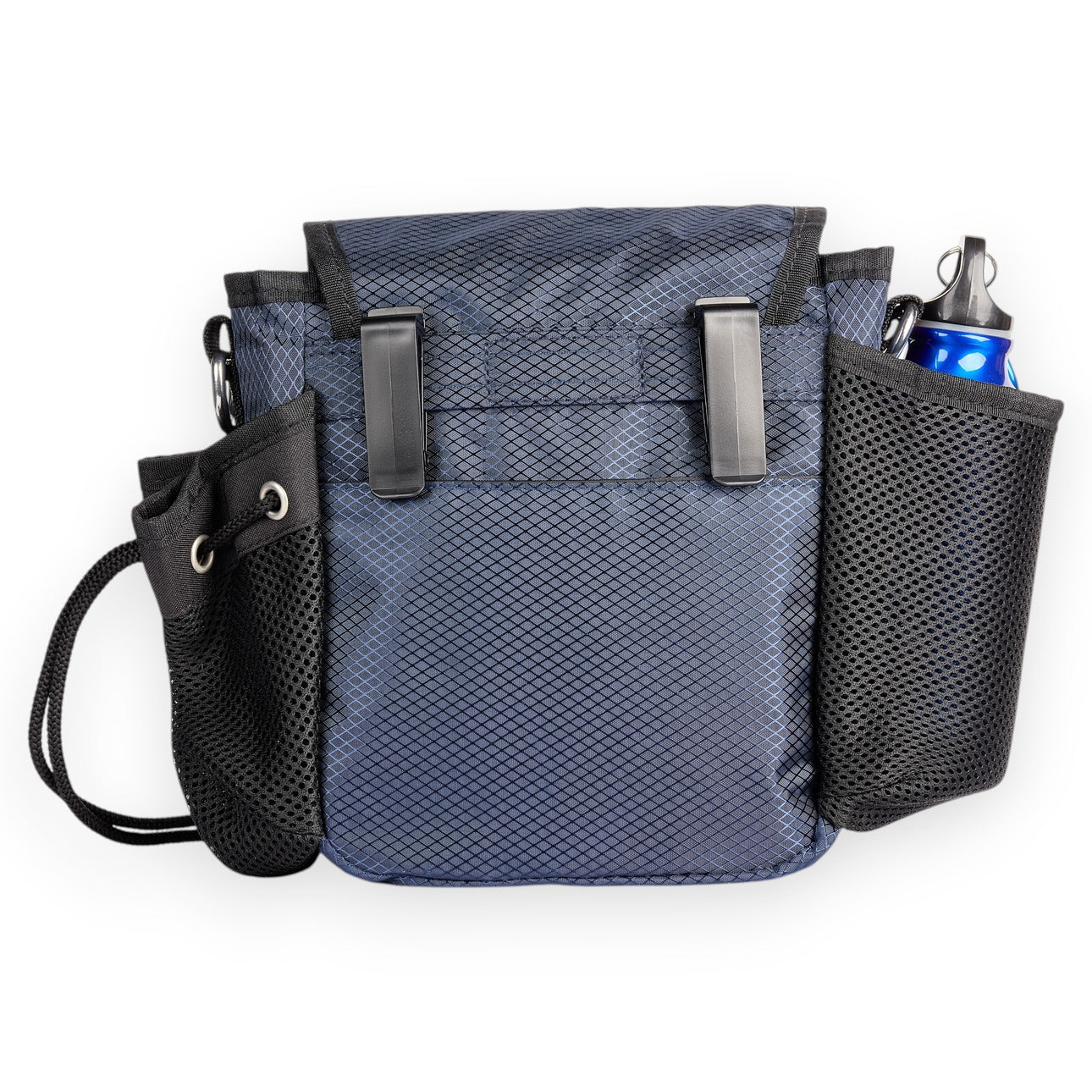
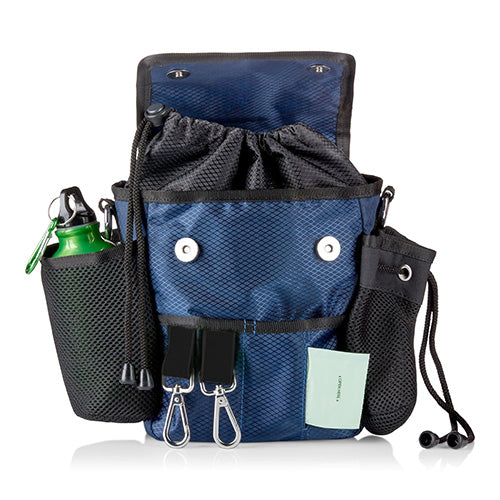
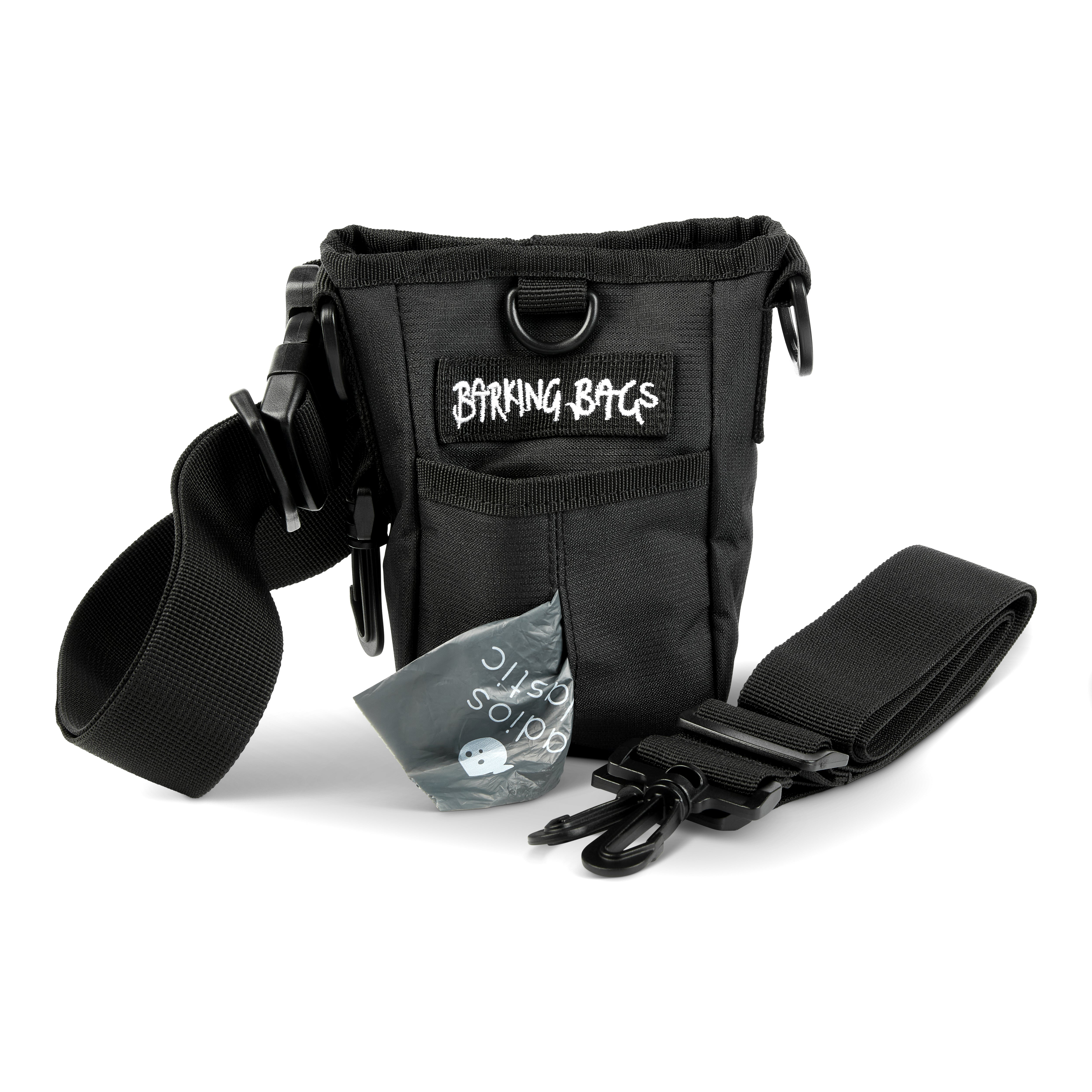
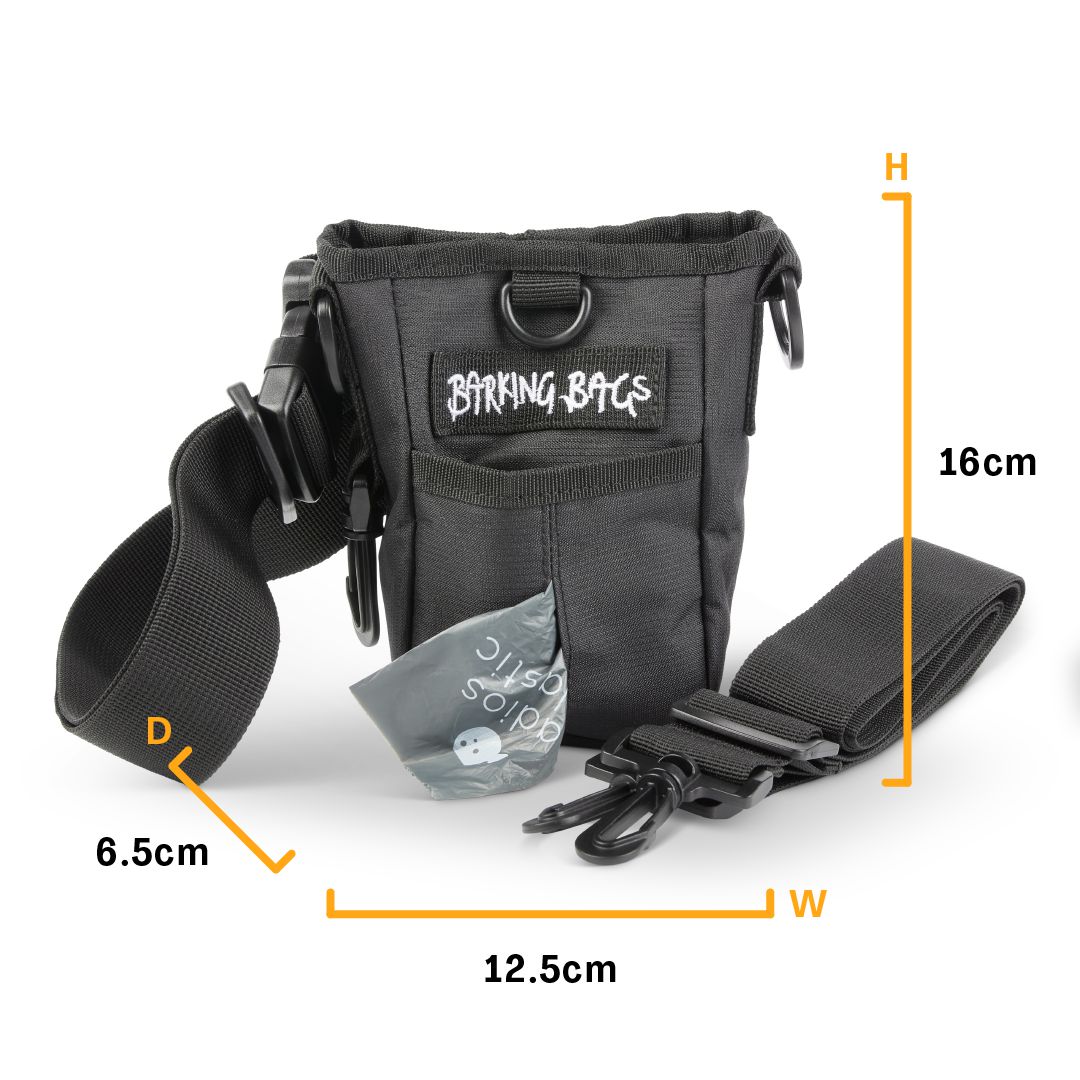
A dog walking bag is built for the whole outing. It is not just about treats. It is about having a proper place for the practical bits that always come with a dog walk. That might mean a treat compartment, but it also means room for waste bags, a purse, keys, mobile phone, sanitiser, spare lead attachments, and anything else you regularly carry.
So this is less a case of one being better in every situation, and more a case of one being narrower and one being broader. A treat pouch is a specialist. A dog walking bag is a system.
When a treat pouch is the better choice
For short, focused sessions, a treat pouch can be exactly what you need. If you are heading out to practise heel work for 15 minutes, working in the garden, or running a structured session at the park, small and lightweight wins. You want rewards within easy reach and very little bulk.
That is also why many trainers prefer a pouch for technical work. Timing matters. A compact pouch clipped around the waist or attached to clothing can feel faster than opening a larger bag, especially when repetition is high and treats are your main tool.
There is also something to be said for simplicity. If your dog walk is genuinely just a quick lap around the block, carrying a full bag may feel unnecessary. Some owners prefer to travel light, especially in warmer weather when coats and big pockets are off the menu.
The trade-off is obvious once the walk stops being quite so quick. The moment you need your mobile phone, your house keys, a ball, or a spare poo bag roll, a treat pouch starts to show its limits.
When a dog walking bag comes into its own
A dedicated dog walking bag earns its place on real-world walks - the kind that rarely go exactly to plan. Maybe your dog gets muddy and you need wipes. Maybe you stop for a coffee. Maybe you are out long enough to need water, or you are walking more than one dog and carrying more kit.
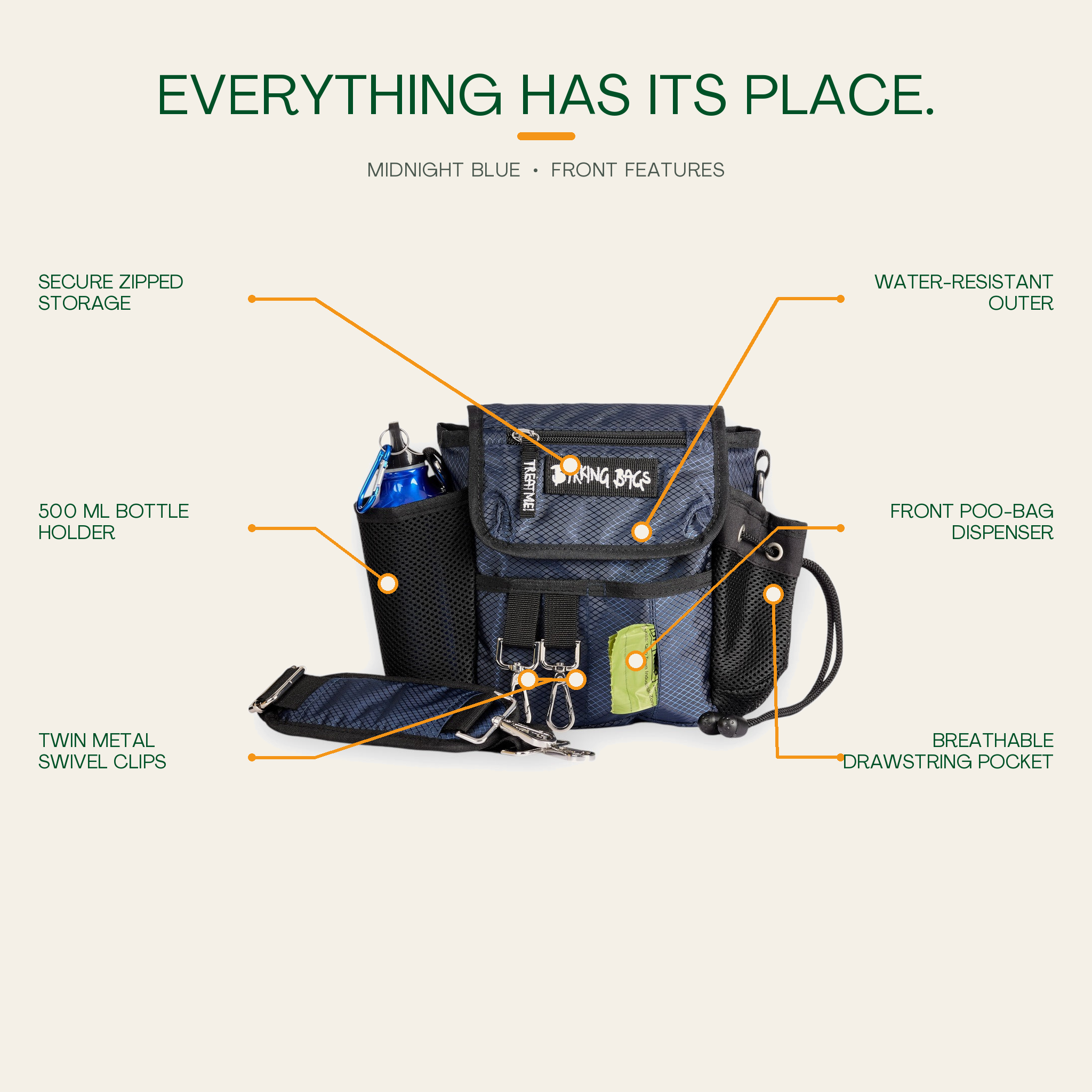
That is where a proper dog walking bag feels less like an extra and more like common sense. Instead of cramming essentials into random pockets or carrying a handbag that was never designed for dog gear, everything has its place. You know where the treats are, where the waste bags are, and where your own items are too.
This matters even more for regular walkers, trainers and professionals. If dog walking is part of your everyday routine, a bag that keeps things organised saves time and cuts down on daily frustration. It is easier to leave the house when your walking setup is already sorted.
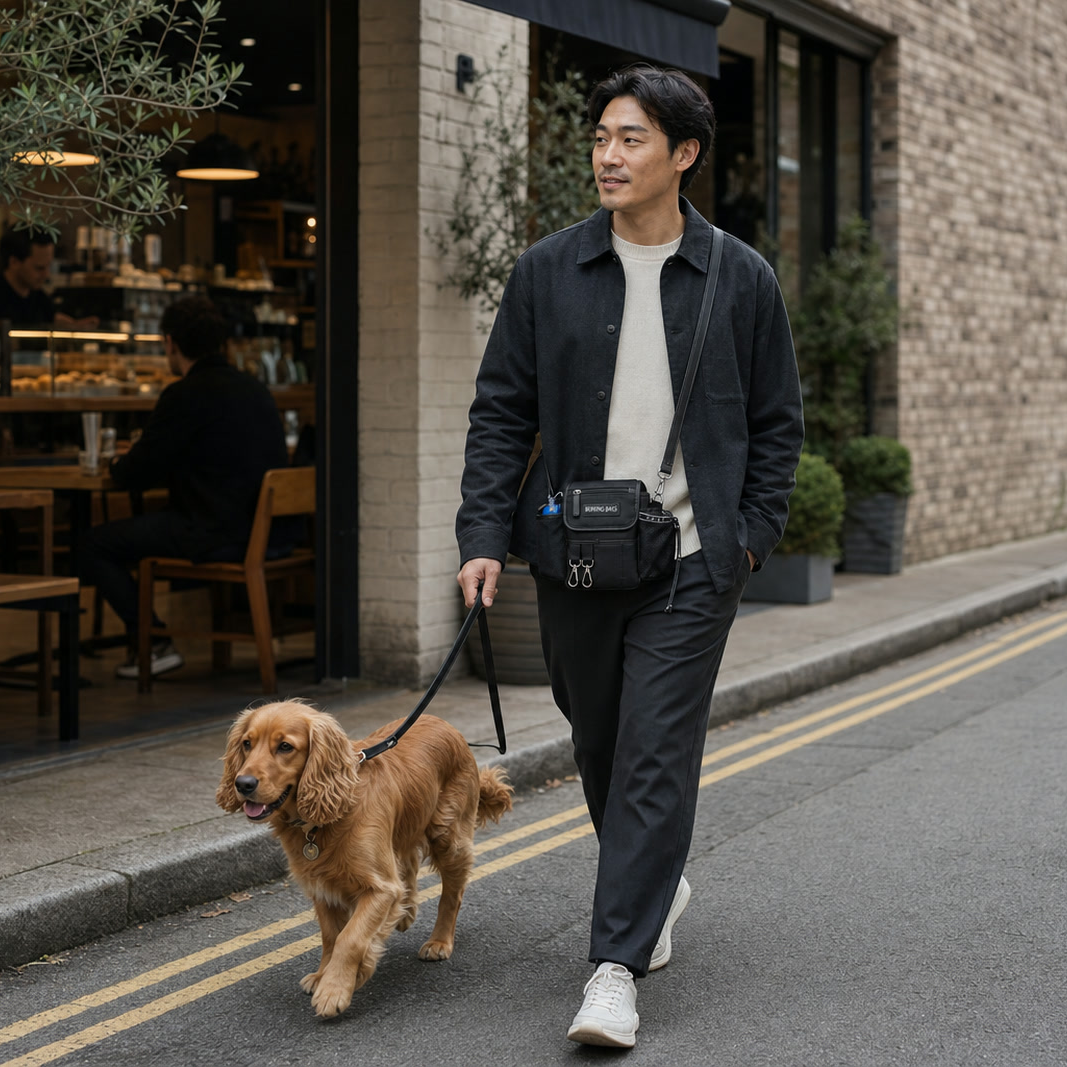
There is also the style factor, and that should not be dismissed as superficial. People want practical kit, but they also want something that looks good and feels considered. A purpose-designed dog walking bag can do the job without looking clunky or makeshift.
Space is not the only issue
Most comparisons focus on capacity, but the better question is how that space works. A large, shapeless bag is not automatically more useful than a smaller well-designed one. Good dog walking storage is about access and organisation, not just volume.
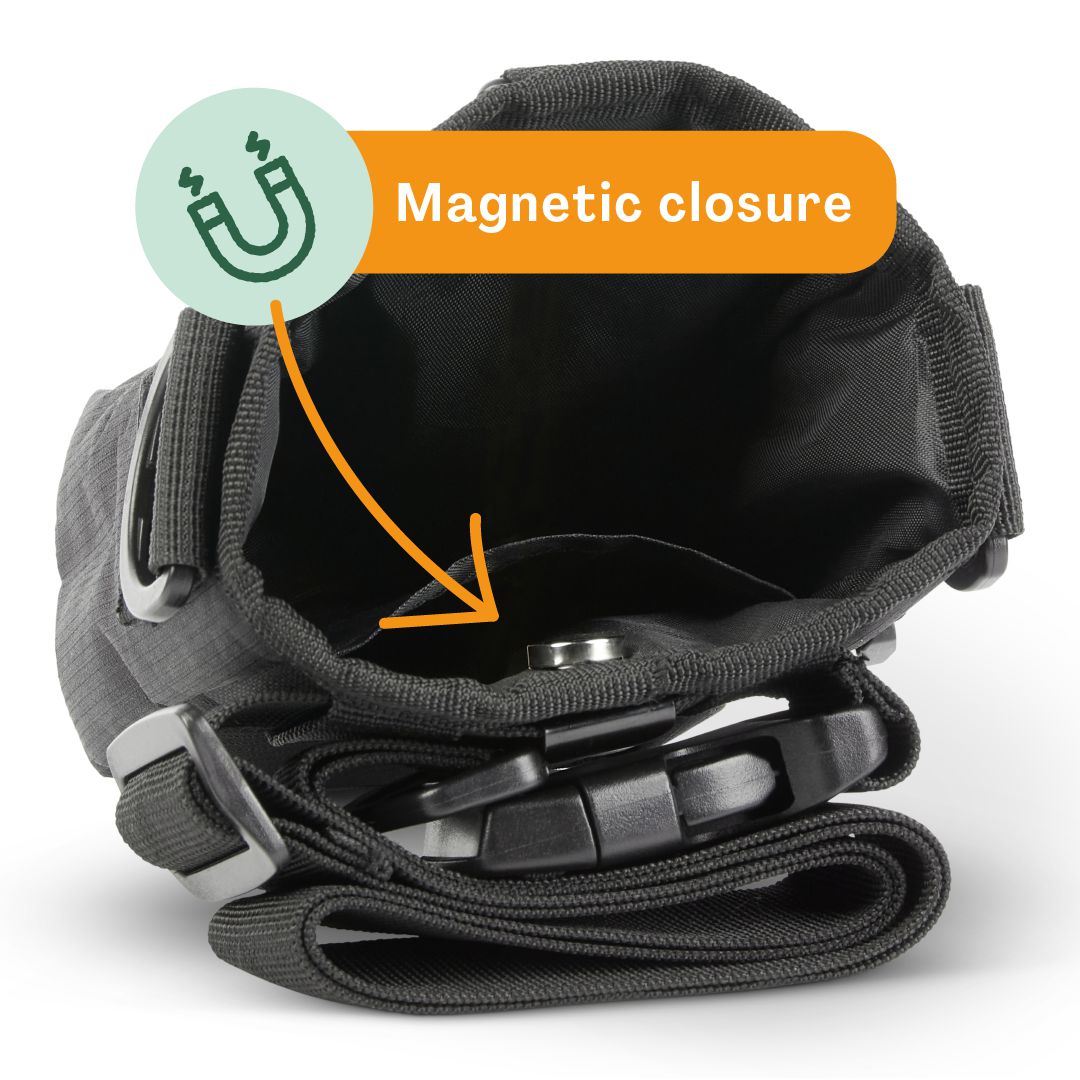
A treat pouch usually has one main priority - holding rewards. Some include a pocket or dispenser, but that is still a limited setup. A dog walking bag, on the other hand, can separate dog essentials from personal items so you are not fishing past crumbs to find your bank card.
That separation matters more than people expect. Treat dust on your keys is annoying. Wet waste bags next to your mobile phone is worse. The right bag reduces all those little irritations that make walks feel untidy.
Comfort changes your decision
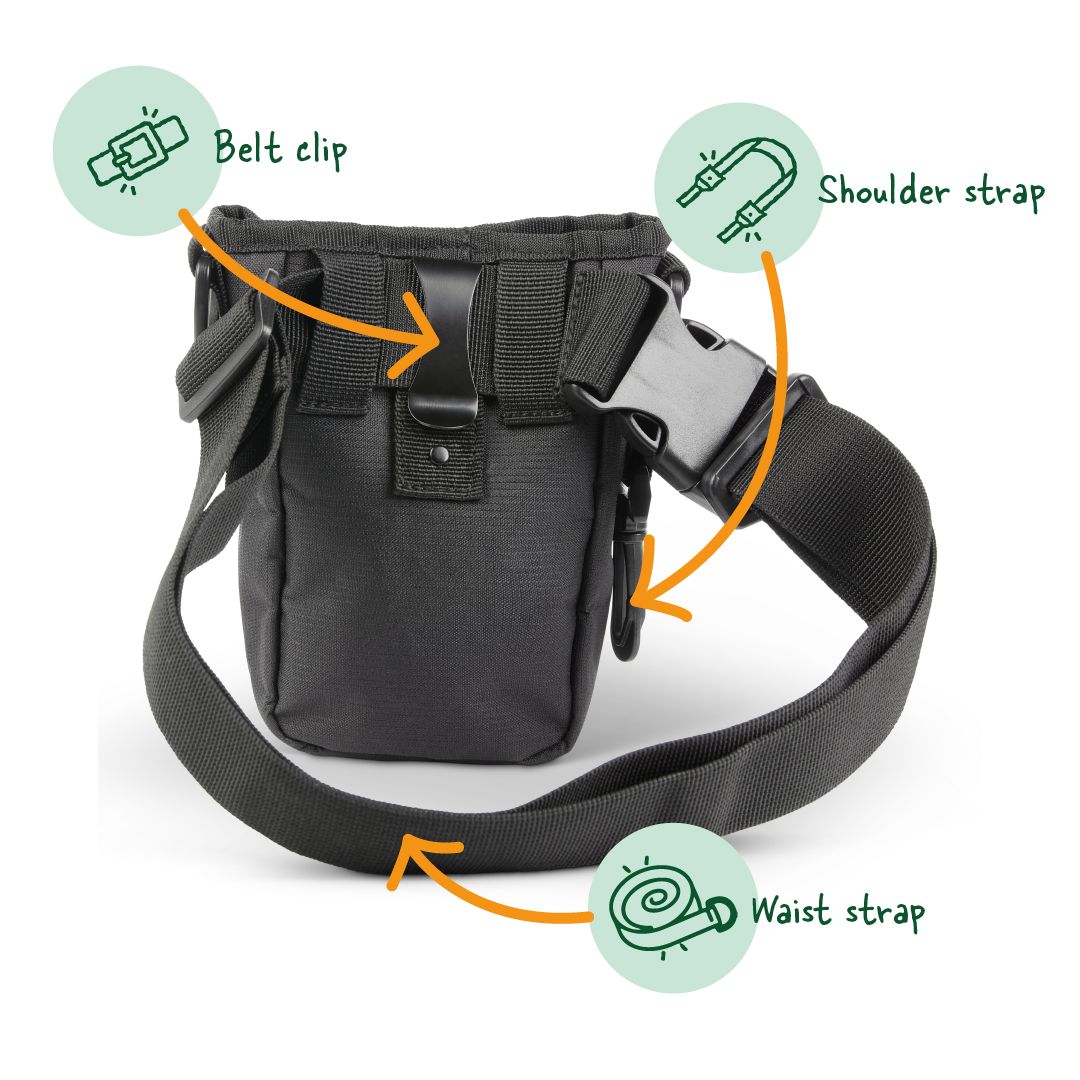
The best bag is the one you will actually want to carry. That sounds obvious, but comfort is where many people make the wrong choice. A treat pouch can be brilliant for mobility, but if it bounces, digs in, or shifts during a long walk, it quickly becomes distracting.
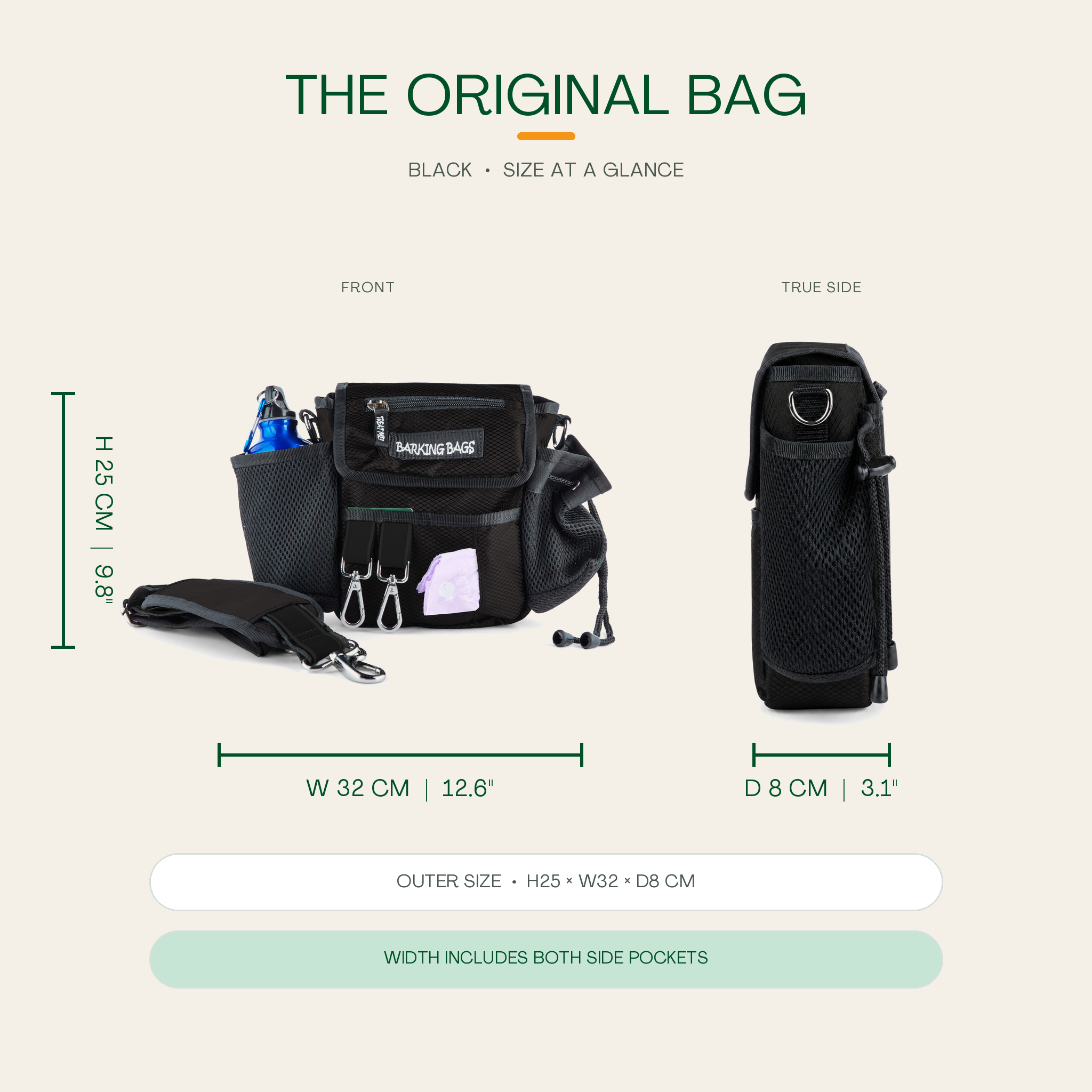
The same goes for larger bags. If a dog walking bag is too bulky, poorly balanced or awkward to wear, it will stay by the door. The sweet spot is a bag that holds what you need without becoming a burden.
For many owners, the answer comes down to duration. On shorter walks, a pouch may feel freer. On longer walks, a well-designed dog walking bag often wins because the load is carried more comfortably and more neatly. The more often you walk, the more that comfort matters.
Think about your dog, not just your gear
Your dog’s walking style should shape your decision. A calm older dog on predictable walks creates very different needs from an energetic adolescent still in training. If your dog needs frequent rewards, a treat pouch may feel essential. If your dog’s walks involve multiple items and changing environments, a dedicated bag becomes far more useful.
Owners of puppies often discover they need both function and flexibility. Early walks can involve treats, poo bags, wipes, spare leads, and a lot of patience. In that stage, carrying only a pouch can feel optimistic.
If you walk several dogs, the case for a dog walking bag gets even stronger. More leads, more treats, more waste bags, more variables. Professional walkers and busy multi-dog households usually need a setup built around routine, not improvisation.
Should you choose one or use both?
For plenty of dog owners, this is not really a treat pouch versus dog walking bag decision at all. It is about how the two work together. A treat pouch can be ideal for dedicated training moments, while a dog walking bag handles the wider job of carrying everything else.
That combination suits people who want fast access to rewards without sacrificing organisation. It is especially useful if training is a consistent part of your walks rather than a separate activity. You get the convenience of immediate reinforcement and the practicality of a proper bag.
That said, not everyone wants two pieces of kit. If you prefer a simpler setup, think about the problem you are trying to solve. If it is mostly treat access, start with a pouch. If it is the daily chaos of juggling dog and personal essentials, start with a dog walking bag.
How to decide without overthinking it
Ask yourself what usually ends up in your hands or pockets by the time you leave the house. If the answer is just treats and a poo bag roll, a pouch may be enough. If it is treats, mobile phone, keys, lead accessories, toys and bits you are forever misplacing, that points firmly towards a dog walking bag.
Also be honest about your routine, not your ideal one. Many people imagine they only need something small, then end up carrying twice as much every day. The right choice is the one that fits your actual walks in real British weather, real parks, and real life.
A specialist brand like Barking Bags exists for exactly that reason - because dog walking is not an afterthought, and the things you carry deserve better than coat pockets and an old tote.
The best setup is the one that makes getting out with your dog feel easier, tidier and more enjoyable. If your current routine feels like a juggling act, that is usually a sign you have already got your answer.