
You know the moment. You have a lead in one hand, a half-open poo bag in the other, your dog is suddenly very interested in a pigeon, and the treats you shoved into your coat pocket have turned into a crumbly mess. If you have ever asked, is a dog treat bag worth it, the short answer is yes for most dog owners - but it depends on how you walk, train and carry your essentials.
A treat bag is one of those accessories that can seem optional until you use one properly. Then it quickly becomes part of the routine. Not because it is flashy, but because it solves a very specific problem: keeping rewards easy to reach without making the rest of your walk more awkward.
Is a dog treat bag worth it for everyday walks?
For plenty of owners, yes. The main benefit is speed. If you are rewarding loose lead walking, recall, calm behaviour around other dogs or simply good manners at the kerb, timing matters. Fumbling through a pocket or a handbag is slow, and dogs notice the delay.
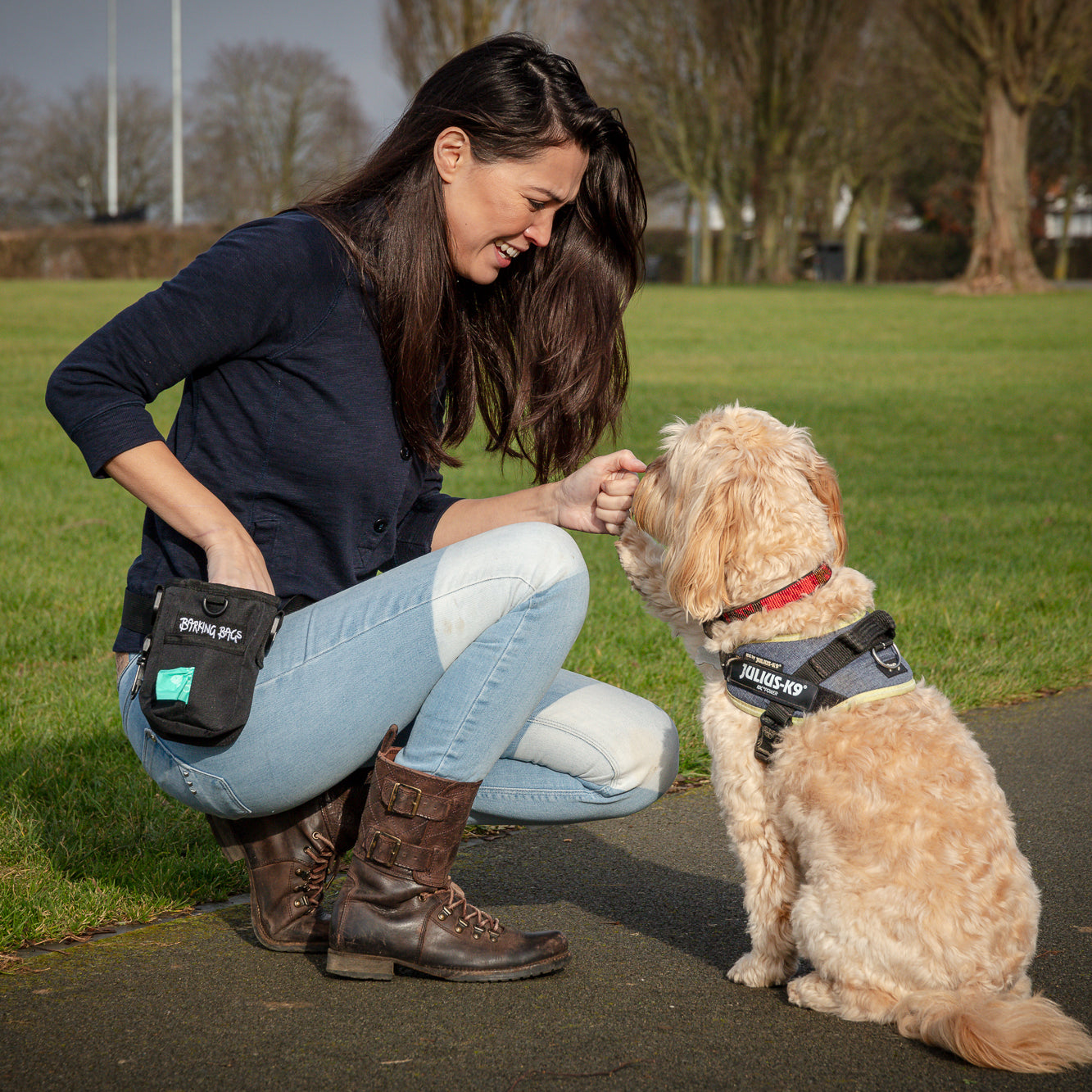
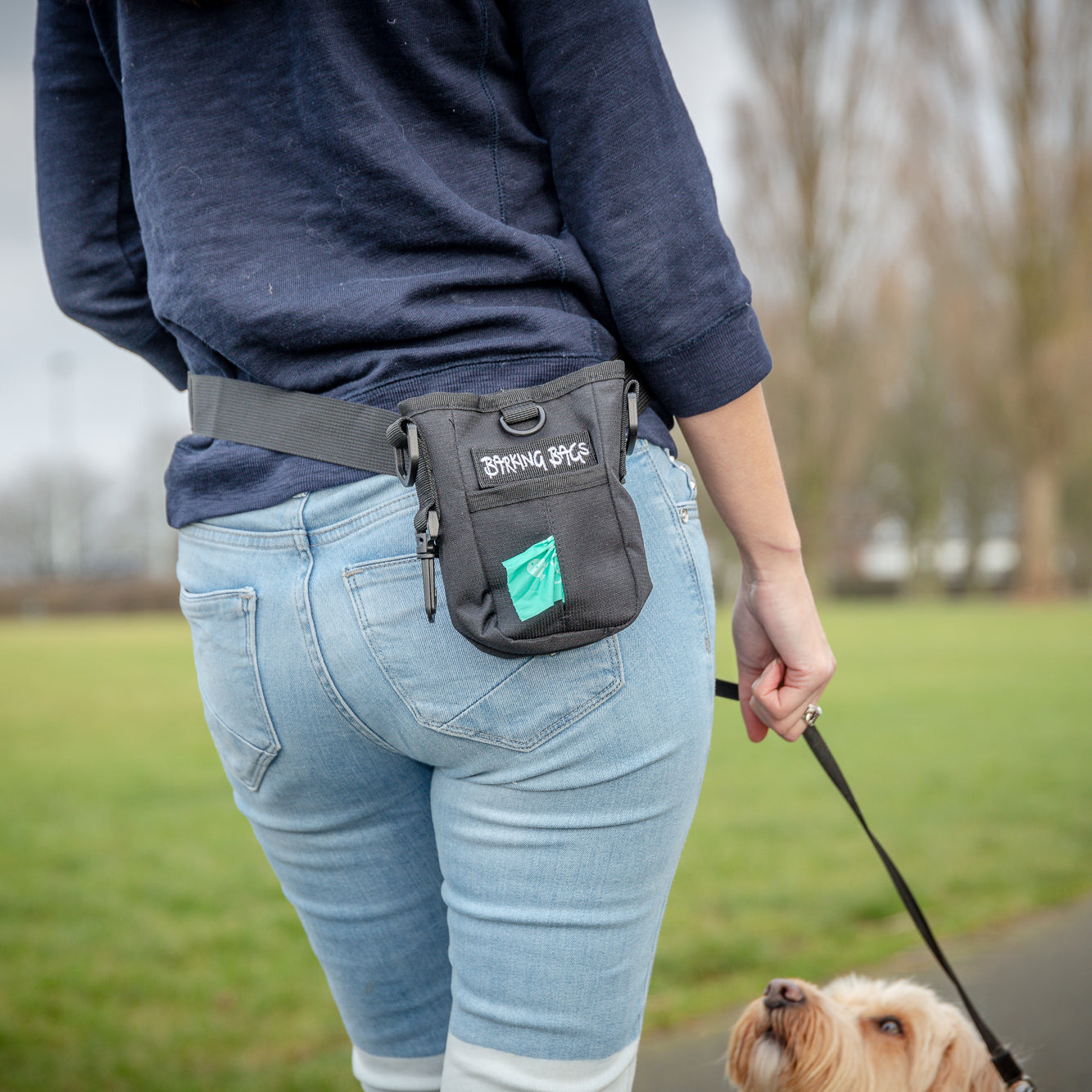
A dedicated treat bag keeps rewards where you need them, at hand level and ready to grab. That sounds small, but on a real walk it changes everything. You can mark the behaviour and reward straight away instead of patting down three pockets while your dog loses interest or moves on.
There is also the cleanliness factor. Treats in coat pockets pick up fluff, pocket lint and whatever else is lurking in there. Soft treats leave grease marks. Dry treats break. Cheese cubes become a decision you regret by the end of the park. A treat bag creates a separate space for dog rewards so your everyday things do not end up smelling of liver bites.
That said, not every dog owner needs one. If your dog is older, settled and rarely needs food reinforcement outdoors, a full treat bag may feel unnecessary. If you only bring one or two biscuits on a short pavement walk, your pocket might genuinely be enough. Worth it depends less on the bag itself and more on how often you need easy access to treats.
Where a treat bag makes the biggest difference
Training is the clearest example. If you are working on recall, reactivity, focus, loose lead walking or puppy basics, a treat bag earns its place quickly. These are all situations where good timing matters and repeated rewards are part of the process.
For puppies, especially, a treat bag can save a lot of hassle. Puppy walks are not really just walks. They are training sessions with sniff breaks, surprise sit-downs, bursts of pulling and lots of chances to reward calm choices. Having treats ready without rummaging around helps keep those moments smooth.
Professional dog walkers and trainers tend to get even more value from one because they rely on routine and efficiency. If you are managing multiple dogs, carrying leads, waste bags, keys and a phone, anything that reduces juggling is useful. A proper setup feels less like an extra accessory and more like basic kit.
Even for casual owners, the difference shows up when distractions do. If your dog goes from angel to chaos the second another dog appears, reaching a reward quickly can help redirect attention before things escalate. That is much harder when the treats are buried somewhere inconvenient.
What makes a dog treat bag actually useful?
Not all treat bags are worth buying. Some are too flimsy, too small, awkward to open one-handed or annoying to clean. If a bag adds friction to the walk, it defeats the point.
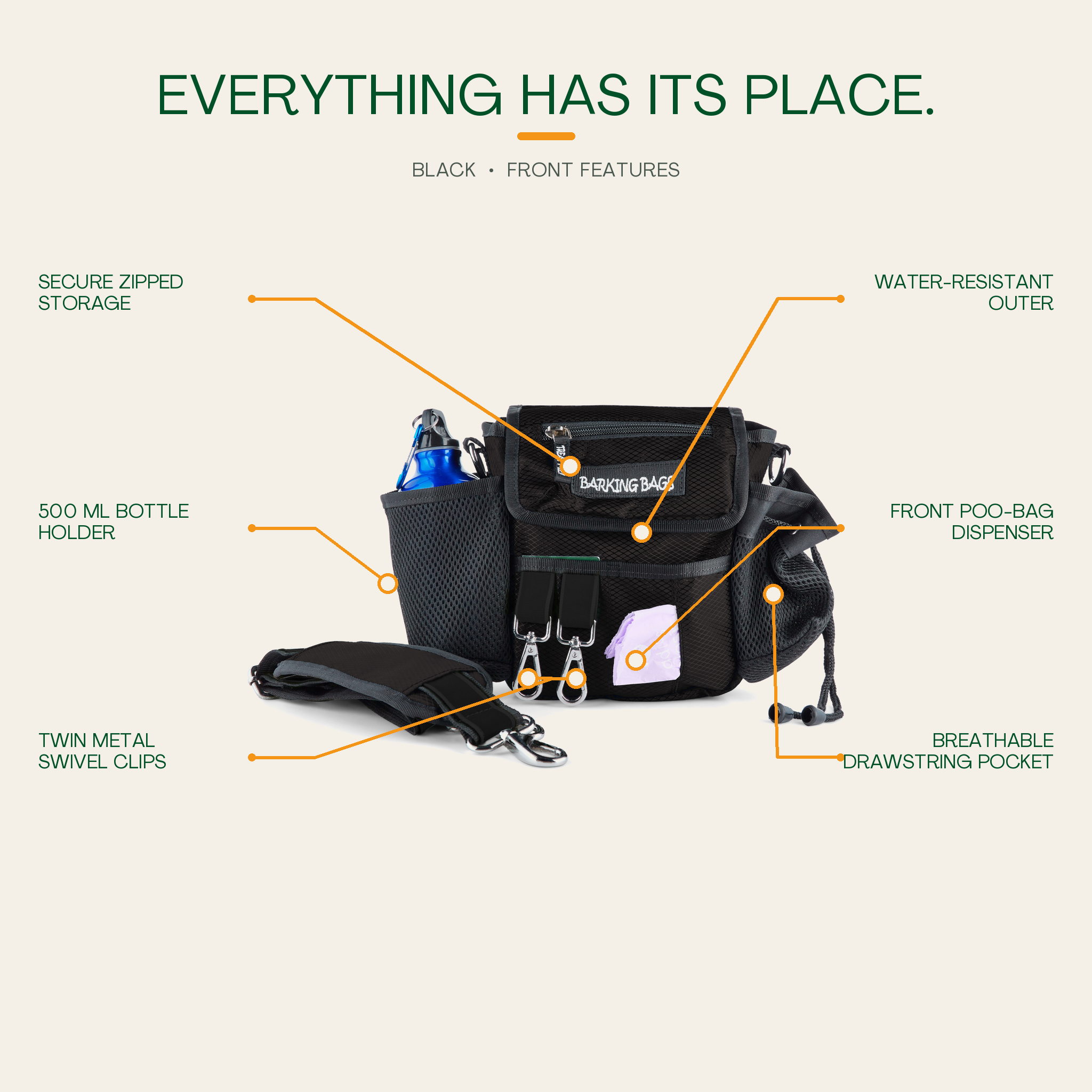
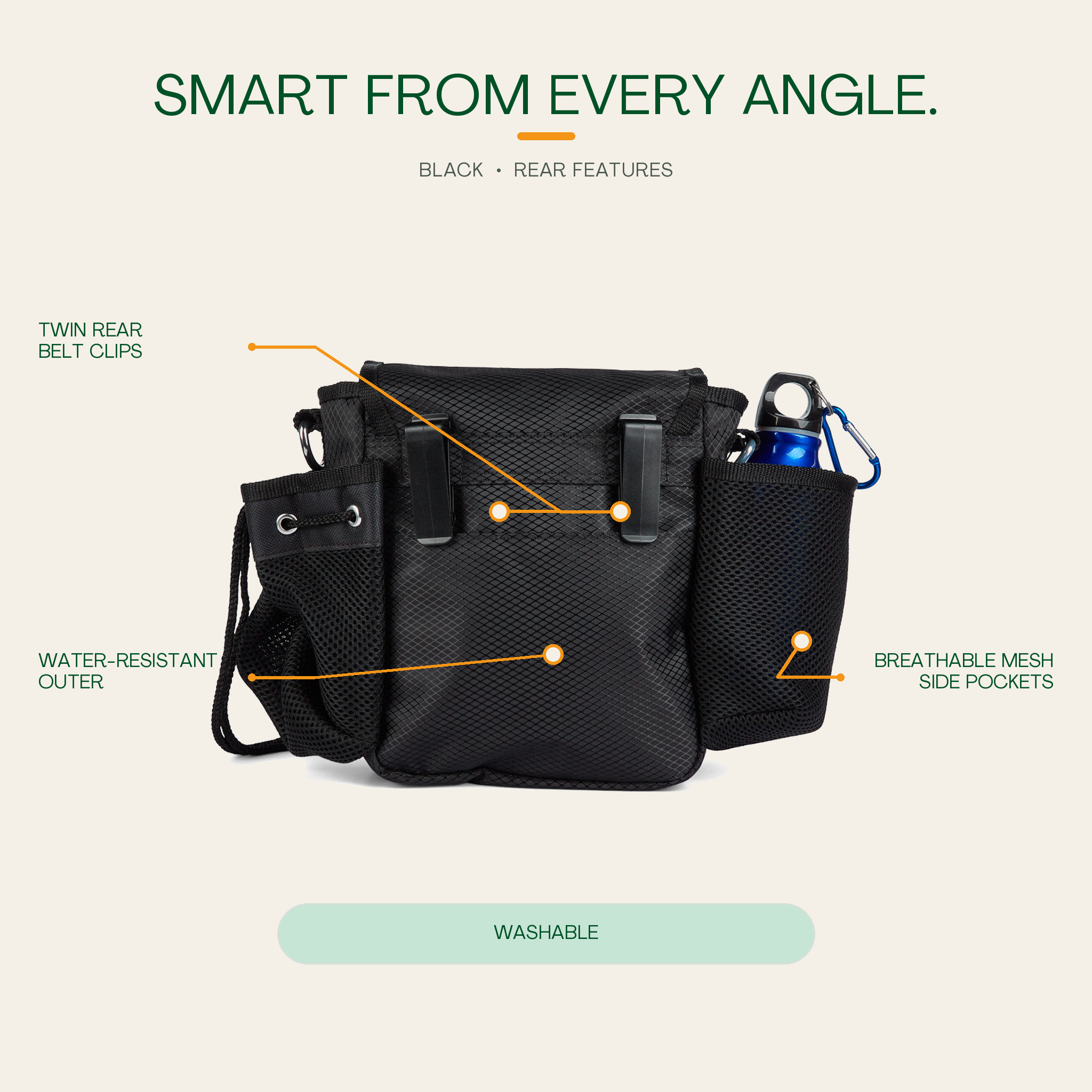
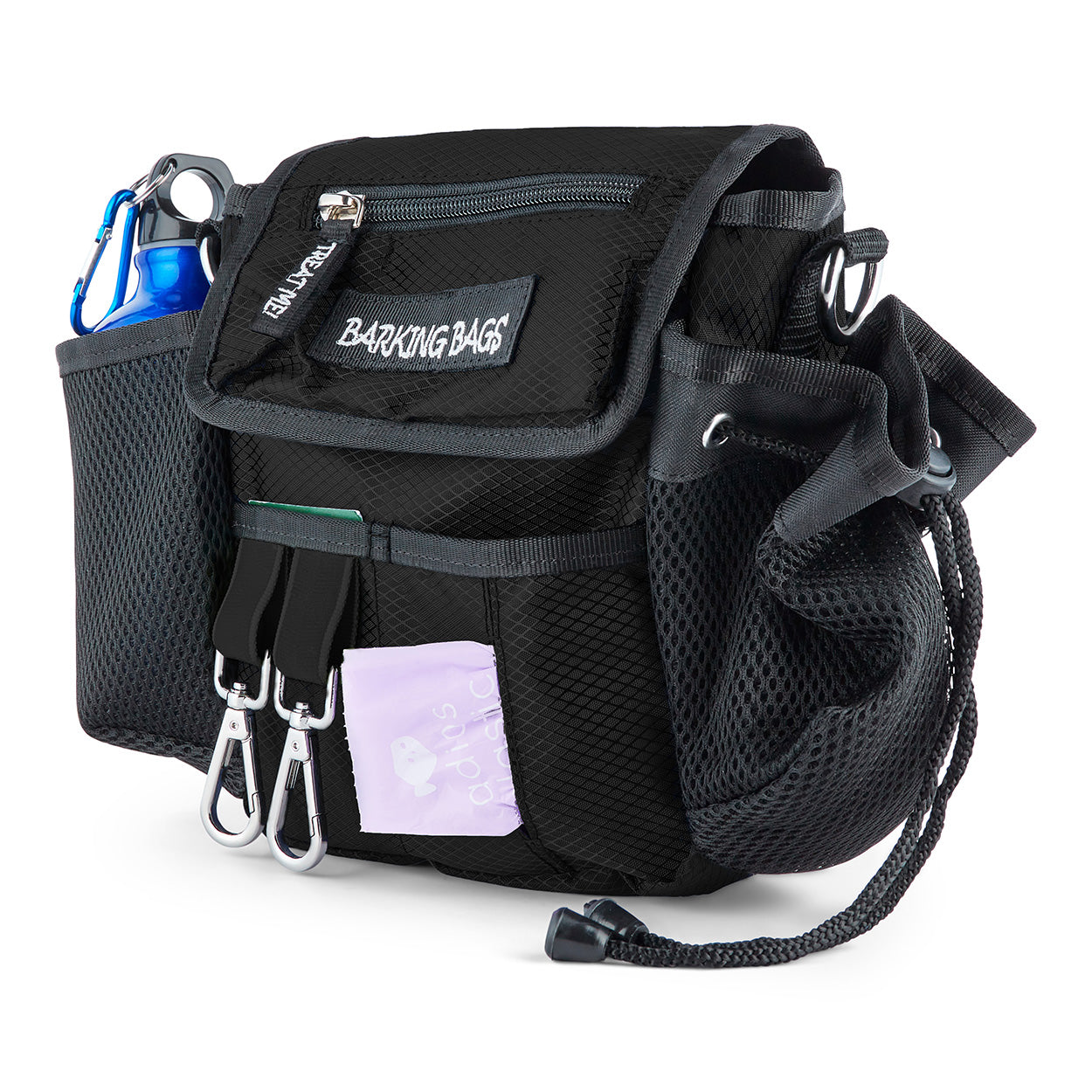
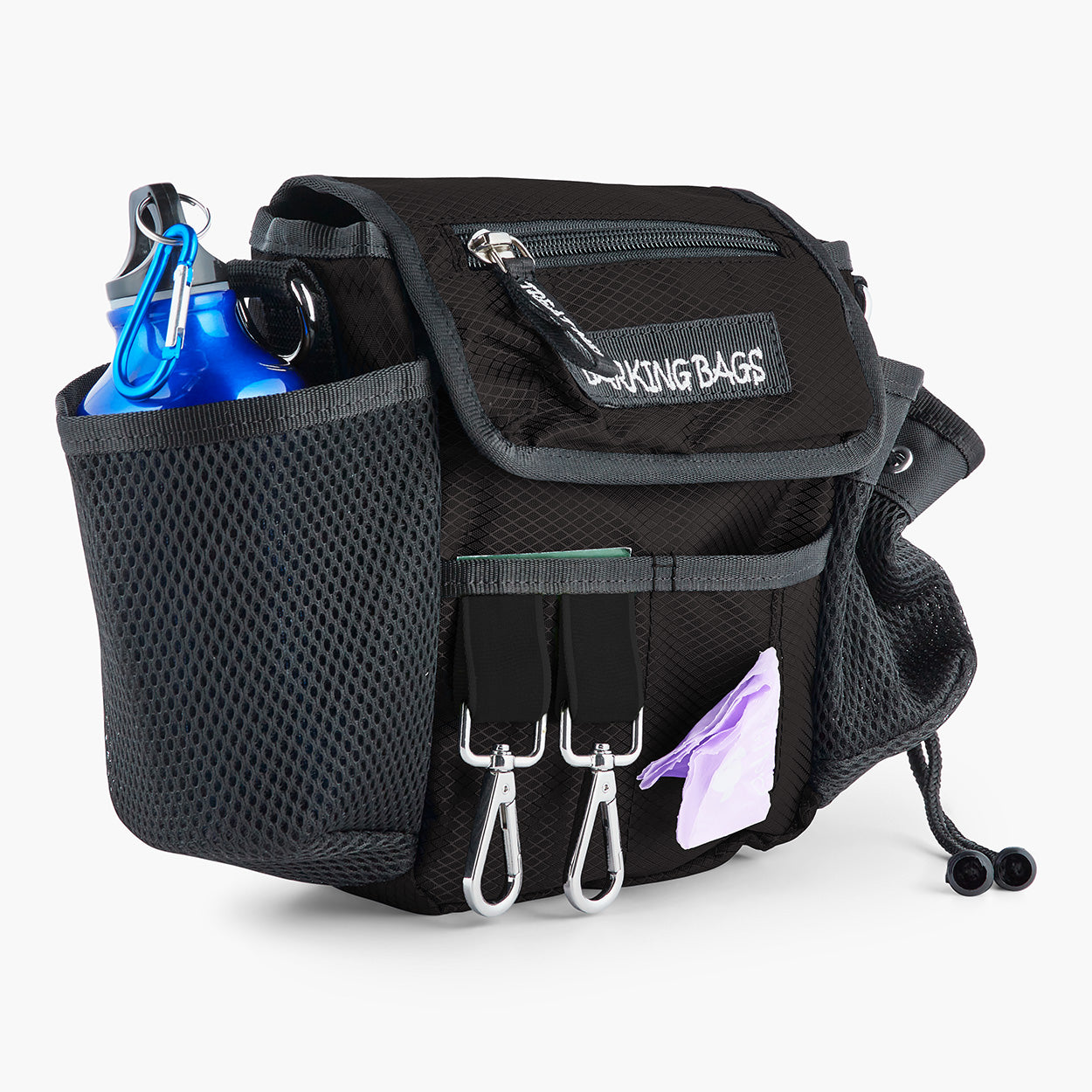
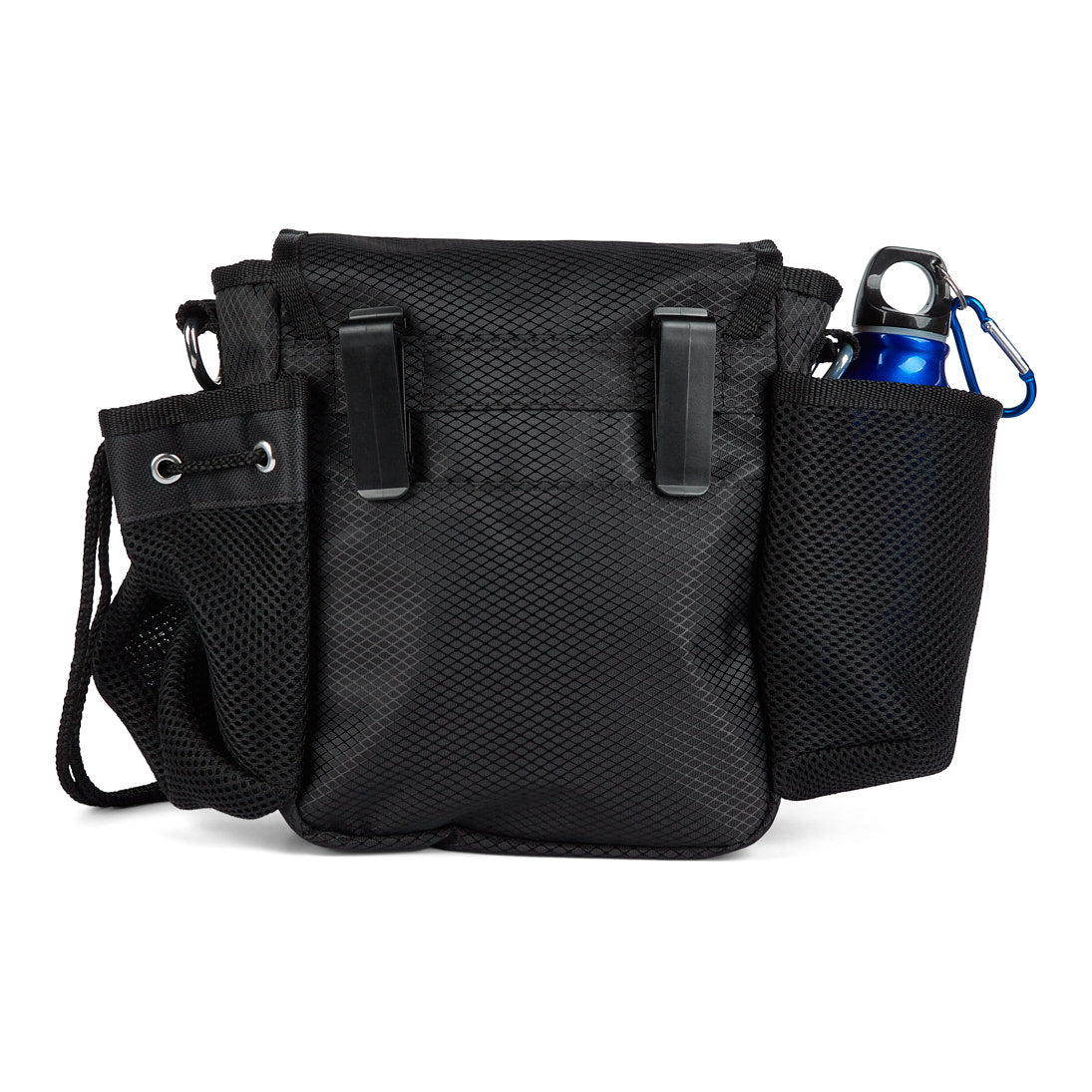
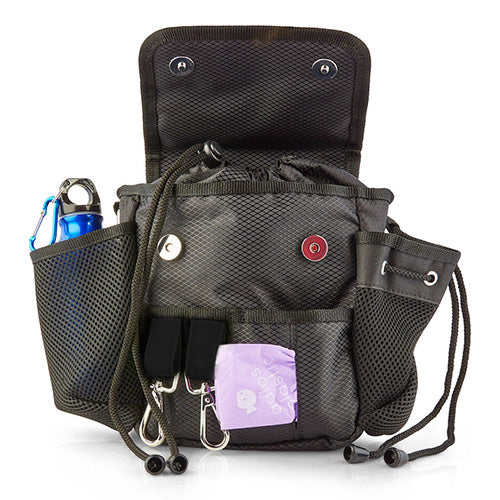
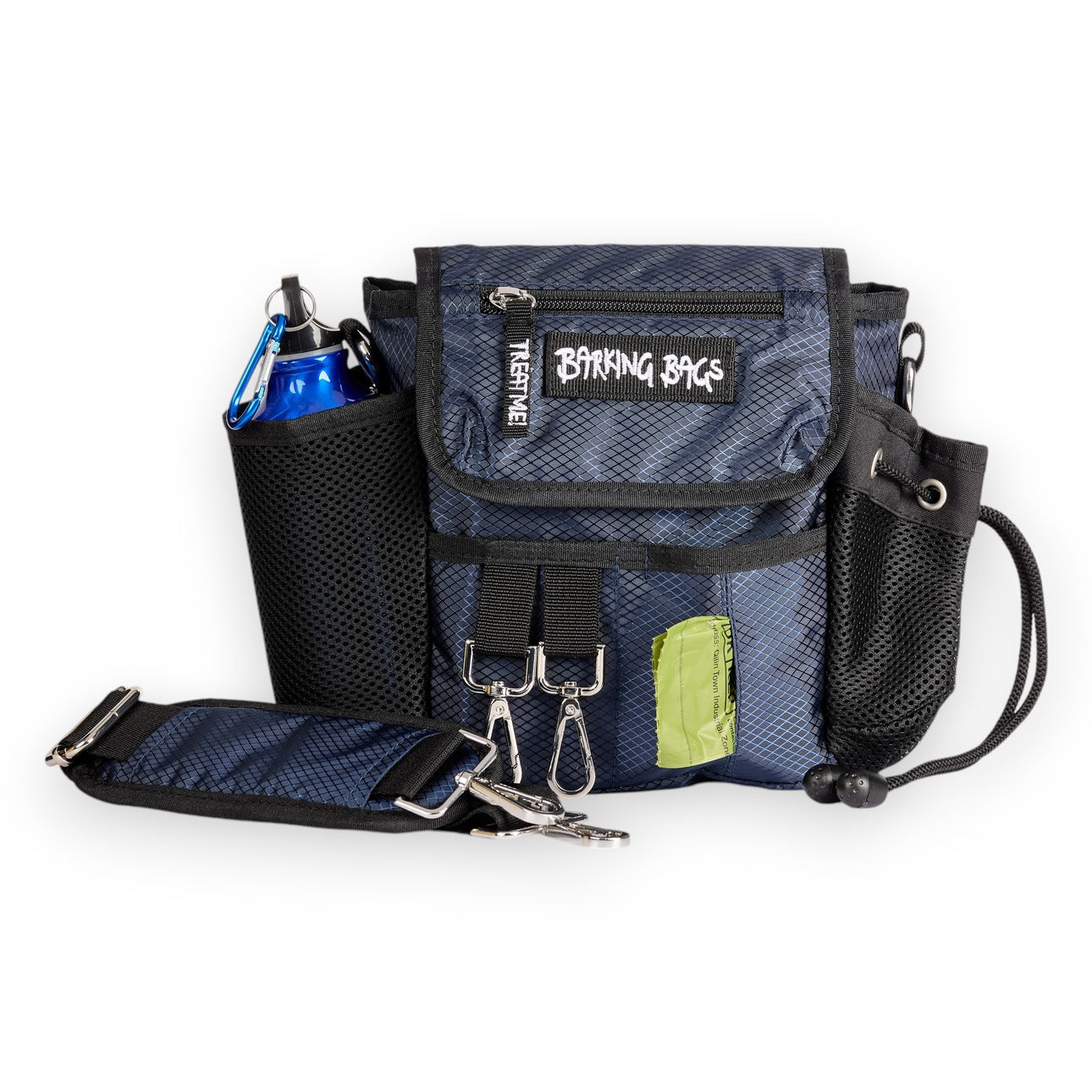
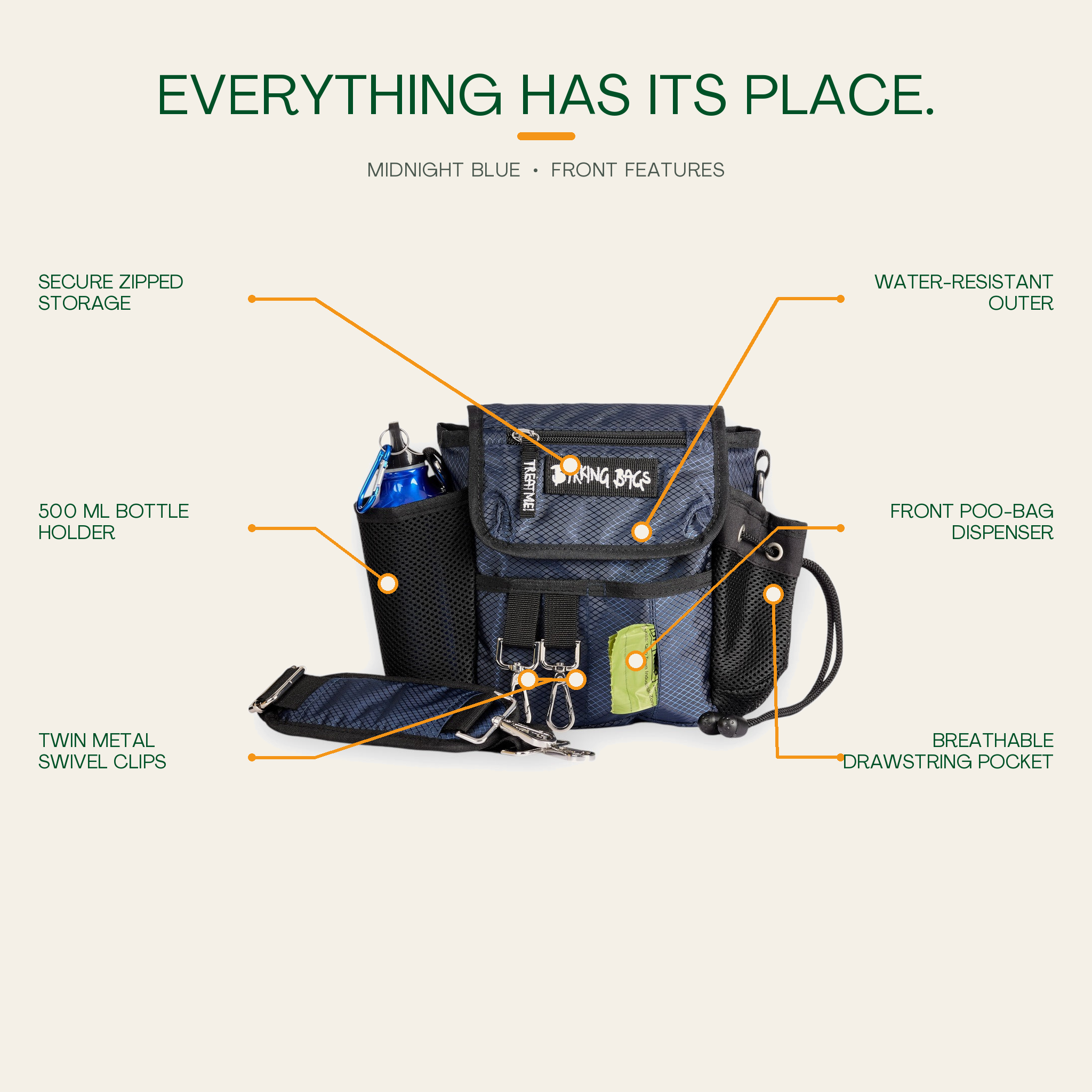
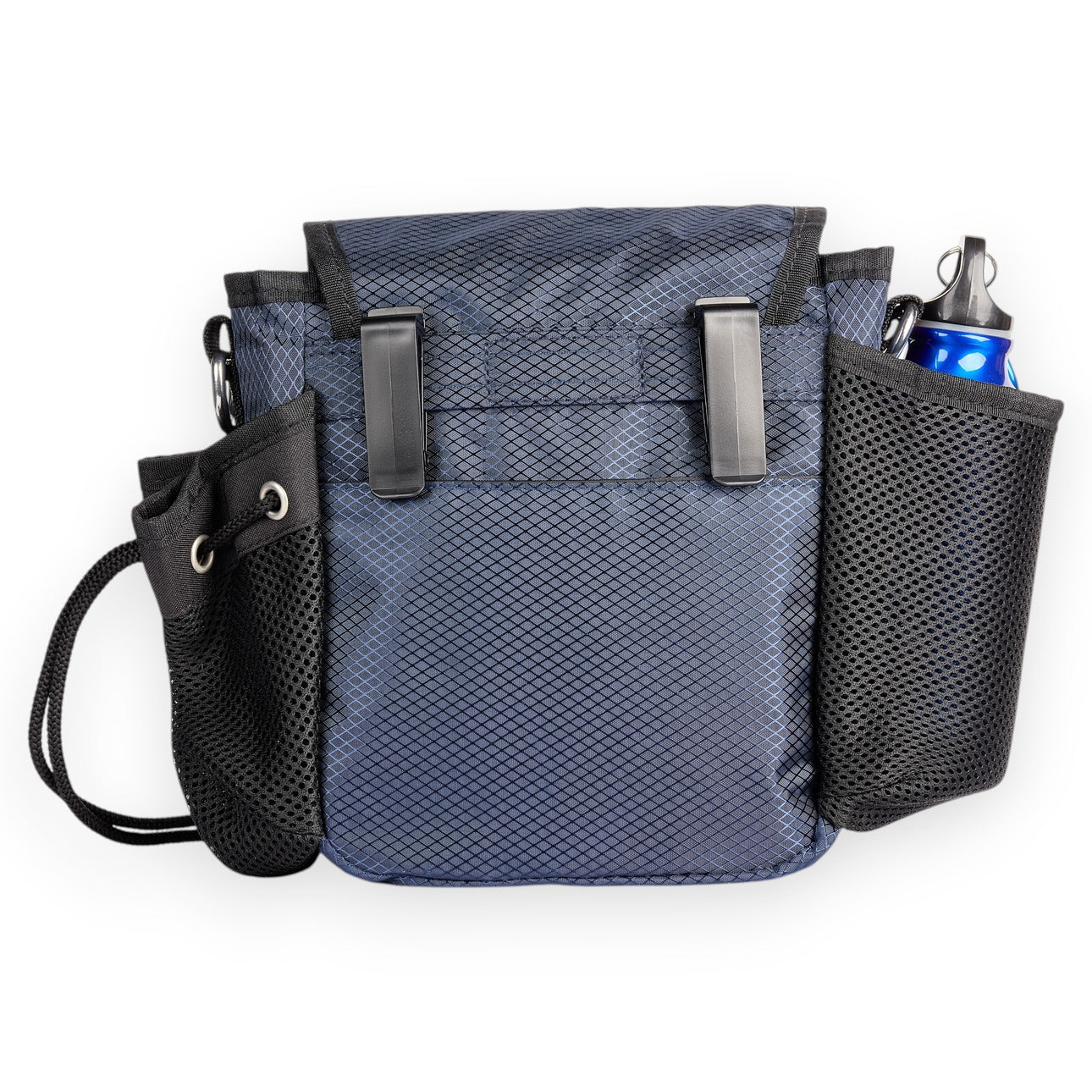
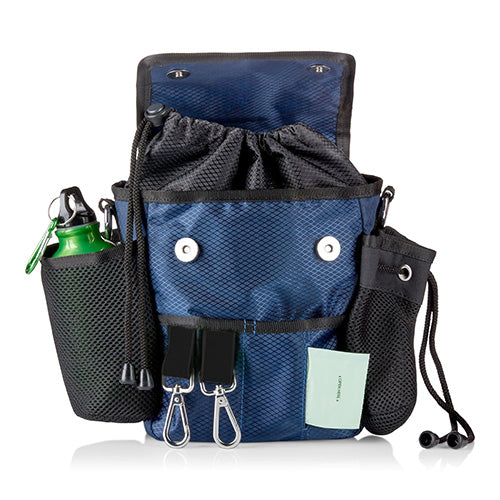
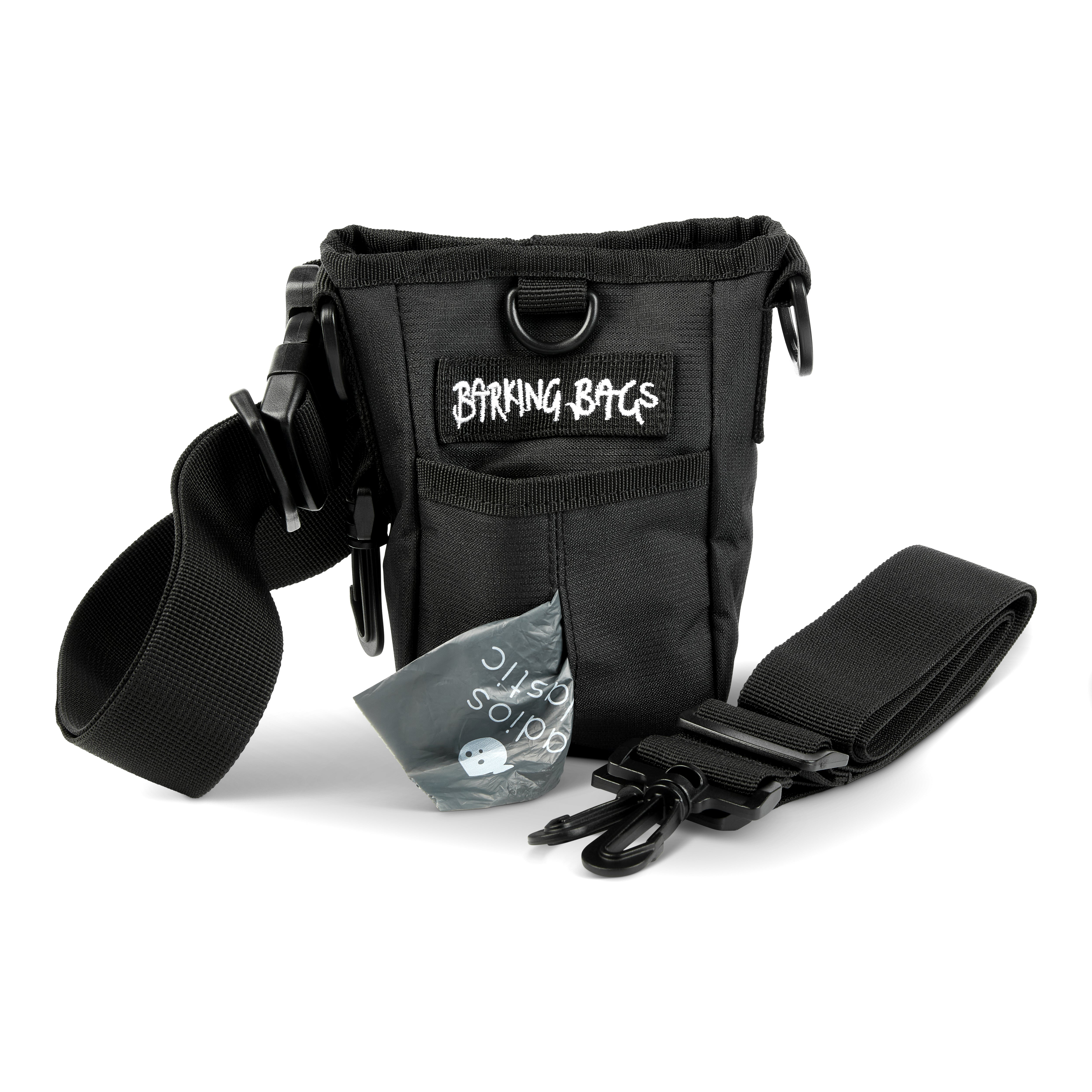
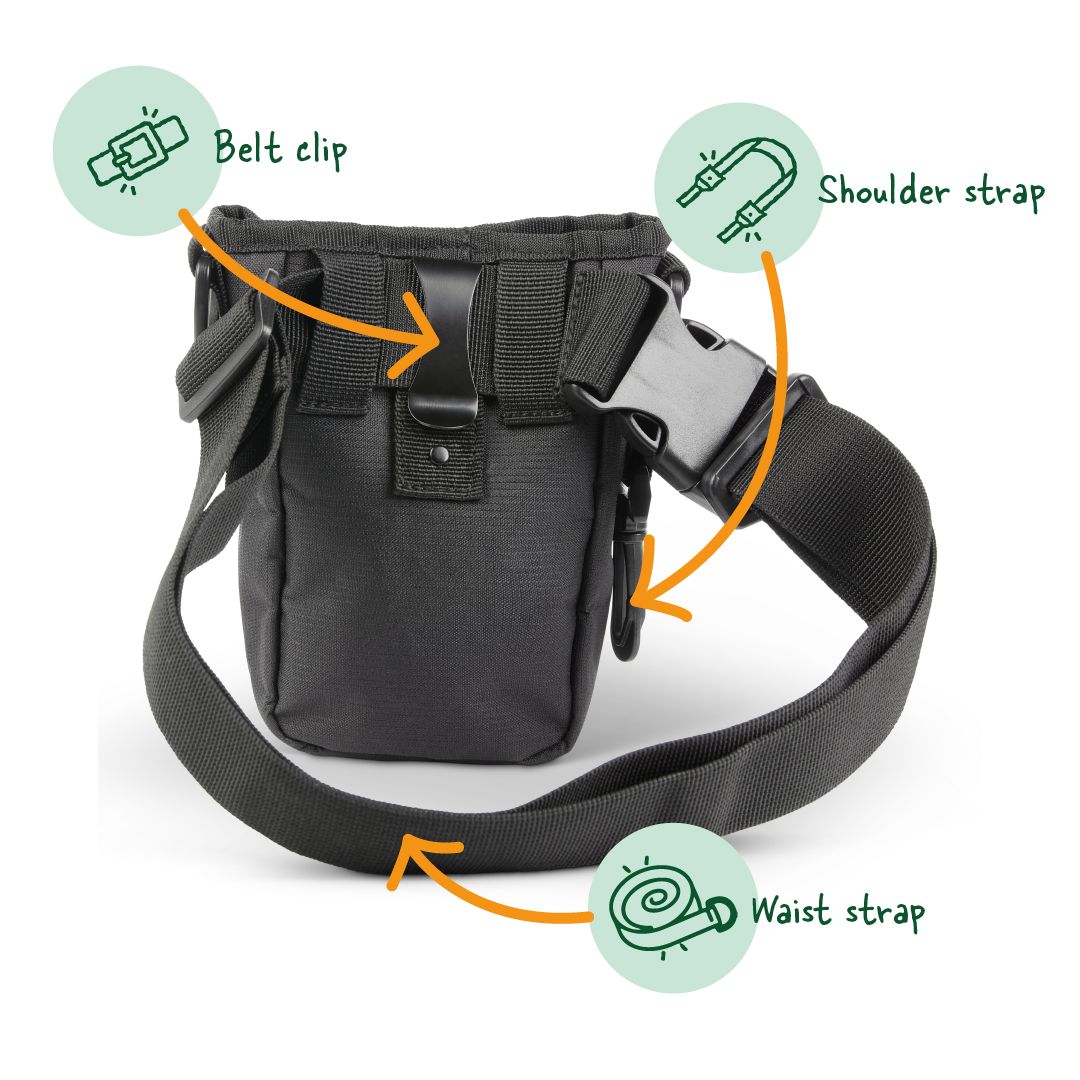
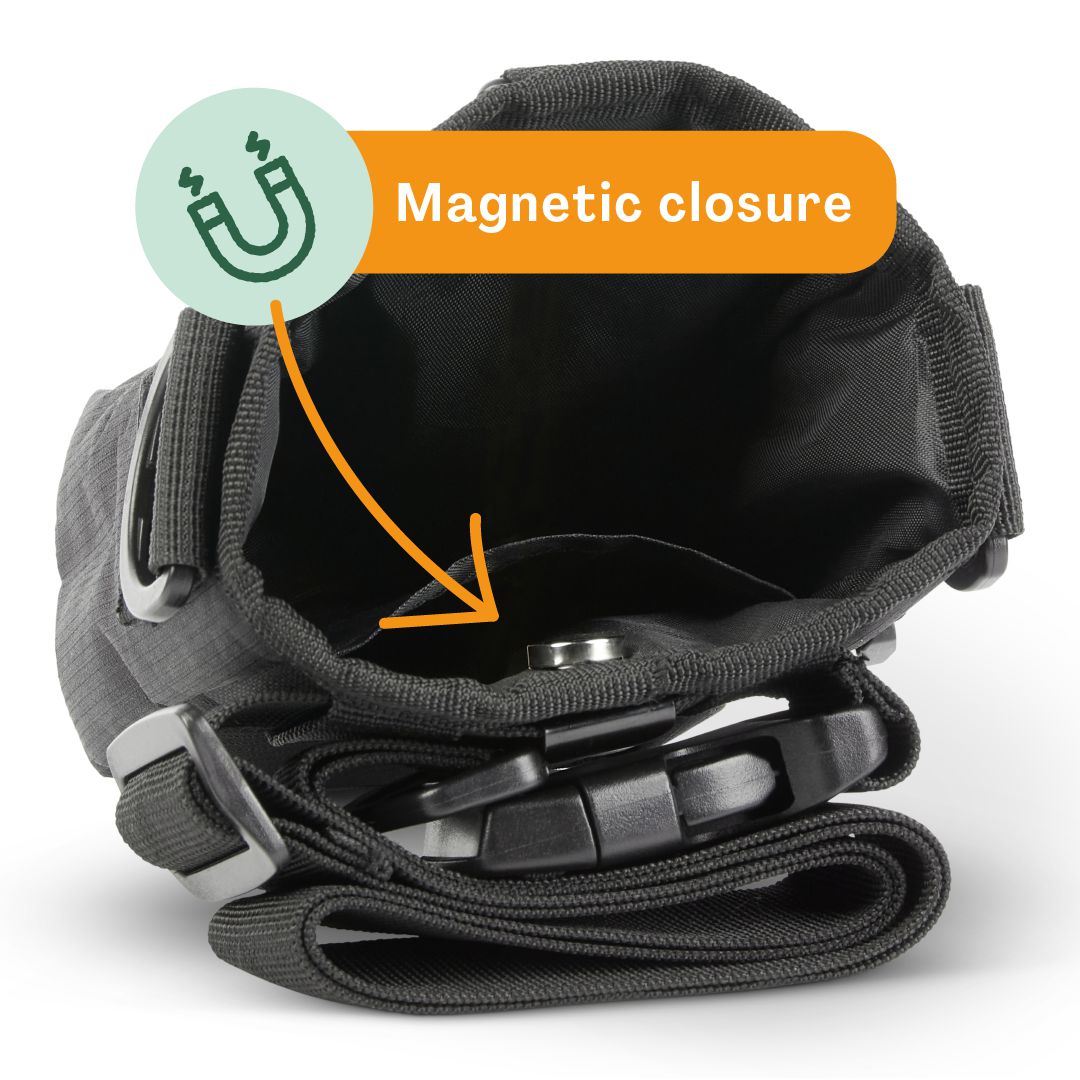
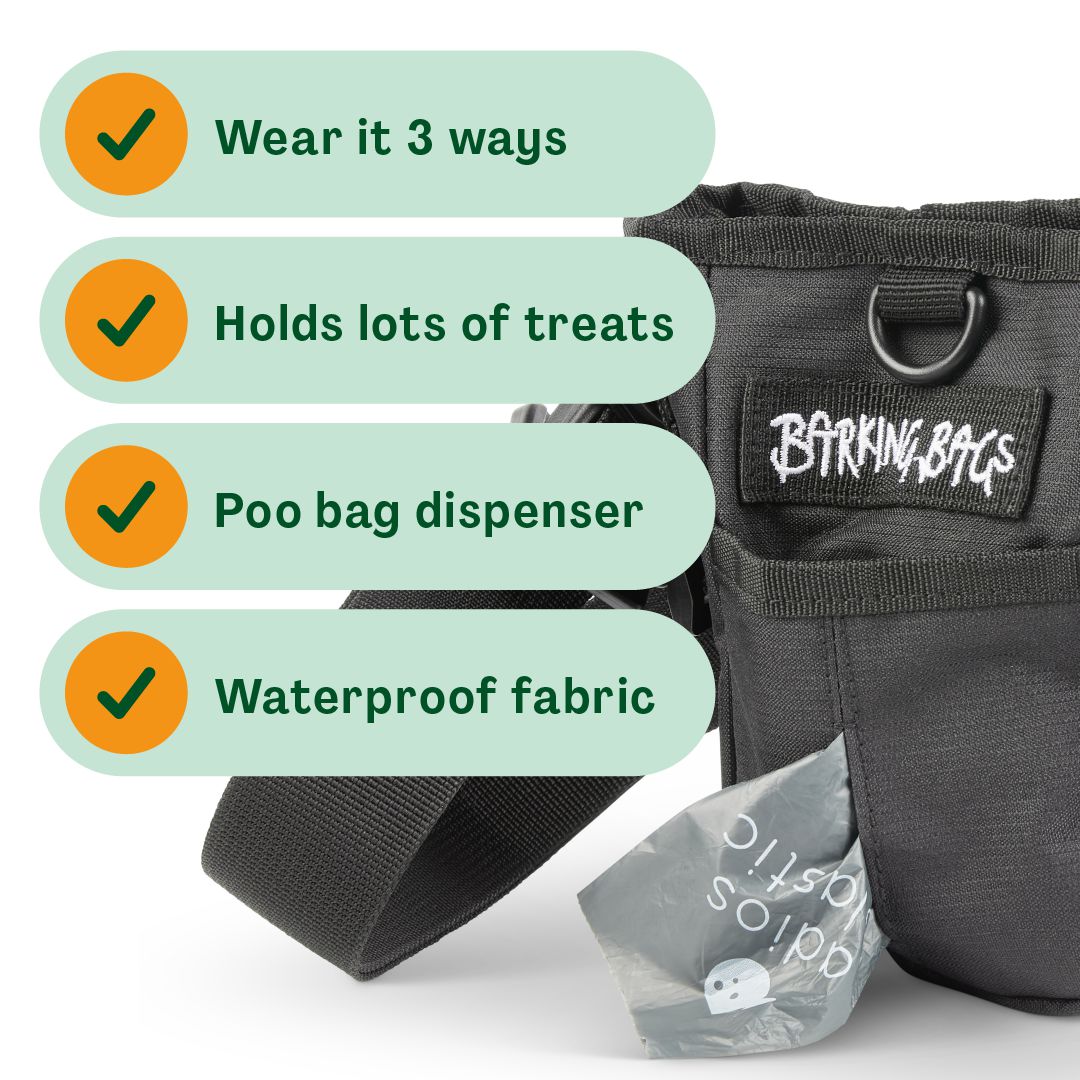
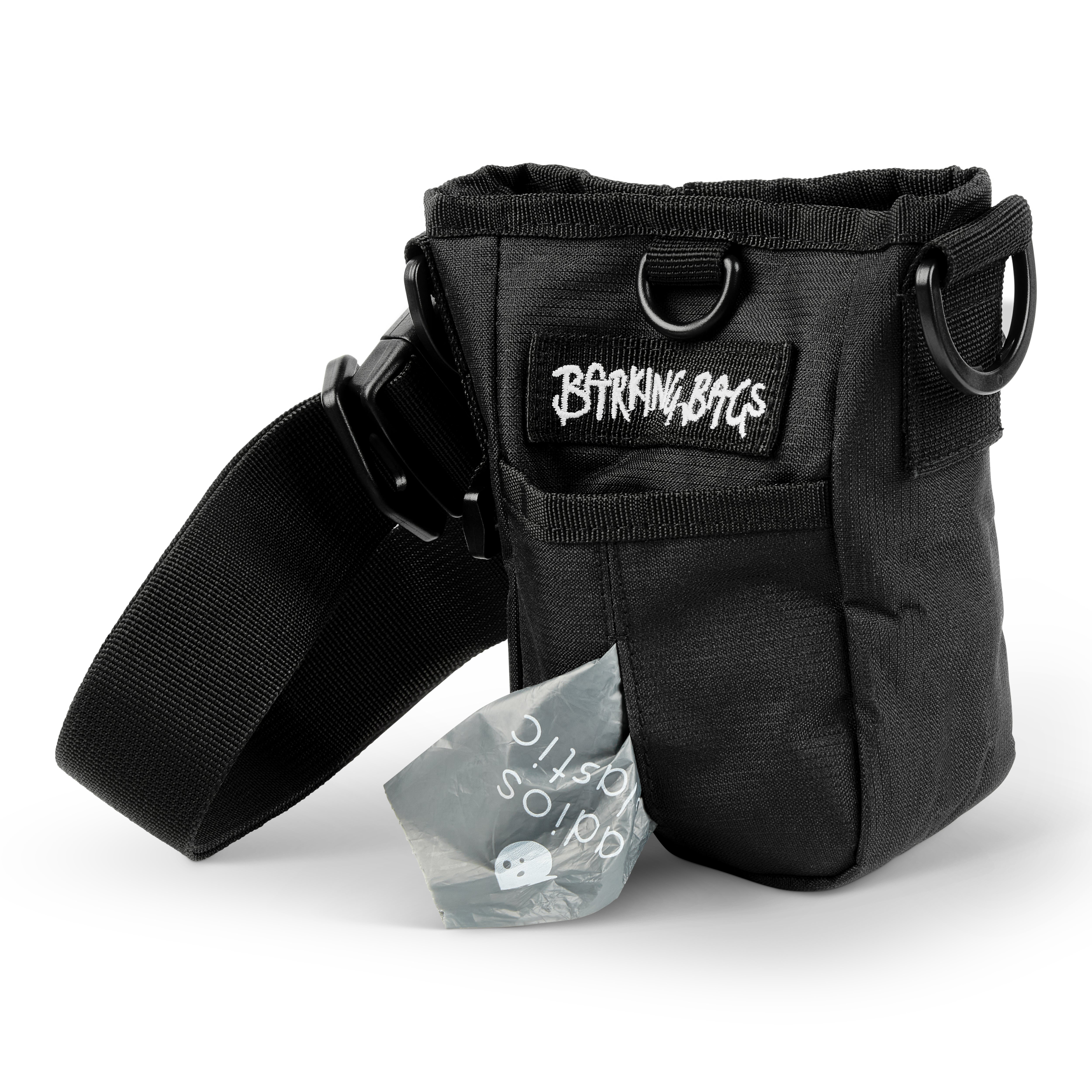
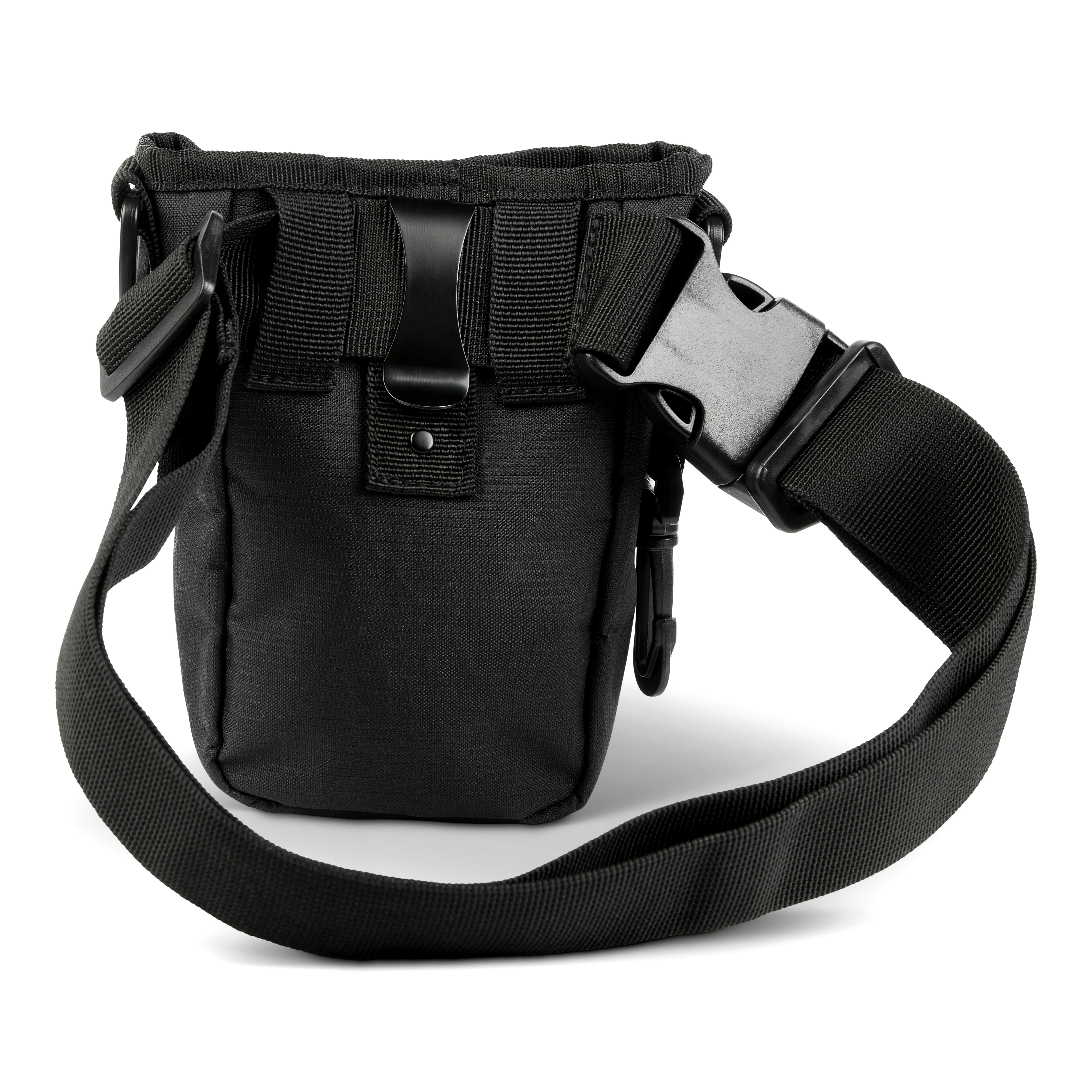
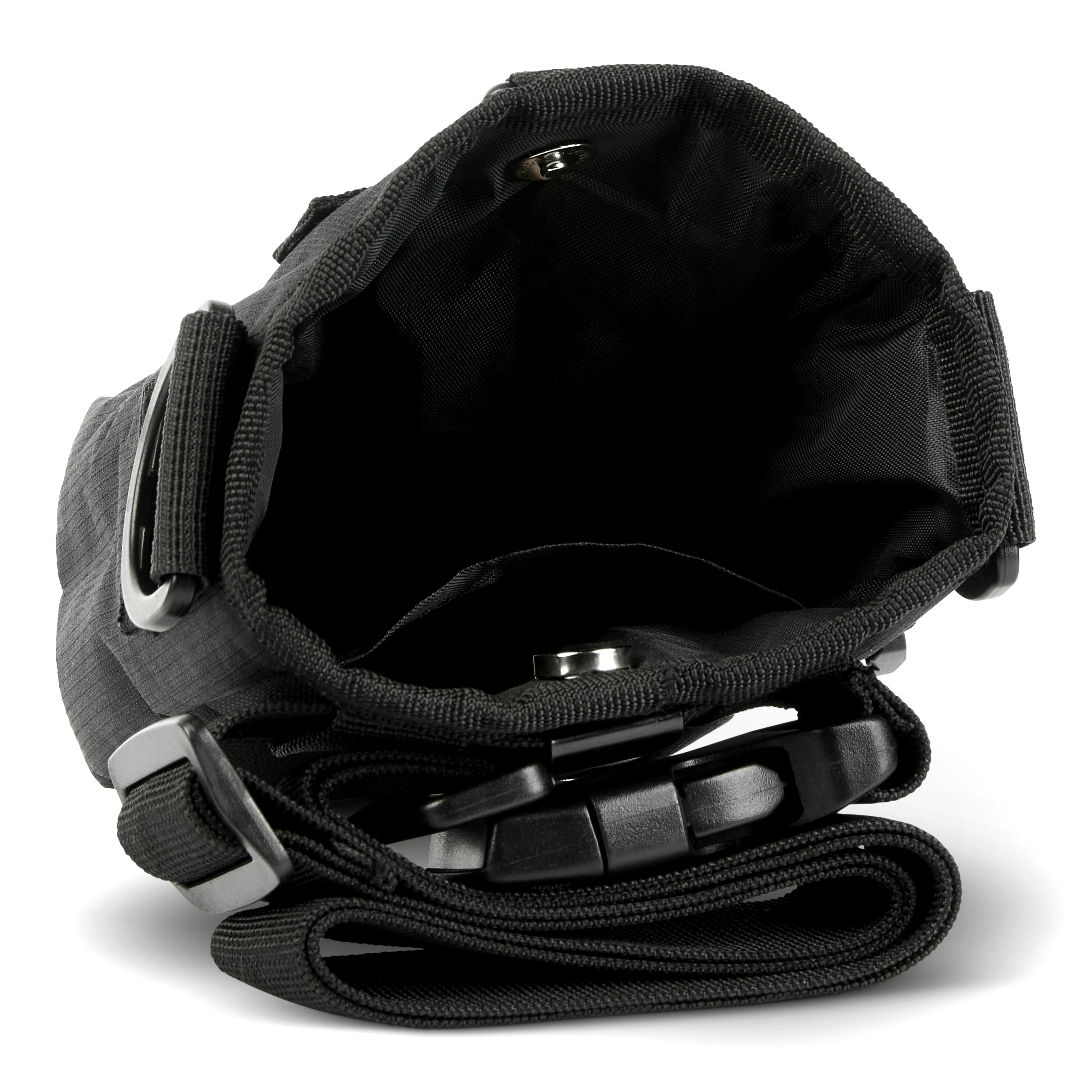
The best ones tend to get the basics right. You want easy access, secure closure and enough structure that the opening does not collapse every time you reach in. One-handed use matters more than people expect, because your other hand is usually busy. Clip-on styles can work well for quick walks, while crossbody or integrated walking bags often suit owners who want a more organised setup.
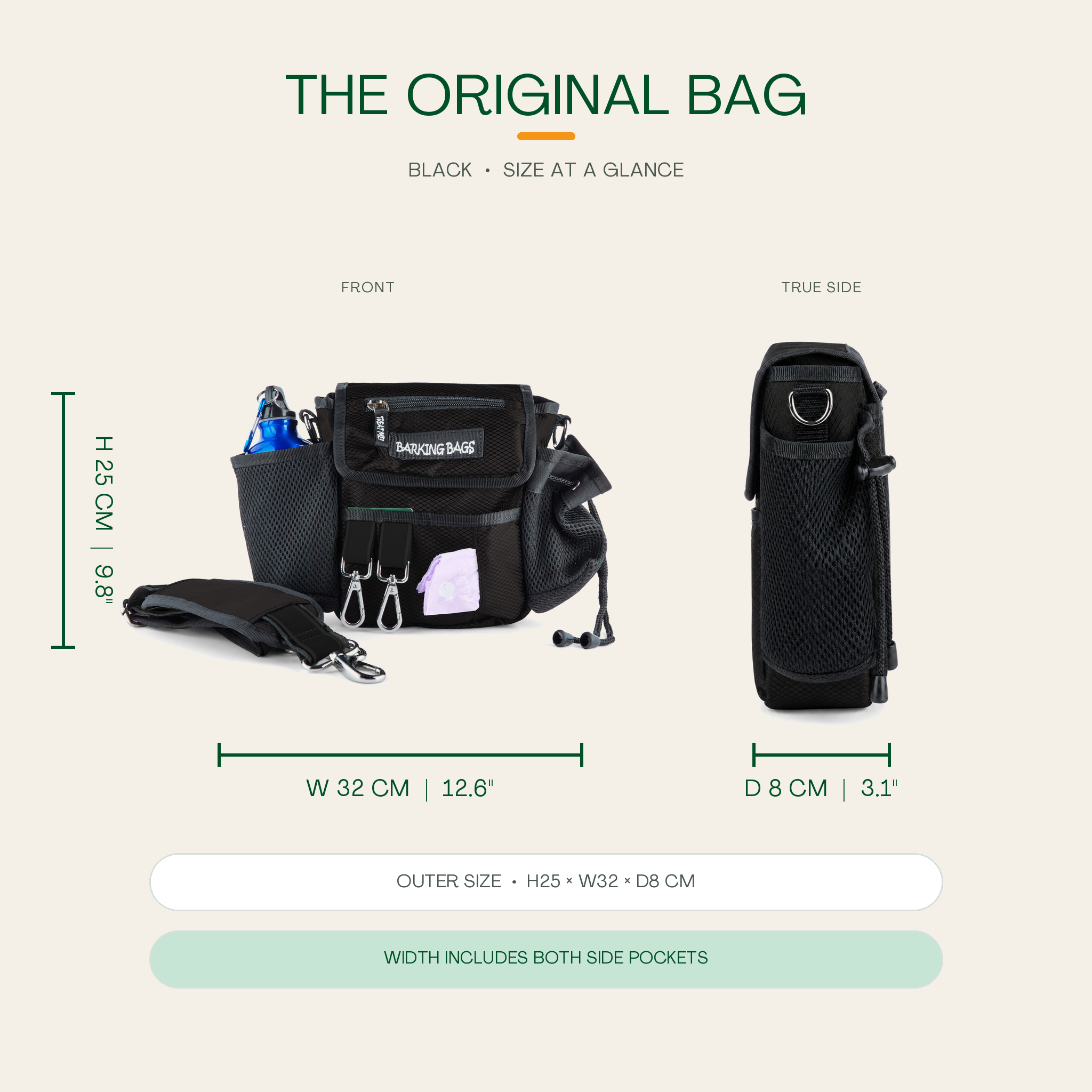
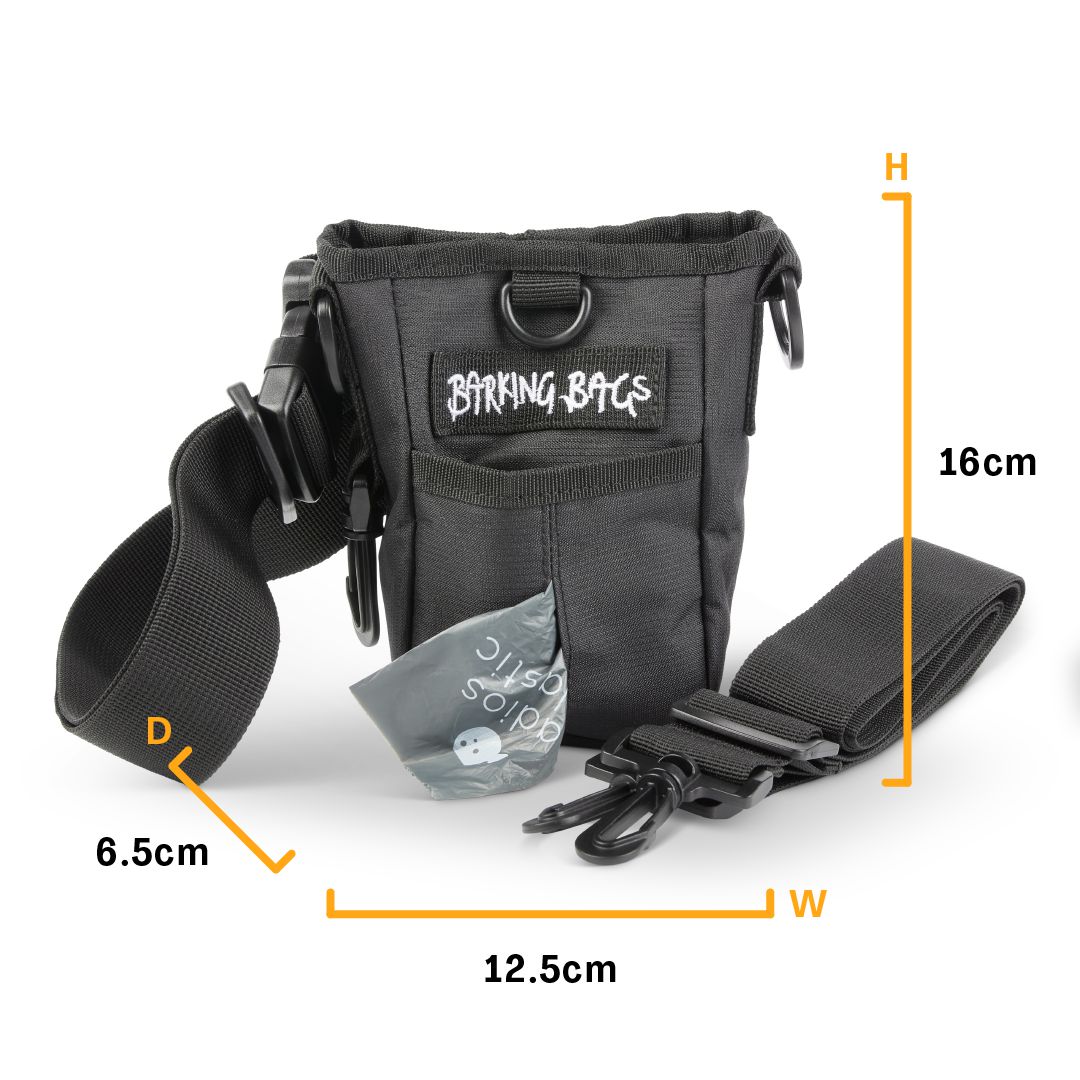
Capacity matters too. Tiny treat pouches look neat, but they can be impractical if you are out for an hour or doing proper training. On the other hand, a bulky bag can feel excessive if all you need is a handful of rewards and a poo bag roll. The sweet spot is enough room for treats plus a few essentials, without turning your dog walk into a luggage exercise.
Materials are another point people often overlook. Soft, smelly treats happen. Bags need to cope with crumbs, grease and the odd forgotten reward at the bottom. If it is hard to wipe clean, you will notice soon enough.
Is a dog treat bag worth it if you already have pockets?
Pockets work, until they do not. They are fine for occasional use, but they are rarely designed for repeated treat access. Coats change with the weather. Leggings and jeans are hit and miss. Some jackets have decent zip pockets, some have none worth using, and summer outfits often leave you with nowhere practical at all.
Then there is everything else you are carrying. Once treats share space with keys, tissues and waste bags, the whole thing becomes less hygienic and less efficient. If you have ever pulled out a handful of crumbs and a house key together, you already know the problem.
A dedicated bag gives your dog walking routine a fixed home. That consistency is useful. You know where your treats are, where your poo bags are, and where your phone is. It sounds simple because it is simple, but that is the appeal. Good dog walking gear should remove little annoyances before they become part of every walk.
The trade-offs to think about
There are a few. First, it is another item to remember. If you prefer ultra-minimal walks and hate carrying anything extra, a treat bag may feel like one more thing to grab on the way out.
Second, some people buy a treat bag when what they really need is a better overall dog walking bag. If you are trying to carry treats, water, a ball, poo bags, your phone, keys and maybe even a second lead, a small treat pouch may not solve the whole problem. In that case, a more complete dog walking setup makes more sense.
Third, habits matter. A treat bag only helps if you actually use it. If it sits by the door while you continue stuffing treats in your pocket, then no, it will not feel worth it. The value comes from convenience in real use, not just owning another accessory.
Price is part of the decision as well. A cheap bag that breaks, leaks crumbs or swings around awkwardly can be a false economy. A better-designed bag usually feels worth more because you use it more often. This is one of those categories where thoughtful design really shows up in daily life.
Who benefits most from a treat bag?
If your dog is in training, highly food-motivated or still learning to cope with busy environments, you are likely to notice the benefit straight away. The same goes for puppy owners, regular walkers and anyone who likes to keep things organised.
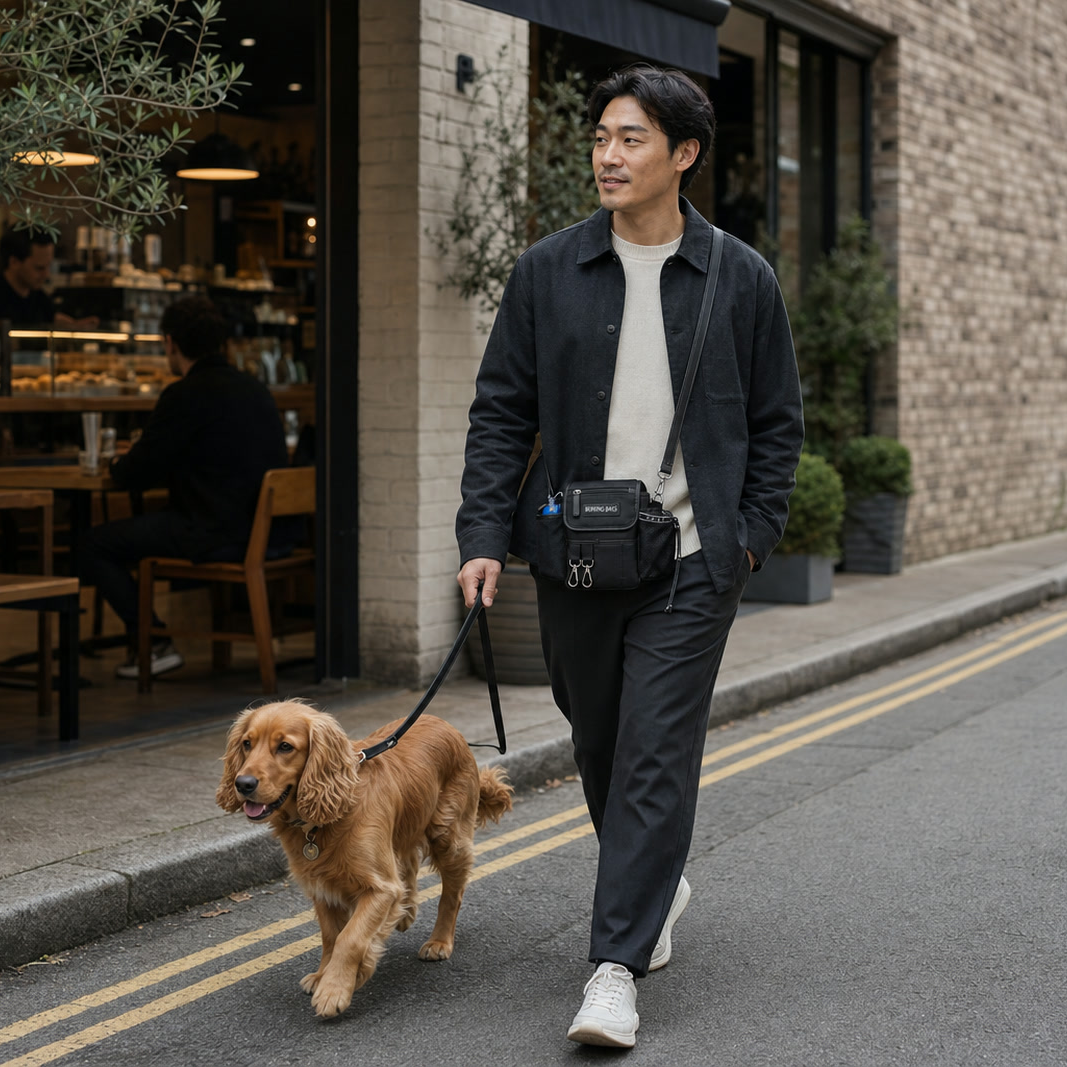
Style-conscious owners often appreciate them more than they expect. That is because the alternative is usually a stuffed coat pocket, an overfilled handbag or a random pouch clipped on as an afterthought. A purpose-designed option looks better, feels better to use and fits the routine more naturally.
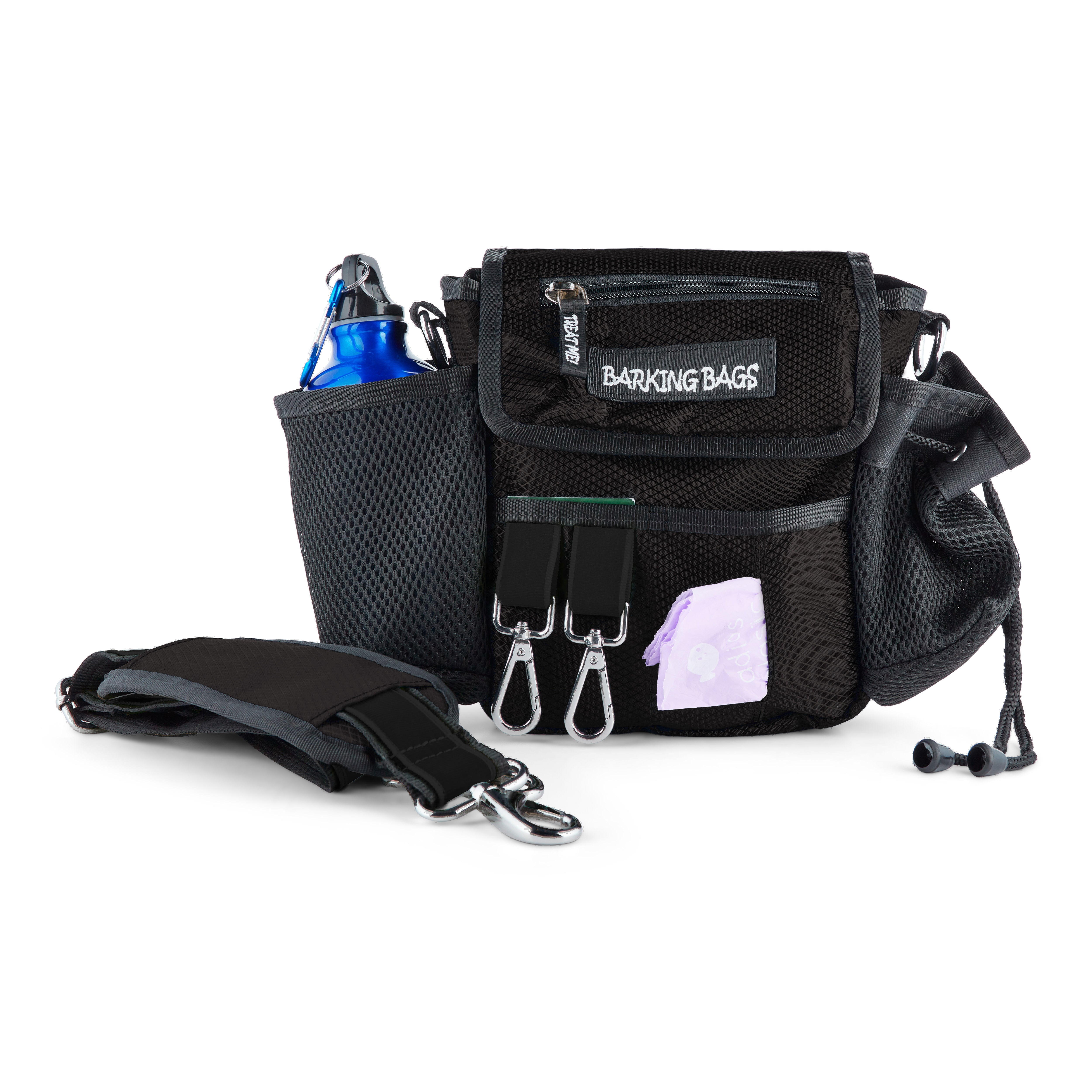
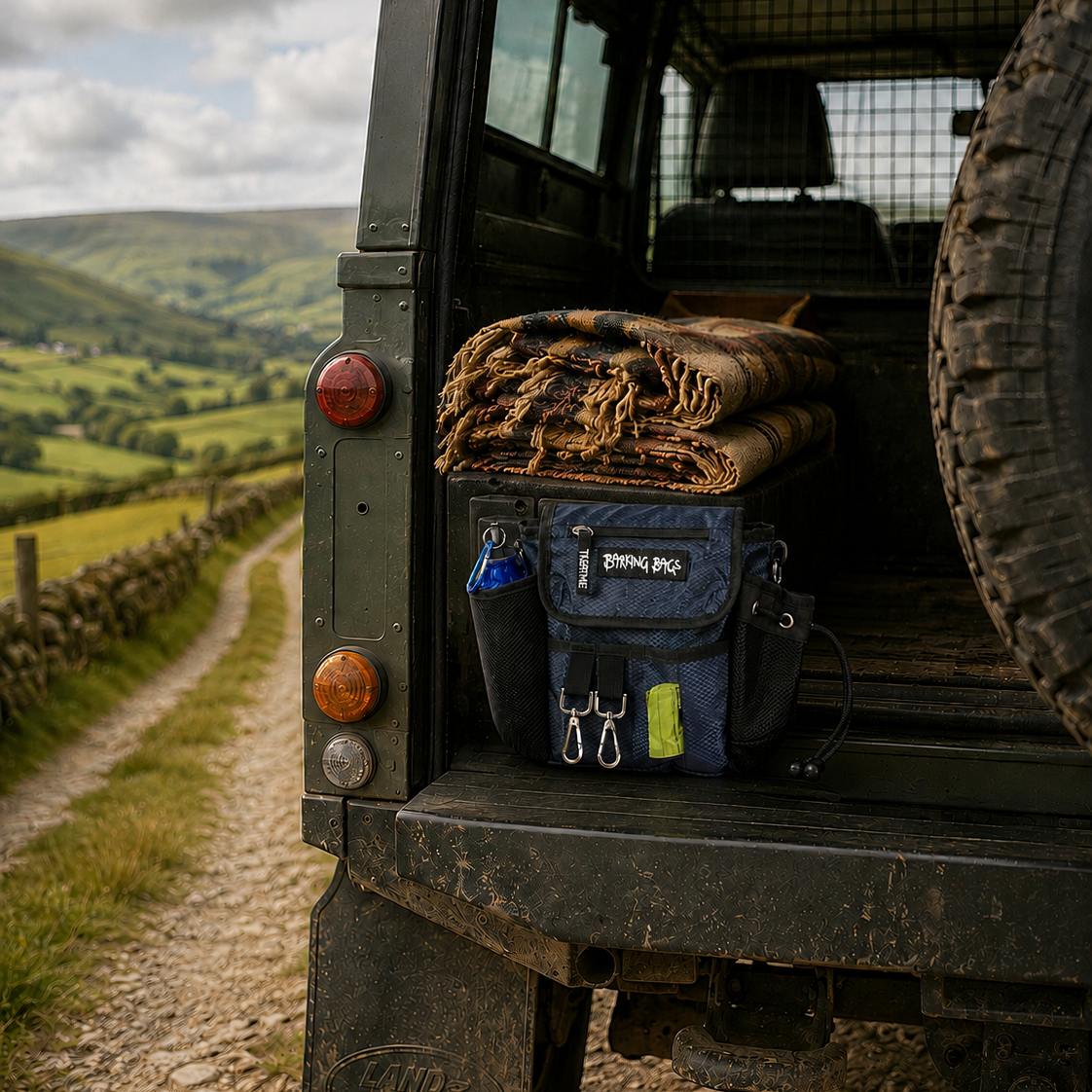
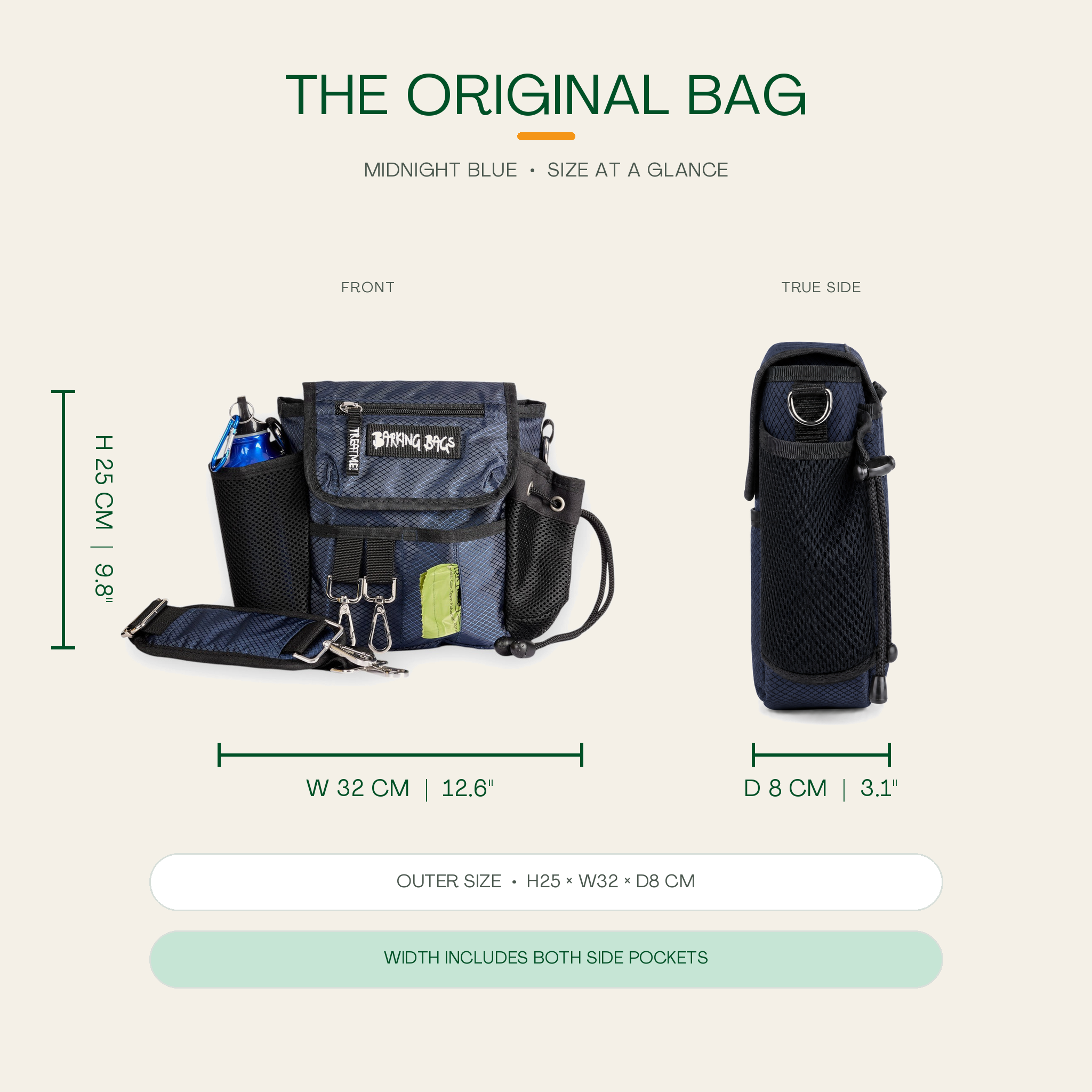
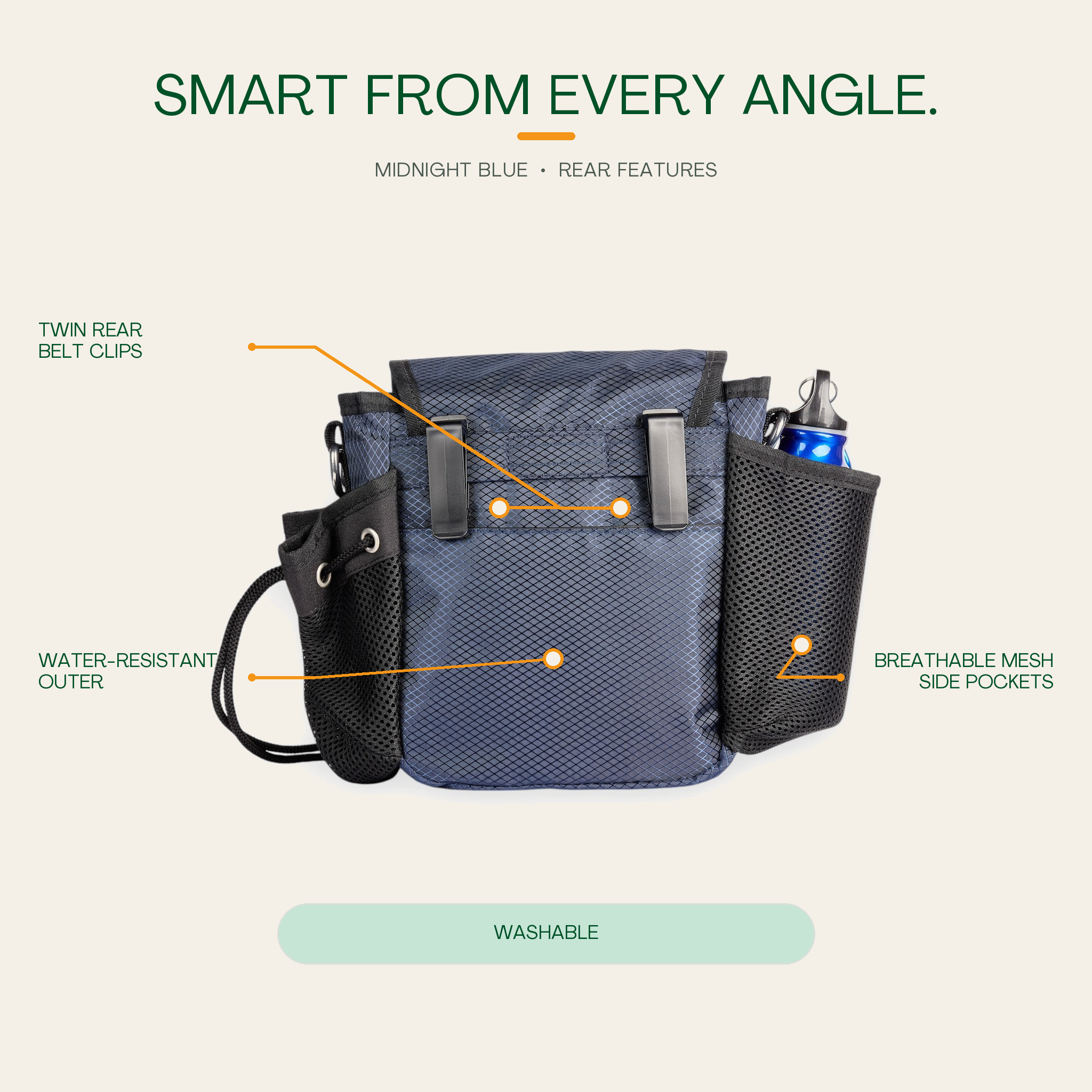
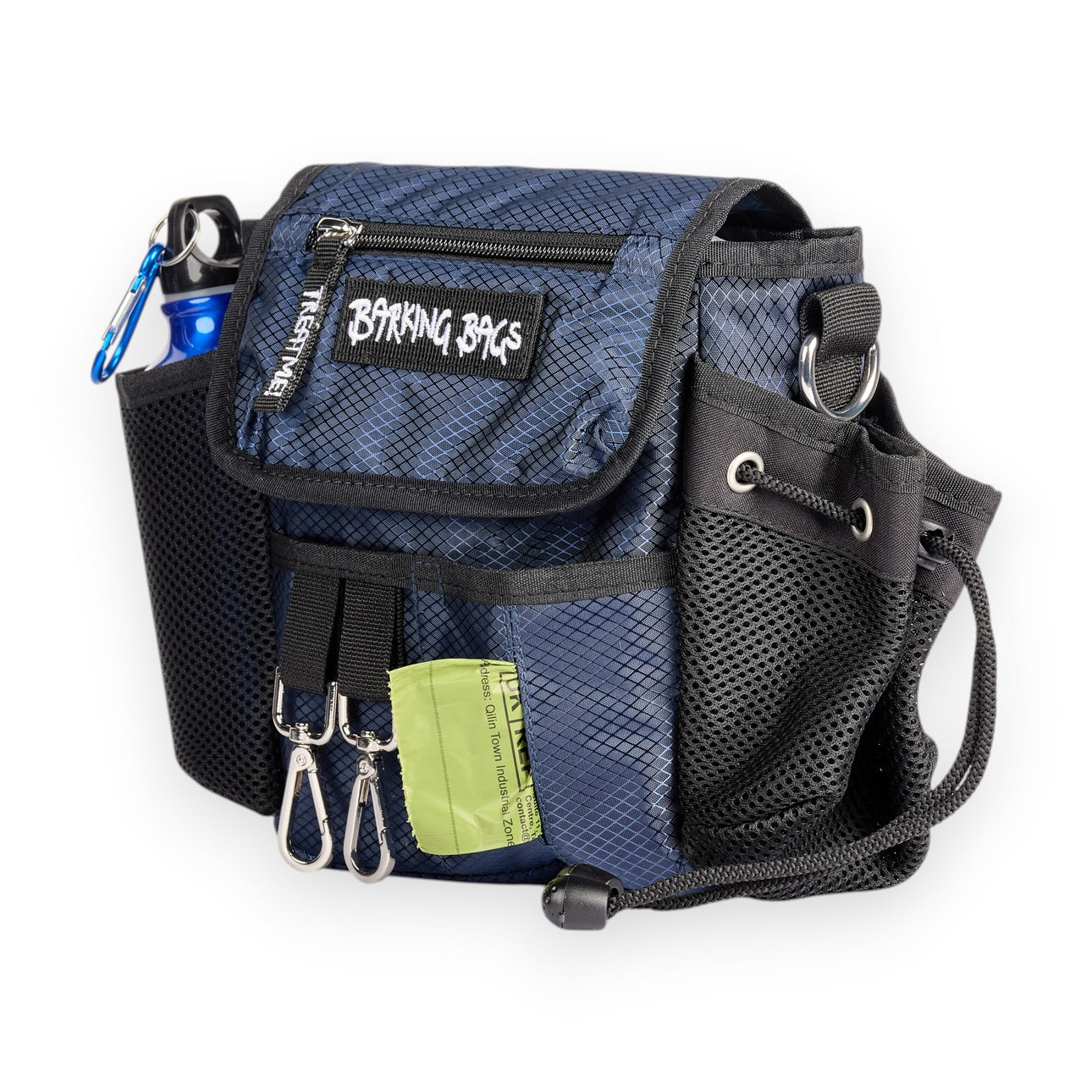
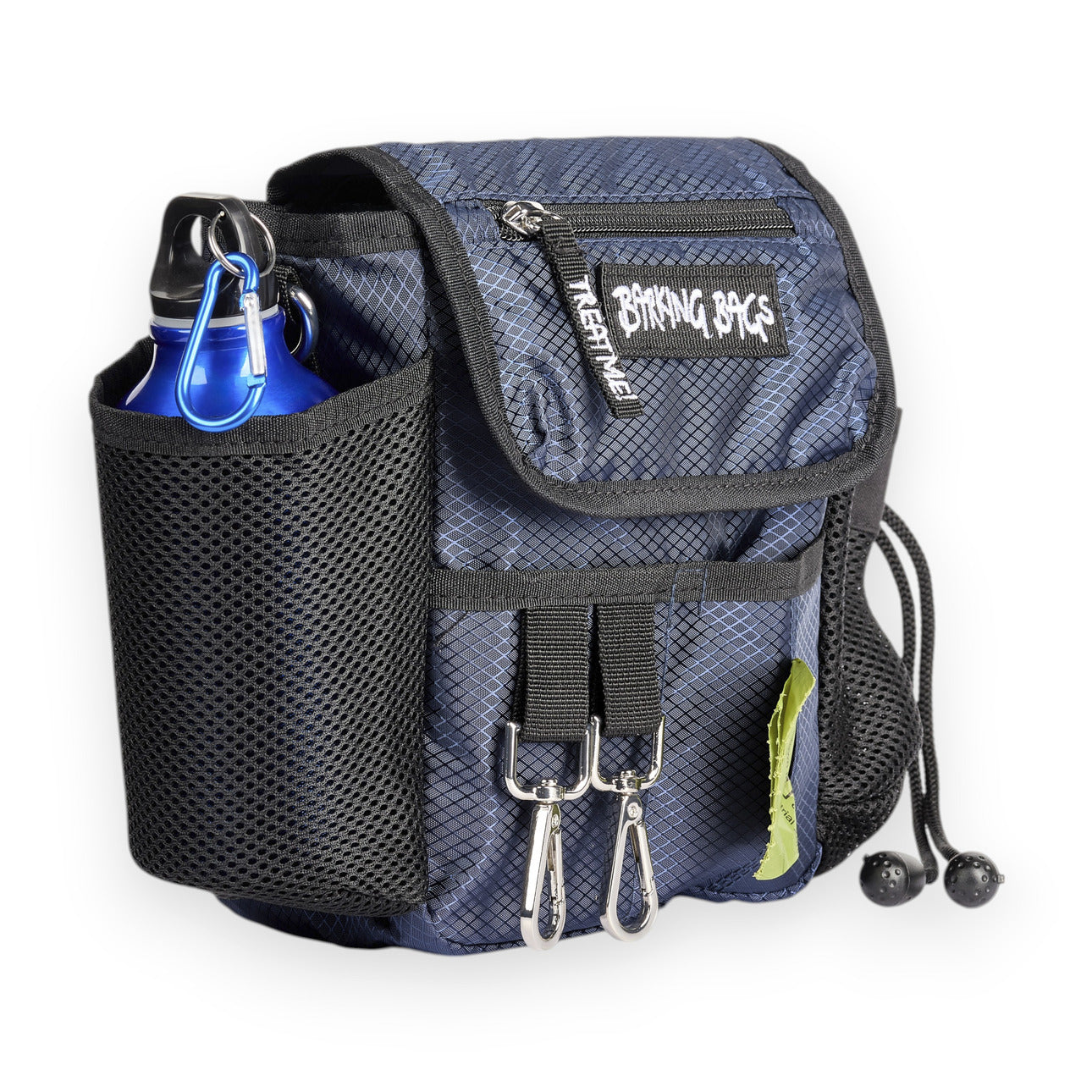
For dog owners who want all their essentials in one place, it can make sense to think beyond the basic pouch. Brands like Barking Bags have built products around the reality of modern dog walking - not just carrying treats, but carrying everything without compromising on style.
So, is a dog treat bag worth it?
If treats are part of your walks more than occasionally, yes, it probably is. Not because it is a fancy extra, but because it makes rewarding easier, keeps things cleaner and helps you stay organised when your hands are already full.
If your dog barely needs treats outdoors and you like walking light, maybe not. That is the honest answer. But for most people actively training, walking regularly or simply tired of greasy pockets and last-minute rummaging, a dedicated treat bag is one of those small upgrades that feels surprisingly useful from day one.
The best dog accessories are not the ones that look clever on a product page. They are the ones that make an ordinary Tuesday walk feel easier, tidier and more under control.