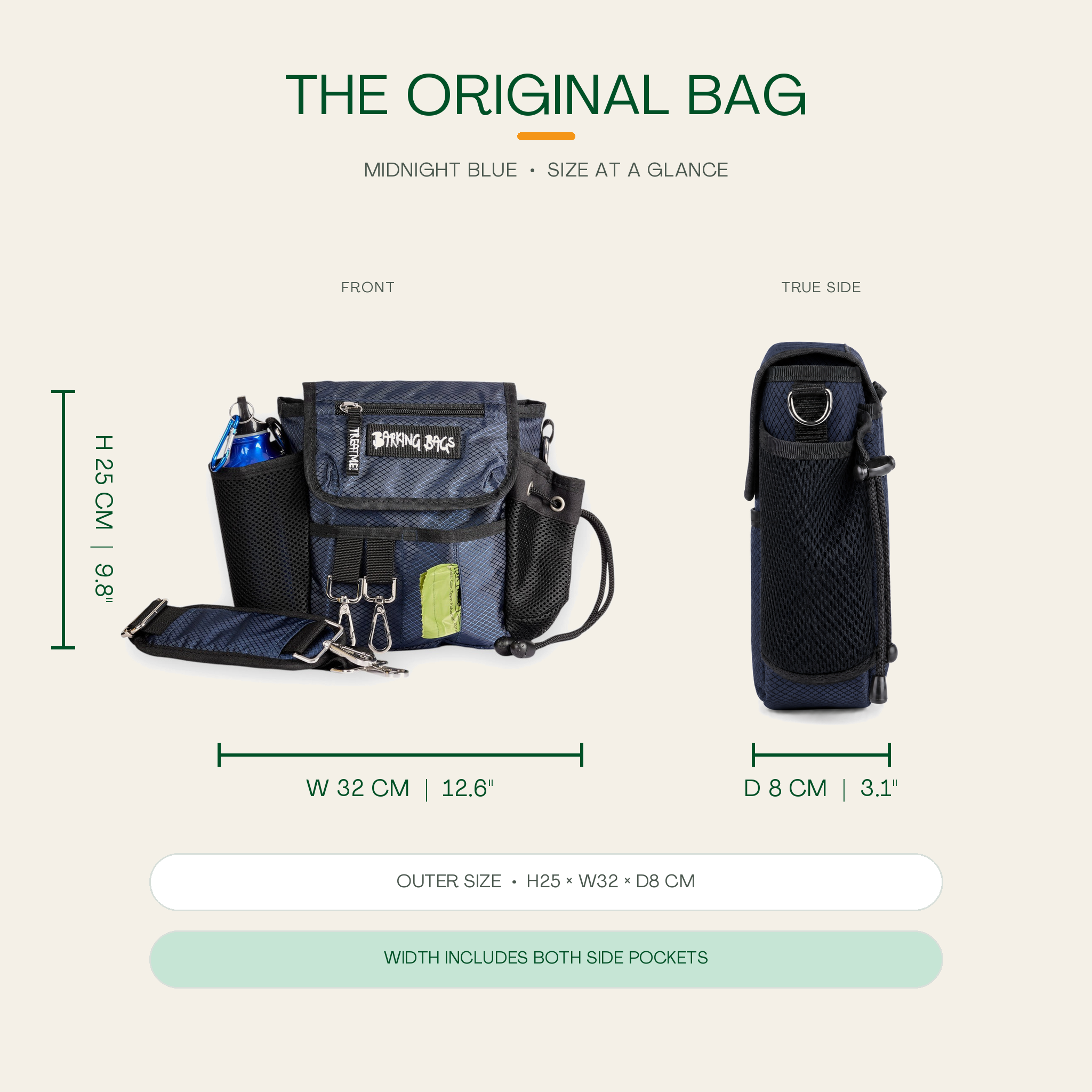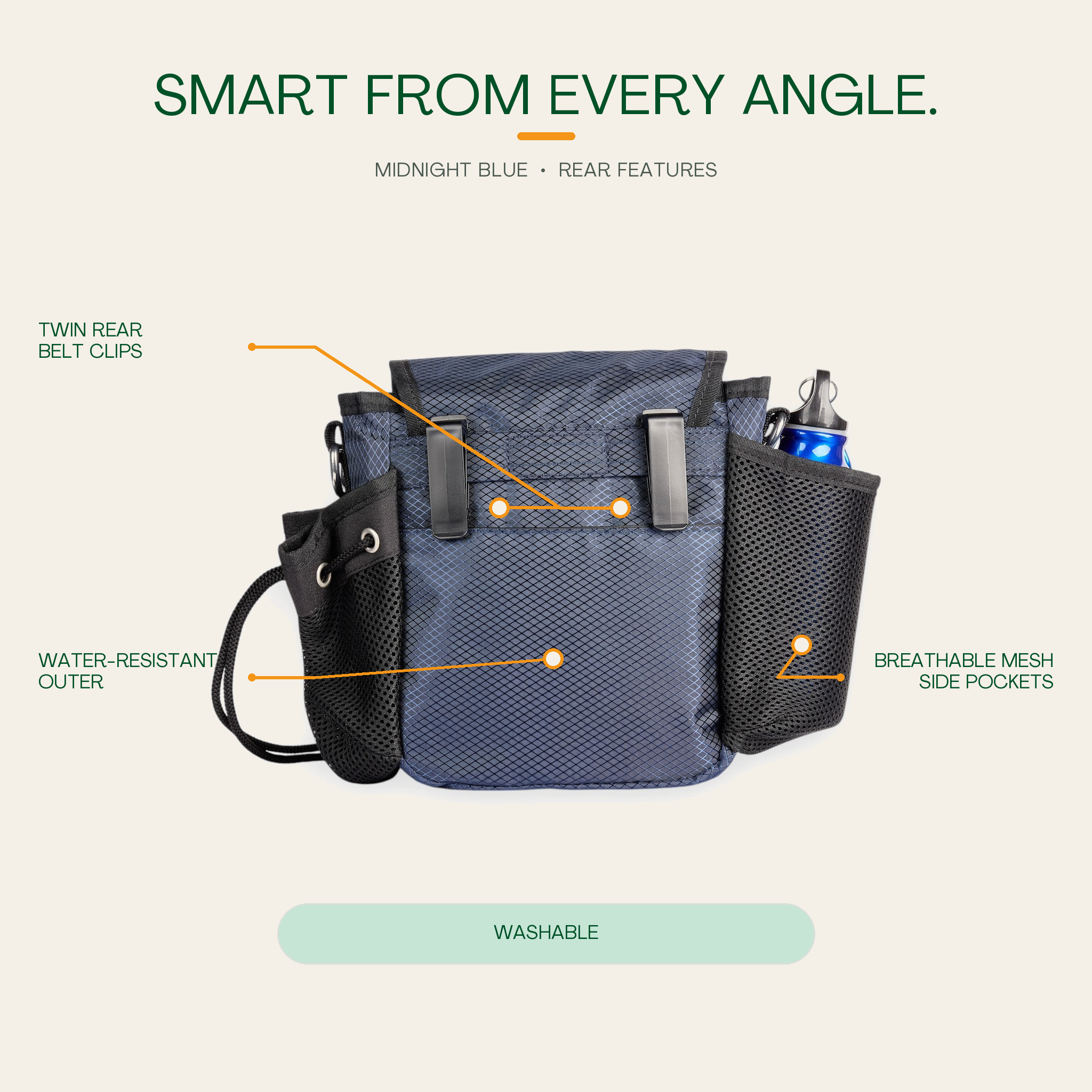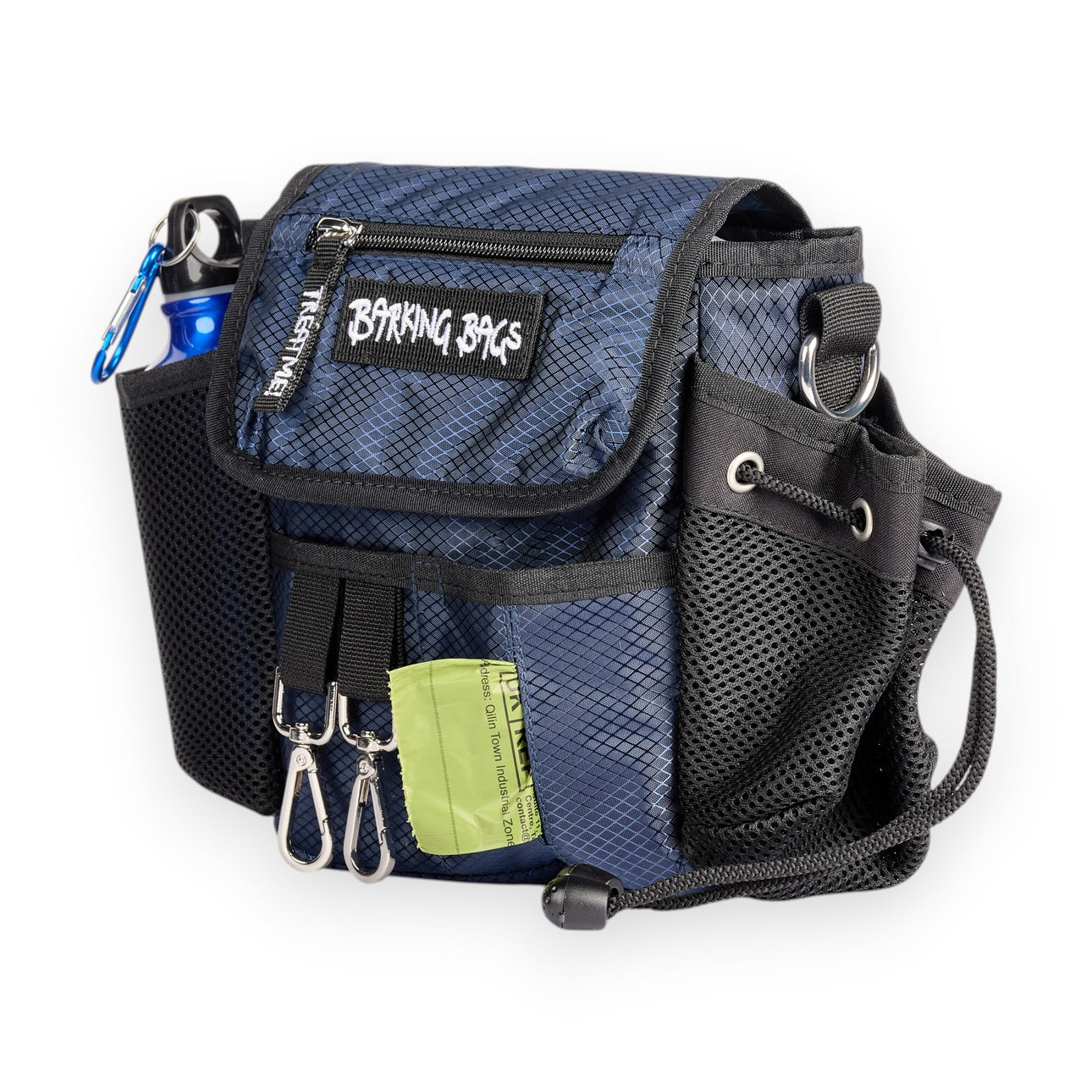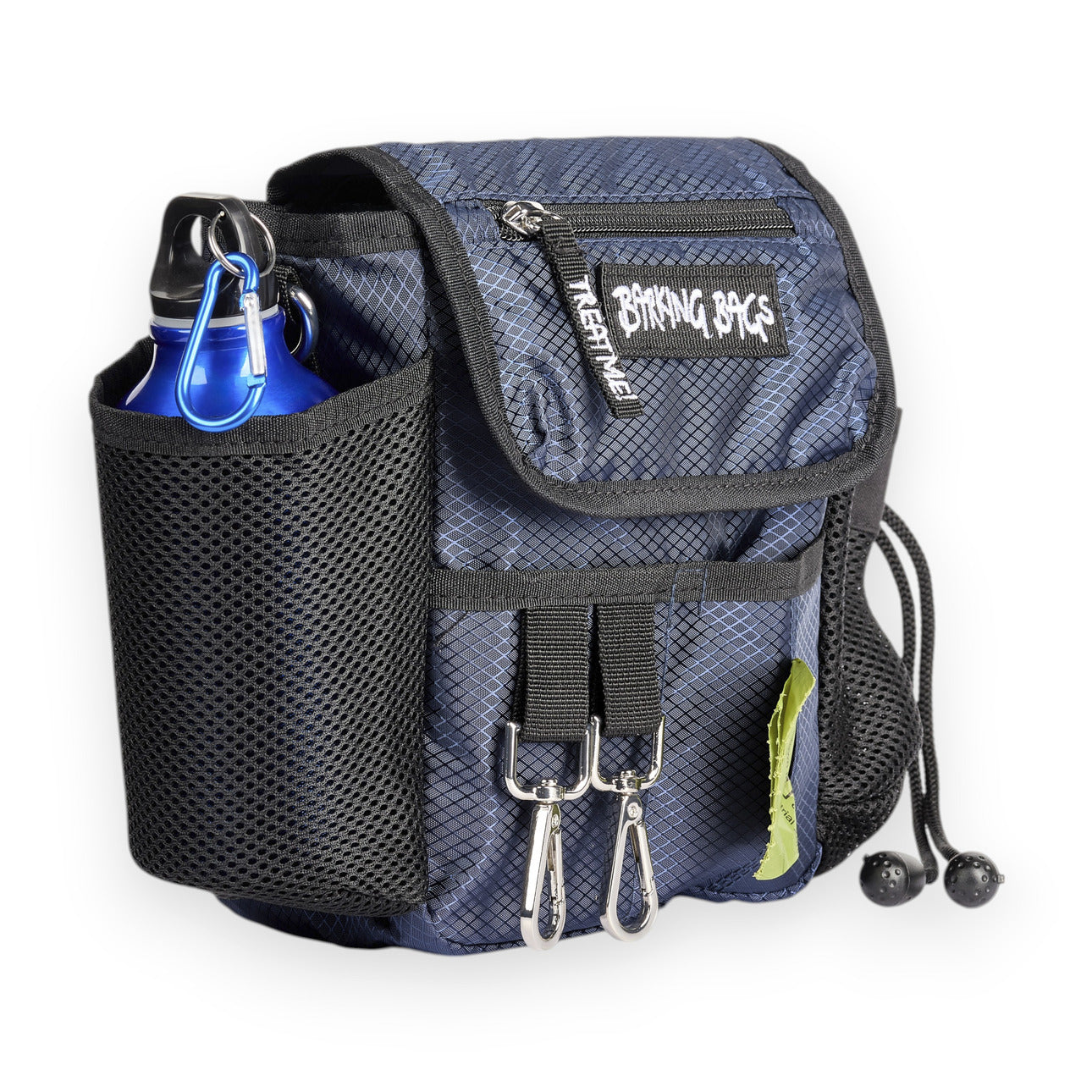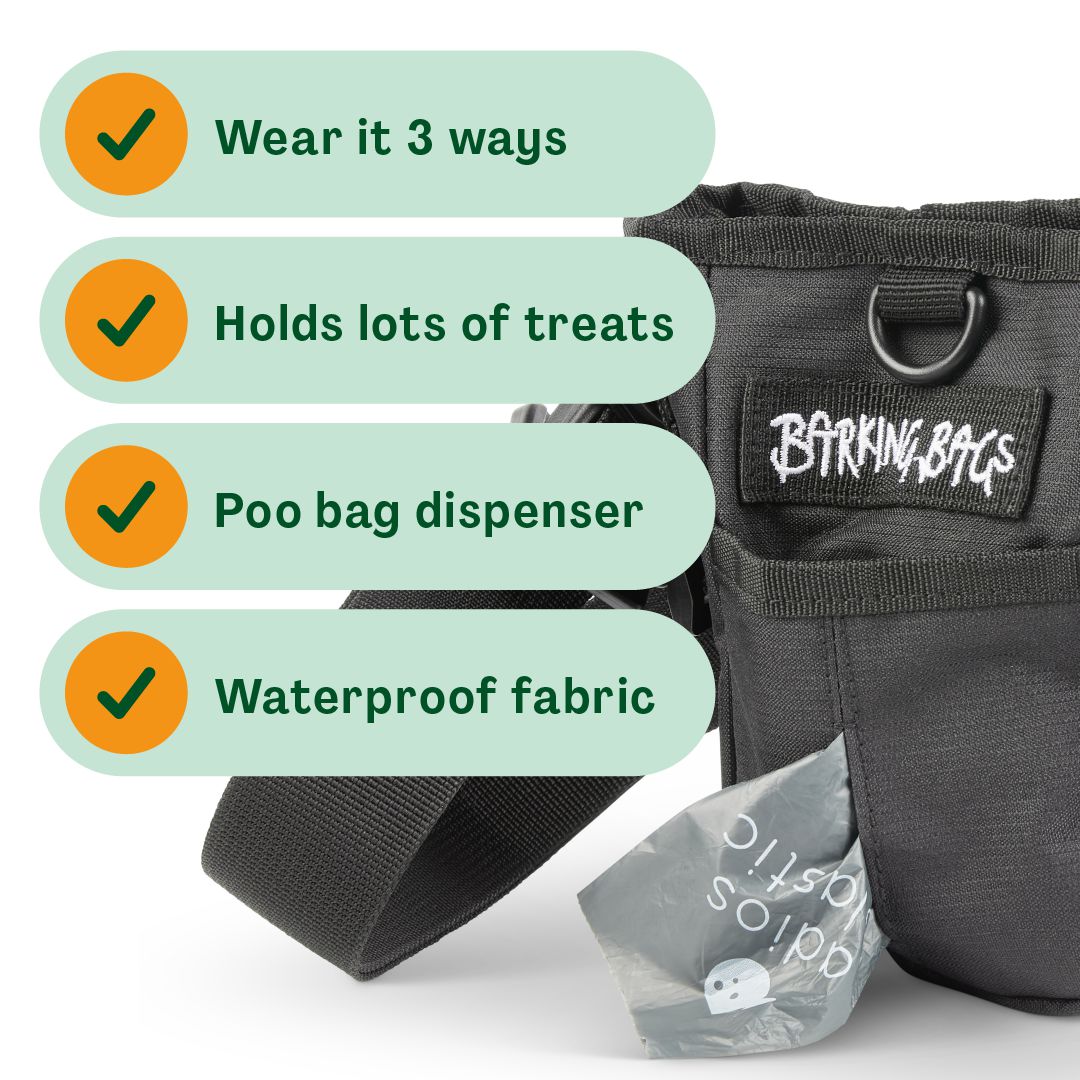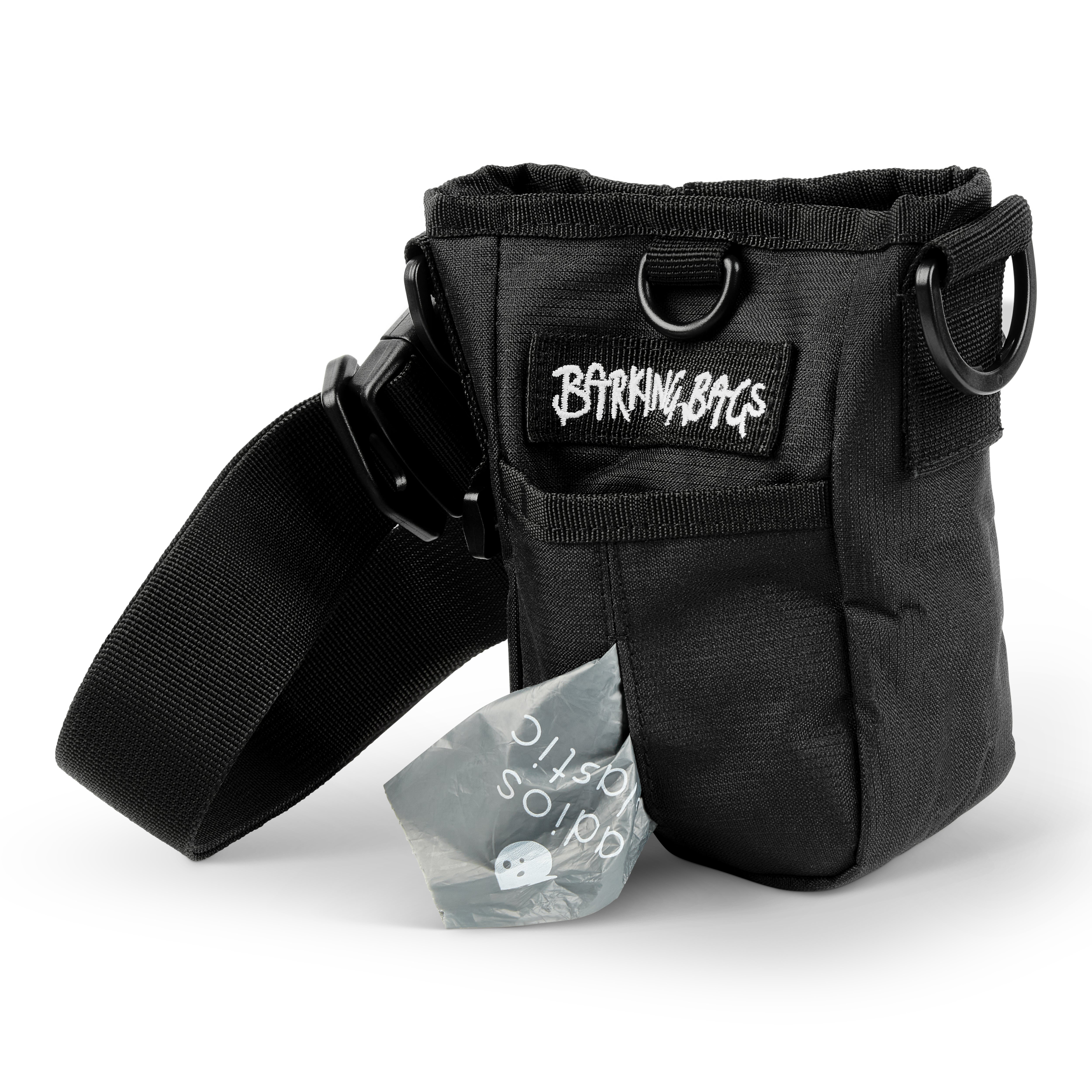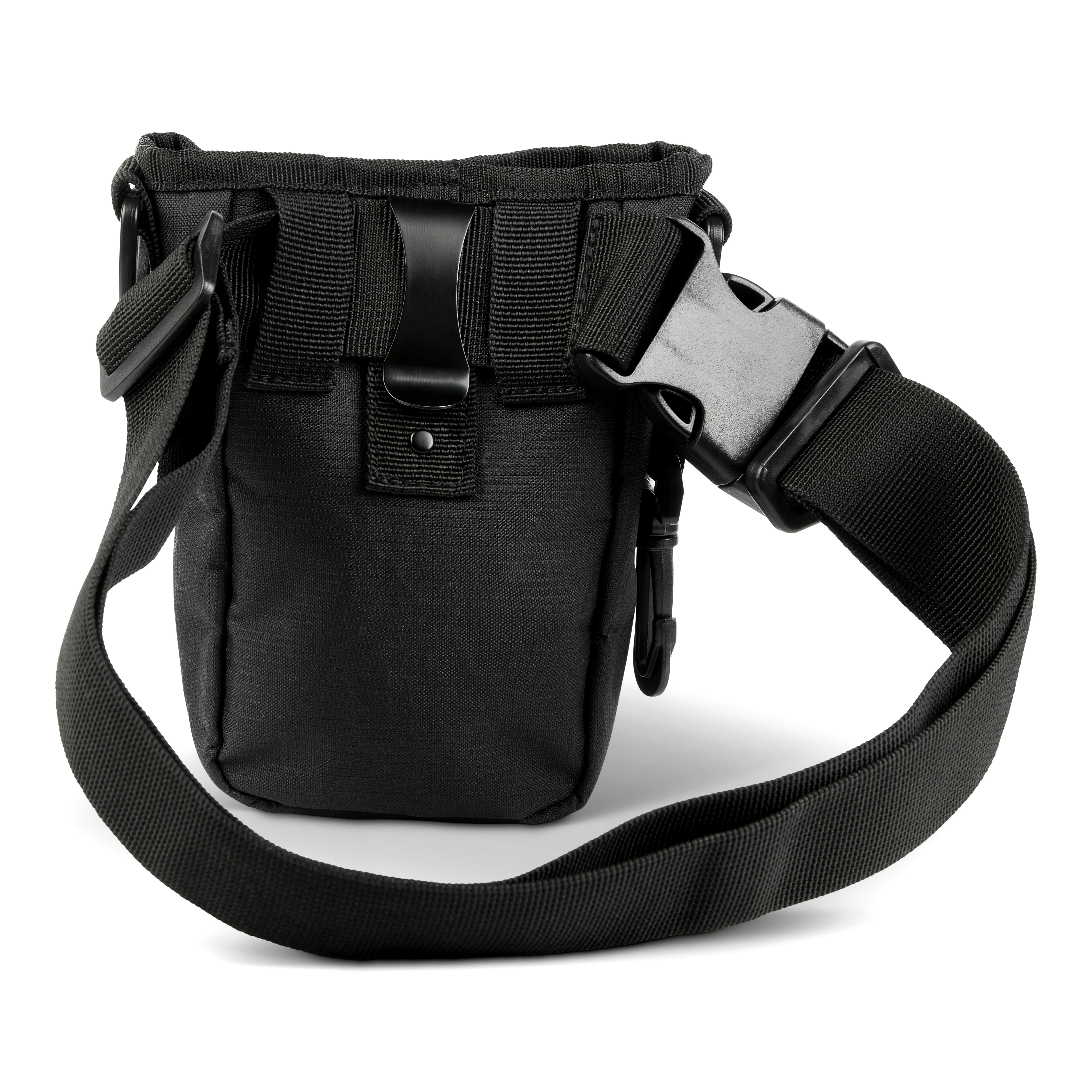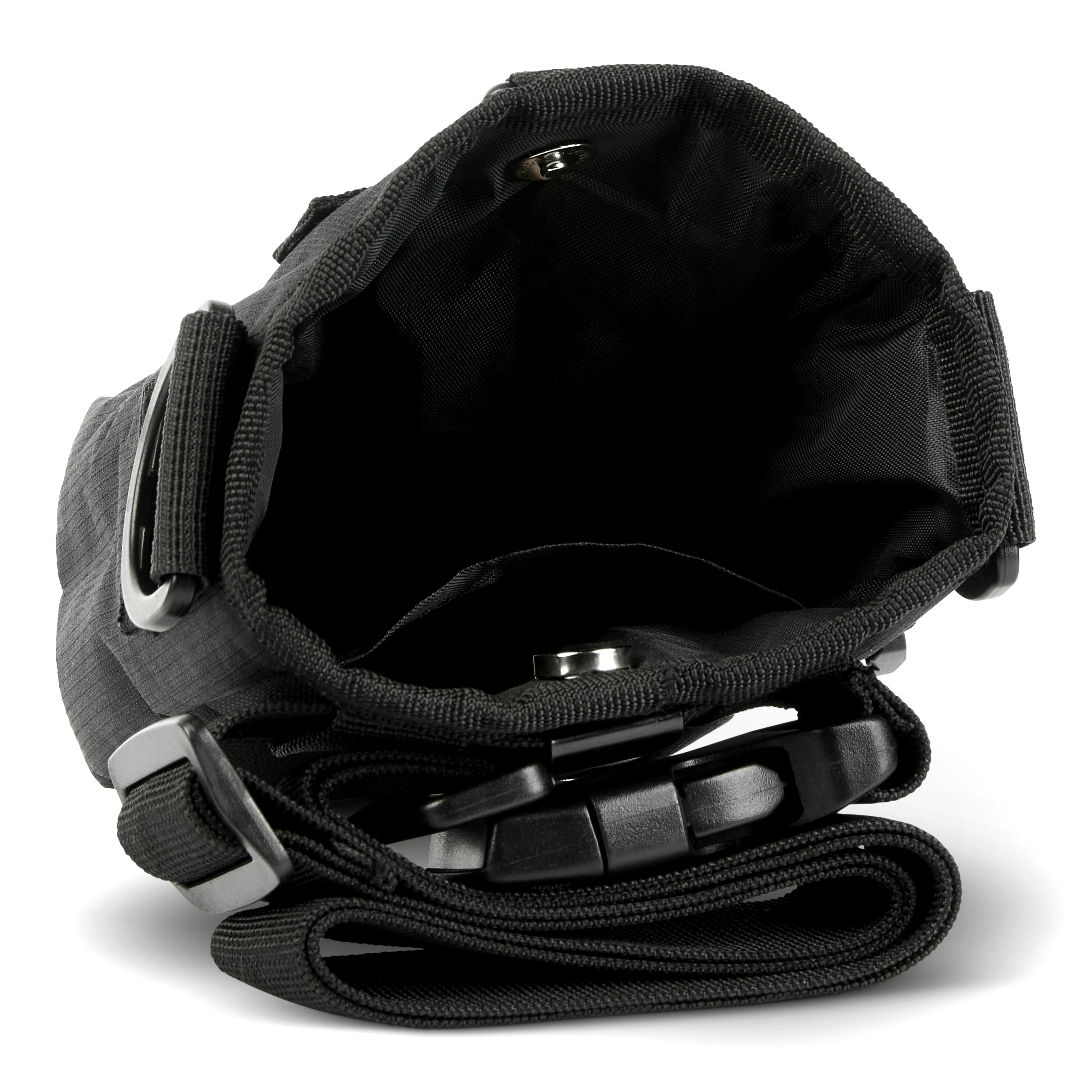

You notice it fastest when training is going well. Your timing sharpens, your dog stays engaged, and rewards appear exactly when they should. Then one awkward walk with treats stuffed in a coat pocket reminds you how much a proper dog treat bag for training changes the whole session.
When treats are hard to reach, training gets clunky. You fumble, your dog loses focus, and your jacket ends up smelling faintly of liver for the rest of the week. A dedicated treat bag is a small piece of kit, but it makes a very real difference to consistency, speed and day-to-day convenience.
Why a dog treat bag for training matters
Good training depends on timing. Whether you are teaching loose lead walking, working on recall or reinforcing calmer behaviour around distractions, the reward needs to arrive quickly. Even a delay of a second or two can muddy the message.
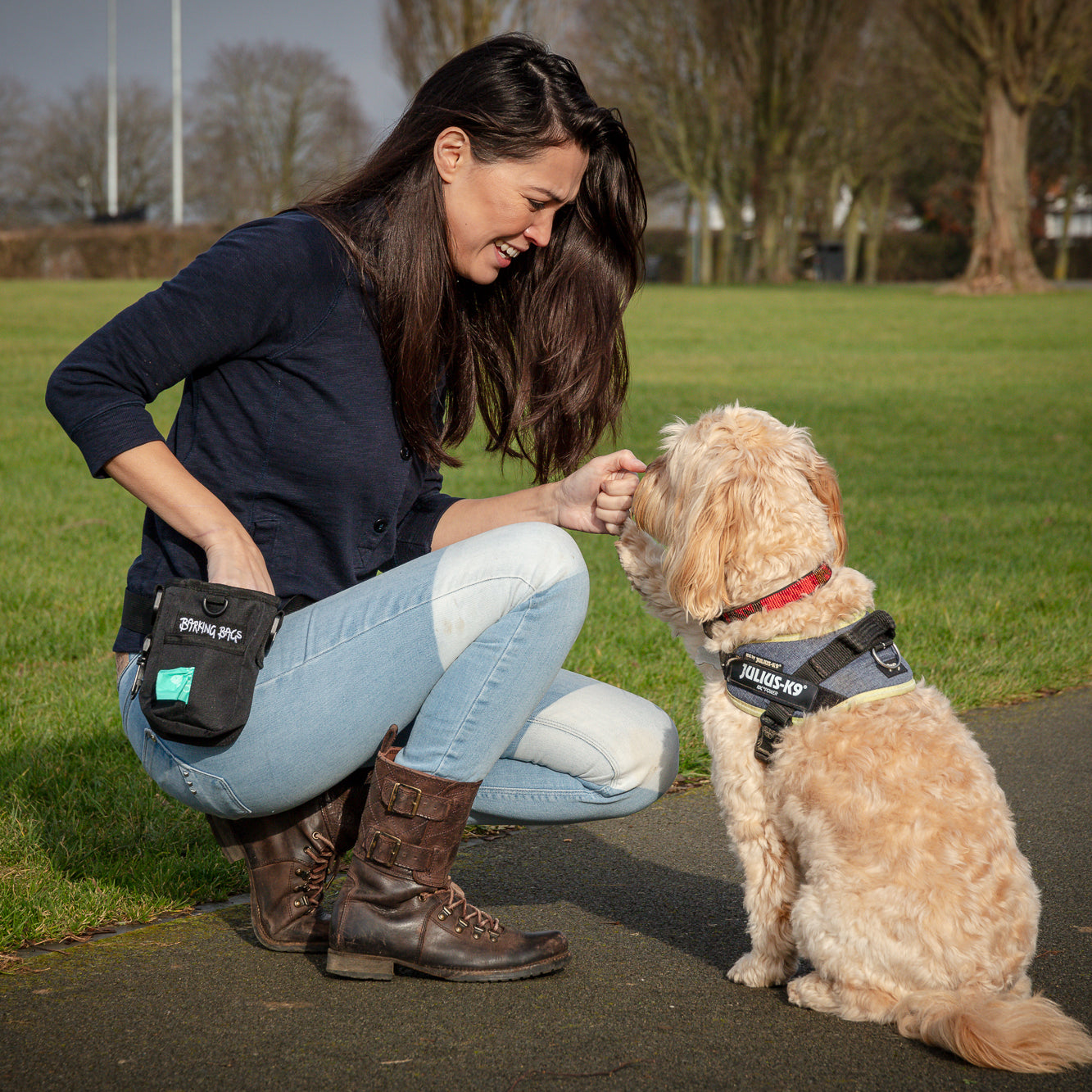
That is where a dedicated bag earns its place. Instead of patting down pockets or juggling a plastic tub, you have one clear place for rewards. Your hand knows where to go, your treats stay separate from your keys and mobile phone, and you can focus on your dog rather than your storage problem.
It also helps with repetition. Most training is not one big breakthrough. It is dozens of small, well-timed rewards across ordinary walks, garden sessions and quick practice by the front door. A bag that is easy to wear and easy to use makes it more likely you will keep those sessions going.
What to look for in a dog treat bag for training
The best choice is rarely the one with the most features. It is the one that suits how you actually walk and train with your dog.
Fast access comes first
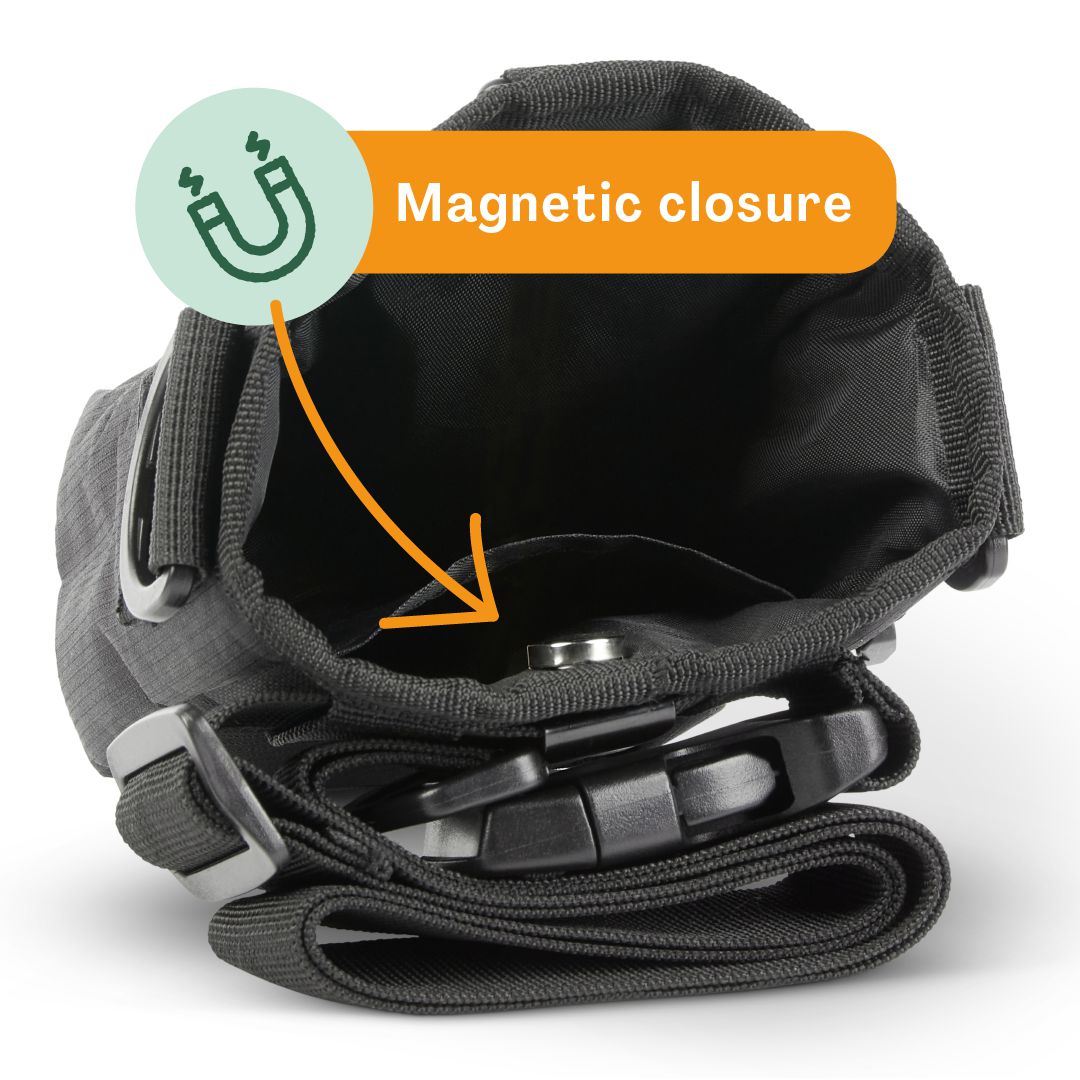
If you have to unzip, unclip or wrestle with a stiff opening every time your dog gets something right, the bag will slow you down. Look for an opening that lets you reach treats with one hand and without looking down for too long.
This matters even more with puppies and high-energy dogs. In those moments, you want your attention on what they are doing, not on whether your fingers can find the opening. Easy access sounds basic, but it is often the detail that separates a bag you use every day from one that ends up in a drawer.
Size should match your routine
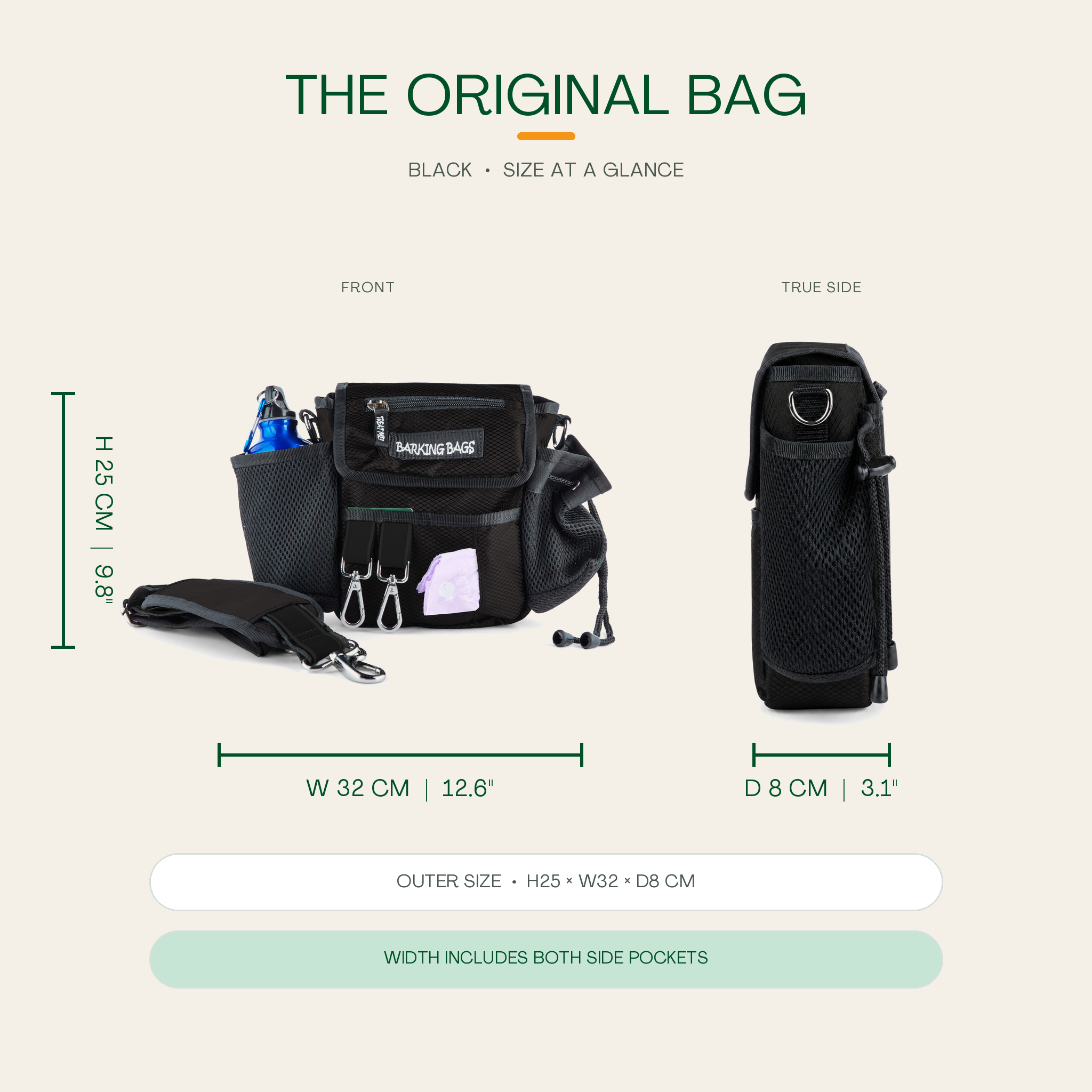
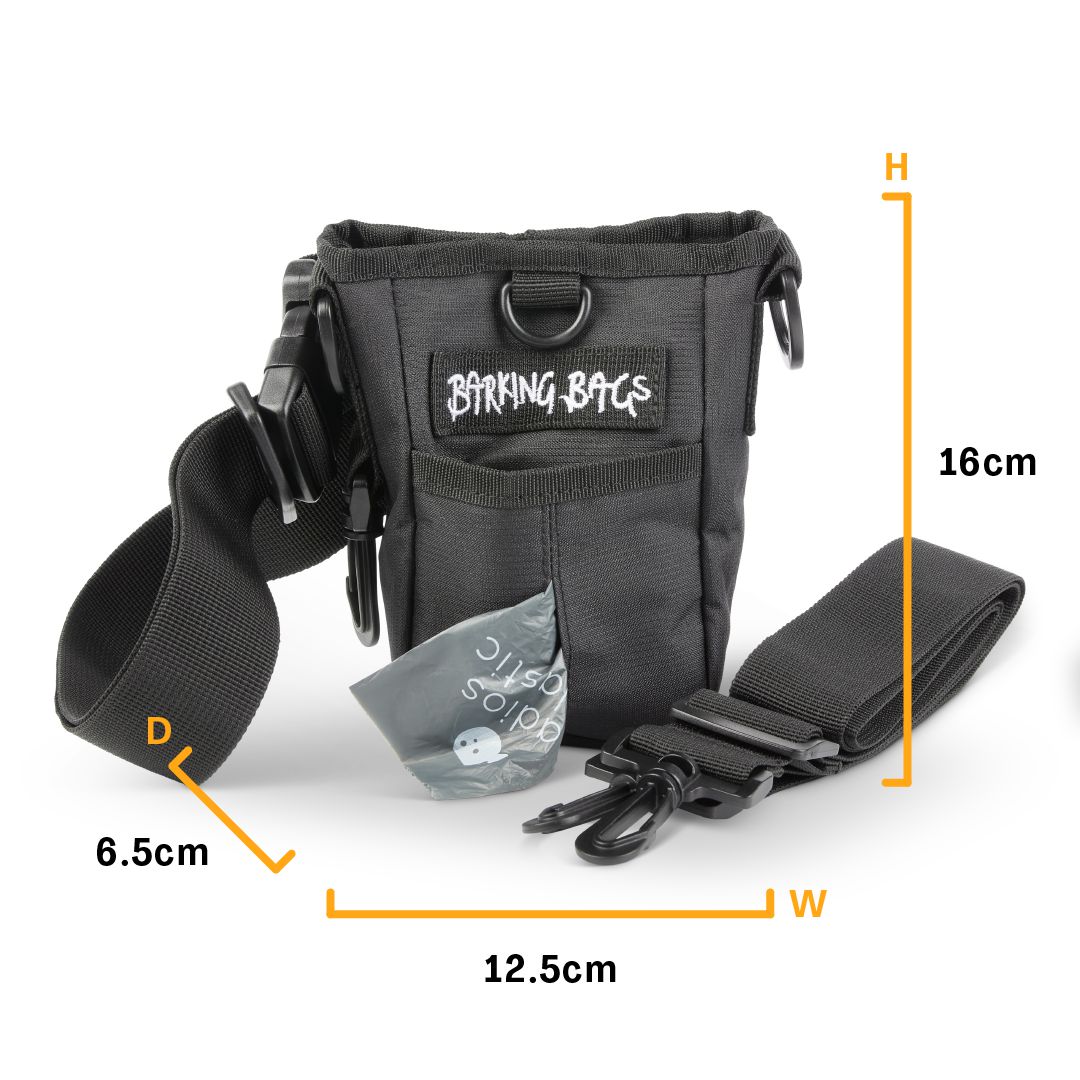
A compact treat pouch can be ideal for short training sessions or a quick walk round the block. If you are out for an hour, combining training with a full dog walk, you may need more room for treats, poo bags, keys and your mobile phone.
Bigger is not always better. A large bag can feel bulky if all you want is quick access to a handful of rewards. On the other hand, a tiny pouch may work for heelwork in the park but become annoying if you still need to carry your everyday essentials. It depends on whether training is the main event or part of a longer outing.
Easy-clean materials are worth it
Treat bags get grubby. Soft cheese, sausage, damp biscuits and crumbs have a way of turning even the neatest setup into a mess. Choose a bag that can be wiped clean easily, with a lining that will not hold odours for long.
This is one of those features people overlook at first, then care about very quickly. If cleaning the bag feels like a chore, you are less likely to keep it stocked and ready. A practical design should make the boring bits easier too.
Secure enough for real walks
A treat bag used for training often does double duty on walks. That means bending down to clip on a lead, moving quickly, reaching for waste bags and sometimes dealing with a dog who has spotted a squirrel and made a strong opinion known.
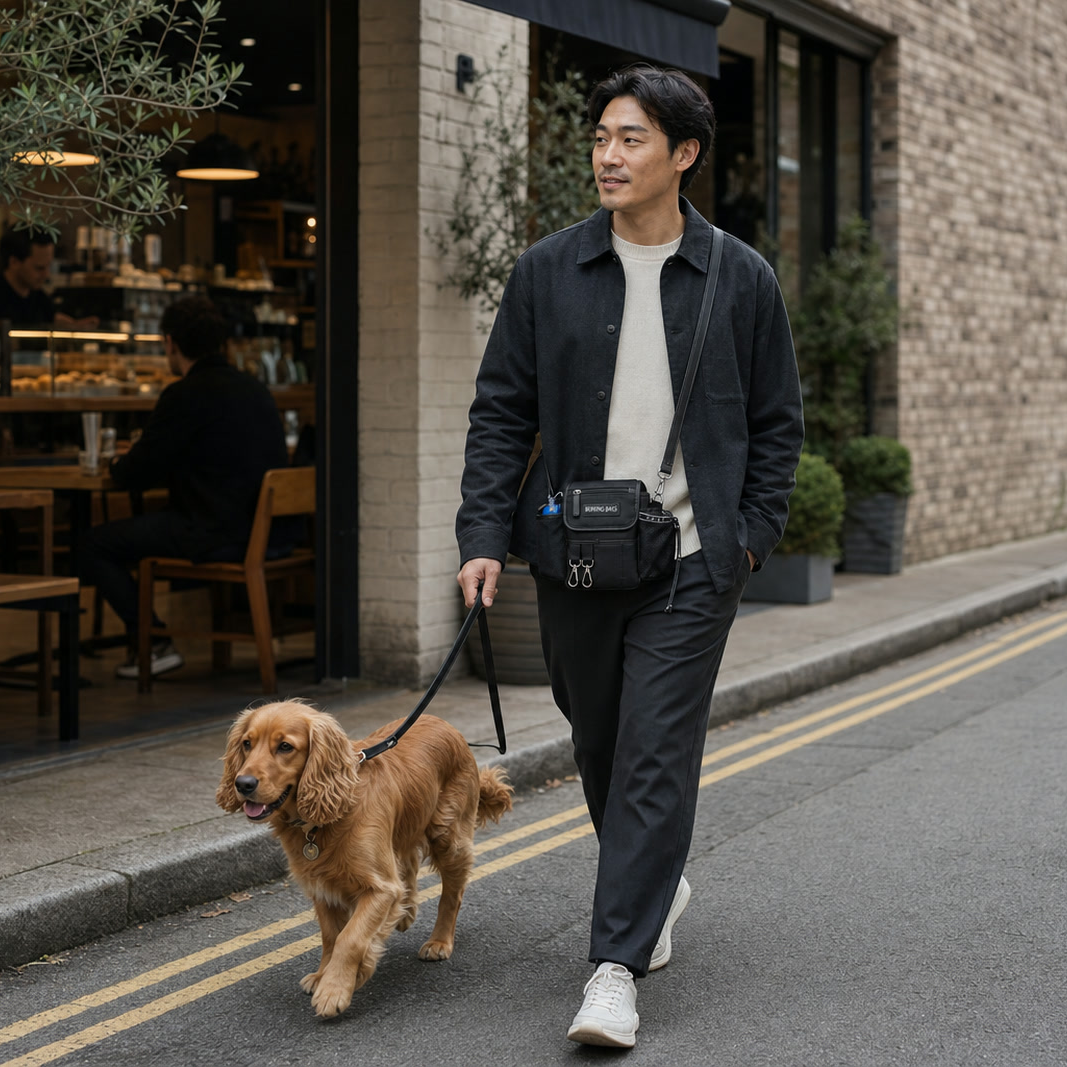
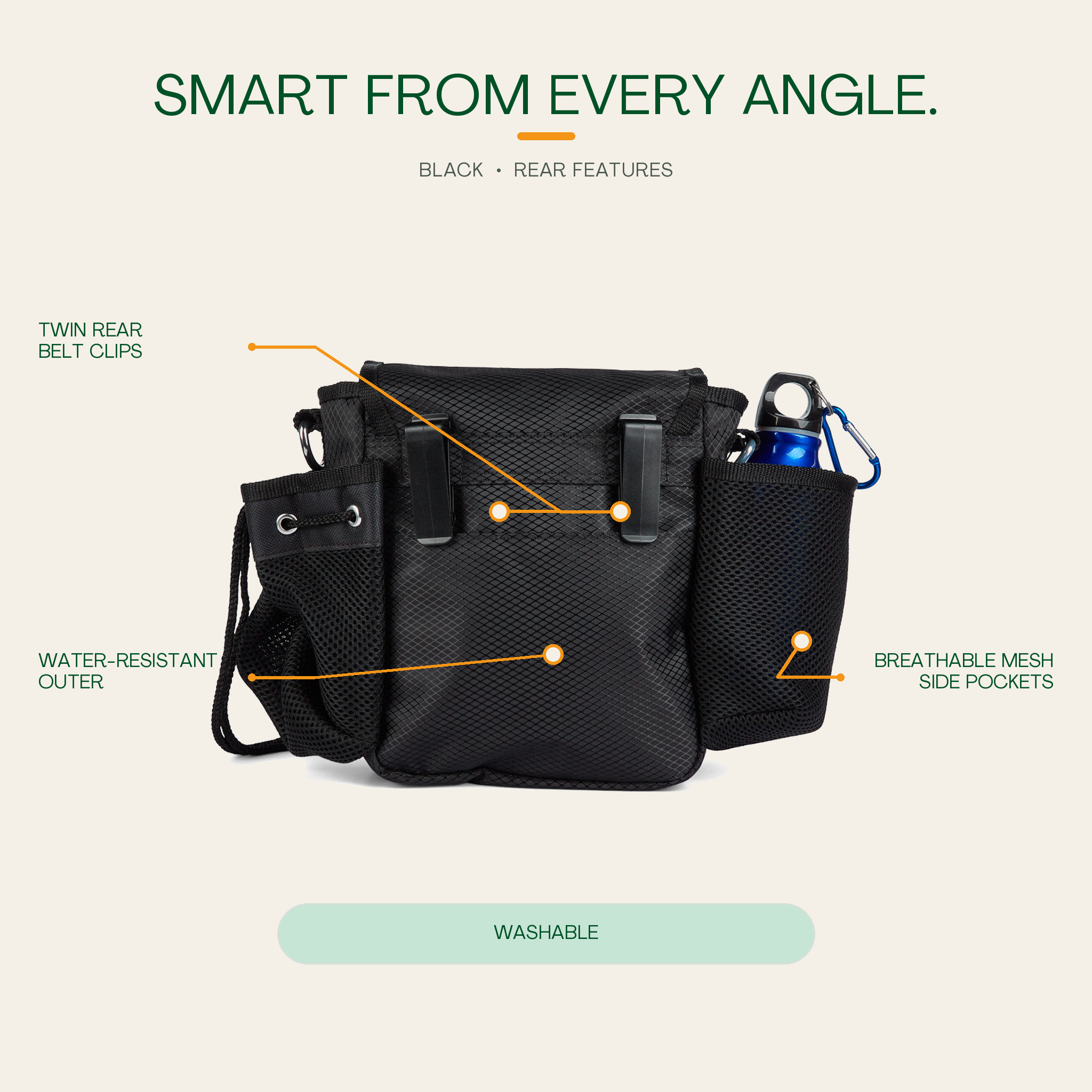
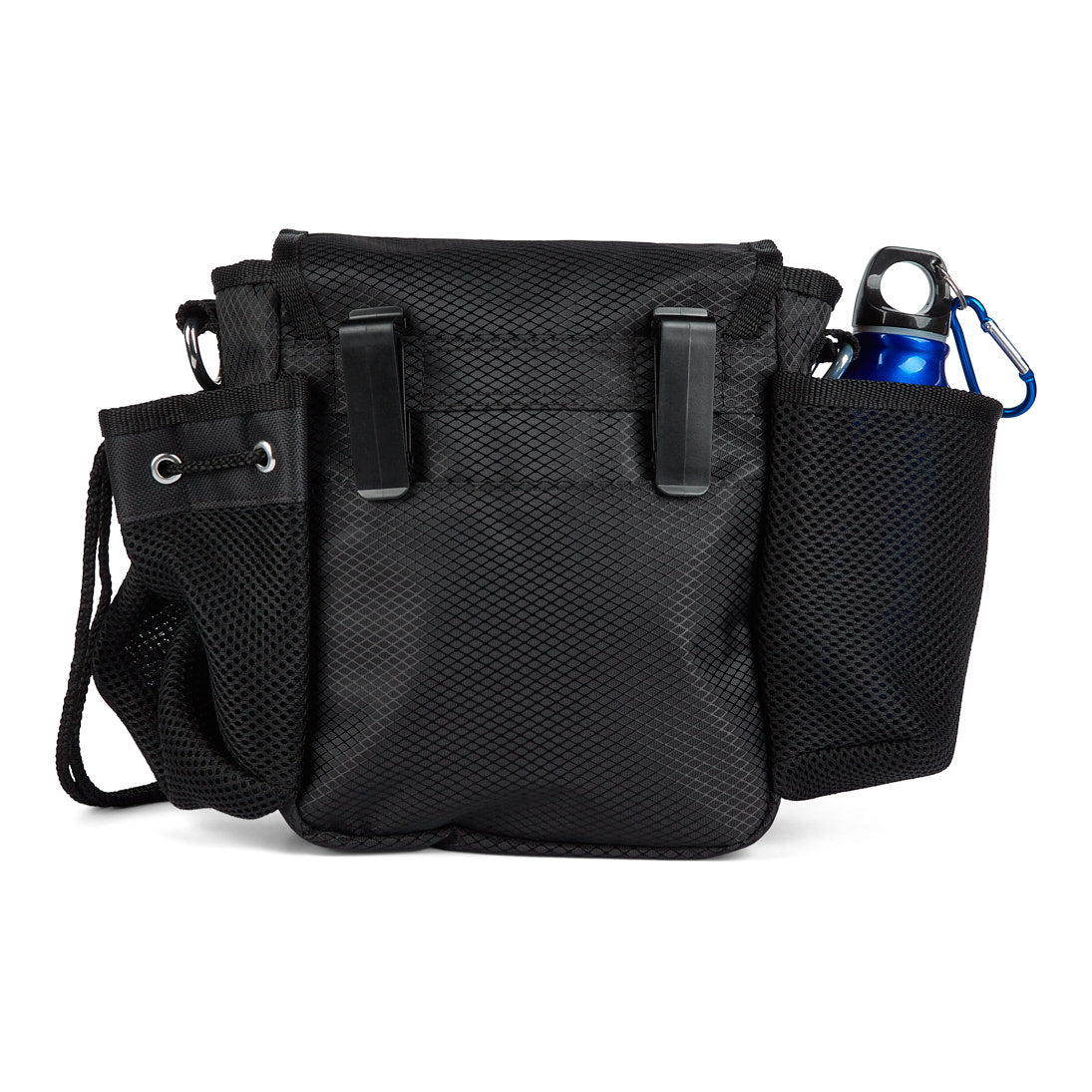
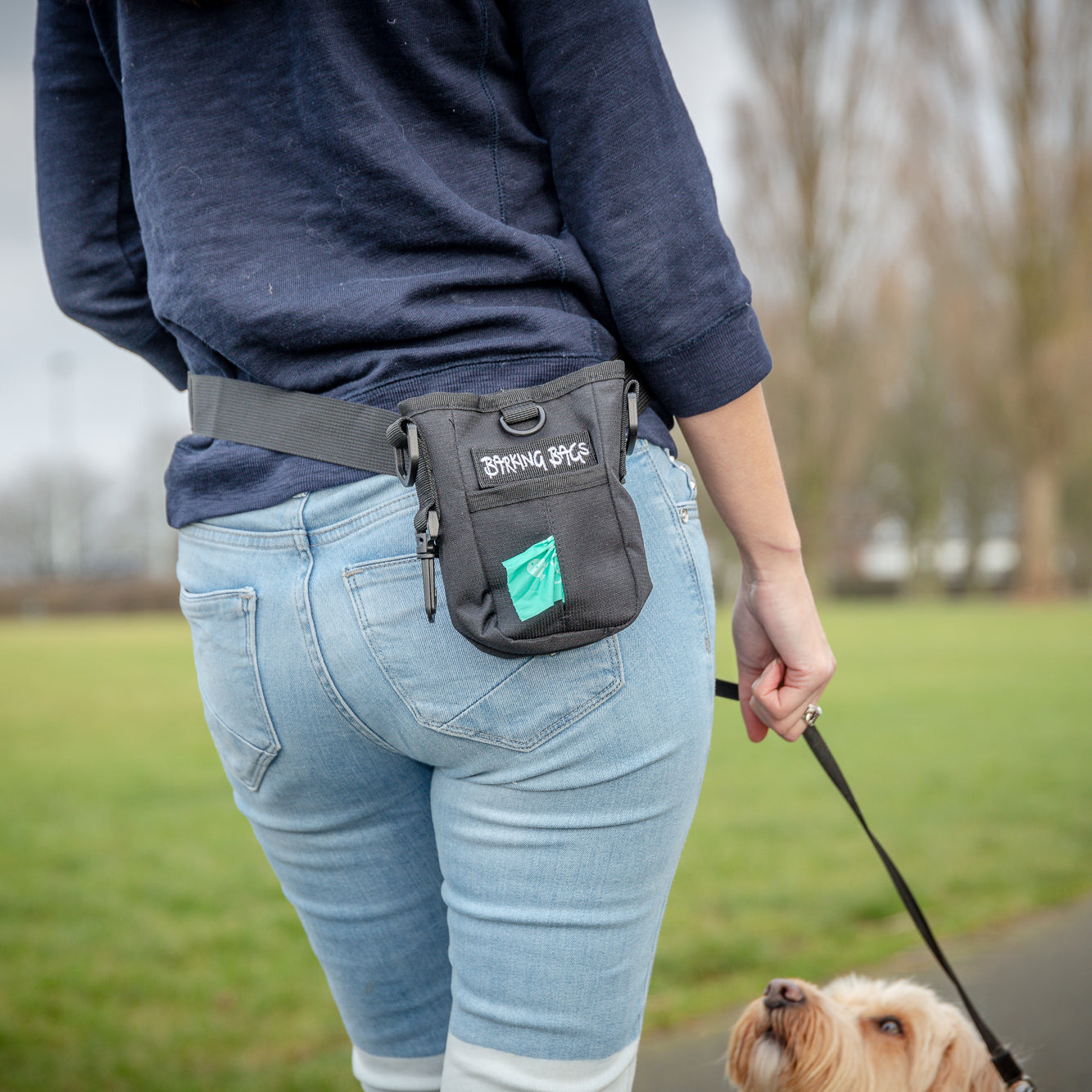
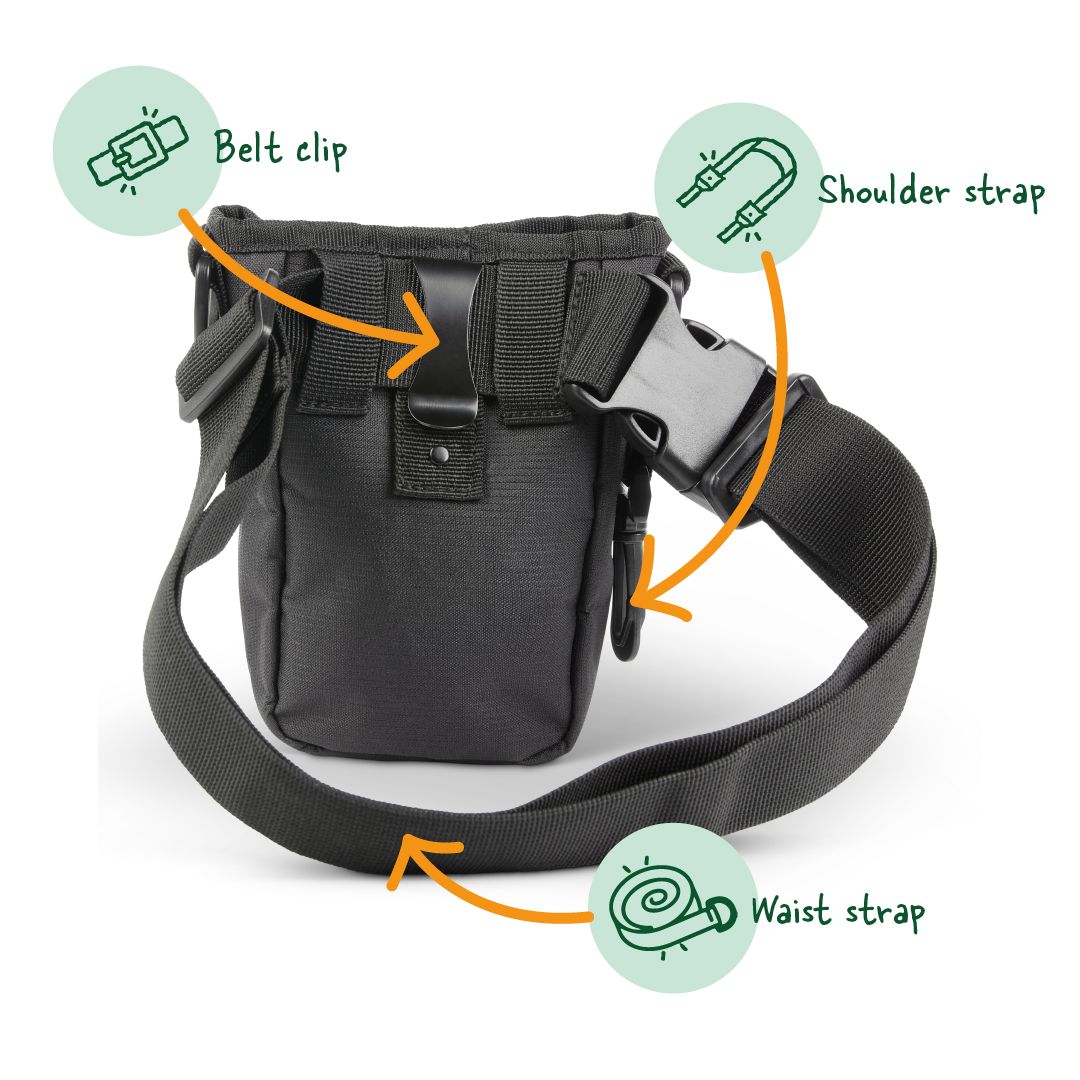
The bag needs to stay put. Clips, waist straps and crossbody options all have their place, but the right choice depends on how active your walks are and what feels comfortable on your body. If a bag swings, slips or digs in, you will notice it every time.
Treat bag styles and who they suit
There is no universal best option because dog owners use treat bags in very different ways.
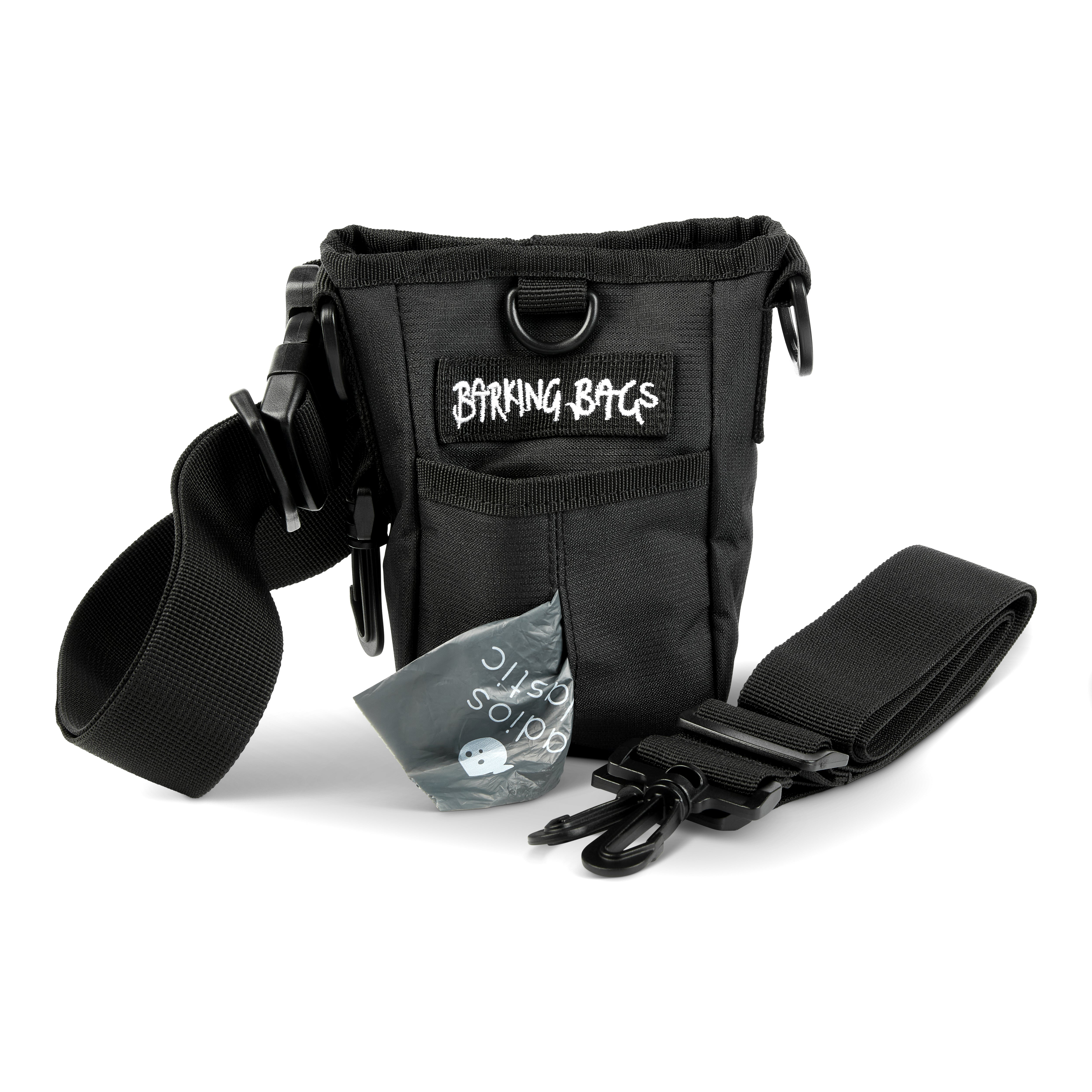
A simple clip-on pouch works well for short sessions, garden training and owners who want something lightweight. It is easy to add and remove, and it keeps things straightforward. The trade-off is capacity. Once you want space for personal items as well, it can start to feel limited.
A waist-worn treat bag can be a strong choice for hands-free training, especially if you want quick front access. Many owners like the stable fit, particularly for active dogs or sessions that involve movement. The downside is personal preference. Some people love the feel of a belt bag, while others find it restrictive over thicker coats.
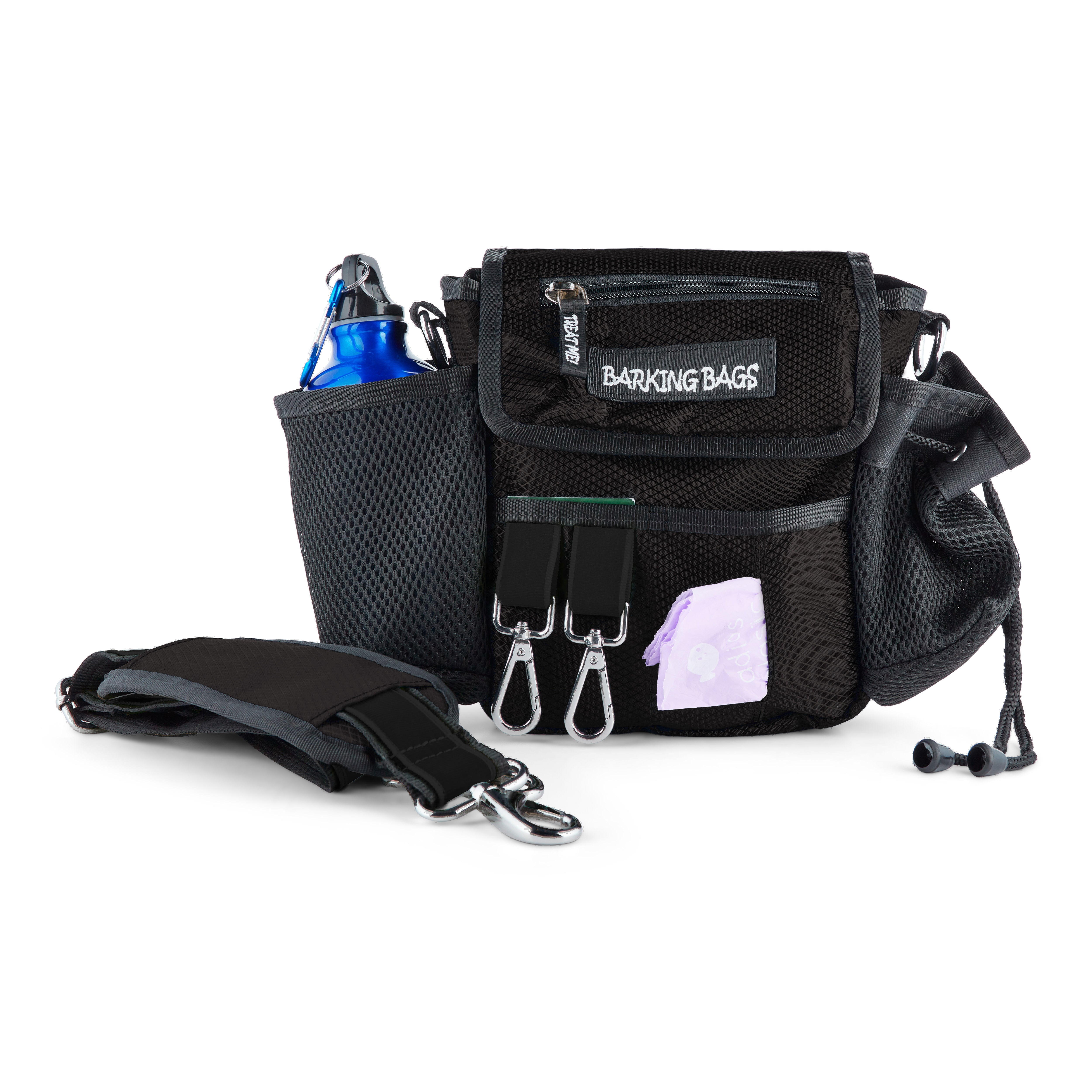
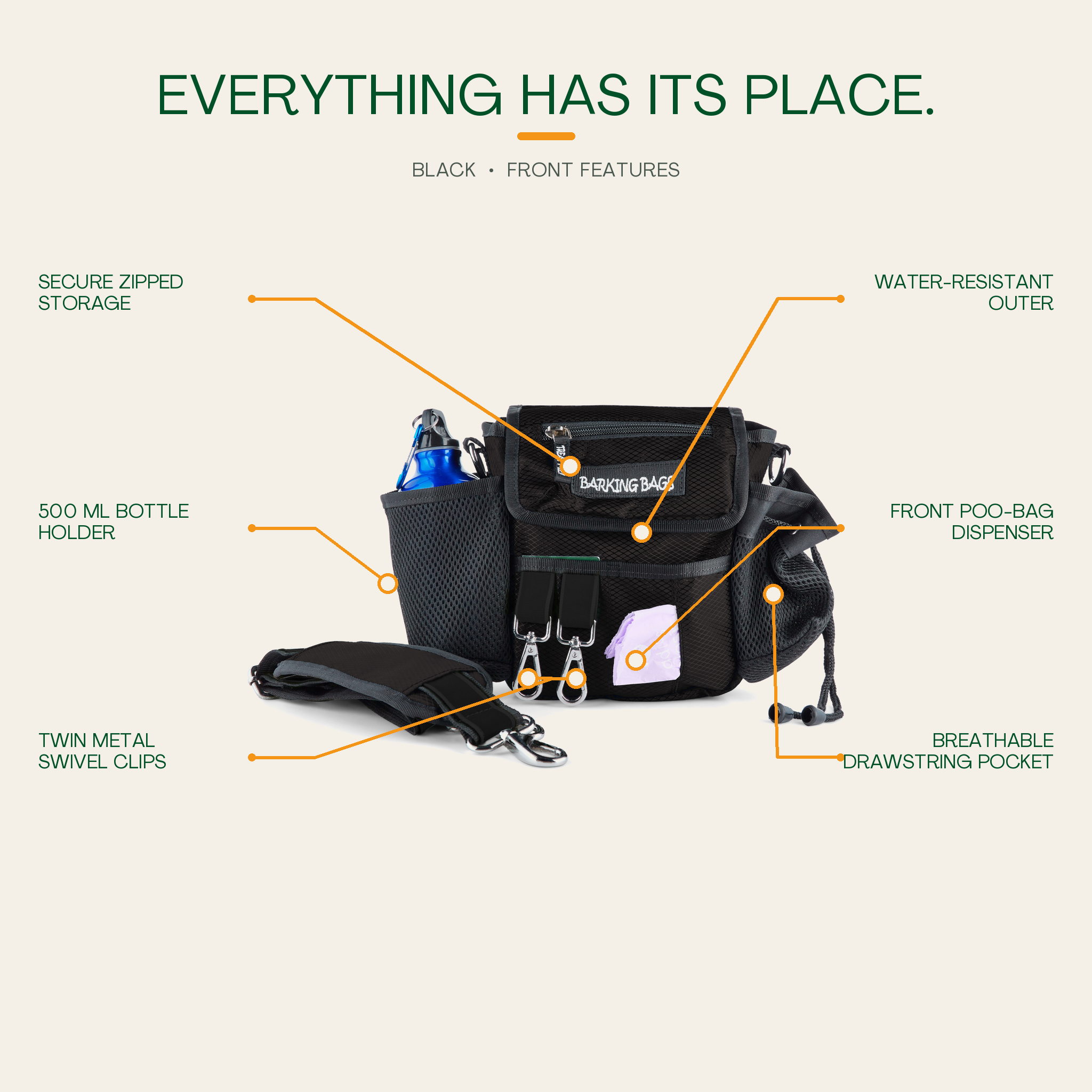
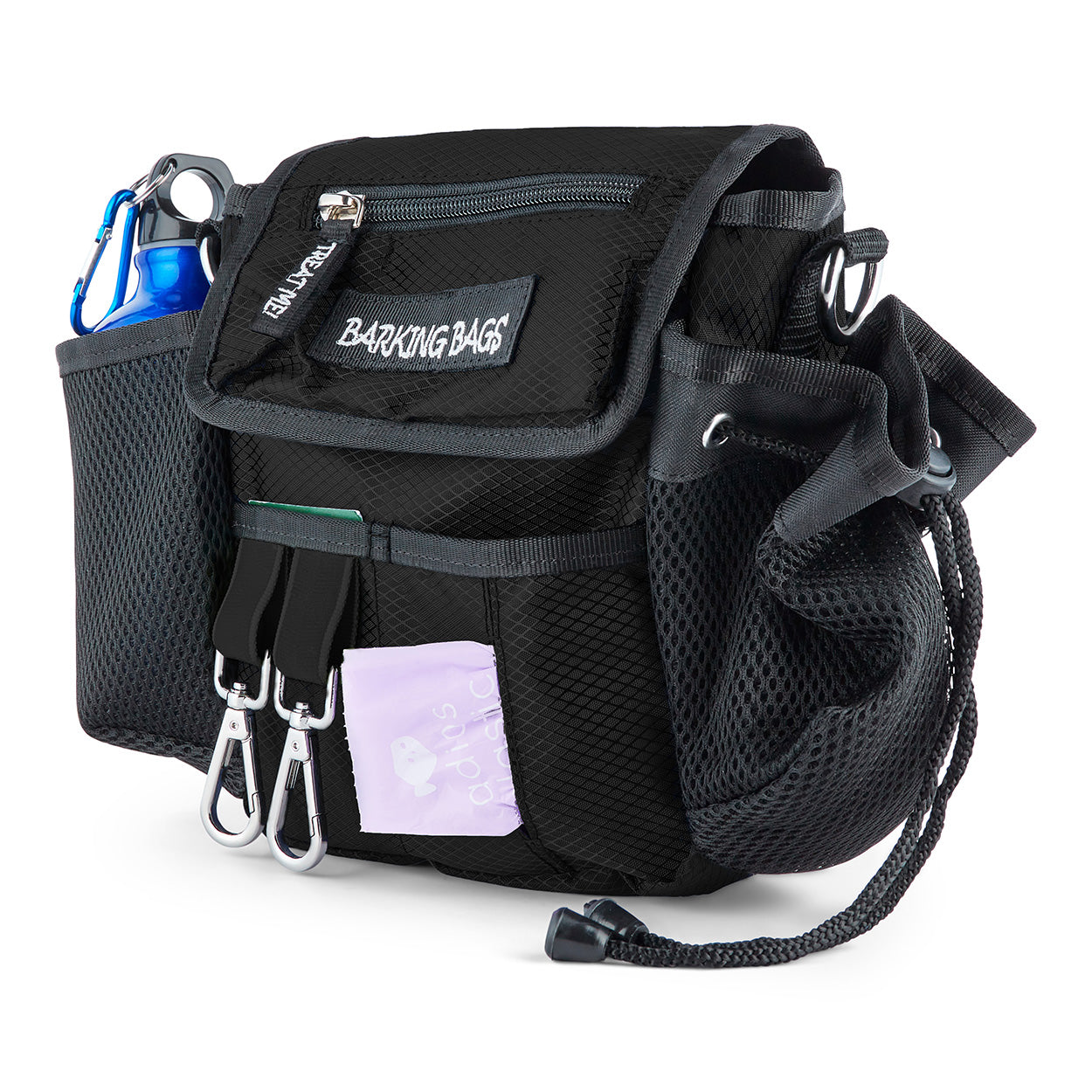
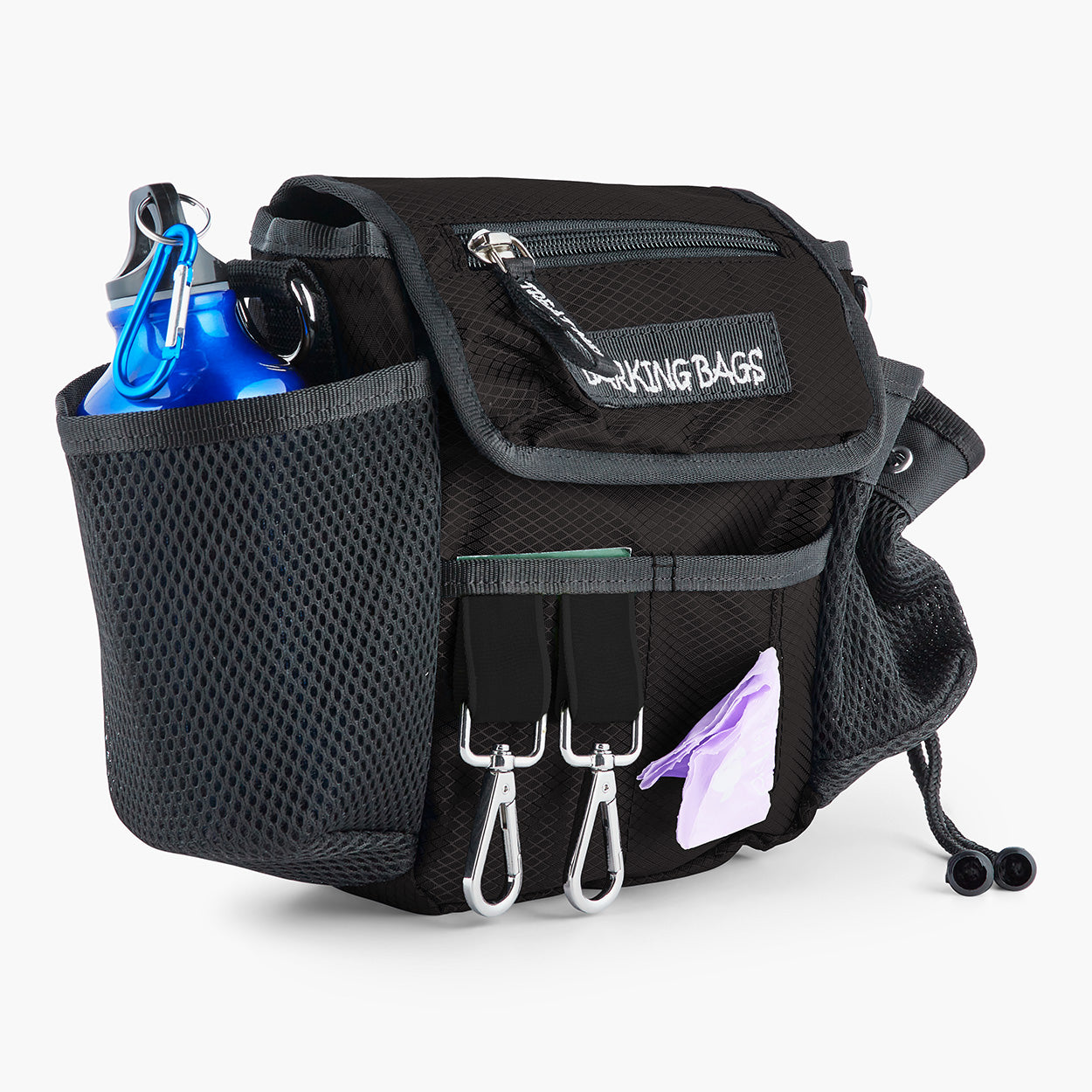
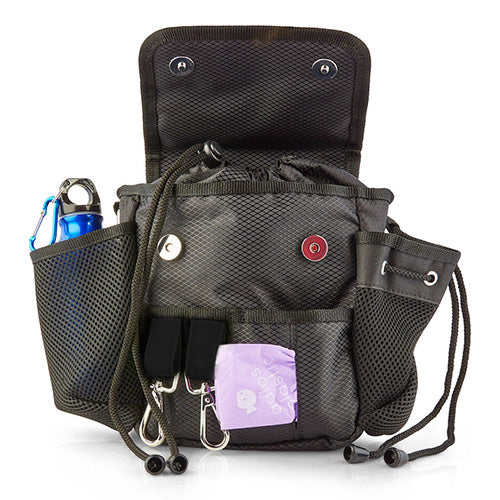
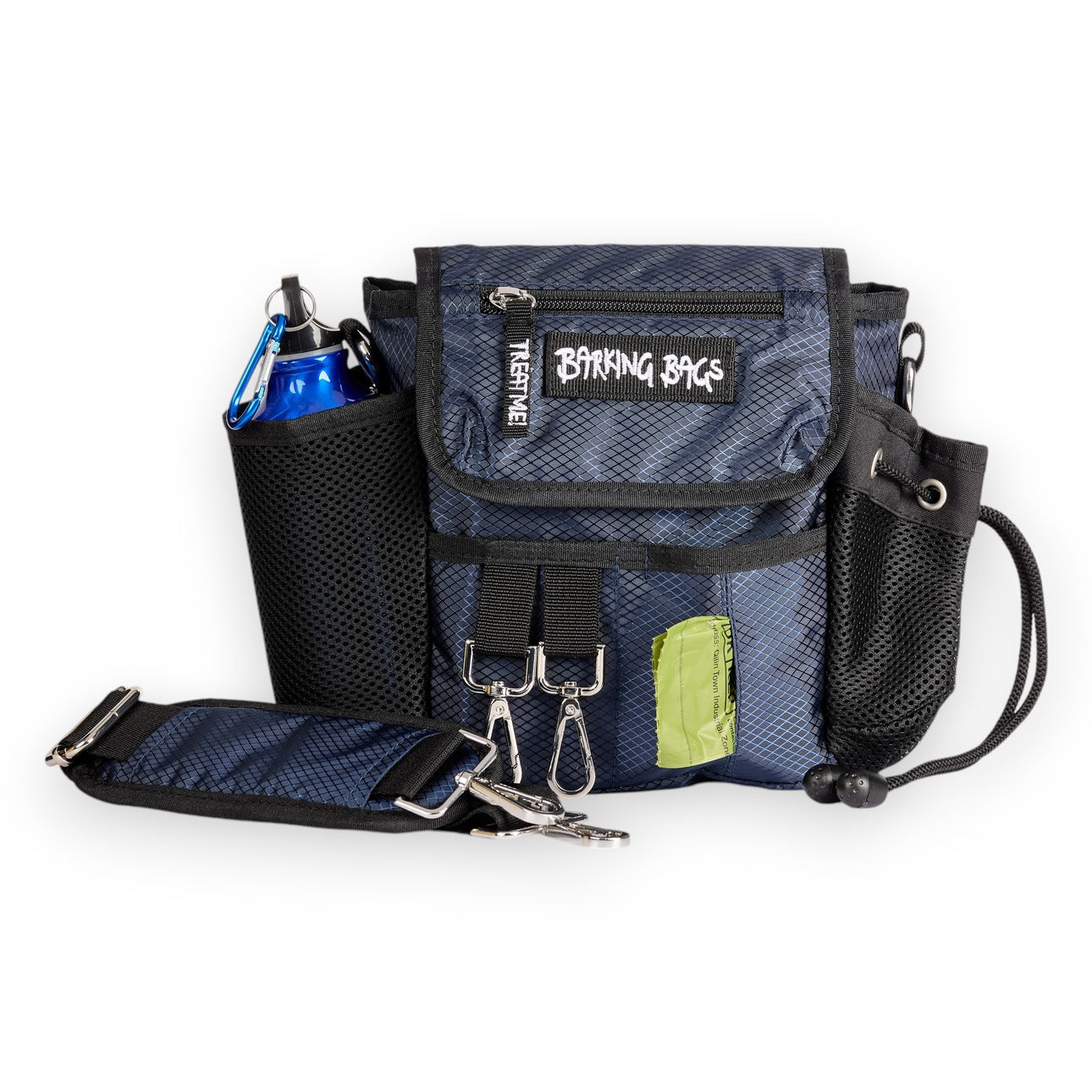
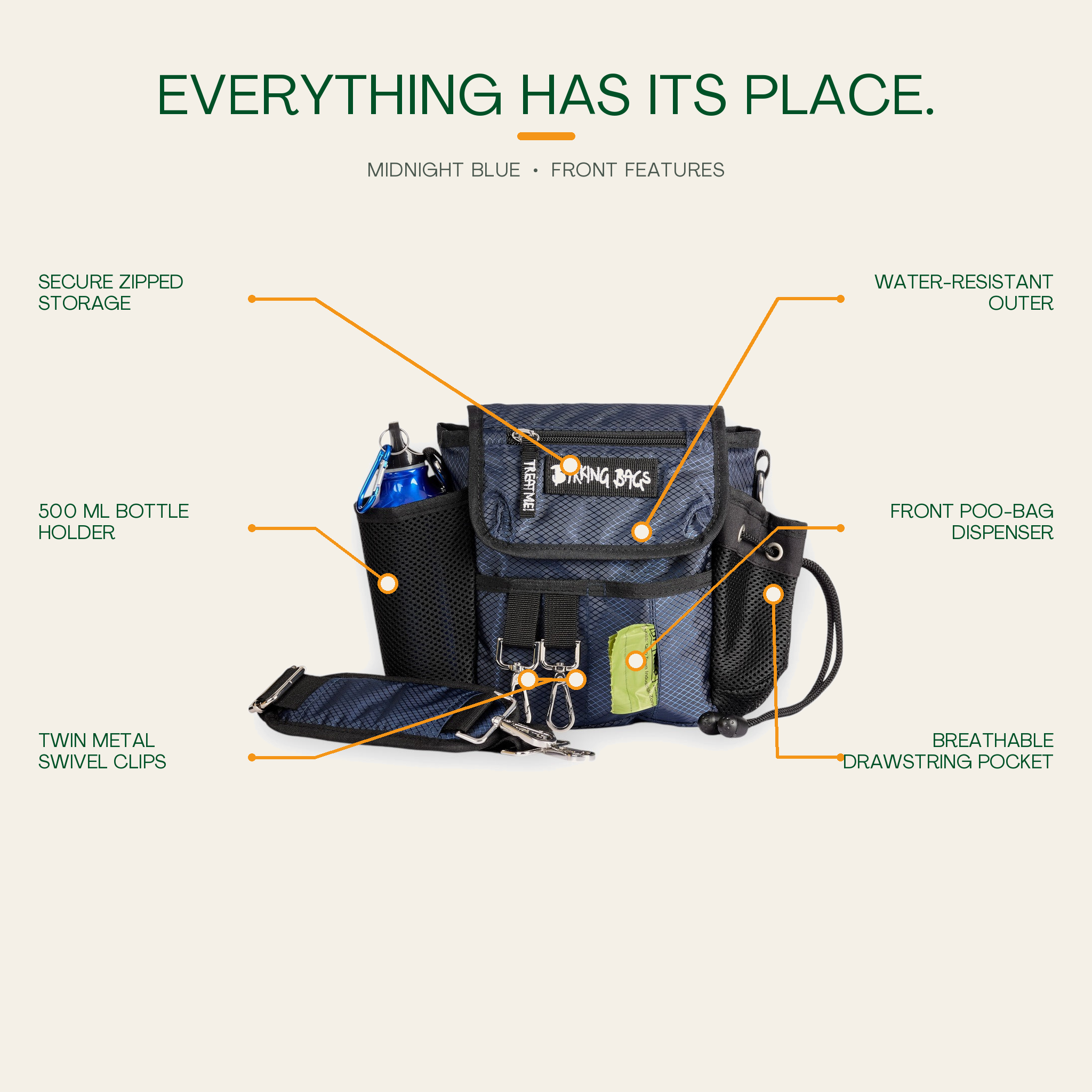
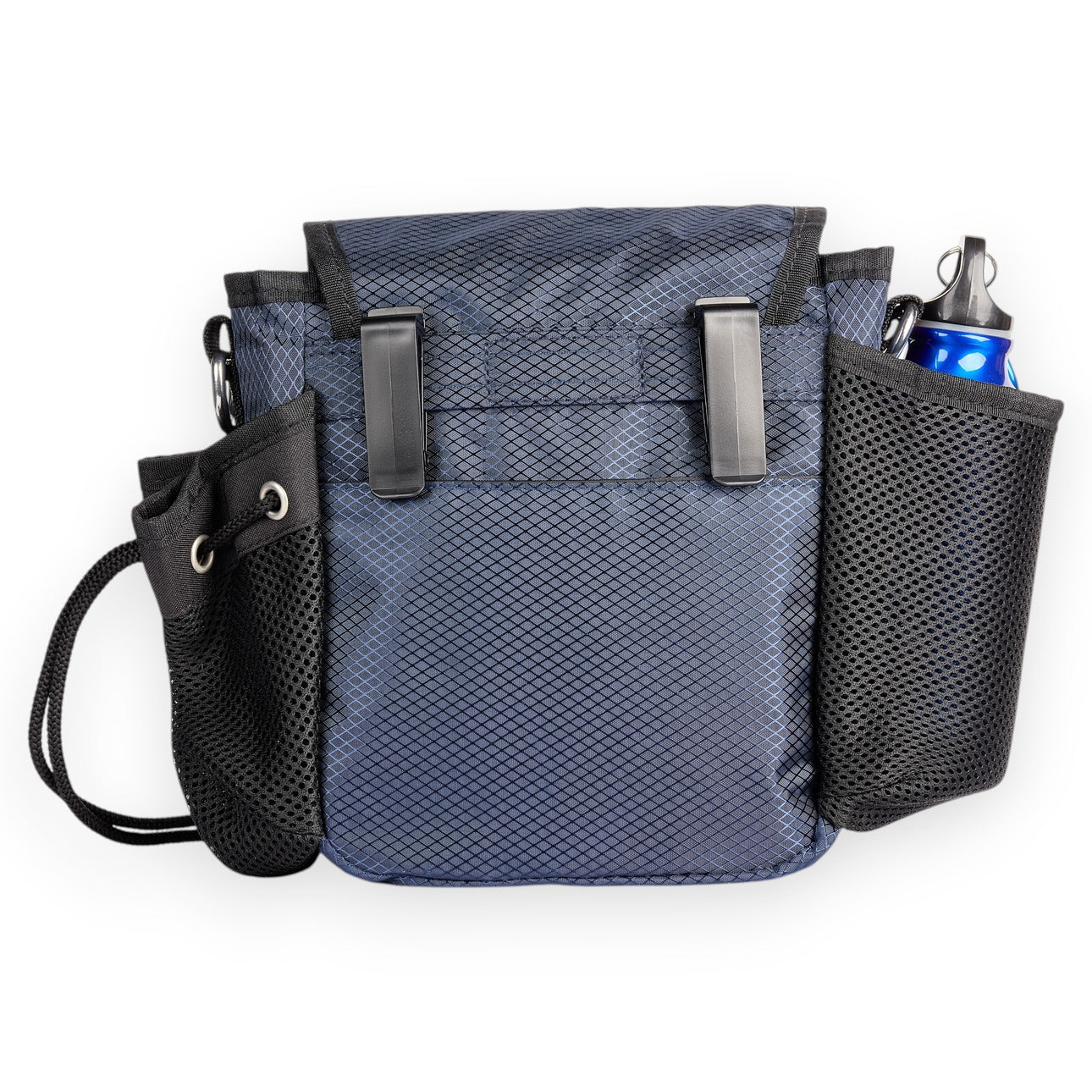
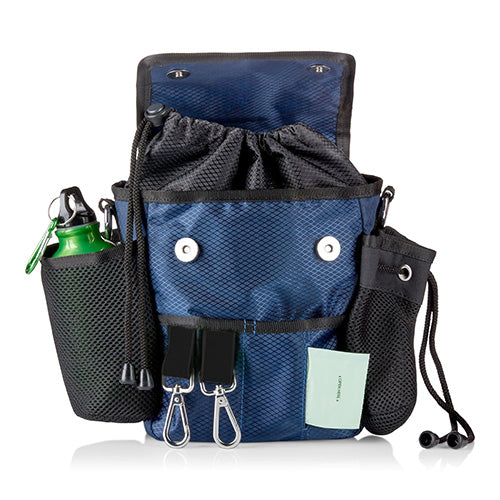
A crossbody dog walking bag with dedicated treat storage suits anyone who wants one organised system for the entire walk. That can be especially useful if you are carrying more than treats, such as leads, poo bags, a ball, your mobile phone and keys. For everyday dog owners, and particularly for professional walkers, having one purpose-built setup often feels far more practical than juggling separate pouches.
Choosing for your dog, not just the bag
Your dog’s training style matters as much as your own preferences.
For puppies
Puppies usually need frequent rewards and quick responses. You will likely be reaching into the bag often, sometimes every few seconds in a new environment. That makes easy access and comfort especially important. A fiddly closure may not bother you with an older dog, but it can become frustrating very quickly with a puppy.
For food-driven dogs
If your dog is highly motivated by food, you may carry a wider range of treats to keep them engaged. A bag with enough room for different reward types can help, especially if you use lower-value rewards for easy wins and something better for recalls or distractions.
For sensitive or easily distracted dogs
With nervous or distractible dogs, calm handling matters. A noisy bag, awkward opening or repeated rummaging can interrupt the flow of the session. A quieter, smoother design can make training feel more natural.
Practical details people forget
The details that seem small on paper often shape whether you genuinely enjoy using the bag.
Think about how it feels over a coat in winter and a lighter layer in summer. Consider whether you can open it one-handed while holding a lead. Check if there is a sensible place for poo bags that does not interfere with your treats. If you use high-value rewards, ask yourself whether the inside can be cleaned properly after a muddy walk in the rain.
Style matters too, and there is nothing frivolous about that. If a bag looks and feels like something you are happy to wear every day, you will use it more. Dog walking kit does not need to look purely functional to be genuinely practical.
When a treat pouch is enough and when you need more
For some owners, a small treat pouch is all that is needed. If your sessions are short, local and focused purely on rewards, keeping things minimal makes sense.
But many dog walks are not that tidy. You are carrying your mobile phone, keys, waste bags, perhaps a ball, maybe your own bits and pieces as well. In that case, a more complete dog walking bag with dedicated treat storage can be the better long-term choice. It cuts down on the pocket chaos and gives every item a place, which is exactly what makes routine walks feel easier.
That is why purpose-designed options often make more sense than adapting a handbag, bumbag or old rucksack. Training gear works best when it has been built for the realities of dog walking, not borrowed from another part of your wardrobe.
A smarter setup makes training easier
A good dog treat bag for training will not teach your dog to walk nicely on the lead or come back first time. What it does is remove friction. It helps you reward faster, stay organised and keep sessions flowing, which is exactly what good training needs.
At Barking Bags, that practical difference is the point. The right bag should earn its place on every walk, not just look useful when it is empty. Choose one that fits your routine, works with your dog and makes training easier to stick with. When the setup feels simple, consistency gets a lot easier too.
The best gear is not the flashiest bit of kit. It is the piece you reach for every single day because it quietly makes life with your dog run better.