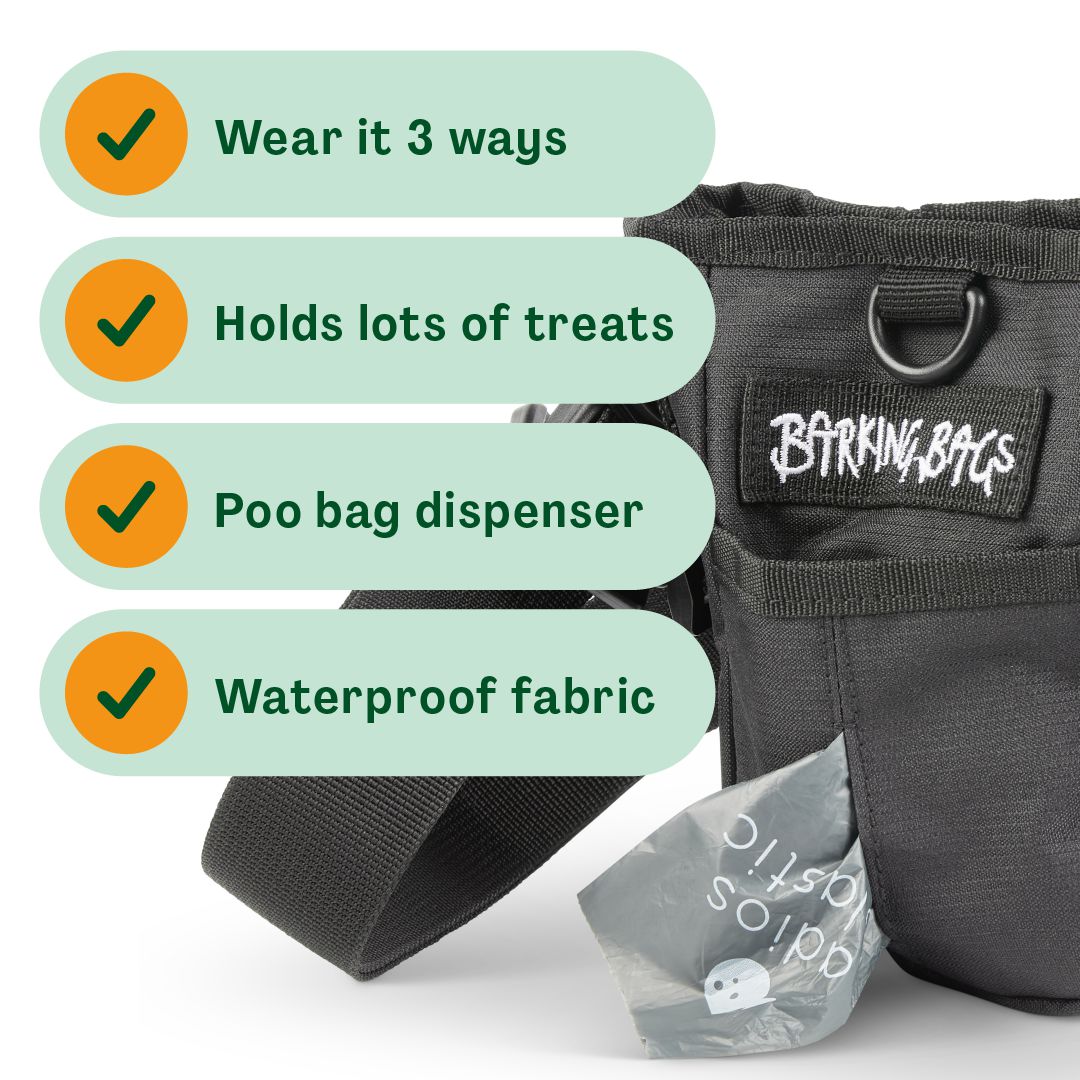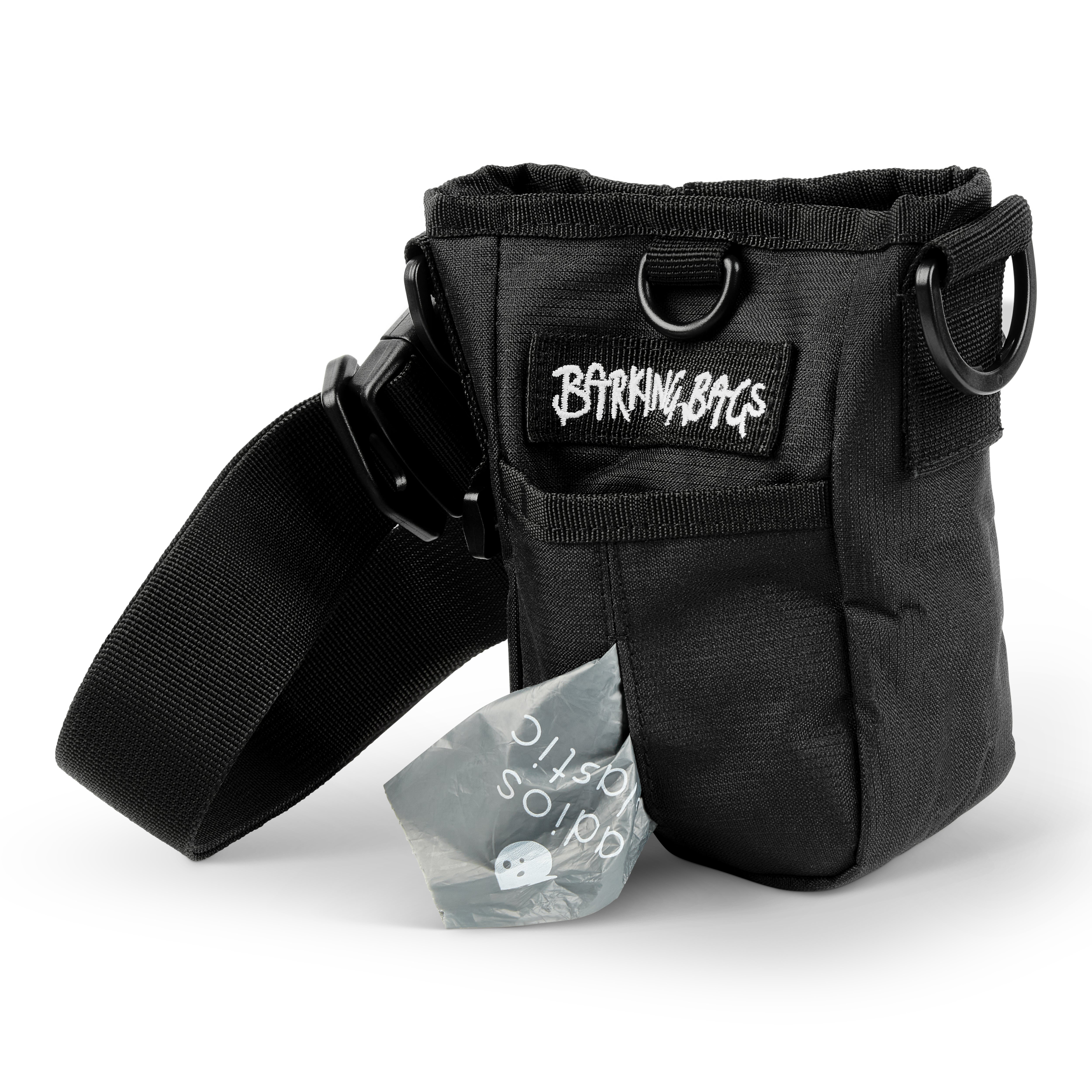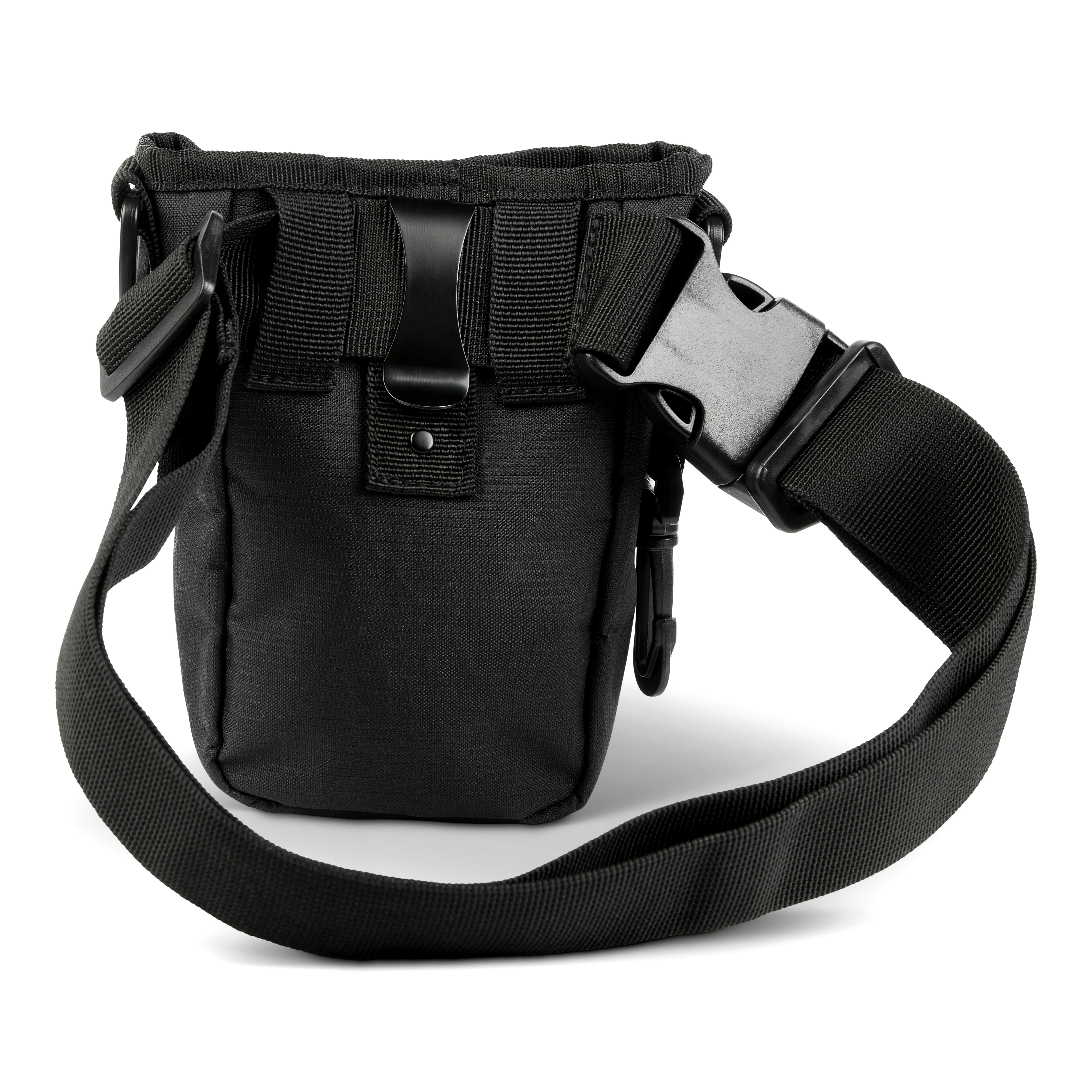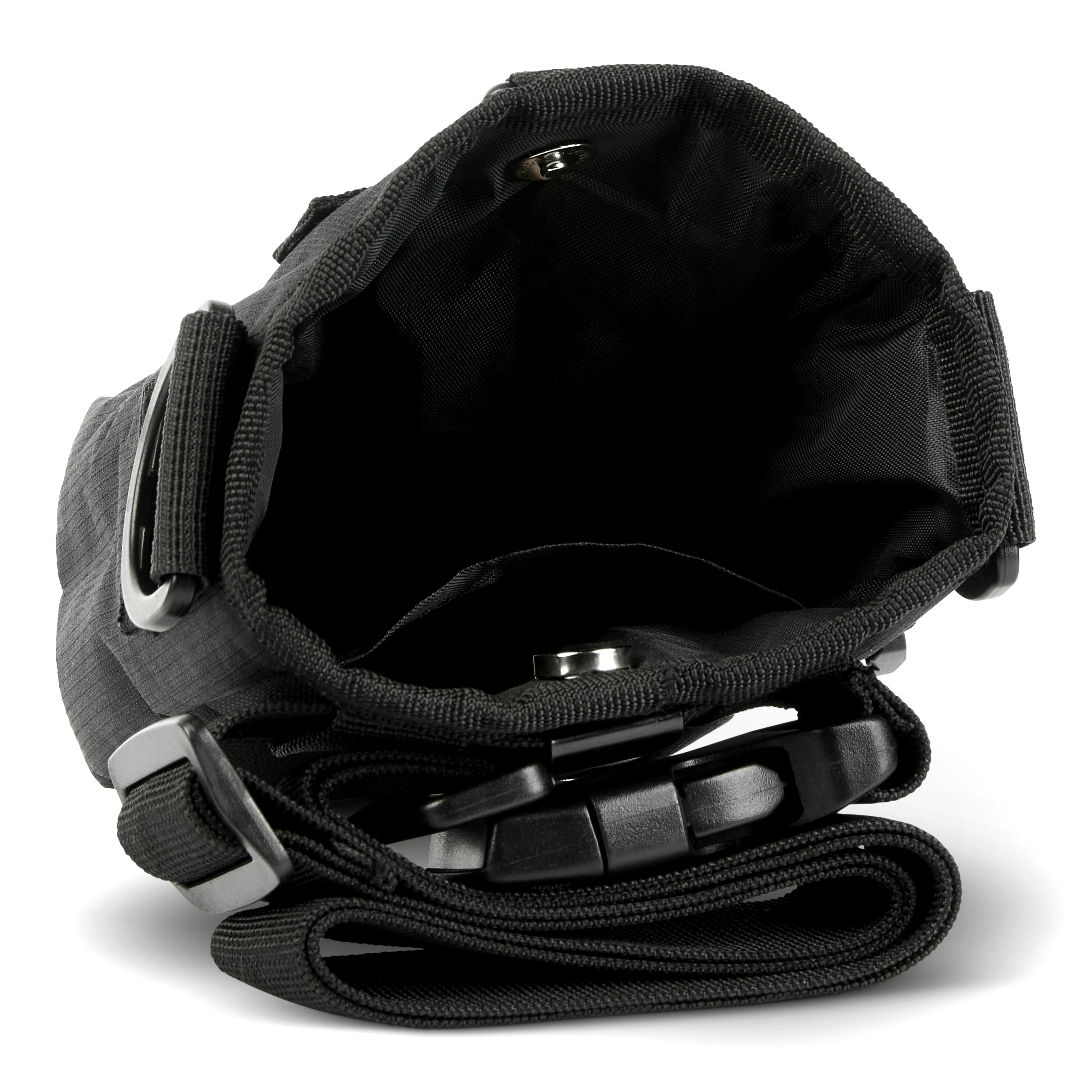

The problem usually starts five minutes into the walk. You reach for a treat, find a pocket full of crumbs, and realise your keys now smell faintly of liver. If you have ever wondered how to carry dog treats outdoors without turning your coat, handbag or jeans into a mobile snack drawer, the answer is simple: use a system that suits the way you actually walk and train.
That matters more than people think. Treats are not just a nice extra on a walk. They are often part of recall practice, loose lead work, calm behaviour around other dogs, and rewarding the moments you want more of. If treats are awkward to reach, too messy to carry or buried under everything else, they stop being useful at exactly the wrong time.
Why your treat-carrying setup matters
A good setup makes rewarding your dog quick, clean and consistent. A bad one slows you down. That split second matters when your dog checks in with you, ignores a distraction or comes back first time. Fumble around too long and the moment has passed.
There is also the practical side. Soft treats can leave grease marks. Dry treats break apart. Open pockets collect fluff, rain and bits of poo bag from the bottom of your coat. If you walk your dog once a day, that is annoying. If you walk several dogs, train regularly or head out for longer stretches, it becomes a daily frustration.
The best way to carry treats outdoors depends on three things: how often you reward, what type of treats you use and how much else you need to carry at the same time.
How to carry dog treats outdoors without the mess
The easiest mistake is assuming any pocket will do. It can, for a very short walk and a handful of dry biscuits. But for most dog owners, pockets are the least organised option. They mix treats with personal items, they are harder to clean, and they are not ideal if you need one-handed access while holding a lead.
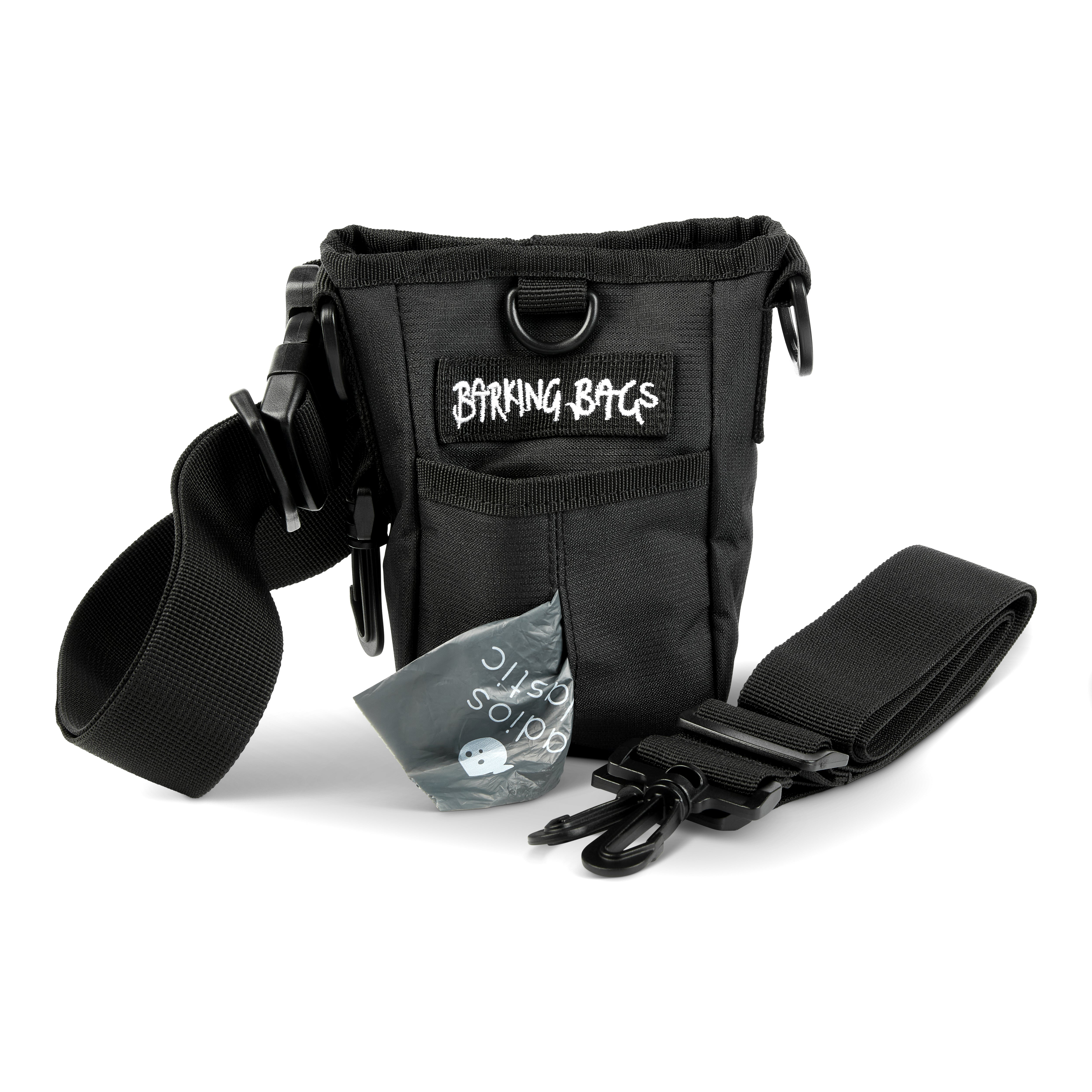
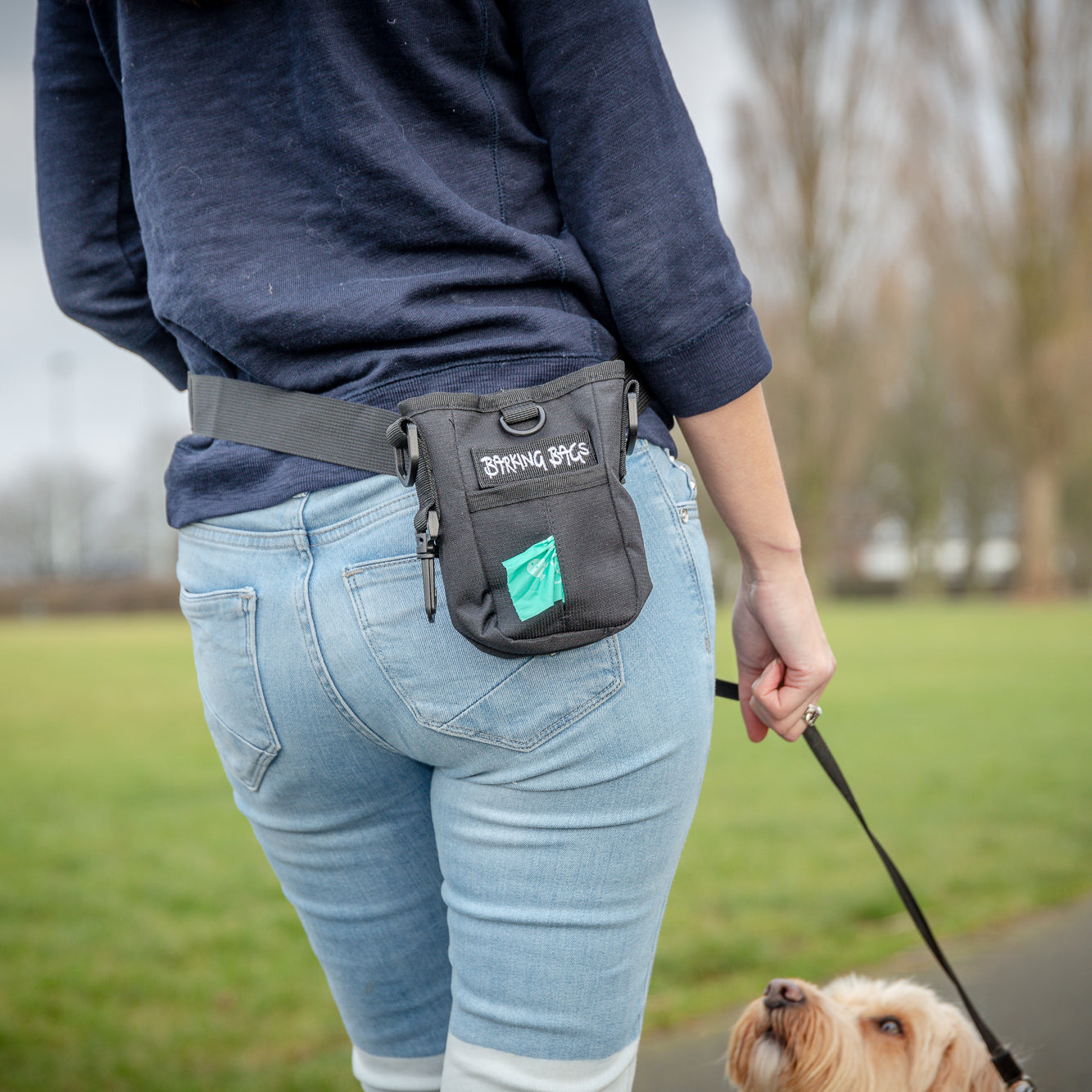
A dedicated treat pouch is usually the simplest upgrade. It keeps rewards separate, easier to reach and far more hygienic. If you use treats often for training, this is usually the best choice because speed matters. You want to be able to dip in, reward, and move on without rummaging.
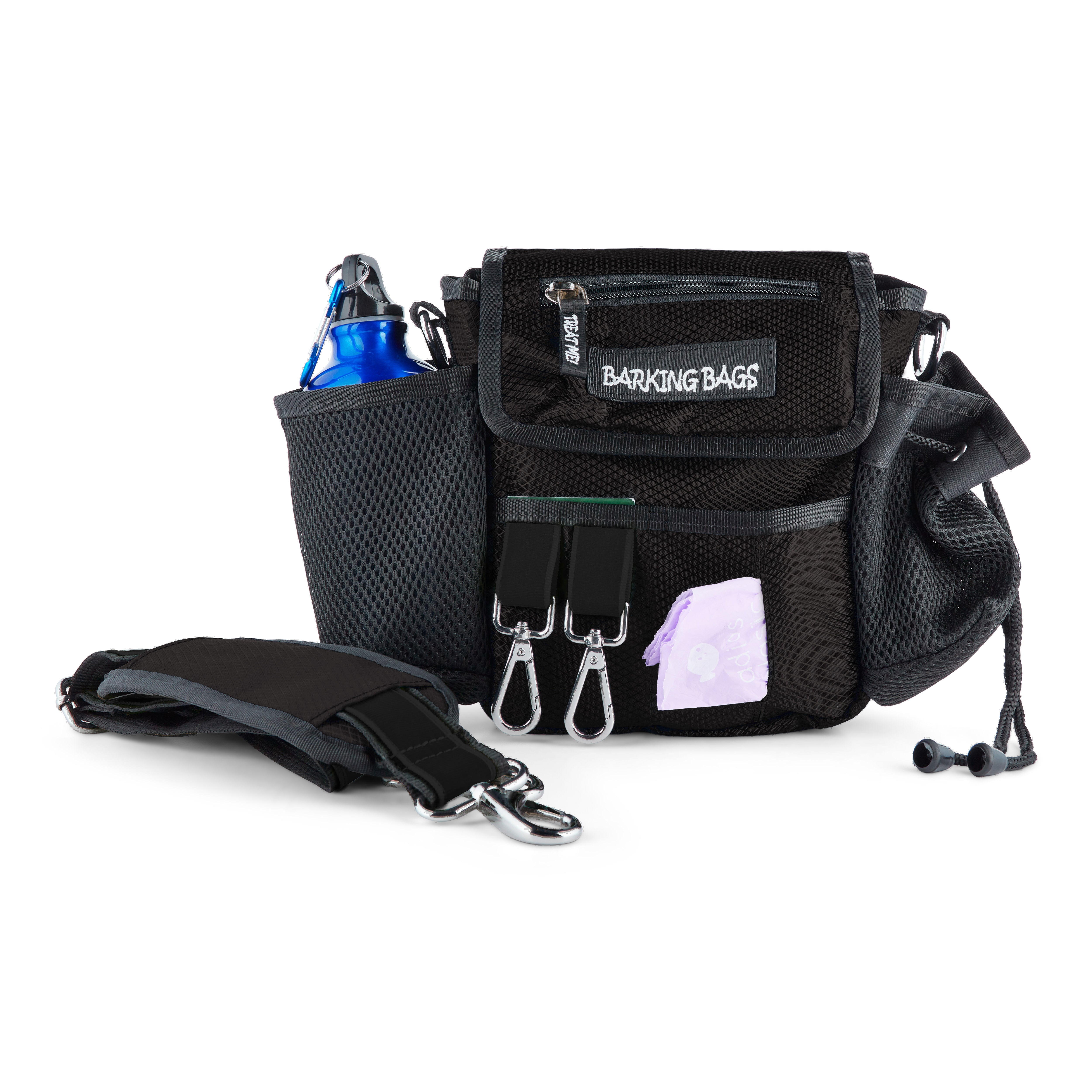
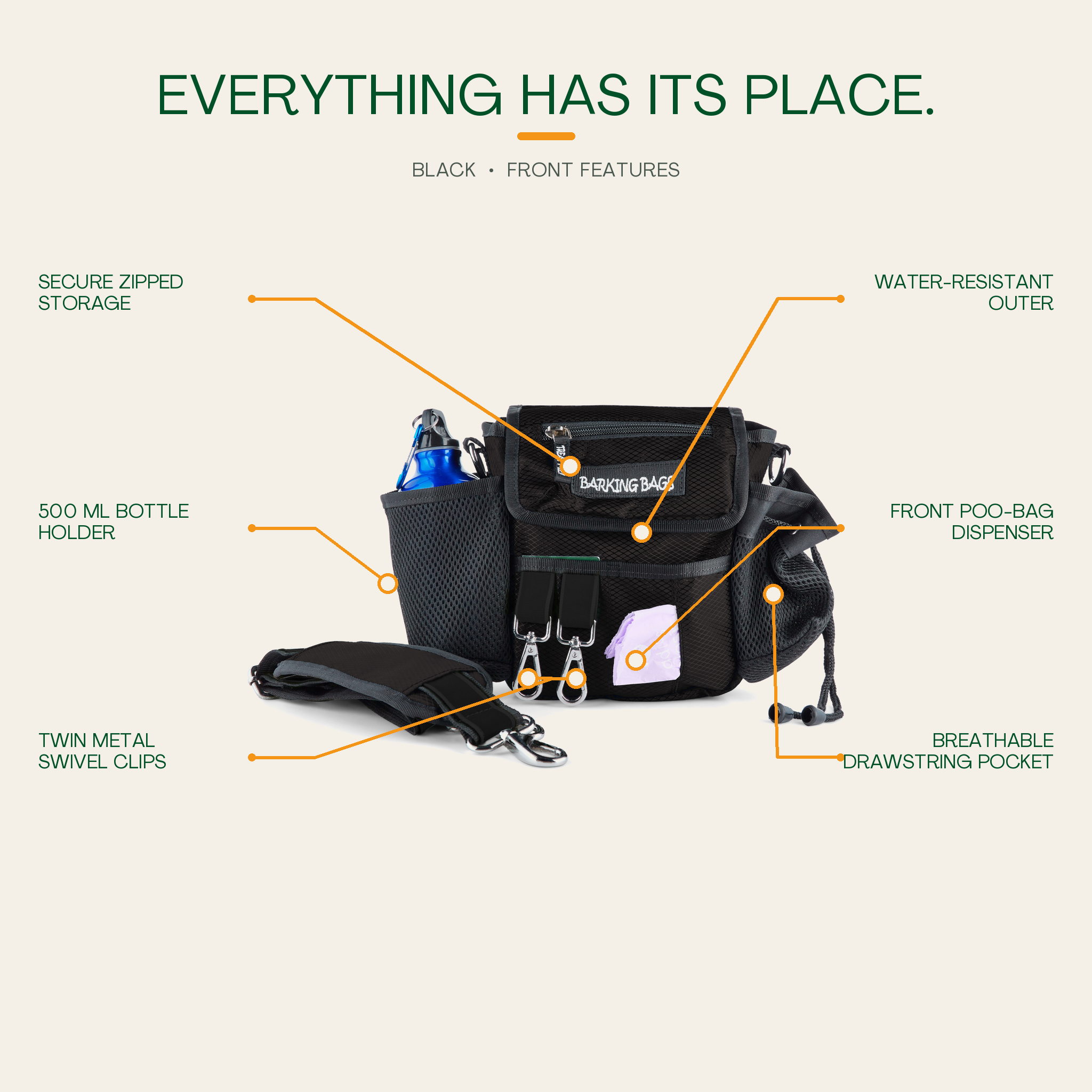
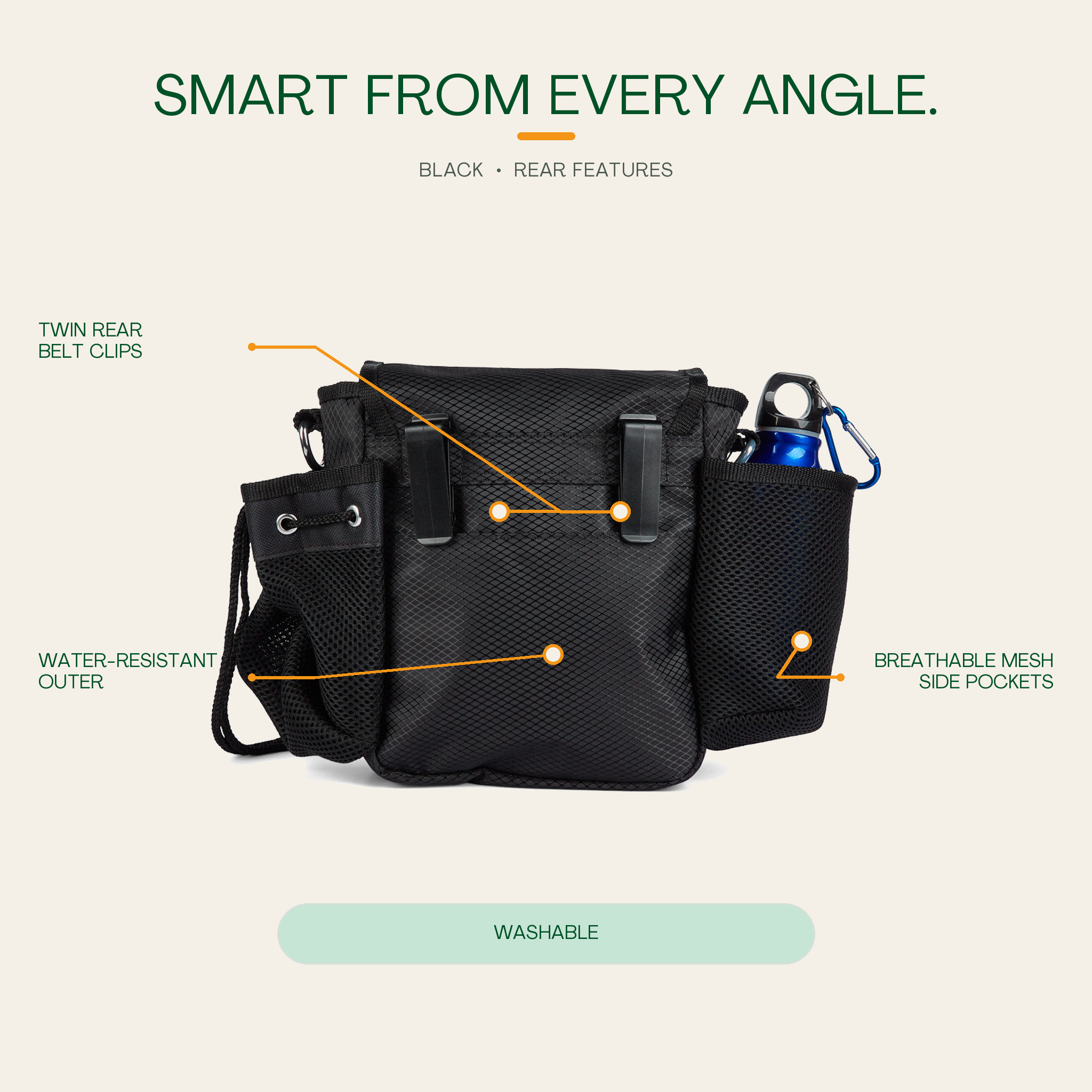
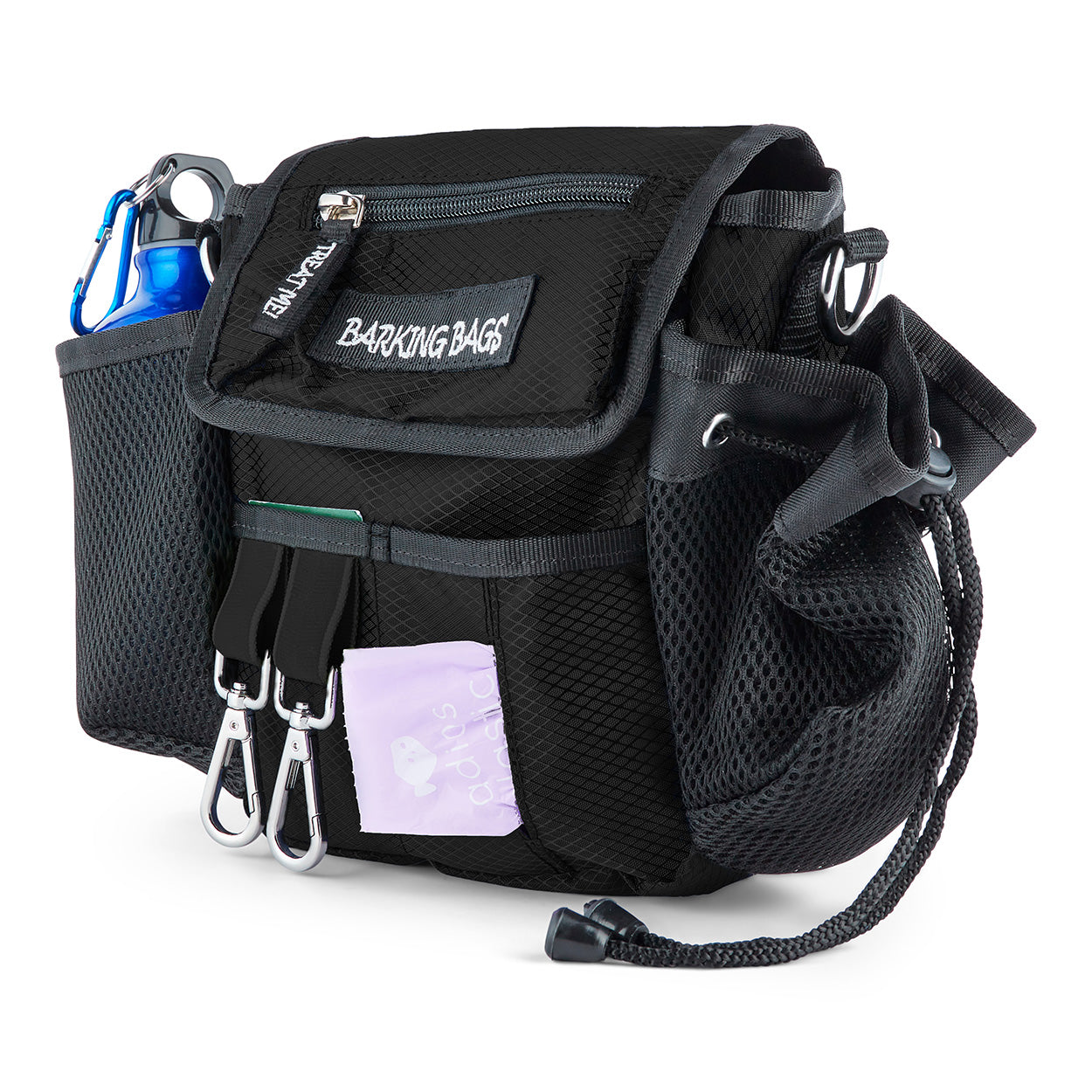
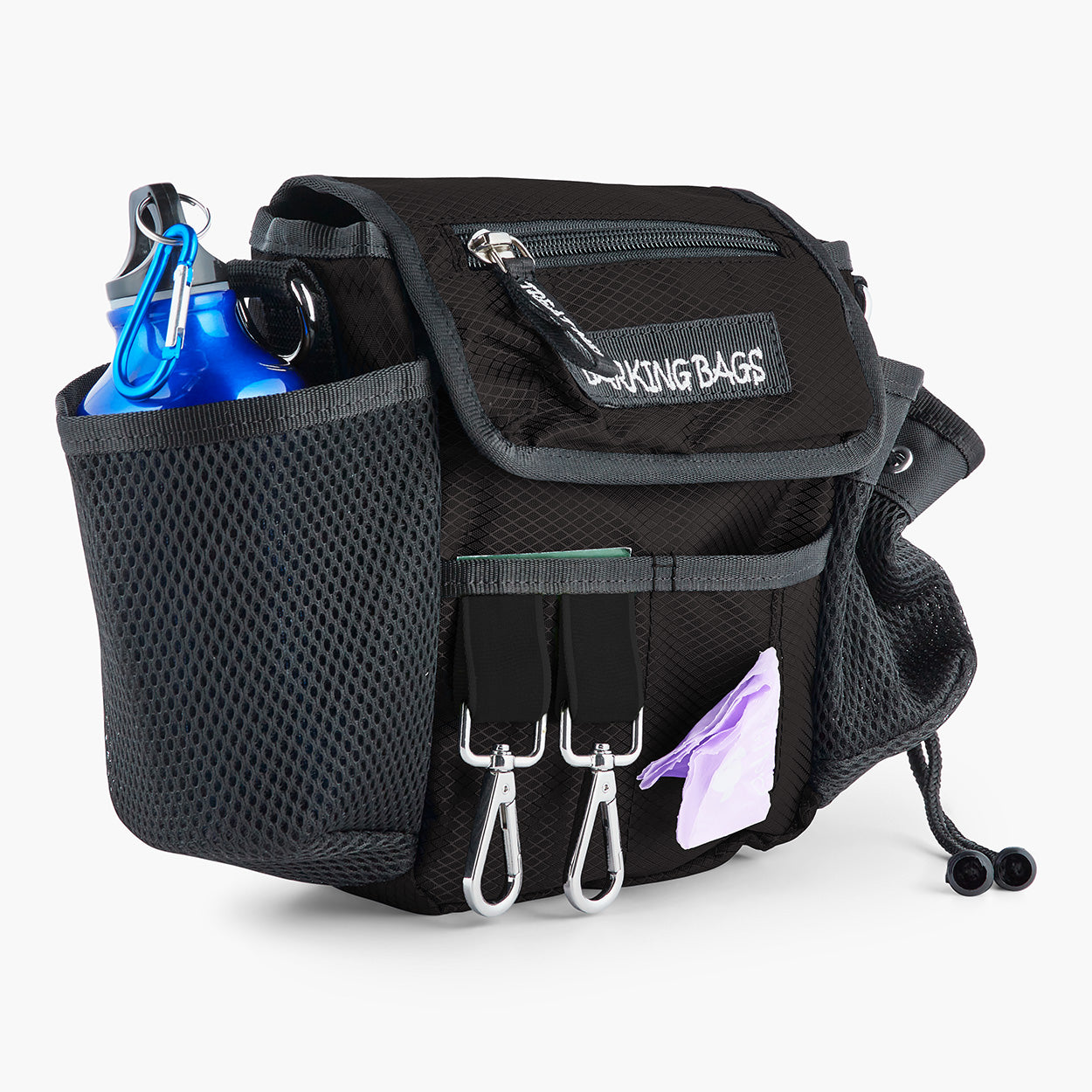
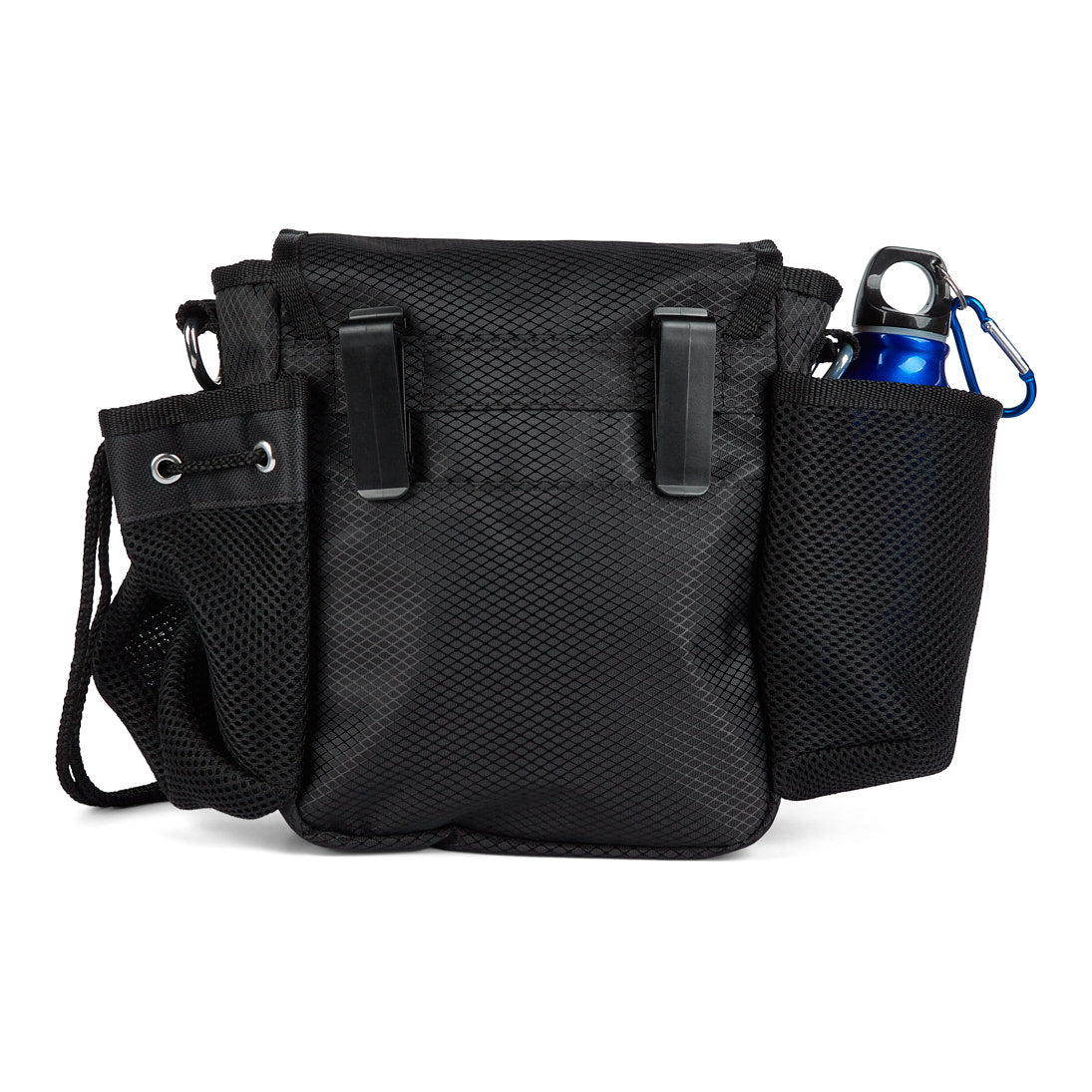
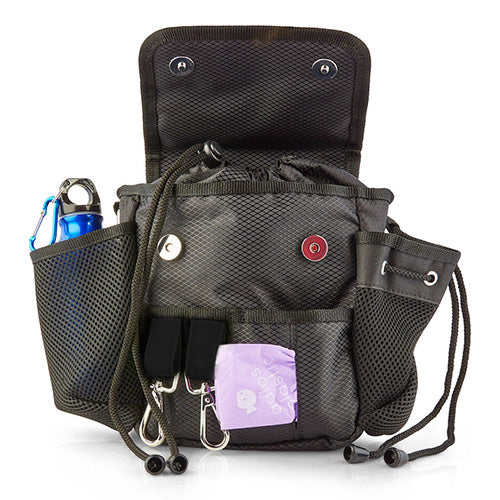
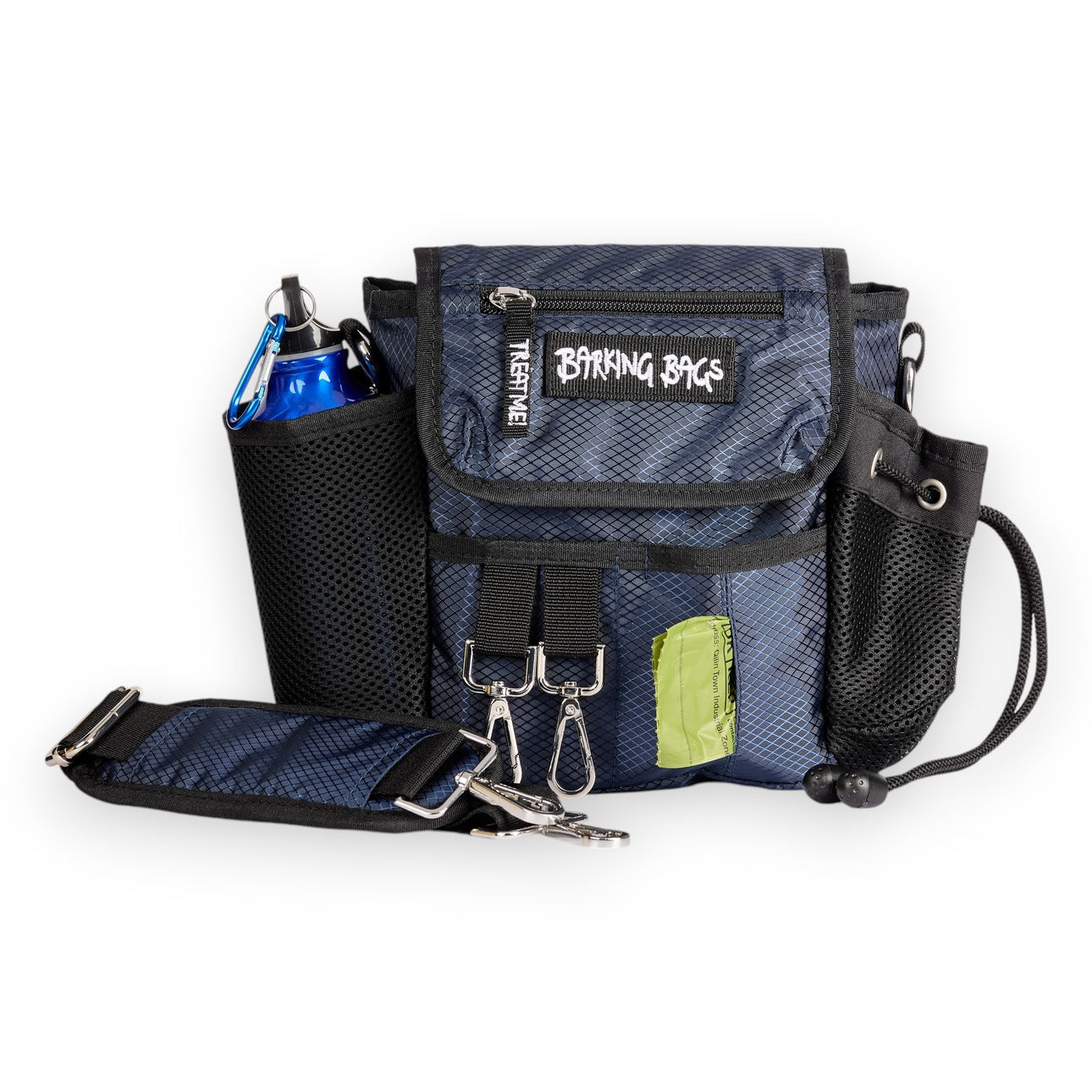
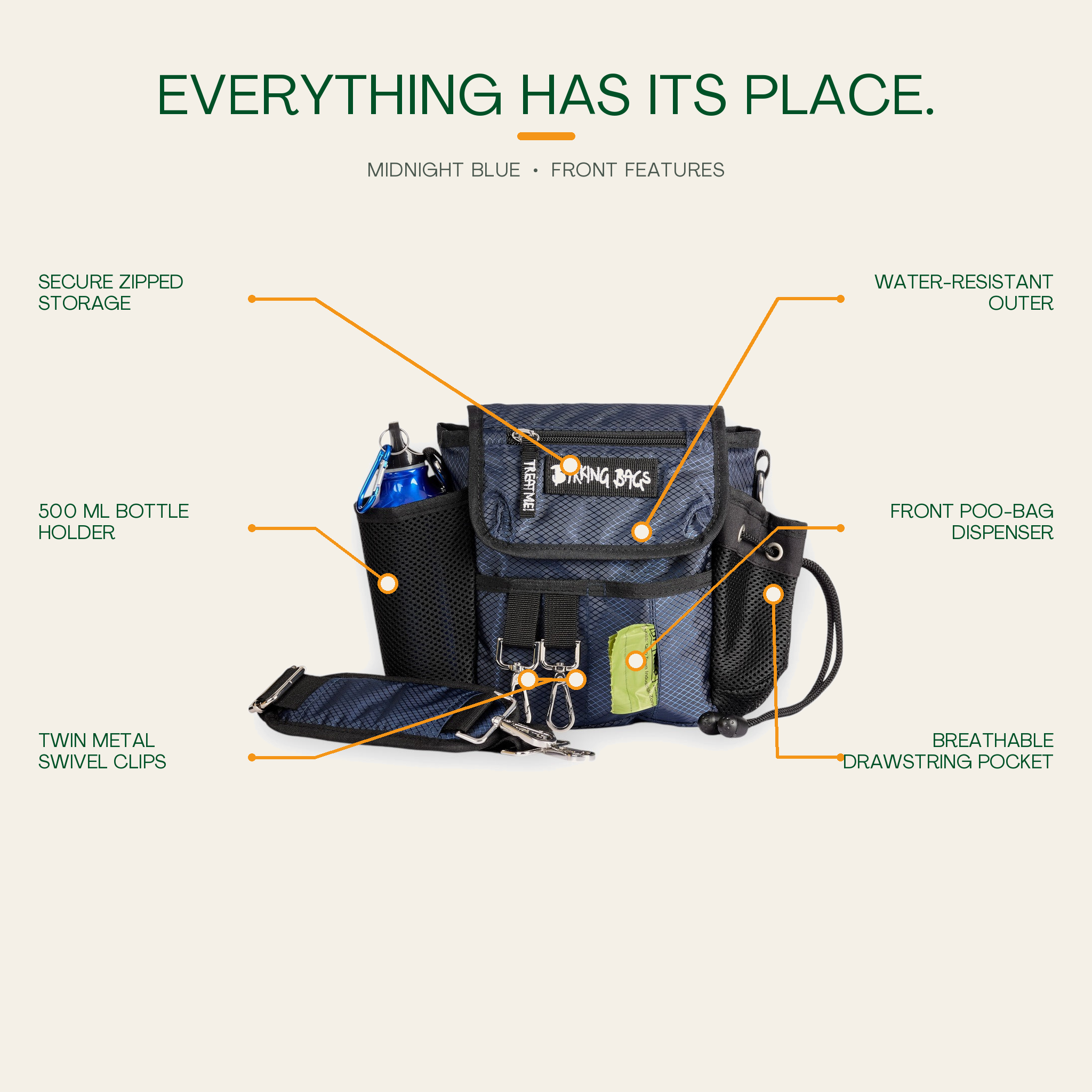
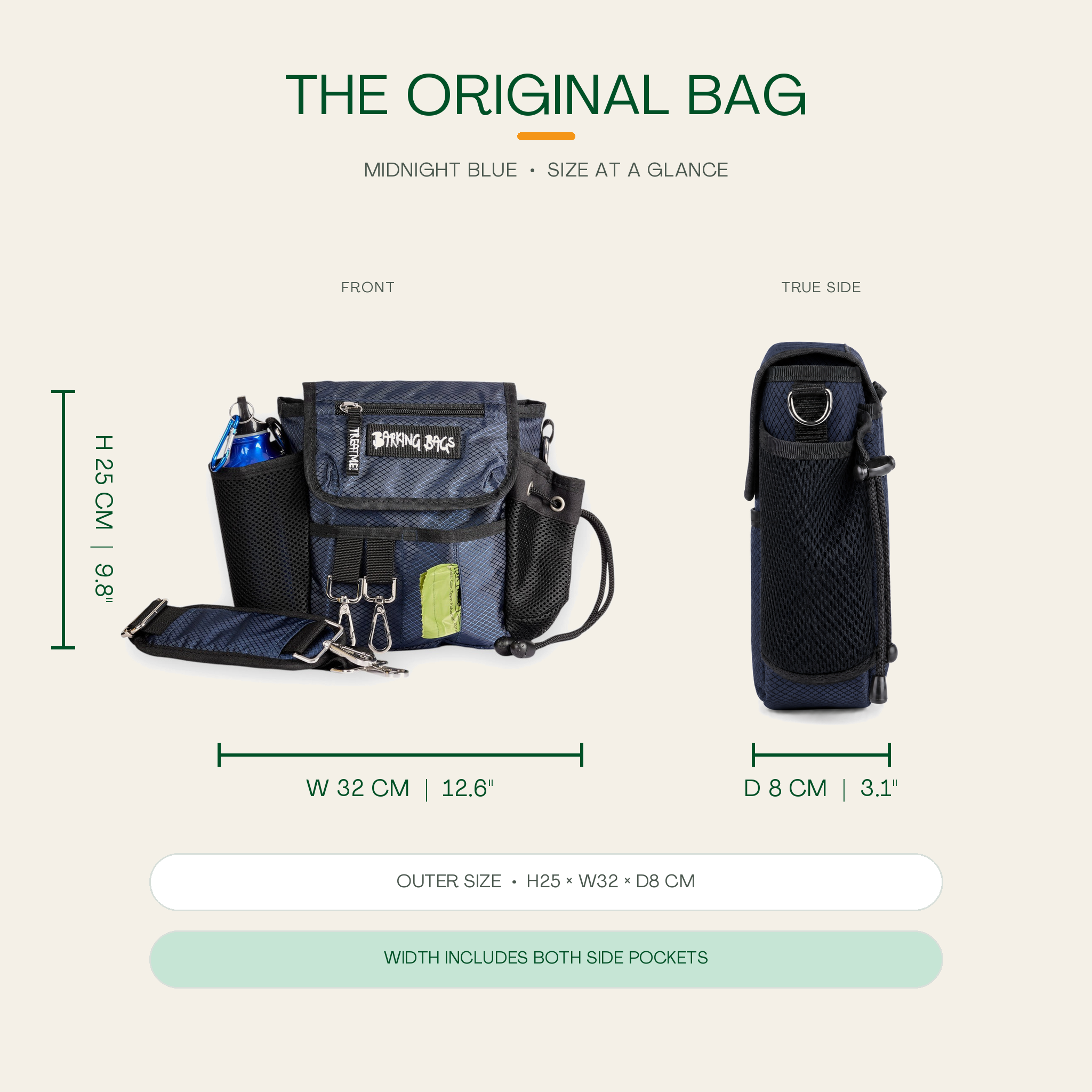
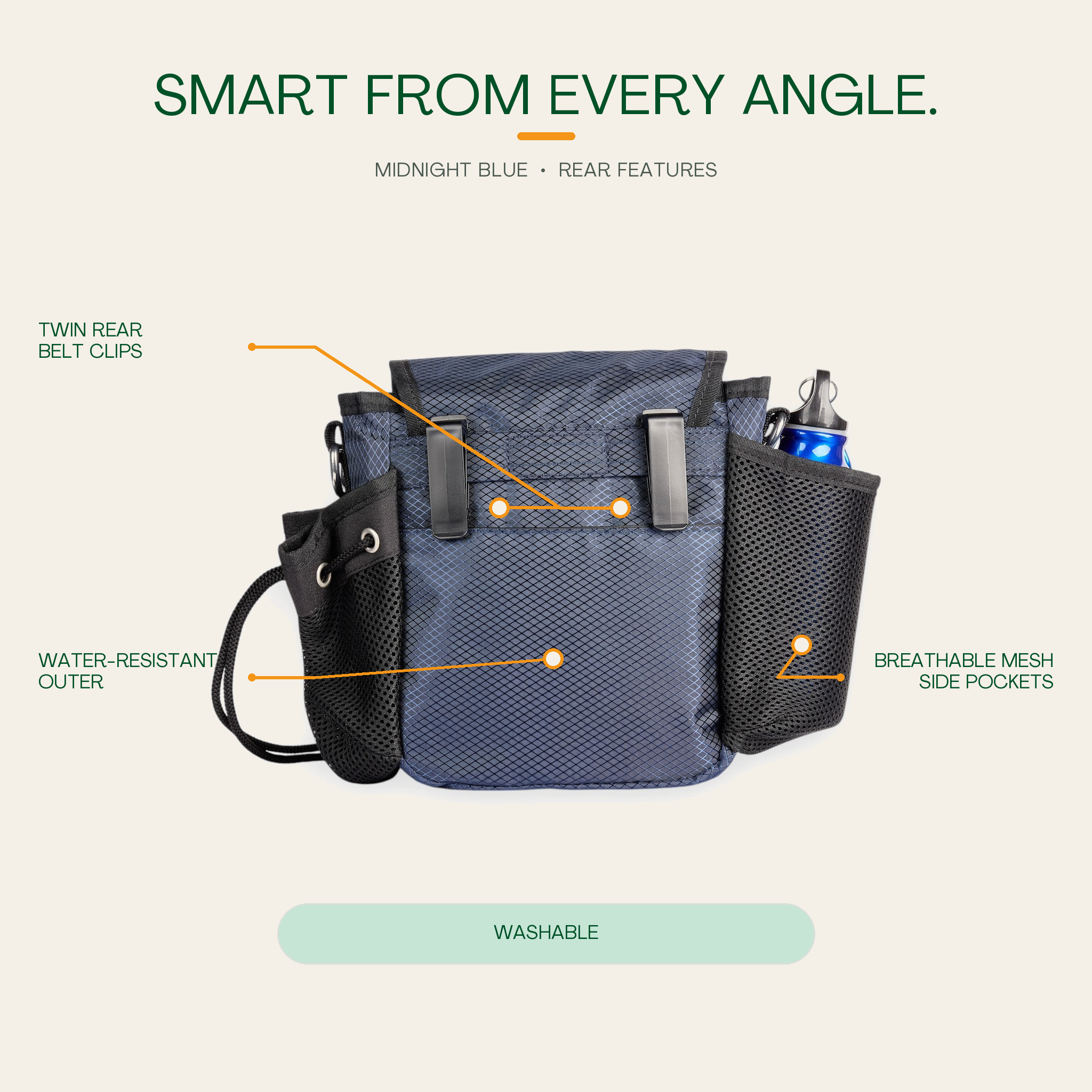
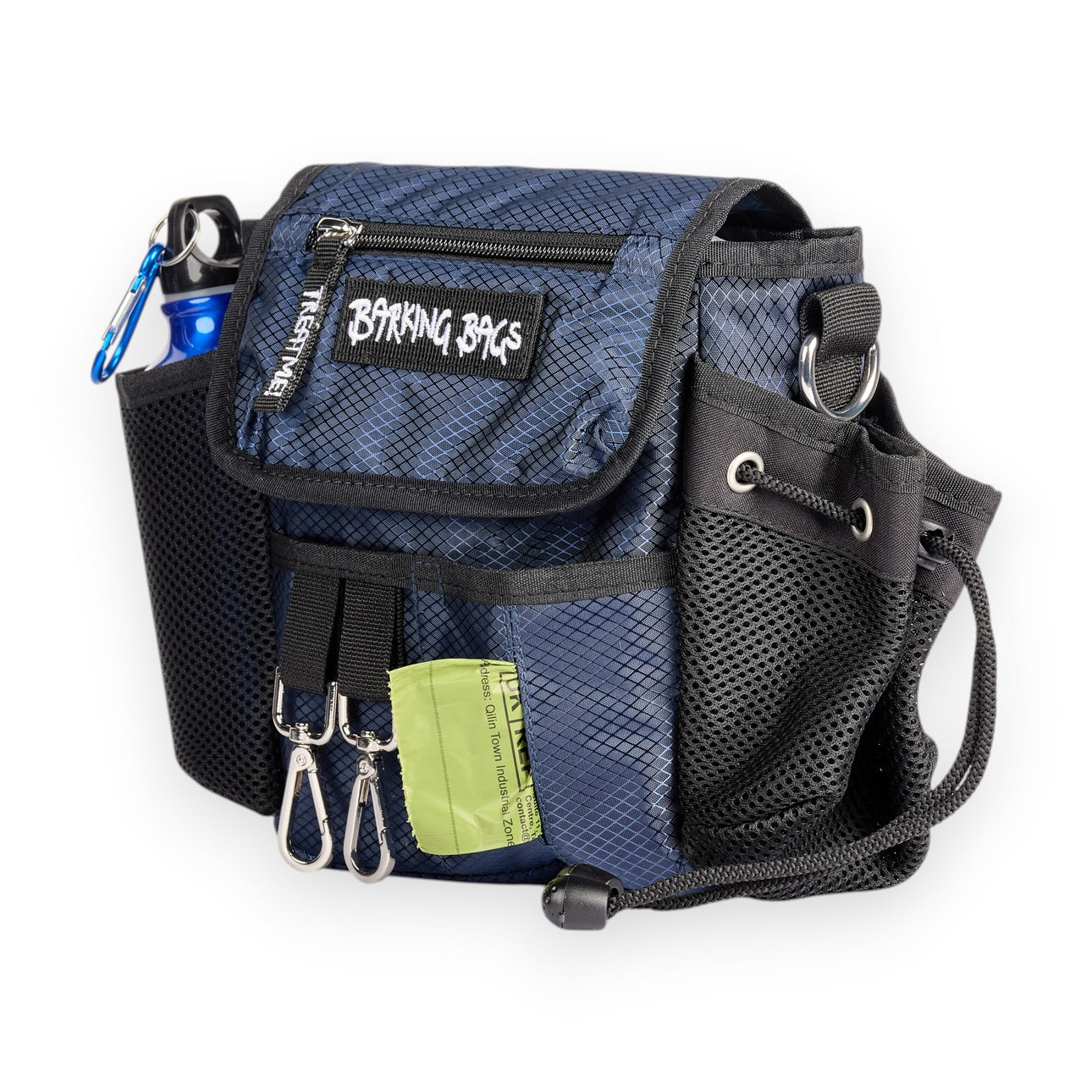
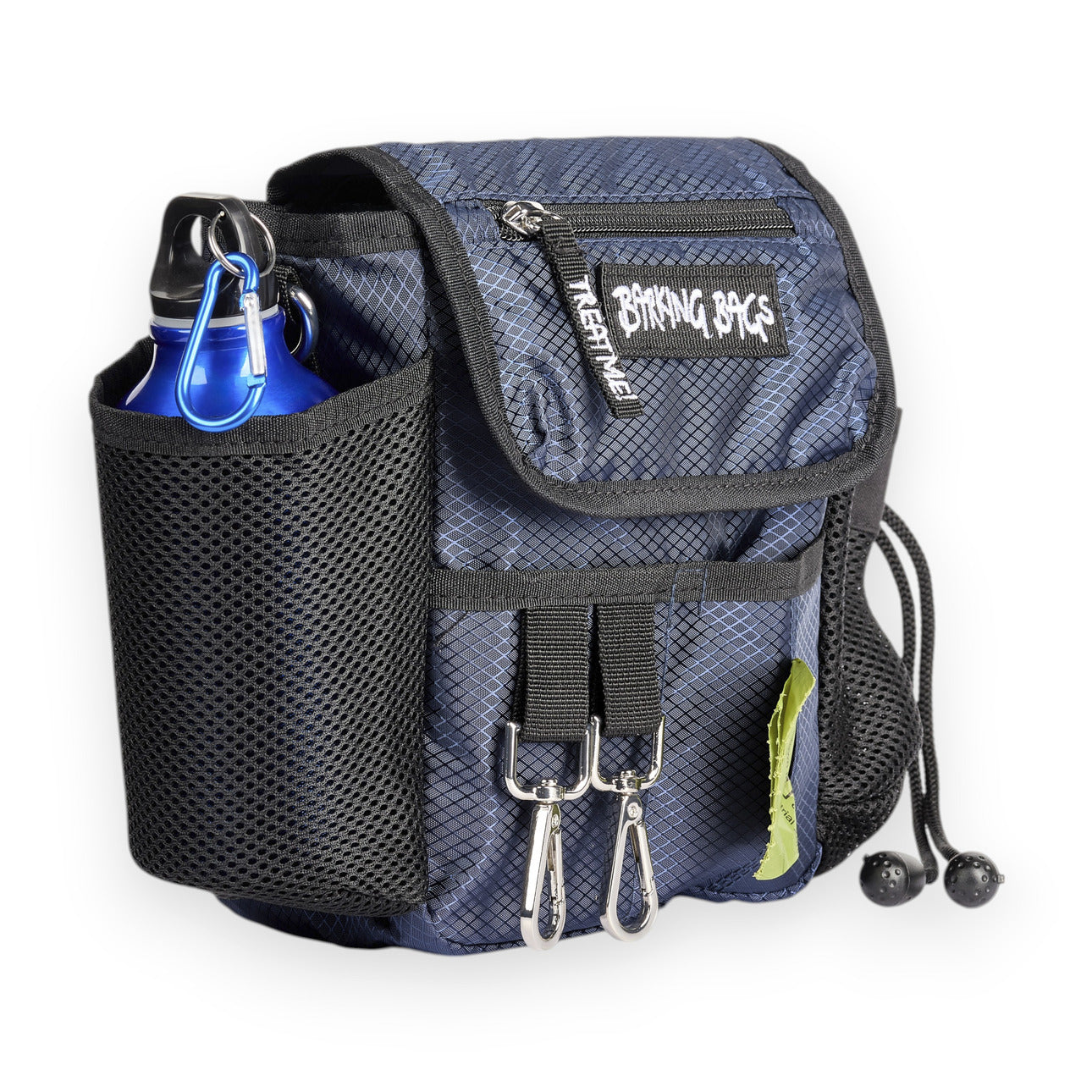
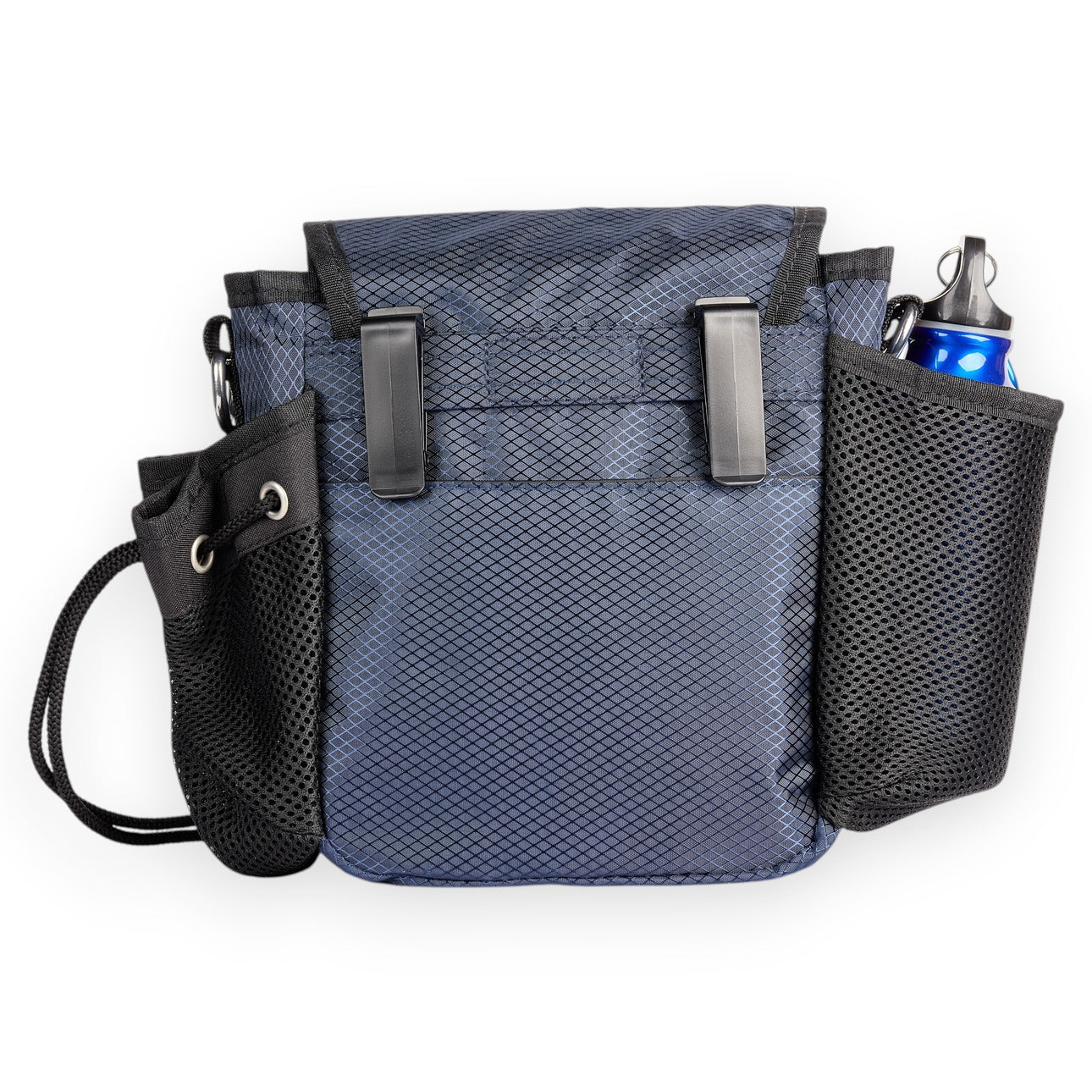
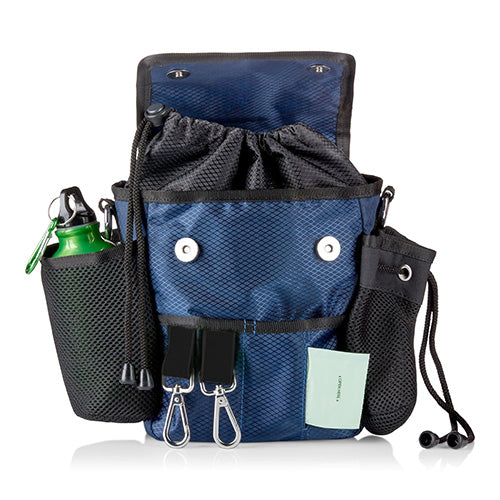
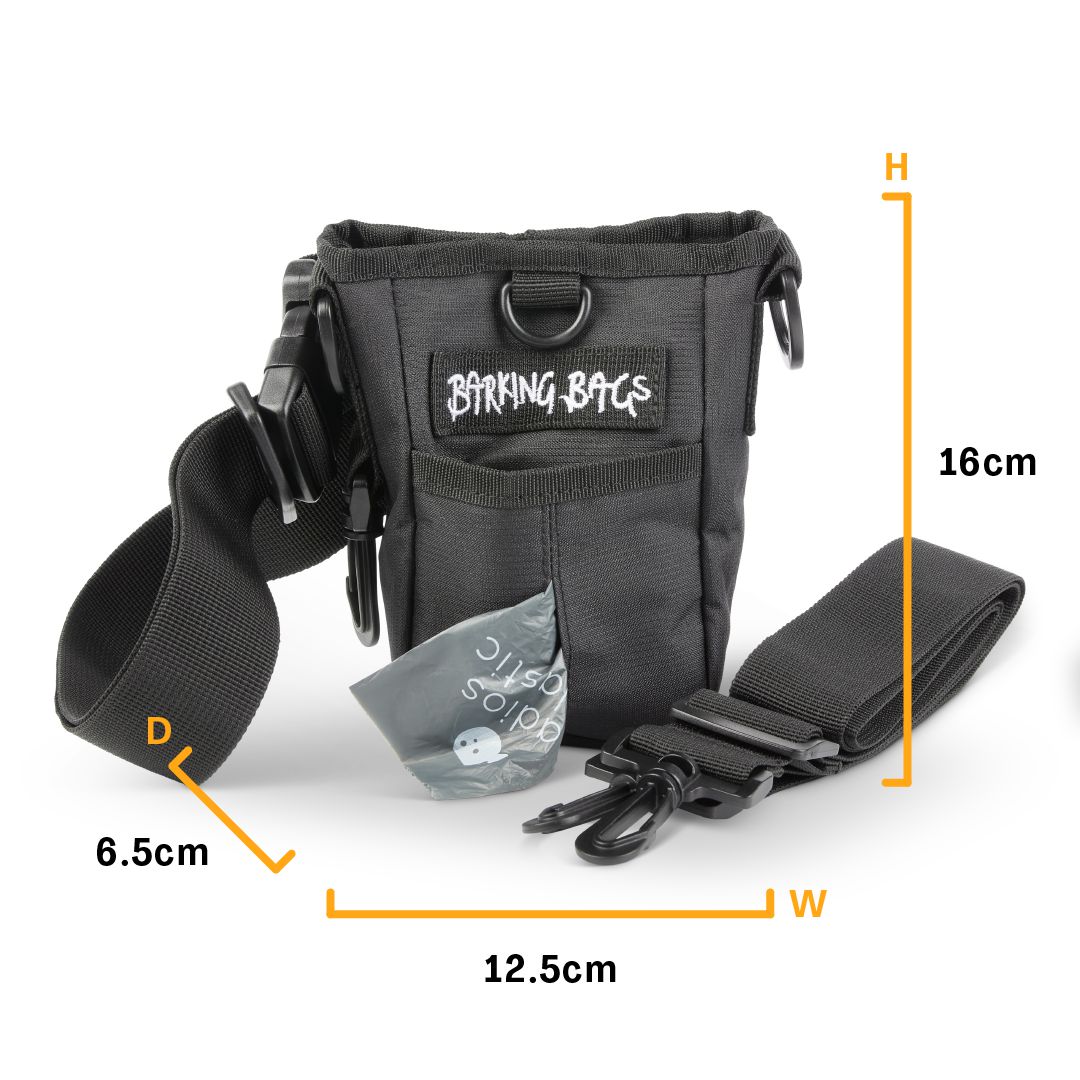
If you prefer carrying everything in one place, a dog walking bag with a designated treat compartment is often even more practical. That works especially well if your walks involve the usual juggle of poo bags, phone, keys, lead, water and your own bits and pieces. Instead of clipping multiple pouches onto yourself, you have one organised setup built for the routine.
There is a trade-off, though. A small treat pouch can be lighter and quicker for focused training sessions. A larger bag is better for full walks, longer outings and anyone who likes things properly organised.
Treat pouches for quick access
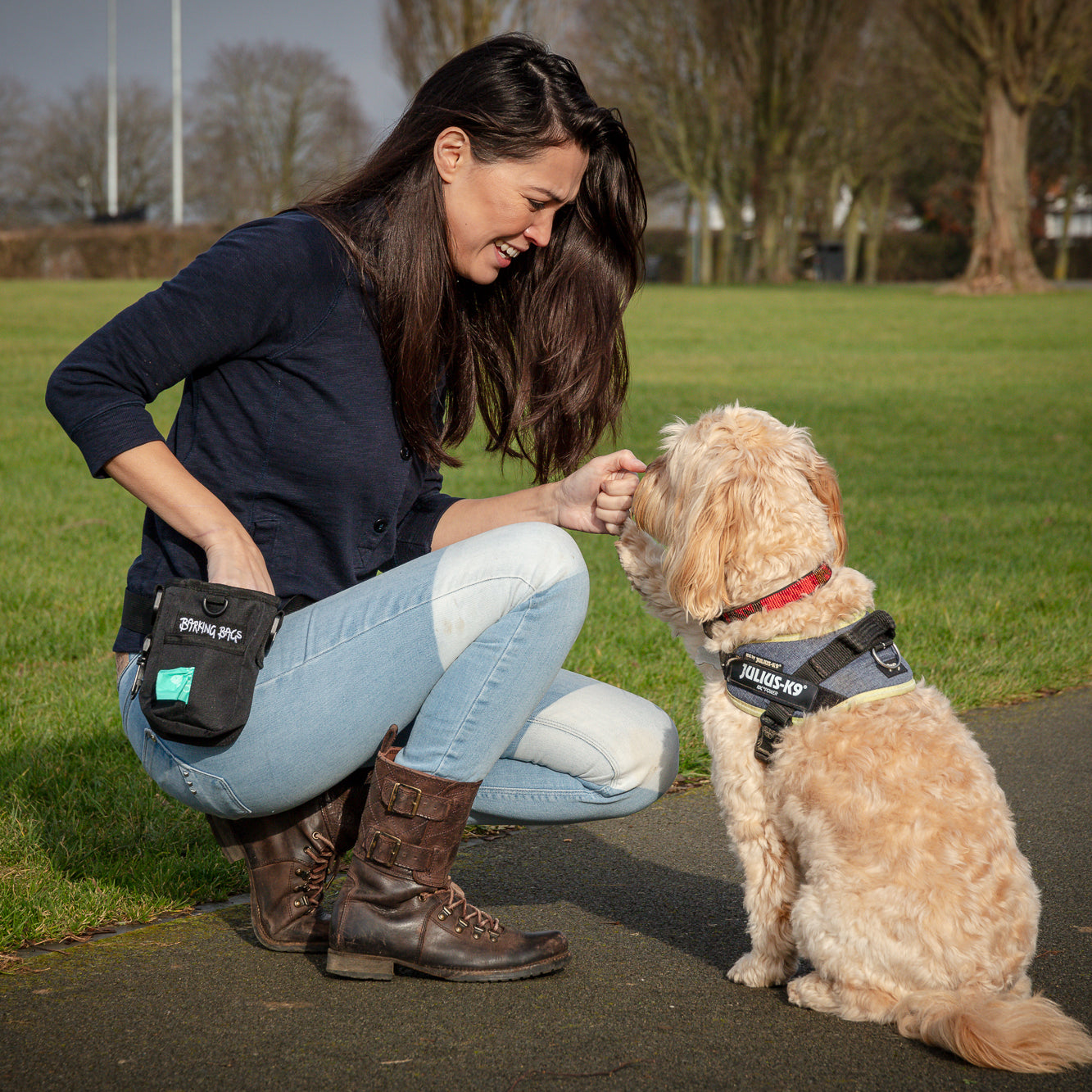
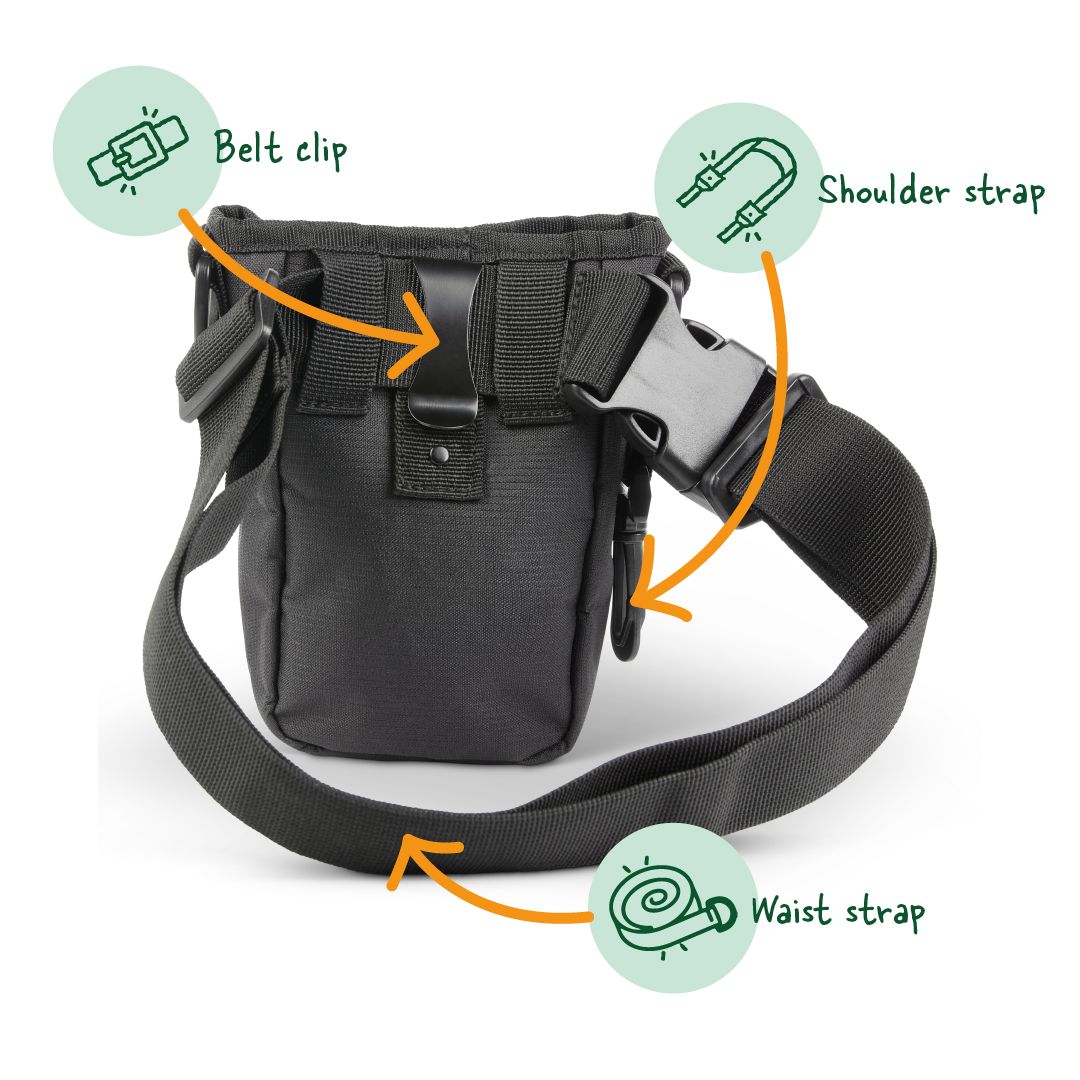
Treat pouches are ideal when rewards need to be immediate. They are particularly useful for puppy training, recall practice, and dogs learning to stay engaged in busy environments. The opening should be easy to use with one hand, and the pouch should sit somewhere natural on your waist or across your body so you are not twisting around every time you reach in.
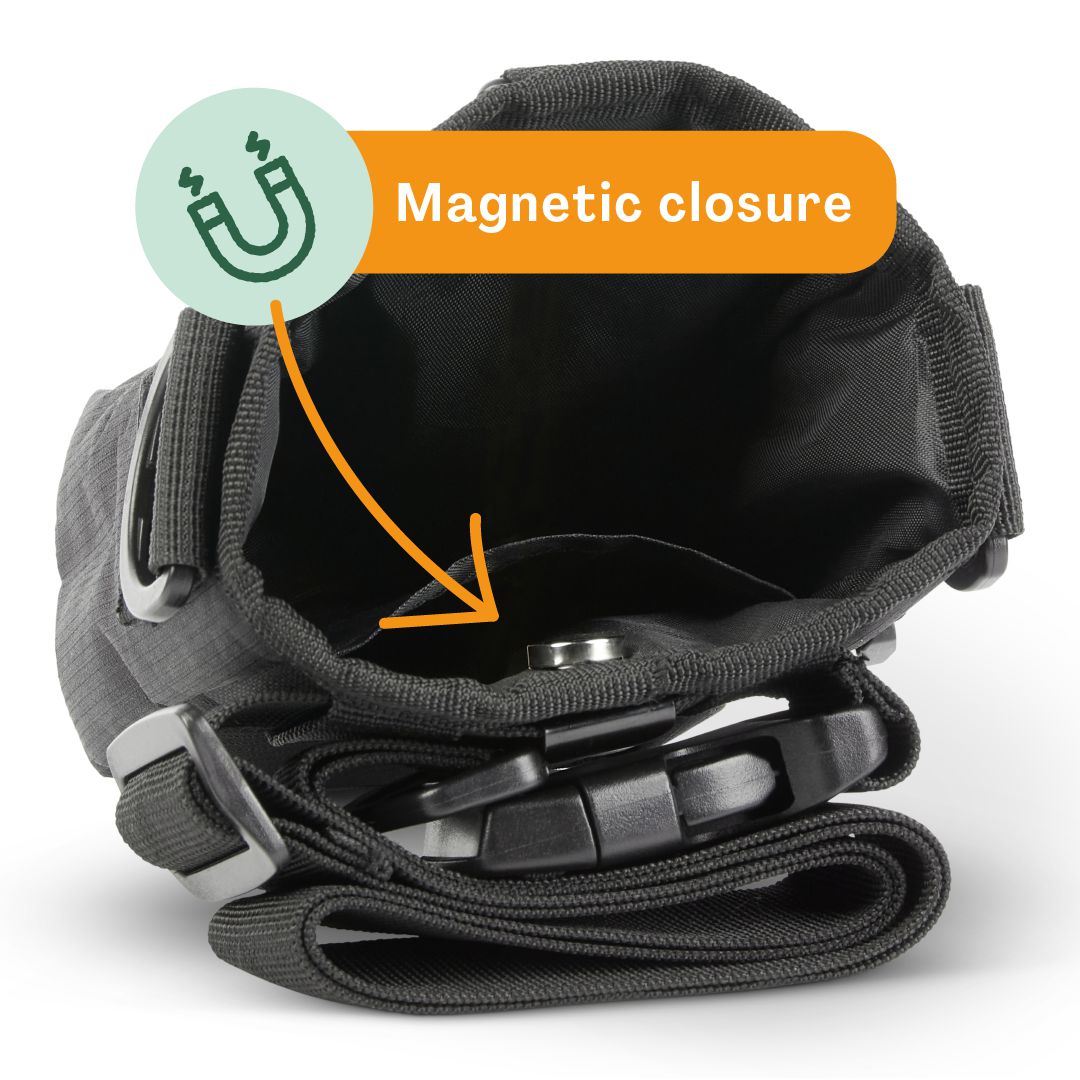
Look for something with a lining that wipes clean. That sounds minor until you use cheese, sausage or moist training treats in warm weather. Fabric that traps grease gets unpleasant quickly. A secure closure matters too, especially if your dog is clever enough to investigate an open pouch the second you stop at a crossing.
Dog walking bags for all-in-one organisation
If your walk already involves carrying half your life, a proper dog walking bag makes more sense. The main benefit is not just storage. It is separation. Treats have their place, your phone has its place, and waste bags are not rolling around against your snacks.
This is where a purpose-designed bag earns its keep. Generic handbags and crossbody bags can work, but they are rarely set up for dog walking. The result is a lot of improvising - clipping things on, stuffing items into side pockets, and trying to avoid crumbs in the bottom of the bag. A dedicated dog walking bag is built around the rhythm of a walk, so access tends to be faster and the whole thing feels less chaotic.
For regular walkers, trainers and anyone out in all weathers, that difference adds up.
Choose treats that travel well
Part of learning how to carry dog treats outdoors is choosing treats that match the setting. Not every reward belongs on every walk.
Dry treats are usually the easiest to carry. They are cleaner, less likely to leak and better for warm days. The downside is that some dogs are less motivated by them, especially in distracting environments.
Soft treats are often better for training because they are quicker to eat and more exciting, but they need better storage. If they are crumbly or oily, you will want a lined pouch or compartment you can wipe down properly. Cut-up fresh food can work brilliantly for high-value rewards, but only if you are out for a short period or carrying it in a way that keeps it fresh and contained.
For longer walks, take only what you need. Overfilling a pouch means treats get squashed into dust at the bottom, and you end up carrying more mess than reward. A sensible amount keeps things cleaner and helps you stay aware of how often you are treating.
Weather changes the equation
British weather has opinions of its own. Rain can turn some treats into soggy rubble, and heat can make soft rewards sweaty and unappealing. In winter, easy-open compartments matter because cold hands are slower. In summer, washable interiors are your friend.
If you walk year-round, this is worth thinking about. A setup that works beautifully on a crisp morning may be far less enjoyable in drizzle or on a sticky afternoon in the park.
Where to wear your treats on a walk
Access matters just as much as storage. If your dog walks on your left, you may want treats on that side for faster delivery. If you switch hands often or walk more than one dog, a central or crossbody position may feel more natural.
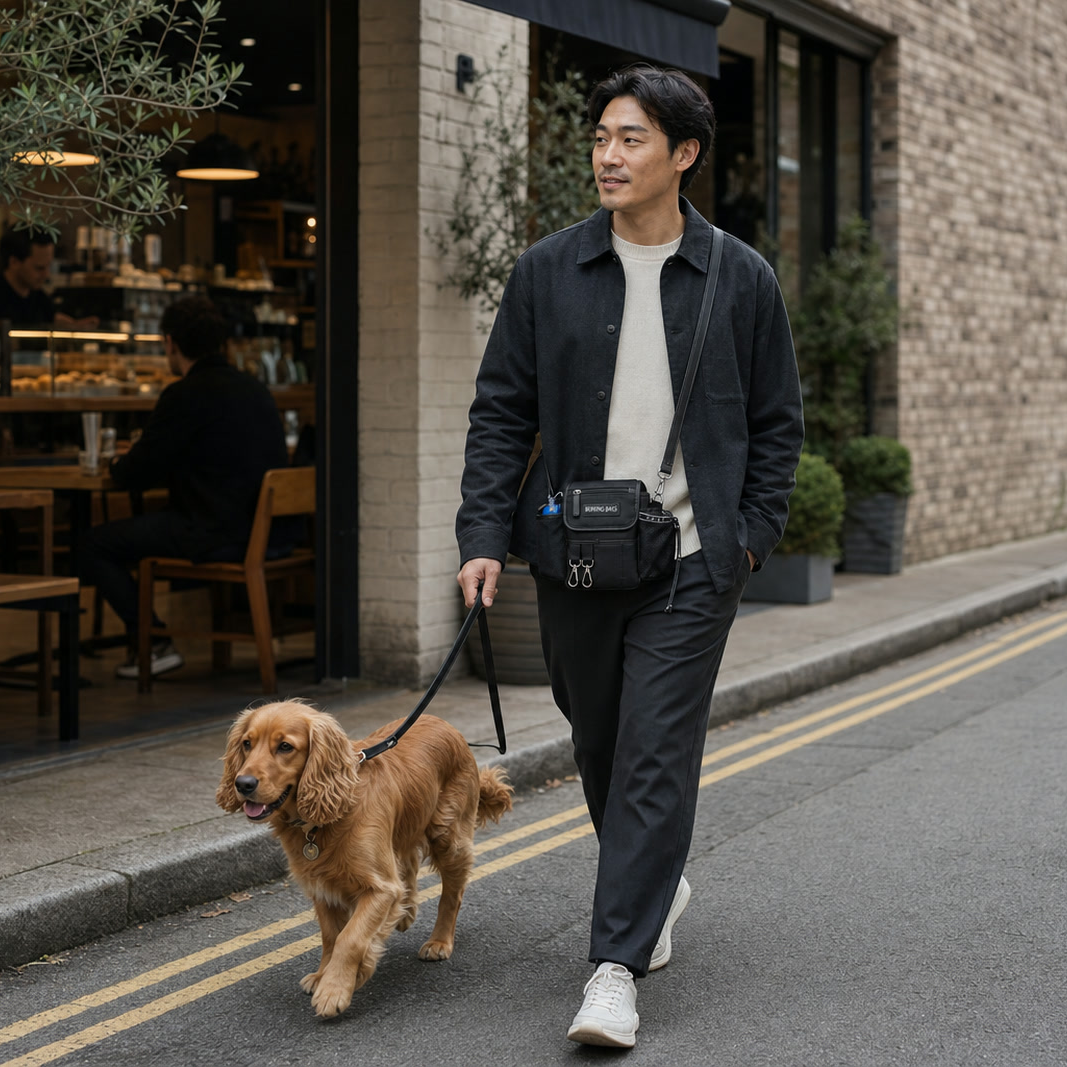
The right placement depends on your style of walking. Some people like a waist-worn pouch for training precision. Others prefer a crossbody bag because it feels neater, looks smarter and carries everything in one place. Neither is universally better. It depends whether your priority is speed, capacity or convenience.
Comfort matters too. If a pouch bounces, twists or digs in, you will stop using it. If a bag slips off your shoulder every ten minutes, it becomes one more thing to manage. The best setup is the one that becomes part of your routine without getting in the way.
Keep treats separate from everything else
This is the rule that saves the most hassle. However you carry treats outdoors, keep them separate from waste bags, used tennis balls, muddy gloves and personal items. It is cleaner, more hygienic and much easier to stay organised.
It also makes restocking simpler. You can refill one section before heading out rather than checking every coat pocket you own. If you regularly walk with your dog before work, during the school run or between errands, that kind of grab-and-go setup makes a real difference.
A well-organised bag also helps with consistency. When treats always live in the same place, you are more likely to bring them, use them properly and avoid that frustrating moment when your dog nails a recall and you have nothing to reward with except enthusiastic praise and a pocket tissue.
Cleaning is not optional
No one buys dog walking gear for the glamour of maintenance, but it does matter. Treat residue builds up quickly, especially if you use high-value rewards. A pouch or compartment that cannot be wiped clean will eventually smell questionable.
Make cleaning part of the routine. Empty crumbs out after walks, wipe down interiors if you use soft treats, and avoid leaving old rewards sitting in the bottom overnight. It takes two minutes and keeps everything fresher, especially if you use the same bag daily.
This is one reason many dog owners move away from using ordinary handbags or jacket pockets. They are harder to clean properly and never quite feel like the right place for dog treats once you have used them that way.
The best approach for different types of walks
Short local walks usually call for a light setup. A small treat pouch or a compact bag is often enough, especially if your dog is mostly walking for routine and you only need rewards now and then.
Training walks are different. If you are actively working on behaviour, quick access is everything. Keep treats somewhere you can reach without breaking stride, and choose rewards your dog finds worth working for.
Longer outings need more planning. Water, poo bags, your phone, keys, and perhaps an extra layer all compete for space. That is where a dedicated dog walking bag comes into its own. One well-designed bag can carry treats neatly without forcing you to compromise on the rest of your essentials.
For professional dog walkers or owners handling more than one dog, organisation becomes less of a luxury and more of a necessity. If you need rewards ready throughout the day, using purpose-built storage is simply more efficient.
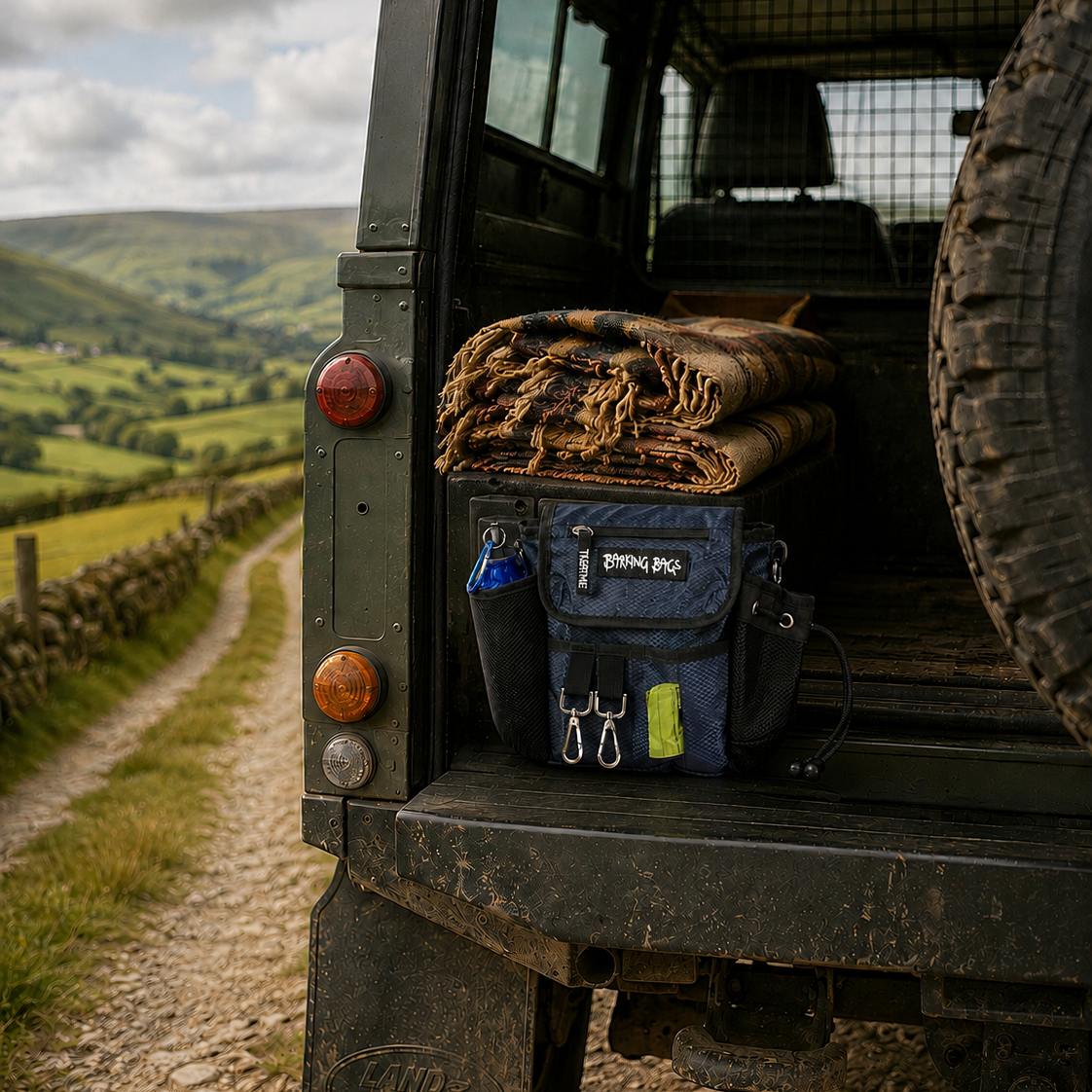
Barking Bags was built around exactly that problem - making dog walks feel more organised, more practical and better put together, without compromising on style.
If you are still relying on pockets, the fix is not complicated. Pick a setup that keeps treats clean, easy to grab and separate from everything else. When rewards are where you need them, walks run more smoothly, training gets sharper, and your coat finally gets a day off from biscuit dust.