
That moment when your dog nails a recall and you are still fumbling in a coat pocket for a crushed biscuit is exactly why a proper guide to treat bag features matters. A good treat bag is not just somewhere to stash snacks. It is part of your walking routine, your training timing and, if you are out every day, your overall sanity.
The best ones make rewarding quick, clean and consistent. The wrong ones do the opposite. They slow you down, make a mess, swing about on walks or leave you carrying three extra things because the bag cannot cope on its own.
A guide to treat bag features starts with access
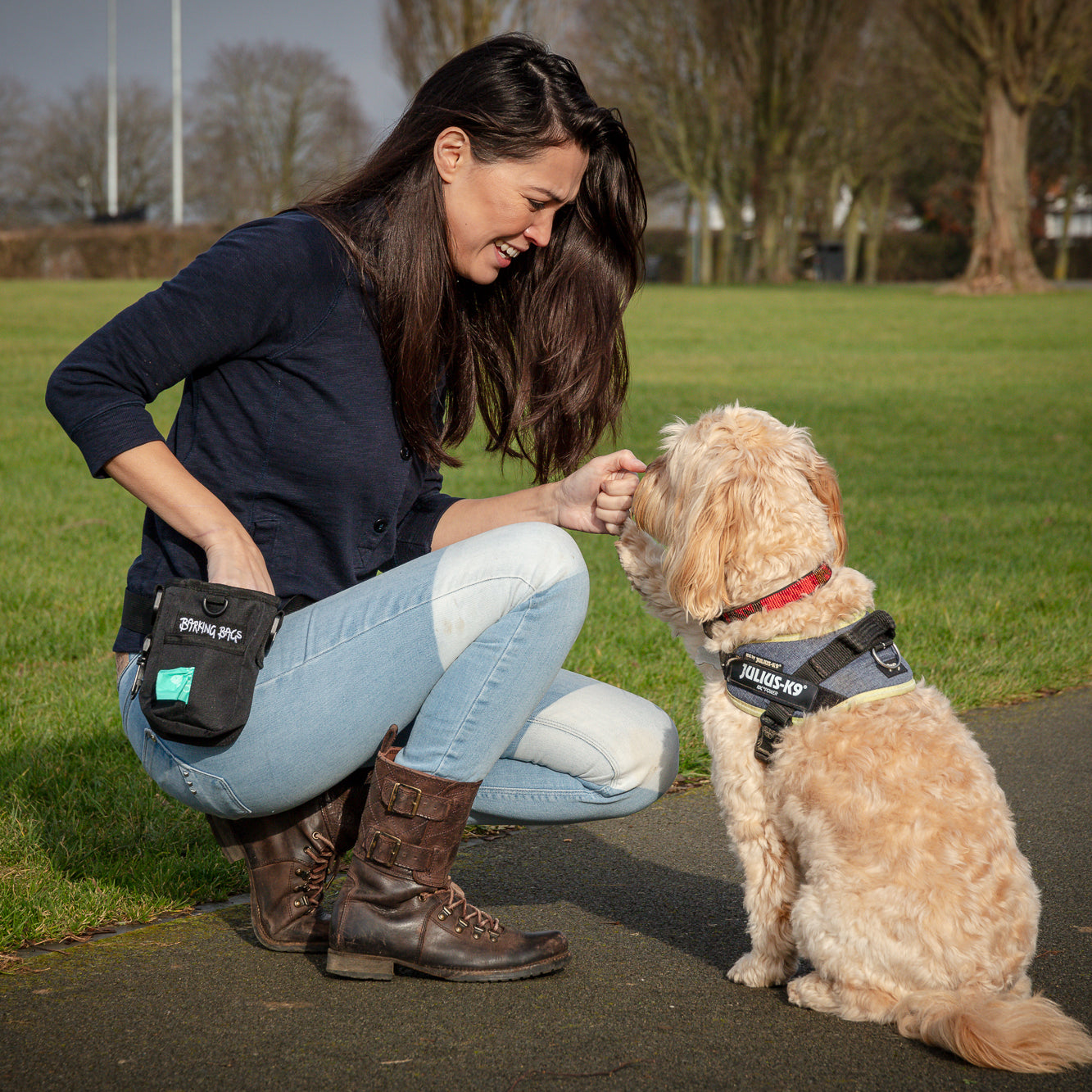
If you use treats for loose lead walking, recall, reactivity work or day-to-day reinforcement, access is the first thing to get right. You need to reach in with one hand, grab a treat quickly and get your hand back out without taking your eyes off your dog.
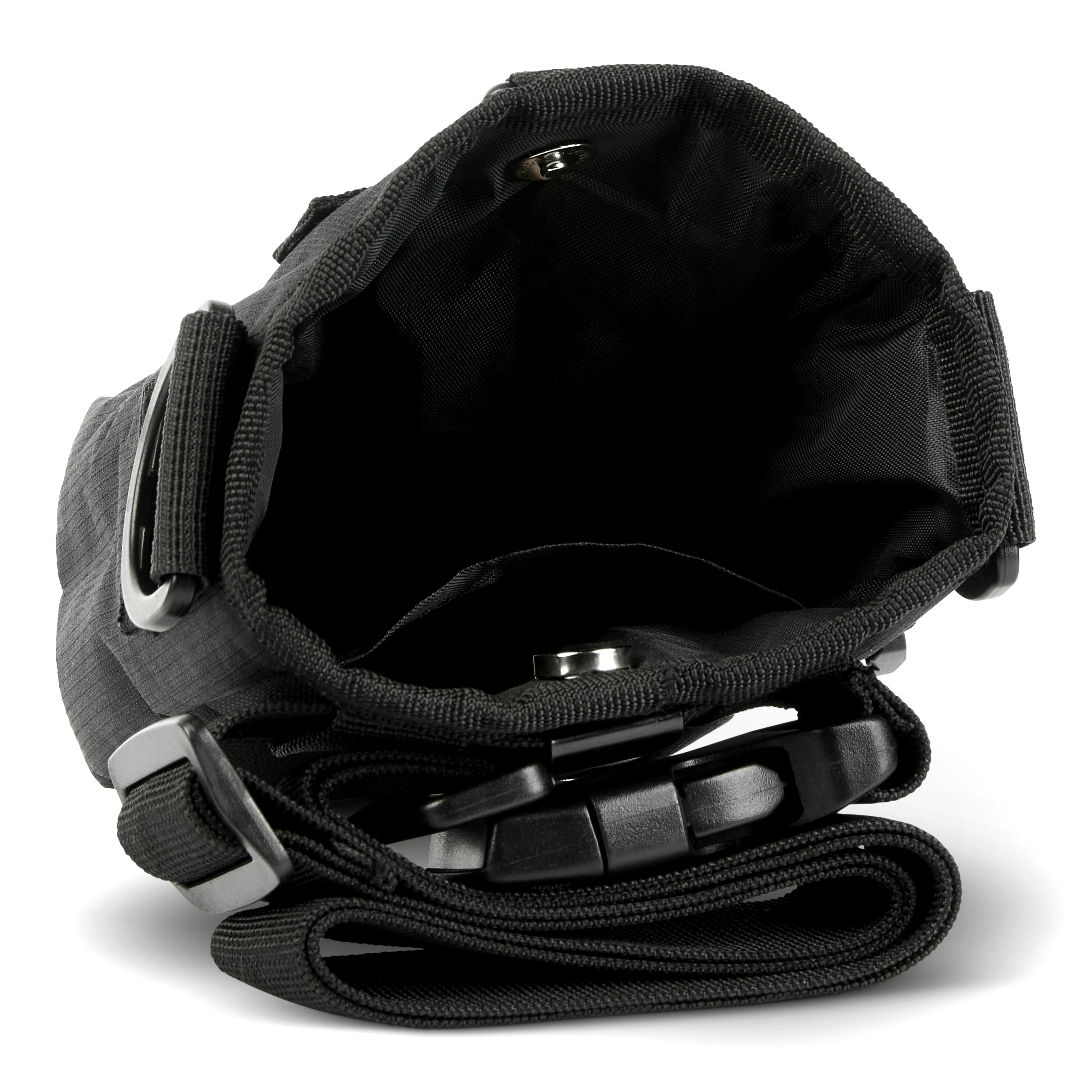
Wide openings usually work better than narrow ones, especially if you use larger training treats or wear gloves in colder weather. A bag that stays open when you need it to, then closes securely afterwards, gives you the best of both worlds. Too loose, and treats spill. Too fiddly, and your reward timing goes out of the window.
This is where trade-offs come in. A completely open pouch can feel brilliant during a short training session in the garden, but less useful on a windy walk through the park. On the other hand, a very tight fastening might keep everything contained, but it can interrupt the flow of training. If your dog work is mostly active walking, look for speed first, then security.
Storage matters more than most people expect
A treat bag sounds simple until you remember what actually comes on a dog walk. Treats, yes, but also poo bags, keys, mobile phone, perhaps a whistle, maybe sanitiser, and often one random thing you did not plan to carry at all.
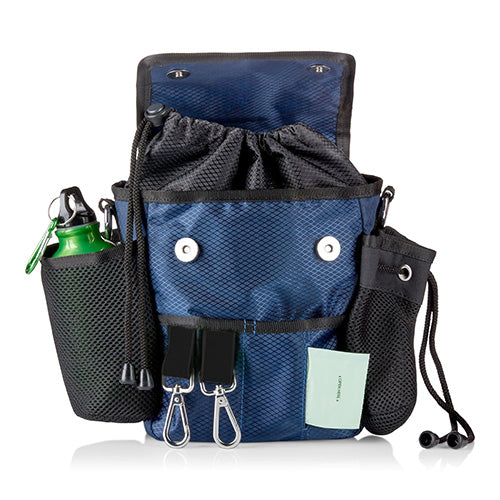
That is why separate compartments are worth paying attention to. Treats should ideally have their own space, away from your personal items. Nobody wants crumbs all over their mobile phone, or the smell of liver cake lingering on their bank cards.
Separate pockets keep things practical
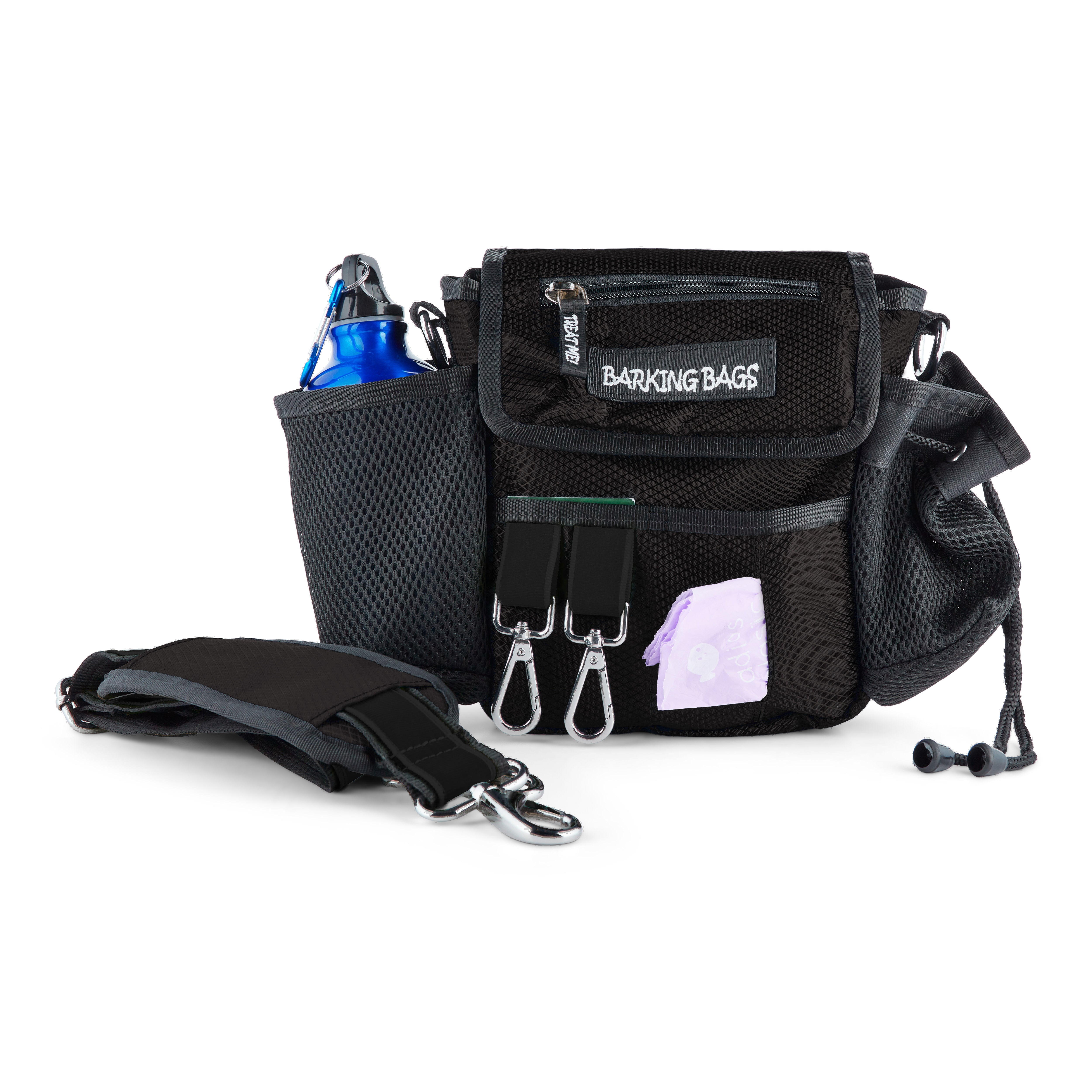
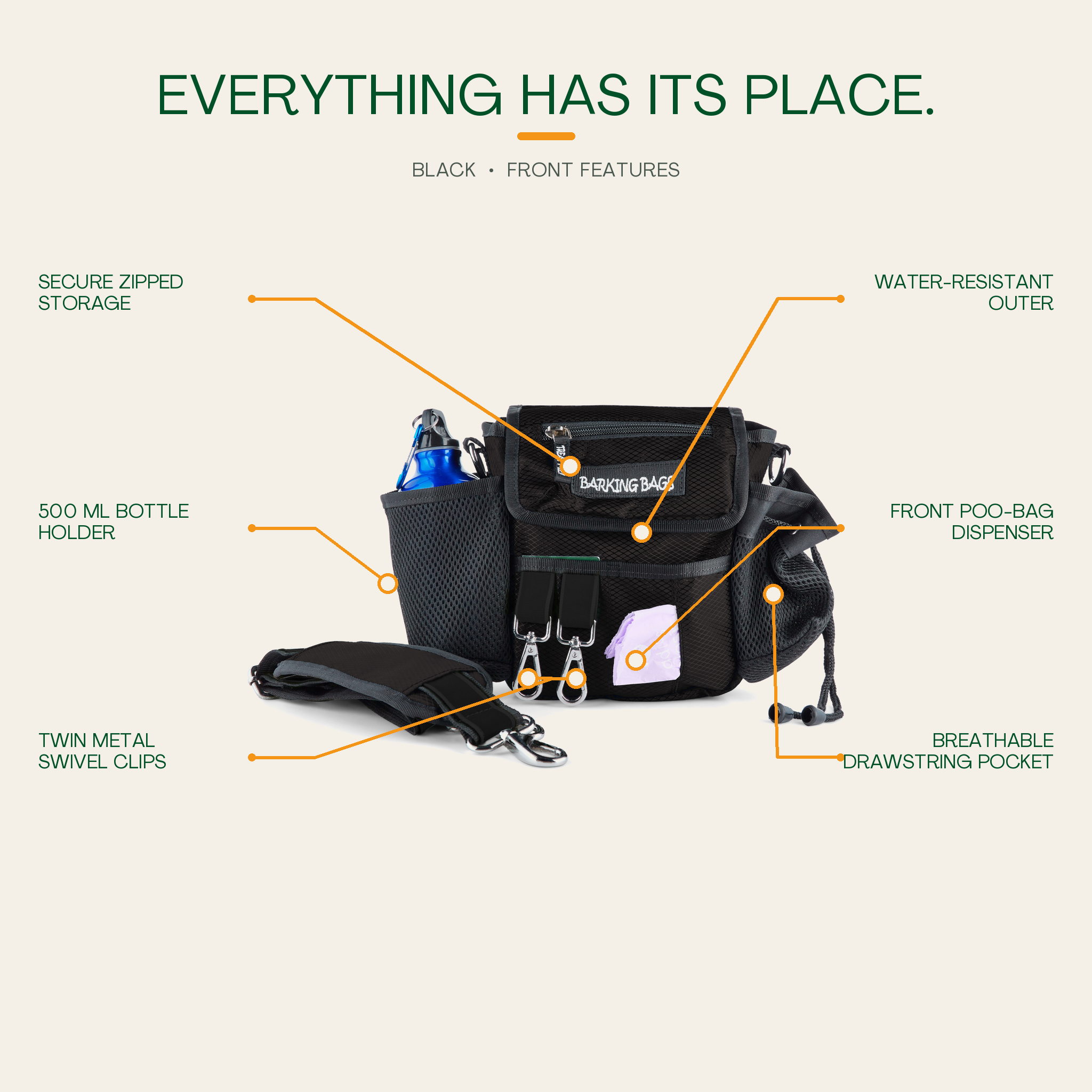
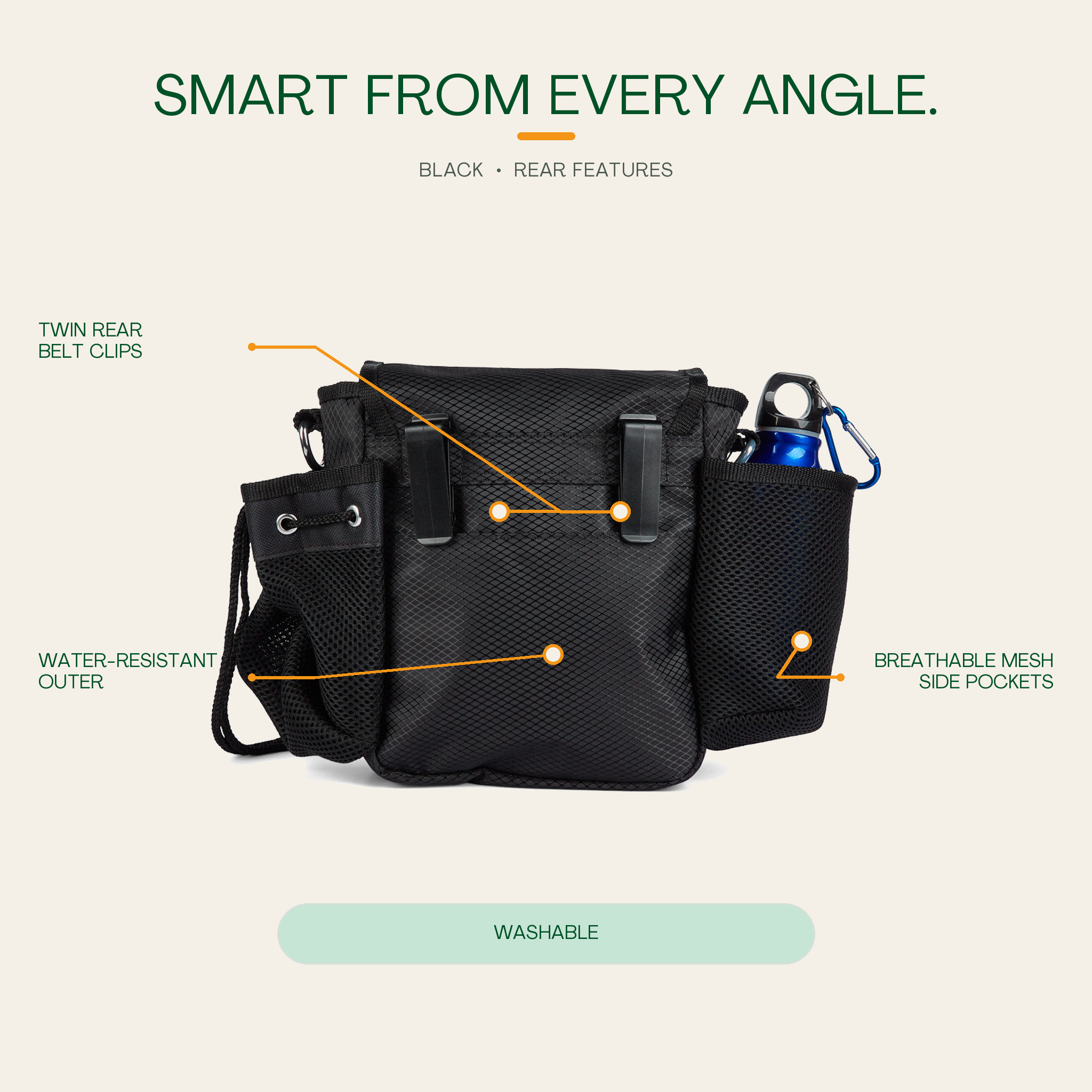
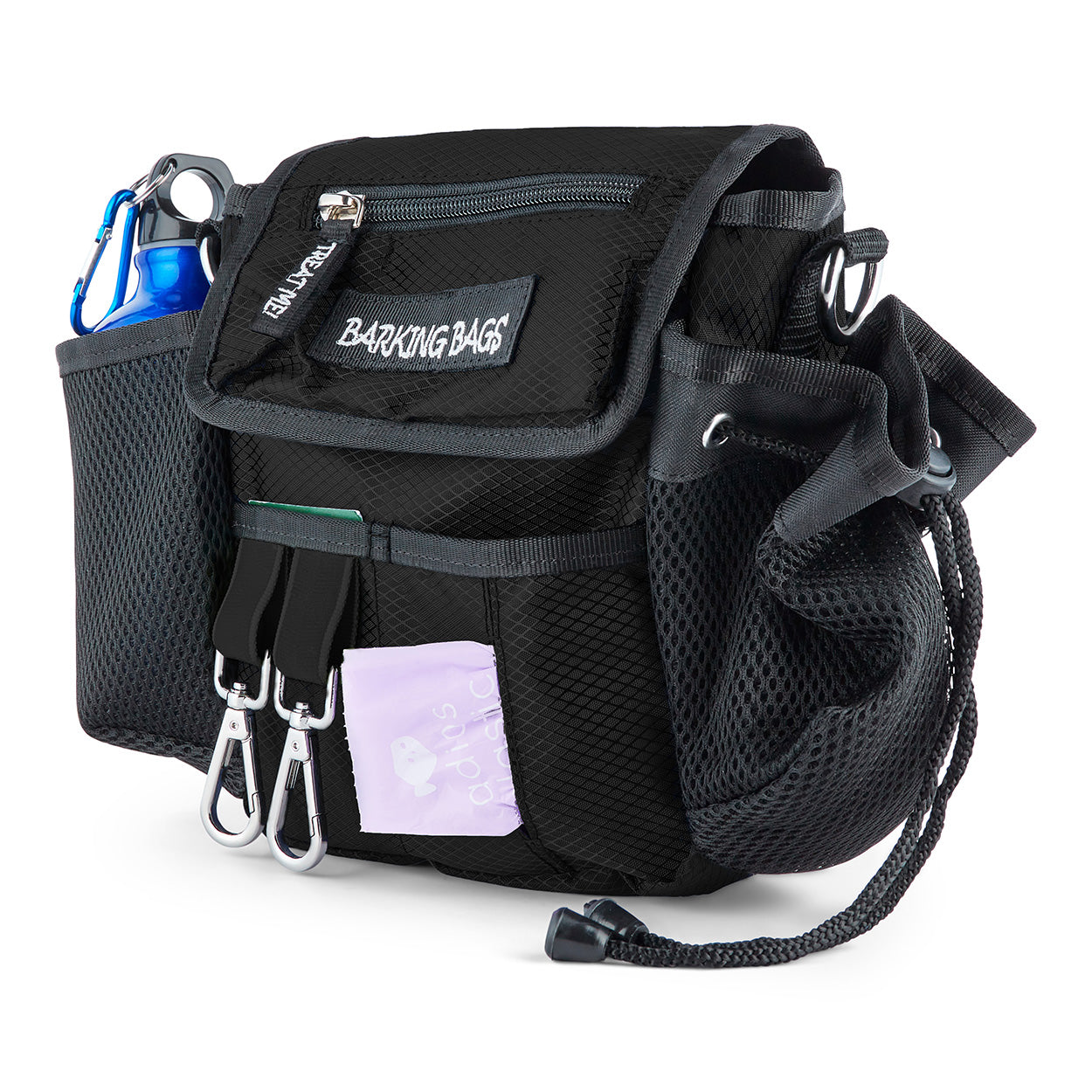
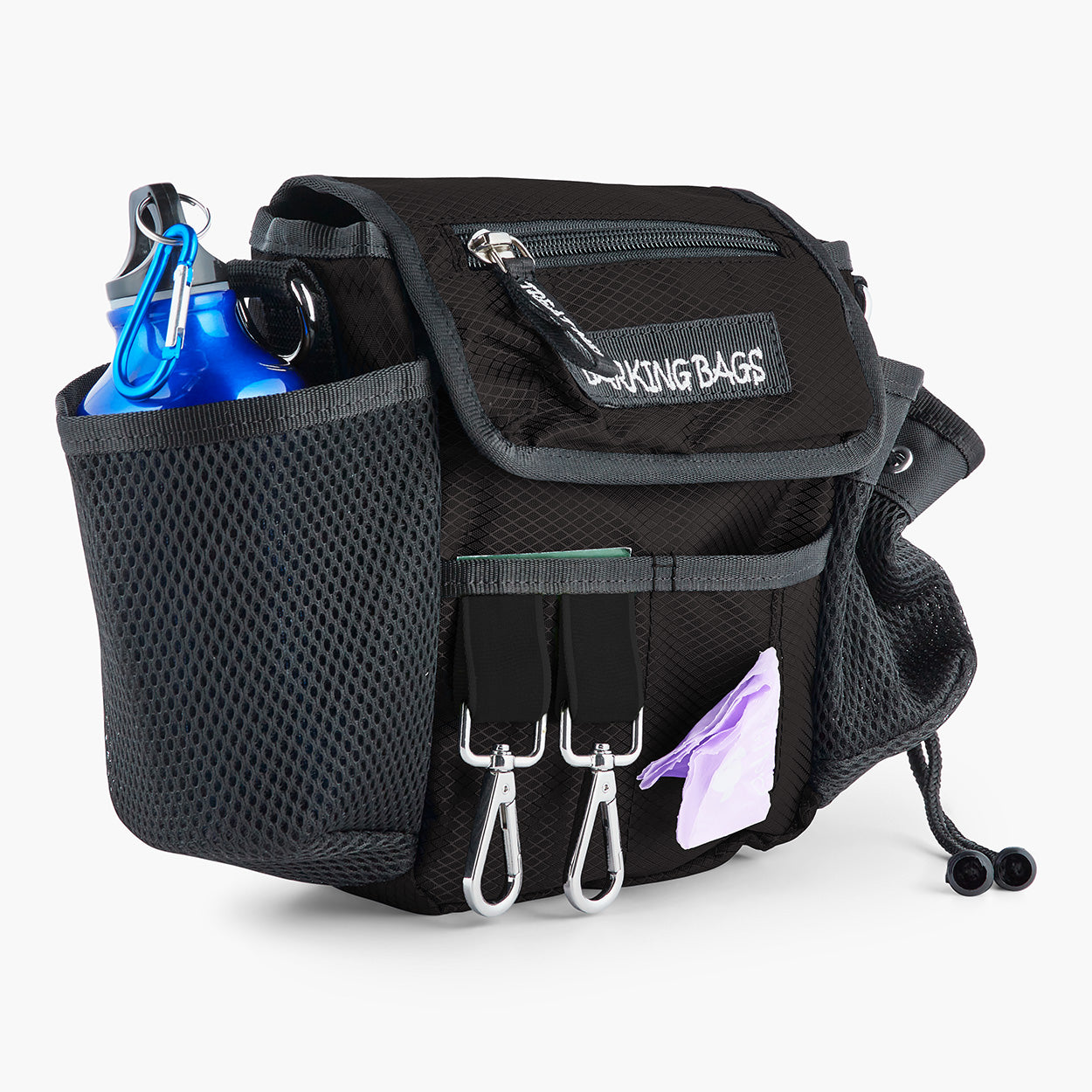
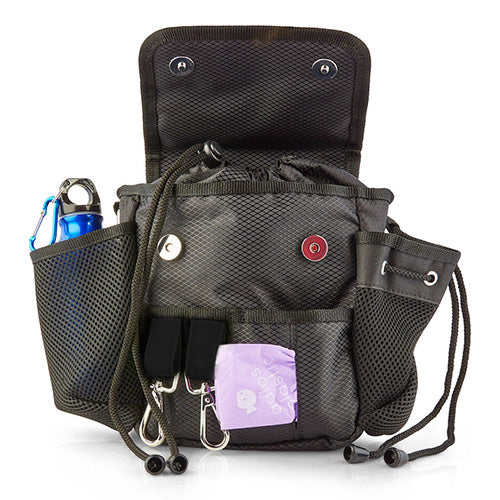
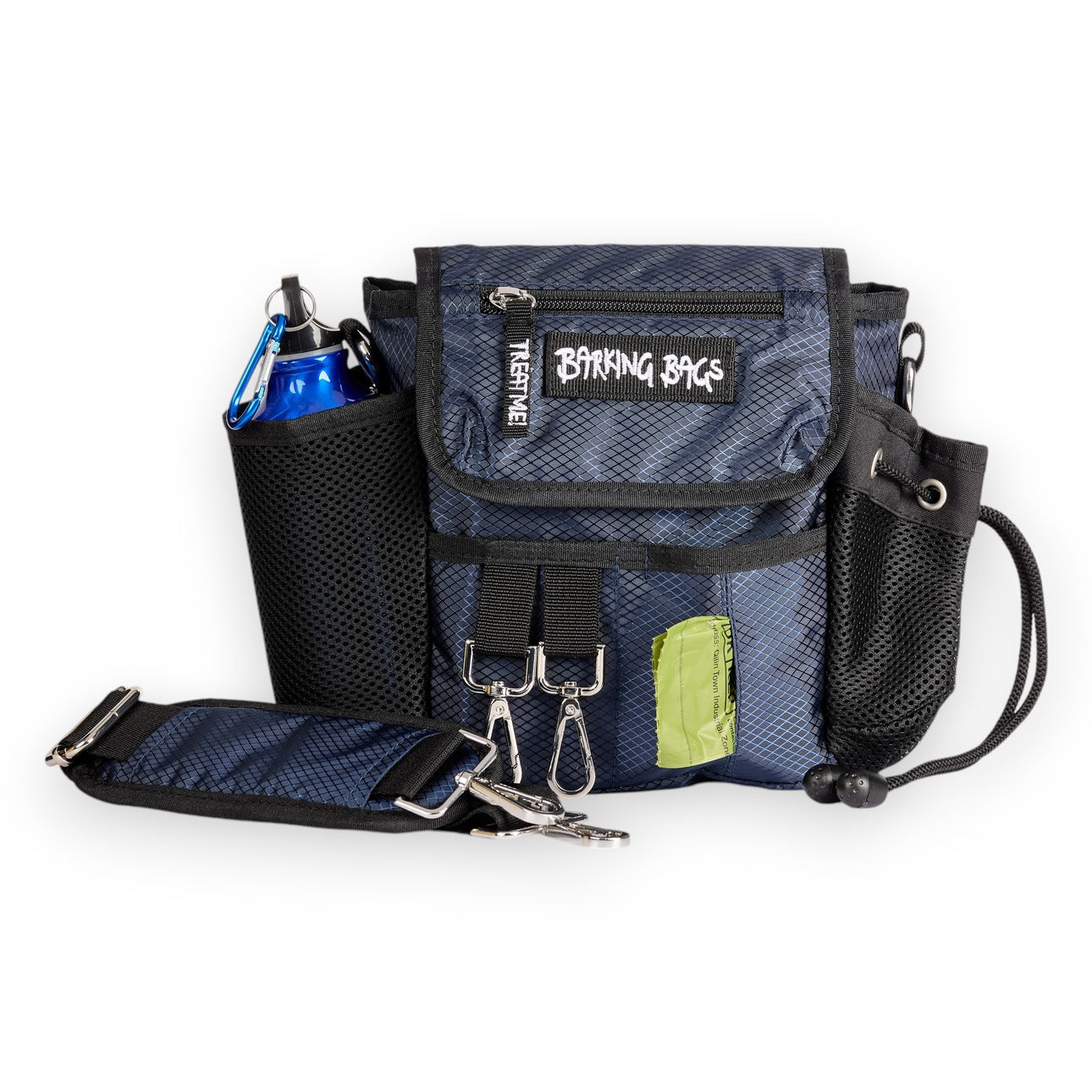
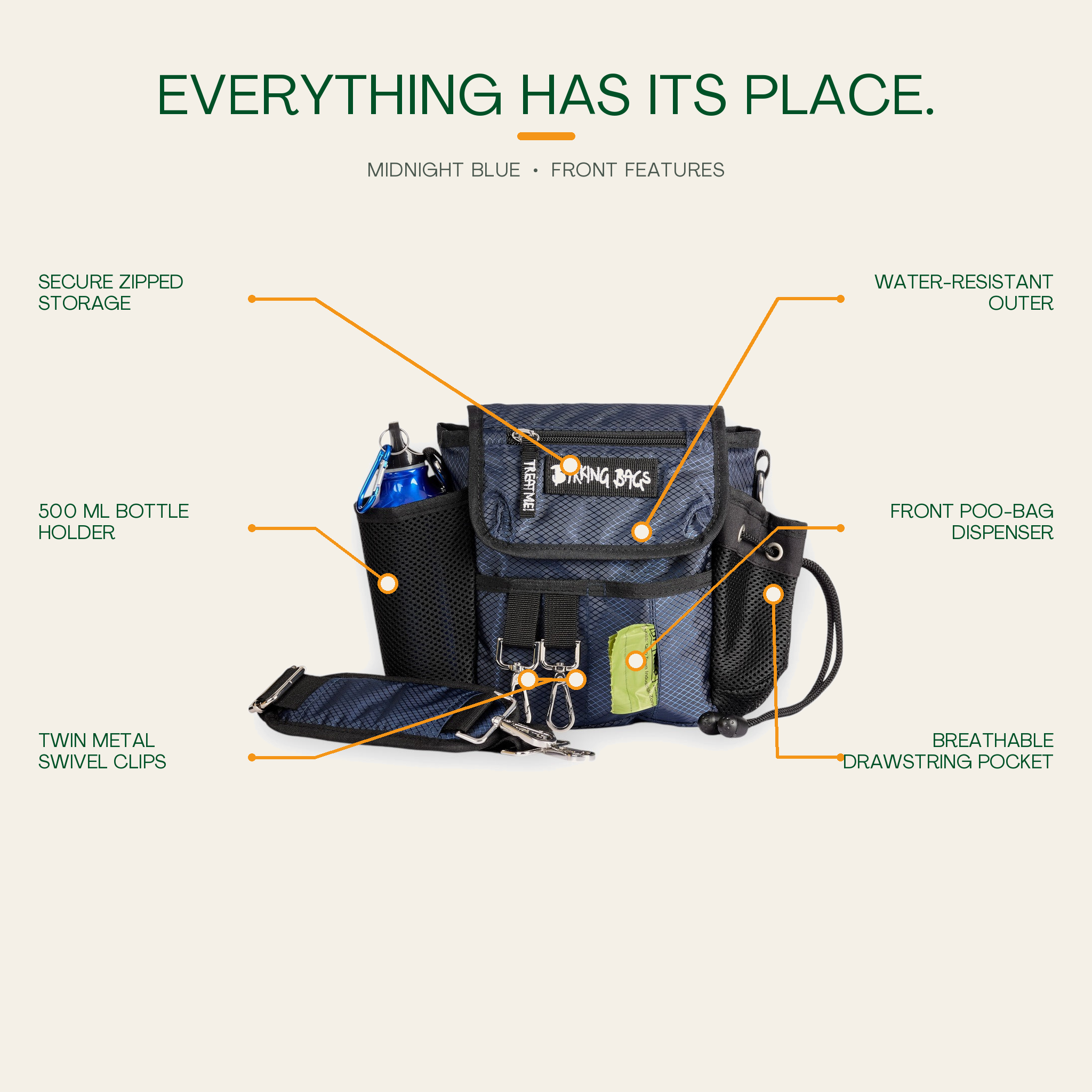
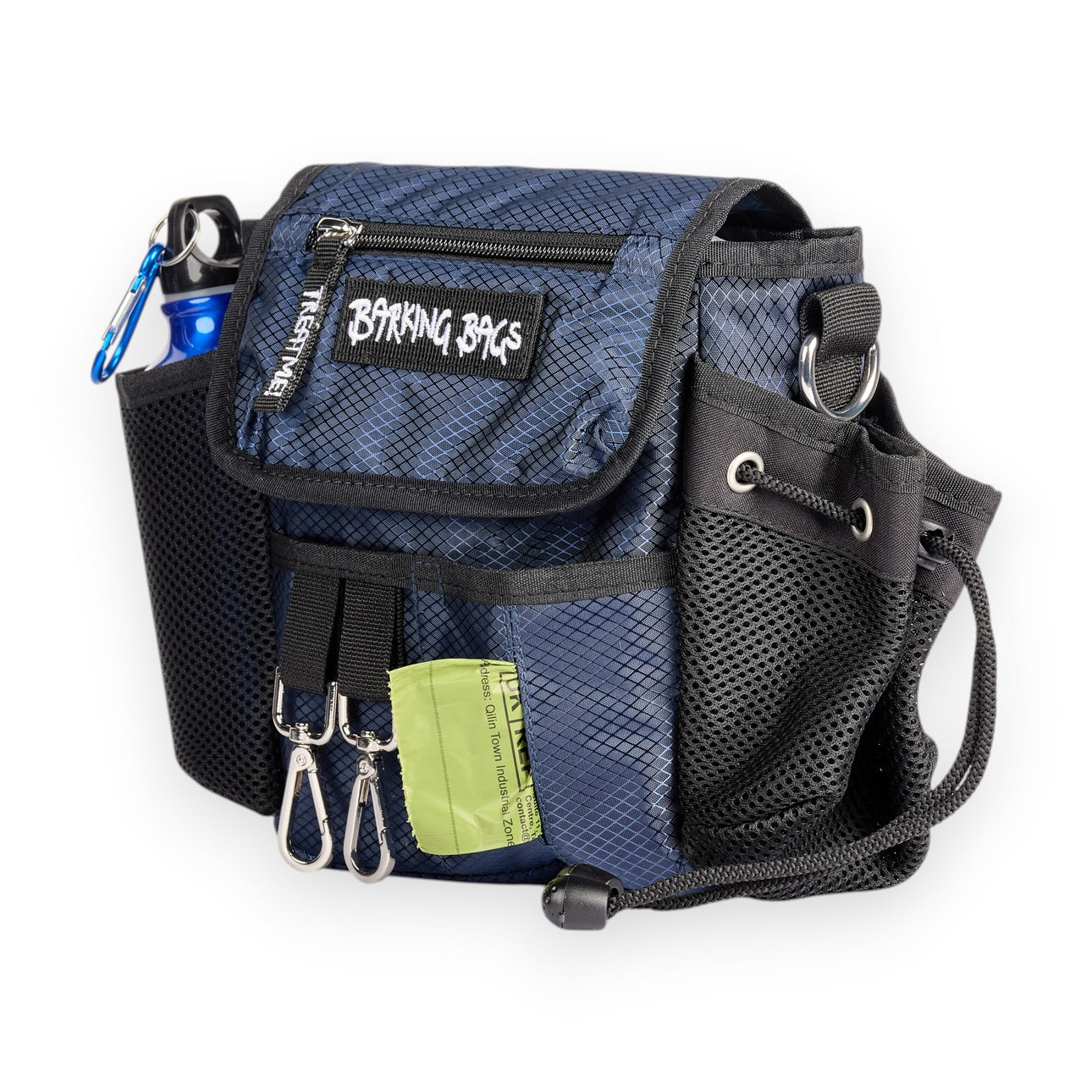
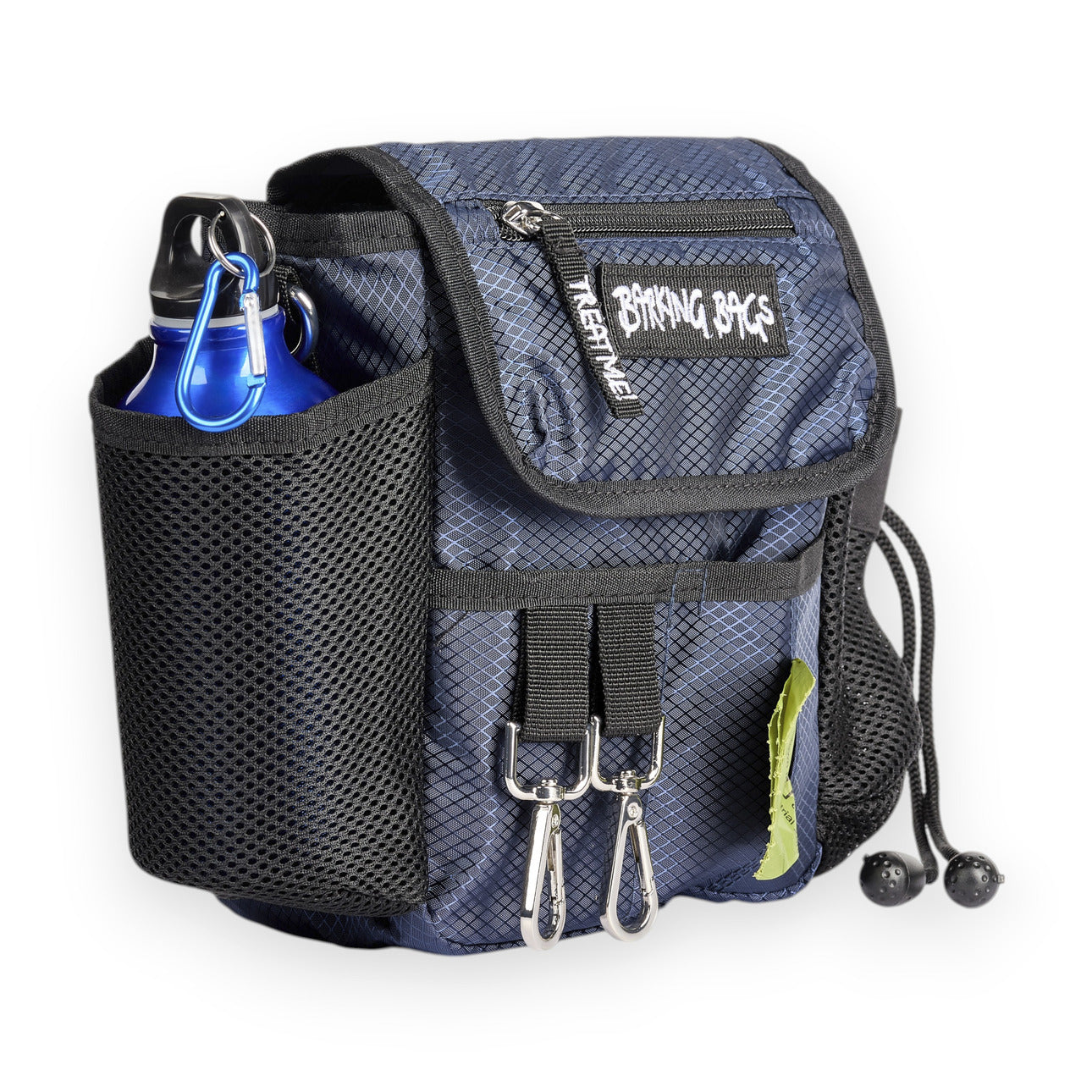
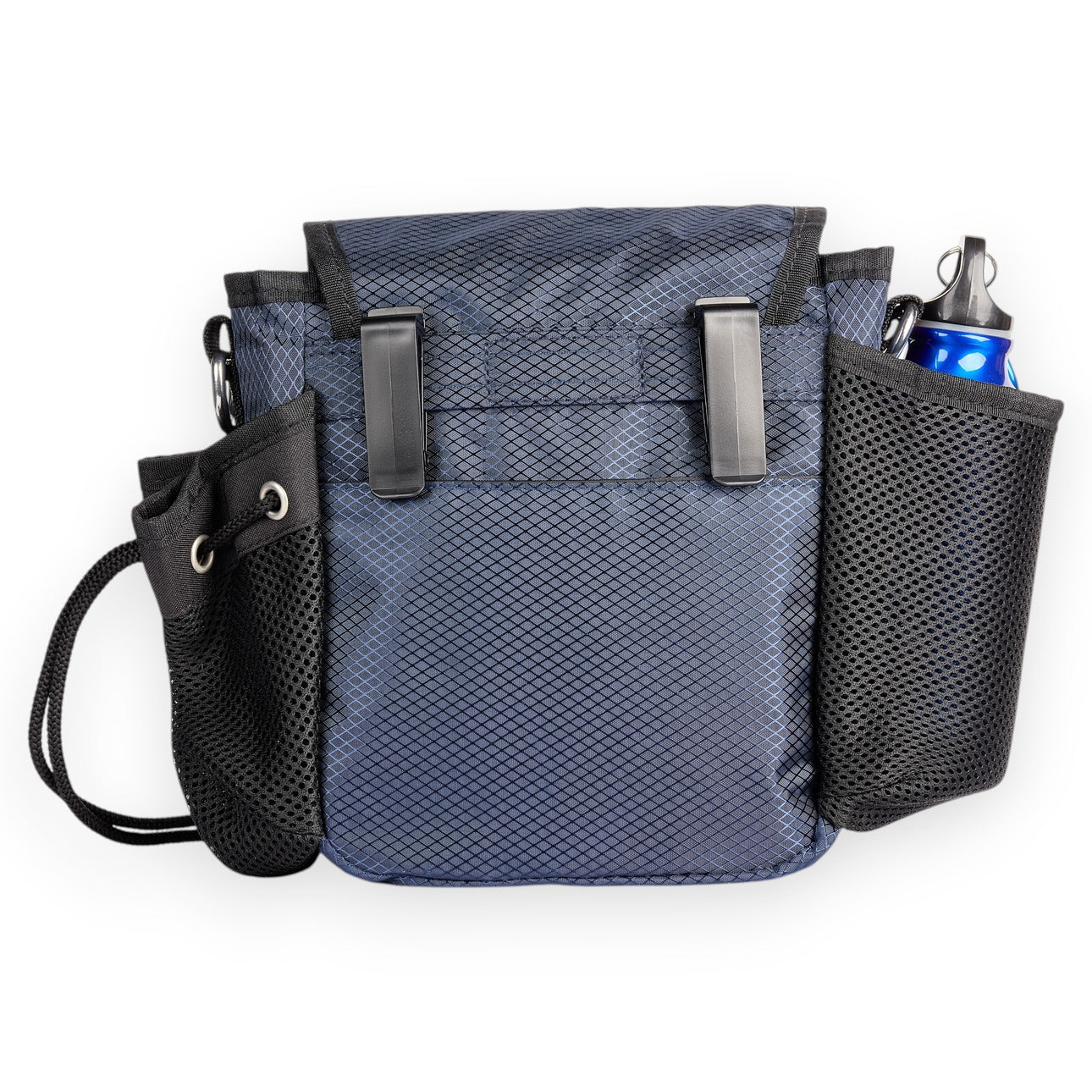
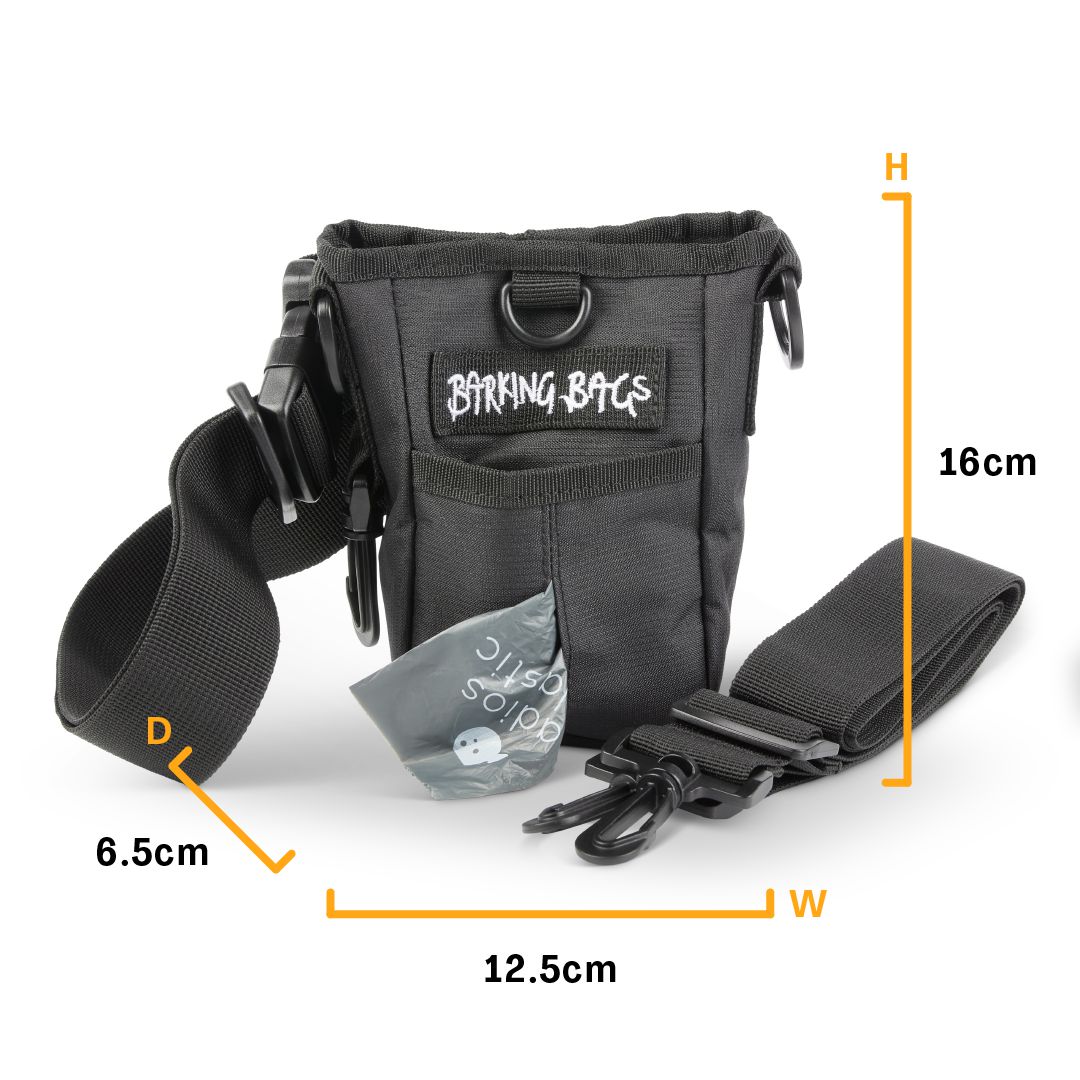
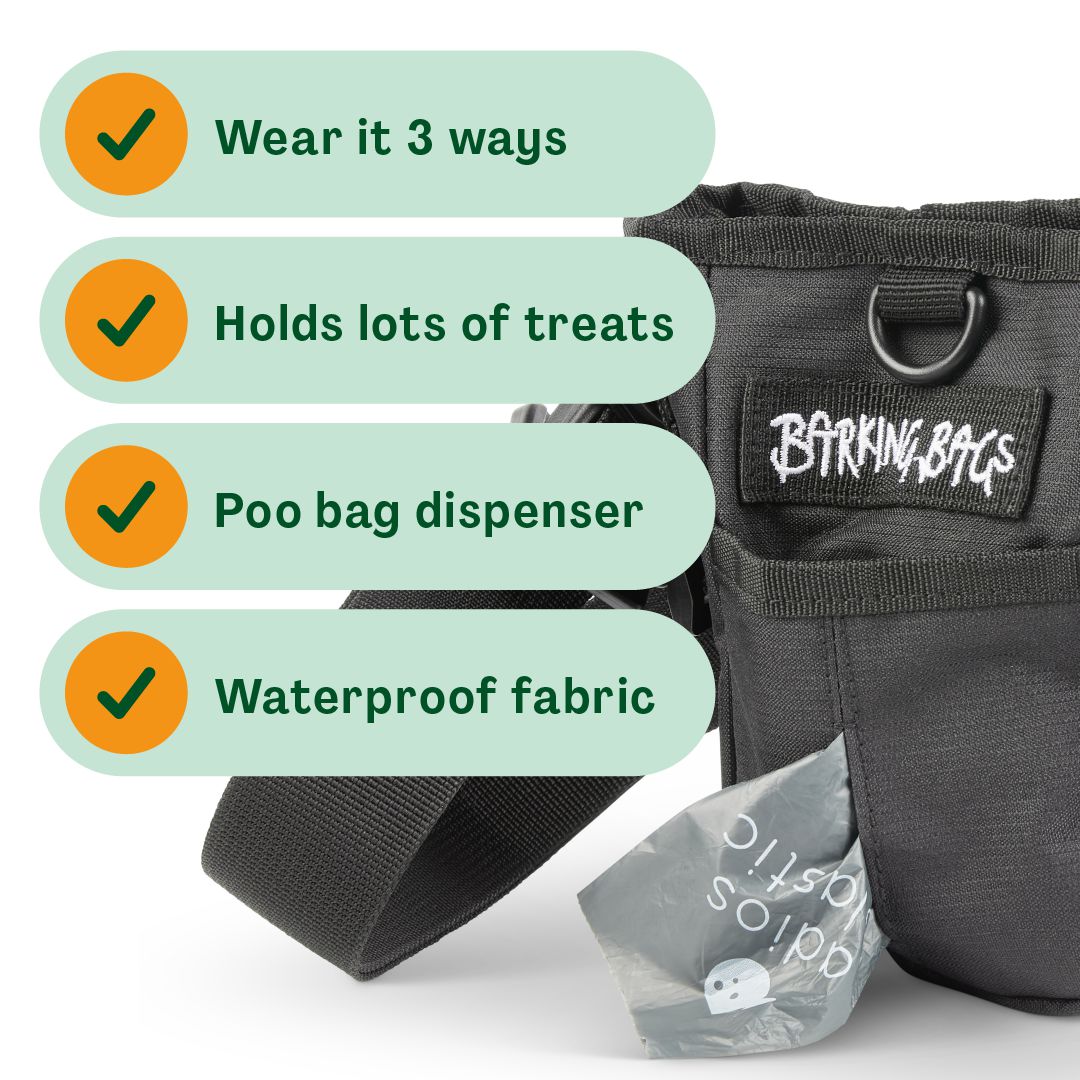
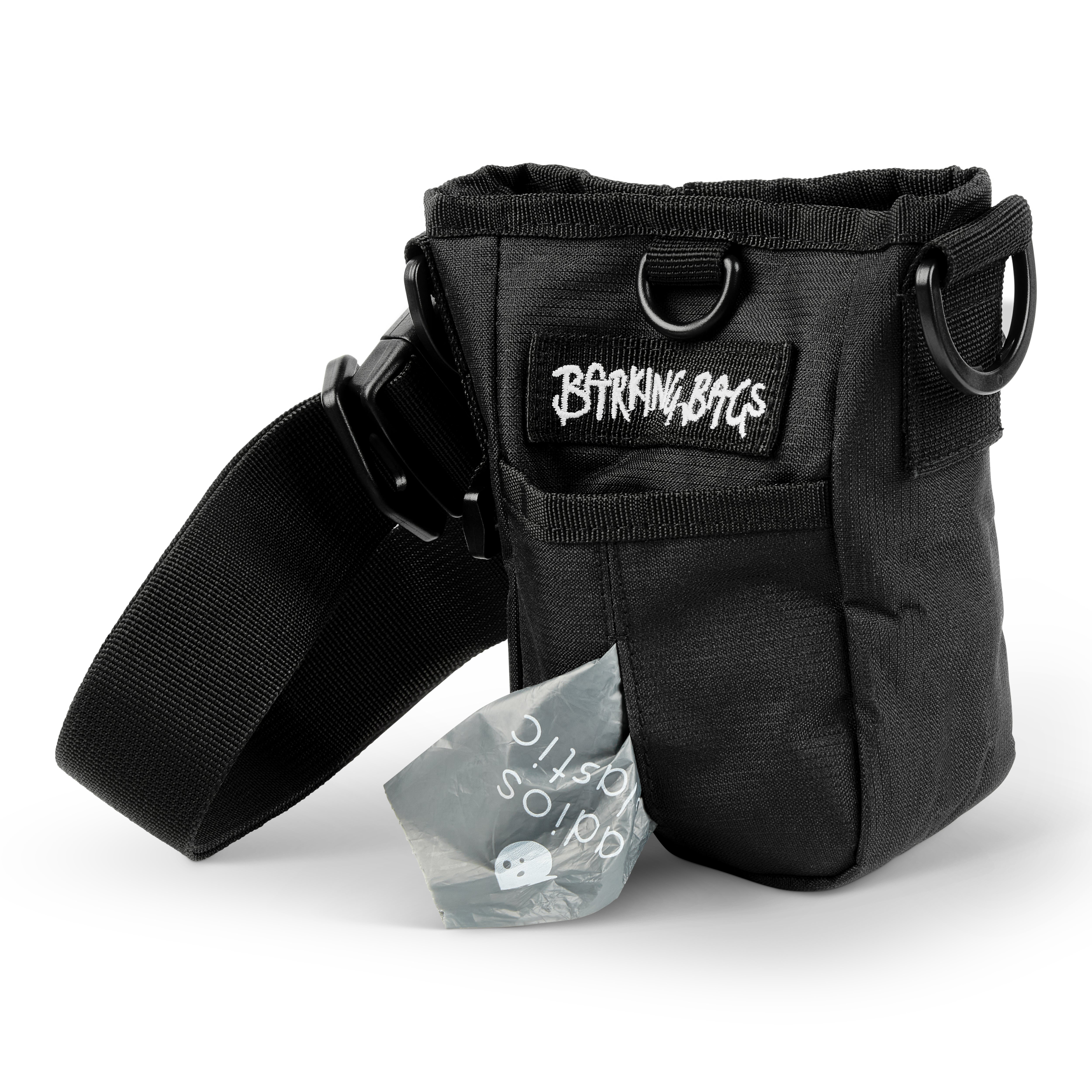
The most useful layout is usually one where high-use items are easy to reach and everything else has a clear place. A front dispenser for poo bags, a zipped area for valuables and a dedicated treat compartment can make a bag feel much more organised without making it bulky.
This matters even more if you walk regularly or handle more than one dog. The more often you use the bag, the more annoying poor layout becomes. What seems fine on a ten-minute stroll can feel frustrating very quickly on an hour-long walk.
Think about size, not just capacity
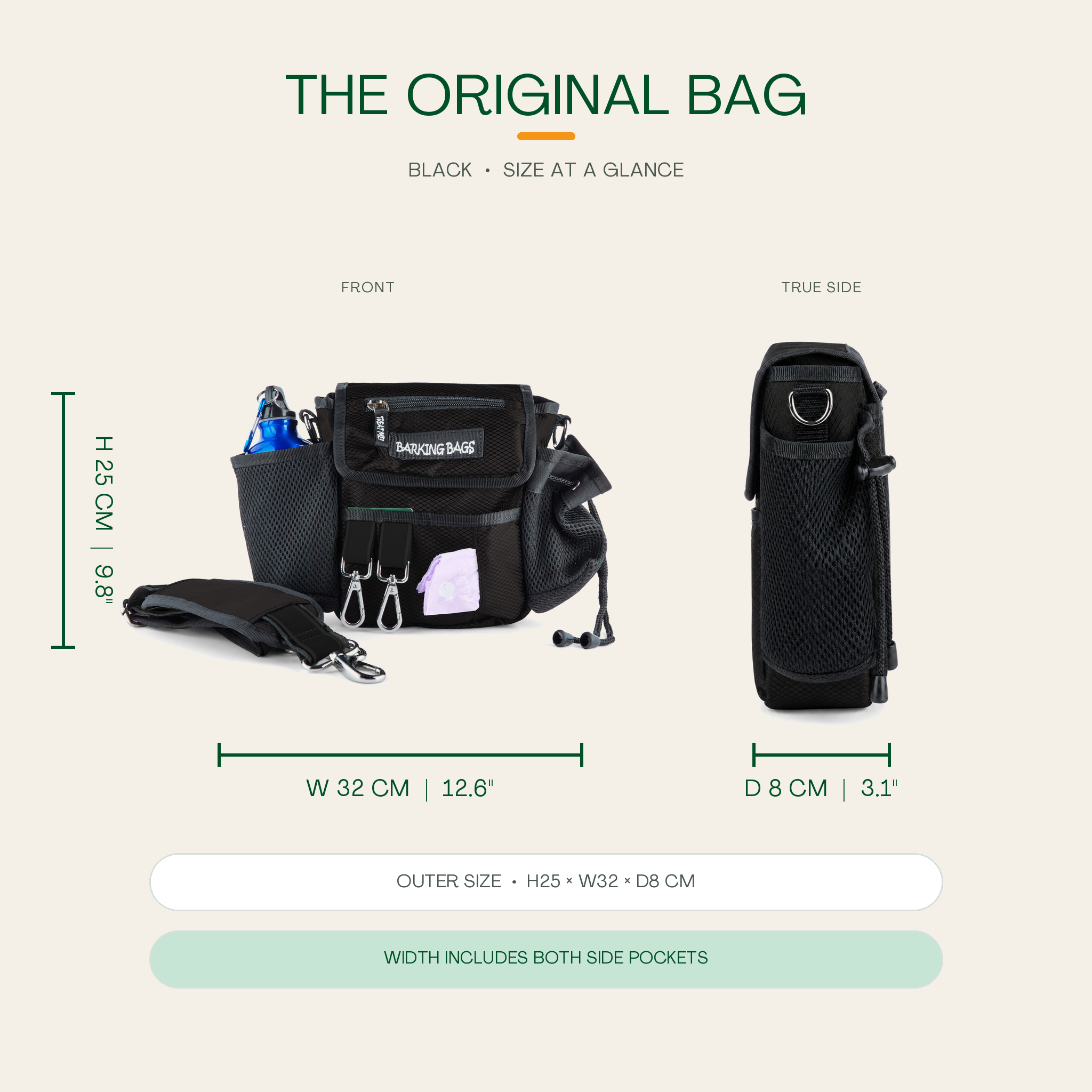
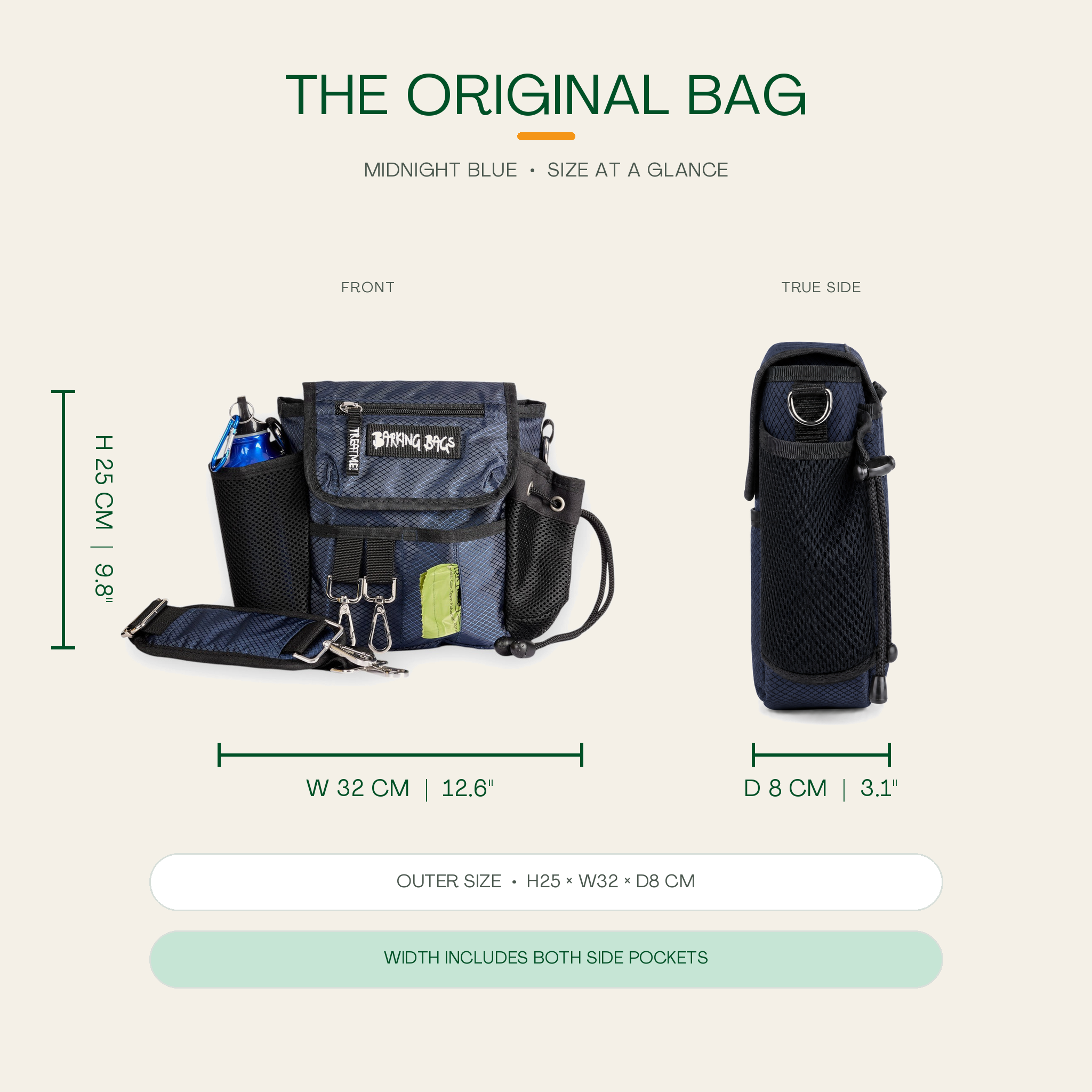
Bigger is not always better. A large treat bag can hold more, but if it feels heavy, sits awkwardly or tempts you to overpack, it stops being useful. A smaller bag can be ideal for quick walks or short training sessions, while something larger suits longer outings or professional use.
It depends on your routine. If your walks are mostly local and you only need the basics, keep it compact. If you need one bag to cover treats, personal items and walking essentials in one place, look for a design that balances capacity with structure.
The best treat bag features include easy cleaning
Treats are messy by nature. Soft cheese, sausage, dried fish, crumbly biscuits - none of them are especially kind to fabric. So a proper guide to treat bag features has to include cleaning, because this is one of the biggest differences between a bag that stays in use and one that ends up at the back of a cupboard.
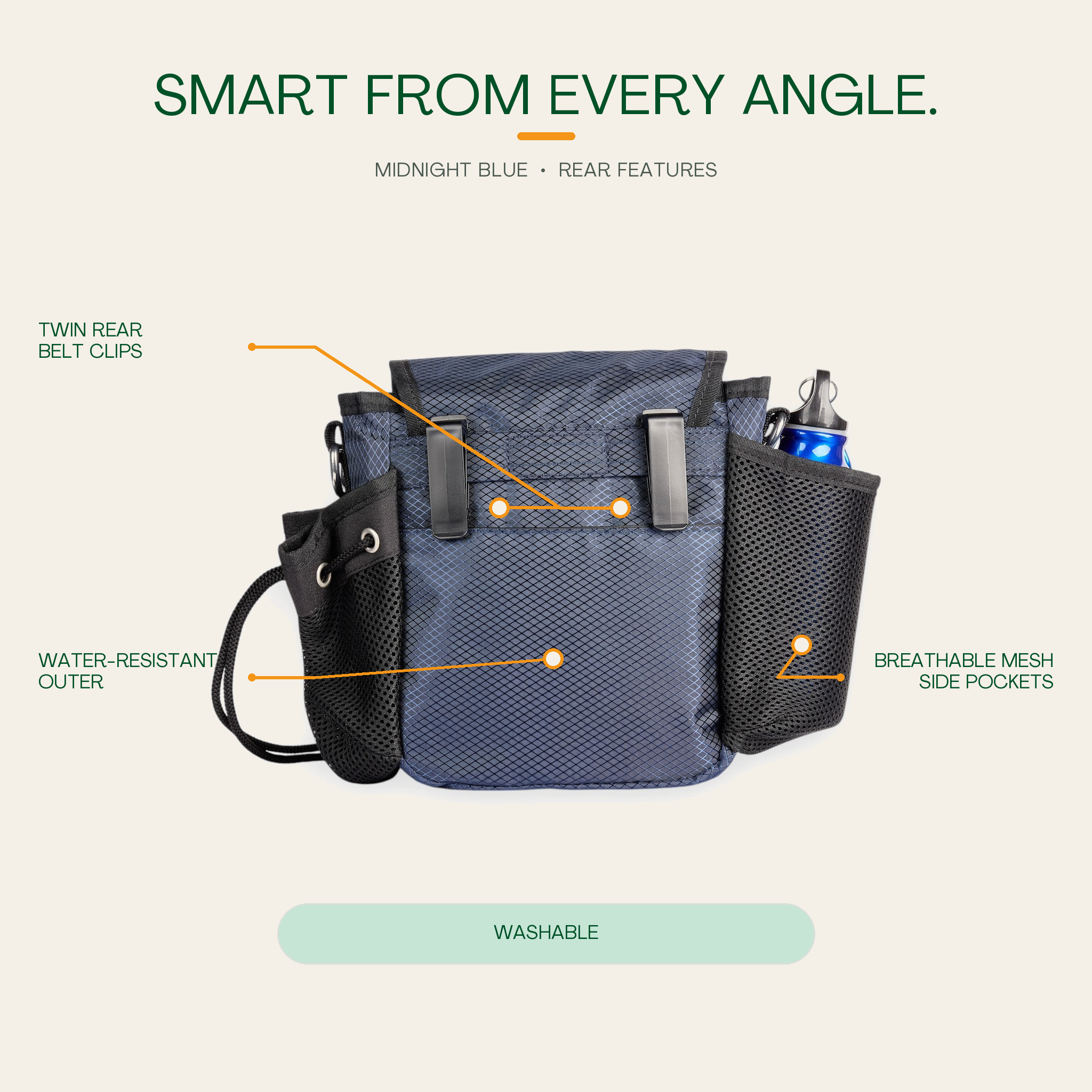
A wipe-clean lining makes a real difference. It helps with crumbs, grease and the general build-up that happens when a bag is used properly rather than kept pristine. If the treat compartment can be cleaned quickly after a muddy walk or a week of heavy use, that is a genuine practical win.
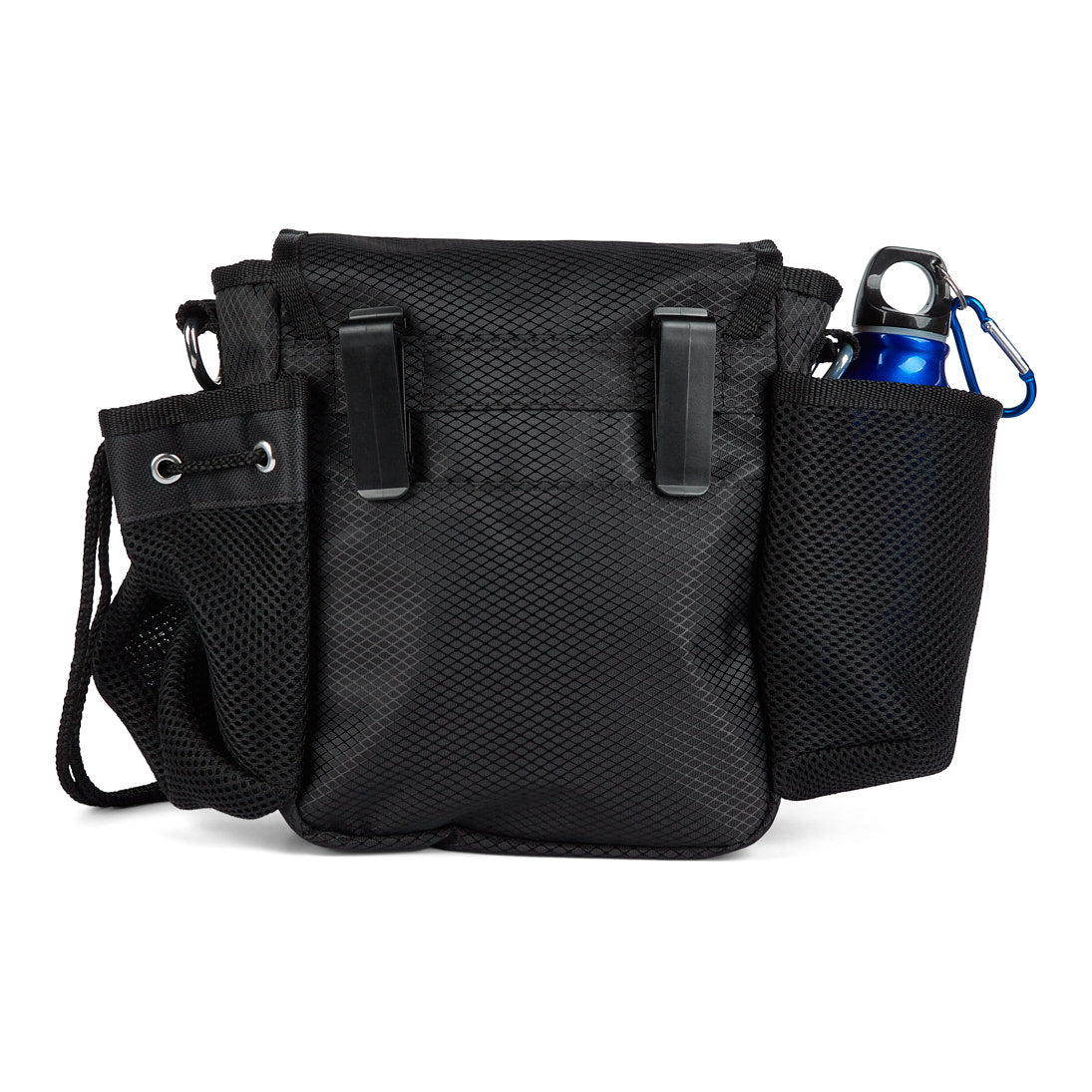
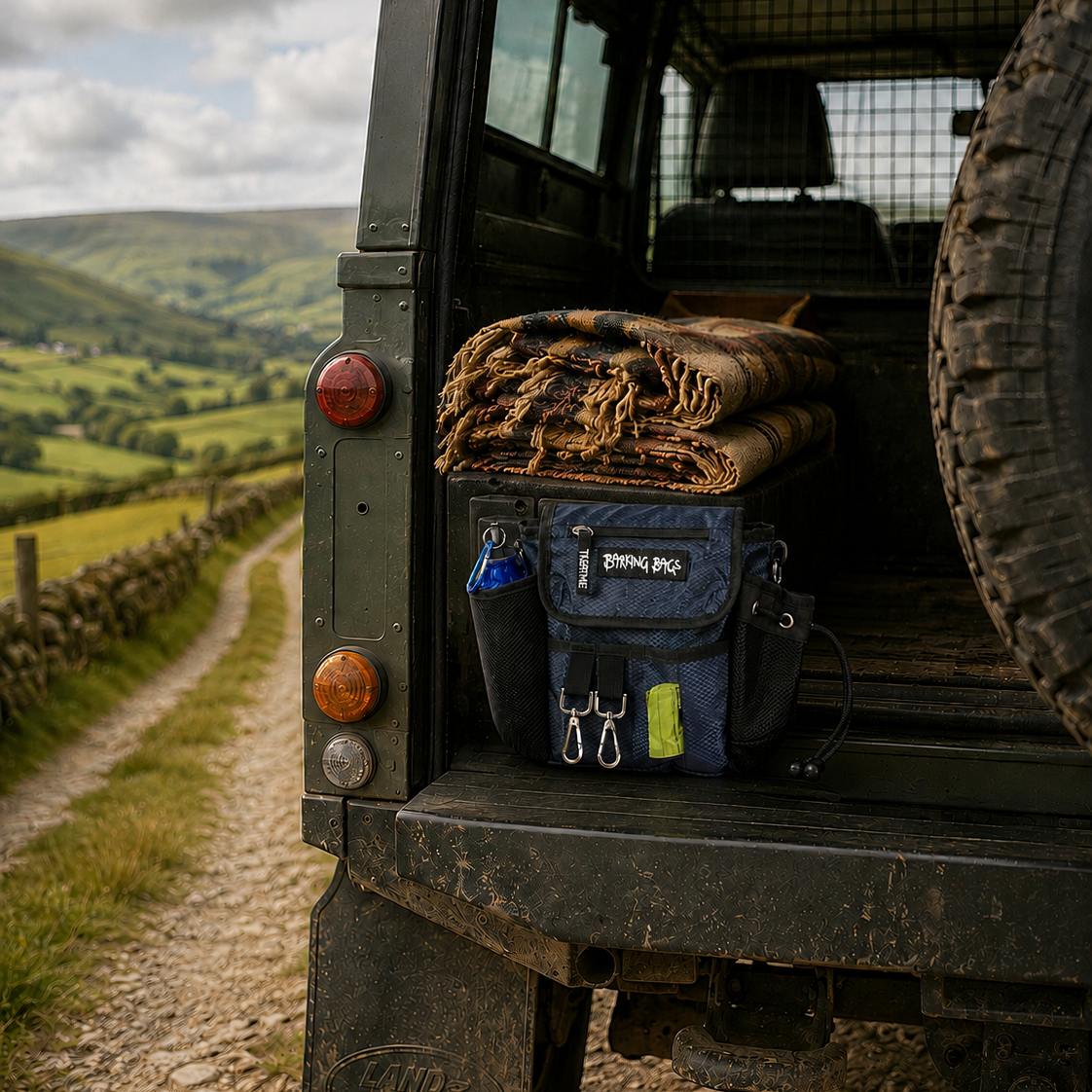
Material matters on the outside too. Dog walking rarely happens in ideal conditions. Rain, mud, damp grass and the odd unexpected shake from your dog are all part of the job. Fabrics that cope well with everyday weather are easier to live with and keep looking smarter for longer.
Comfort is not a small detail
A treat bag can tick every storage box and still fail if it is annoying to wear. If it digs in, swings too much or feels unstable when you bend down, you will notice it on every walk.
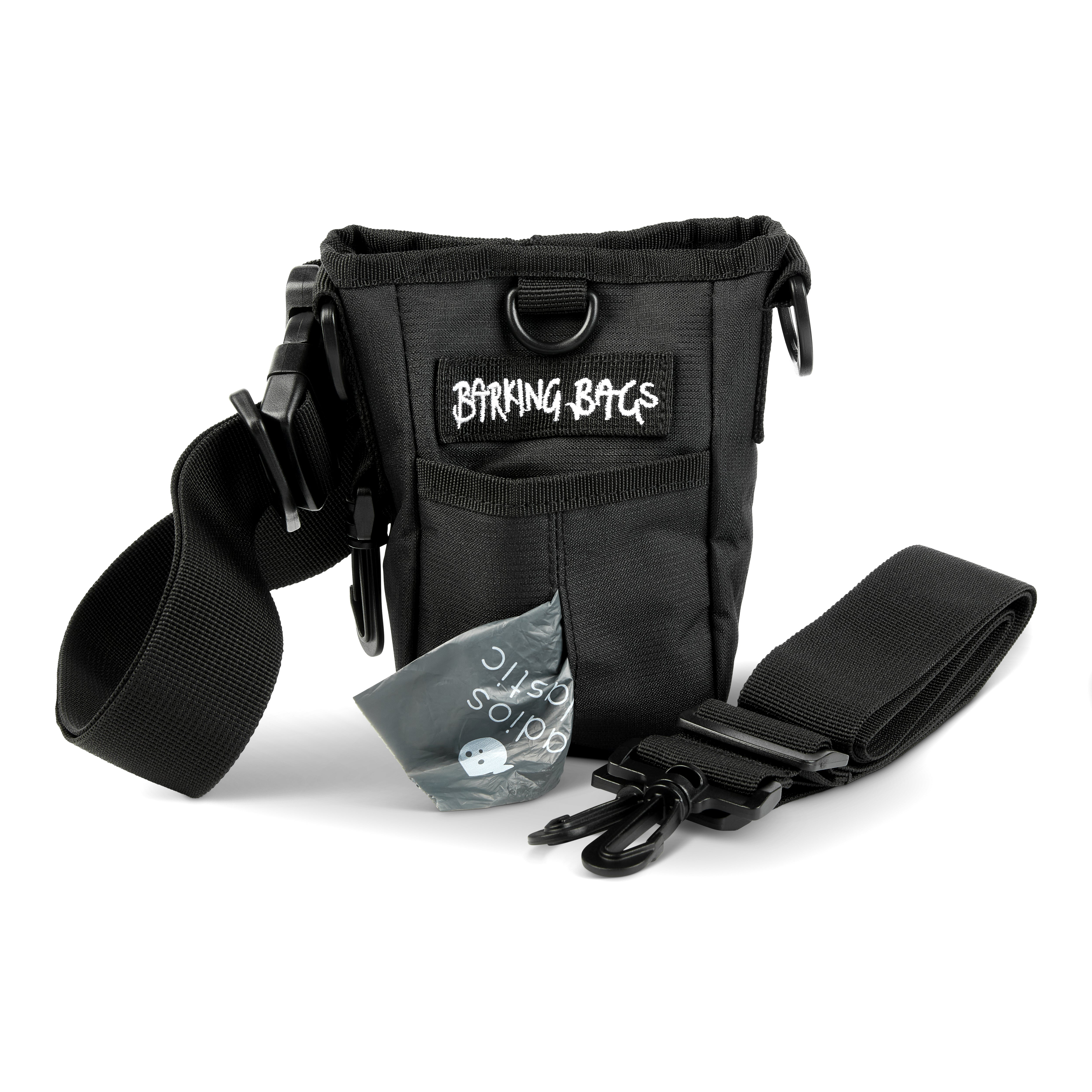
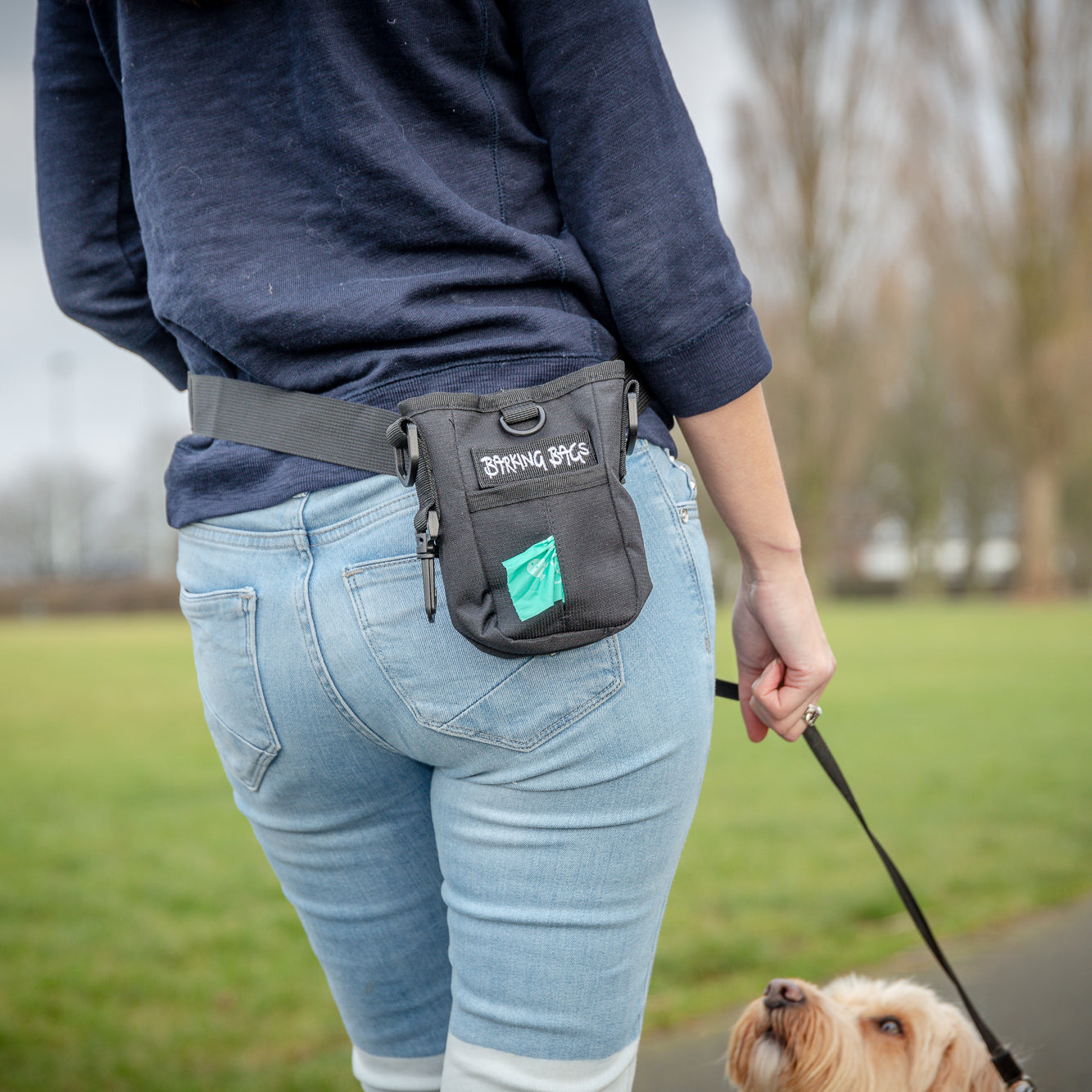
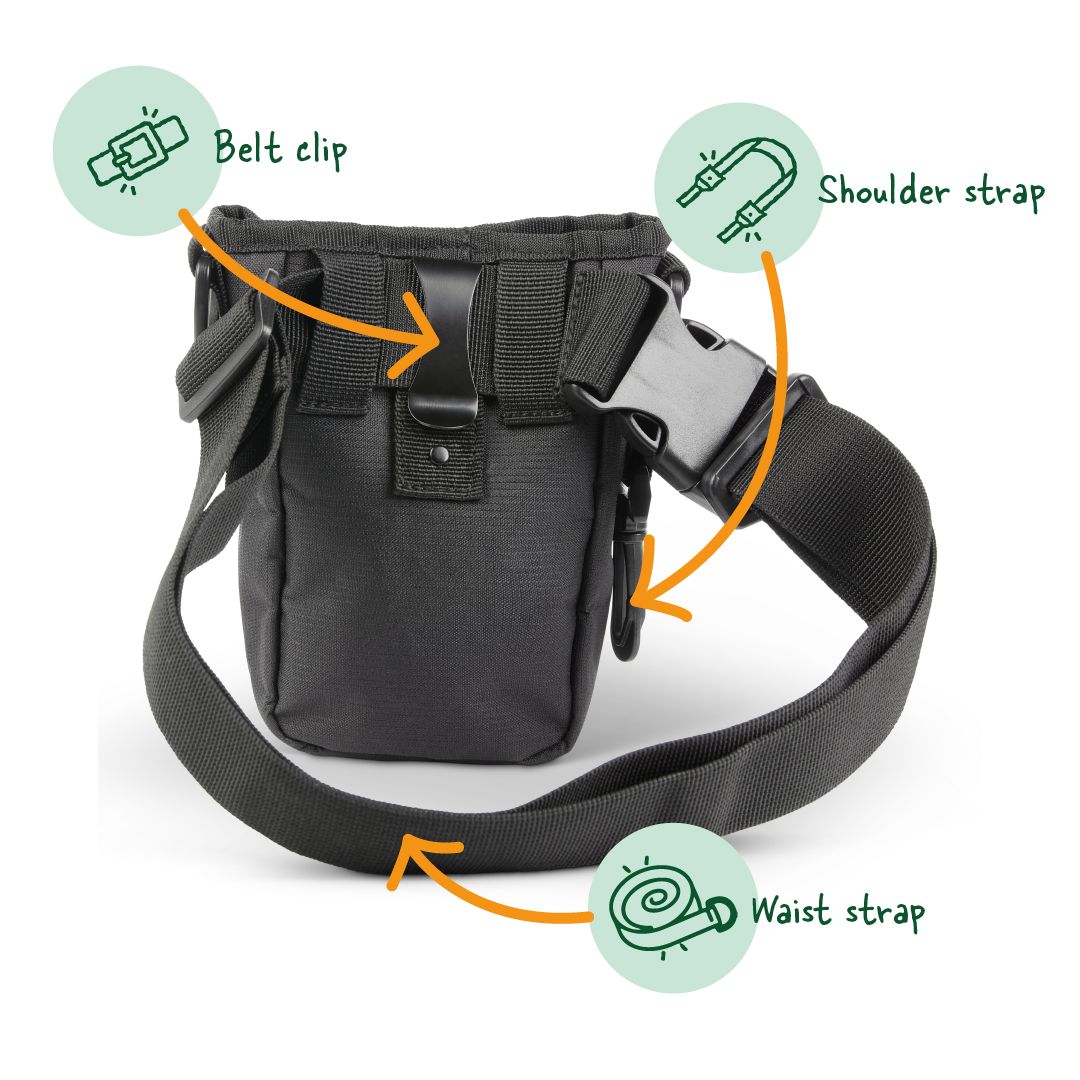
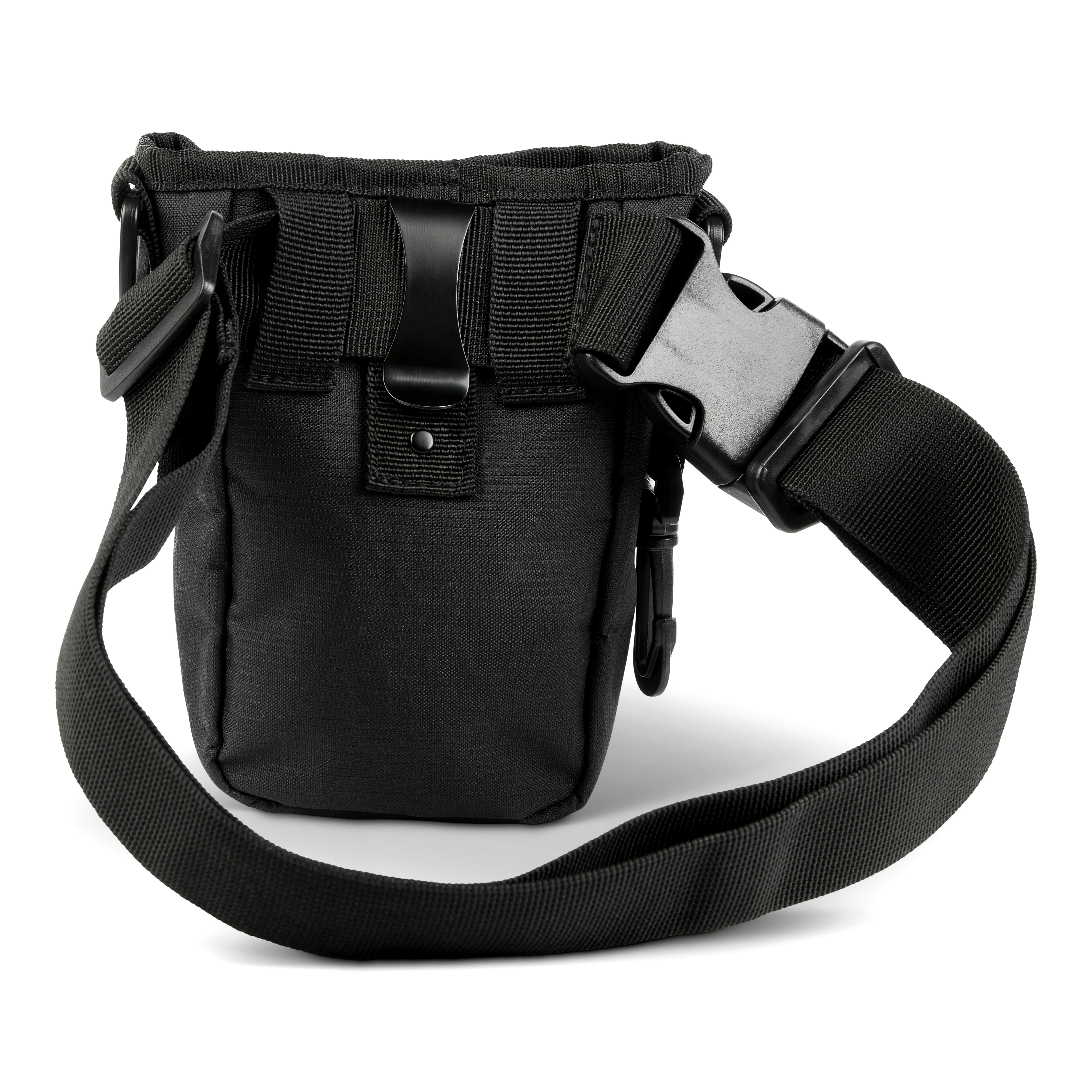
Clip-on styles suit some people because they feel light and simple, especially for quick outings. Crossbody or adjustable strap designs can be better if you want more support and space, or if you are carrying more than just treats. Belt options work well for training because they keep the bag close and accessible, but they are not everyone's favourite for everyday wear.
Stability changes how useful a bag feels
A bag that stays put is easier to use than one that shifts around every time you move. This matters if you are rewarding frequently, reaching for poo bags in a hurry, or handling a lead and a lively dog at the same time.
The shape and structure of the bag affect this more than people realise. Soft, floppy designs can feel lightweight, but they may collapse when you try to reach inside. A more structured shape can give better access and a tidier fit, though sometimes at the cost of flexibility. Again, it comes down to how and where you walk.
A guide to treat bag features should include closure types
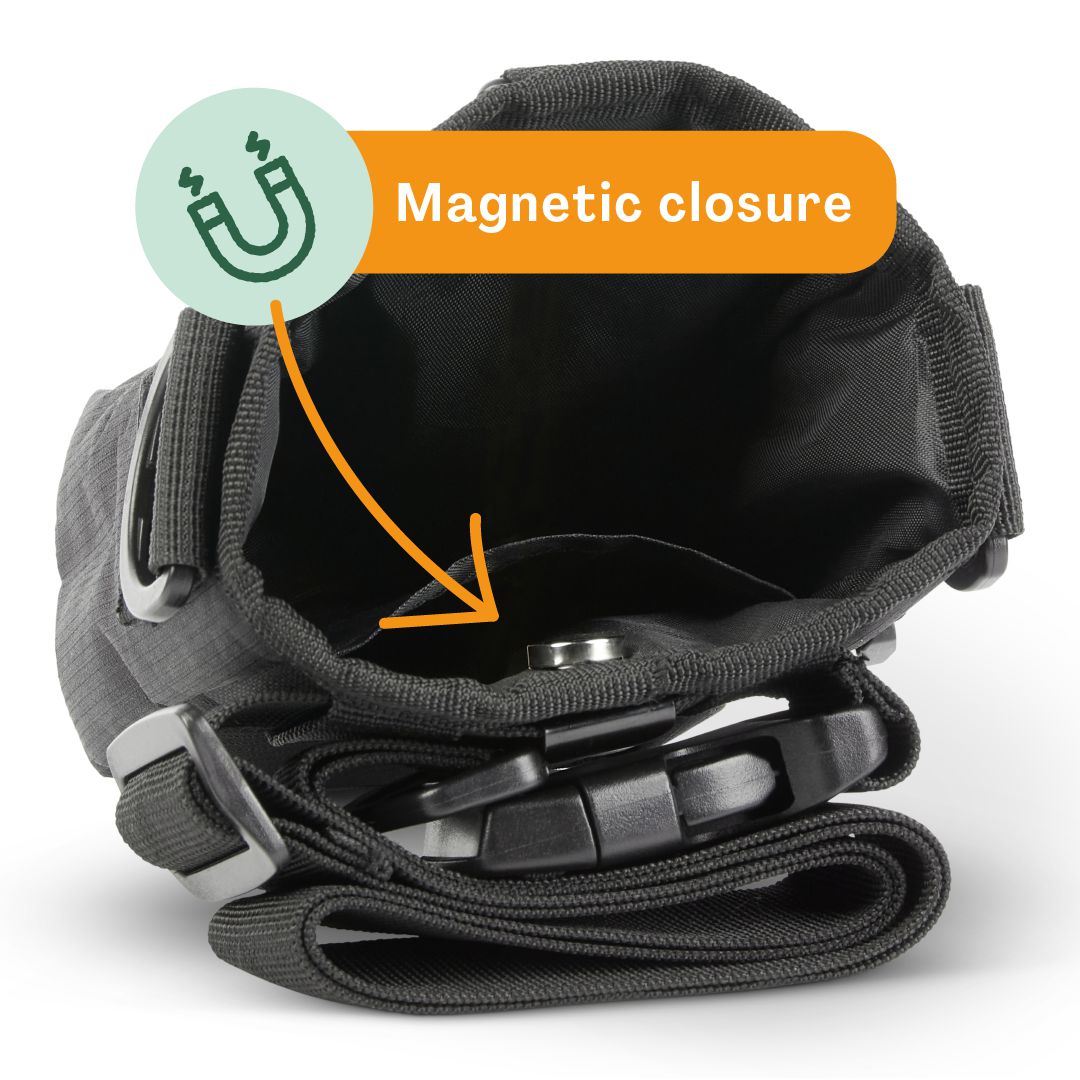
Closure design is one of those details that seems minor until it becomes a daily irritation. Magnets, drawstrings, zips and fold-over tops all have their place, but they behave differently in real use.
For training-heavy routines, magnetic or easy-open tops tend to be more convenient because they support faster rewards. For longer walks or more general carrying, a zip can offer more security, especially if the bag also holds valuables. Drawstrings can be useful, but some are smoother than others, and fiddly ones can slow you down.
The best choice depends on what matters most to you. Fast access is ideal for active training. Full closure is often better for travel, storage or rougher walks. If a bag is doing double duty as your everyday dog walking bag, a mix of closure types across different compartments is often the sweet spot.
Style is practical too
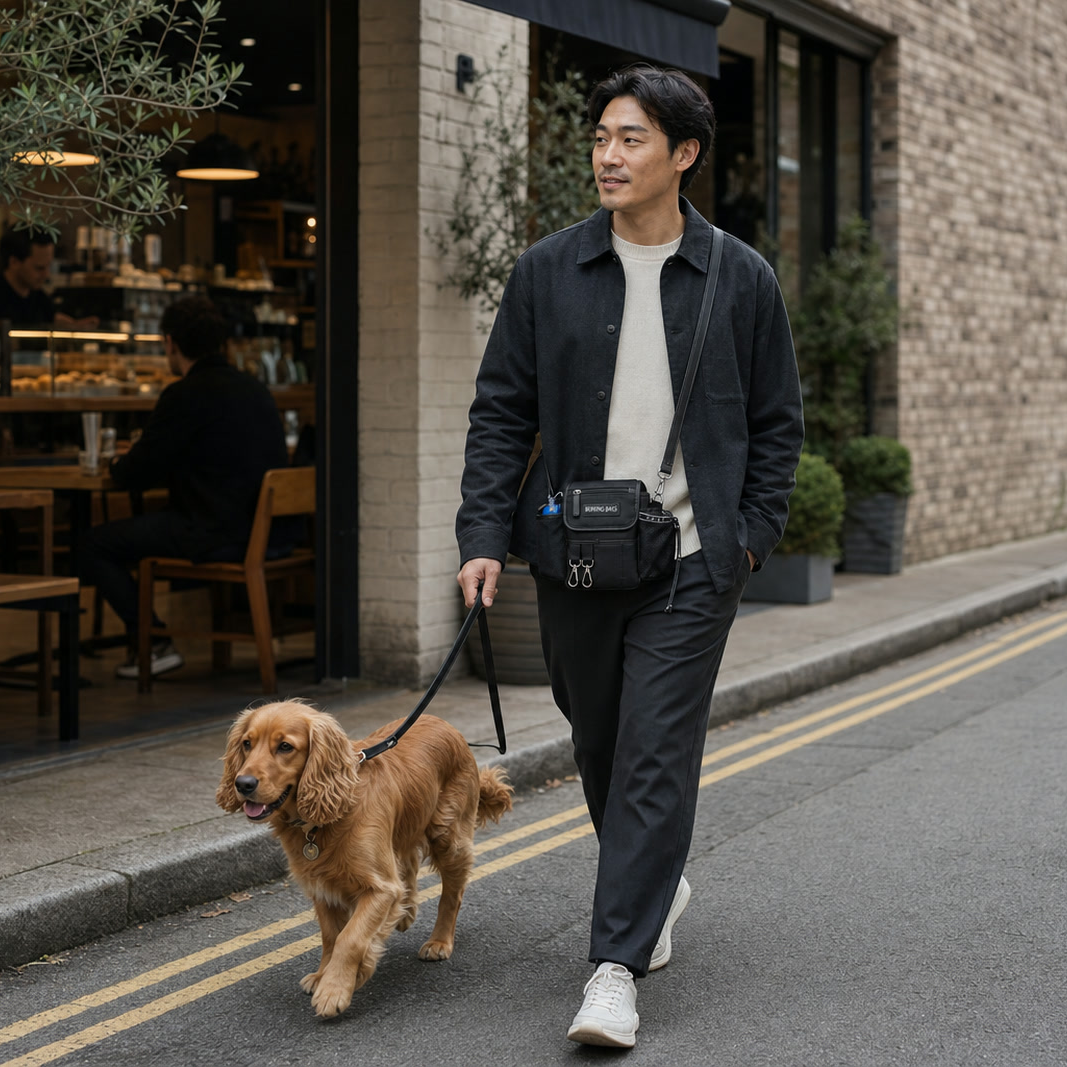
Dog walking accessories do not need to look like an afterthought. If you use your bag daily, it should fit your routine and your wardrobe just as comfortably as it fits your treats and poo bags.
This is not about choosing looks over function. It is about choosing something you genuinely want to carry. A thoughtfully designed bag is more likely to become part of your routine, which means you stay organised and stop relying on overloaded pockets or the nearest old tote.
For many dog owners, that balance matters. You want something purpose-built, but you also want it to look considered rather than overly sporty or purely utilitarian. That is one reason dedicated dog walking designs have become such a sensible choice.
Who needs which features most?
If you are a casual daily walker, quick access, easy cleaning and space for the basics are likely to matter most. If you are working on training, the opening, closure and stability become much more important because timing is everything.
For professional dog walkers or trainers, durability and layout tend to move up the list. You need a bag that performs repeatedly, keeps essentials organised and stands up to regular use in all sorts of weather. In that case, paying more for a better-designed option usually makes sense because it earns its keep very quickly.
For style-conscious owners, the win is finding something that does not force a compromise. A well-designed bag should help you stay organised without looking clunky. That is very much the point of specialist options from brands like Barking Bags - practical dog walking storage that still feels polished enough for everyday use.
What to check before you choose
Before buying, think about your actual routine rather than your ideal one. How long are your walks? Do you train on the move? Do you want one bag for everything, or a smaller pouch just for rewards? Are you mostly in parks, on pavements, in the countryside, or juggling all three?
It also helps to be honest about your tolerance for faff. Some people are happy with a very minimal pouch and separate mobile phone pocket elsewhere. Others want one organised bag that handles the full walk from start to finish. Neither is wrong, but the right choice depends on how you like to carry your kit.
A treat bag should make rewarding your dog easier, not add another thing to manage. If it gives you quick access, sensible storage, comfortable wear and easy cleaning, you will feel the difference straight away. Choose for the walks you really do, and the rest of your routine tends to fall into place.