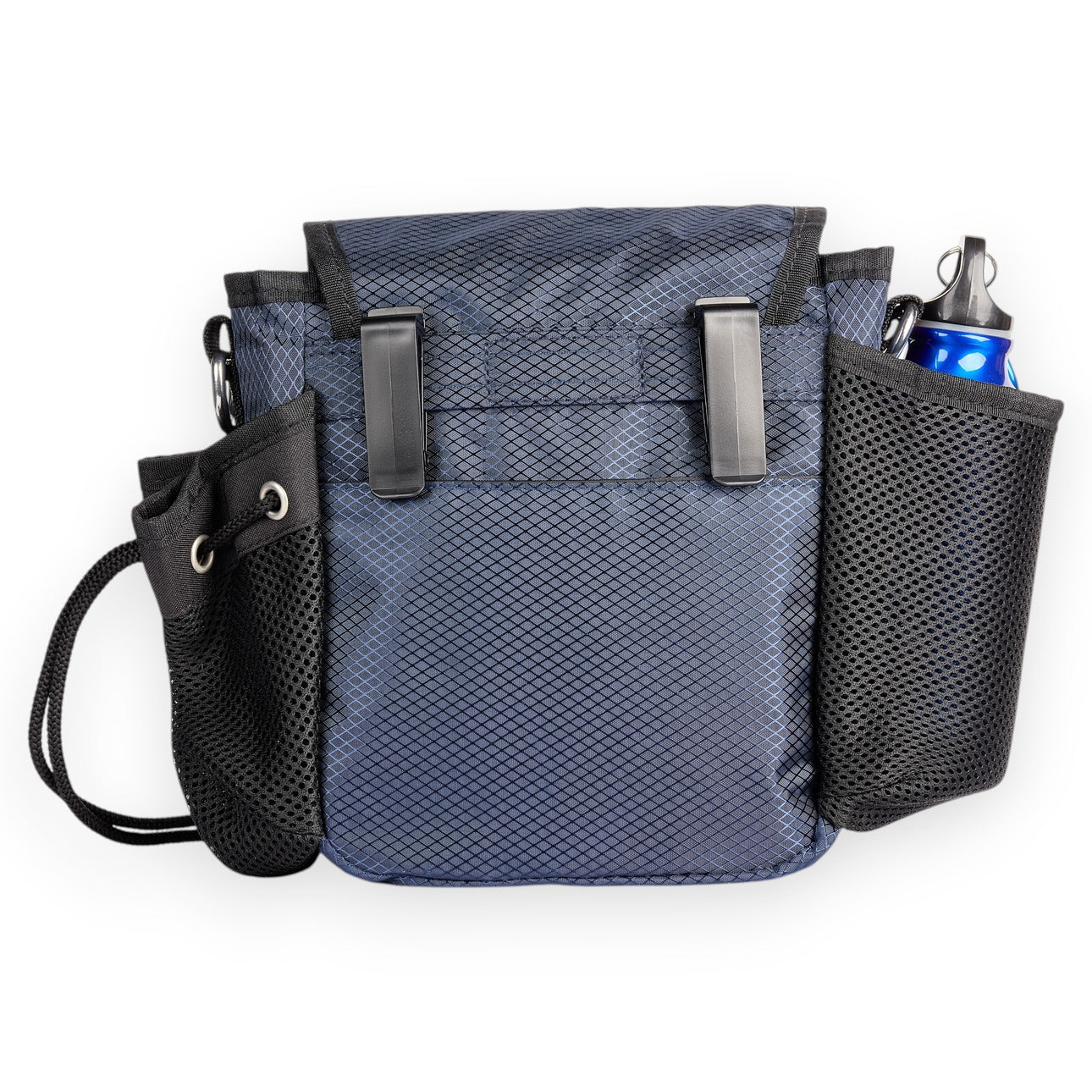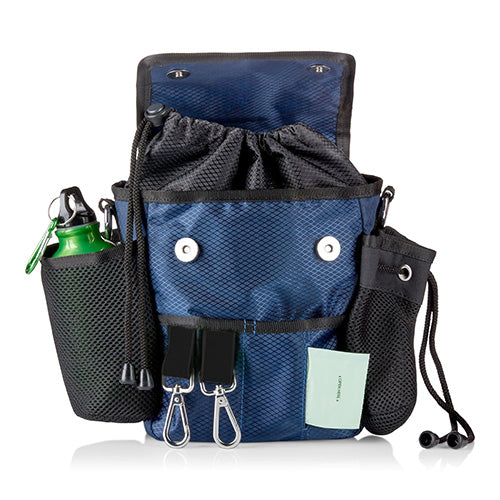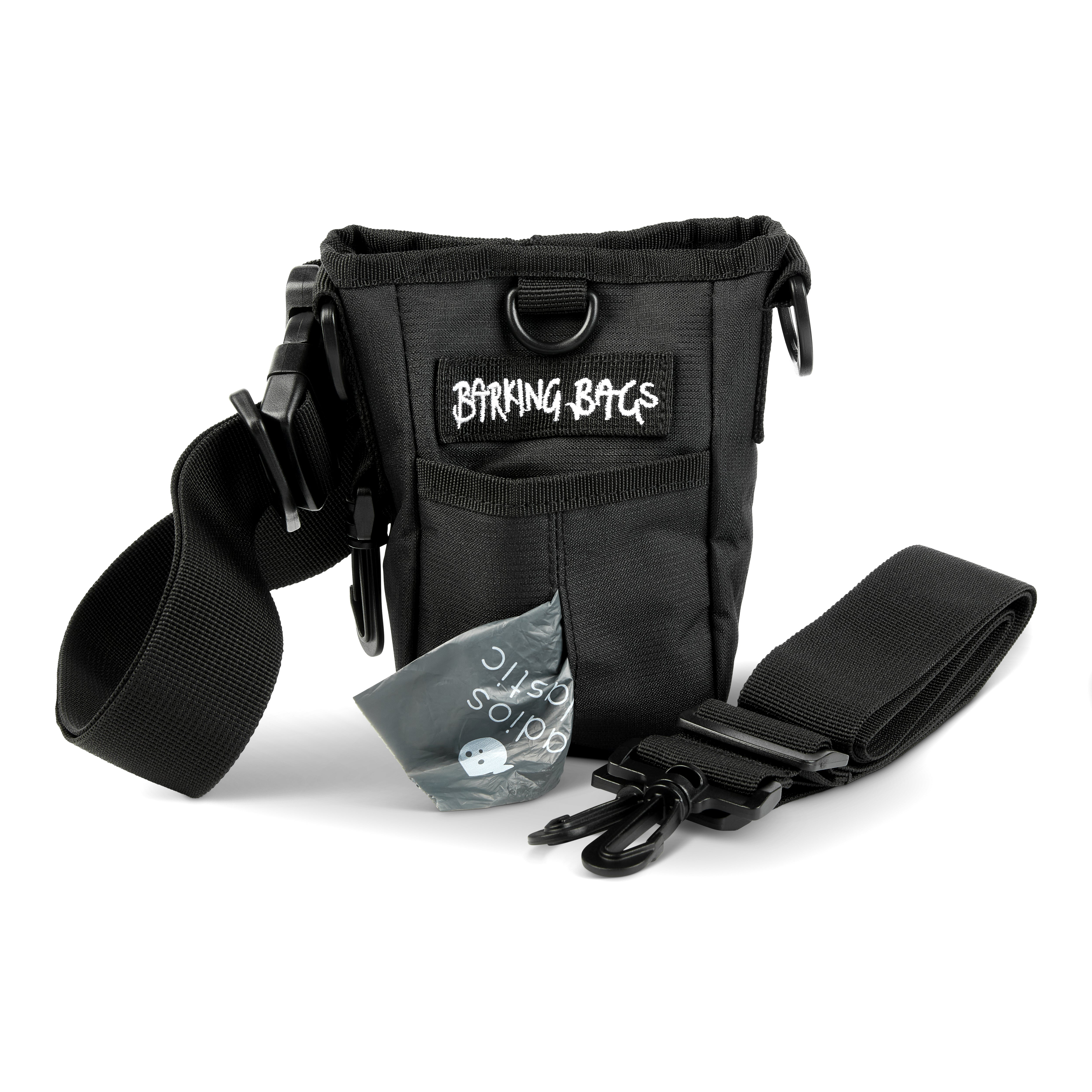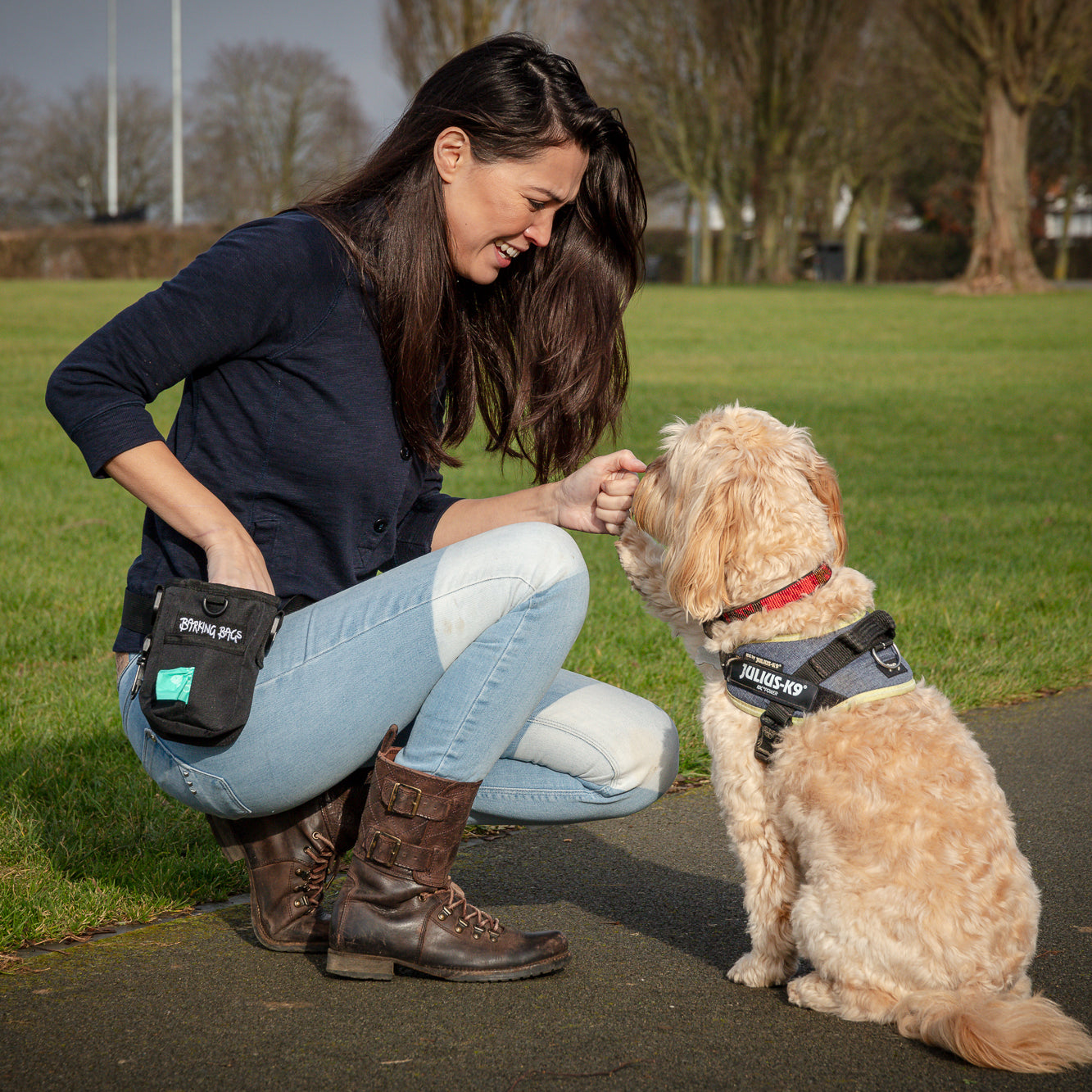

That moment when you are holding a lead, fishing for a poo bag, trying not to drop your mobile phone, and realising the treats are still in yesterday’s coat pocket is exactly why a dog walking bag buying guide matters. A proper dog walking bag is not just a nice extra. It is the difference between a walk that feels chaotic and one that feels sorted from the start.
Most people begin by making do. A handbag, a backpack, a coat pocket or an old crossbody bag can work for a while. Then real life gets involved. Treat crumbs end up mixed with keys, waste bags vanish when you need them most, and your everyday bag starts smelling faintly of dog walk. If you walk daily, train regularly, or head out with more than one dog, a dedicated bag quickly stops feeling indulgent and starts feeling sensible.
What a dog walking bag should actually do
The best dog walking bags are built around routine. That sounds obvious, but it is where many generic bags fall short. On a typical walk, you are carrying more than people think - treats, poo bags, keys, mobile phone, lead accessories, hand sanitiser, maybe a ball, maybe a toy, and often a few personal bits as well. If you are training, add clickers, long lines, whistles or higher-value treats.
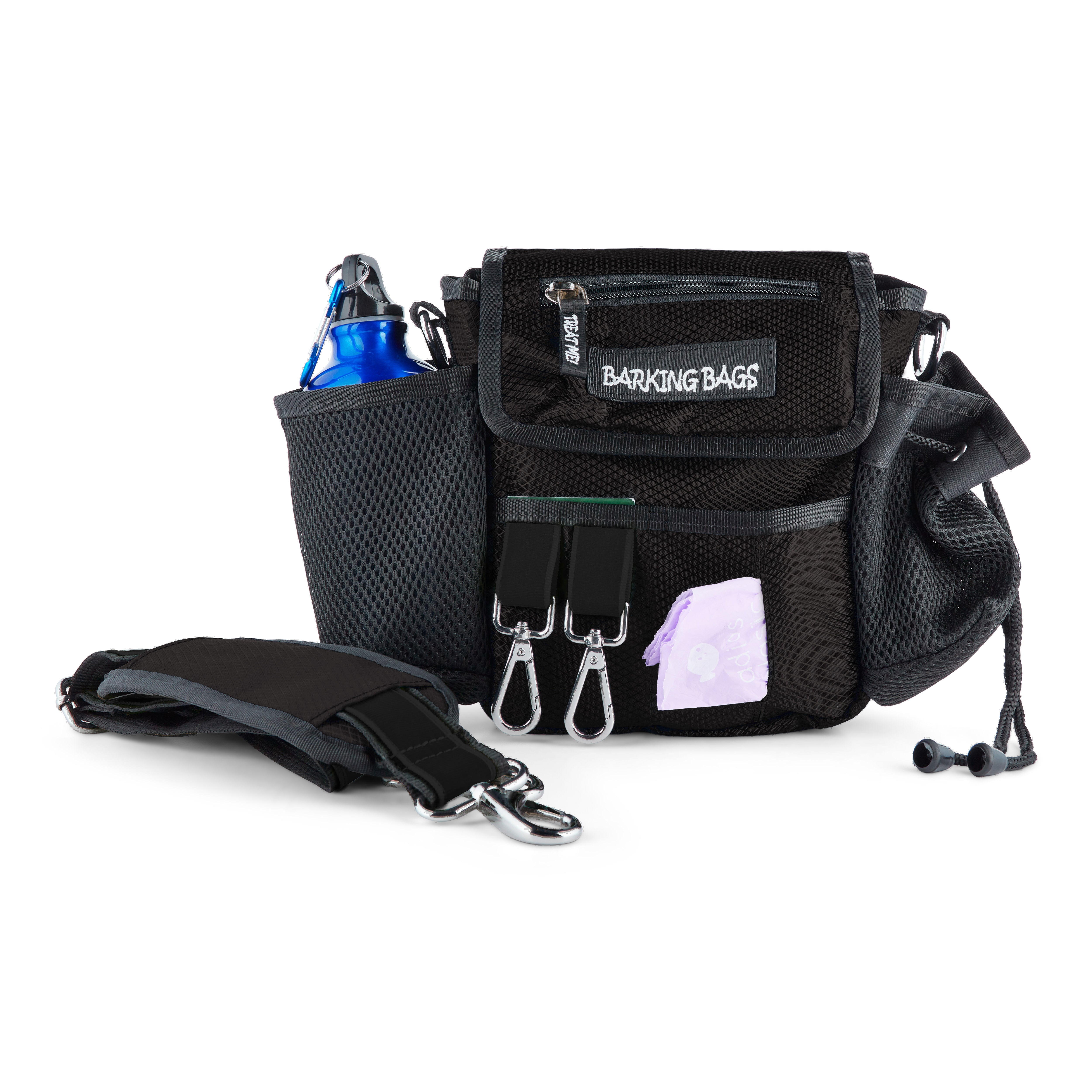
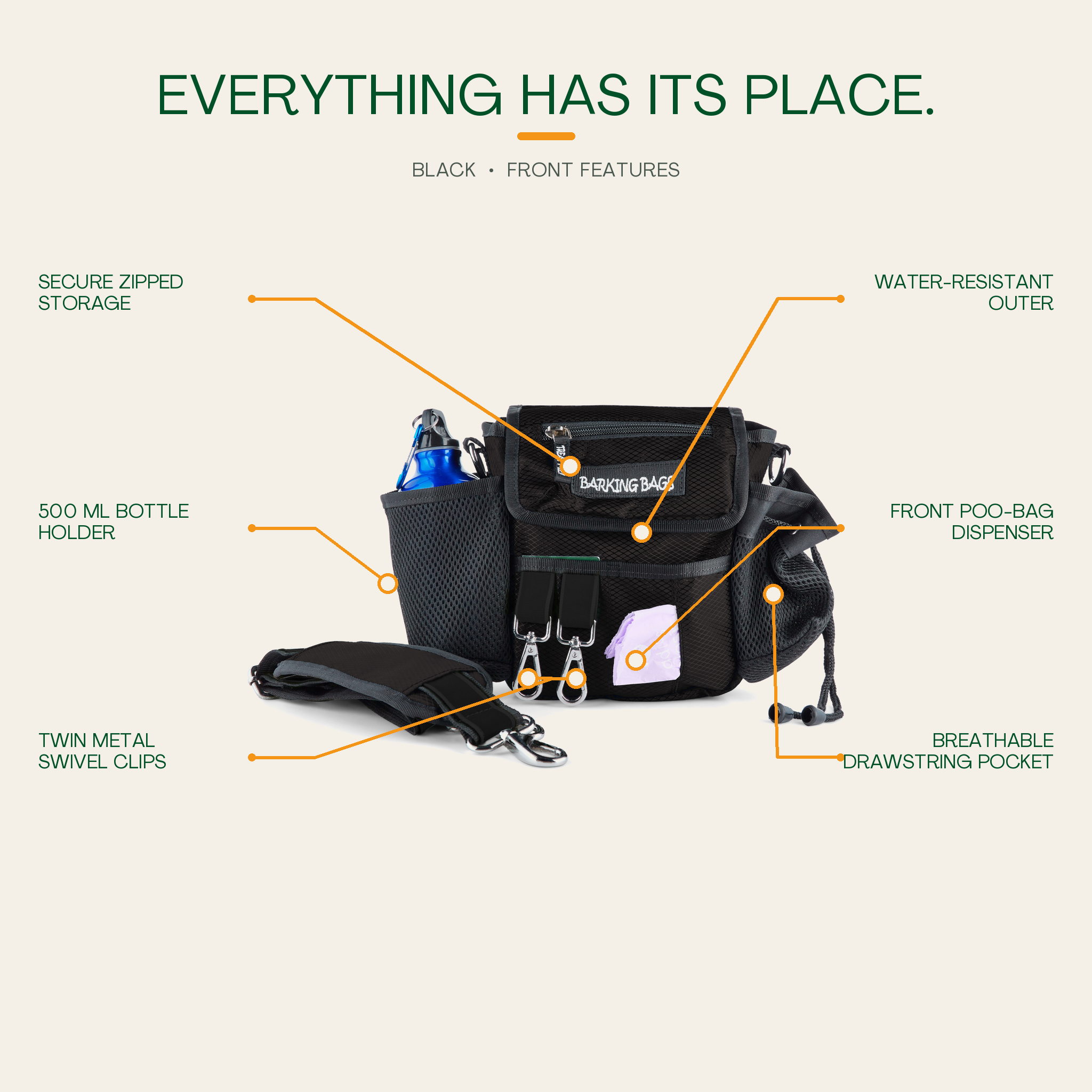
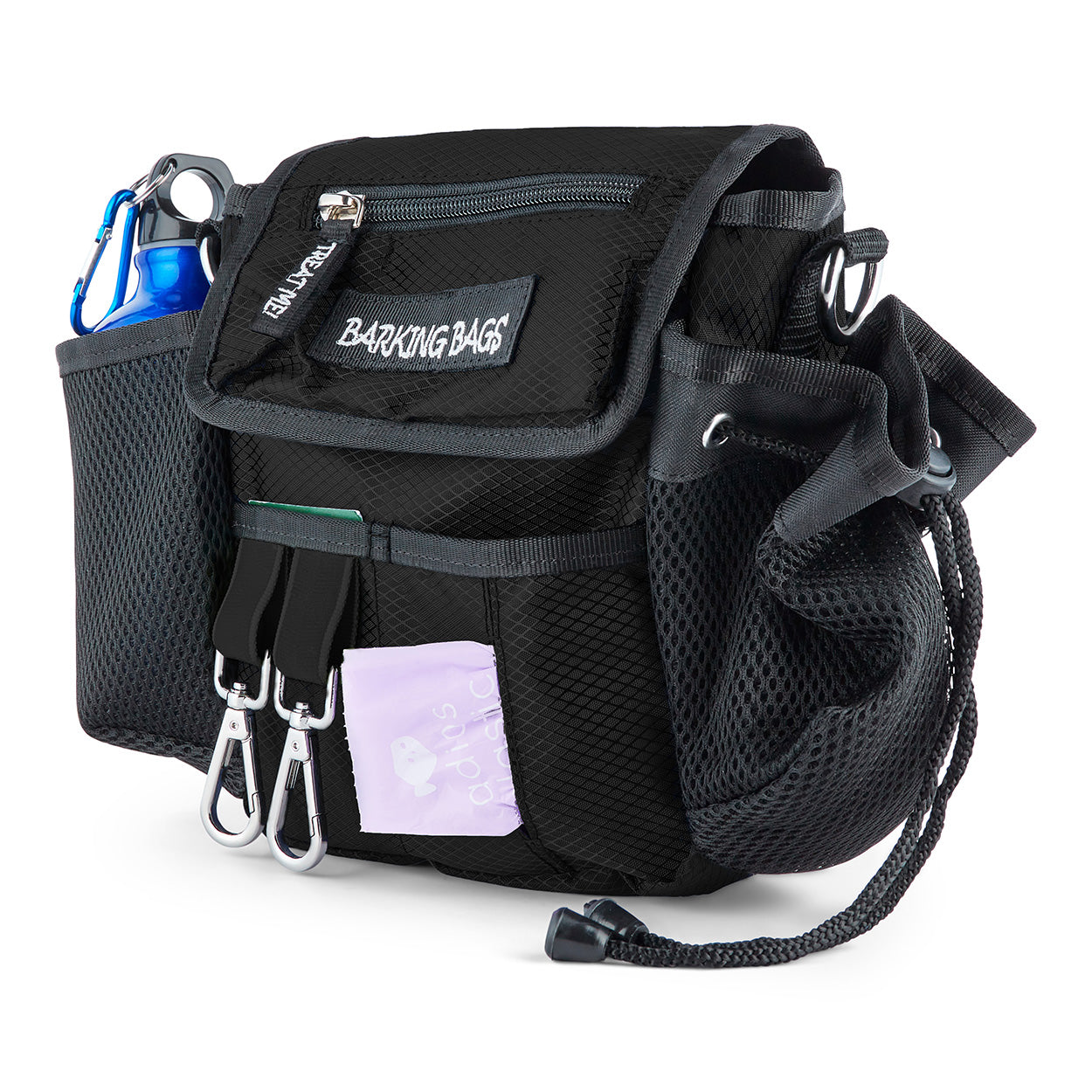
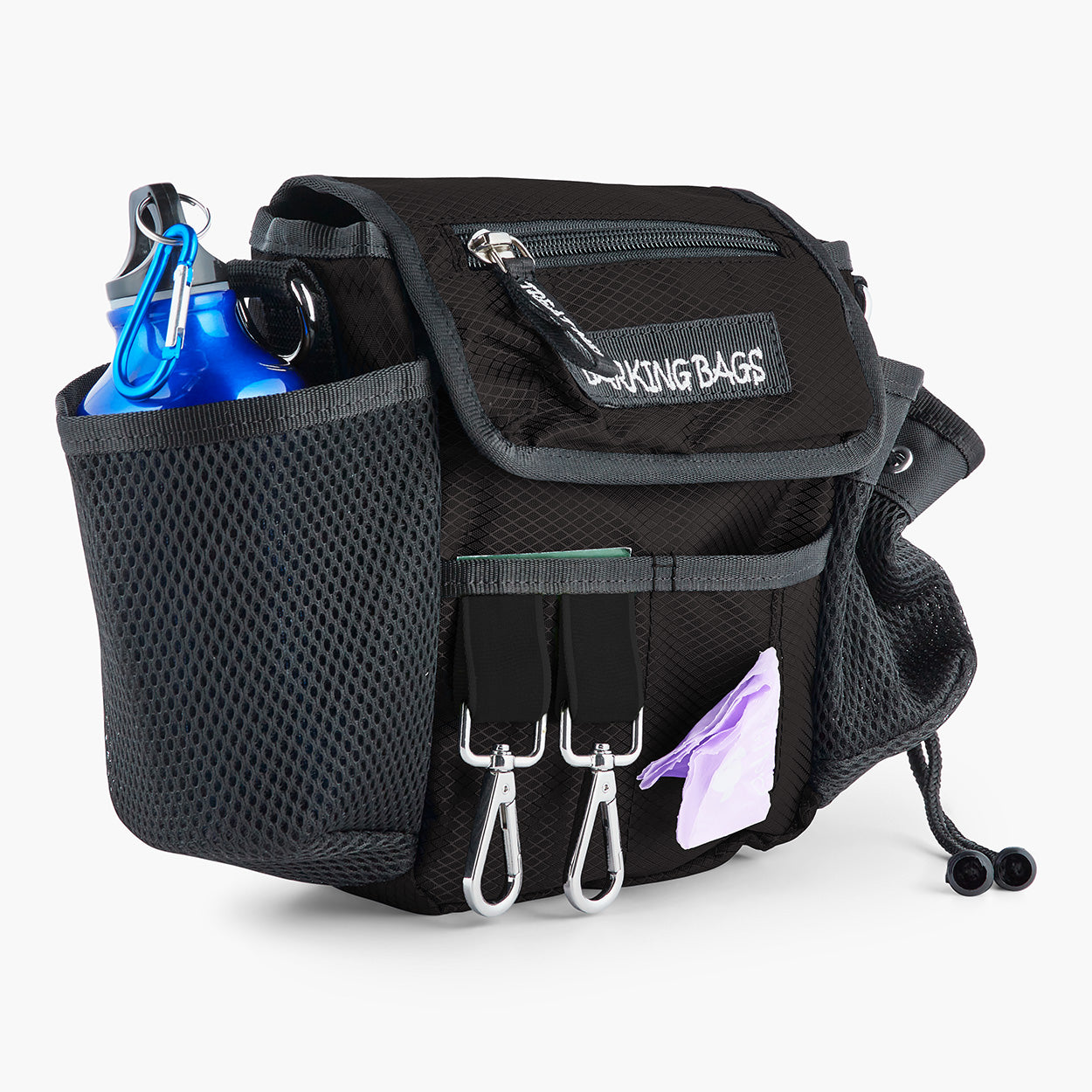
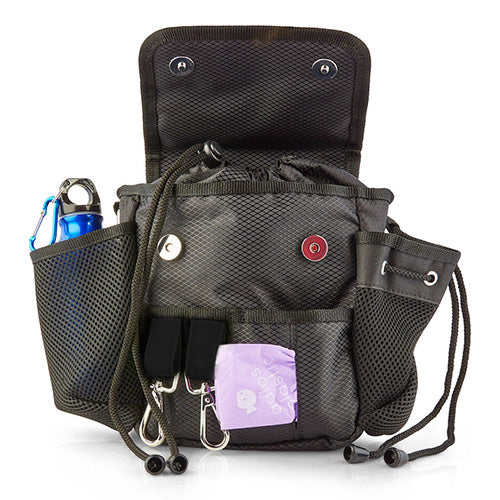
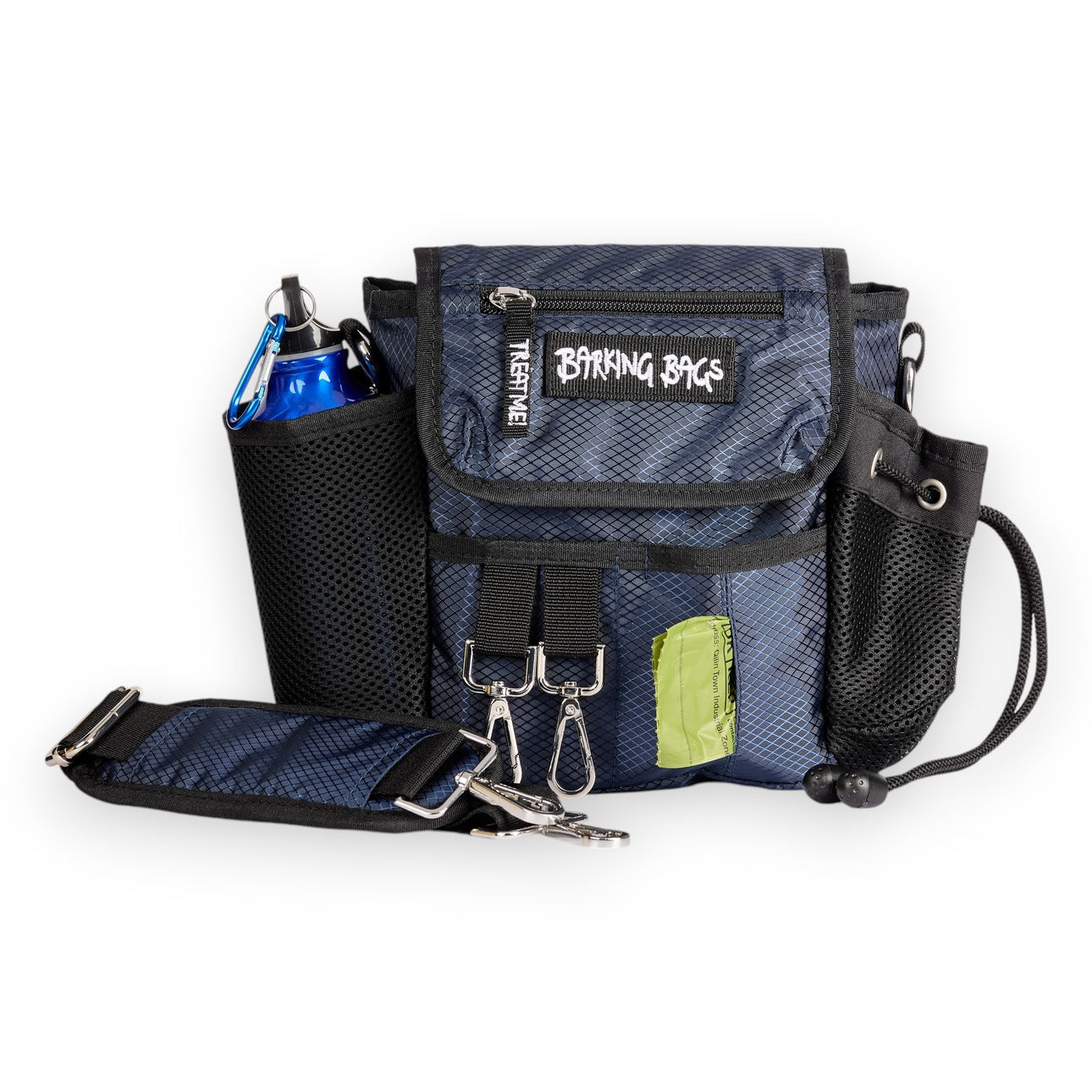
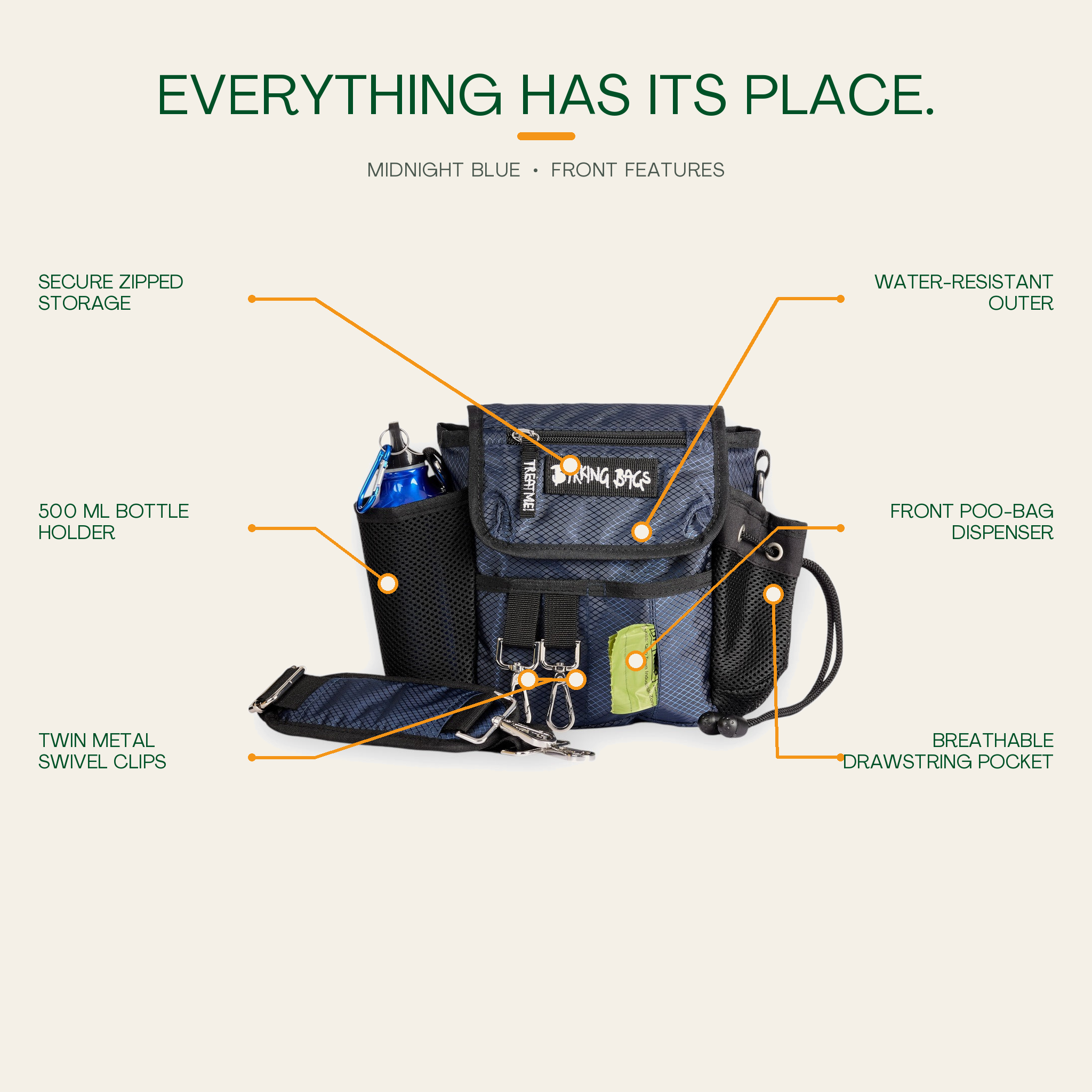
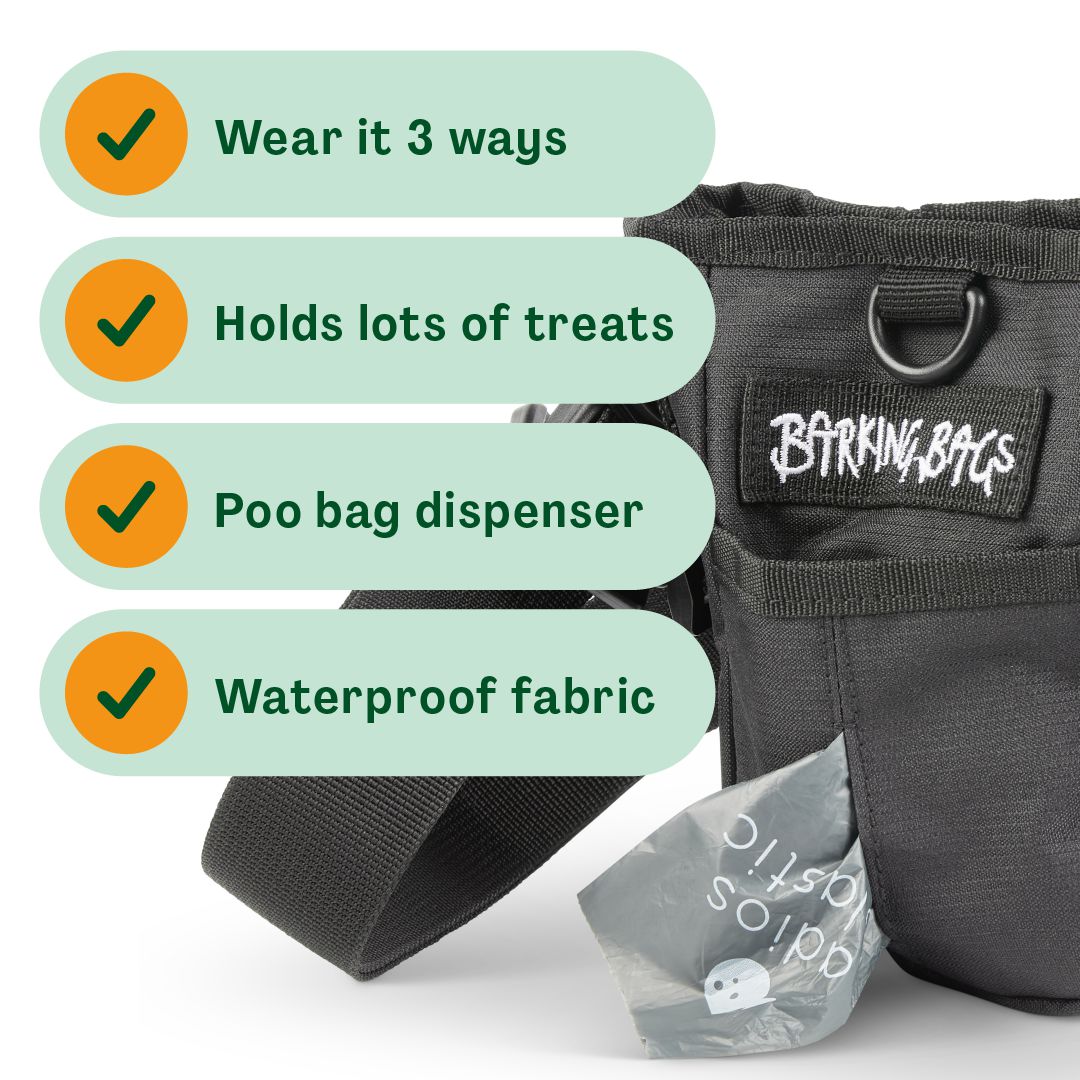
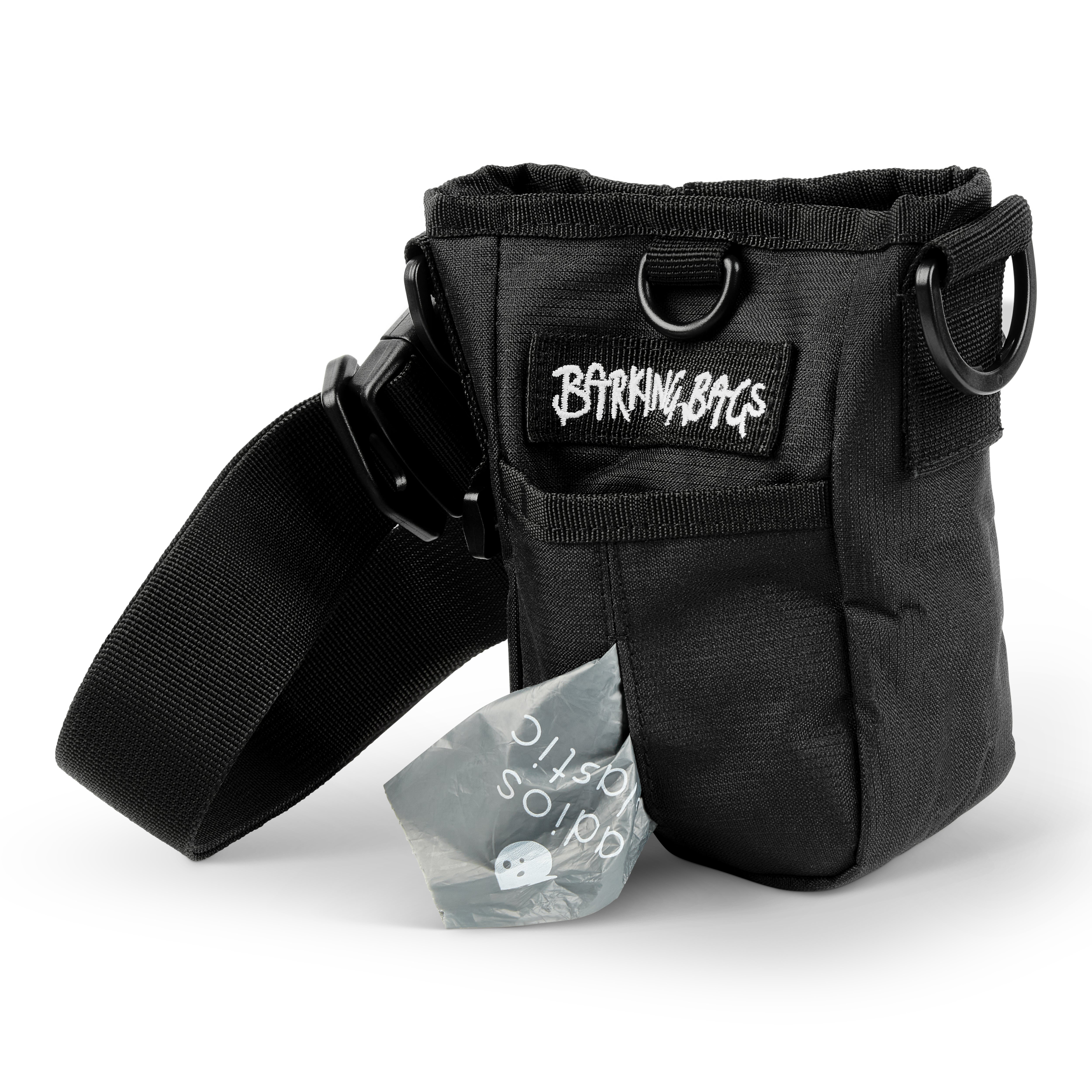
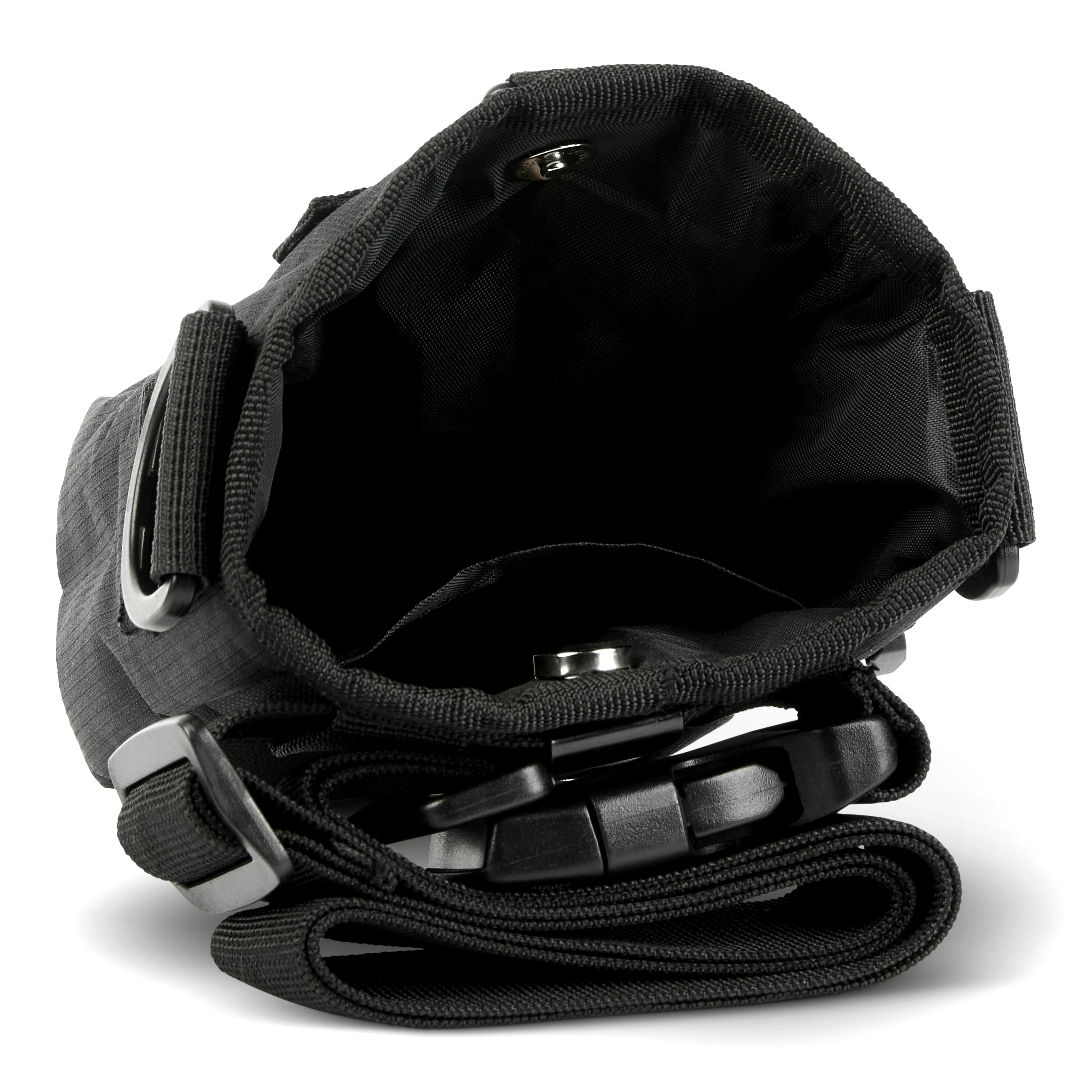
A good bag should keep these items easy to reach without turning the inside into one large muddle. That means separate compartments matter. A treat section should not compete with your purse. A poo bag dispenser should let you grab a bag quickly, ideally one-handed. Your mobile phone and keys should feel secure but not buried.
Comfort matters too. If a bag digs in, slips off your shoulder or swings around awkwardly every time your dog changes direction, you will notice it on every single outing. The point is to make walking easier, not add another thing to manage.
Dog walking bag buying guide: start with your walking style
The right bag depends less on trends and more on how you actually use it. A ten-minute pavement walk before work needs something different from a long weekend walk through muddy fields. The same goes for a pet owner walking one dog compared with a trainer carrying extra gear across multiple sessions.
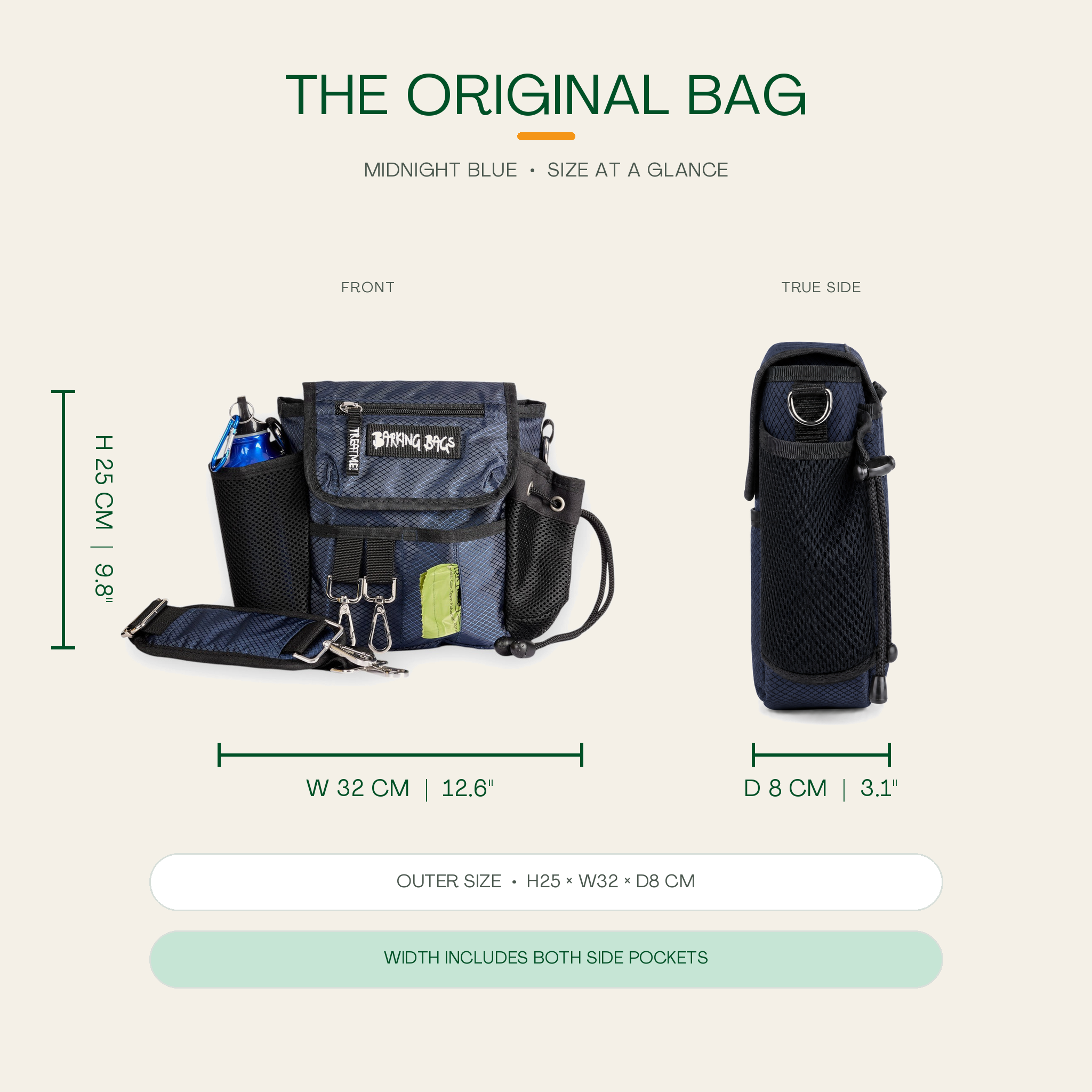
If your walks are short and local, you may want a compact bag with just enough room for the essentials. Think poo bags, treats, mobile phone, keys and perhaps a small purse. A slimmer shape can feel lighter and less bulky, which suits everyday use.
If your walks tend to be longer, or you like being prepared for anything, more storage becomes useful. Water, collapsible bowls, spare leads, training tools and personal items all need a place. In that case, internal organisation matters even more, because extra capacity is only helpful if you can still find things quickly.
Professional walkers and trainers often need something tougher and more structured. Durability, wipe-clean materials and easy-access pockets become a priority when the bag is being used several times a day. A stylish finish still matters, but reliability tends to come first.
Size matters, but so does layout
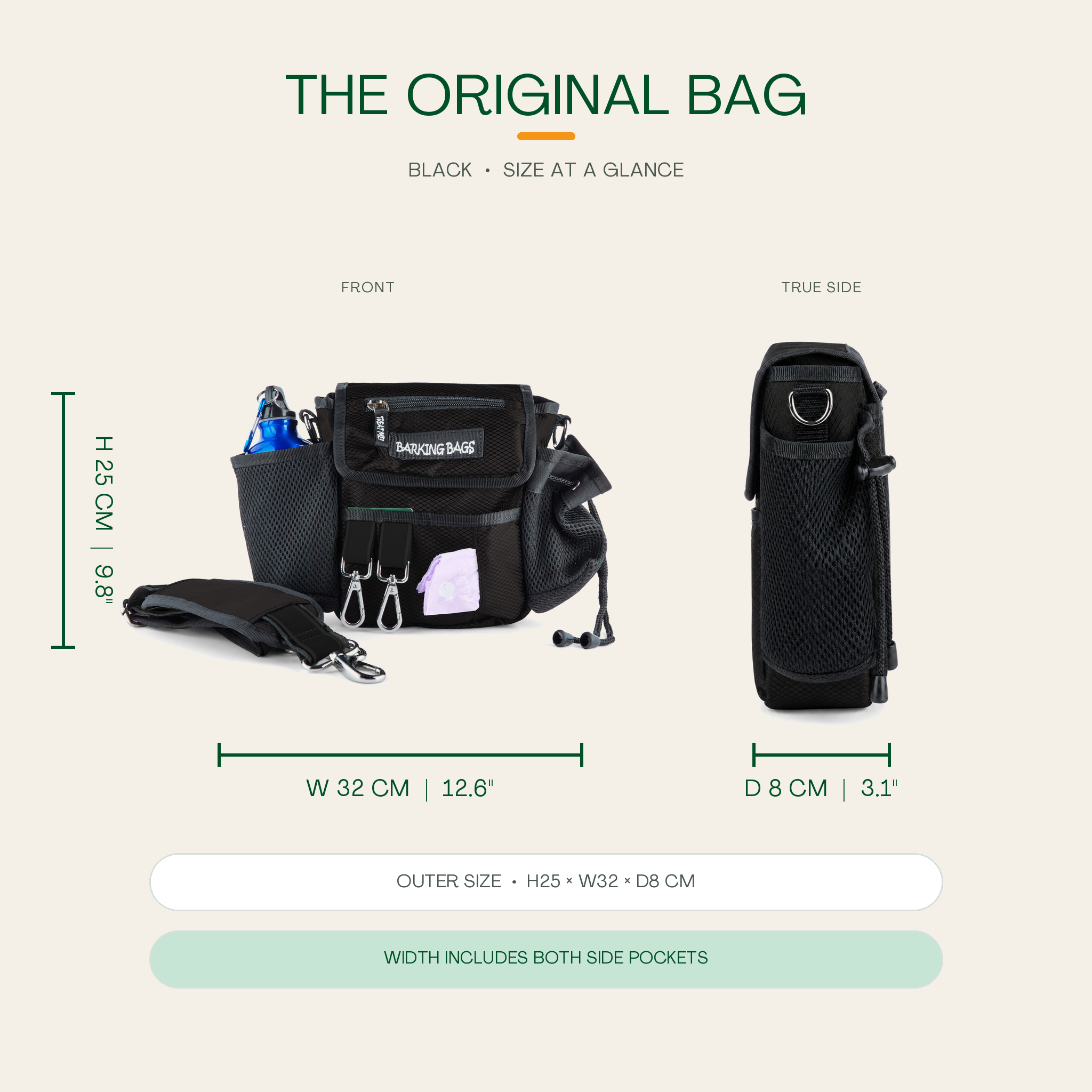
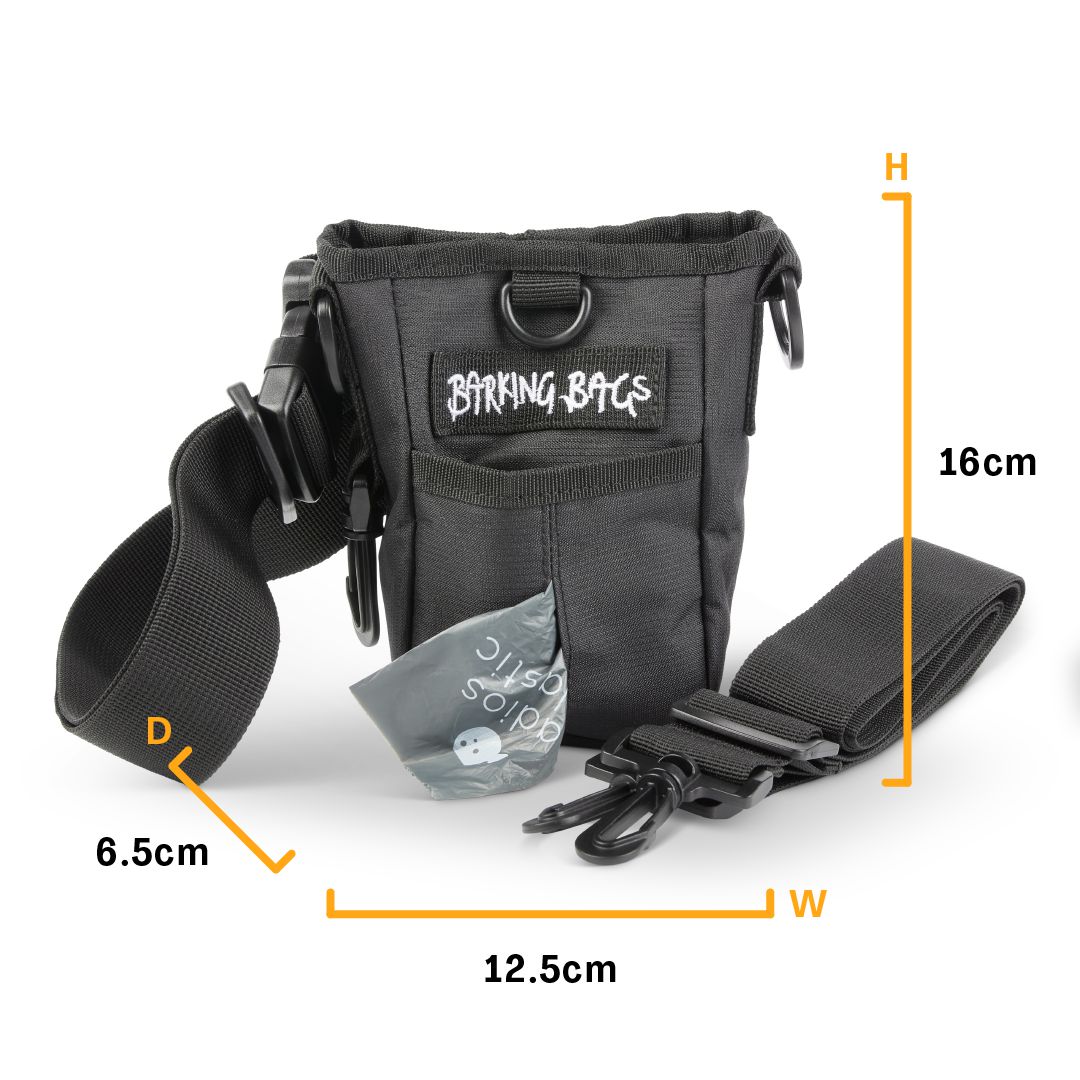
One of the most common buying mistakes is choosing a bag based on size alone. Bigger is not always better. A large bag without structure can become a catch-all that slows you down. On the other hand, a very compact bag may look neat online but feel frustrating if you cannot fit your daily essentials comfortably.
The layout is what makes a bag practical. Look for a design that gives each item a natural home. External pockets can be brilliant for quick-grab essentials, but only if they are secure enough for valuables. Internal compartments help keep things tidy, especially if you carry both dog gear and personal items.
Think honestly about your non-negotiables. If your mobile phone is large, make sure the pocket fits it. If you always carry treats, check whether there is a section that is easy to access and easy to clean. If you hate rummaging for poo bags, a built-in dispenser or dedicated pocket is worth having.
Materials, weather and everyday wear
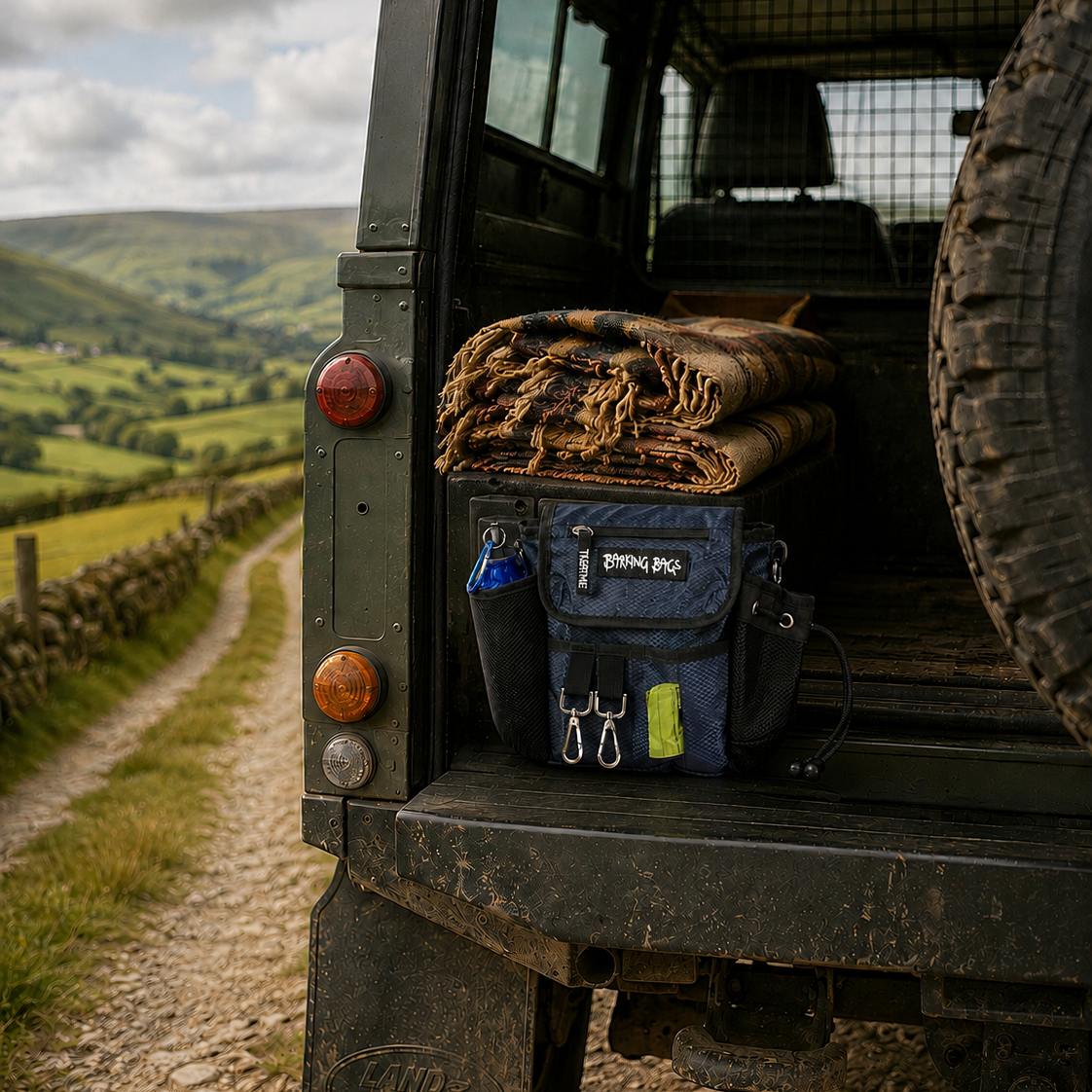
British dog walking means planning for drizzle, mud and the occasional proper soaking. That makes material choice more important than it might seem at first glance. A dog walking bag should cope with everyday wear, wipe down easily and still look presentable after repeated use.
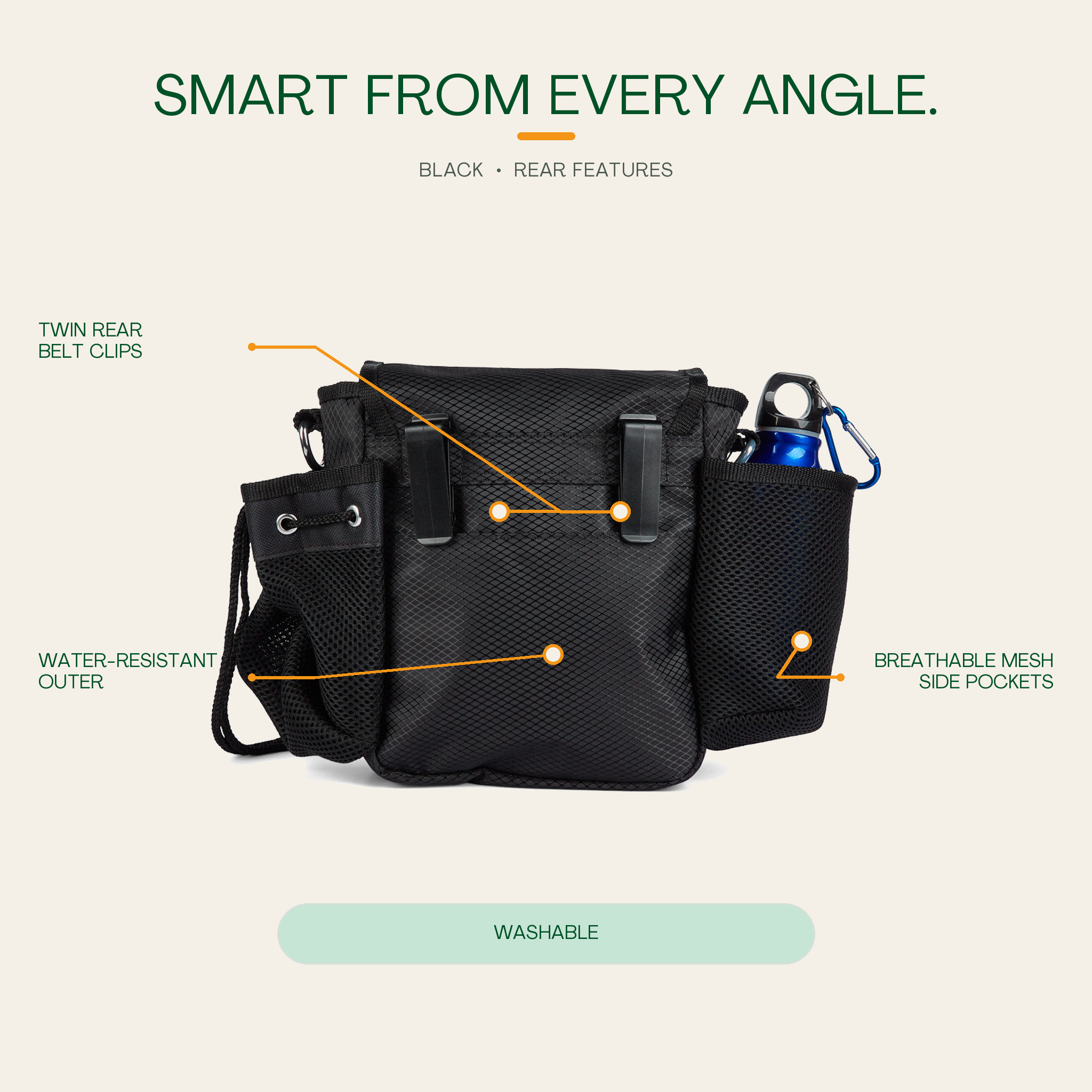
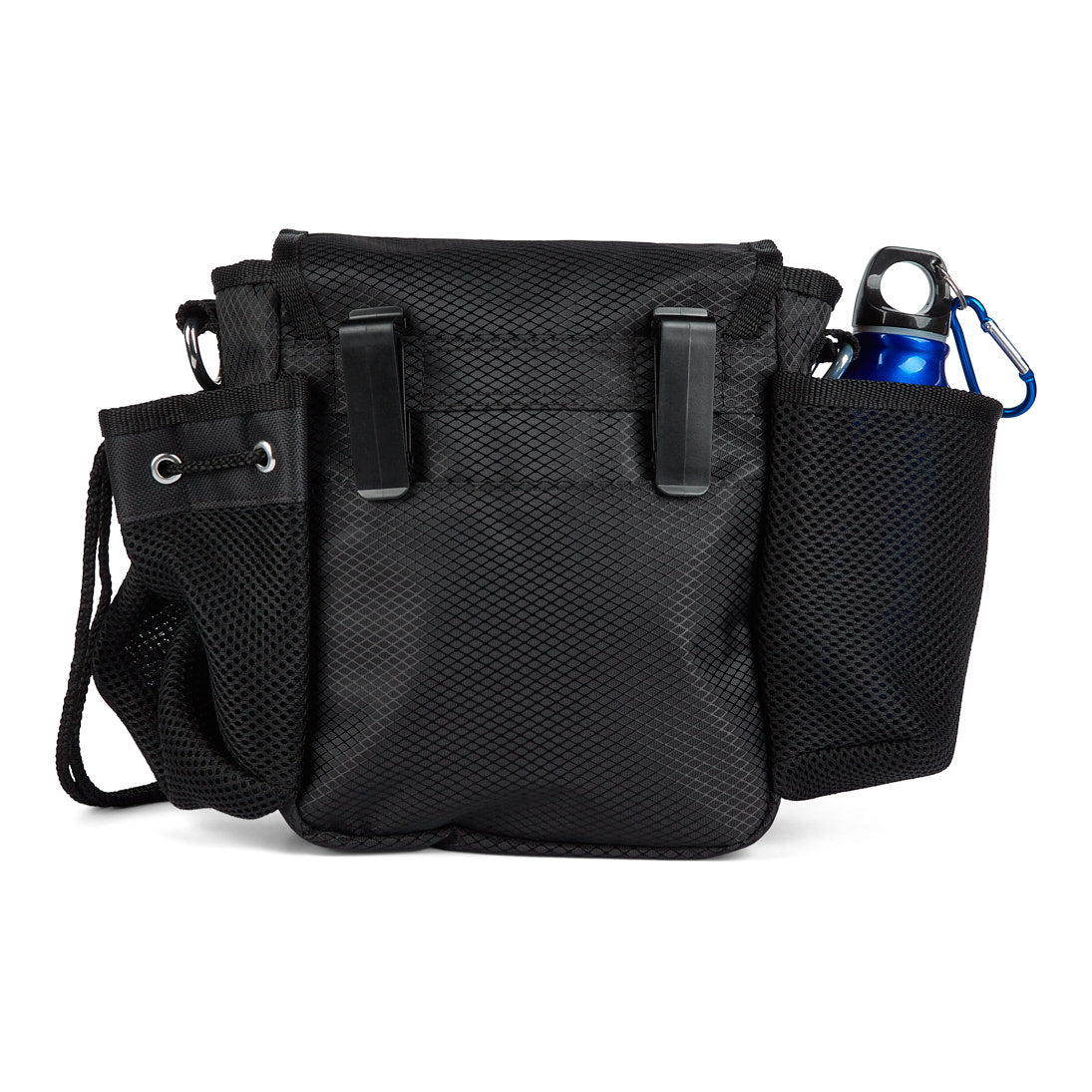
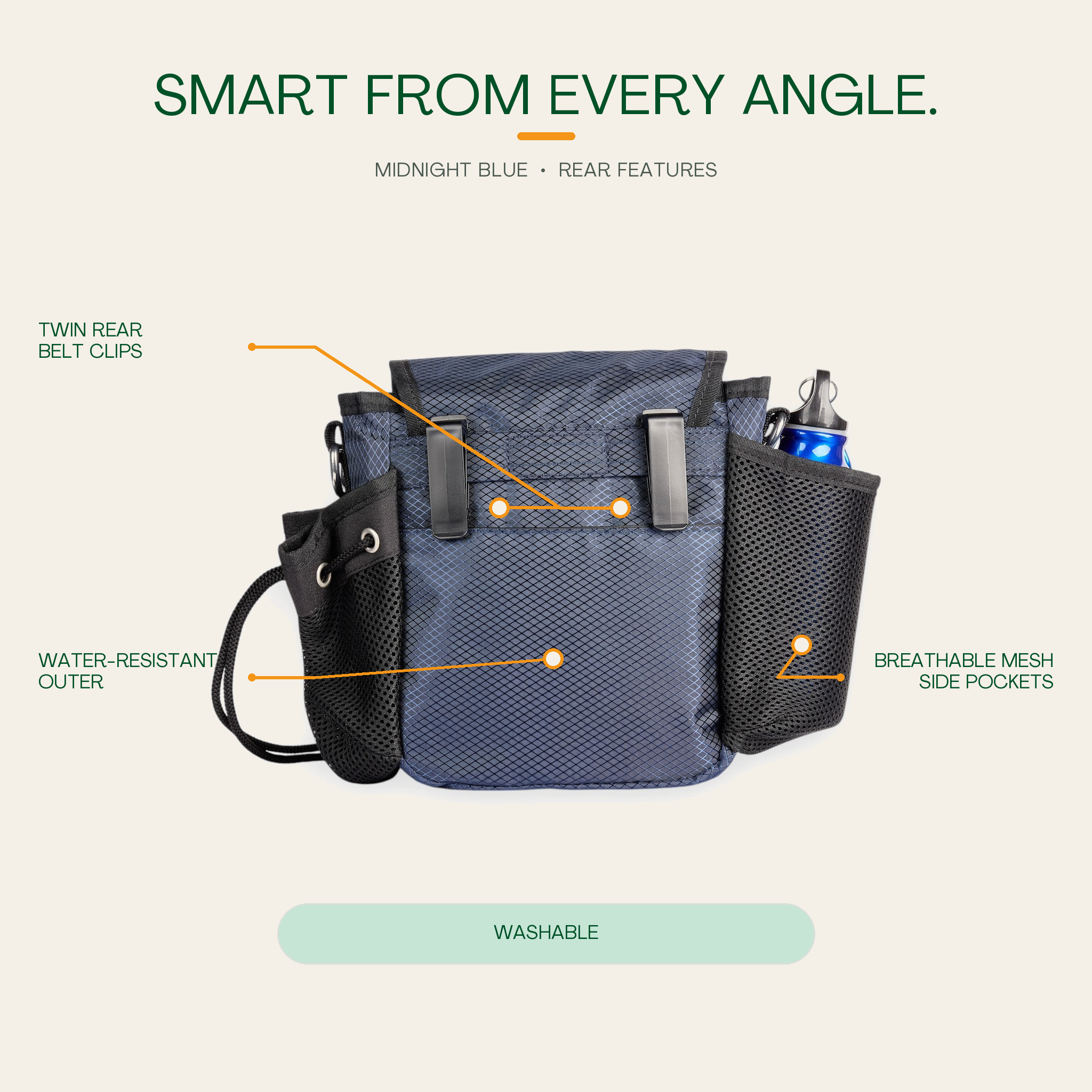
Water-resistant fabrics are particularly useful, especially if you walk in all weather or leave the house without checking the forecast. You may not need a fully technical outdoor bag, but you do want something that will not be ruined by damp grass, muddy paws or a rainy school-run style walk with the dog in tow.
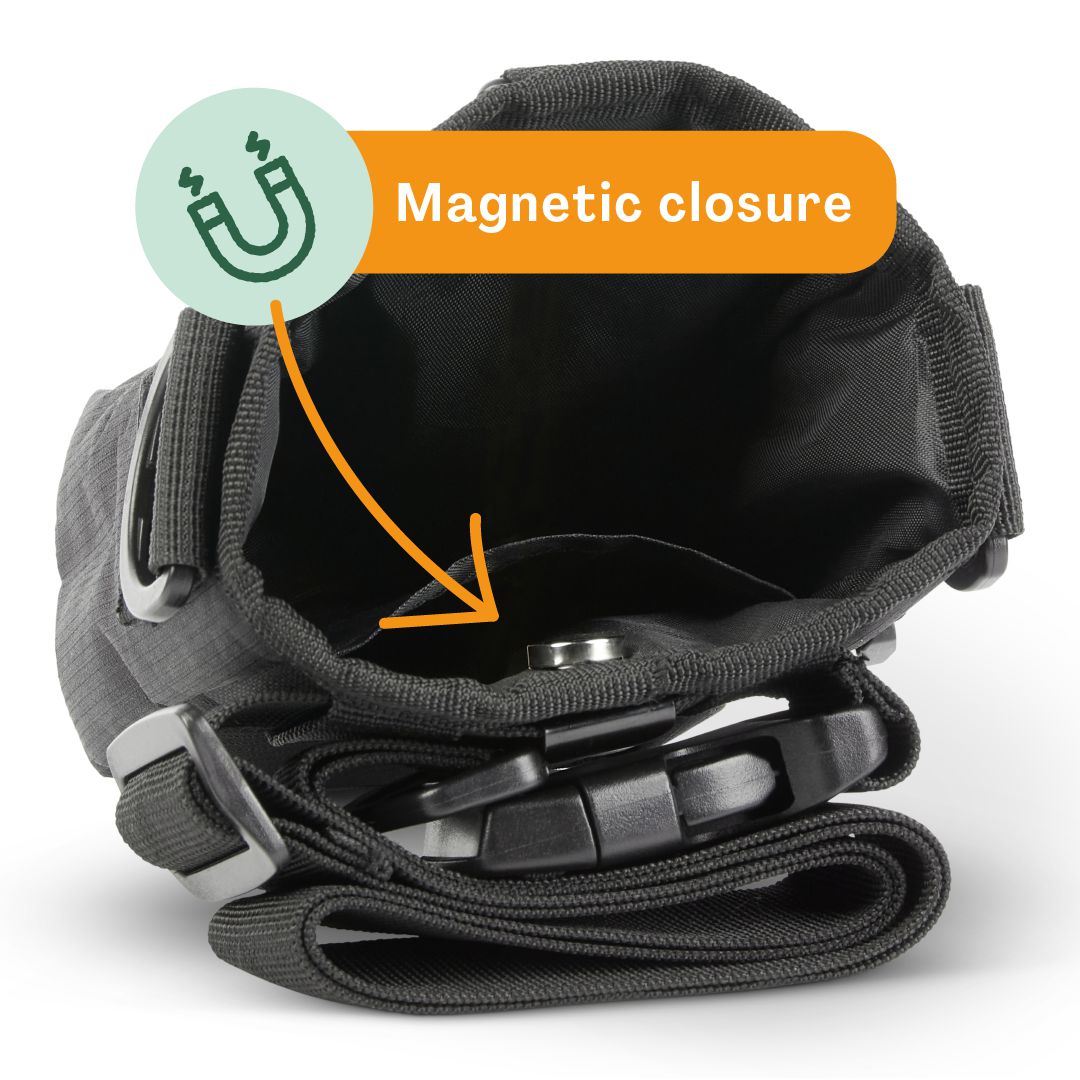
Hardware matters as well. Zips, clips and straps get used a lot, and cheap fittings tend to show it quickly. If the strap attachment looks flimsy or the zip feels stiff from day one, it is unlikely to improve with use. A well-made bag should feel dependable straight away.
The balance between style and function
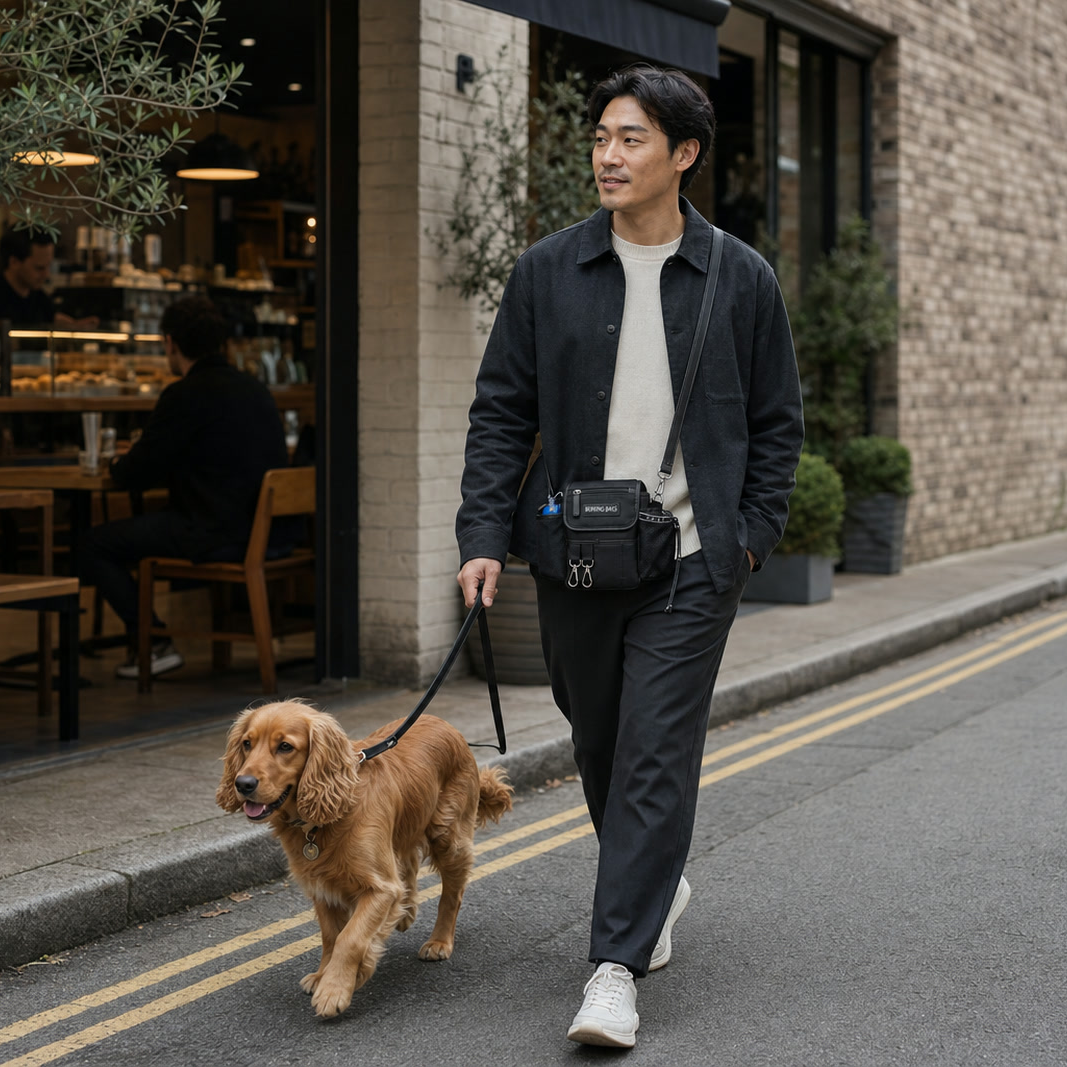
A dedicated dog walking bag should make life easier without looking overly utilitarian. That balance matters because most people do not want a bag that only works in the park. They want something they are happy to wear to the café, on the school run or while popping to the shops after a walk.
This is where design-led details earn their keep. Clean shapes, versatile colours and thoughtful compartments can make a practical bag feel polished rather than purely functional. There is always a trade-off, though. Some very fashion-led bags look great but miss the simple features that matter most on daily walks. Likewise, some ultra-functional bags do the job but feel clunky.
The sweet spot is a bag designed specifically for dog walking but smart enough for everyday life. That is often what separates a purpose-built option from a generic crossbody with a few spare pockets.
Features worth paying for
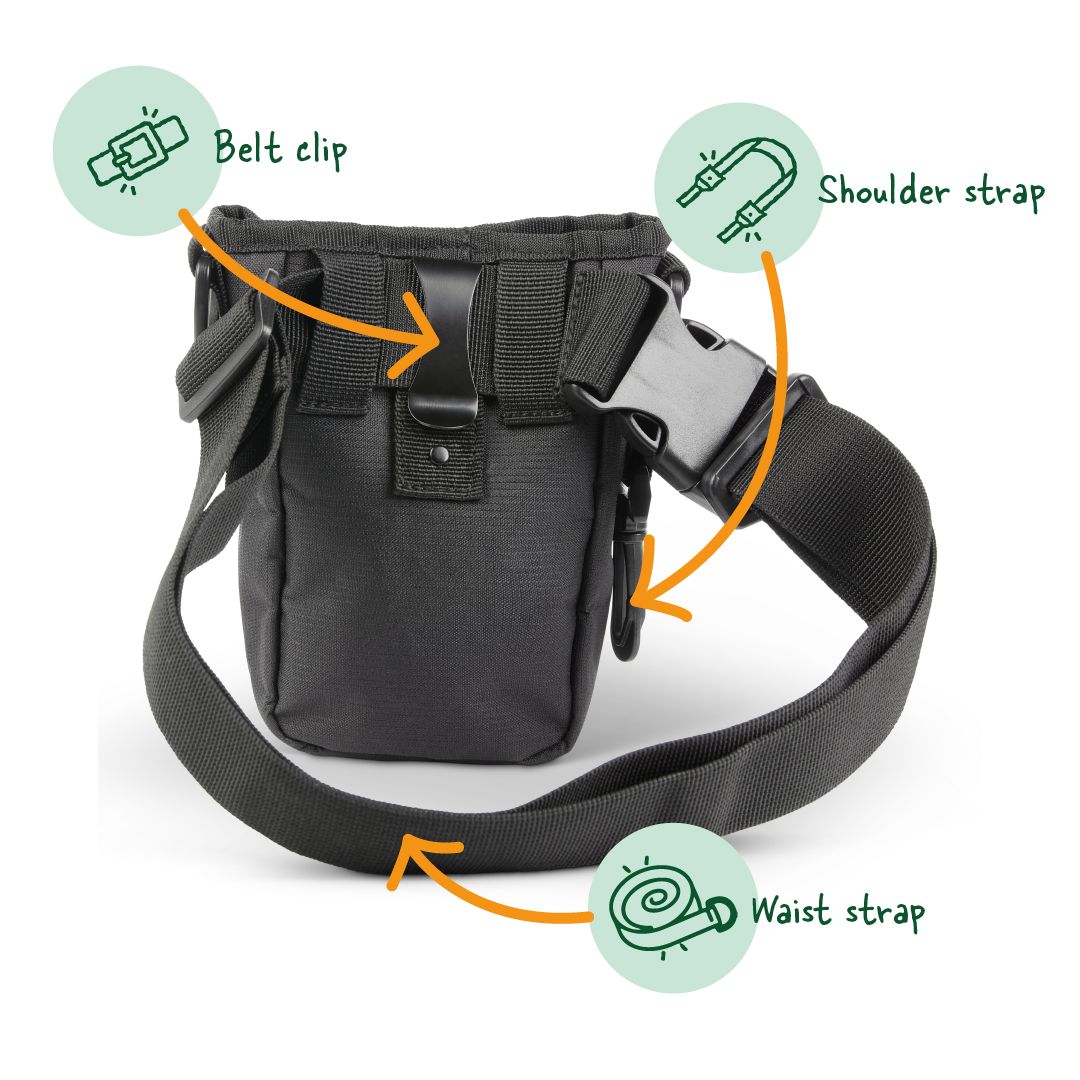
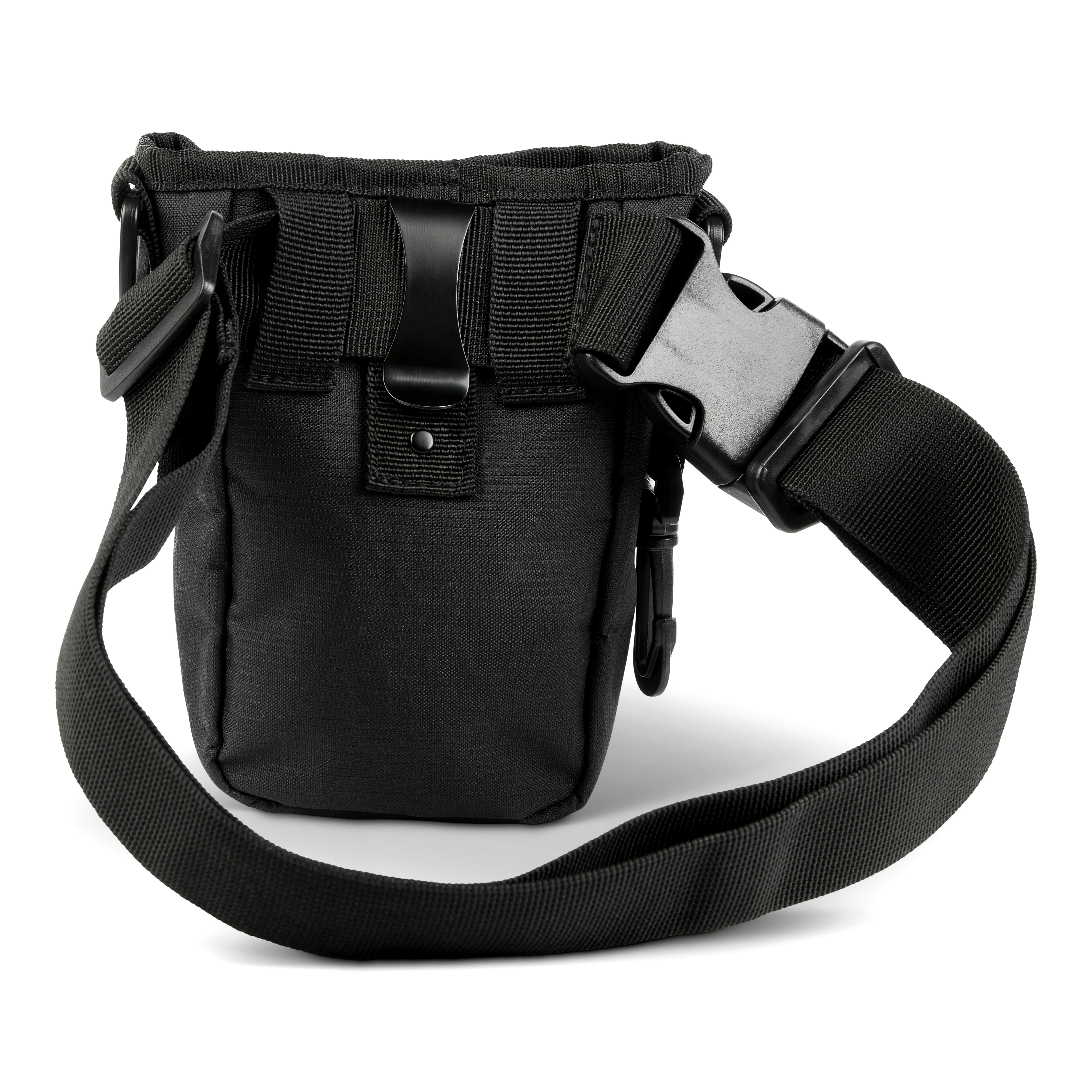
Not every extra is worth it, but some features genuinely change how easy a bag is to use. Adjustable straps are one of them. Being able to wear the bag comfortably across the body makes a big difference when you need both hands free. Secure zipped sections are another, especially for valuables.
Treat storage is also worth considering carefully. If the bag includes a dedicated space for treats, it should be practical rather than fiddly. Easy access matters, but so does hygiene. The same goes for poo bag access. In theory, any pocket can hold rolls. In practice, a proper dispenser or well-placed compartment saves time when timing matters.
Some buyers also benefit from modular extras such as matching accessories or separate treat bags. These can be useful if your routine varies - perhaps one setup for quick neighbourhood walks and another for training days or longer outings. The best systems adapt without becoming overcomplicated.
When a cheaper bag is a false economy
It is tempting to buy the cheapest option and see how you get on. Sometimes that works. But if you walk your dog every day, your bag is not an occasional accessory. It is a piece of kit you rely on constantly.
A cheaper bag often looks fine at first, then starts showing its limits quickly. The strap weakens, the fabric marks easily, the pockets sag, or the layout simply never feels right. That usually leads to replacing it sooner than expected. Spending a bit more on a well-designed bag can be better value if it performs properly and lasts.
That does not mean the most expensive option is automatically best. It means looking at how often you will use it, what frustrations you want to solve, and whether the design feels genuinely built for dog walking rather than casually adapted to it.
How to know if a bag is right for you
Before buying, picture a normal week rather than an idealised version of your routine. Think about the walks you actually do in January rain, on busy mornings, or when your dog is full of energy and you need quick access to everything. That is the test that matters.
Ask yourself whether the bag will hold your essentials without overstuffing, whether you can reach the important bits one-handed, and whether you would still be happy wearing it beyond the park. If the answer is yes, you are probably looking at the right kind of bag.
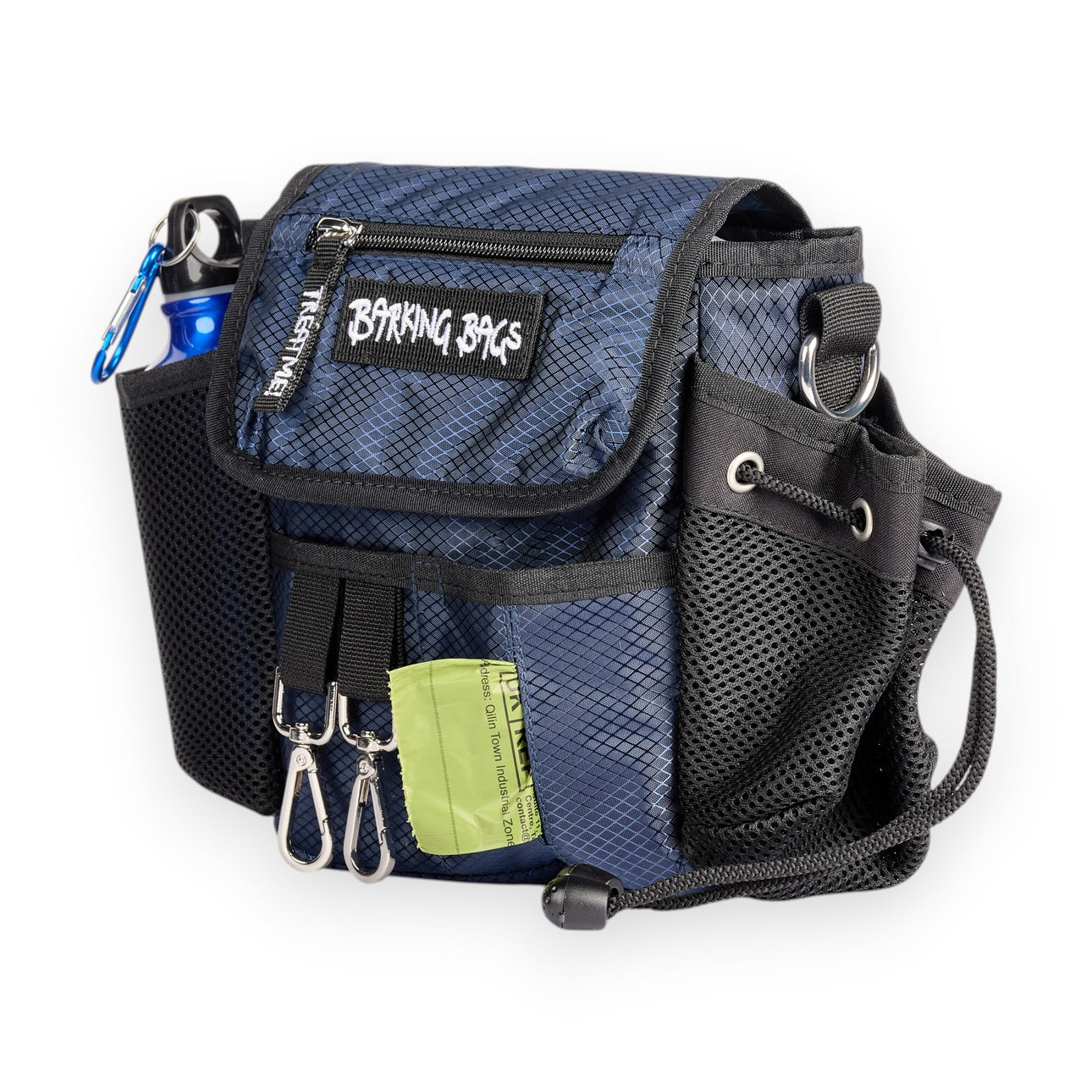
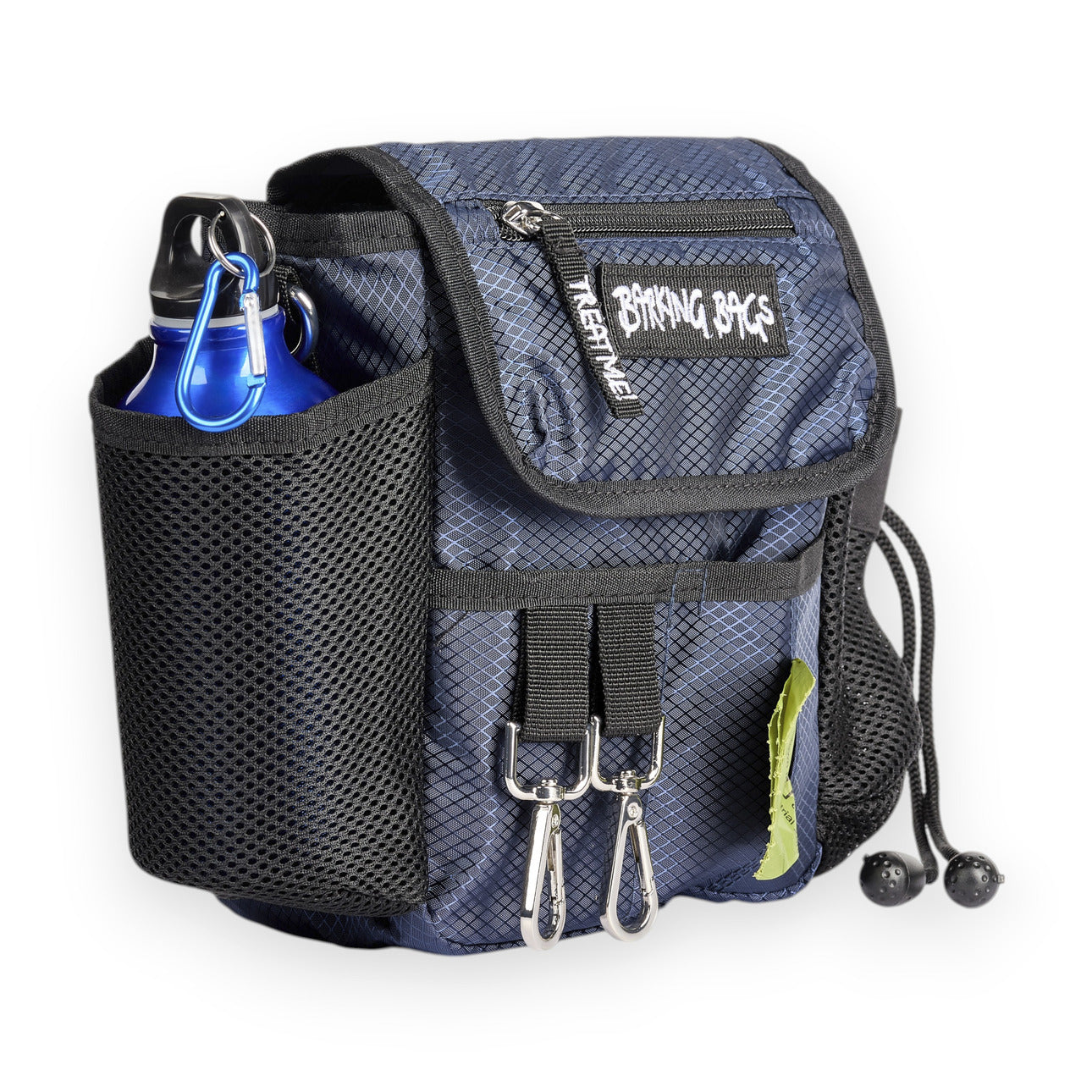
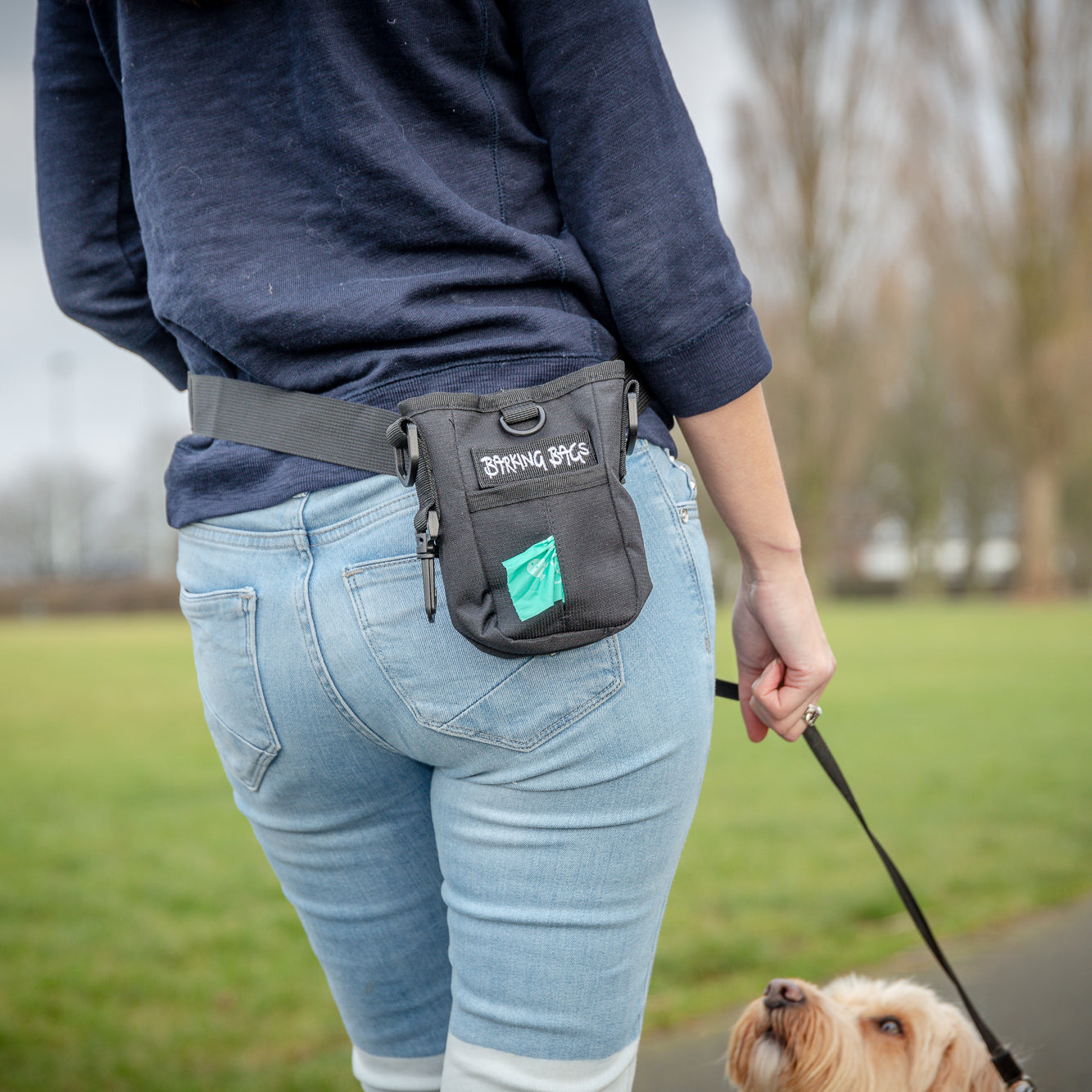
For many dog owners, a purpose-designed option like Barking Bags makes sense because it answers a very specific problem: how to carry everything you need for a dog walk in one organised, good-looking place. That focus is what turns a useful accessory into part of your daily routine.
The best choice is not the bag with the most pockets or the boldest claims. It is the one that fits your walks so well you stop thinking about it altogether, and just get on with enjoying the dog in front of you.