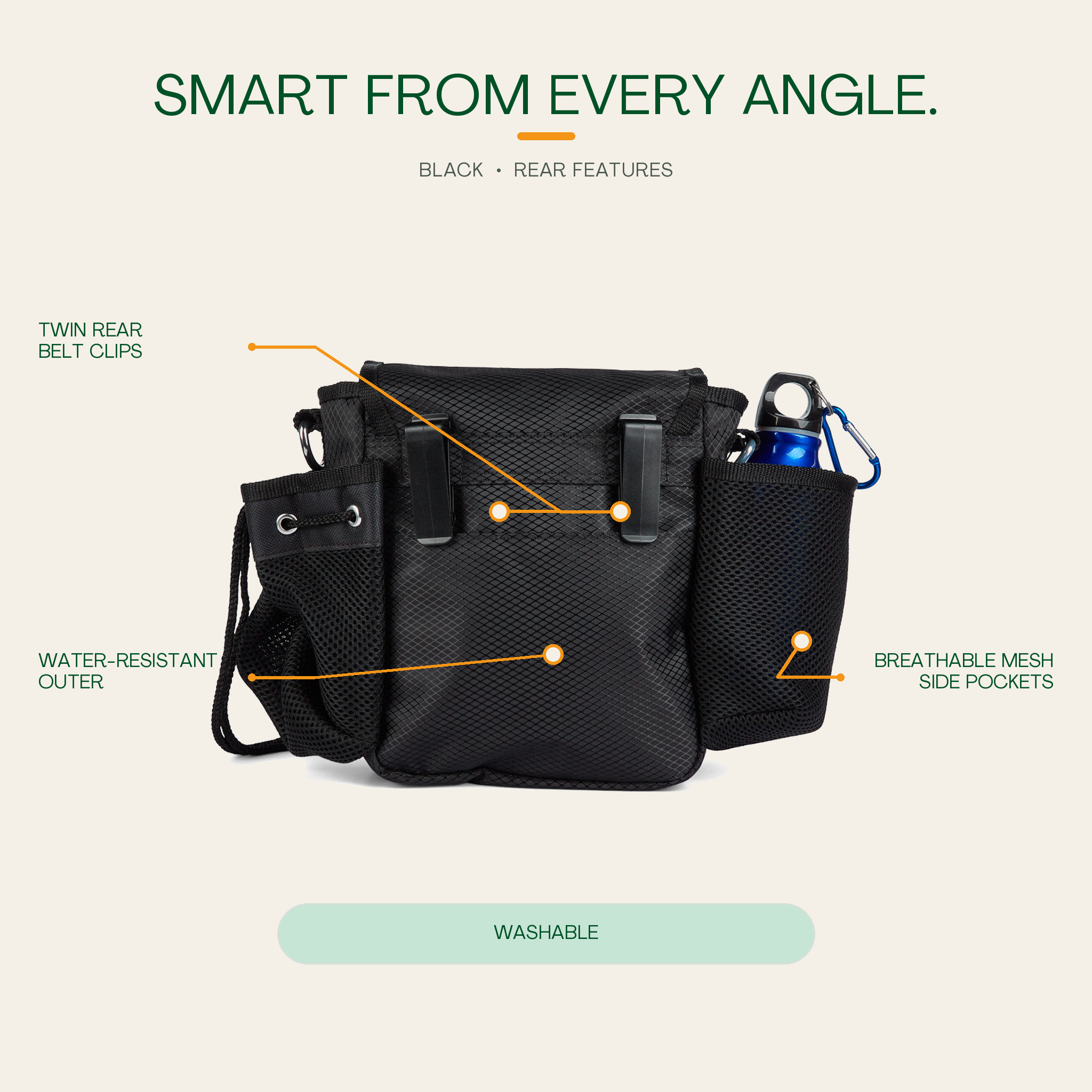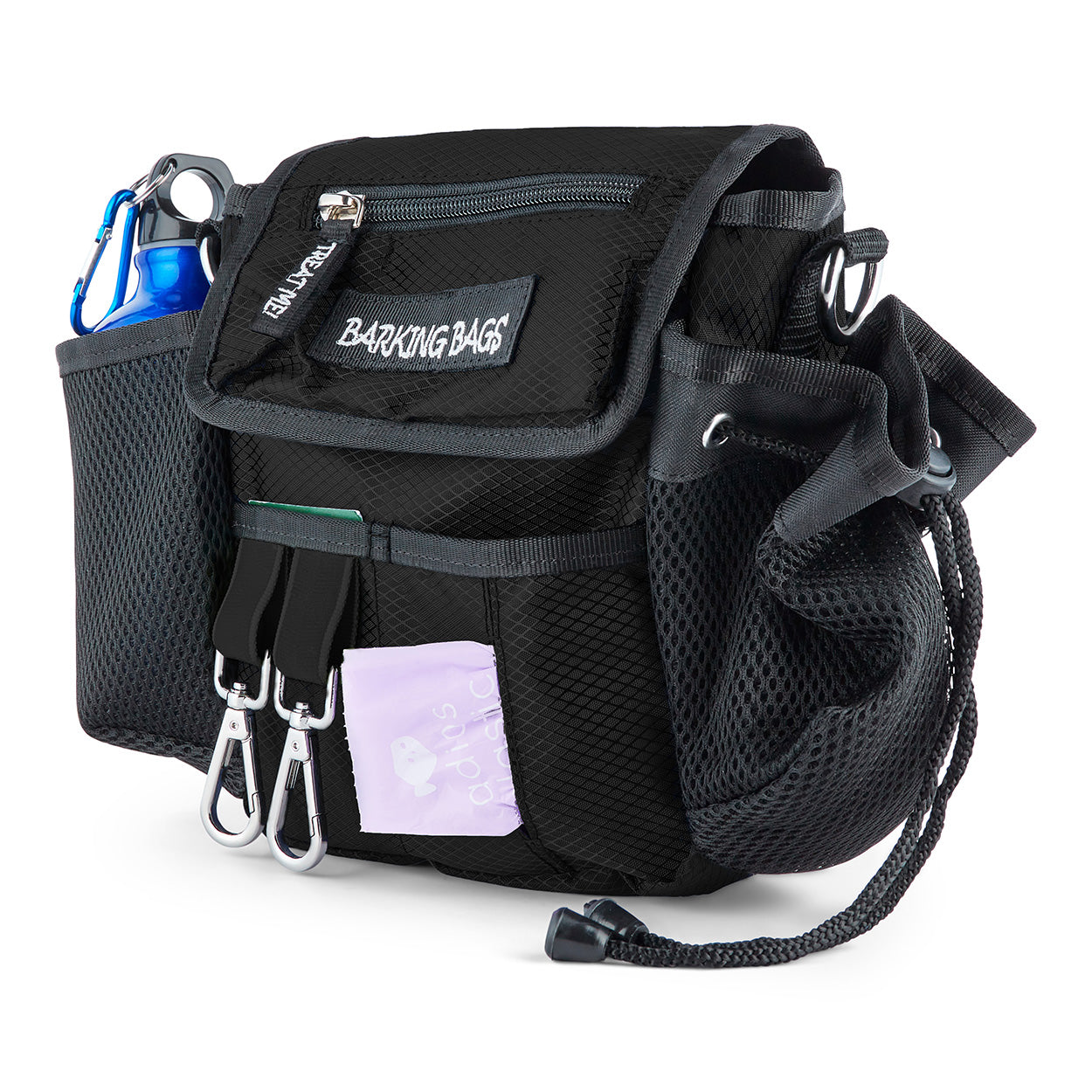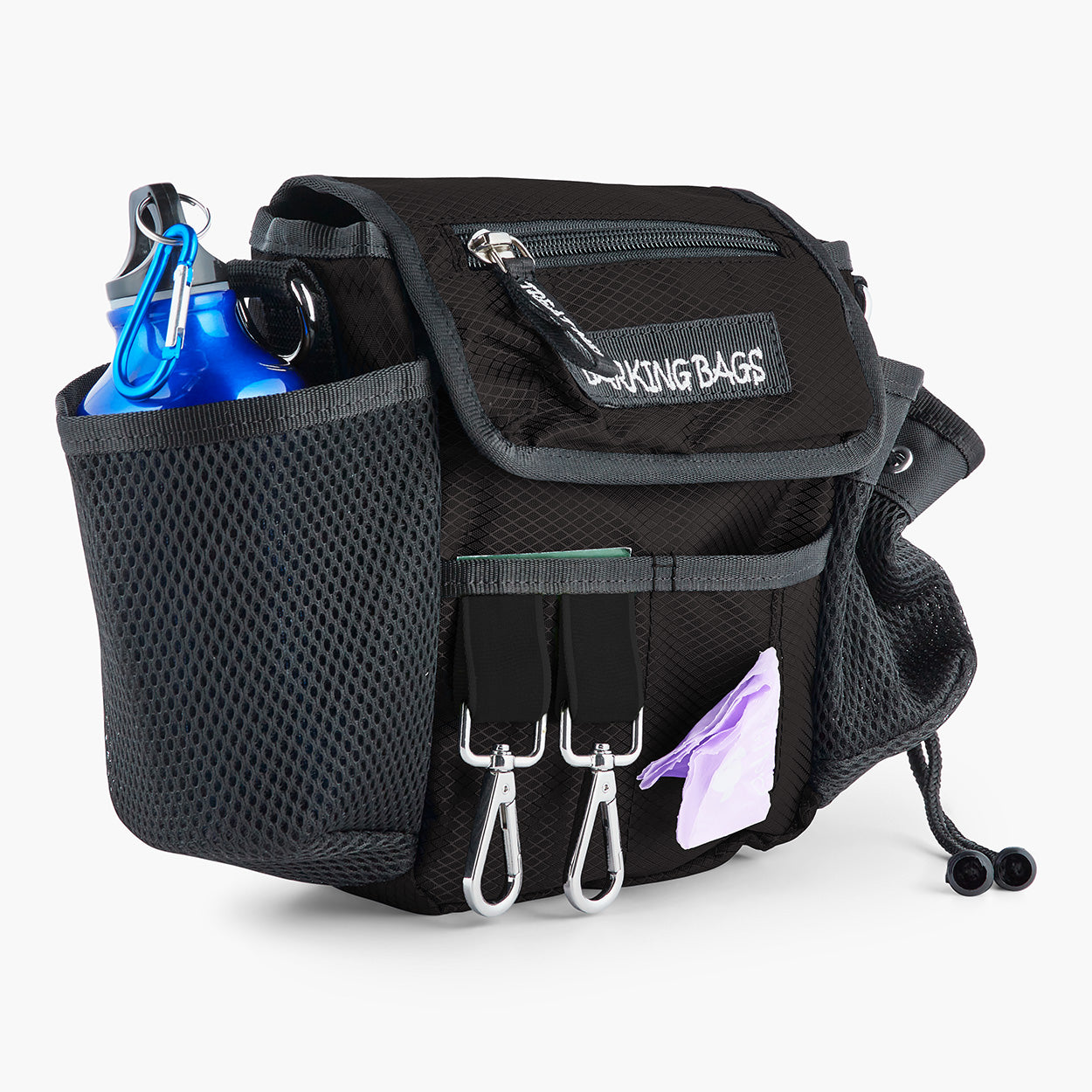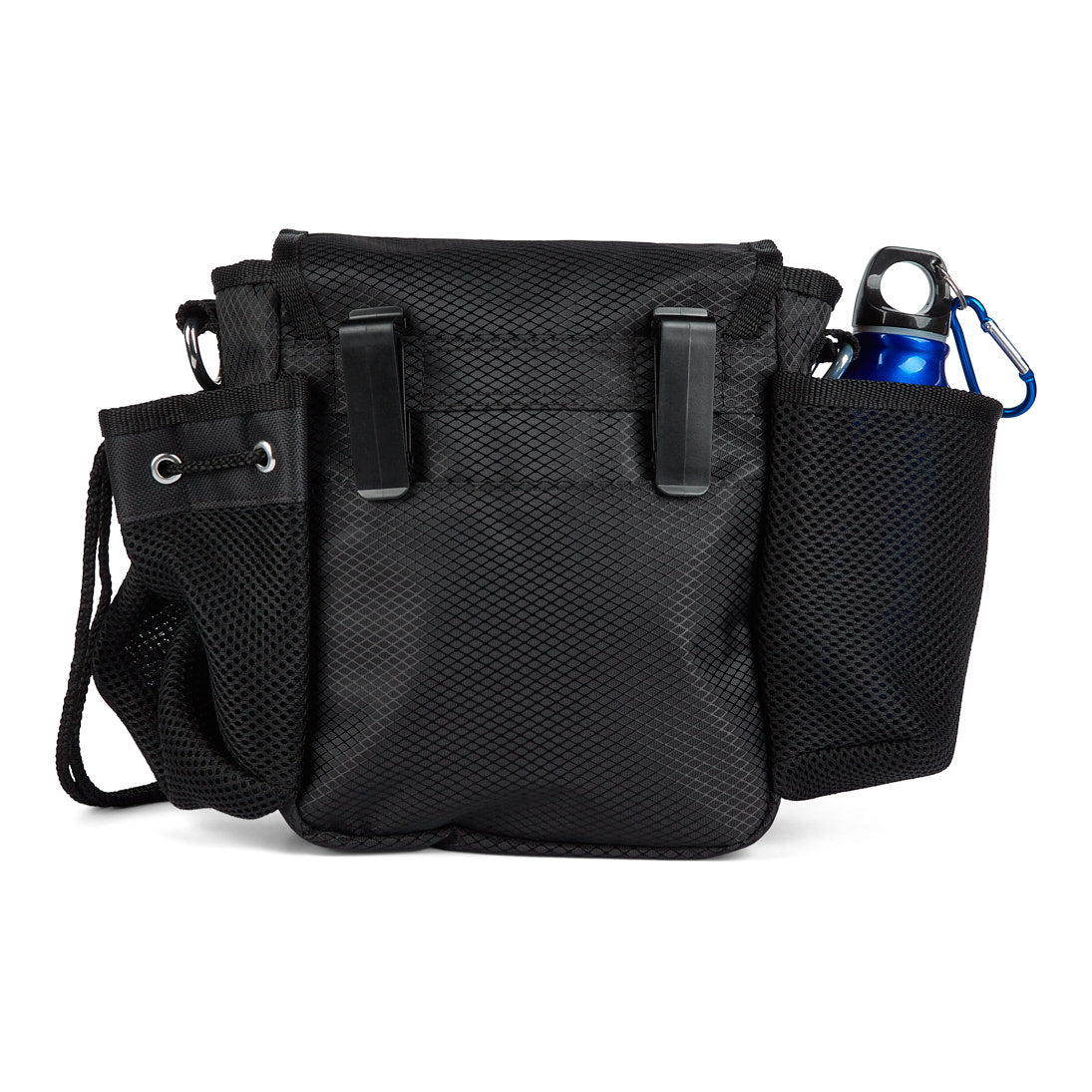

The moment you try to reward a perfect sit while balancing a lead, a mobile phone and a half-open poo bag roll, you realise one thing quickly - pockets are not a system. A proper dog walking bag for treats makes the whole walk feel easier, especially if you use treats often for recall, loose lead work or simply keeping your dog engaged on busy routes.
Treat storage sounds like a small detail until it starts affecting the walk itself. If treats are buried under keys, crushed at the bottom of a tote, or forgotten in the wrong coat pocket, timing goes out the window. And with dogs, timing matters. Whether you have a puppy learning the basics, a rescue building confidence, or an older dog who still loves a snack at the right moment, easy access changes everything.
Why a dog walking bag for treats matters
The best walks tend to be the ones where everything has its place. Not because anyone wants to turn a quick outing into a military operation, but because dog walking already involves enough moving parts. You have leads, waste bags, water, your mobile phone, house keys and usually something your dog has decided is suddenly the most exciting thing in the world.
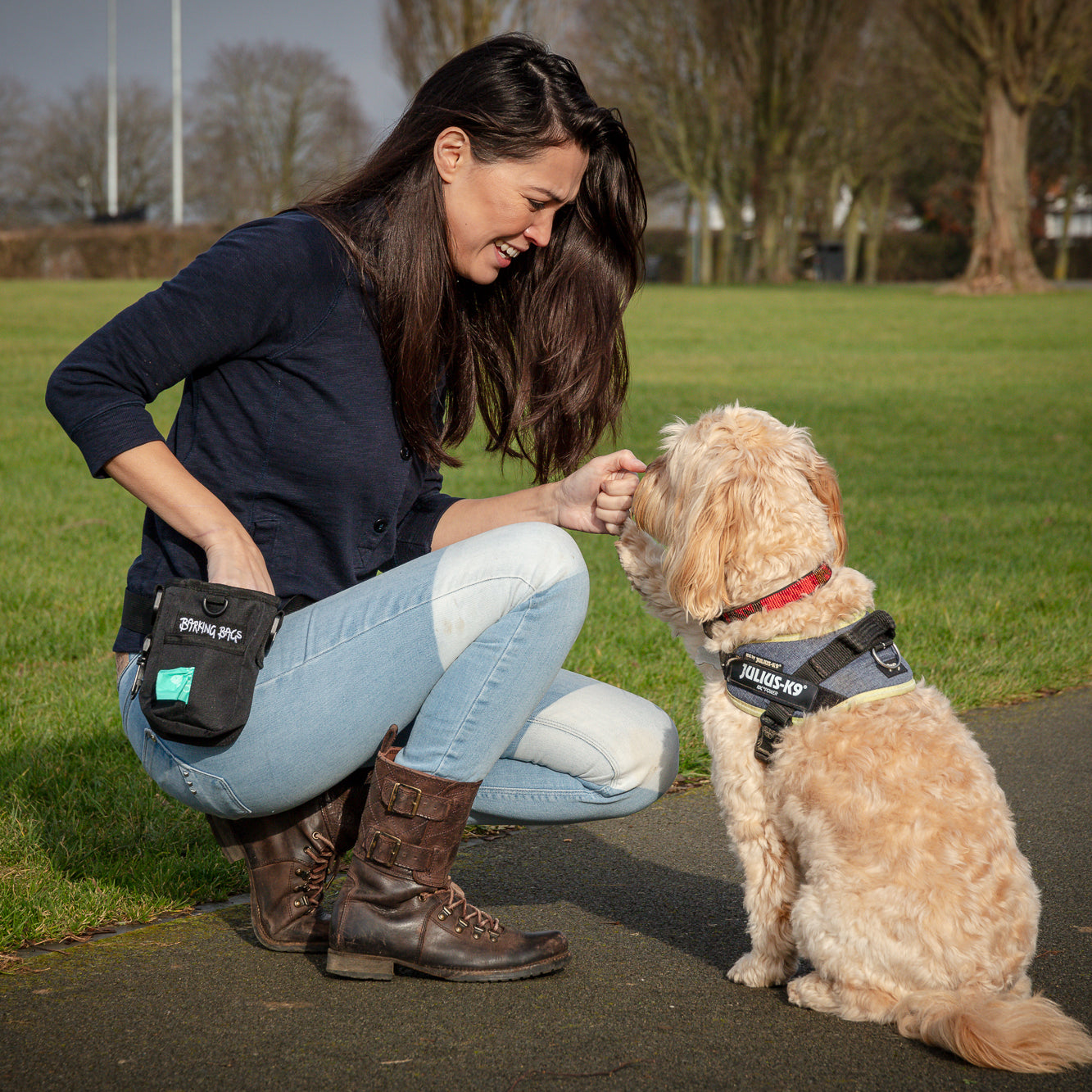
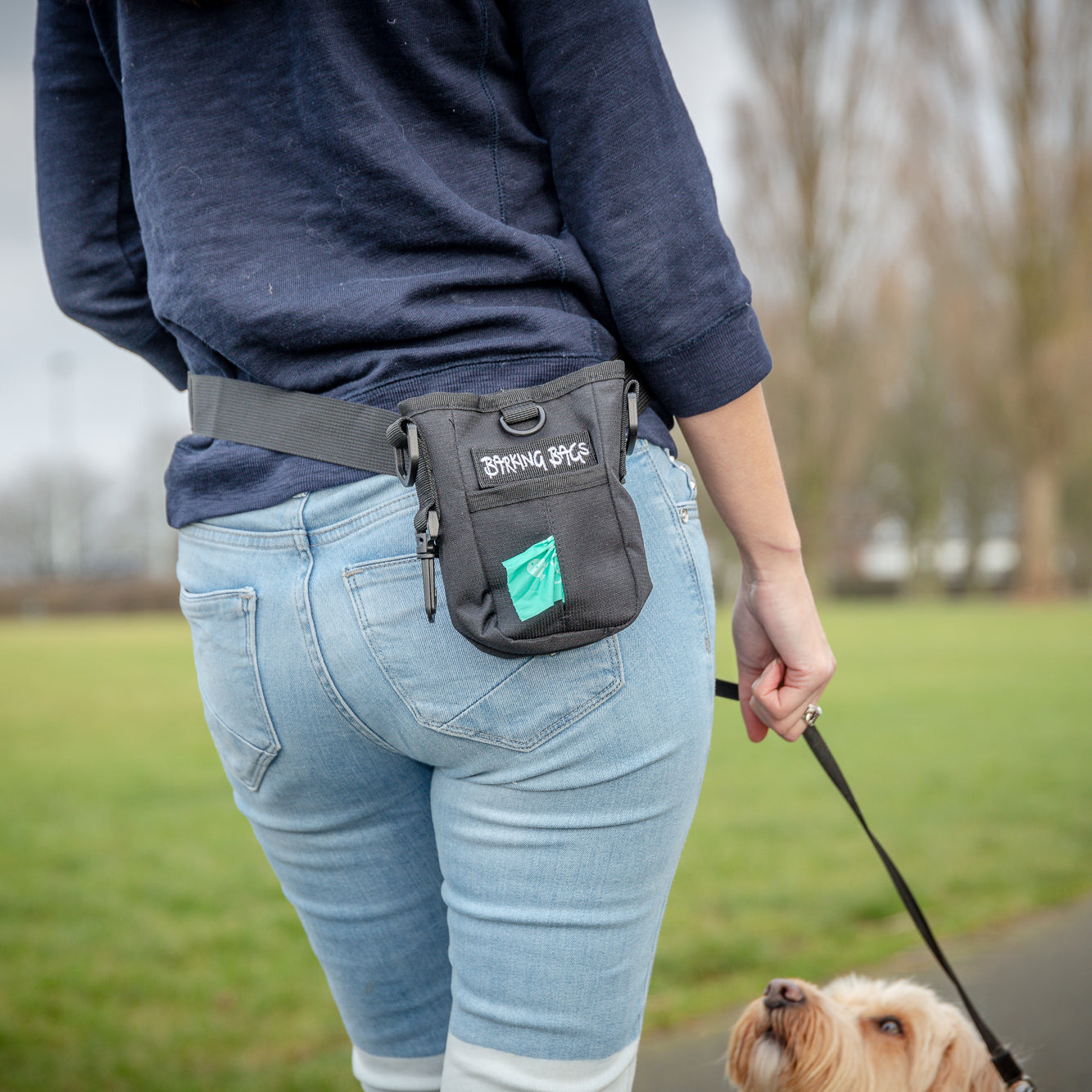
A dedicated dog walking bag for treats helps you respond in real time. You can mark good behaviour quickly, keep your hands freer, and avoid that familiar shuffle of trying to find a reward while your dog loses focus. For everyday owners, that means a calmer routine. For trainers and professional walkers, it means consistency across multiple dogs and situations.
There is also a hygiene point that gets overlooked. Treats stored loose in a coat pocket next to tissues, lip balm or coins are hardly ideal. A purpose-built compartment keeps food separate from your personal items, which is simply cleaner and more practical.
What to look for in a dog walking bag for treats
Not every bag with a zip pocket is genuinely suited to dog walking. The difference comes down to access, layout and how the bag behaves while you are actually moving.
Fast treat access matters more than size
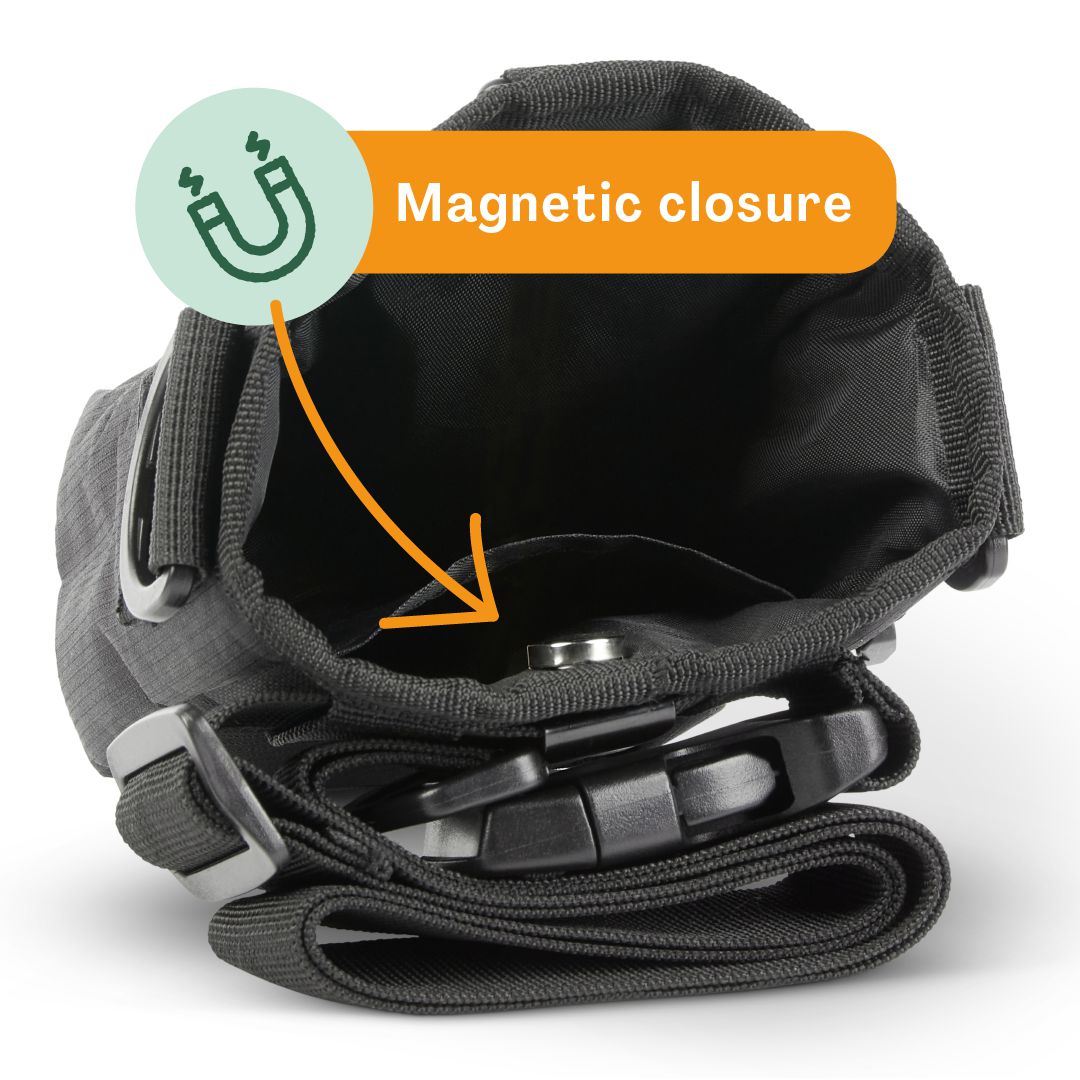
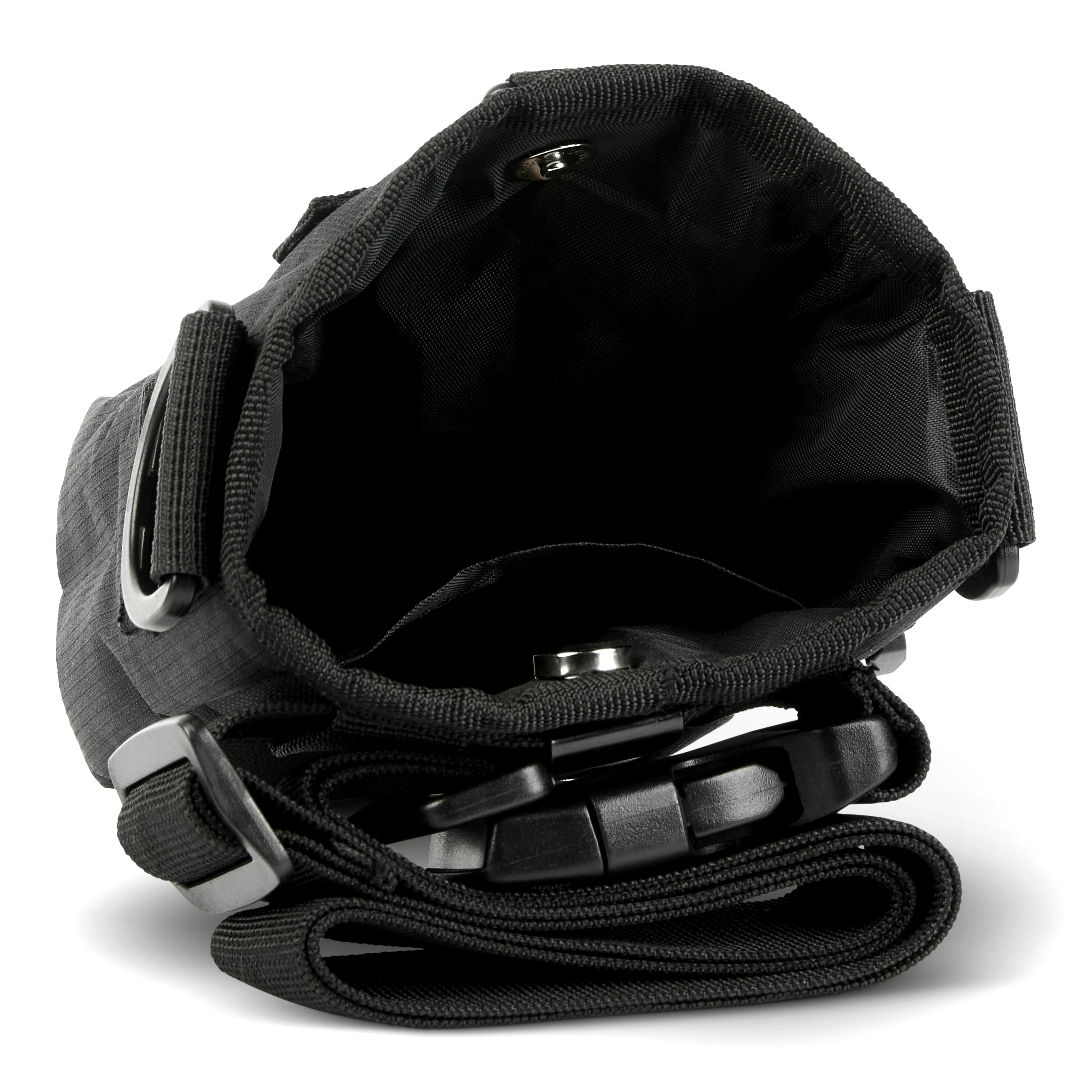
A large bag is not automatically a better one. If the treat section is awkward to open, too deep, or fiddly with one hand, it becomes frustrating very quickly. You want a space that allows quick reach without encouraging spills. That balance is especially useful during training moments when seconds count.
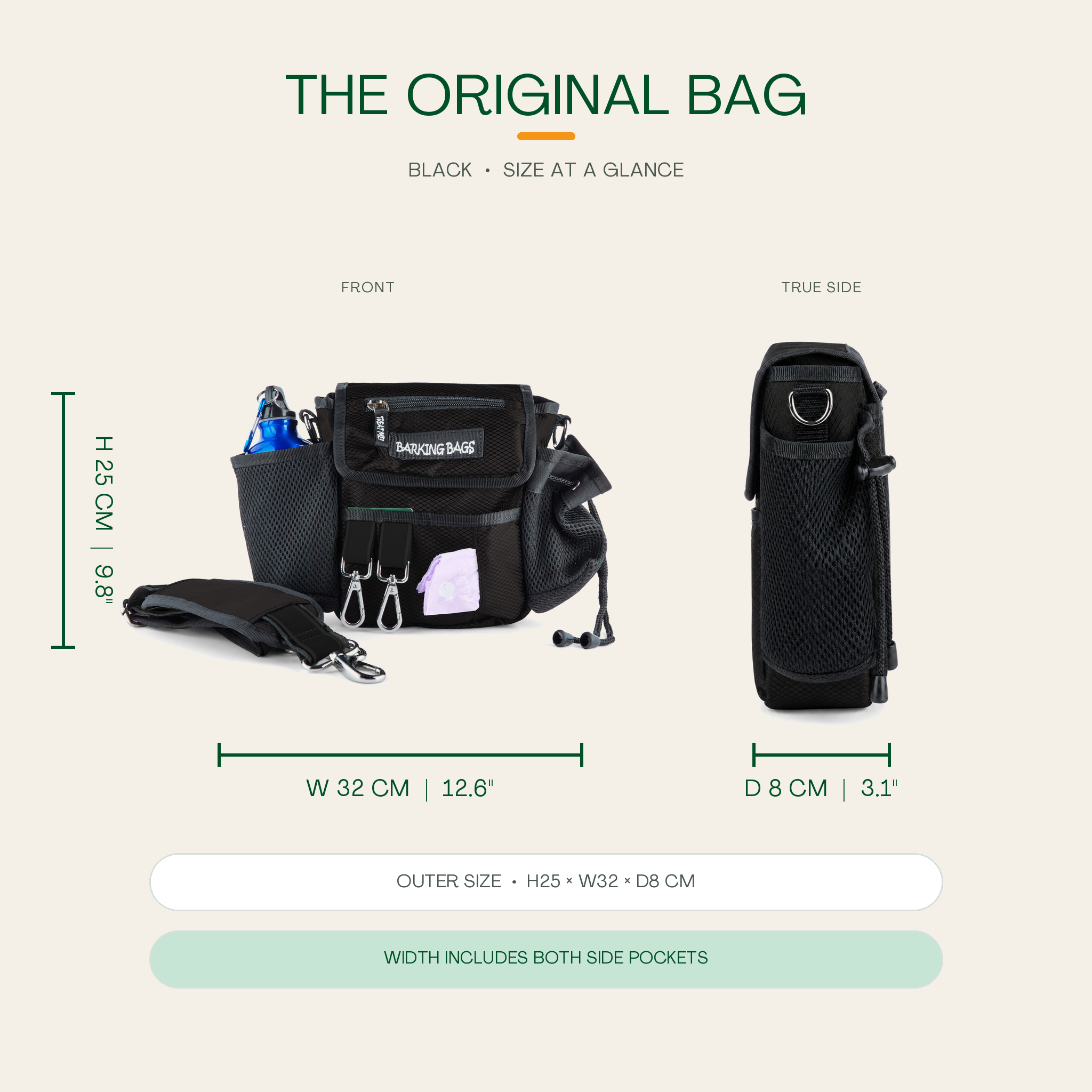
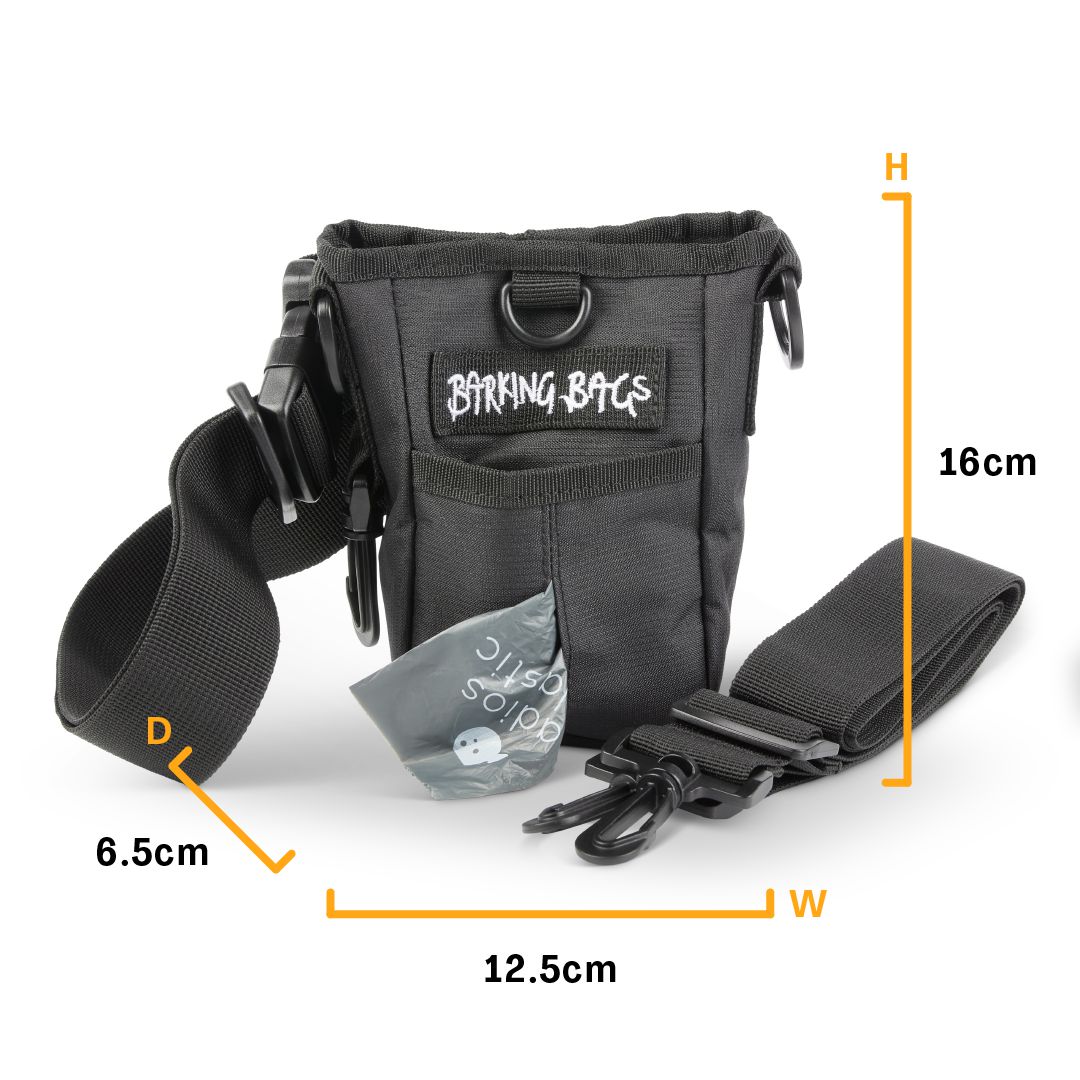
For some owners, a compact treat pouch is enough. For others, especially if you are out for longer or need to carry your own essentials too, a full dog walking bag makes more sense. It depends on whether treats are the main thing you are carrying, or one part of a bigger walking setup.
Separate compartments keep the walk organised
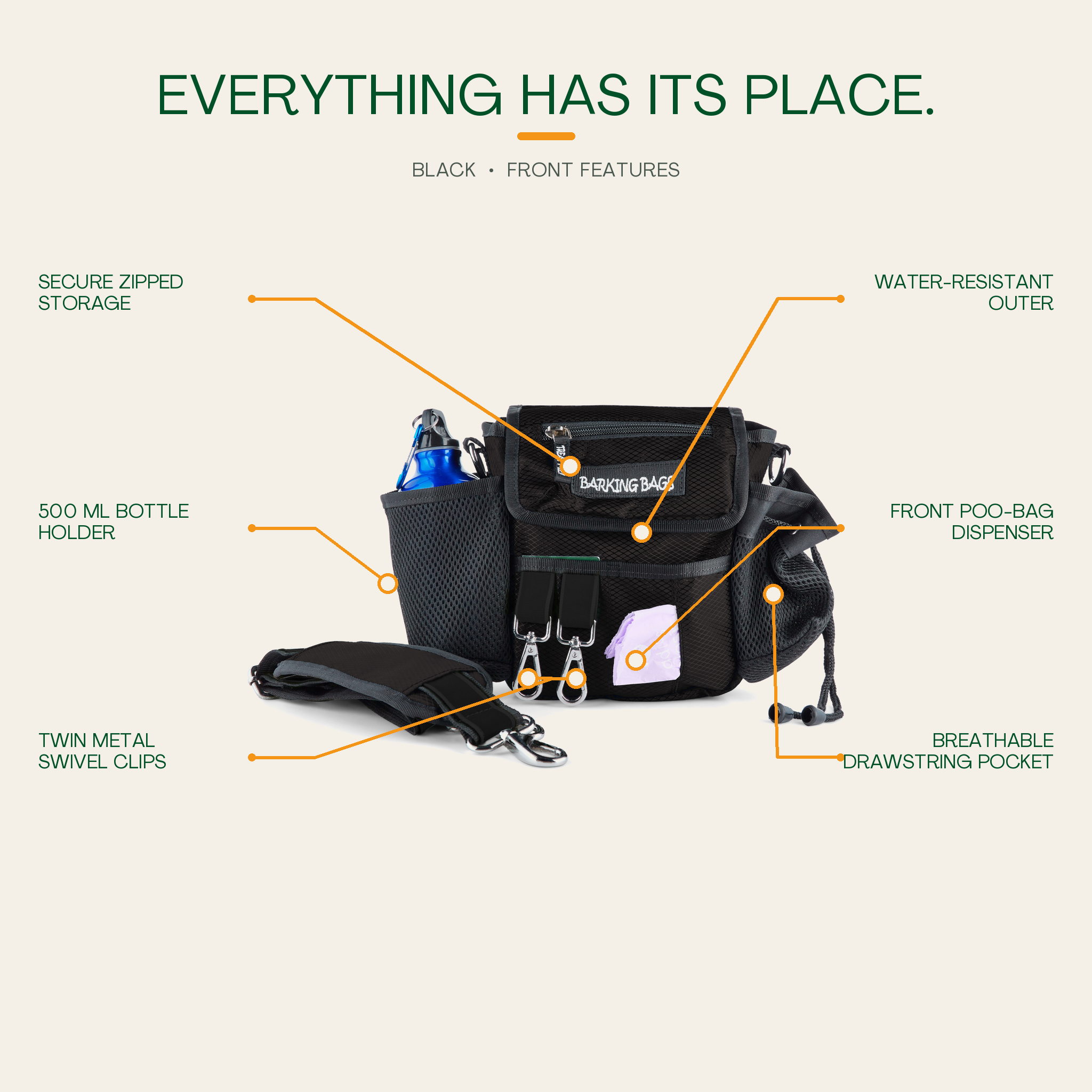
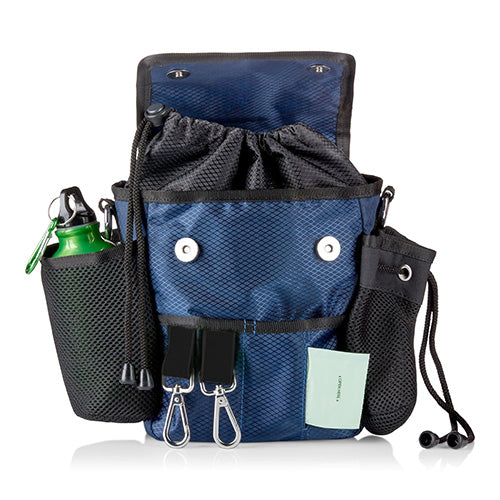
One section for treats, another for poo bags, another for valuables - that is where purpose-designed bags earn their place. Organisation is not about being fussy. It is about avoiding the annoying stuff that slows you down. Nobody wants to pull out keys covered in biscuit crumbs or discover the waste bags have unravelled into the bottom of the bag.
A good layout also helps if more than one person walks the dog. When everything lives in the same place, there is less faff before heading out the door.
Easy-clean materials are worth it
Treats crumble. Sausage slices leave residue. Training rewards are not always tidy. A dog walking bag for treats should be easy to wipe clean, especially inside the compartment where food is stored. This matters even more if you switch between different types of treats or use high-value rewards on wet, muddy walks.
Stylish finishes still matter, but dog walking gear has to hold up in real life. If it looks smart and cleans easily, that is the sweet spot.
Comfortable to wear, even on longer walks
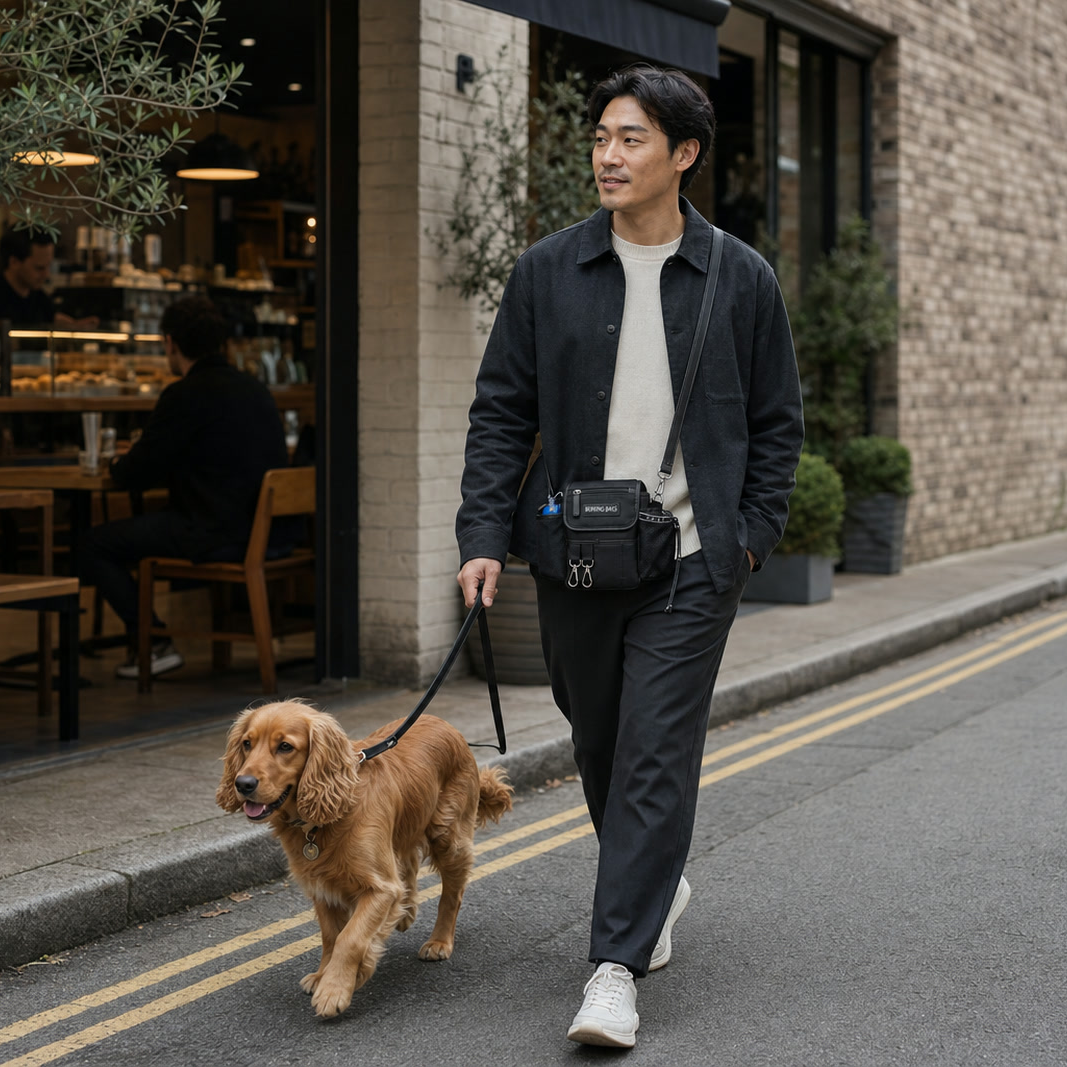
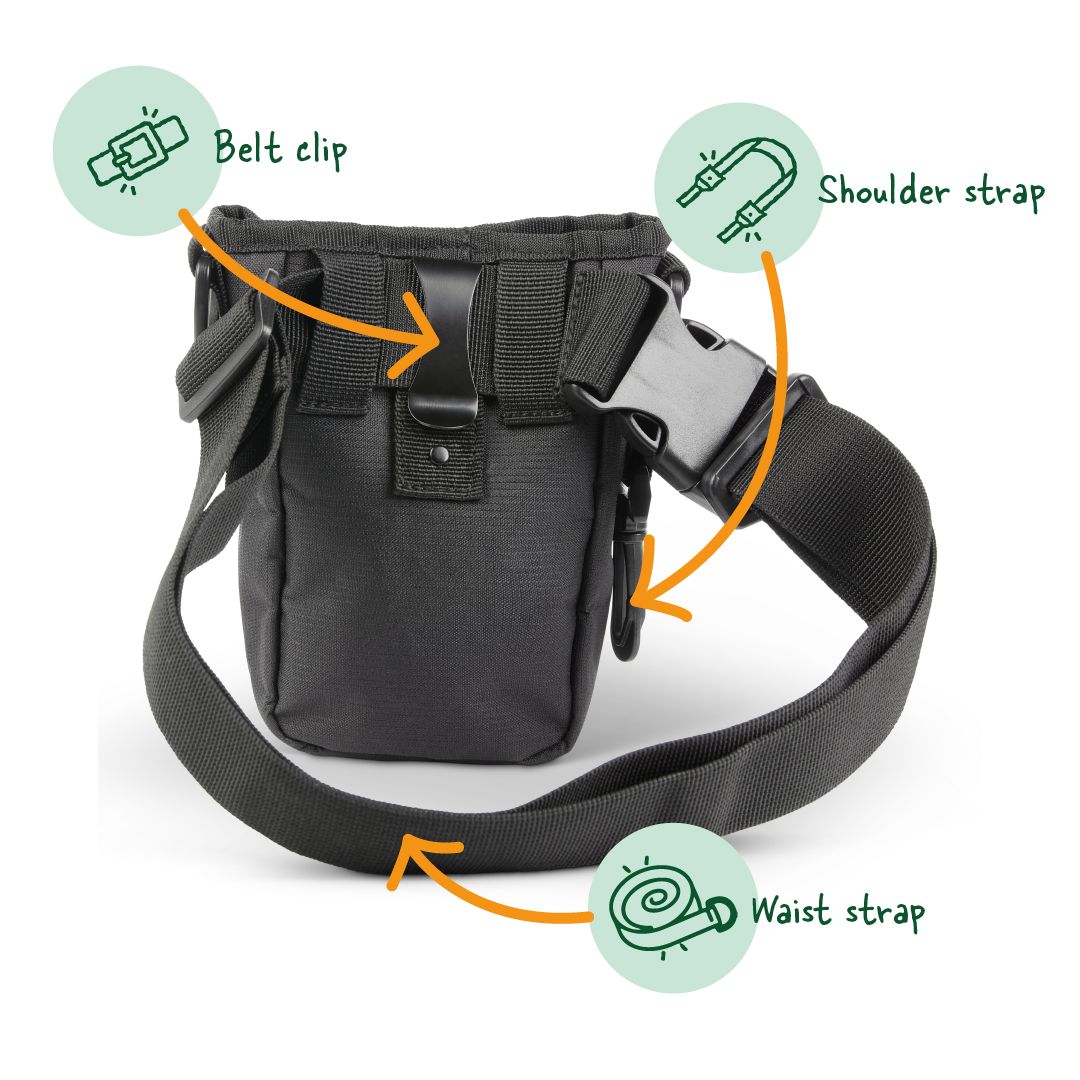
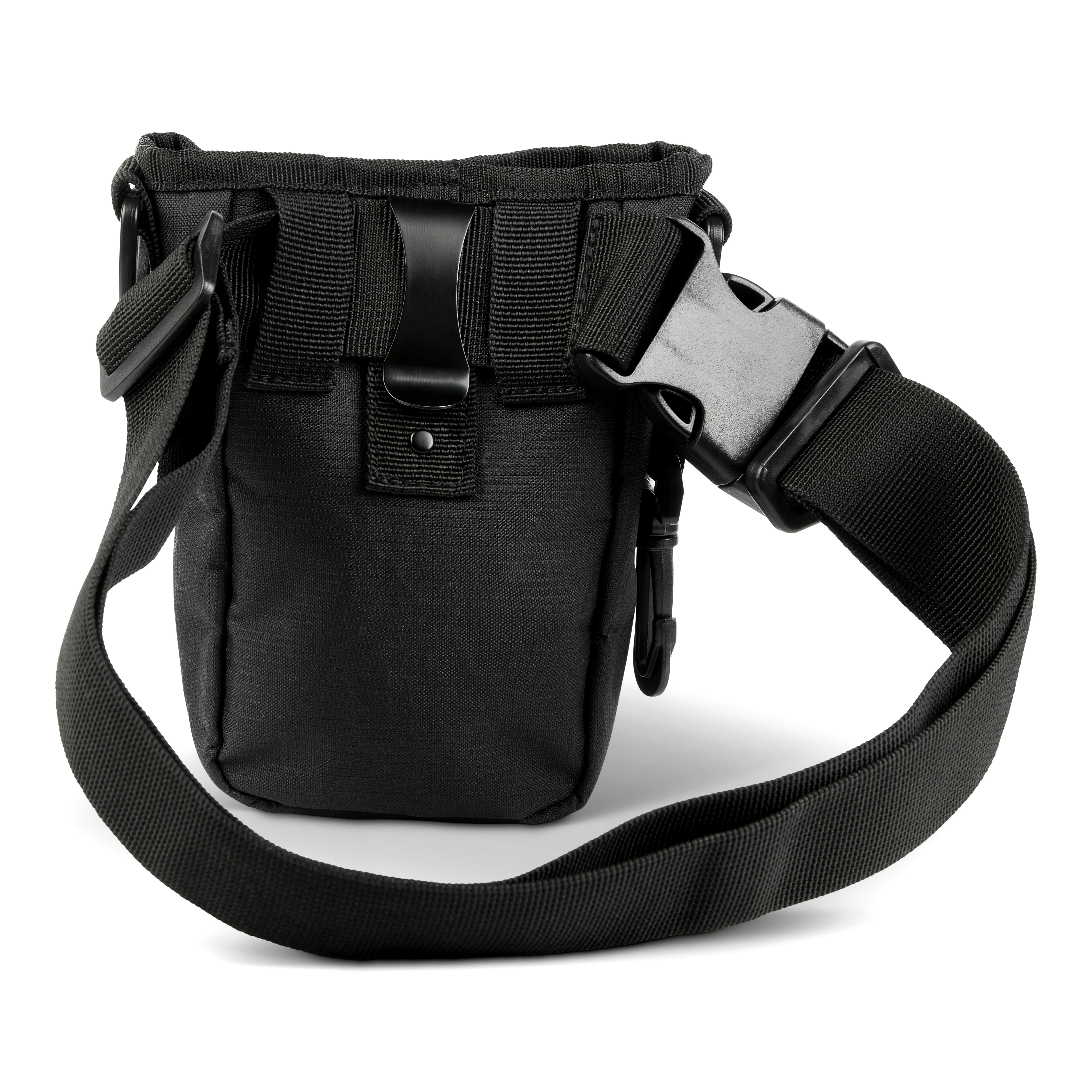
A bag can have all the right pockets and still be wrong if it swings about, digs into your shoulder or feels bulky over a coat. Crossbody styles are popular for a reason - they spread weight well and keep essentials close without occupying your hands.
That said, fit is personal. A shorter local walk might suit a smaller, lightweight option, while longer countryside routes may call for more room and a more secure strap. The right choice often depends on your walking routine, not just the bag itself.
Treat bag or full dog walking bag?
This is where it helps to be honest about how you actually walk your dog. If you only carry a few training treats and nothing else, a compact treat bag can do the job perfectly well. It keeps rewards handy and avoids overpacking.
But many owners start with a treat pouch and eventually realise they still need somewhere for their phone, keys, waste bags and lead accessories. That is when a dedicated dog walking bag becomes the smarter option. It brings everything together in one place and removes the need to clip on extras or stuff essentials into jacket pockets.
For professional walkers and trainers, a full bag usually wins on practicality. You are carrying more, often walking for longer, and need a setup that feels reliable day after day. For casual daily walks, either can work - but if your current system involves several separate bits and pieces, it may be time for something more streamlined.
The features that make daily walks easier
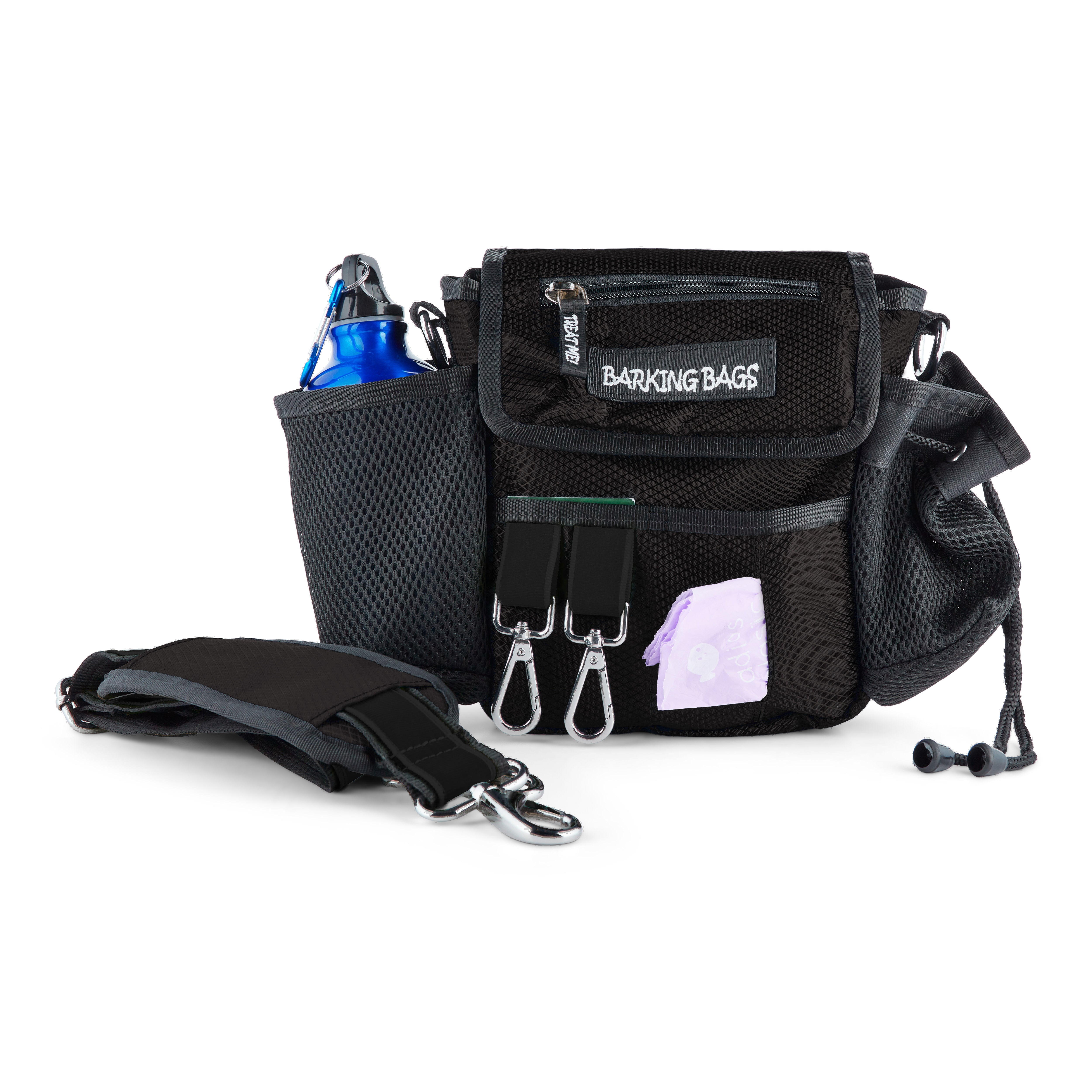
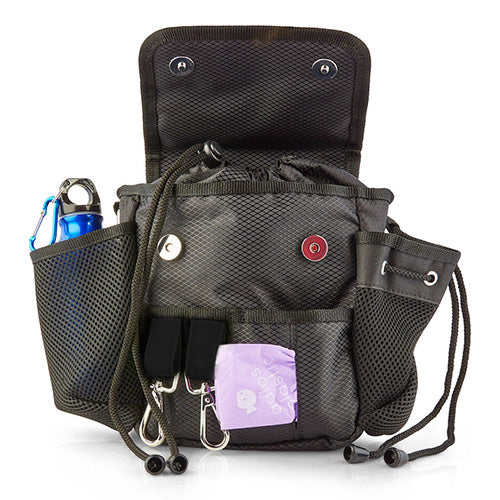
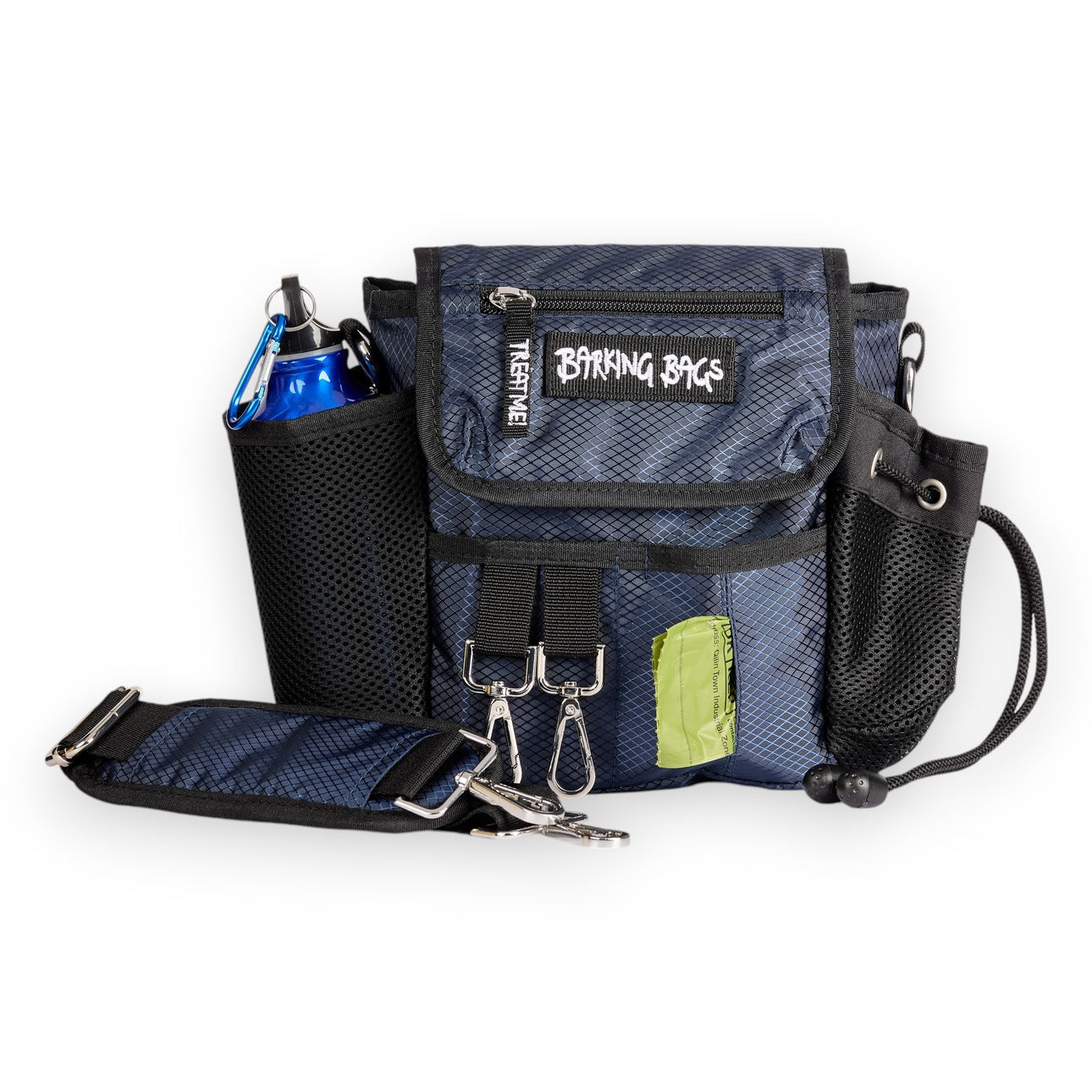
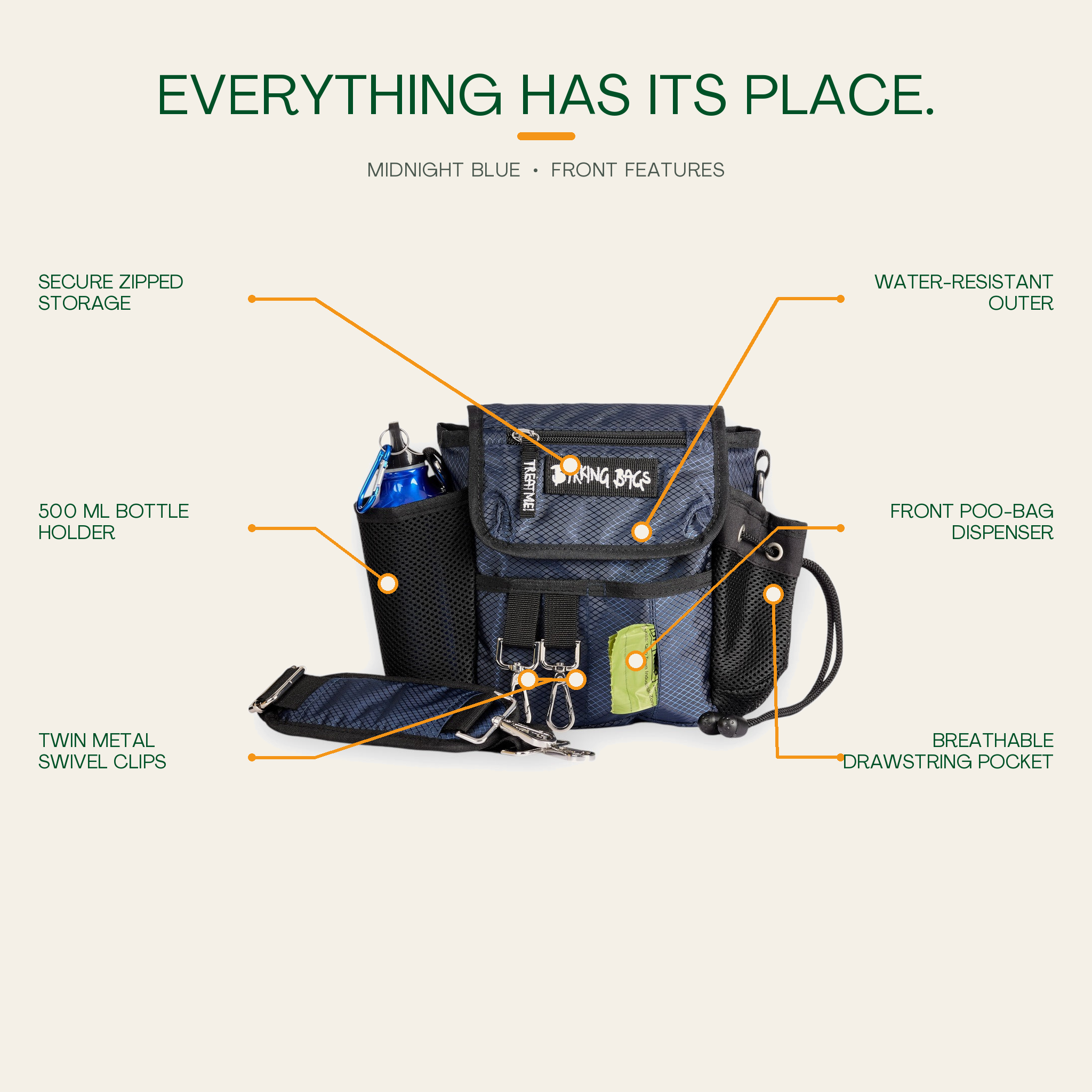
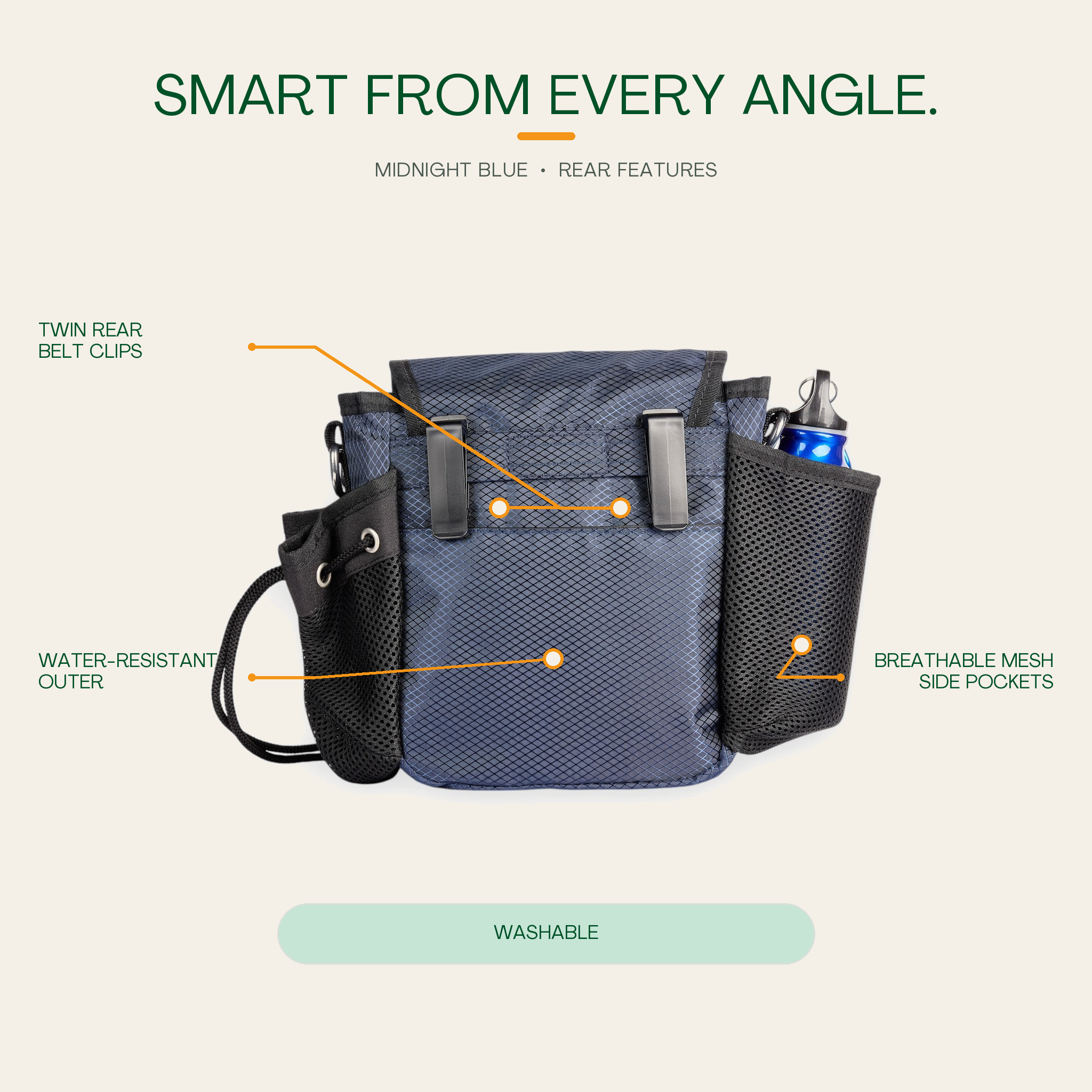
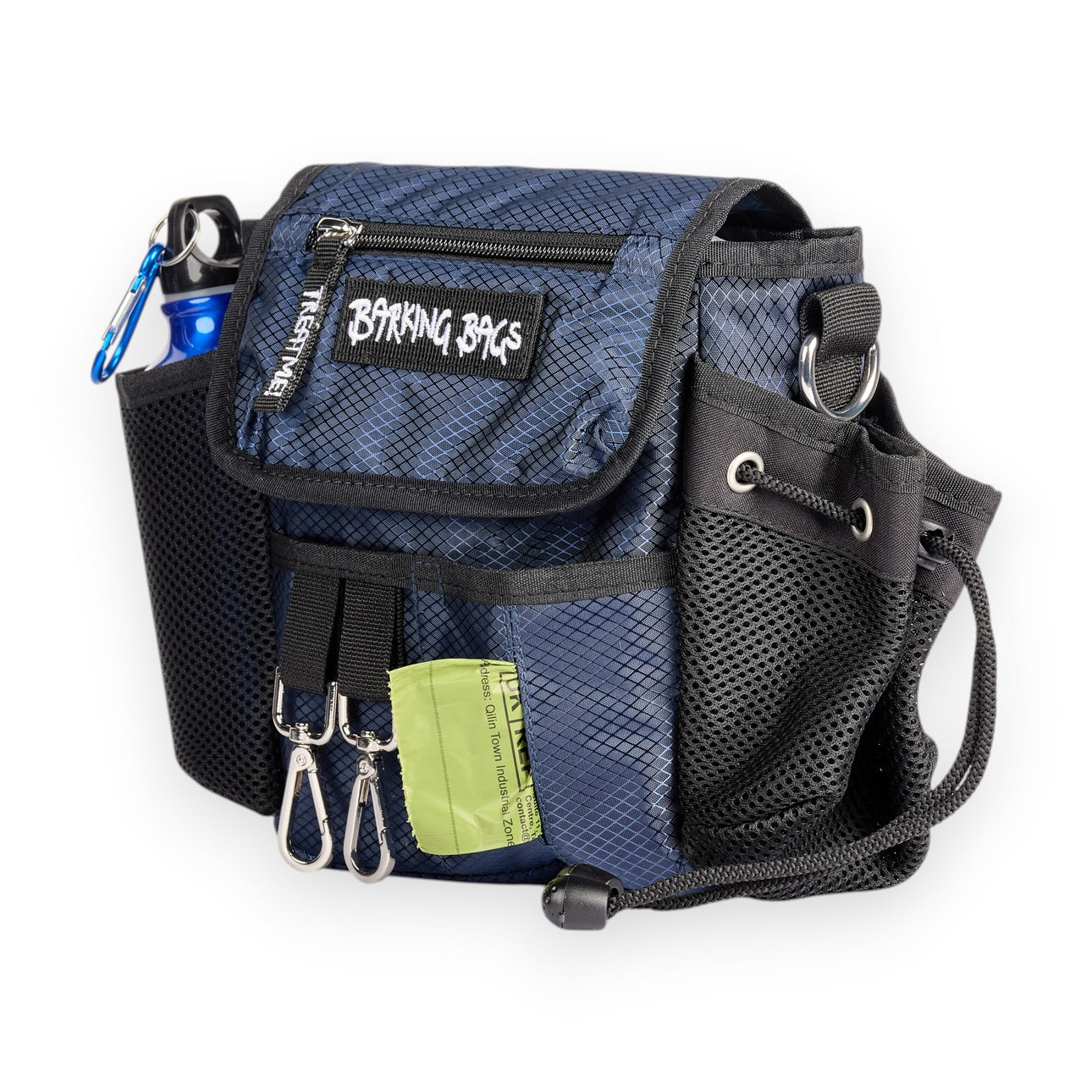
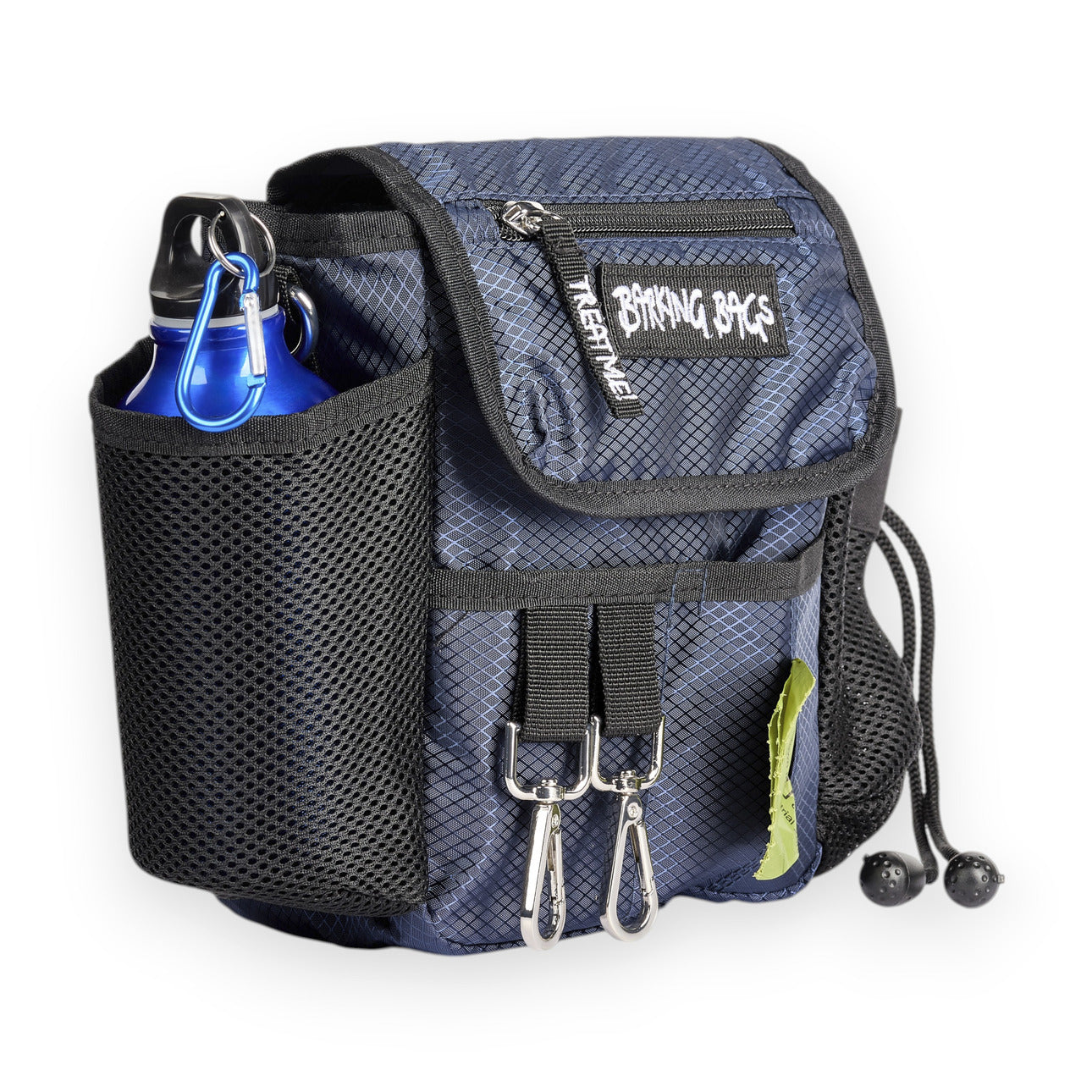
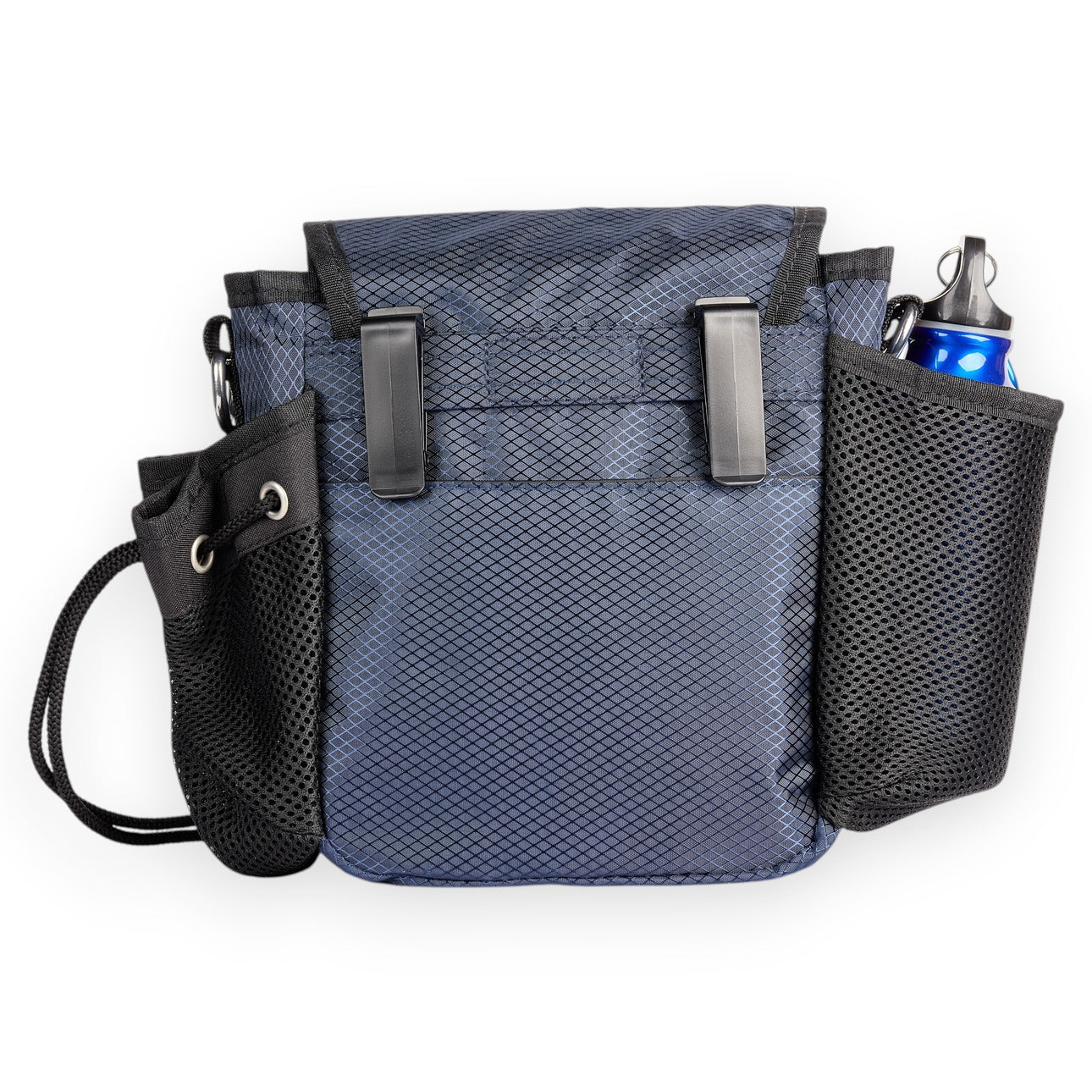
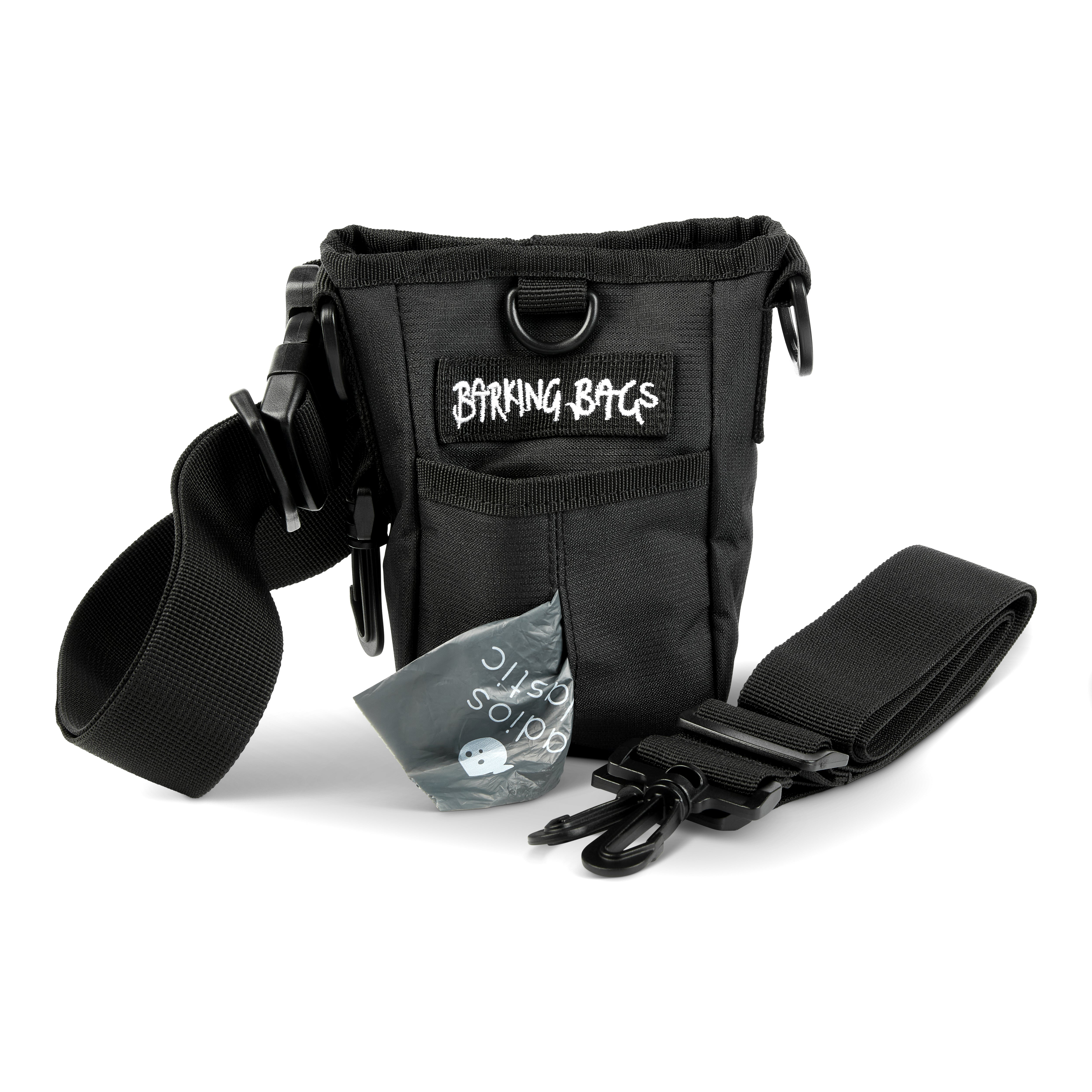
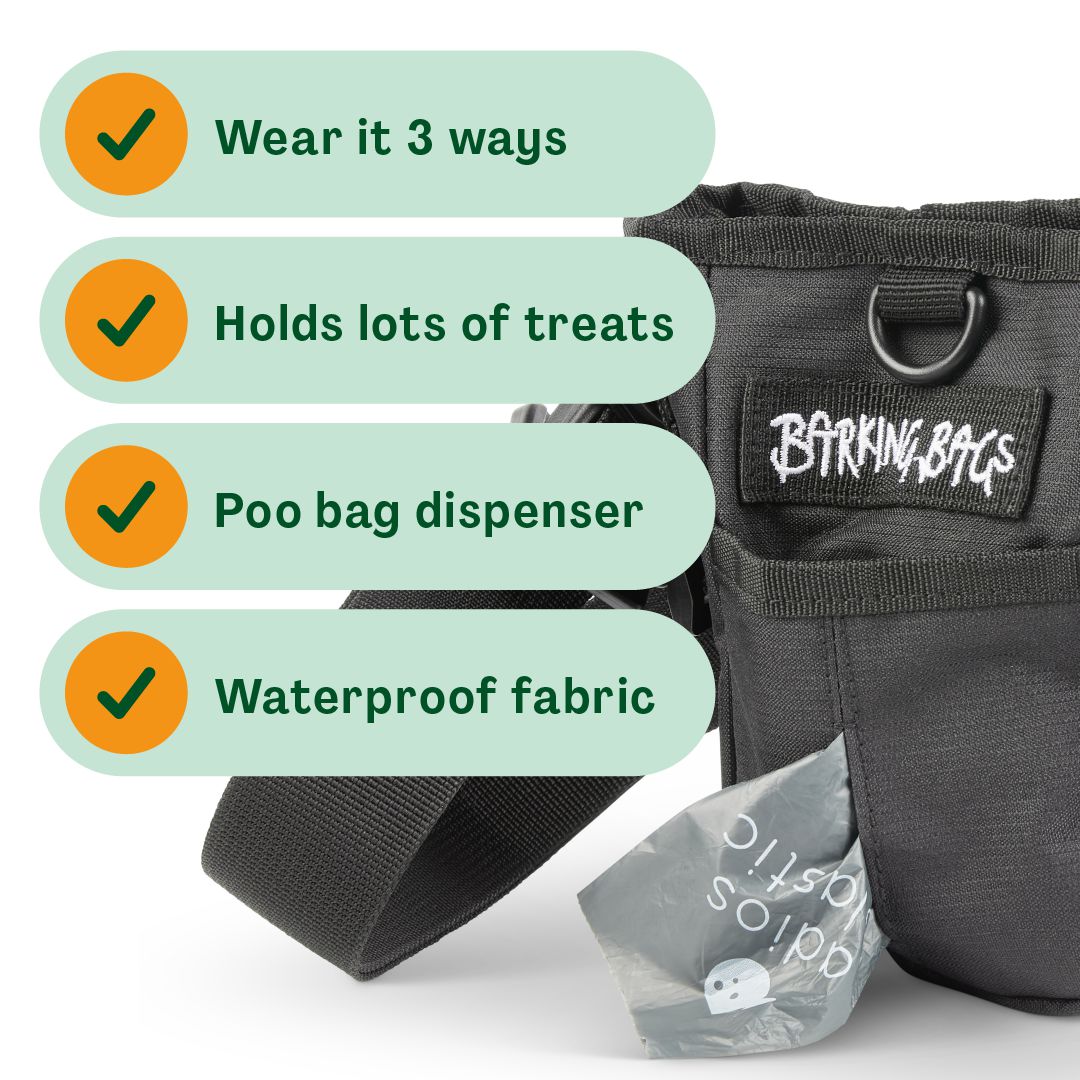
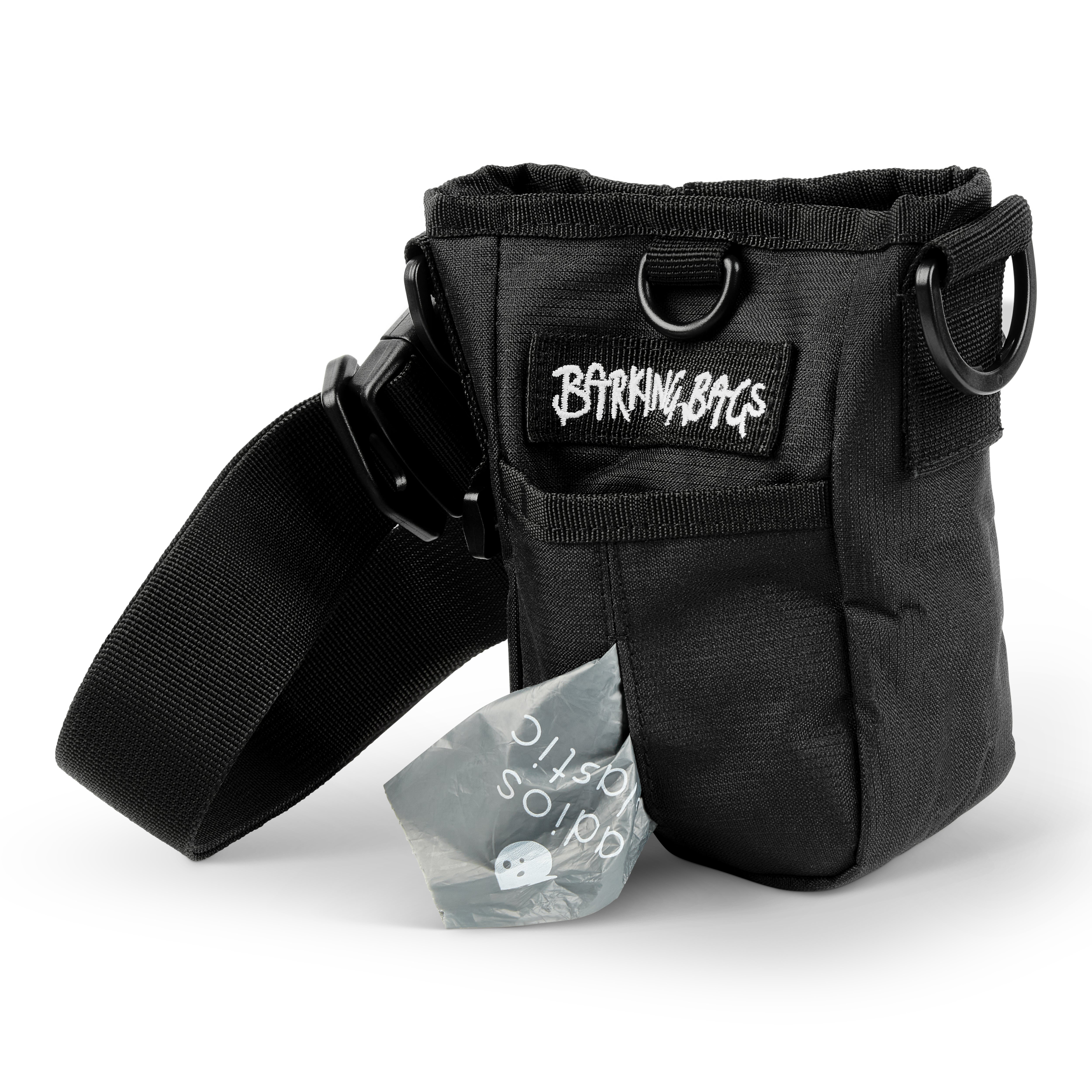
Some bag features sound minor until you use them every day. Built-in poo bag dispensers are a good example. They save rummaging and make awkward moments quicker to manage. Secure zip sections for valuables are another. Your mobile phone and keys should not be competing with dog treats for space.
Adjustable straps help more than people expect, especially when layering up in winter or switching from a light top to a thicker waterproof. External pockets can be useful too, but only when they are positioned well. If everything falls out when you bend down to clip a lead on, the design has missed the point.
A well-designed dog walking bag for treats should feel intuitive after a day or two. You should know where everything is without thinking about it. That kind of ease is what turns a bag from a nice accessory into part of your routine.
Style still counts
There is no rule saying practical dog walking gear has to look overly sporty or utilitarian. In fact, for many owners, that is exactly the problem with generic options. If you walk your dog every day, your bag becomes part of your everyday look.
That is why design matters. A dedicated dog walking bag should work hard without looking clunky. Clean lines, thoughtful details and wearable colours make a difference, especially if you are heading from the school run to the park, or from town errands straight into a dog walk.
Practicality comes first, but style is not a bonus feature. It is part of choosing something you will genuinely want to carry.
Who benefits most from a purpose-built bag?
Puppy owners tend to notice the value of treat access almost immediately. Early training means frequent rewards, quick reactions and plenty of repetition. A bag that keeps treats ready to hand can make those first months feel much more manageable.
Owners of reactive or nervous dogs often benefit too. If you use food to redirect focus or build positive associations, fumbling for treats can break the moment. Easy access helps you stay calm and consistent.
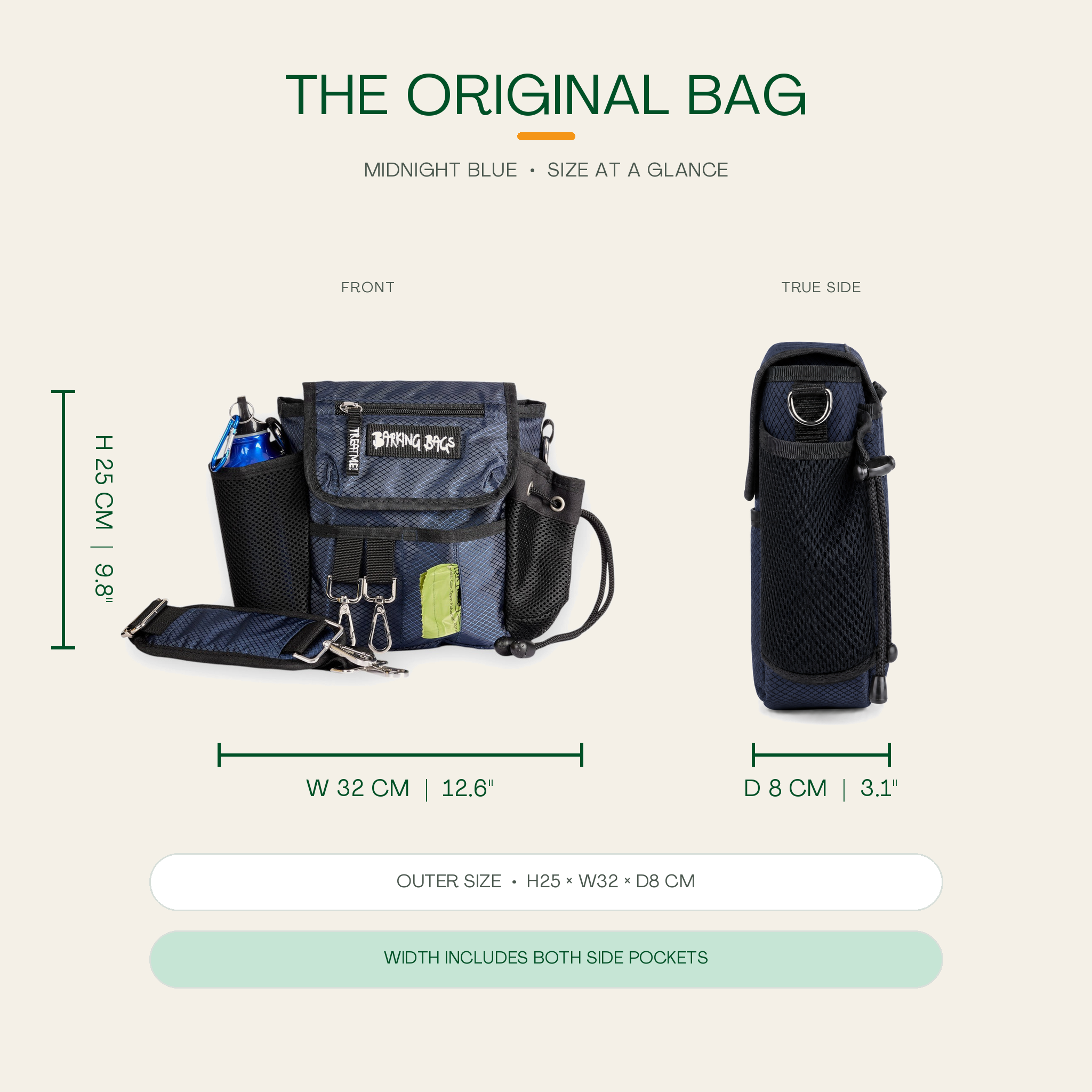
Then there are the people walking several dogs, or doing multiple walks a day. For them, organisation is not just convenient - it saves time and lowers stress. That is where specialist design really proves itself. Barking Bags has built its range around exactly that everyday reality: giving dog owners a smarter, purpose-designed way to carry what they need without compromising on style.
Choosing the right dog walking bag for treats
Start with your routine. Think about how long your walks usually are, what you always carry, and whether training treats are an occasional extra or a constant part of the outing. If you regularly need treats, waste bags, personal items and room for a few extras, a full bag is likely the better fit.
Also think about access rather than just capacity. Plenty of storage sounds appealing, but if the layout is awkward, you will notice it every single day. The best choice is the one that supports your routine naturally, not the one with the longest feature list.
If possible, picture a normal walk rather than an ideal one. Muddy paths, one hand on the lead, your dog suddenly stopping to sniff, and you trying to reward good behaviour without dropping everything. That is the test a dog walking bag for treats needs to pass.
The right bag will not make your dog stop lunging at pigeons or magically improve recall overnight. But it will make you feel more prepared, more organised and more able to enjoy the walk you are already doing every day. And often, that is exactly what makes the biggest difference.