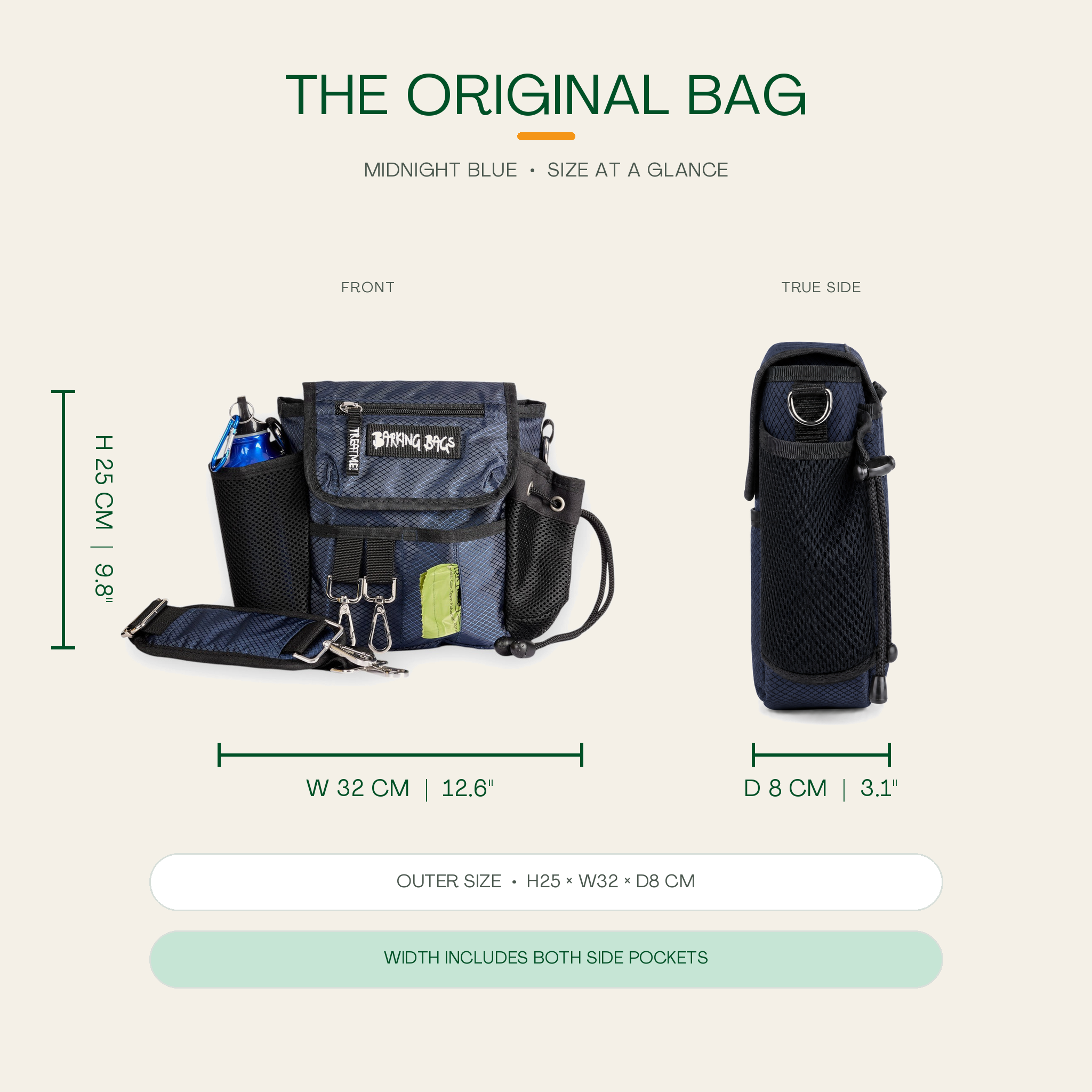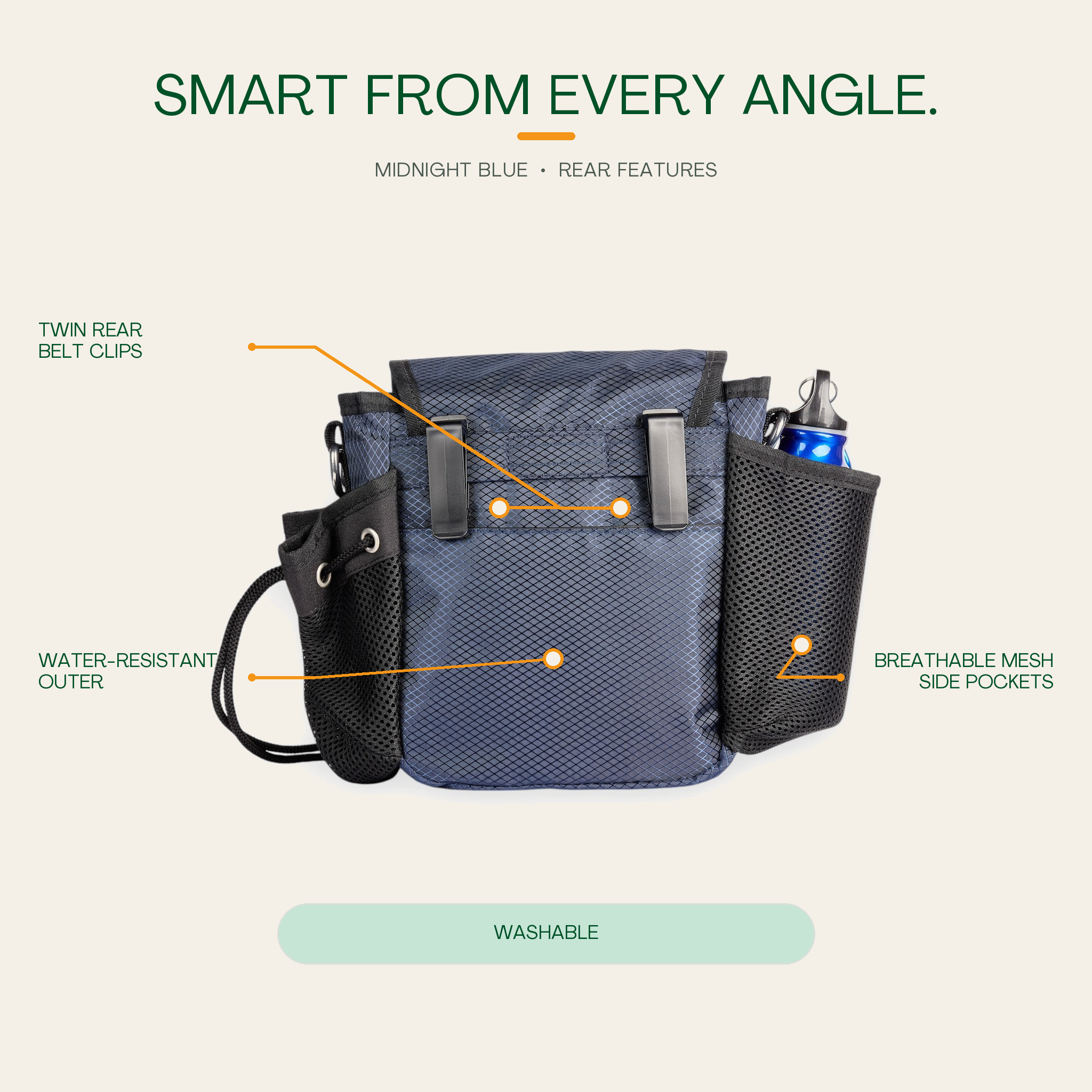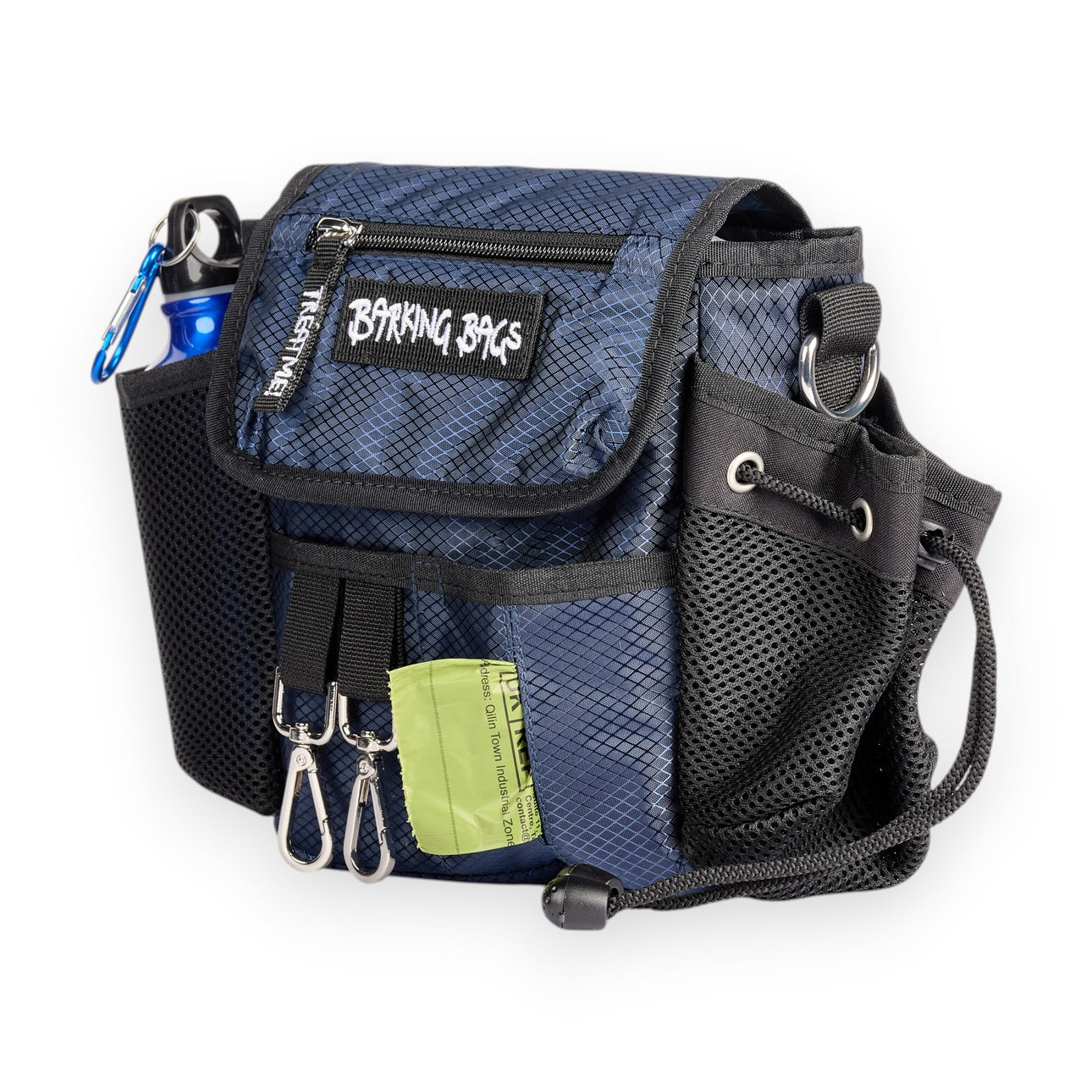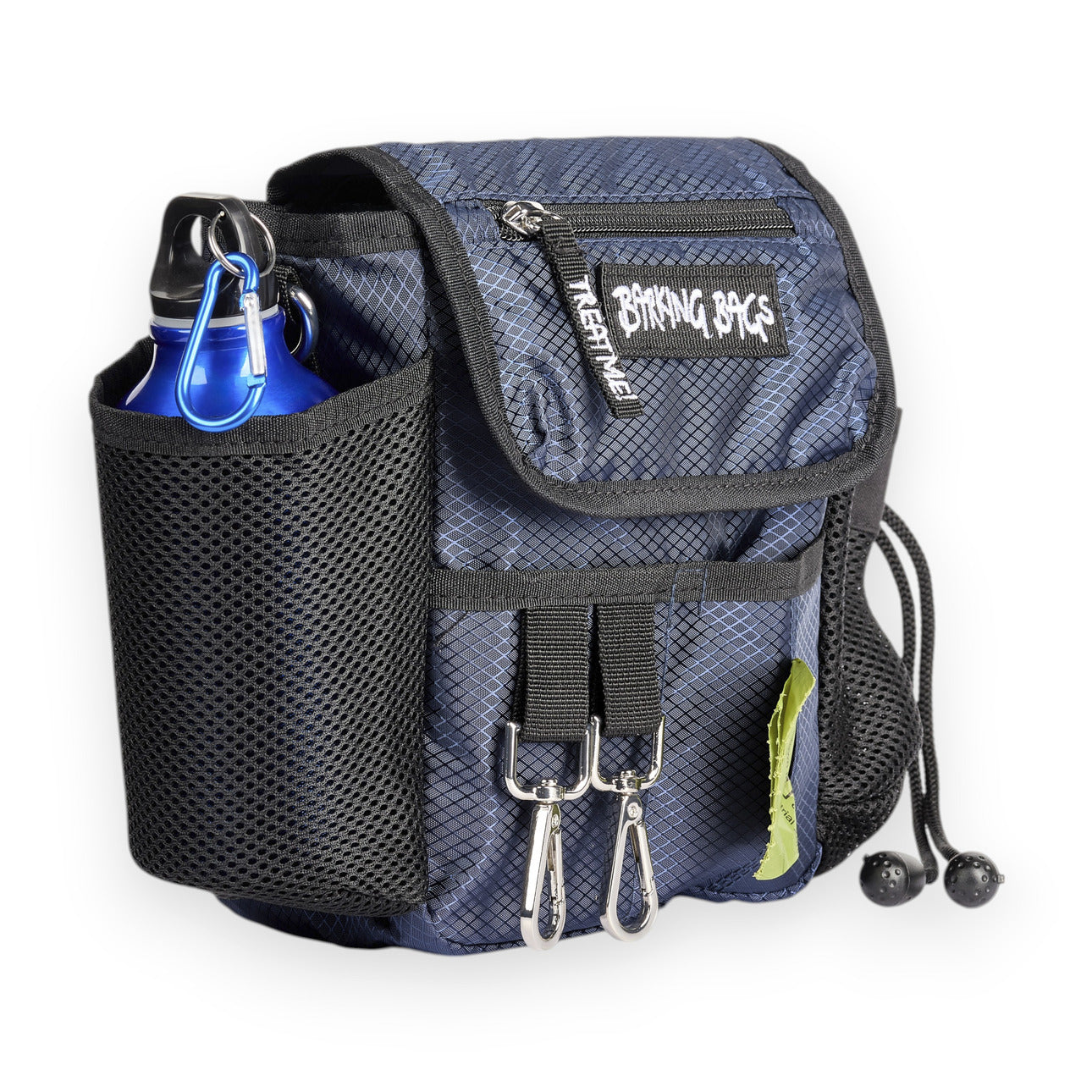

Small dogs rarely mean small admin. In fact, choosing the right dog walking bag for small dogs can take more thought than people expect. You might only be heading out with a Chihuahua, Yorkie or Mini Dachshund, but you still need room for treats, poo bags, keys, your mobile phone, and often a lead, harness or training bits too. The difference is that with a smaller dog, bulky gear feels even more out of place. The best bag keeps everything tidy without looking oversized, clunky or overdone.
That balance matters. If your bag is too big, it bounces about, gets heavy quickly and ends up carrying things you do not need. If it is too small, you are back to stuffing pockets, juggling loose rolls of poo bags and wondering where your treats have gone just as your dog nails a recall. A purpose-built walking bag should make the routine feel easier from the moment you leave the house.
What makes a dog walking bag for small dogs different?
The obvious answer is size, but that is only part of it. A good dog walking bag for small dogs should match the way small dog owners actually walk. Shorter local walks, training-focused outings, café stops, quick garden-to-pavement trips and regular lead-on, lead-off changes all create their own storage needs.
For many owners, the essentials are compact but numerous. You may not be carrying giant water bottles or heavy long lines every day, yet you still need a proper place for treats, waste bags, your mobile phone and personal items. Small dog owners also tend to notice proportion more. A bag that swamps your frame or looks like hiking kit can feel wrong for a simple morning walk round the block.
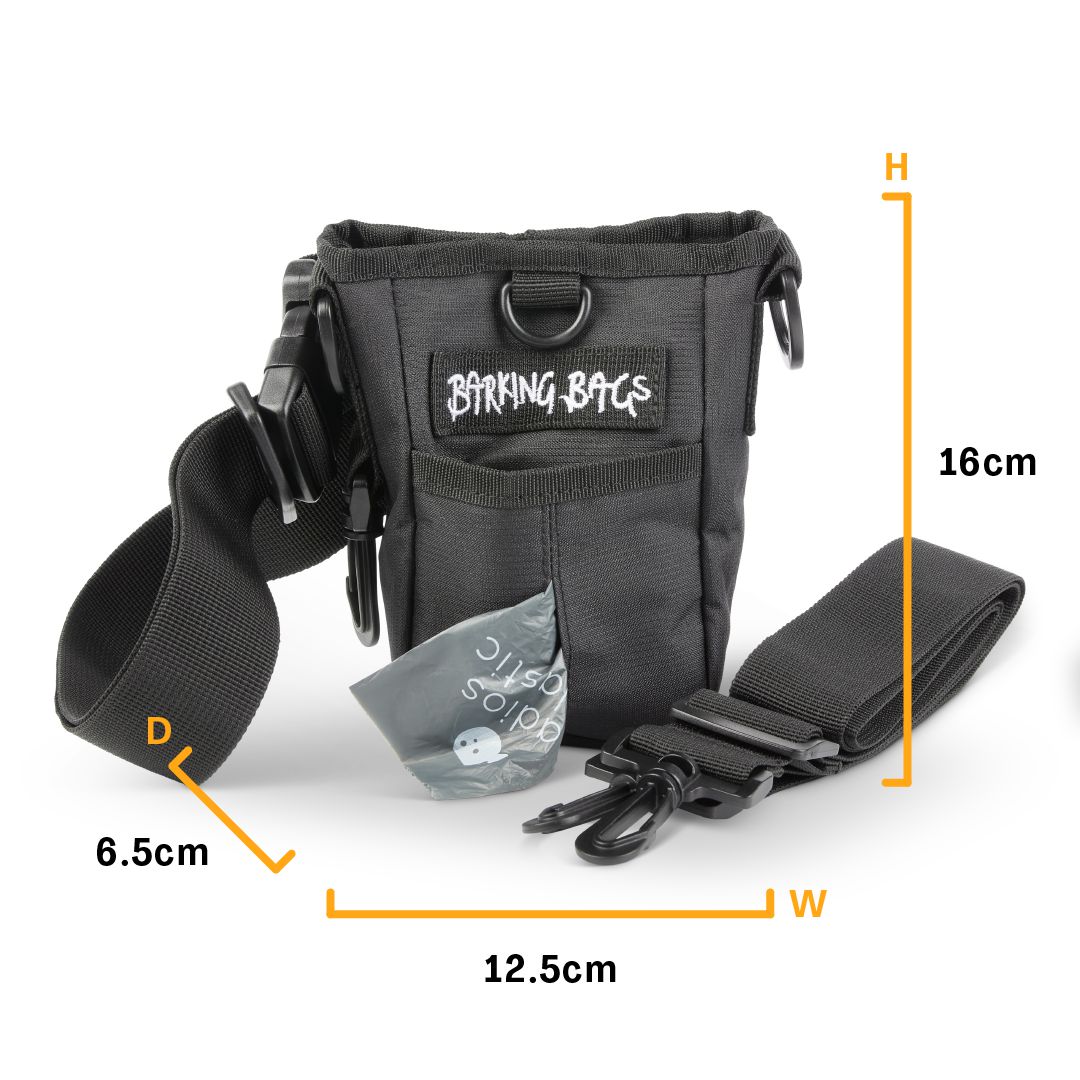
That is why shape and layout matter as much as capacity. The right bag should feel neat, lightweight and easy to wear, while still giving every item its own place. It is less about carrying more and more about carrying better.
The features worth looking for
A lot of bags claim to work for dog walking, but ordinary crossbody bags and handbags usually fall apart once treats and poo bags get involved. They are not designed for quick access, messier contents or one-handed use.
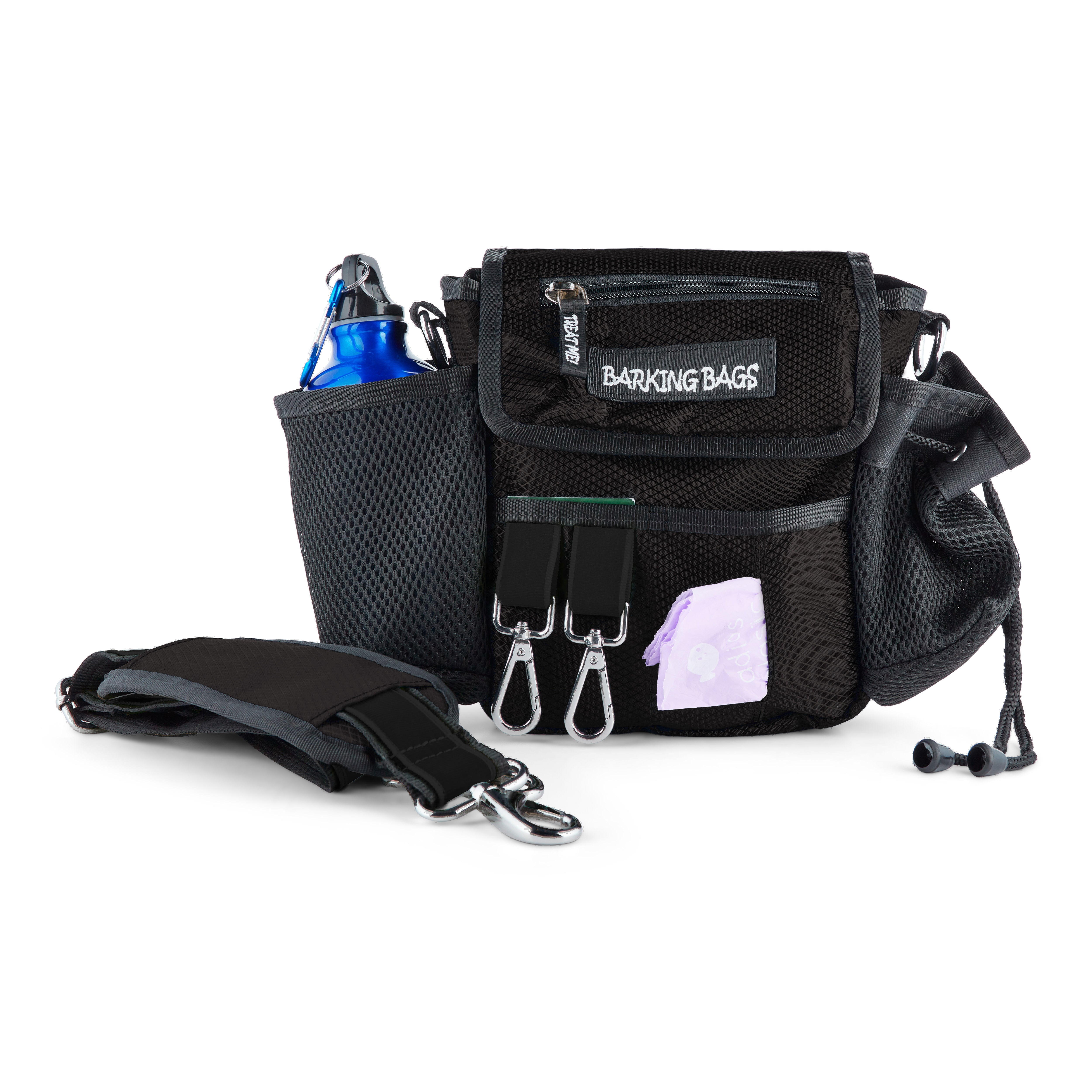
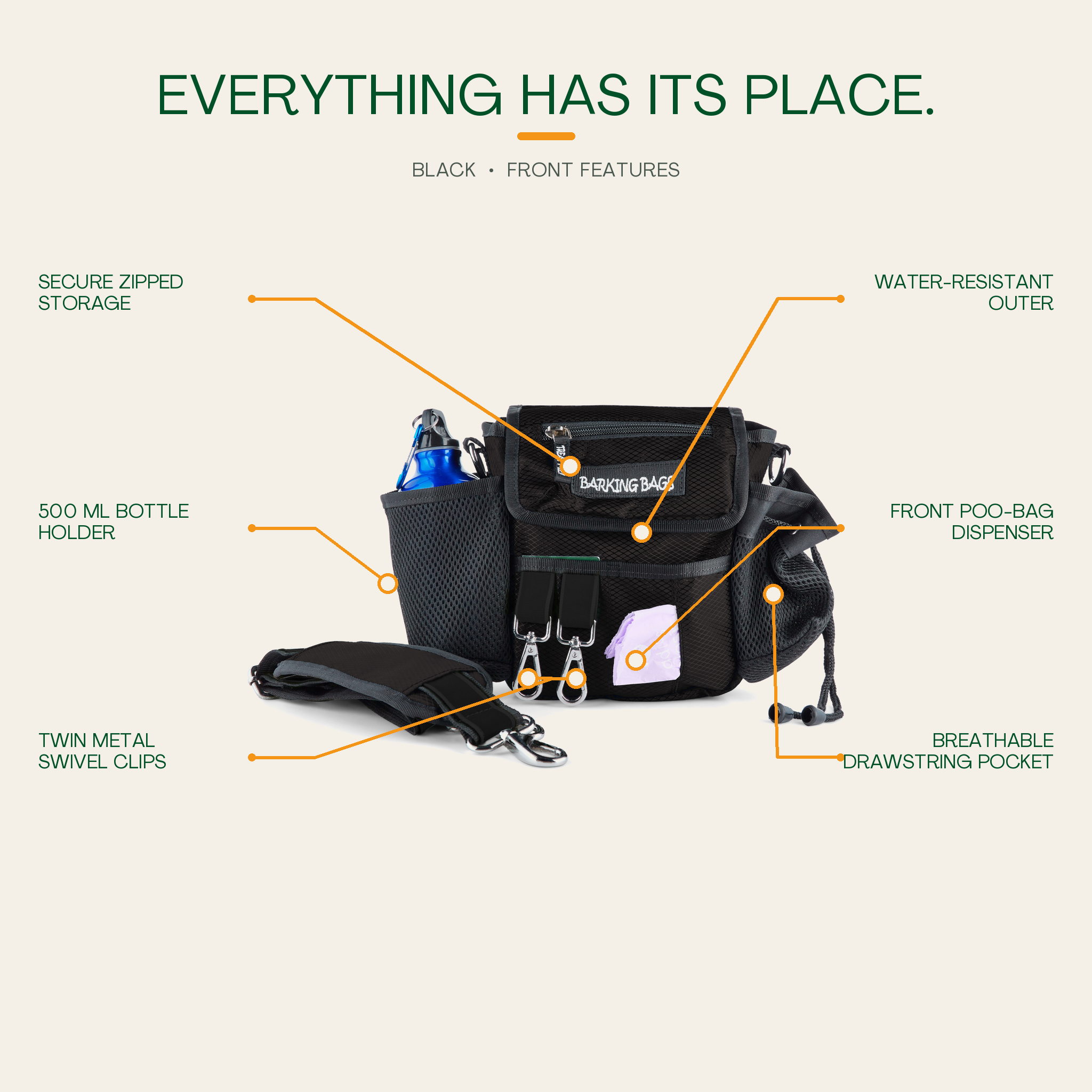
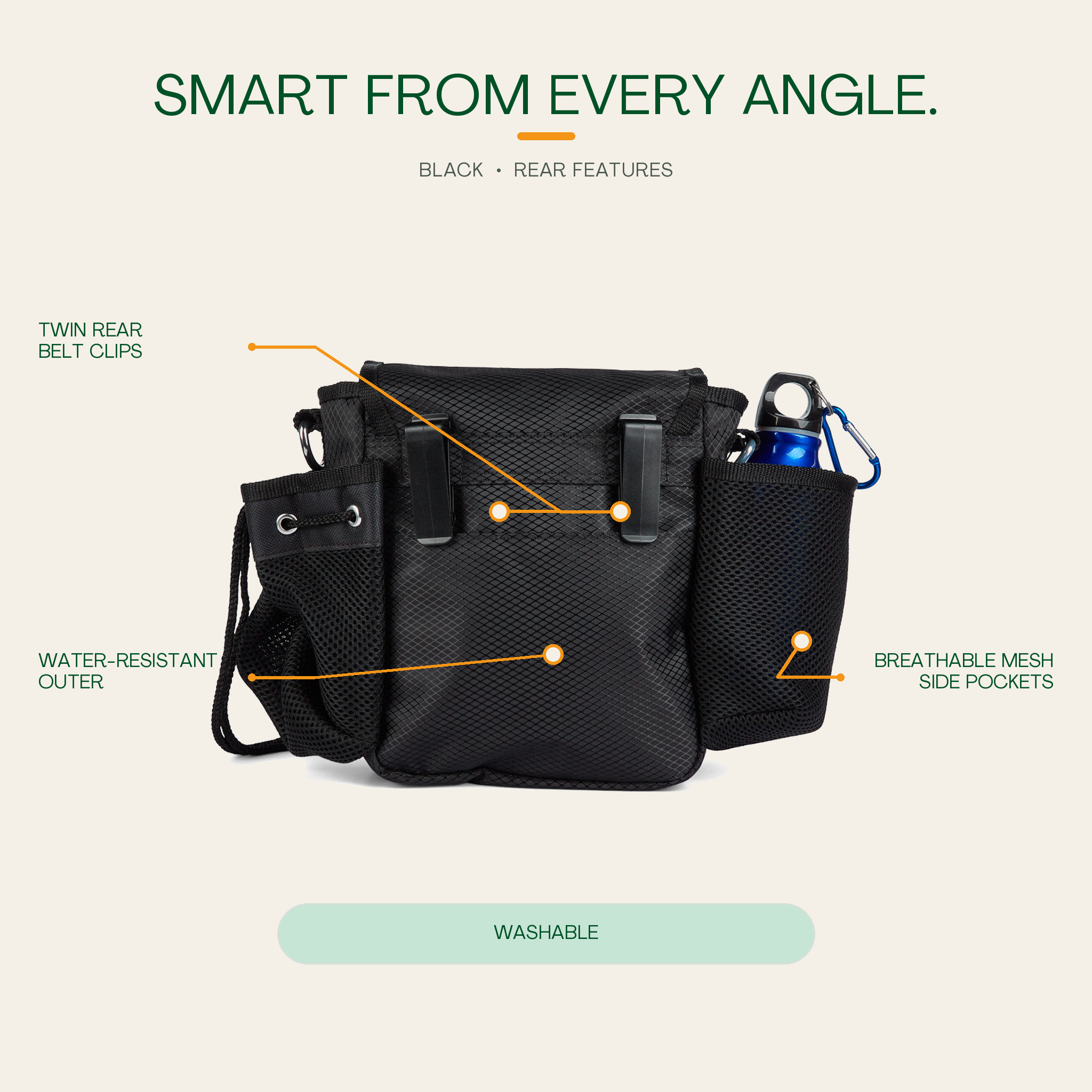
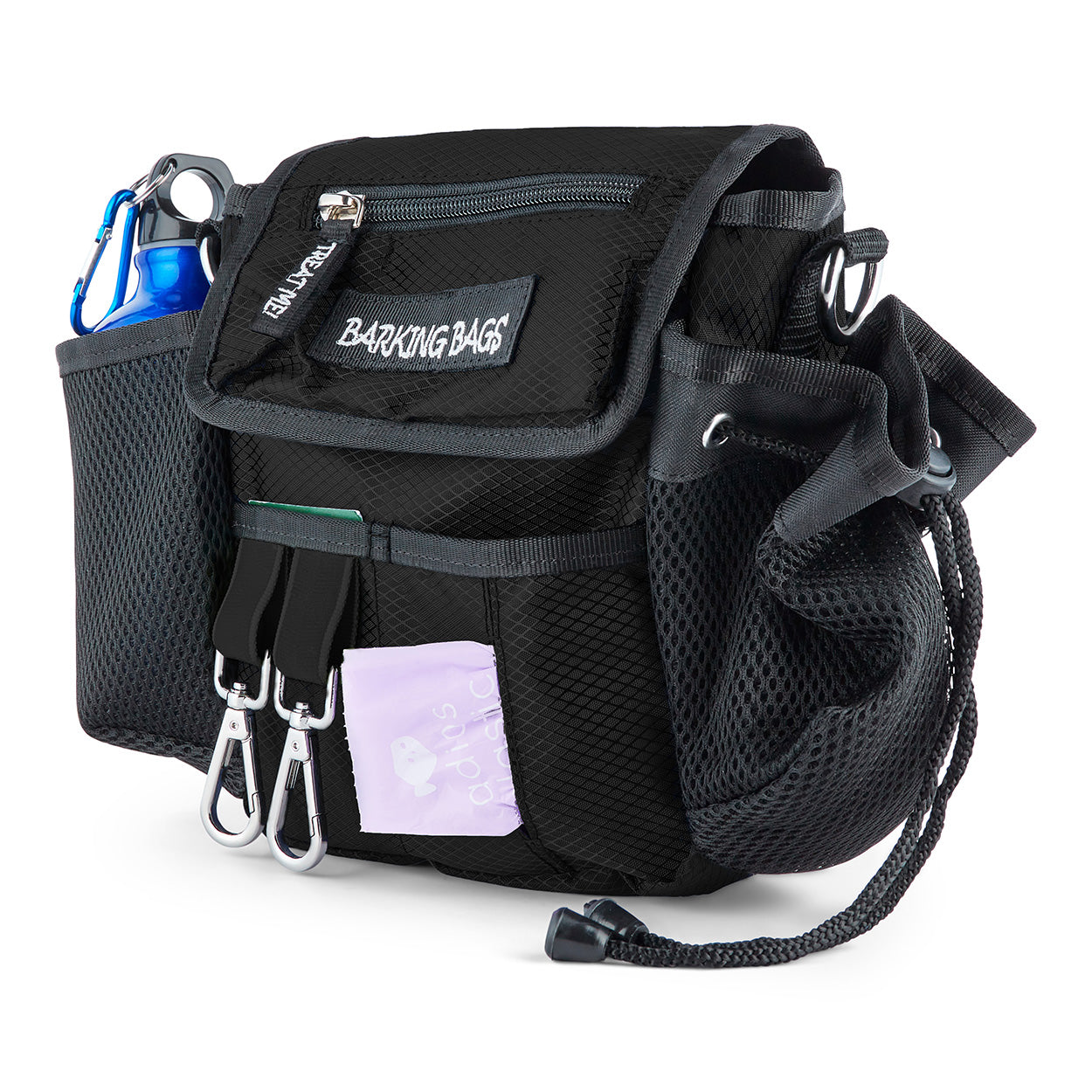
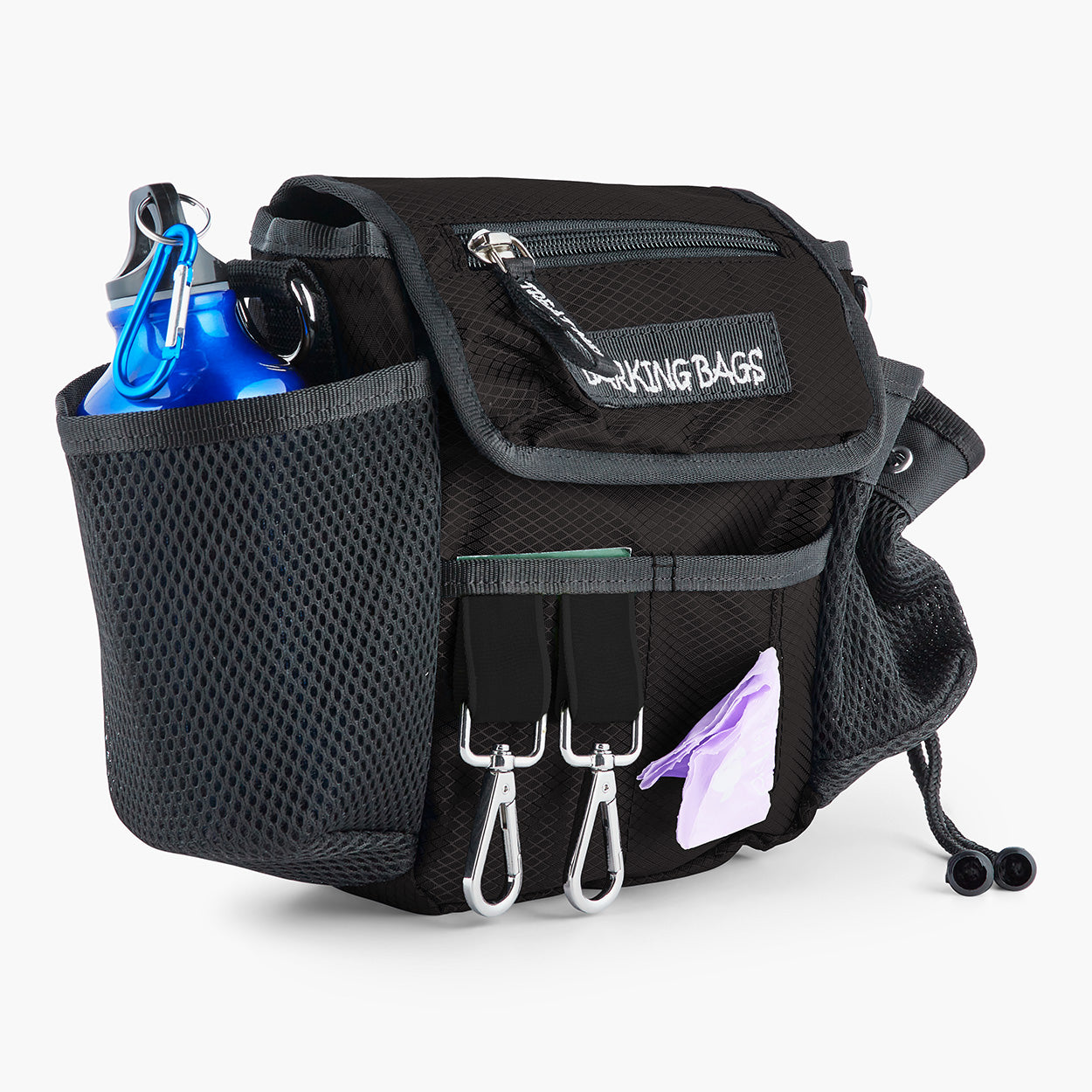
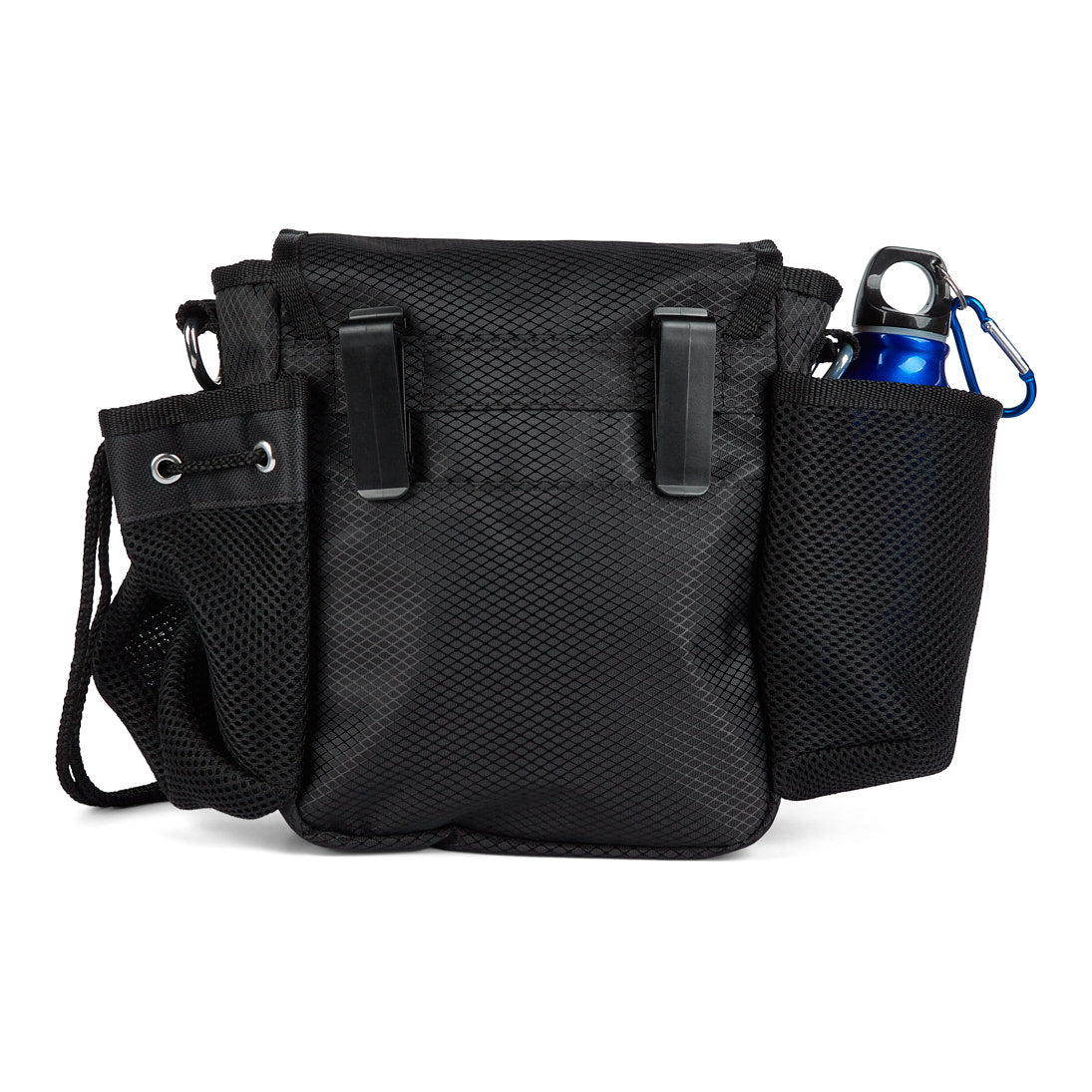
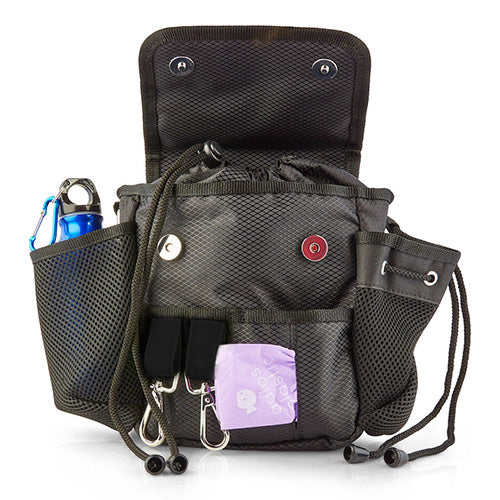
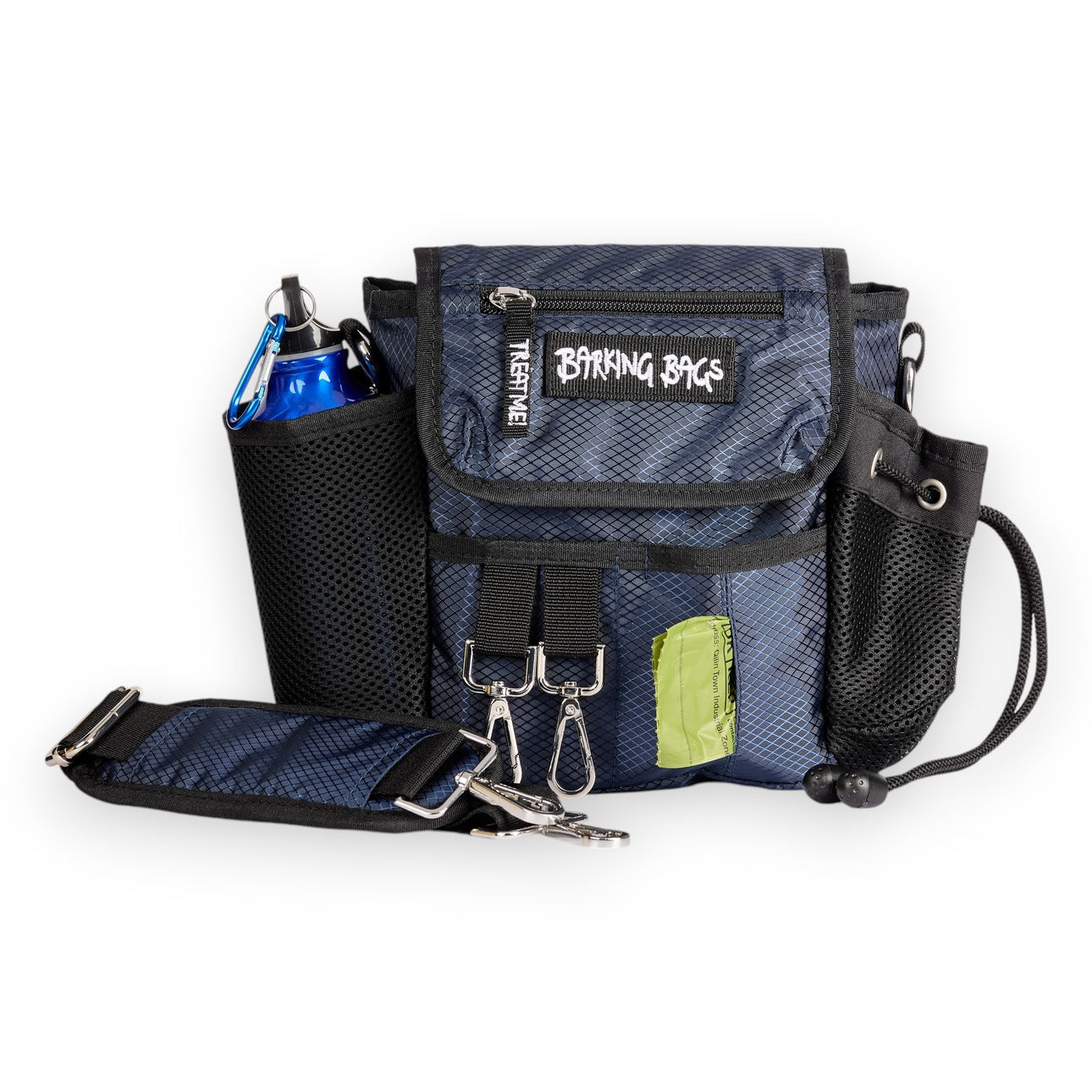
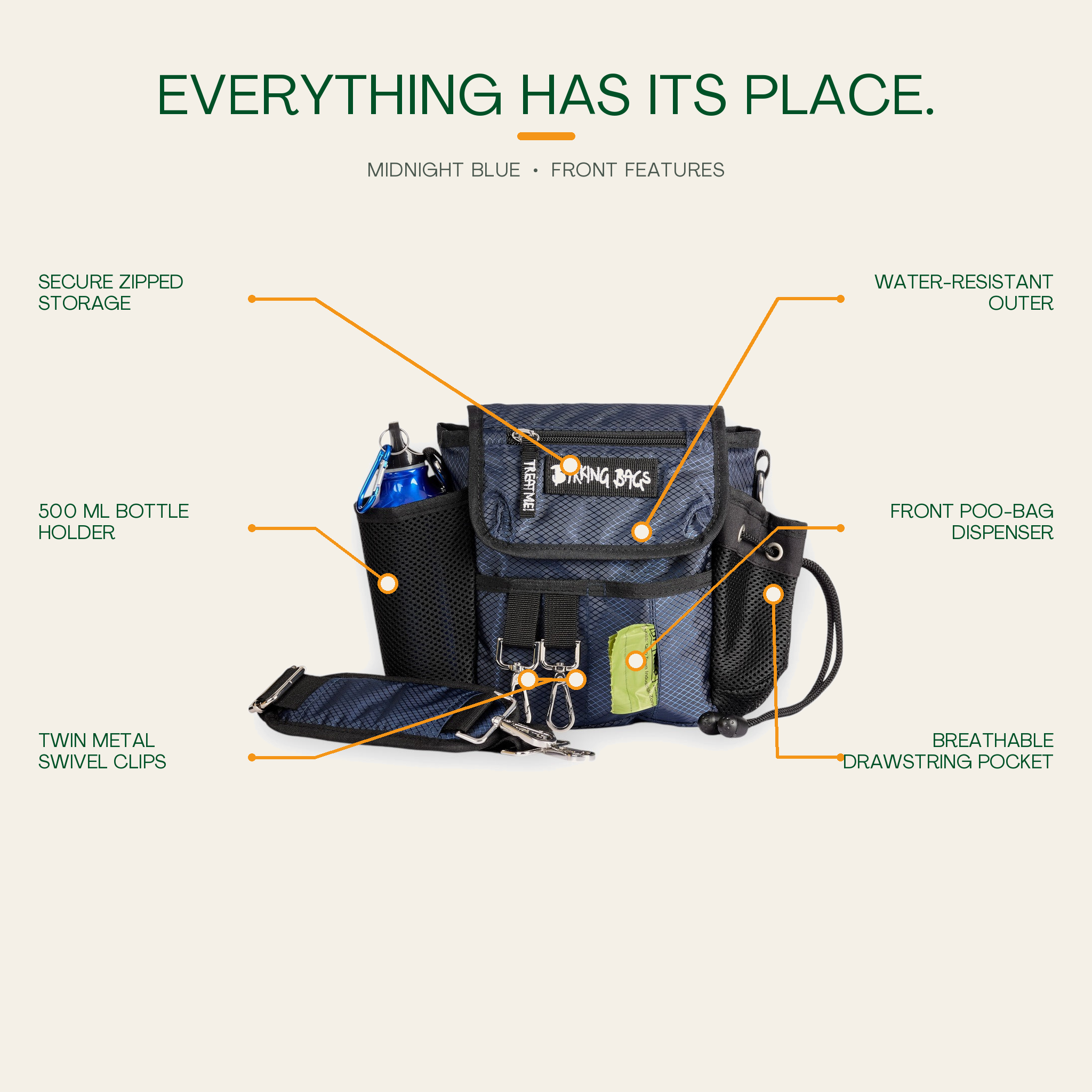
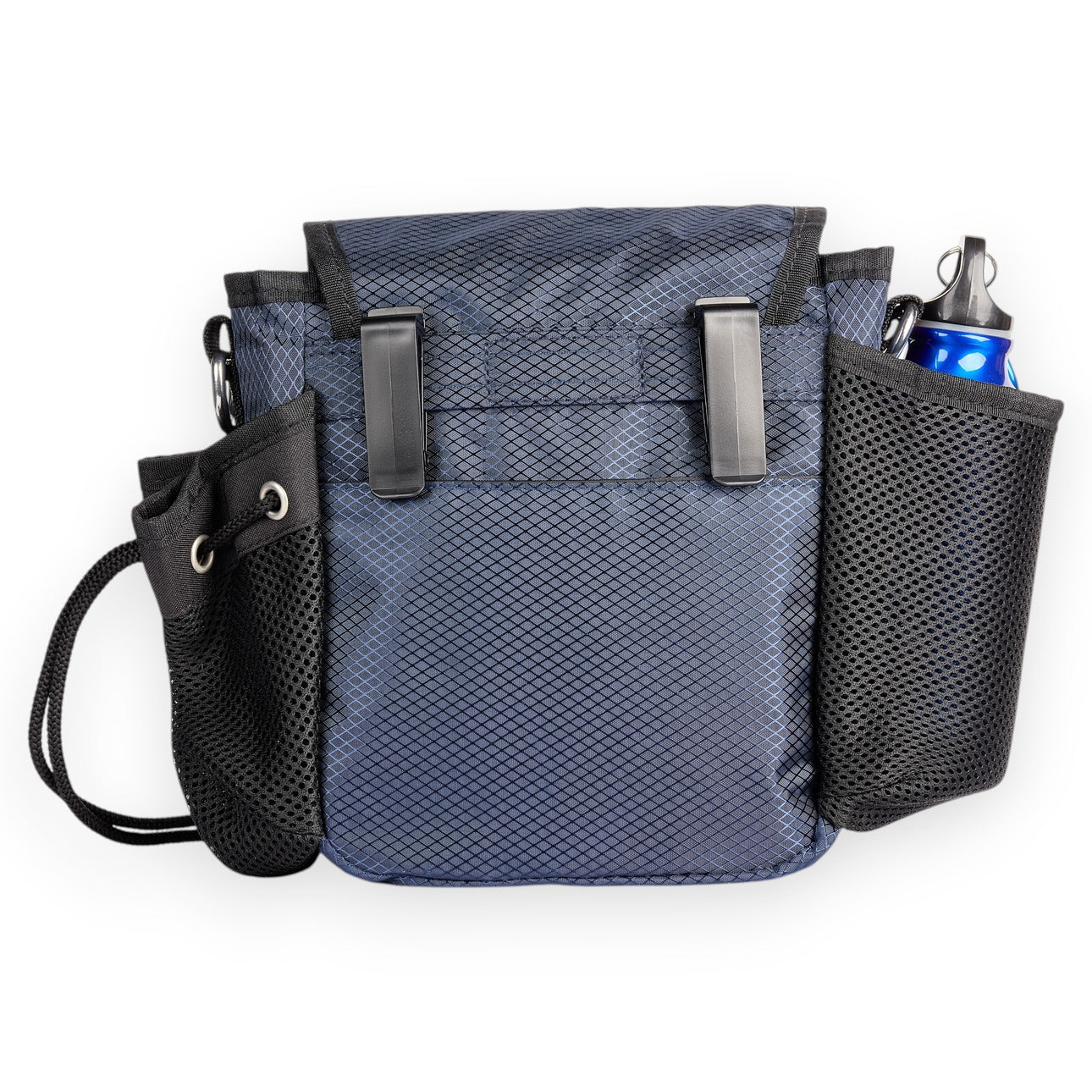
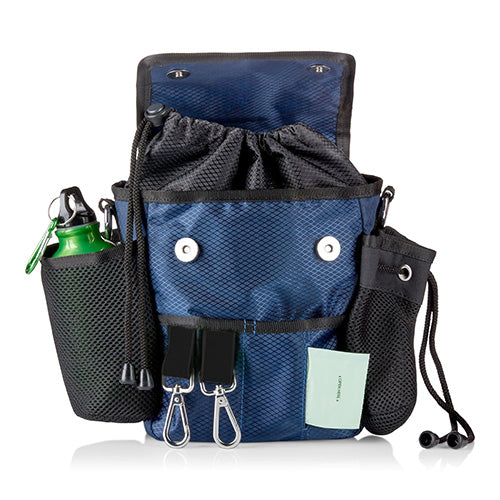
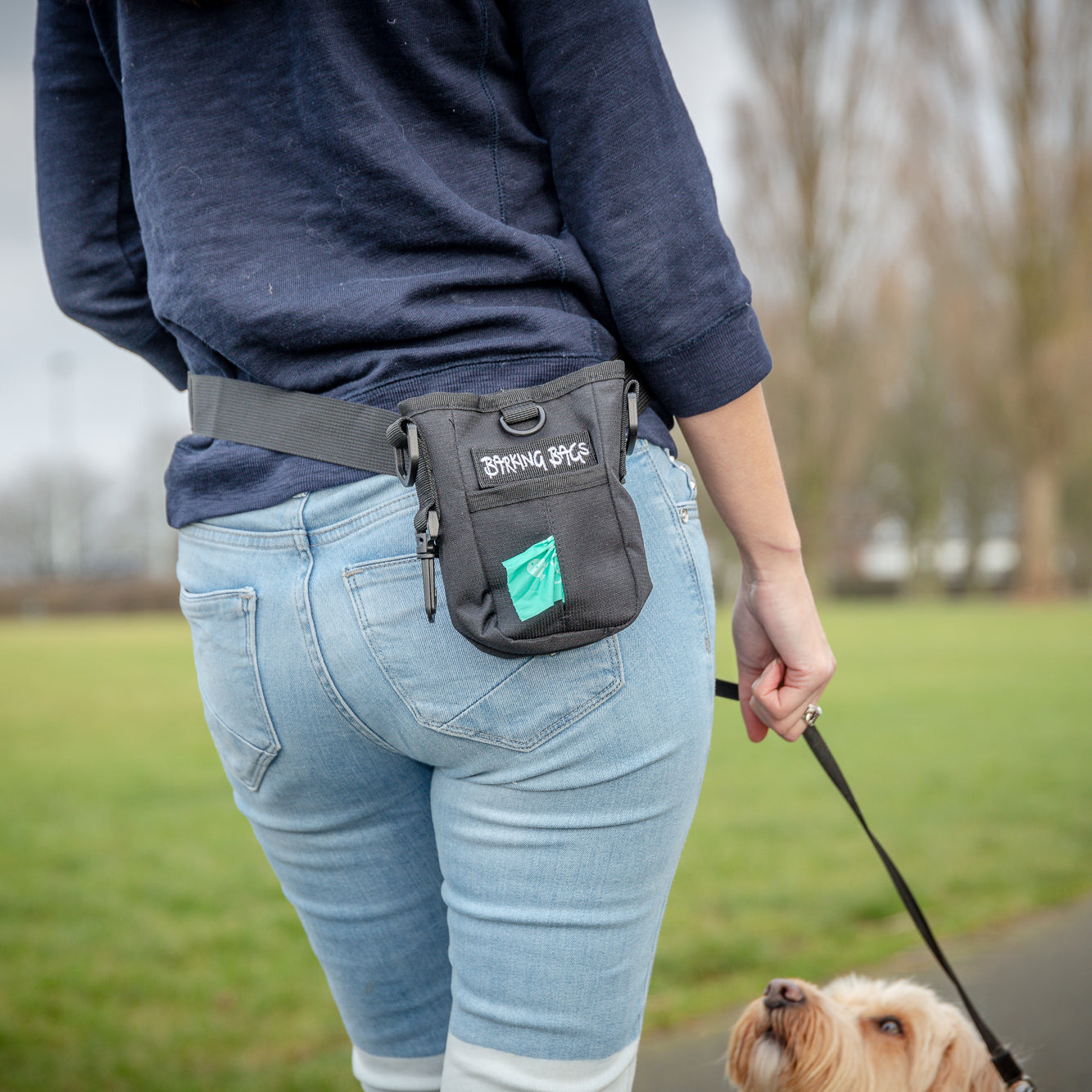
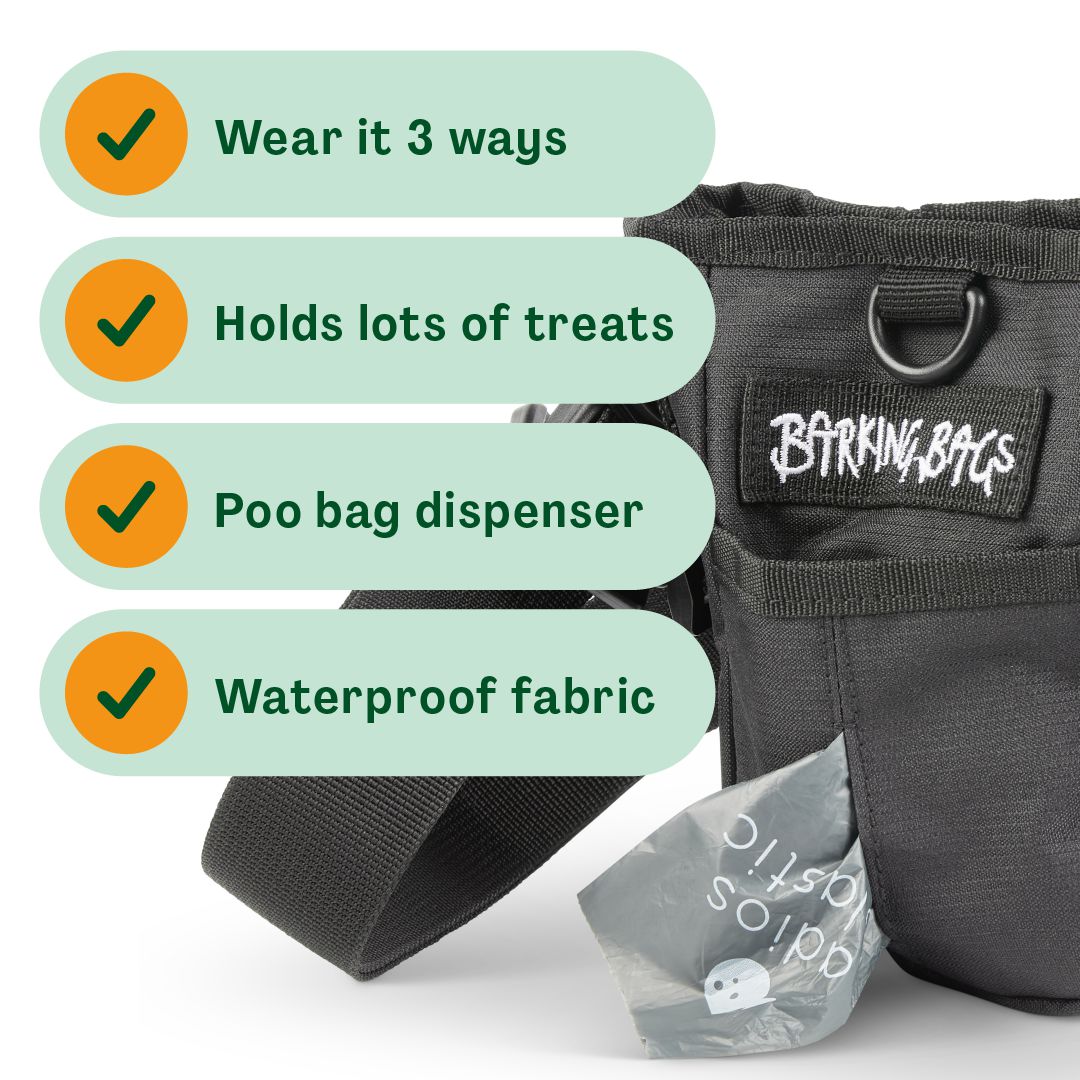
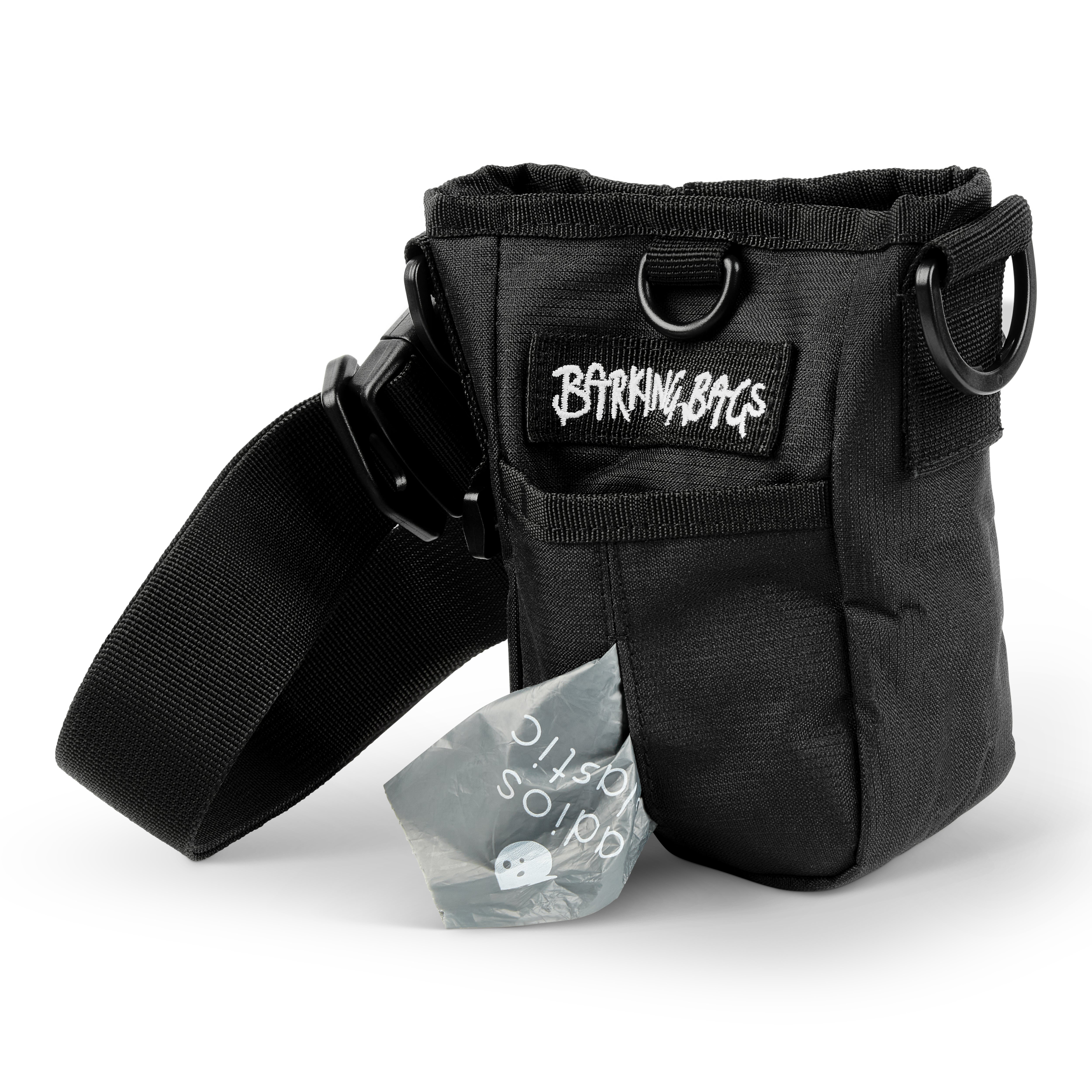
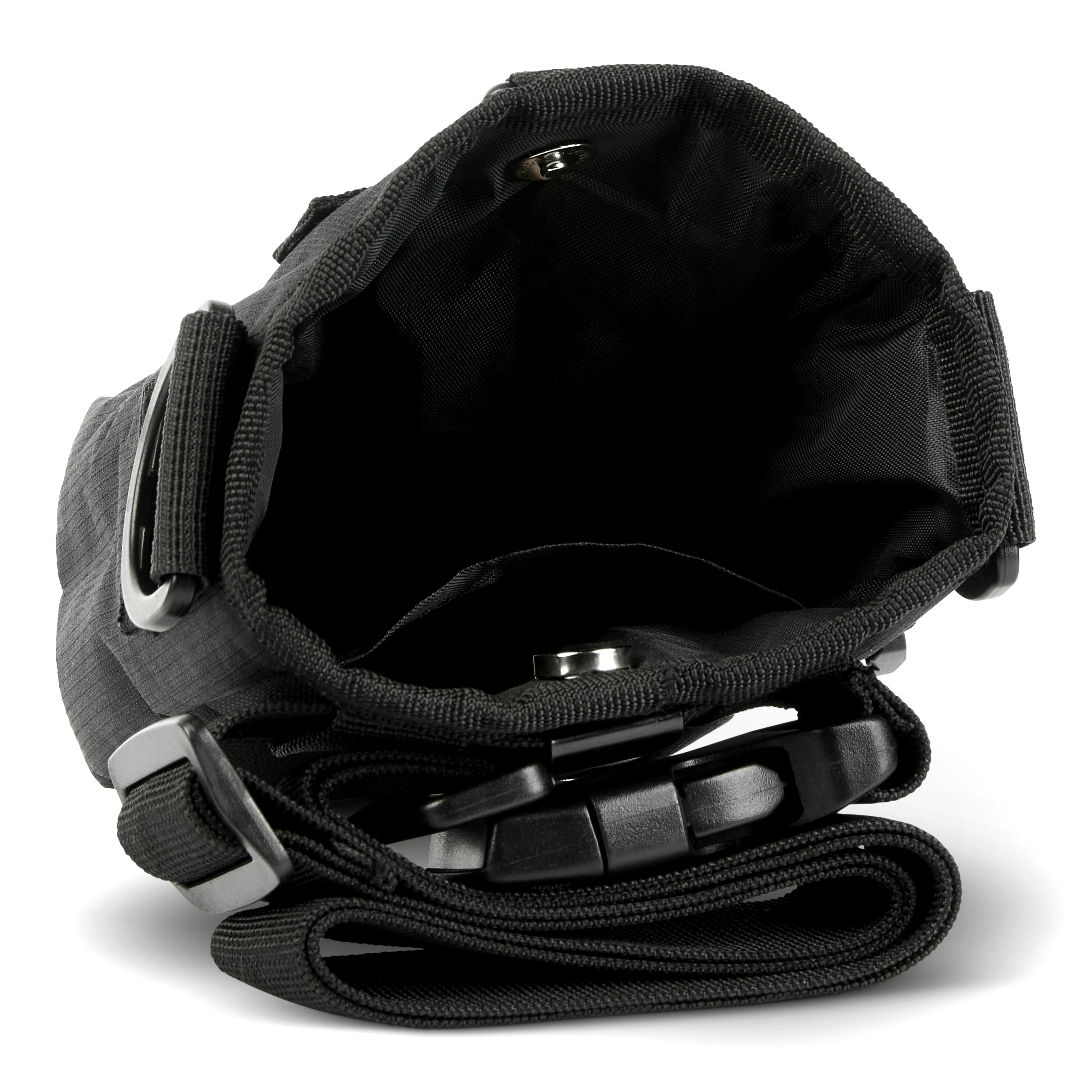
A dedicated walking bag should have separate storage for dog bits and your own essentials. That means treats do not end up next to your keys, and used poo bag rolls are not rattling around with your bank cards. Compartments make a huge difference, especially on shorter walks where you want to move quickly and know exactly where everything is.
Easy-access poo bag storage is another big one. It sounds basic until you are trying to tear one off in the rain while your dog circles a hedge. The best bags make this part of the walk almost automatic.
You will also want a wipe-clean lining or at least materials that can handle regular use. Small dogs may be closer to the ground, but their kit still picks up muddy leads, damp balls and crumbly treats. A stylish bag is great, but not if you are worried about every smudge.
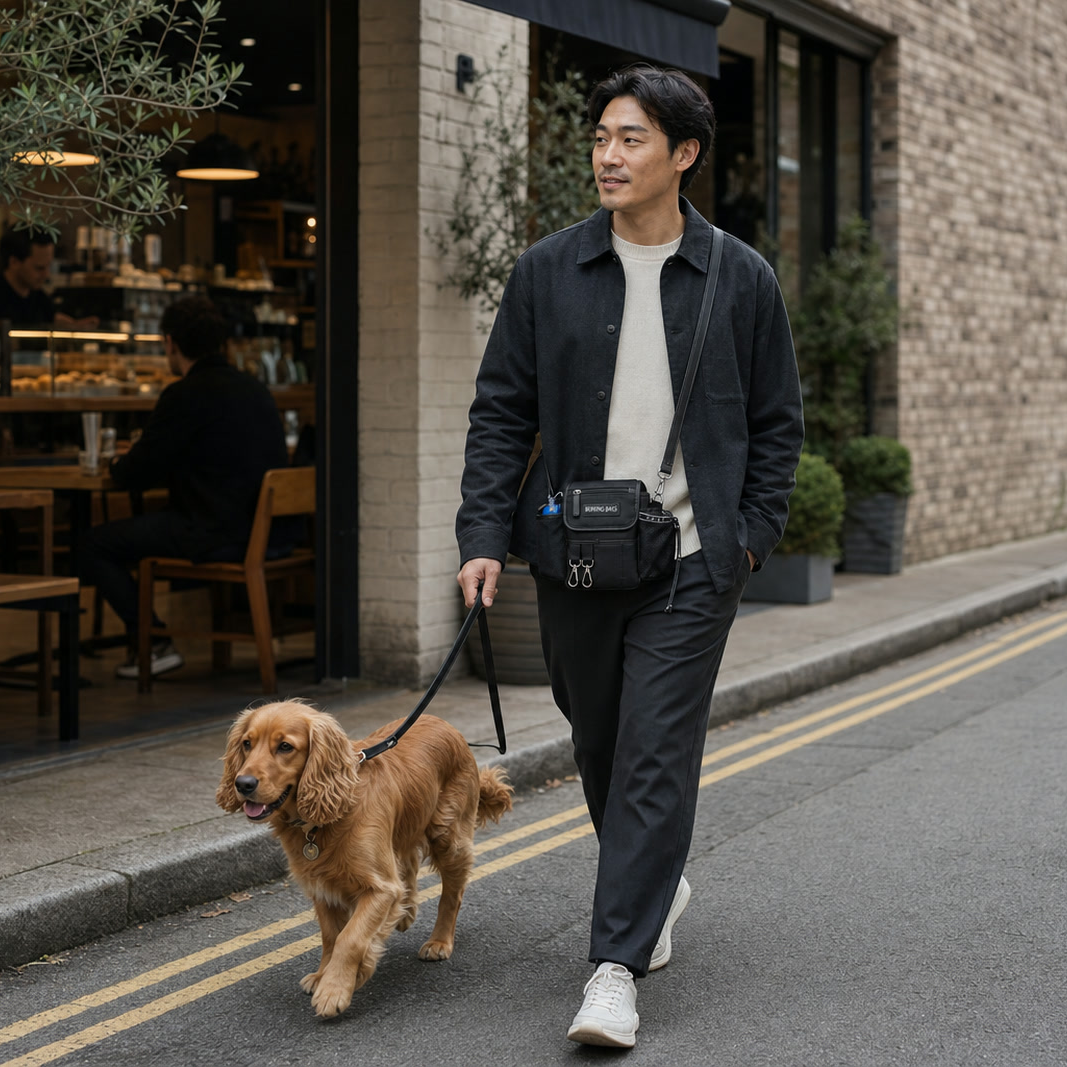
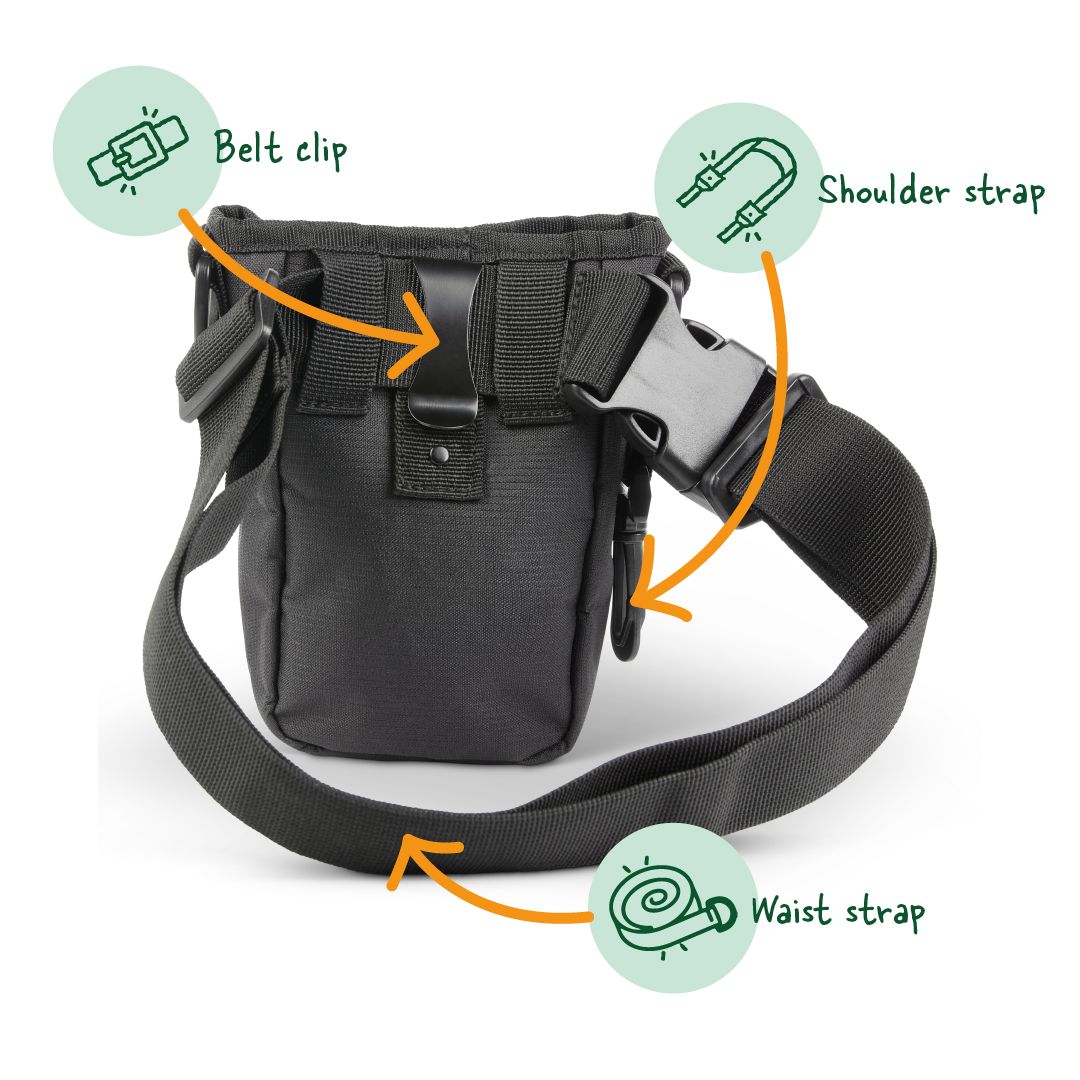
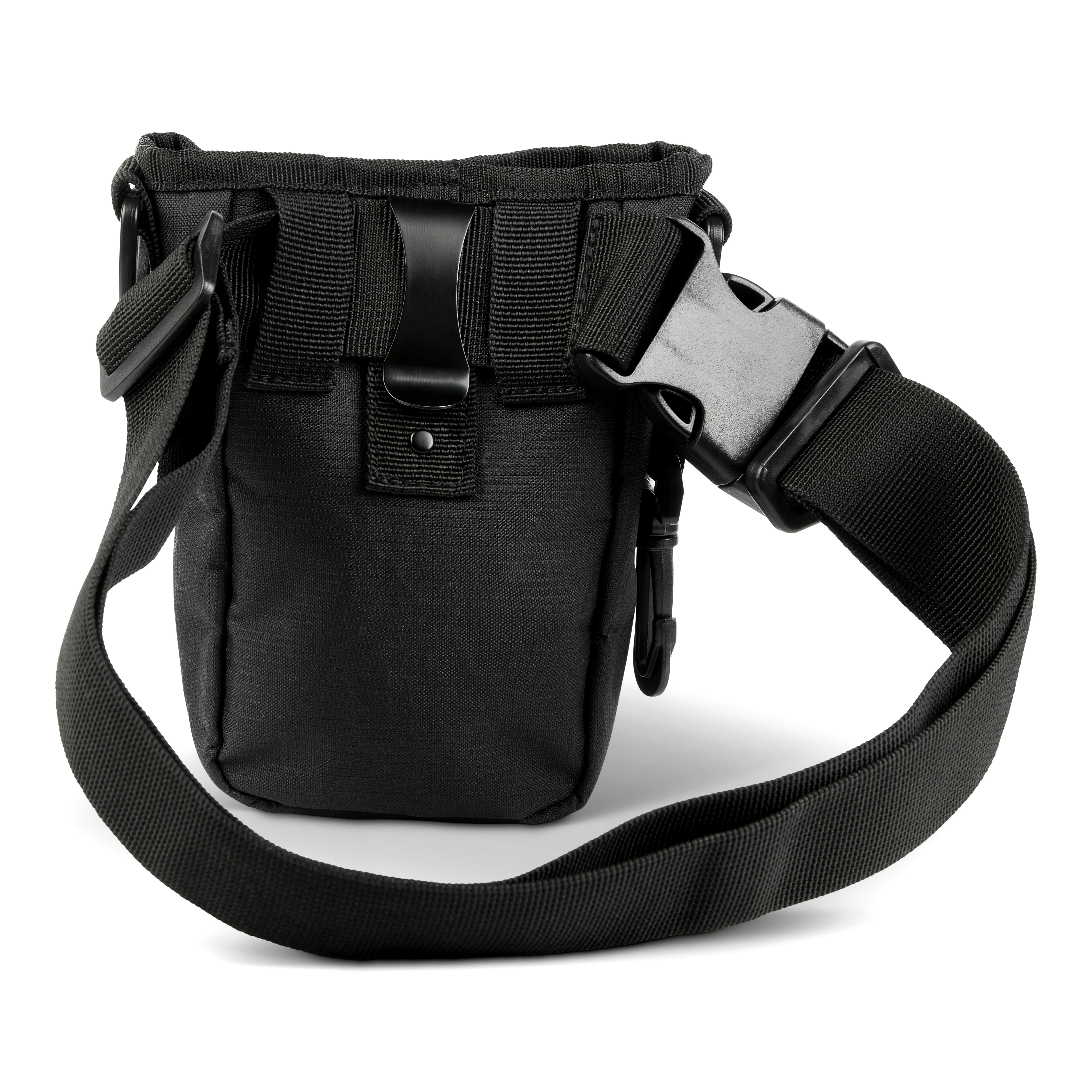
Comfort matters too. A lightweight crossbody style tends to work well because it keeps your hands free and your essentials close. If you are walking a lively Terrier or a dog still learning lead manners, a slipping shoulder bag quickly becomes annoying.
Why smaller can still mean more organised
One of the biggest mistakes people make is assuming a smaller dog needs a smaller version of a messy system. In reality, small dog walks often involve more frequent transitions. You might pick your dog up briefly on a busy road, swap from pavement walking to a park lead, reward calm behaviour around bigger dogs, or carry an extra layer for yourself because the walk is short but chilly.
That is exactly where organisation earns its keep. When every item has a home, you waste less time rummaging and more time actually enjoying the walk. It also makes consistency easier, which is especially useful if you are training a puppy or reinforcing good habits in a reactive or nervous small dog.
Neat storage helps with the human side as well. A proper dog walking bag means you can leave the house with one dedicated setup instead of repacking your handbag every time. For busy owners, that alone can be the difference between a walk feeling simple or strangely stressful.
Style is not a bonus - it is part of the point
Dog walking accessories have come a long way, and rightly so. If you walk your dog every day, your walking bag becomes part of your routine and part of what you wear. It should work practically, but there is no reason it should look purely functional.
For small dog owners in particular, style often carries more weight. If your dog is compact, your lead and harness are likely more refined, and your usual daily essentials are fairly minimal, a large utility bag can feel like overkill. A cleaner, better-designed bag suits the pace and look of everyday walks without compromising on usefulness.
That does not mean choosing fashion over function. It means expecting both. A well-designed dog walking bag should look polished enough for school runs, coffee stops and errands, while still being built around the realities of dog ownership.
When a compact bag is the right choice
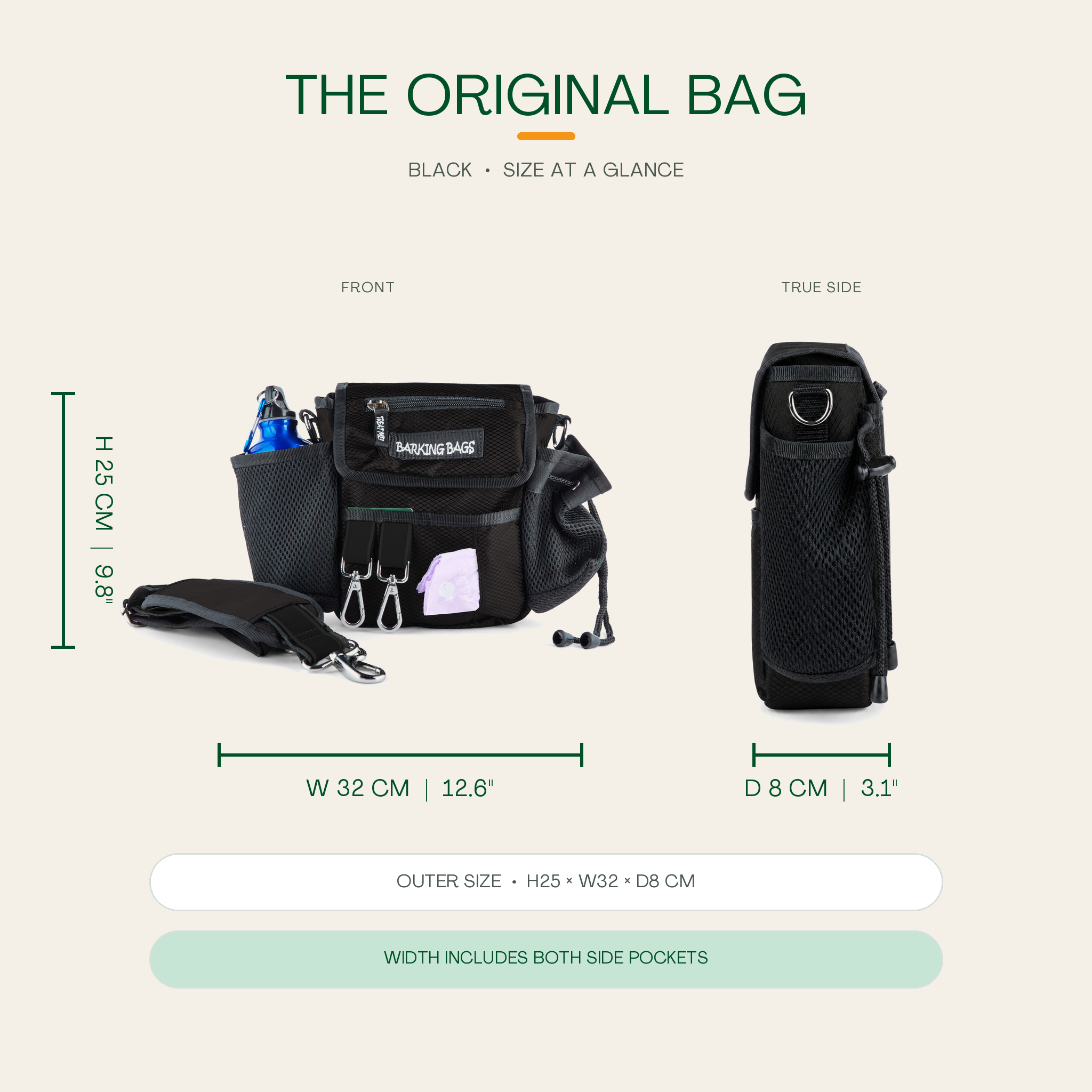
Not every walk needs maximum storage. If you are heading out for a 20-minute loop, popping to the park, or doing regular lead and reward work with a small dog, a compact bag is often the smarter option.
It keeps the load light and stops you carrying extras just because there is space for them. That is especially helpful if you prefer a streamlined setup or walk several times a day in shorter bursts. Compact does not mean compromising if the compartments are thoughtfully designed.
That said, it depends on your routine. If you walk for longer stretches, travel by car to walking spots, or manage more than one dog at once, you may want something with a bit more room. The key is not choosing the smallest bag possible. It is choosing the one that matches what your walks really look like most days.
A good bag supports training as well as walking
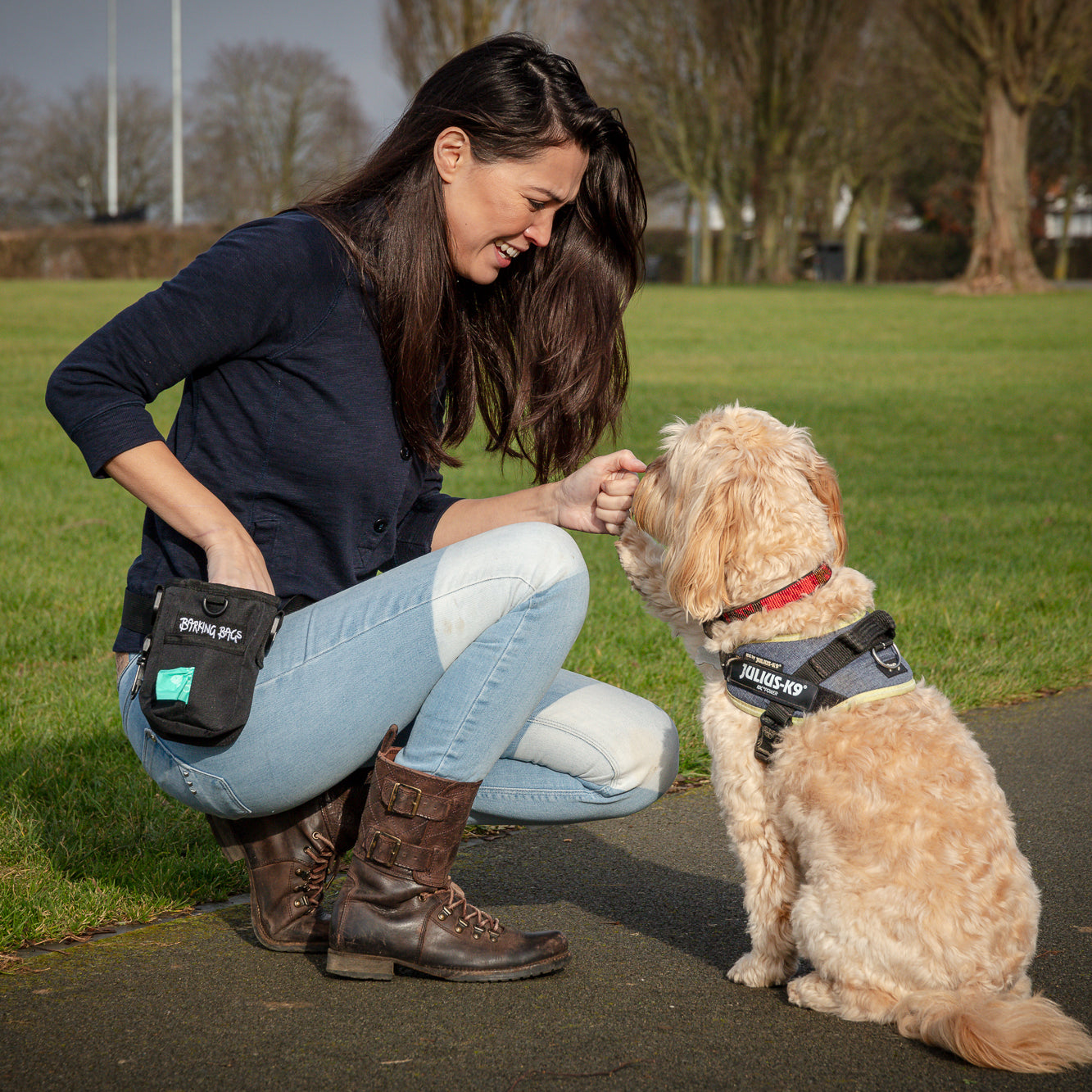
Small dogs are often underestimated in training conversations, but anyone who lives with one knows they benefit from structure just as much as larger breeds. Whether you are working on loose lead walking, recall, calm greetings or confidence outdoors, quick access to rewards matters.
That is where a dedicated bag earns its place. If treats are buried in a coat pocket or mixed in with your own things, timing slips. If they are stored properly and easy to reach, it is much easier to reward the exact behaviour you want.
This matters for puppies, rescue dogs and bold little personalities alike. A bag that keeps training essentials ready to go turns everyday walks into more useful practice sessions, without making the whole thing feel like a mission.
Choosing a bag you will actually use every day
The best dog walking bag is not always the one with the longest feature list. It is the one that fits naturally into your routine. If it feels awkward, too sporty, too bulky or too fiddly, you will stop reaching for it.
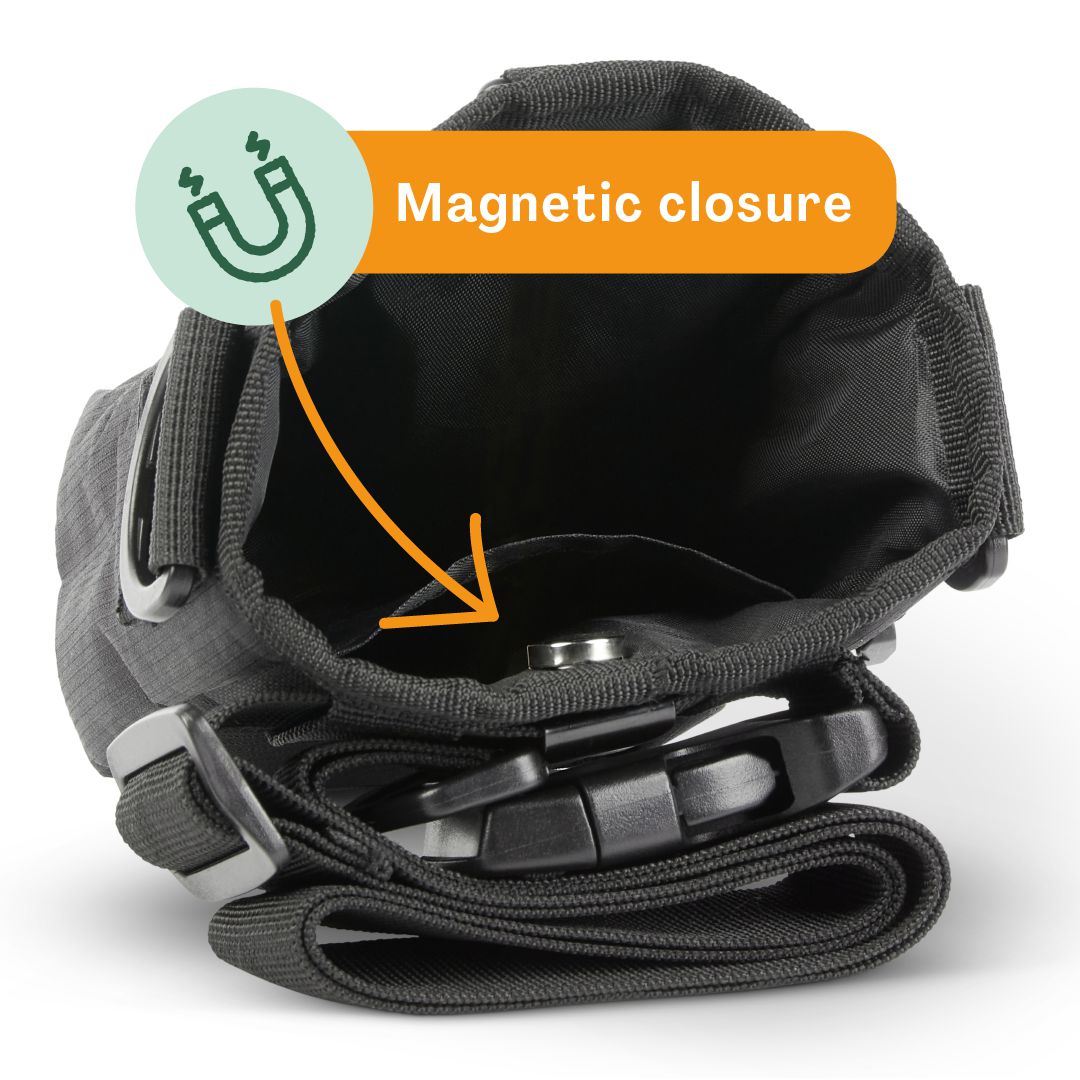
Look for something that feels easy from the start. It should sit comfortably, open without fuss, and make sense when packed. You should know where your treats are, where your poo bags are, and where your mobile phone is without checking twice.
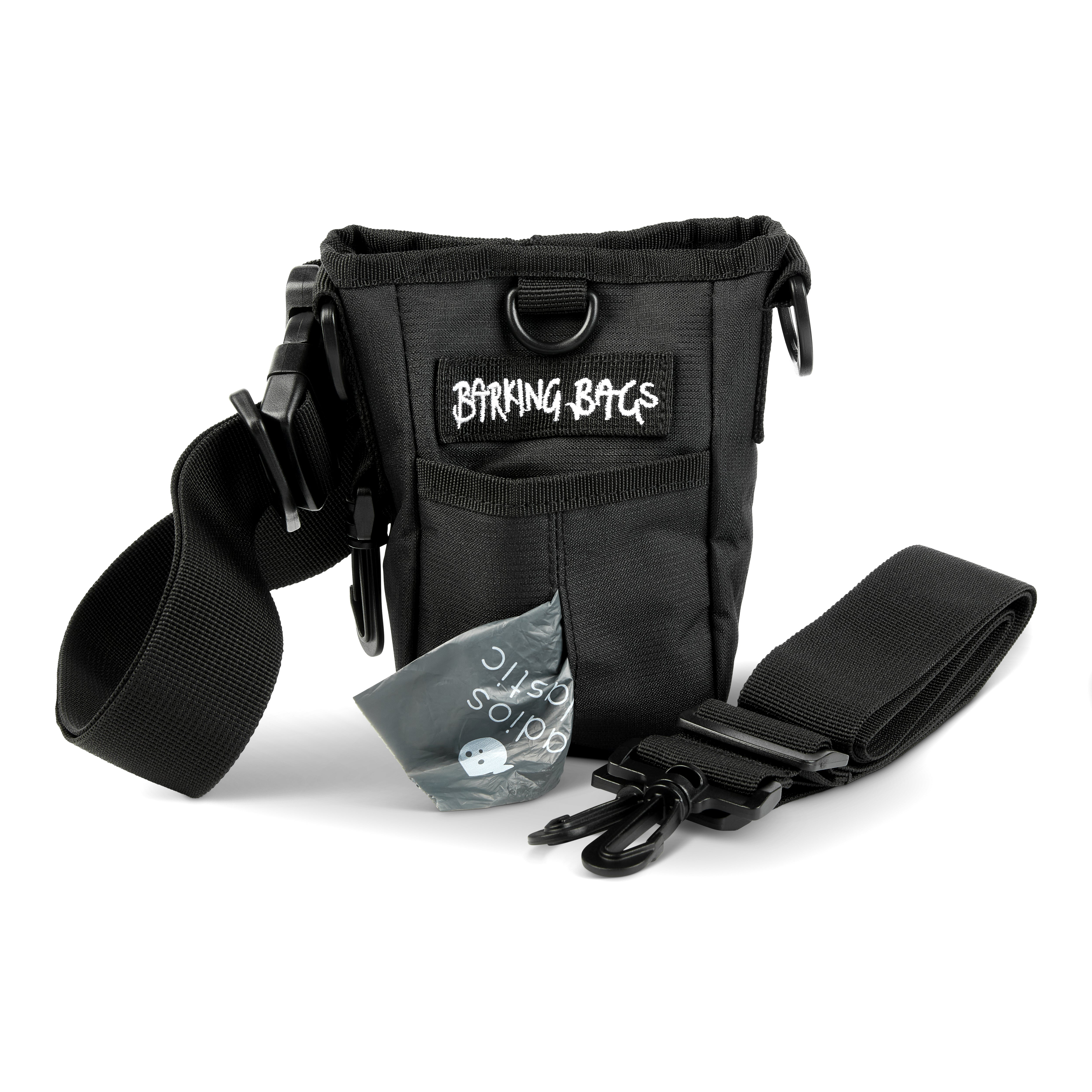
This is where specialist design really shows. Bags made specifically for dog walking solve problems that generic bags ignore. They are built around the rhythm of actual walks, not just the idea of carrying things. That is a big reason why dedicated options from brands such as Barking Bags resonate with owners who are tired of making ordinary bags do a job they were never designed for.
The real test: does it make walks feel easier?
That is the question worth asking before anything else. Not whether the bag has ten pockets. Not whether it looks good in product photos. Not whether it claims to fit everything under the sun. Just whether it makes your daily walk simpler, tidier and more enjoyable.
For small dog owners, that usually means finding a bag that stays compact but works hard. It should hold the essentials, keep them organised, and feel good to wear whether you are doing a quick toilet break, a training session in the park or a weekend wander through town.
If your current setup involves full pockets, a borrowed handbag or treats loose in your coat, there is a better way to do it. The right bag does not just carry your things. It gives your whole walk a bit more order, which is often exactly what makes the everyday routine feel effortless.