
By the third lead change of the morning, a bad bag starts showing its flaws. You are juggling treats, spare poo bags, keys, a mobile phone, hand sanitiser and maybe a tennis ball someone insisted on bringing, all while keeping dogs moving safely. That is exactly why the best bags for professional dog walkers are not just nice to have - they make the whole day run better.
A professional dog walker needs more than a roomy tote or an old backpack. The bag has to work as part of the job. It should keep essentials easy to reach, sit comfortably for long walks, and still look smart when you are meeting clients, walking through town or heading straight from one booking to the next.
What makes the best bags for professional dog walkers?
The short answer is function first, but not function alone. A bag can have plenty of pockets and still be awkward to use if the layout does not match a real walking routine. Professional walkers need quick access with one hand, reliable storage and a shape that stays comfortable over several hours.
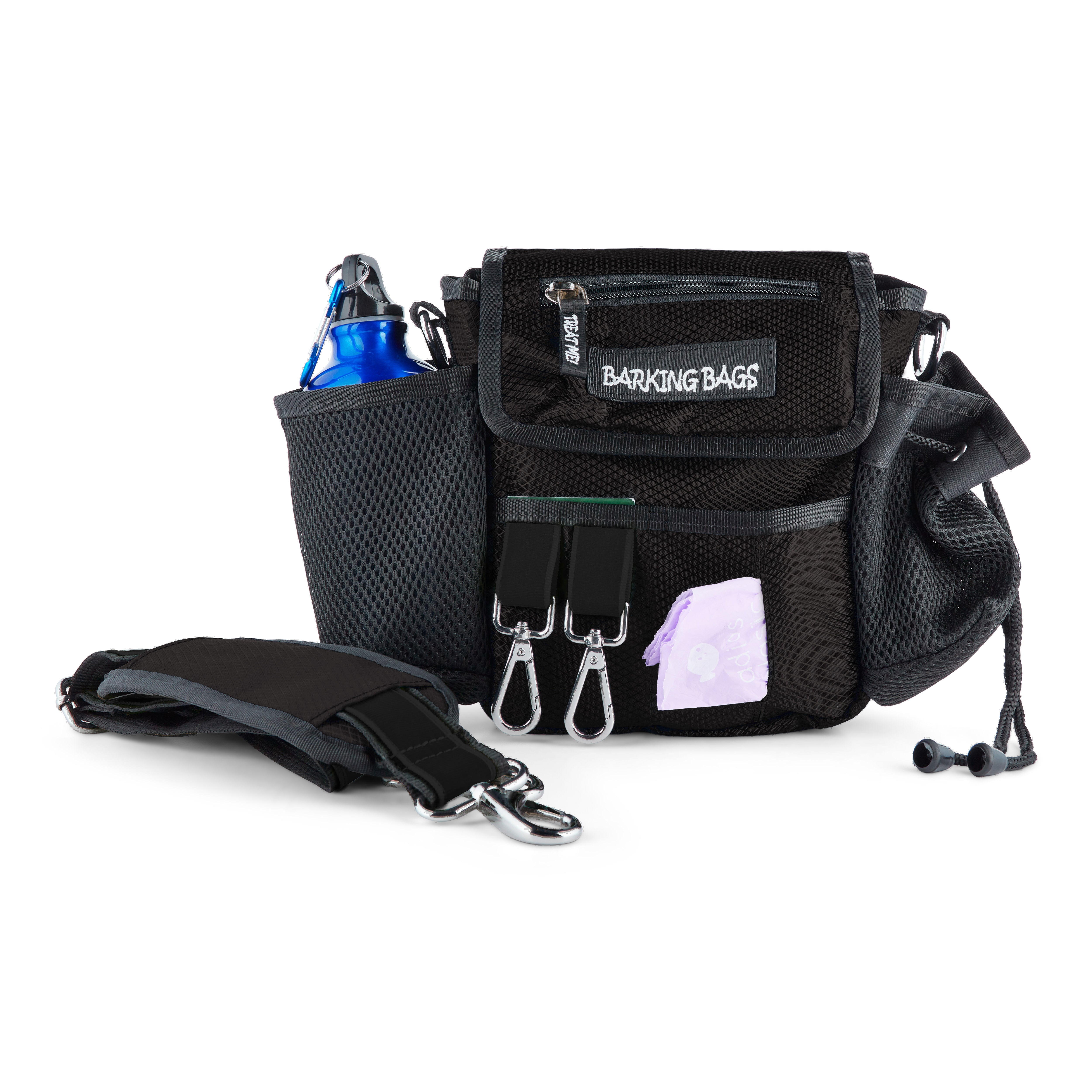
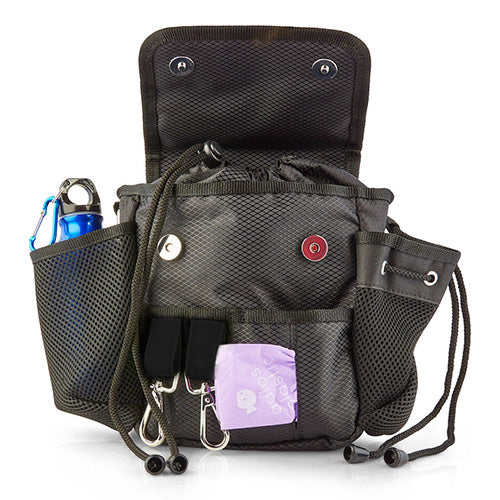
Good organisation is usually the first thing that separates a purpose-designed dog walking bag from a generic crossbody or rucksack. You do not want treats loose in the same section as your mobile phone, or waste bags crammed into an inside pocket that takes two hands to reach. The best setup keeps high-use items exactly where you need them and low-use items tucked away but secure.
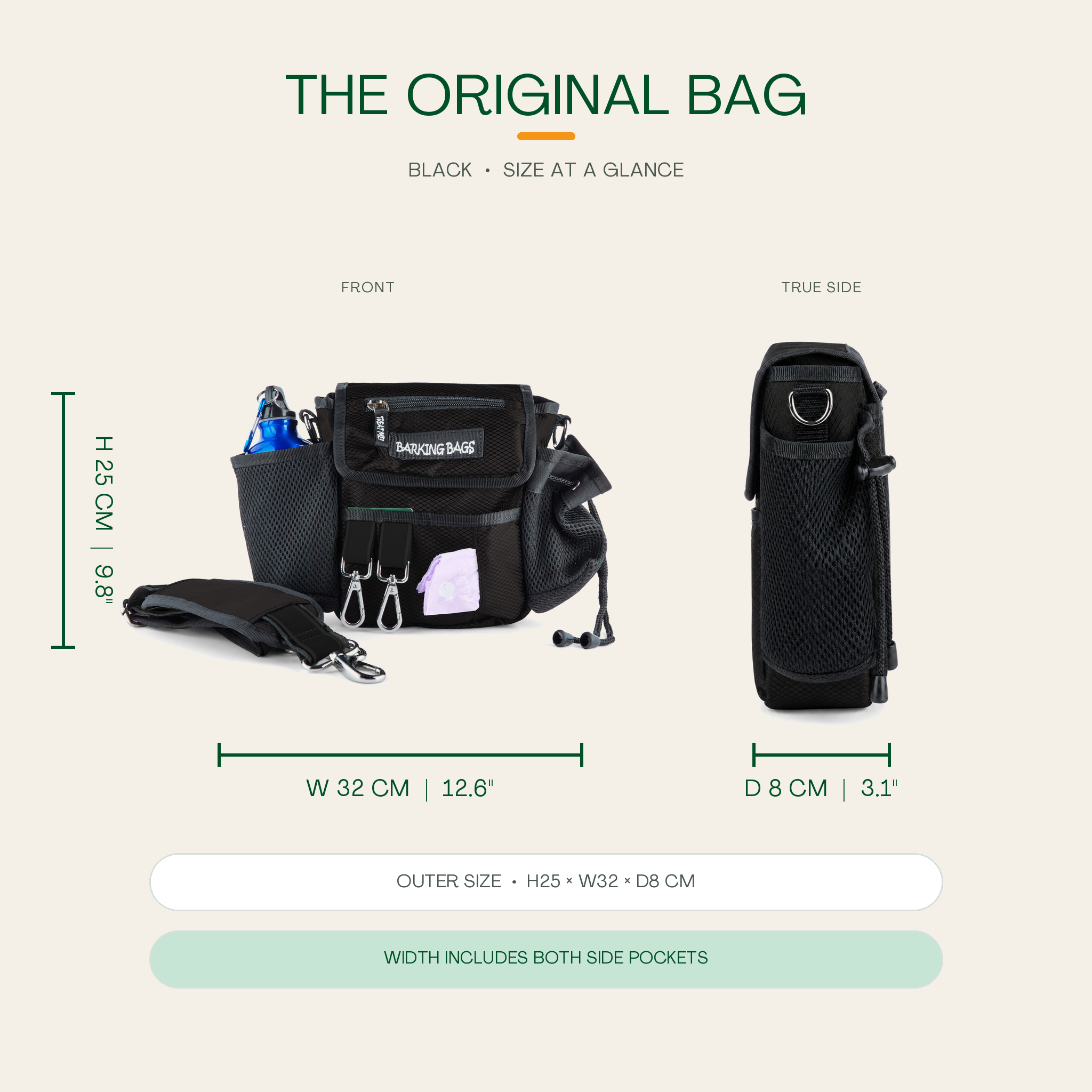
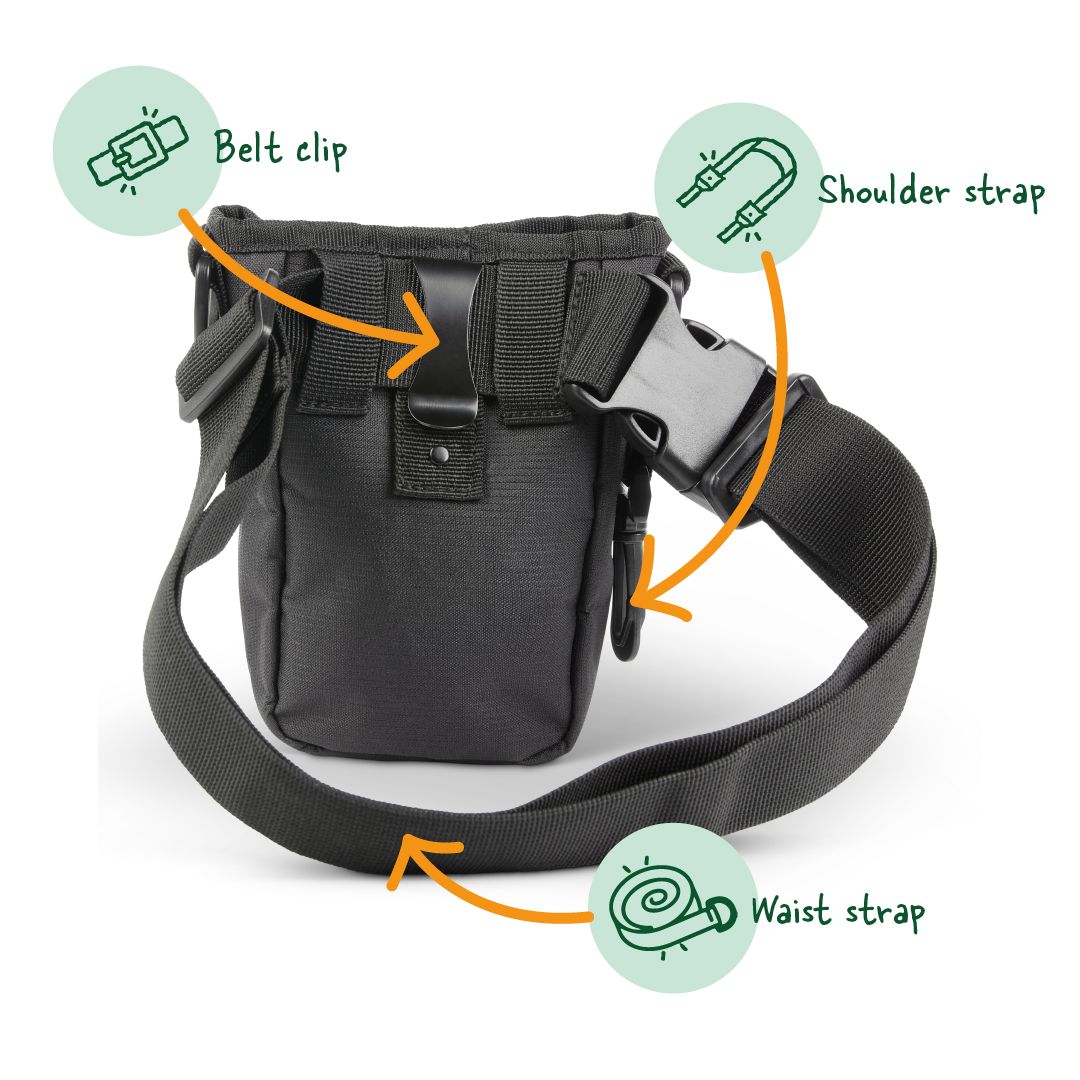
Comfort matters just as much. If you walk several dogs a day, pressure on your shoulder or back builds up quickly. Adjustable straps, a balanced shape and a size that suits your typical load can make a noticeable difference by the end of the week. Bigger is not always better. An oversized bag often encourages overpacking, which only makes the bag heavier and more awkward.
Durability is another non-negotiable. Dog walking is not gentle on accessories. Bags get put on damp benches, brushed against gates, caught in light rain and opened constantly. Materials need to cope with daily wear without looking scruffy after a few weeks.
The features worth paying for
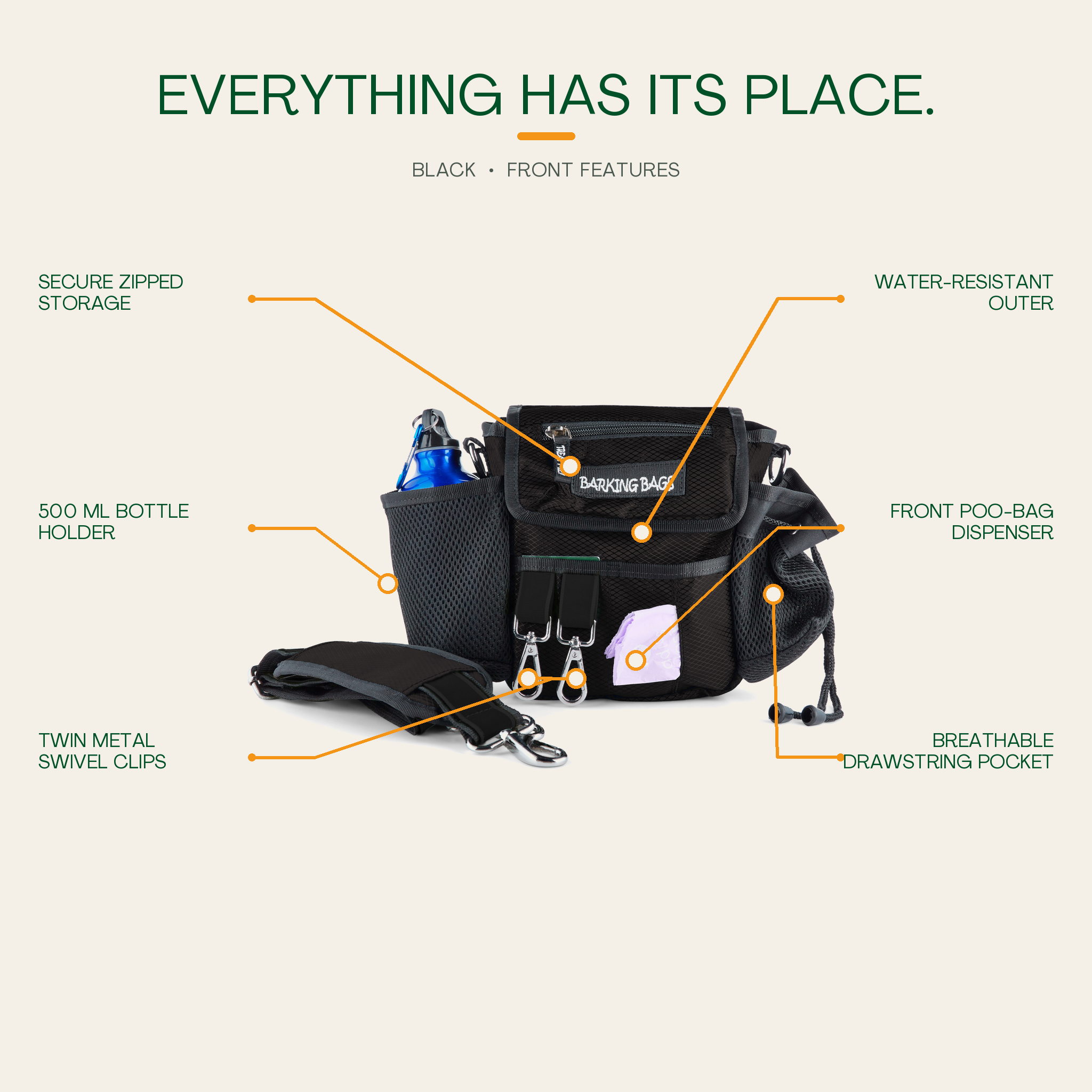
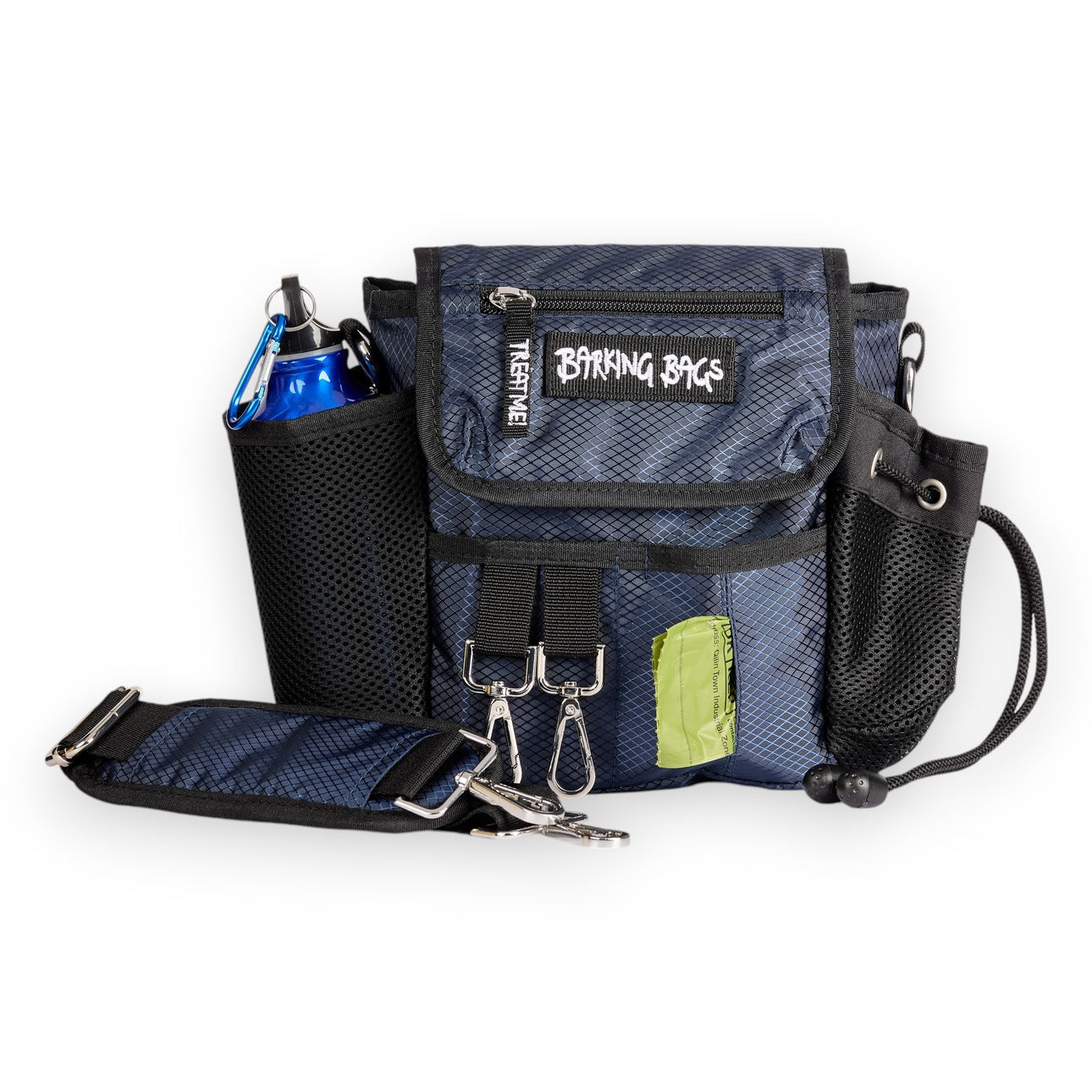
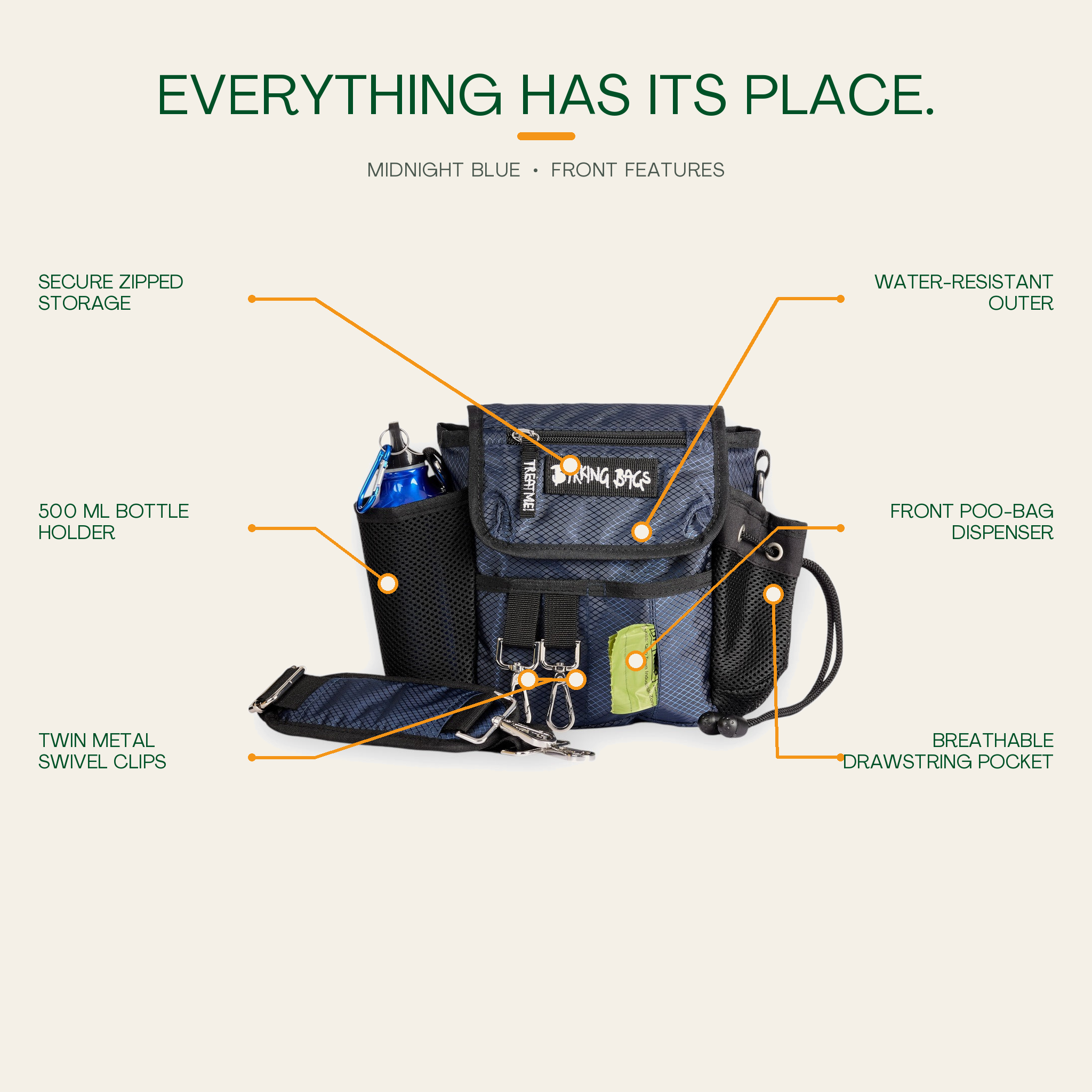
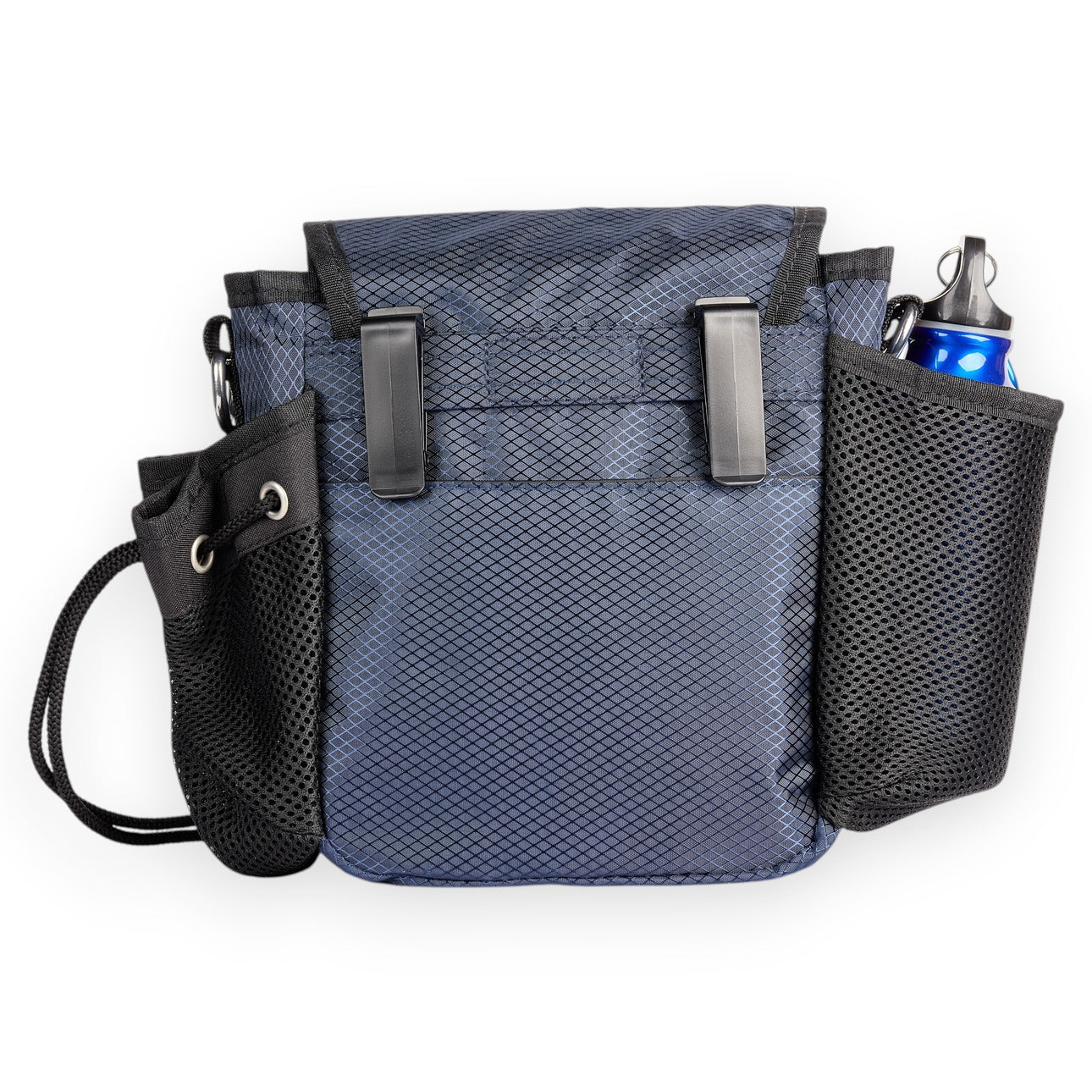
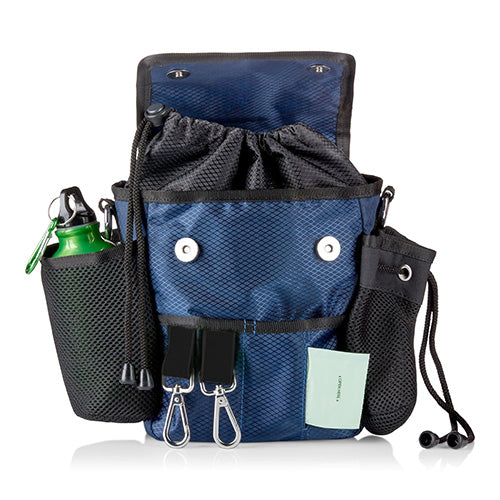
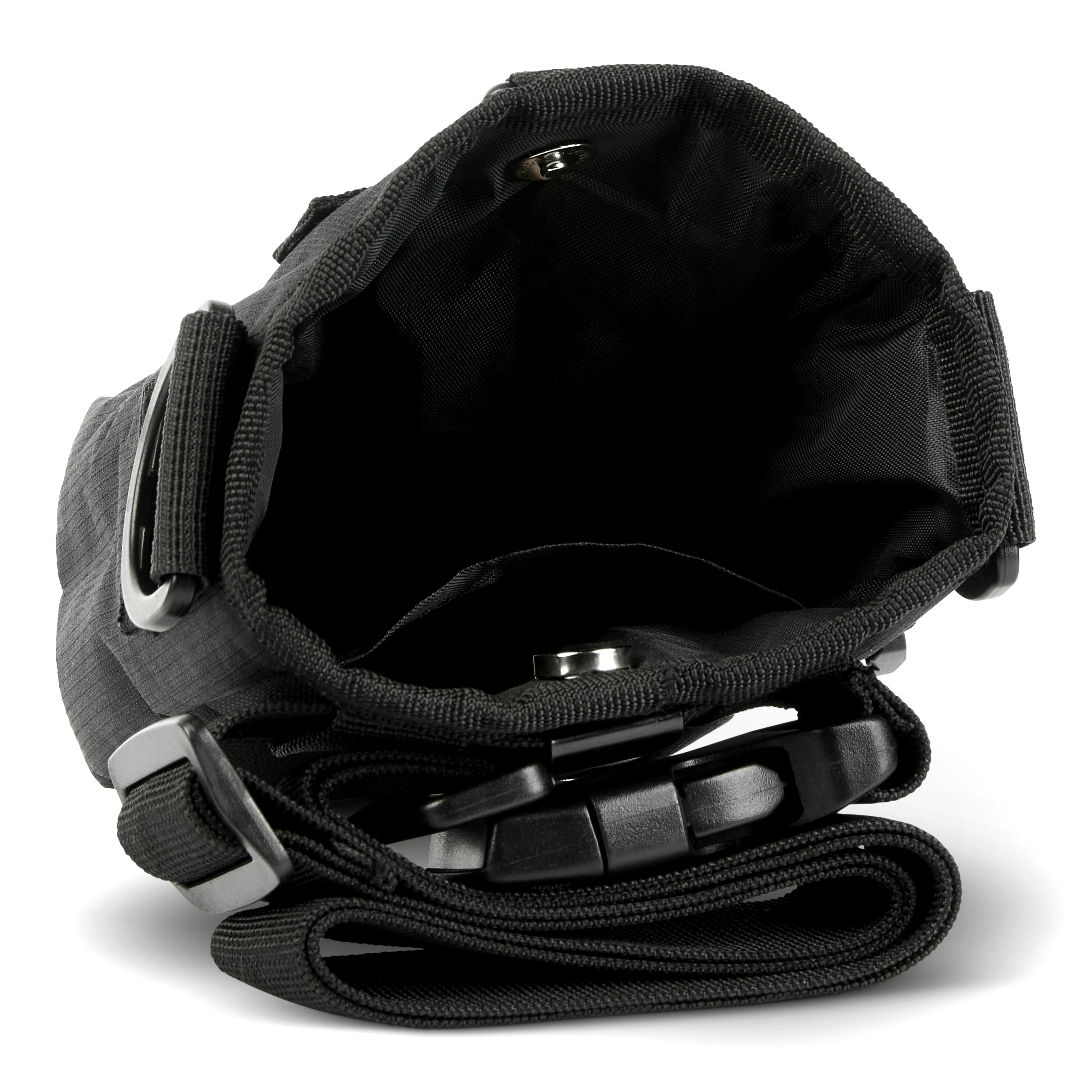
If you are choosing between several options, focus less on broad claims and more on the details that change day-to-day use. Dedicated compartments are a big one. Separate spaces for treats, poo bags and personal items help keep everything cleaner and quicker to find.
A secure zipped section for valuables is essential if you are carrying client keys, your mobile phone or cards. Open-top bags can feel convenient at first, but they are rarely ideal when you are bending down, clipping leads on and off, or walking briskly between jobs.
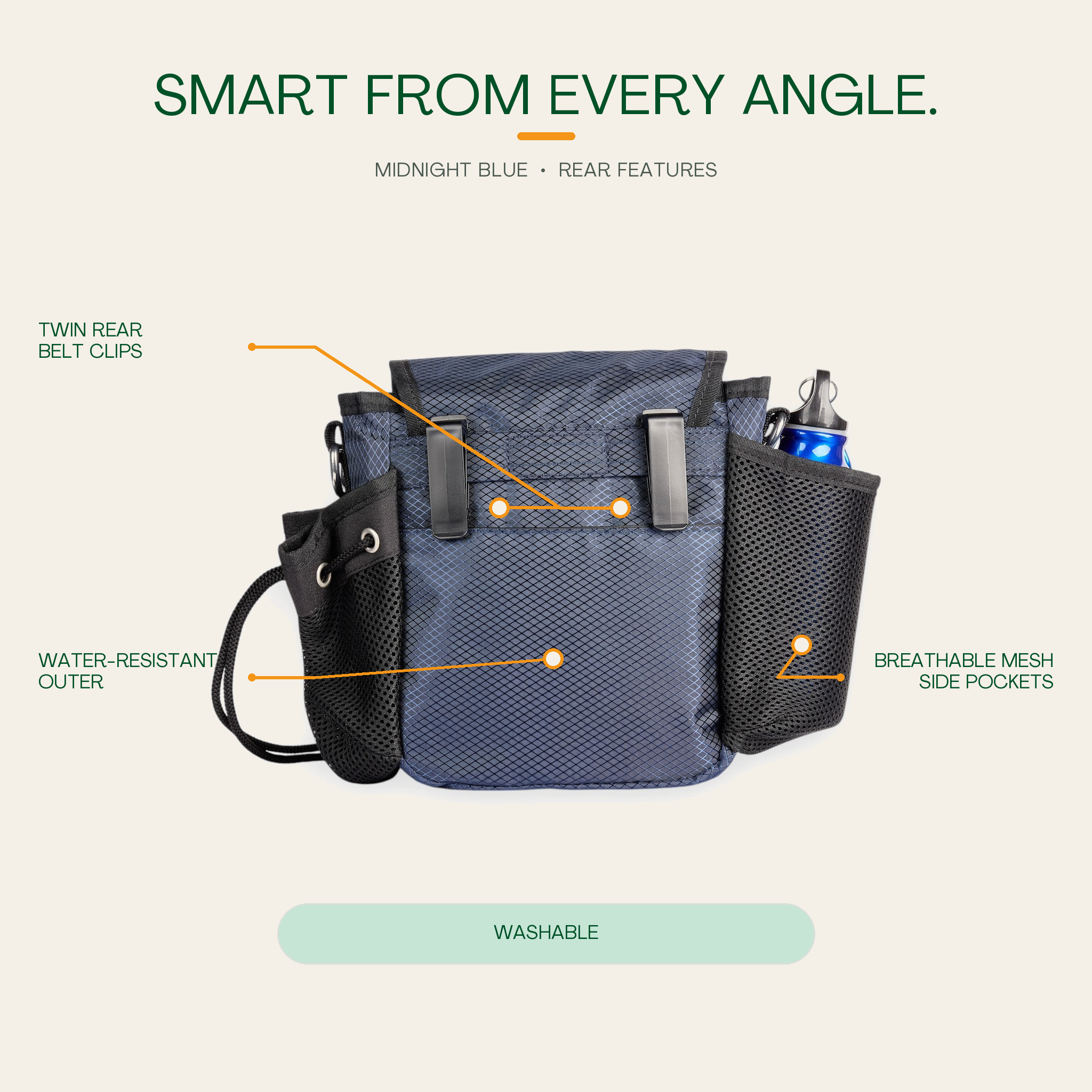
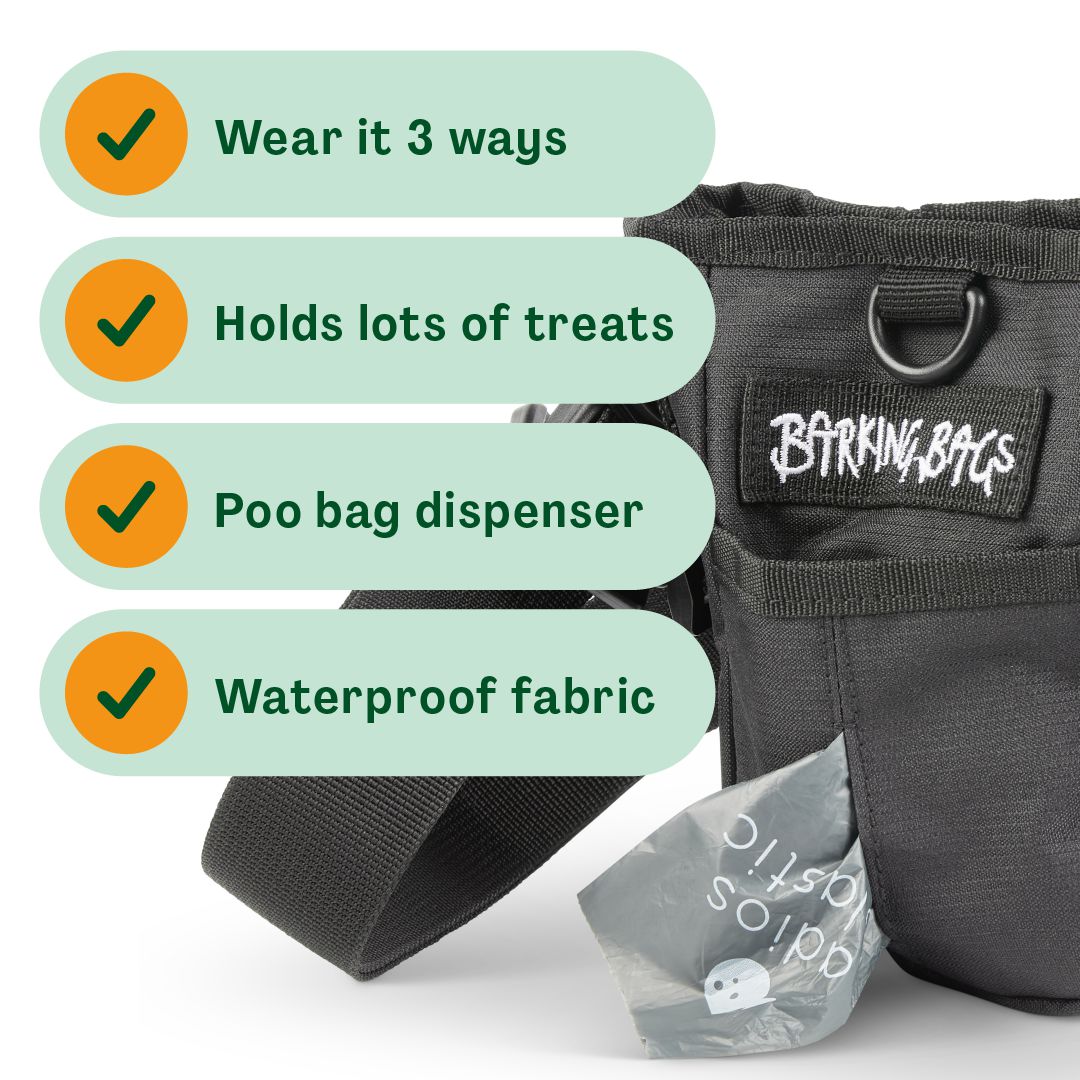
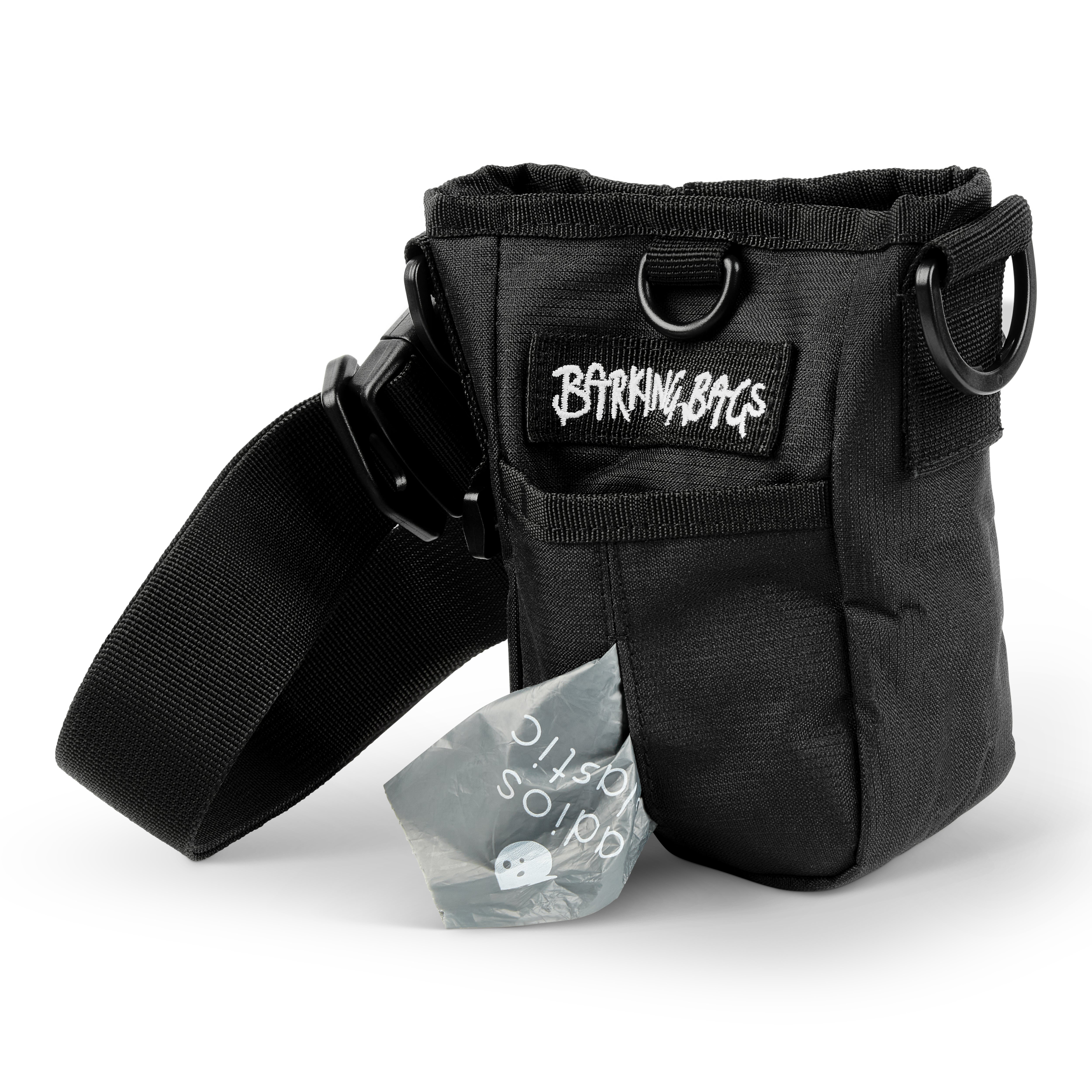
An easy-access poo bag dispenser is another feature that sounds small until you go without it. The same goes for wipe-clean linings or materials that can handle the odd treat crumb and muddy hand. Professional walkers do not need anything fussy. They need something practical that still feels polished.
Style should not be dismissed either. If dog walking is your business, your bag is part of your working kit. A design that looks clean, considered and properly made gives a better impression than something that looks improvised. Practical does not have to mean bulky or overly sporty.
Crossbody, backpack or belt bag?
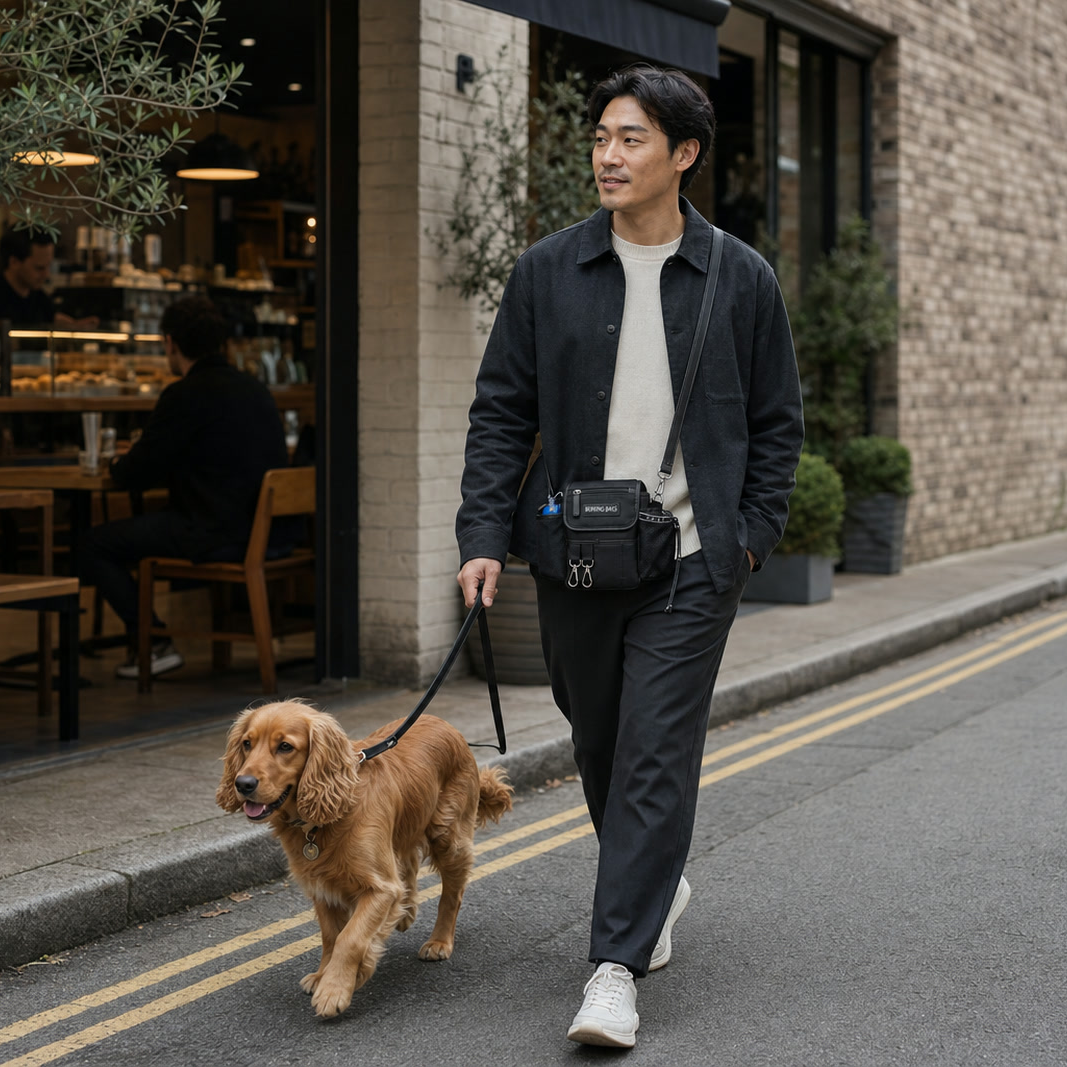
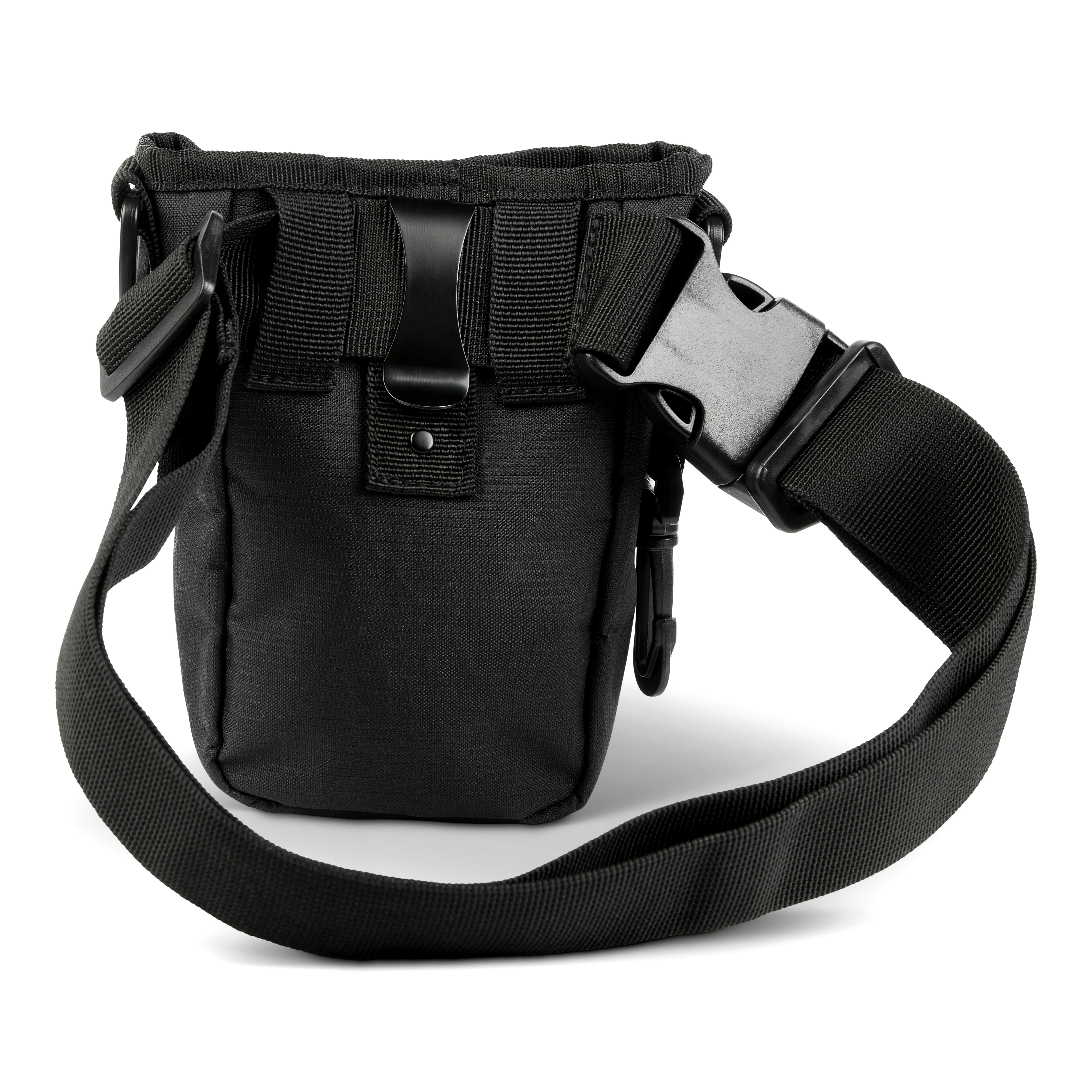
This is where it depends on how you work. For many professionals, a crossbody dog walking bag is the most useful all-round option. It keeps your hands free, sits close to the body and gives fast access to essentials without needing to take it off. If your day involves frequent stops, treats, training cues and lead management, that convenience really counts.
Backpacks can suit walkers carrying bulkier items, water bottles, towels or gear for longer countryside walks. The trade-off is access. Even a well-designed backpack is slower when you need something immediately. For dog walkers who use rewards often or need quick reach for bags and wipes, that delay can become frustrating.
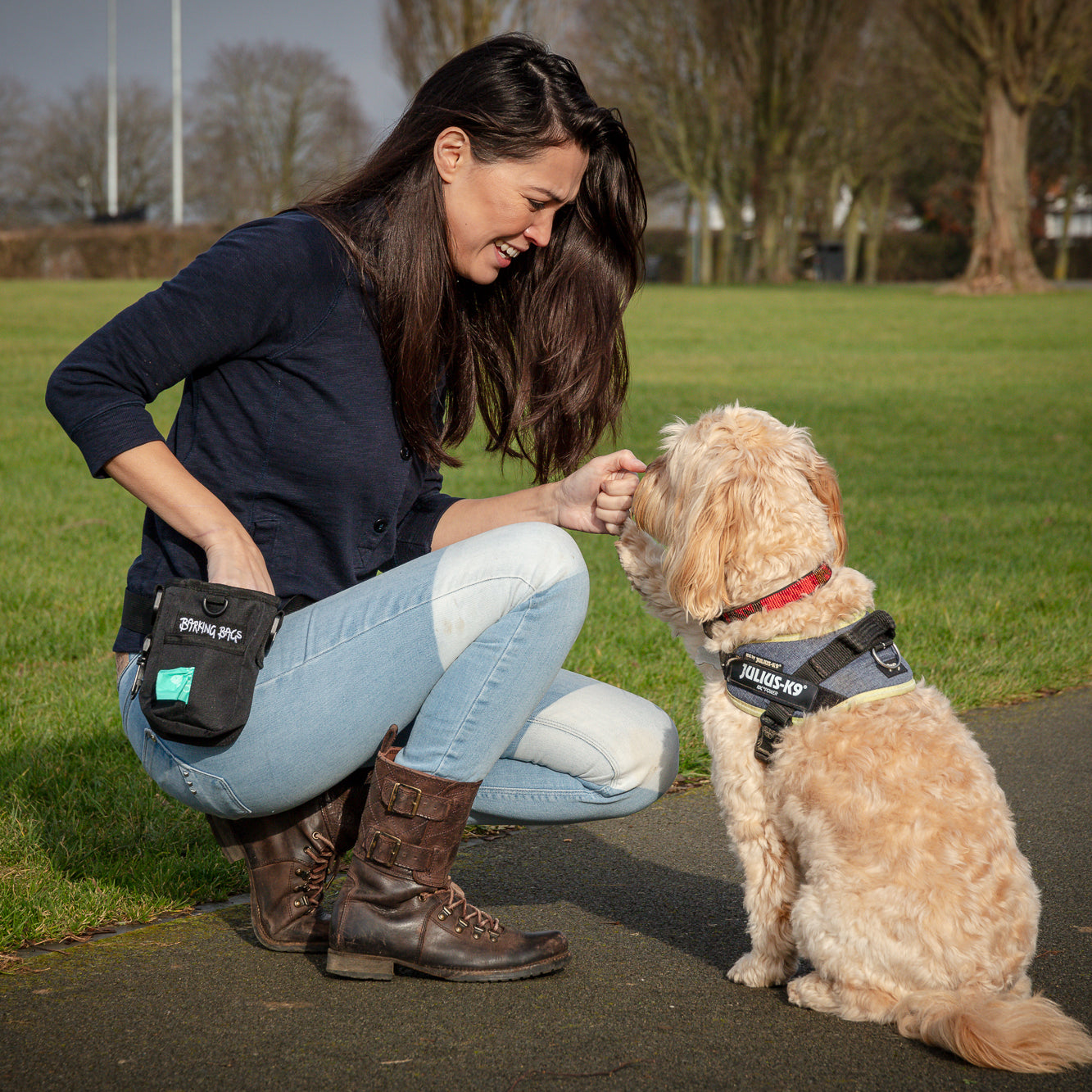
Belt bags and treat pouches are useful as secondary pieces rather than full solutions. They work well if your sessions are heavily training-focused or if you want treats completely separate from your main bag. On their own, though, they are usually too limited for a full day of walking multiple dogs.
For most professionals, the best answer is not the biggest bag but the best organised one. A compact crossbody paired with a dedicated treat bag often beats a large, shapeless bag stuffed with everything.
How to choose the right size
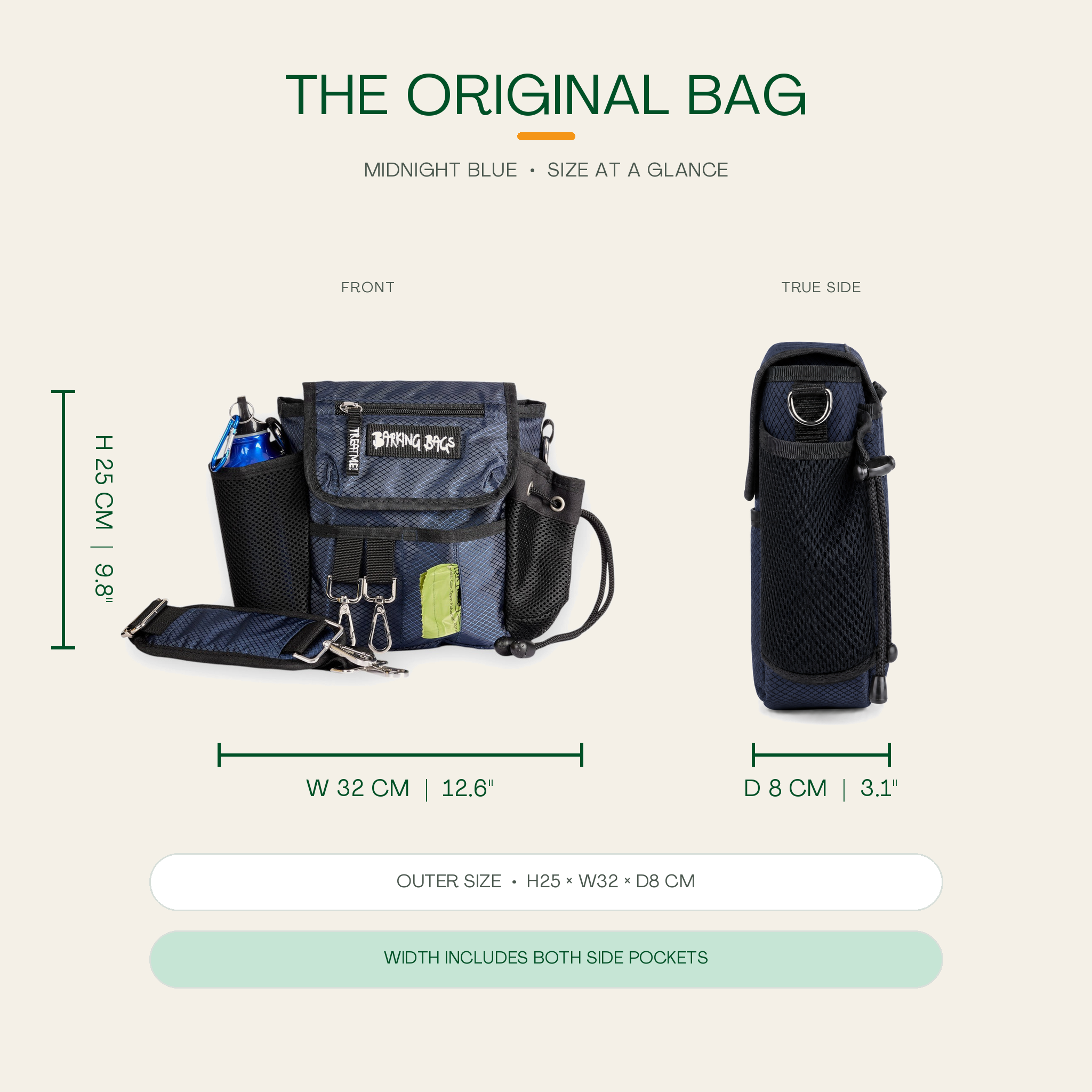
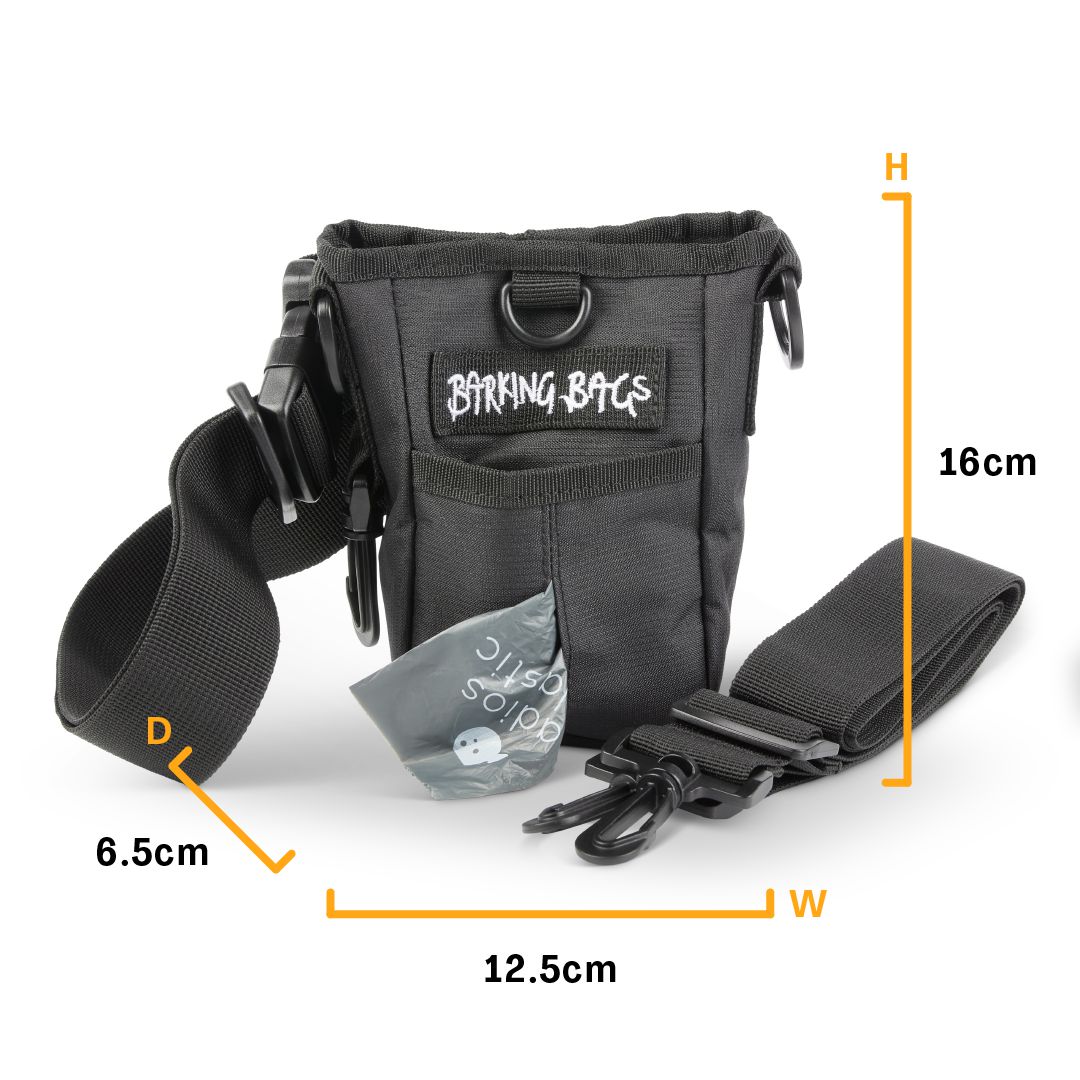
Size should match your actual walking routine, not your worst-case scenario. If you mostly do local one-hour walks with regular access to your car or home between bookings, a medium-sized bag is often plenty. It gives enough room for the essentials without becoming heavy or cluttered.
If you offer longer adventure walks or cover several back-to-back sessions without returning to base, you may need more capacity. Even then, it is worth being realistic. Carrying every possible extra just because your bag allows it can slow you down. The better approach is to think in layers - what must be on you at all times, and what can stay in the car until needed.
The best bags for professional dog walkers make this easier by using space intelligently. Well-placed compartments can make a smaller bag feel more useful than a large one with no structure at all.
Why generic bags often fall short
A standard handbag, tote or fashion crossbody might look fine, but most are not built around dog walking tasks. That becomes obvious the moment you need to grab a treat while holding two leads, or realise your spare poo bags have disappeared into the bottom beneath your purse.
Generic bags also tend to miss the details that matter most in this category. They may lack washable interiors, proper dispensers, practical outer pockets or enough separation between dog gear and personal items. You can work around those issues, but that is the point - you are always working around them.
A purpose-designed dog walking bag is built to remove that friction. It gives every item a place and helps your routine feel more efficient, especially when you repeat it several times a day.
The best bags for professional dog walkers are built for real routines
The strongest options are the ones designed around how dog walkers actually move. That means walking, stopping, rewarding, tidying up, checking messages, unlocking gates and starting again, all without needing to rummage or rebalance constantly.
It is also why specialist products tend to outperform general accessories. A bag created specifically for dog walks usually reflects the small frustrations regular walkers know well. Where do the treats go? Where do the used wipes go until you find a bin? Can you reach your mobile phone without exposing everything else? Those details shape the experience more than flashy extras ever will.
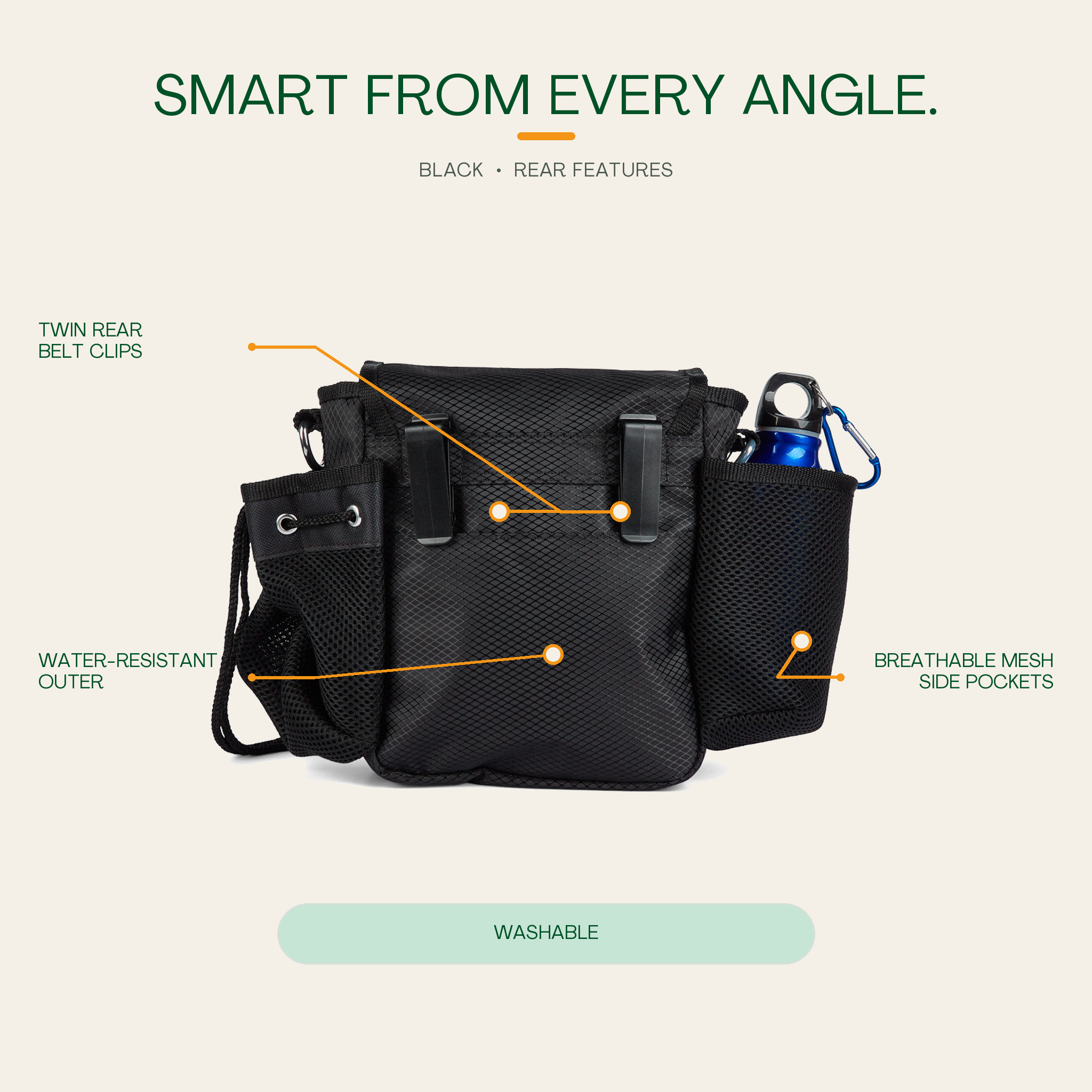
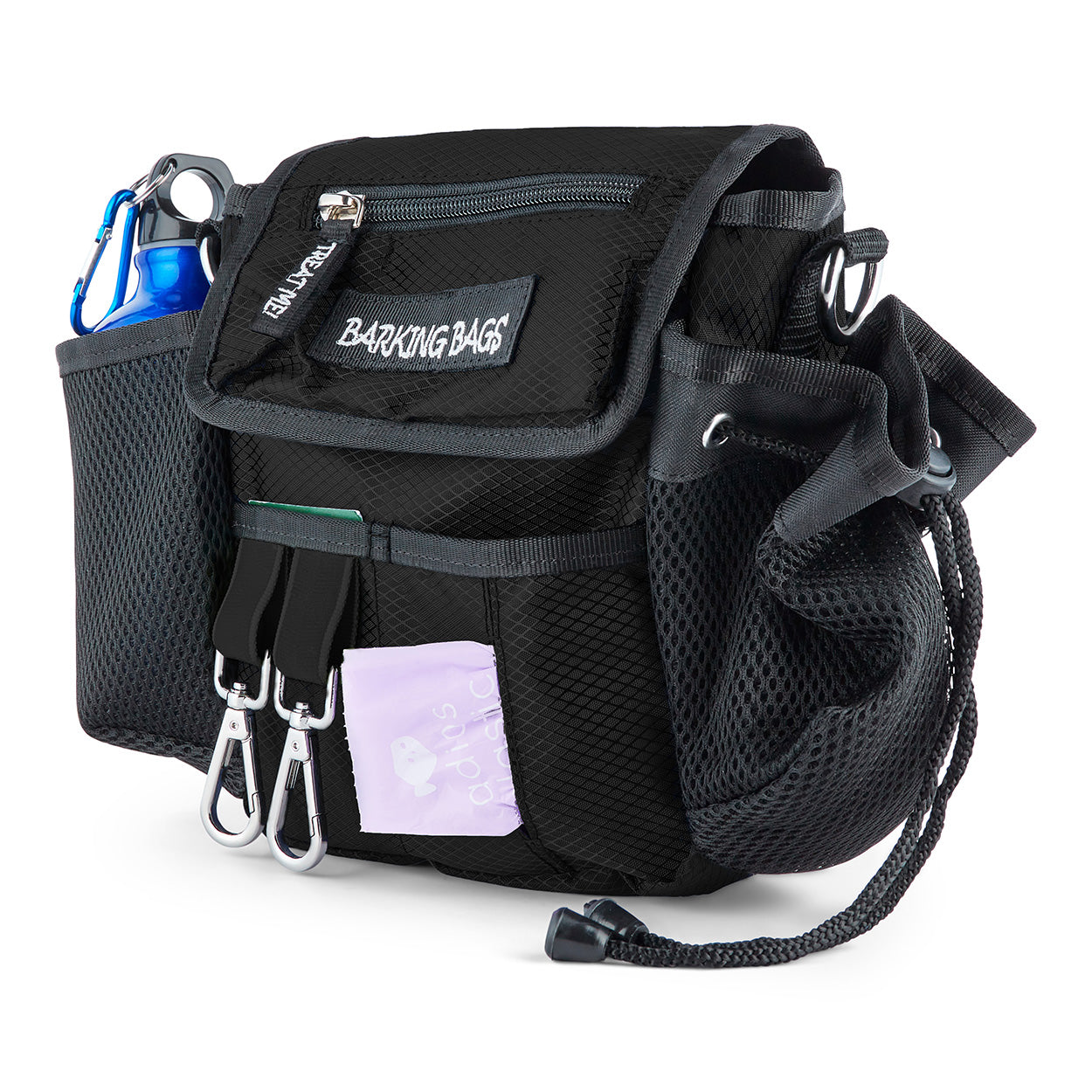
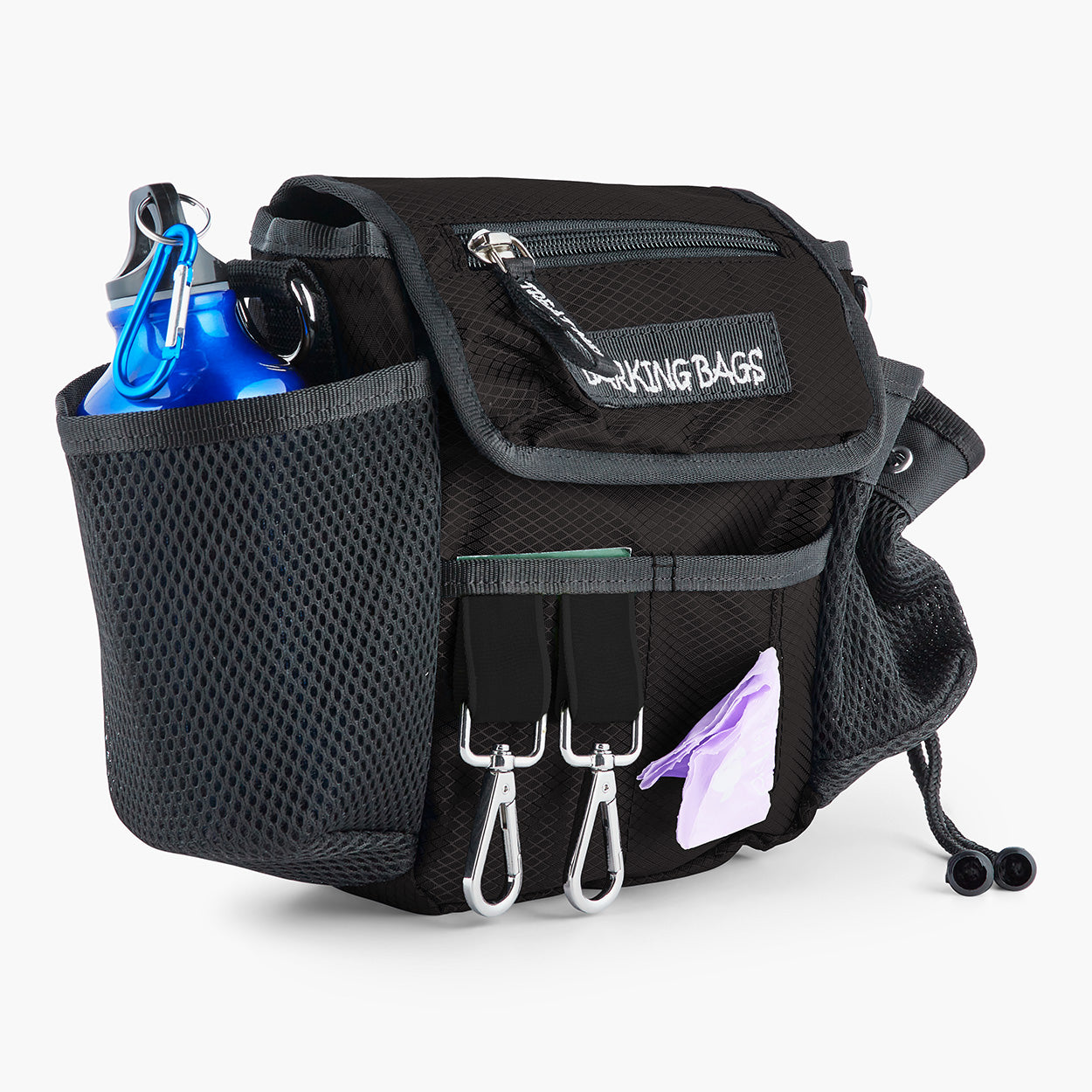
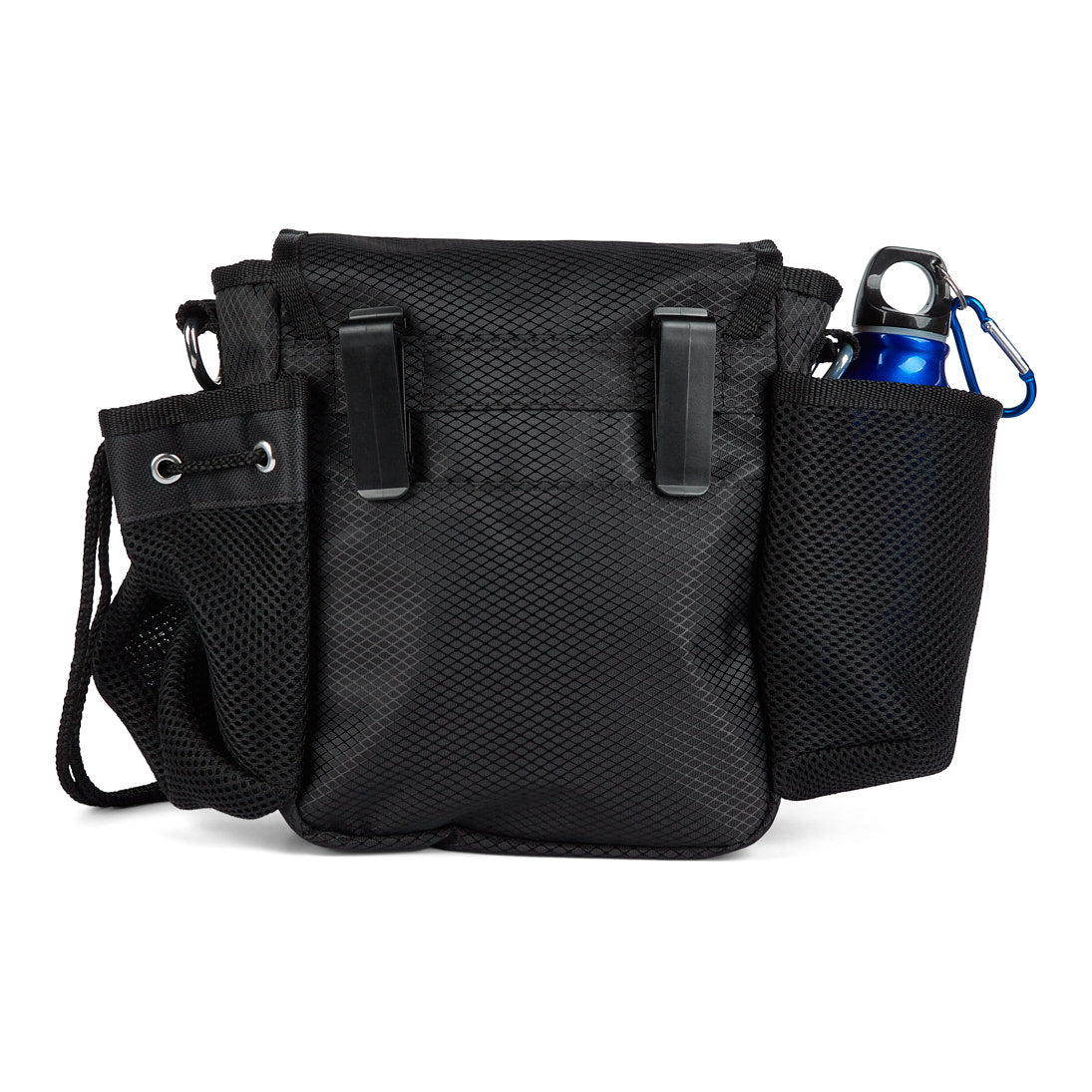
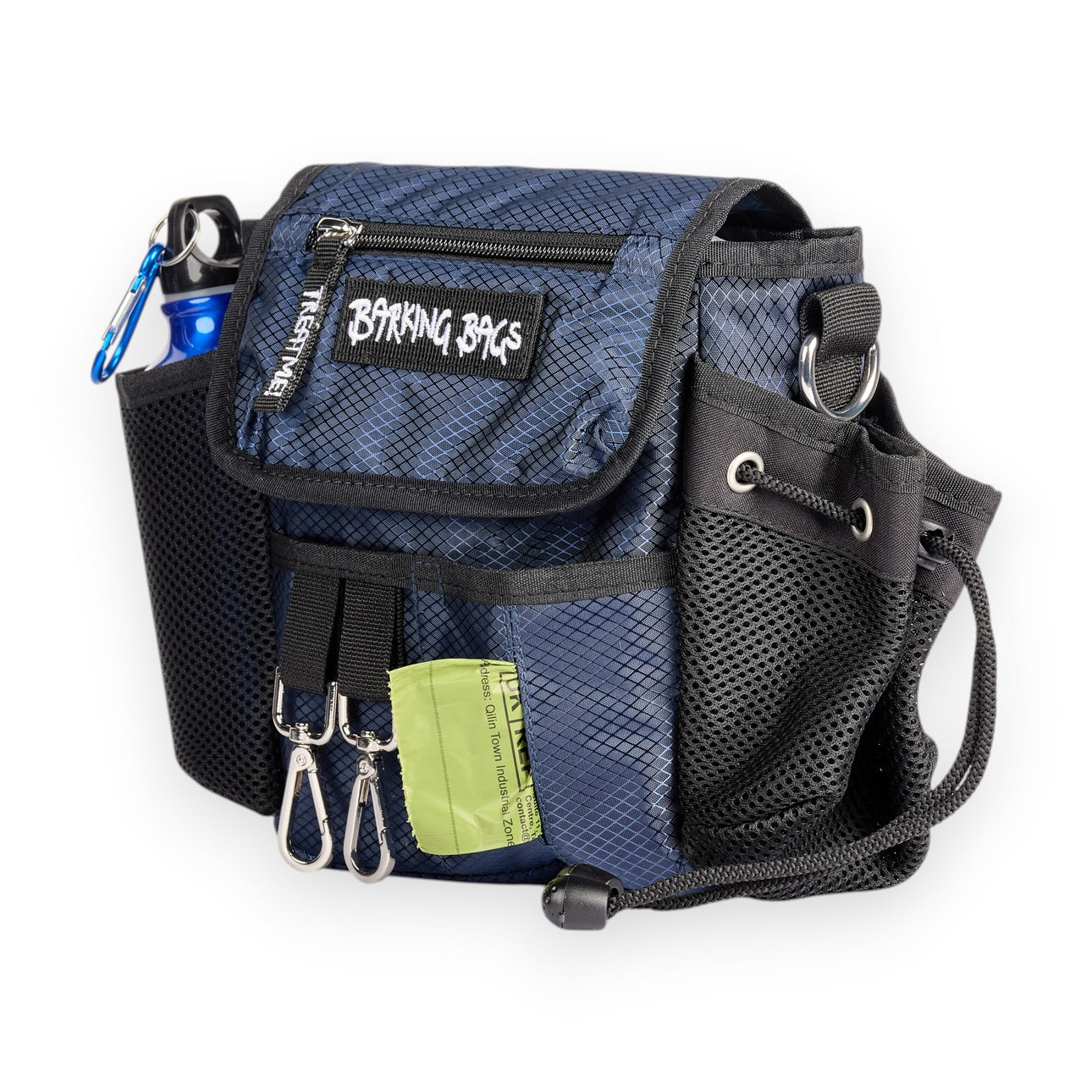
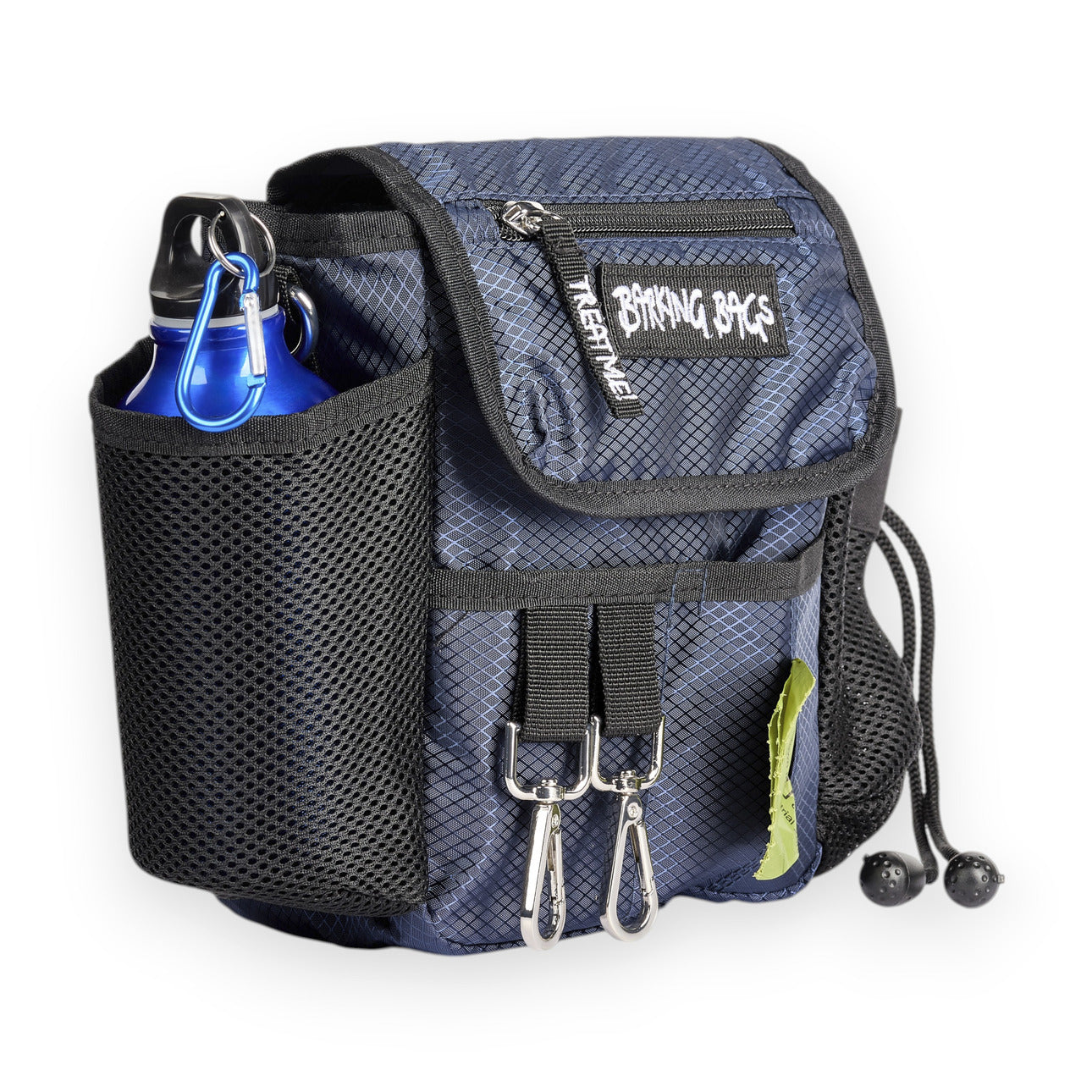
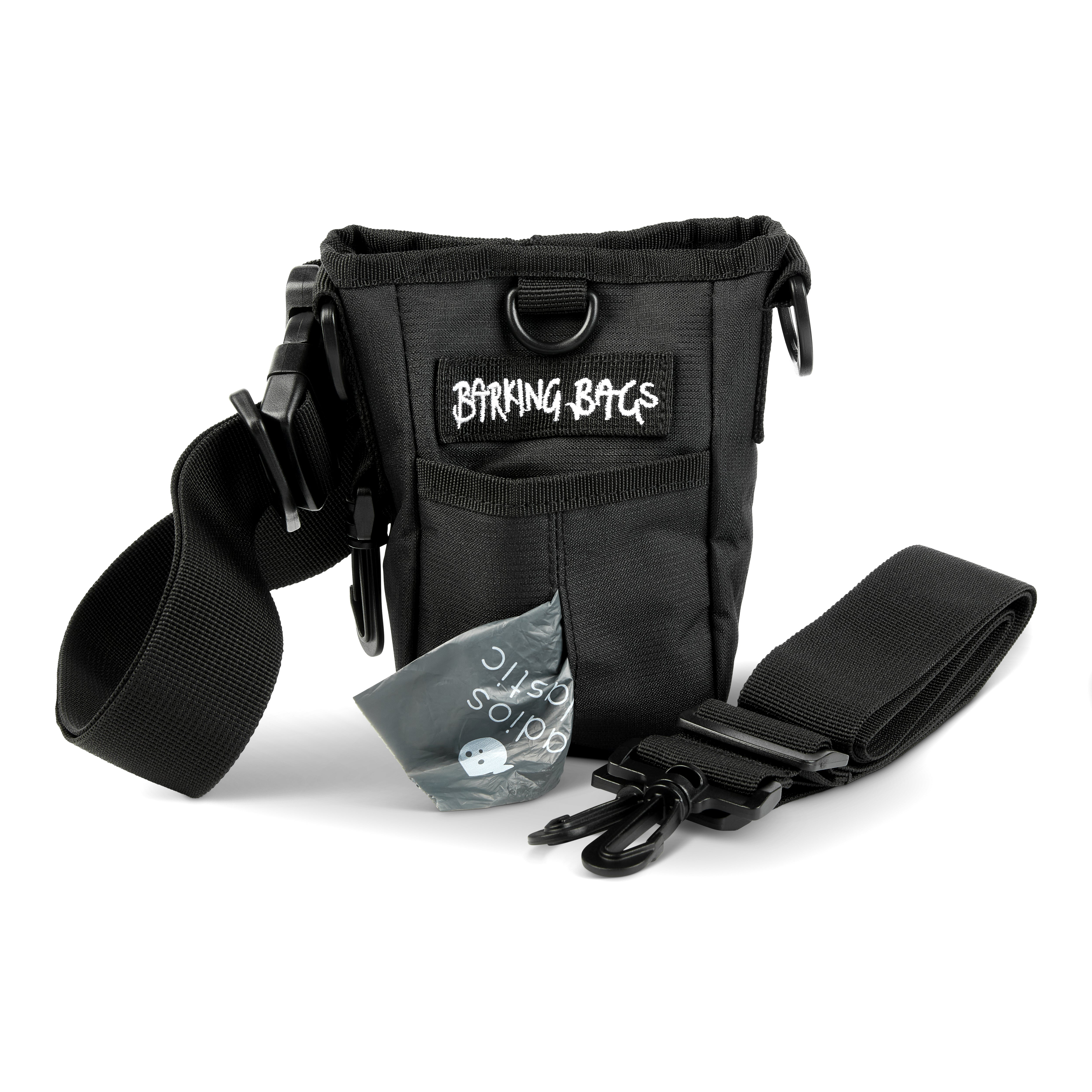
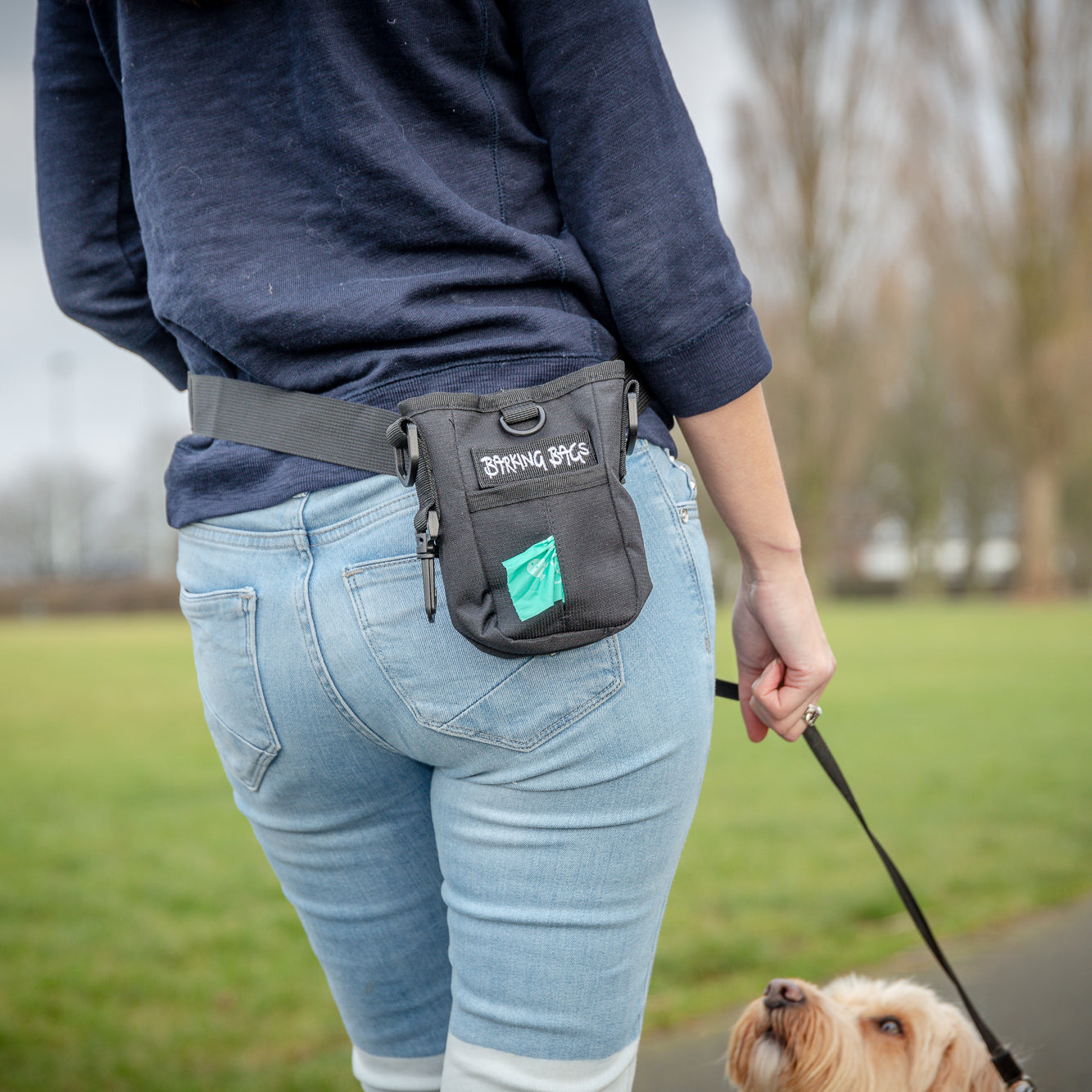
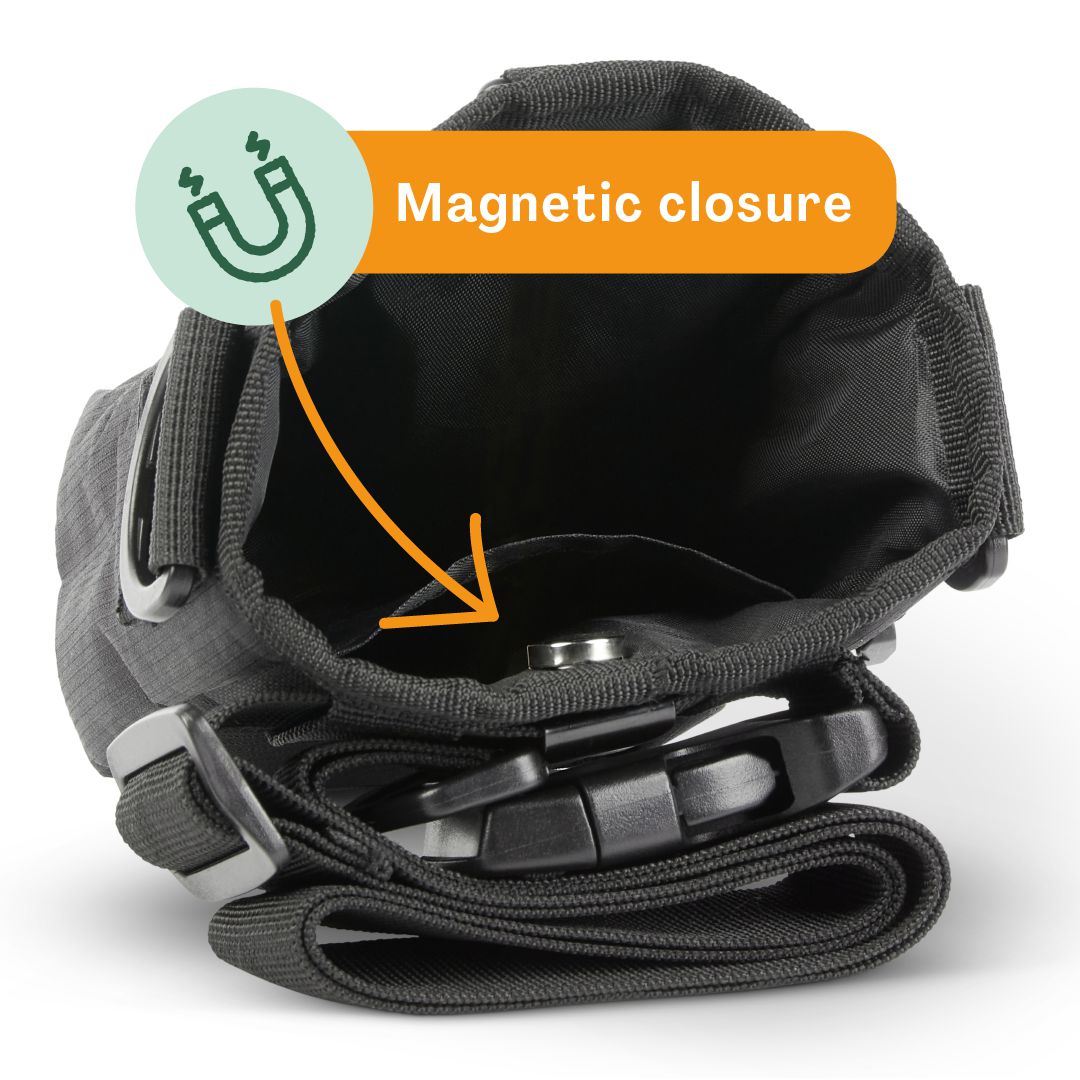
If you are comparing products, look closely at how the compartments are laid out and how the bag is worn. Product photos can tell you a lot. If the design looks neat but does not clearly solve storage, access and comfort, it may not hold up in daily use.
What a smart professional setup looks like
A good setup feels streamlined. You are not carrying three separate pouches that swing around or stuffing essentials into coat pockets because the bag is full. You have one main bag that handles your core items, and if needed, a treat pouch or accessory that supports your specific routine.
This is where a specialist brand can make the difference. Barking Bags was built around the idea that dog walking essentials deserve a proper home, not a workaround. For professional walkers, that kind of focused design makes sense. The job already has enough moving parts.
The best bag for you will depend on your route, the number of dogs you manage at once, and whether your work leans more towards training, group walks or solo adventures. But the common thread is simple: your bag should help you stay organised, comfortable and prepared, without compromising on style.
A professional dog walking bag does more than carry things. It helps you look and feel ready for the day, which is often half the battle when the weather turns, the schedule is packed and the dogs are full of energy. Choose one that works as hard as you do, and every walk gets a little easier.