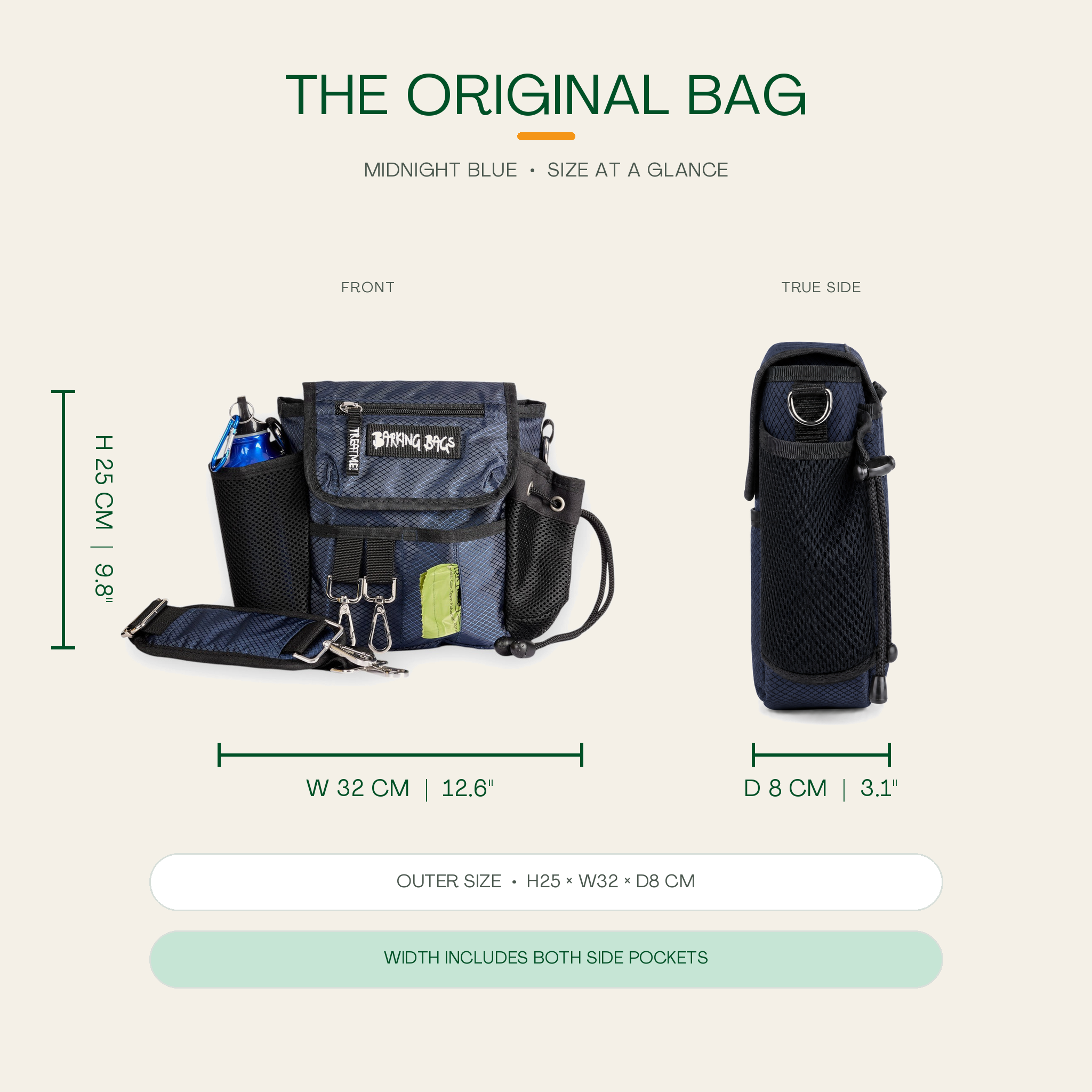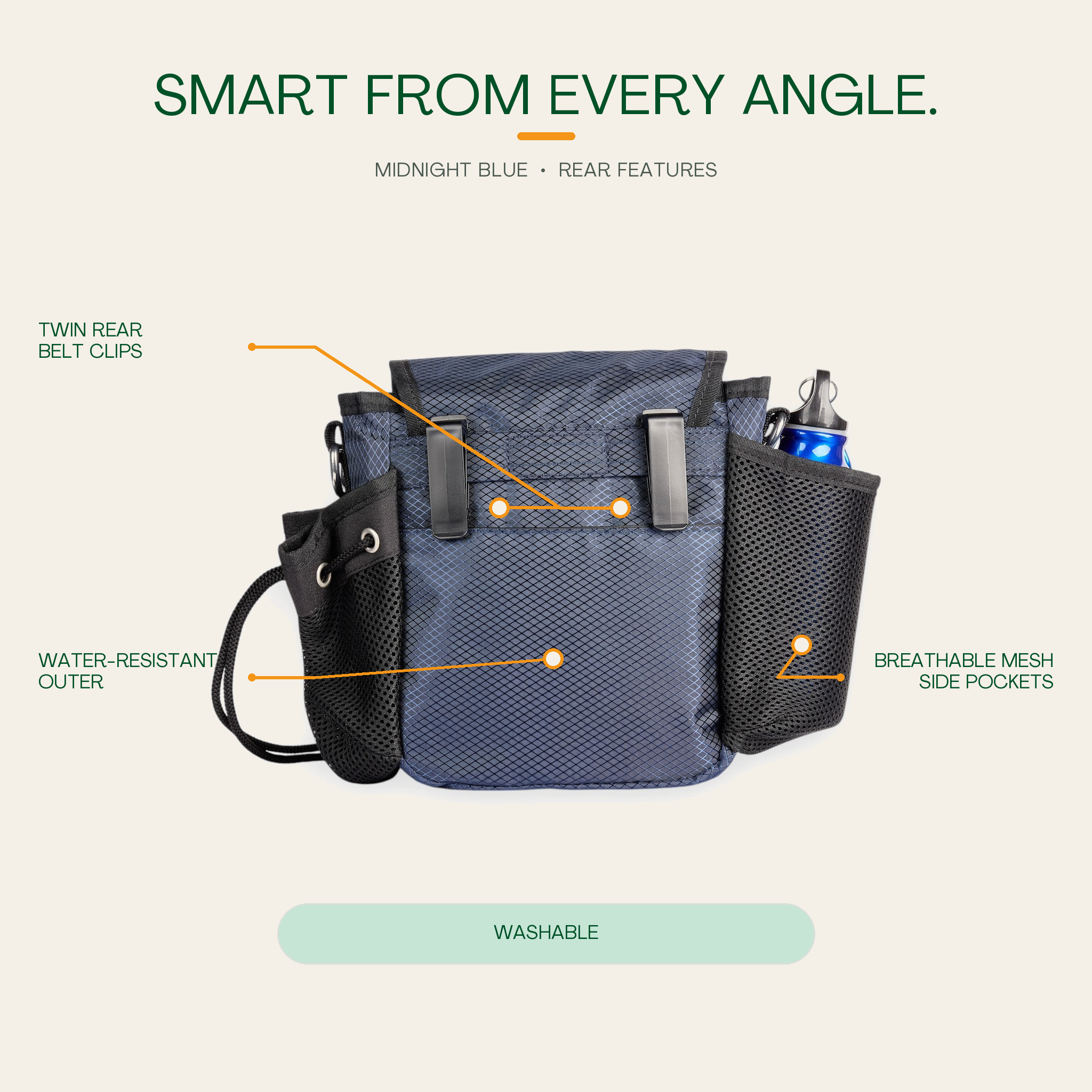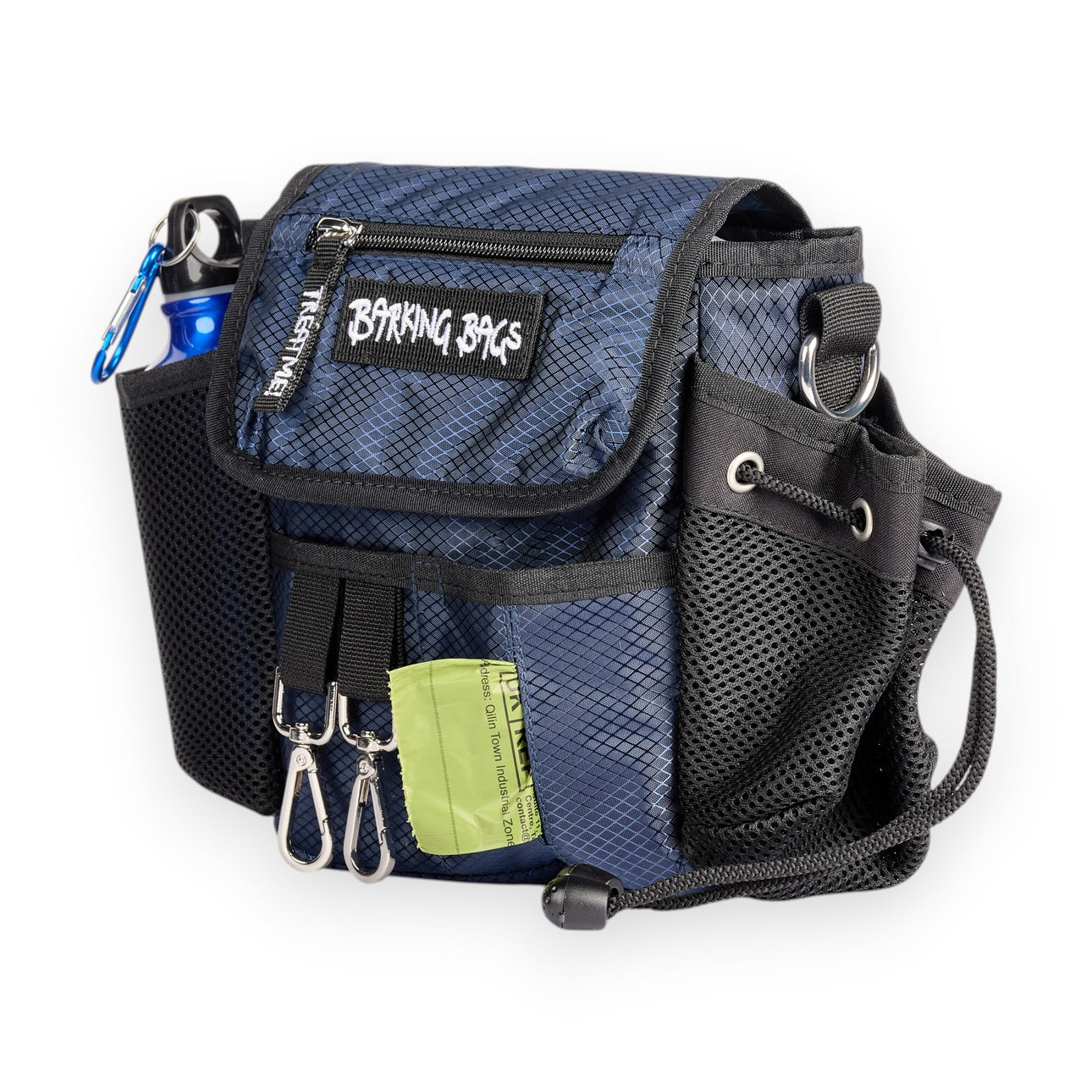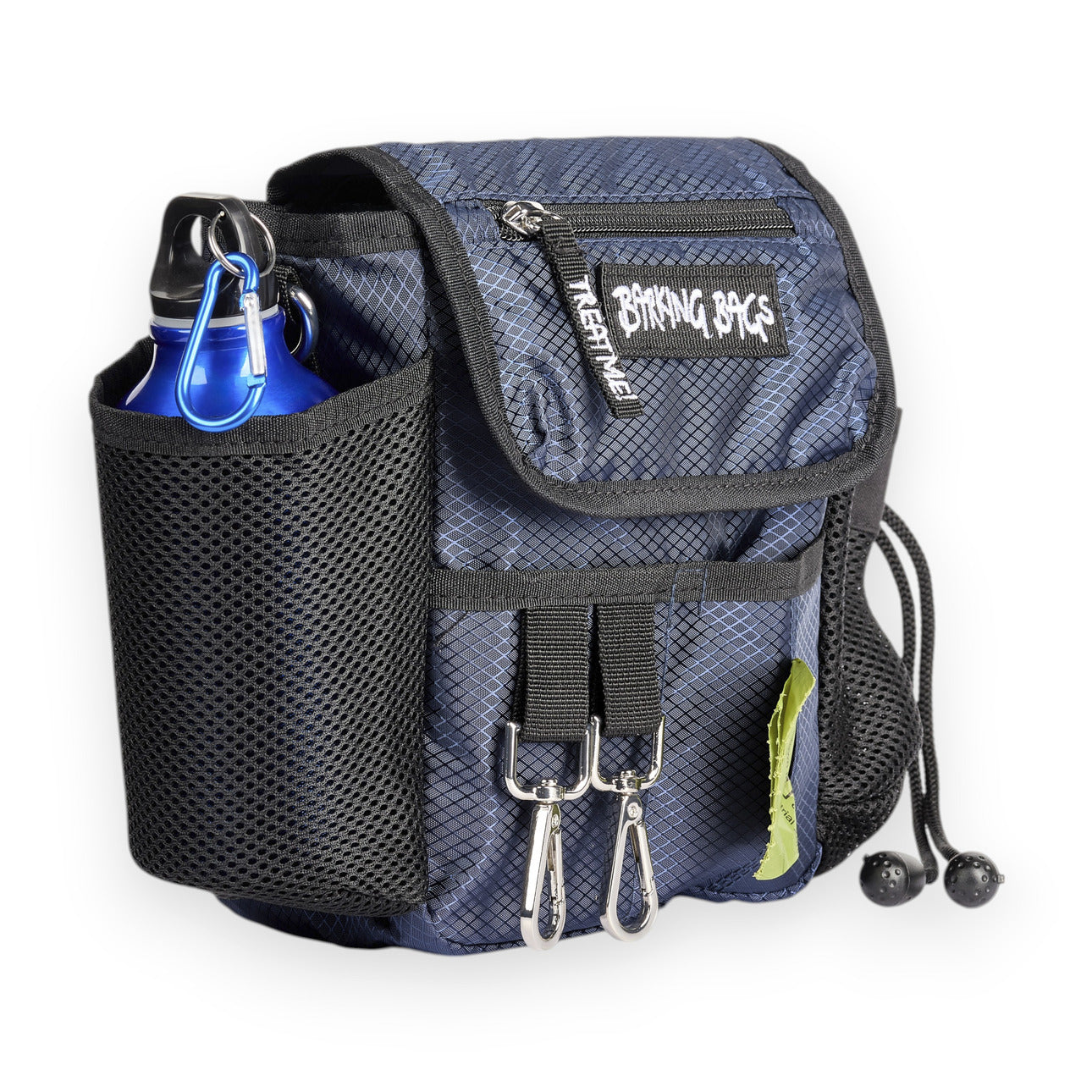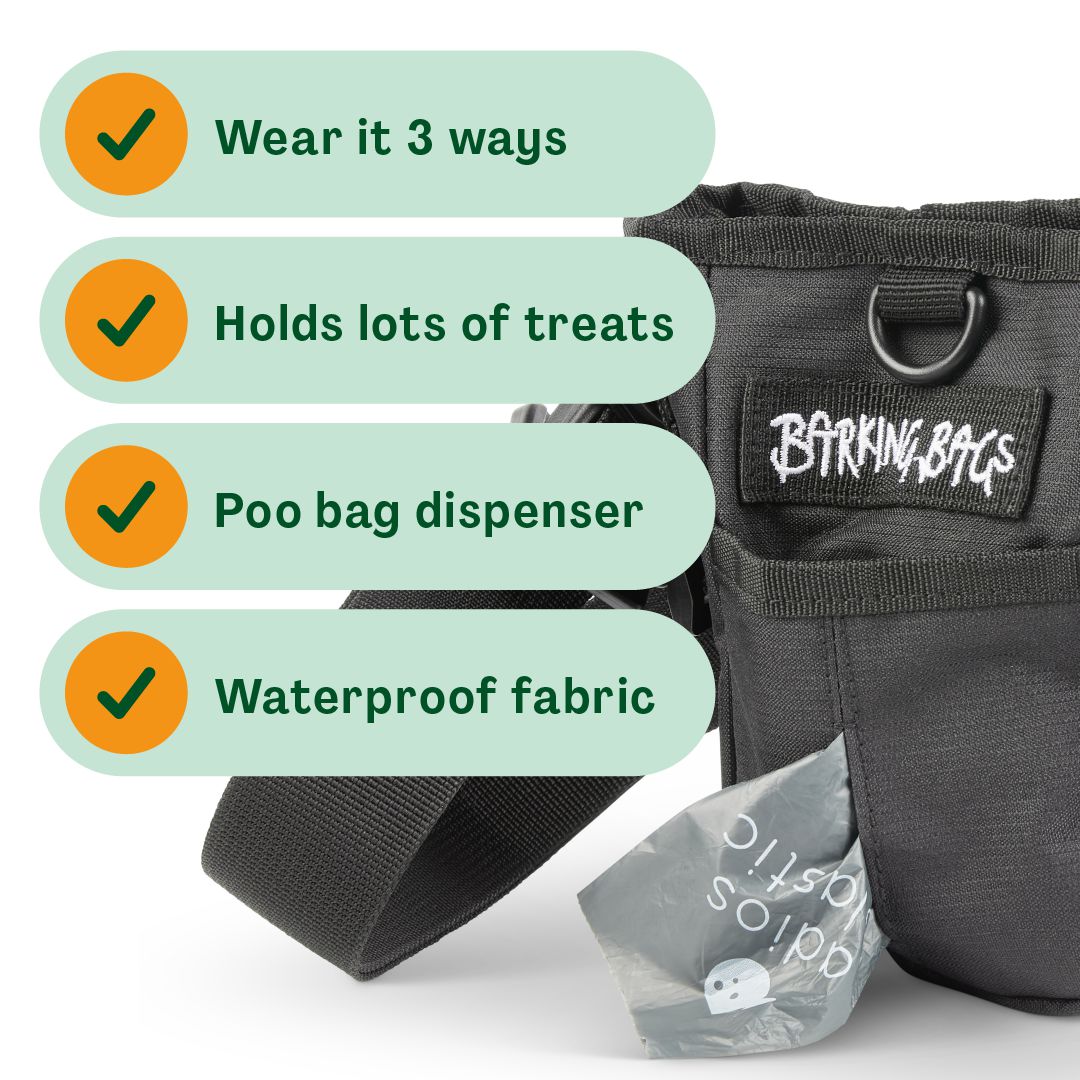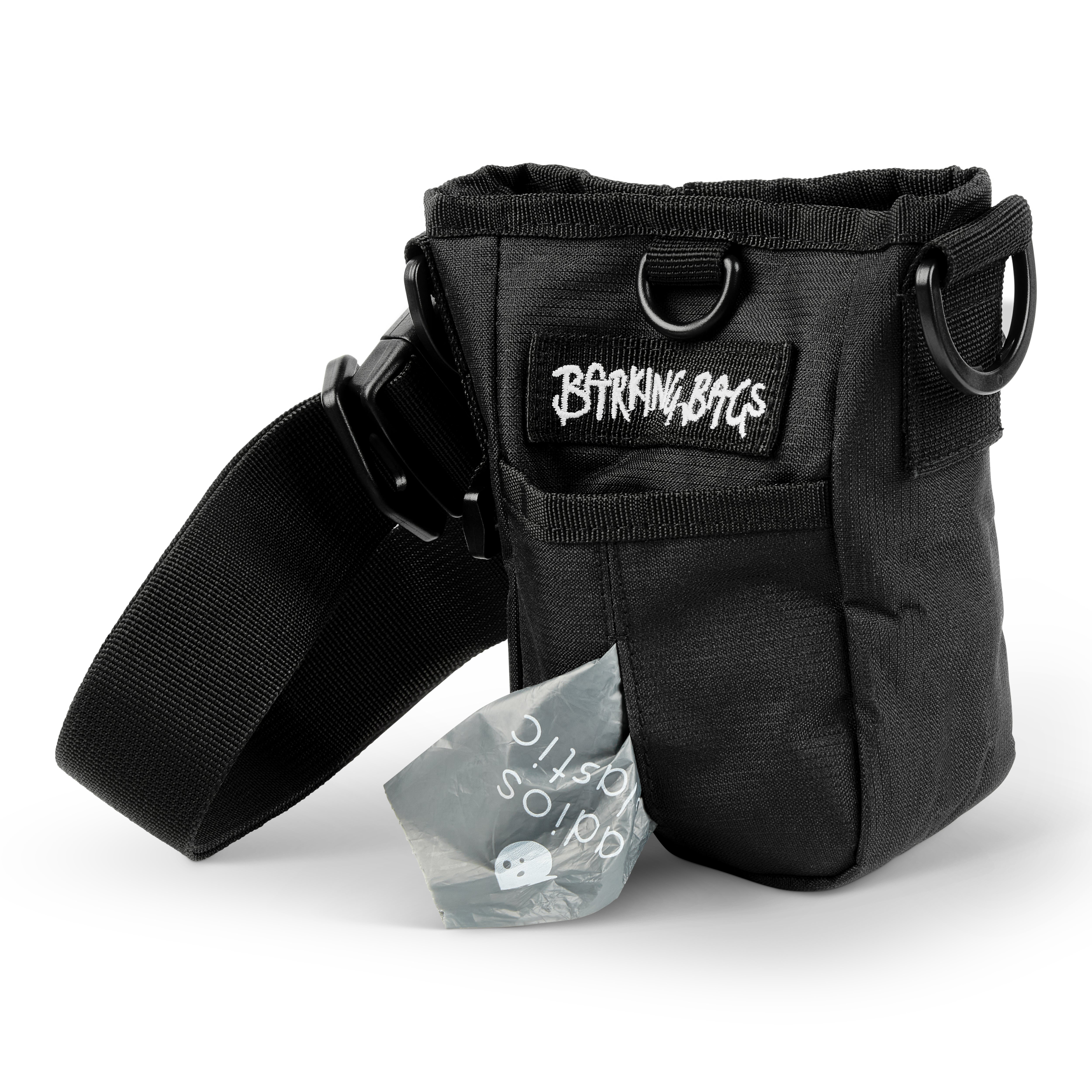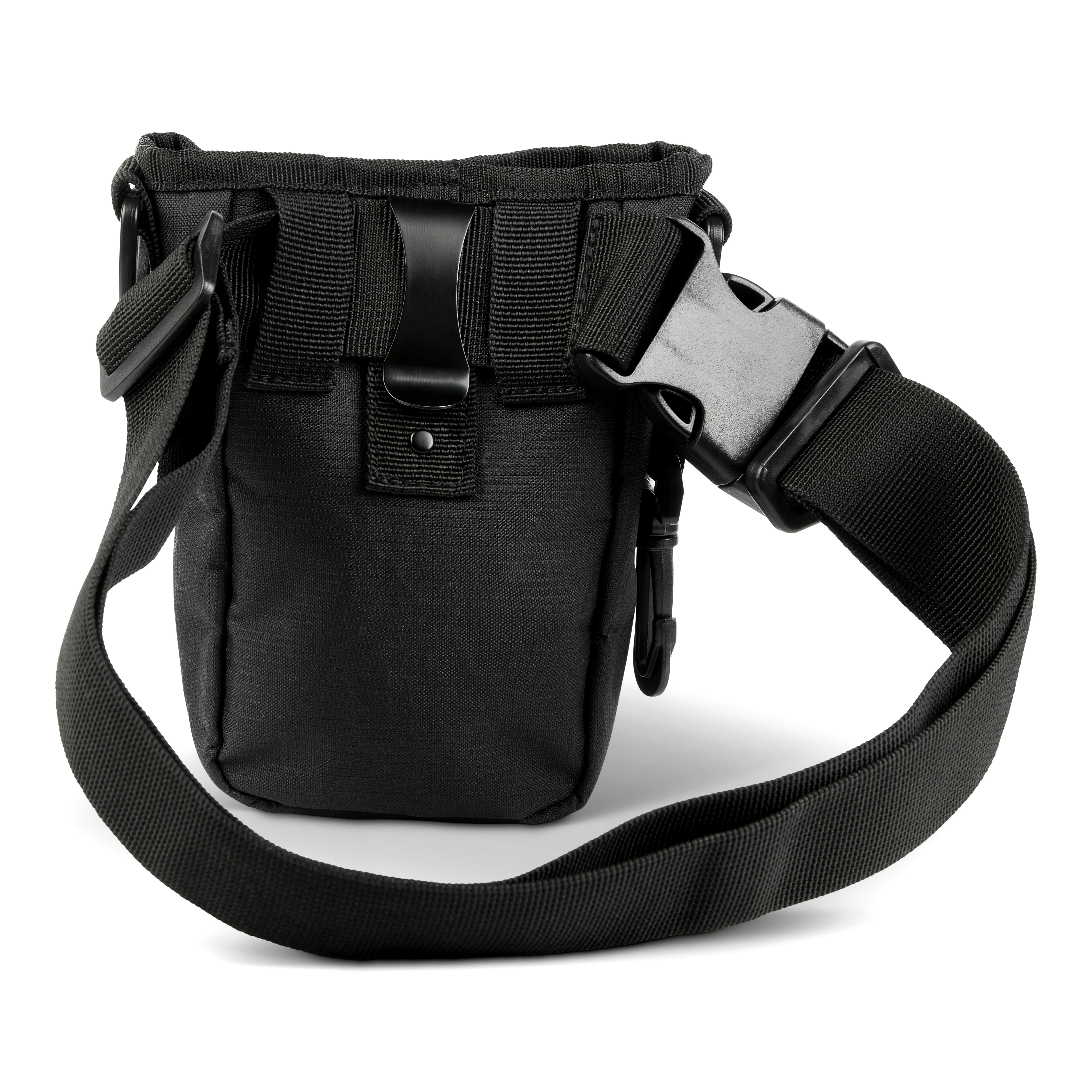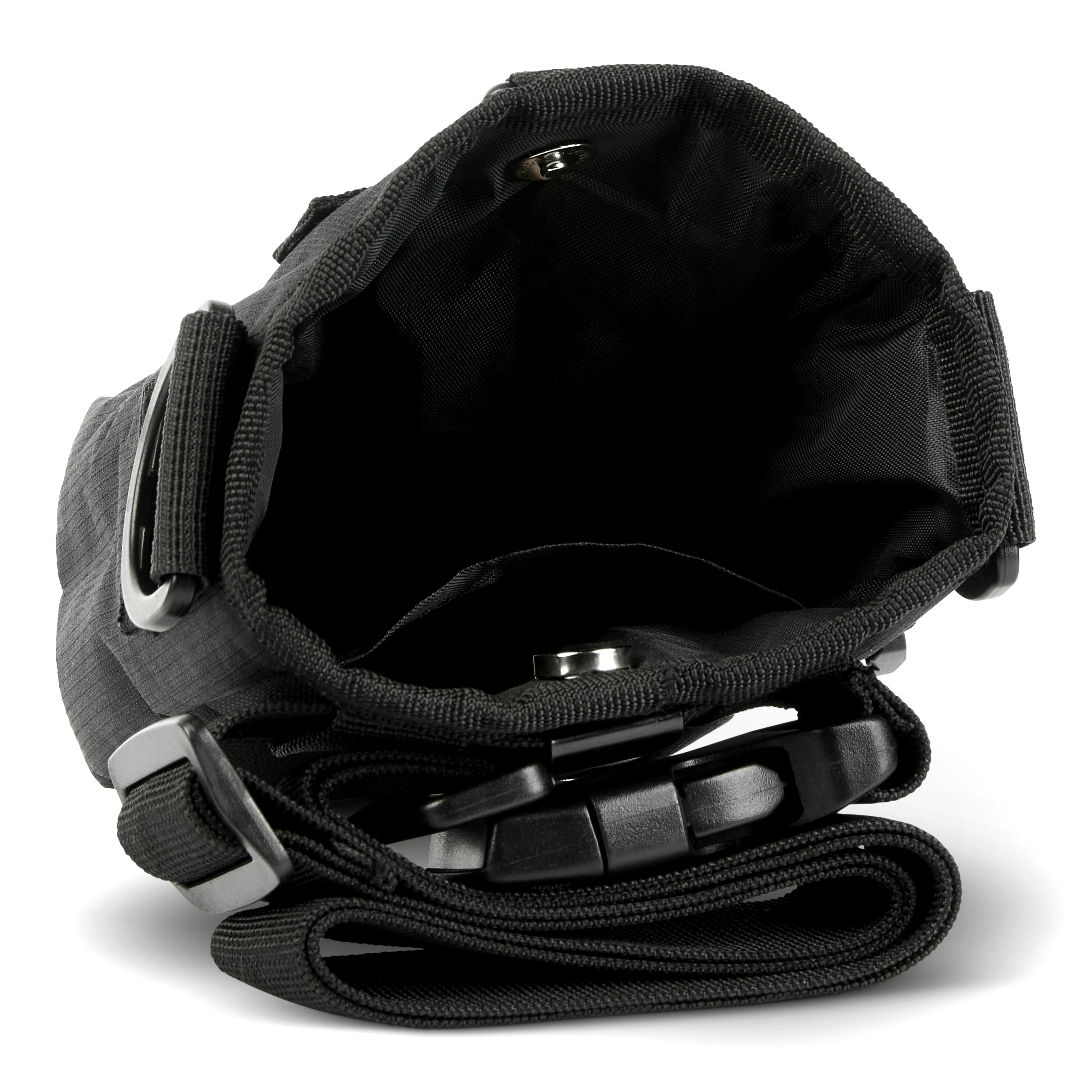

You only need to do the awkward pocket-patting routine a few times to realise a proper bag for dog walking essentials is not a nice-to-have. It is the difference between heading out feeling ready and spending the first ten minutes of every walk juggling leads, treats, poo bags, keys and your mobile phone while your dog pulls towards the nearest interesting smell.
Most dog owners start with makeshift solutions. A handbag that ends up smelling faintly of liver treats. A coat pocket stuffed with crumpled poo bags. A backpack that feels too bulky for a quick loop round the block. It works, until it doesn’t. The problem is not that you are carrying too much. It is that most bags are not designed around how dog walks actually happen.
What makes a good bag for dog walking essentials?
A useful dog walking bag should make the routine simpler, not add another thing to think about. That means easy access matters more than endless space. You should be able to reach for a poo bag quickly, grab a treat one-handed and keep your own valuables separate from the dog bits.
That is where many generic crossbody bags fall short. They might look smart, but if there is nowhere sensible for used treat pouches, a secure place for your mobile phone or a slot for poo bags, you still end up rummaging. On a dog walk, especially with a lively dog, rummaging is the enemy.
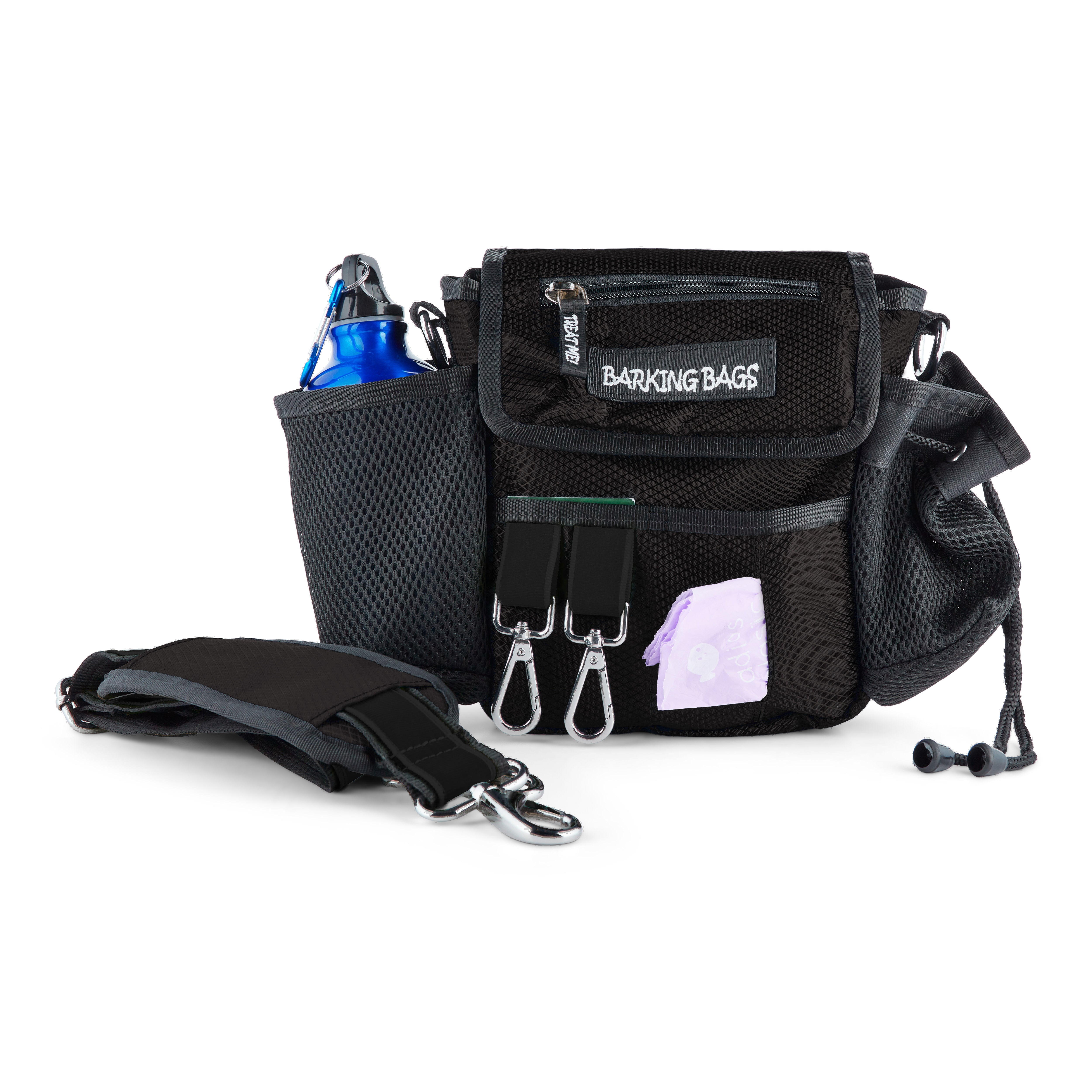
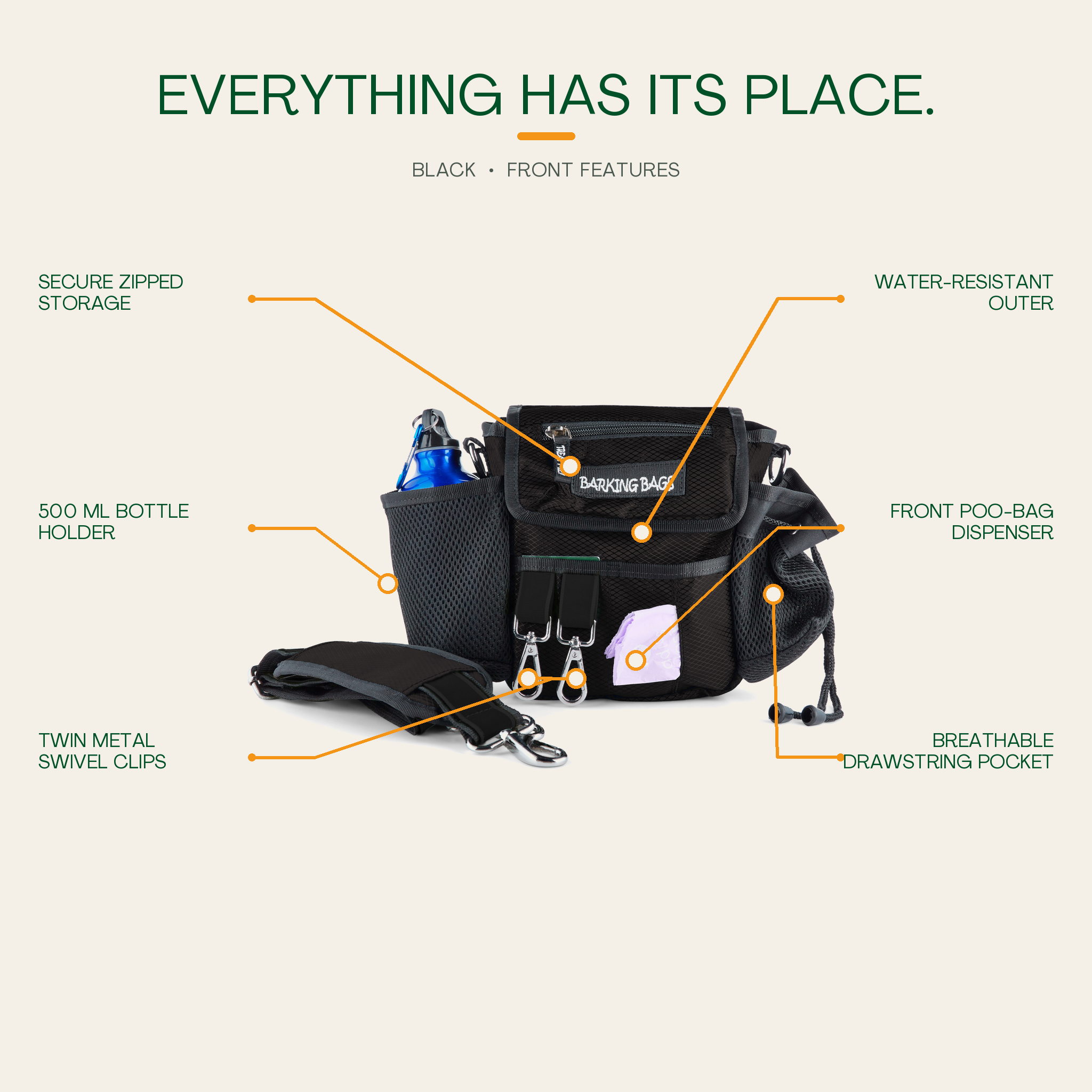
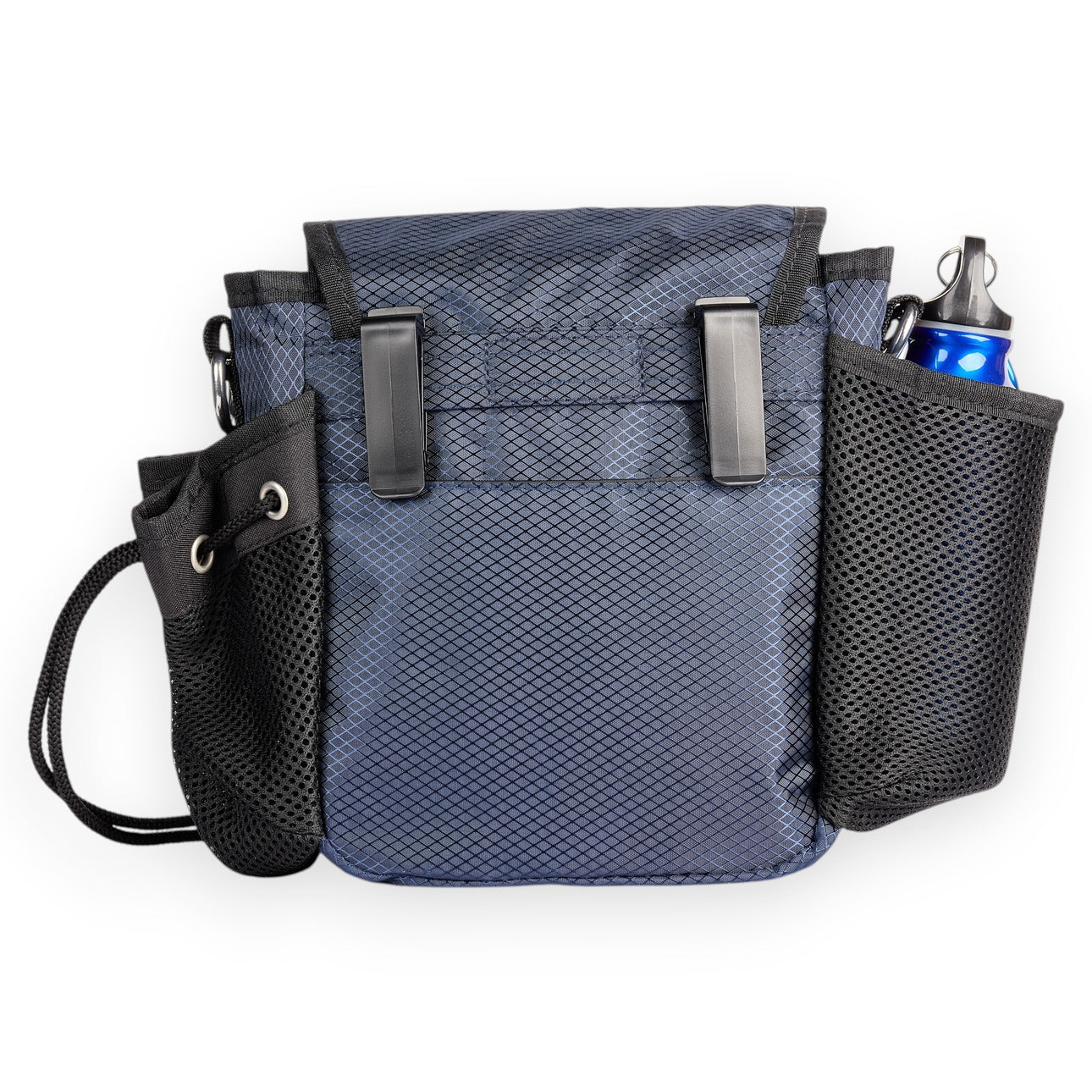
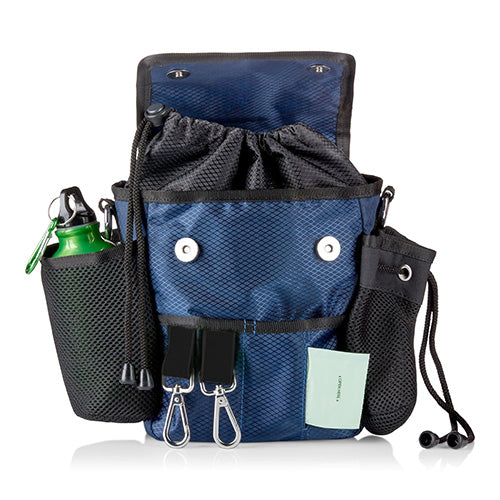
The best setup usually includes a few essentials. You need room for treats, waste bags, keys, mobile phone and a lead attachment or spare slip lead if your routine calls for one. Some walkers also want space for a tennis ball, clicker, hand sanitiser or a small water bottle. Professional walkers and trainers may need even more, but the principle stays the same - the bag should help you organise the walk, not just carry it.
Why ordinary bags tend to fail on dog walks
The issue with an ordinary bag is not simply capacity. It is layout. Dog walks involve repeat actions, often done quickly and with one hand. You are opening a compartment while holding a lead, reaching for treats while reinforcing behaviour, or finding a poo bag in about three seconds flat because your dog has chosen the busiest bit of pavement.
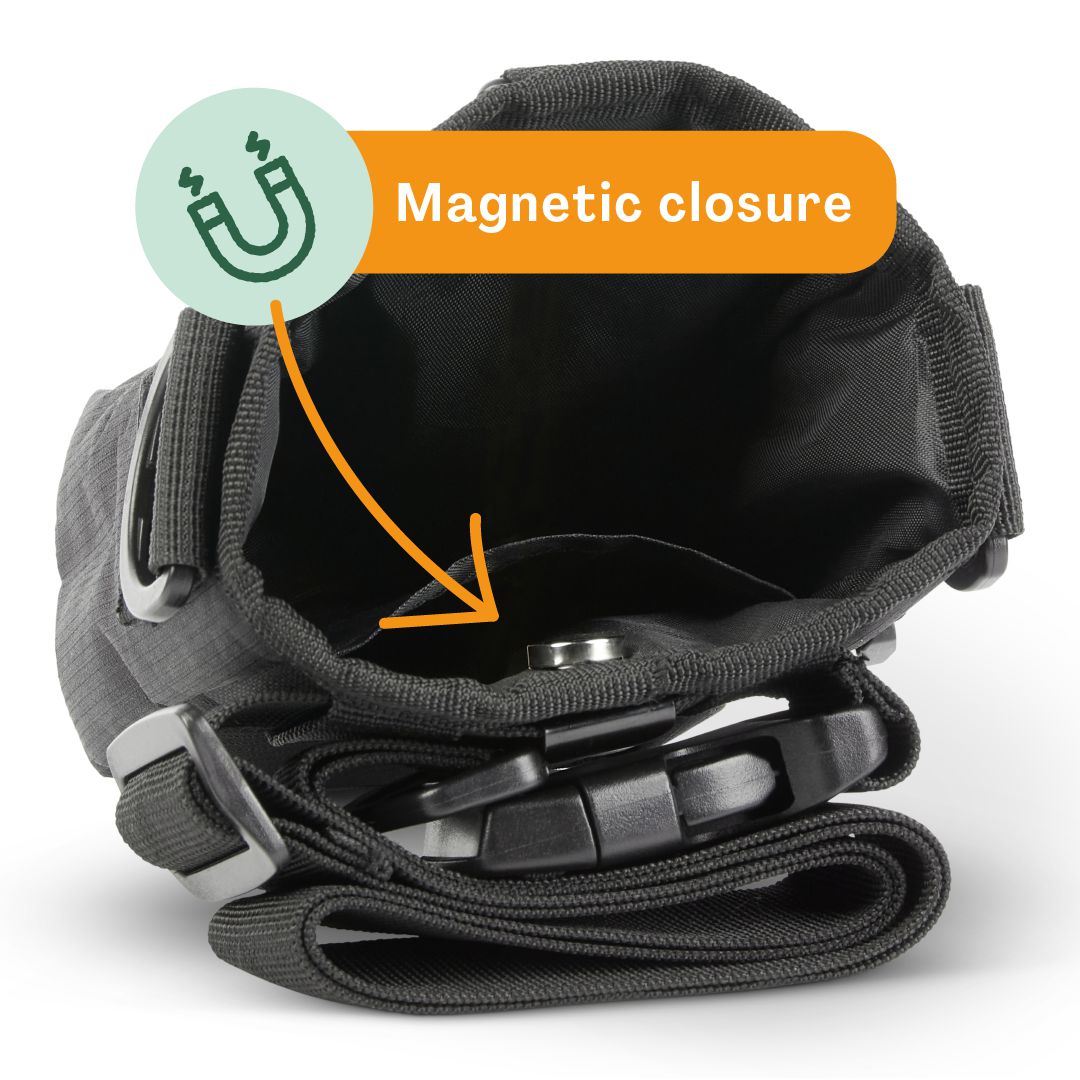
A standard tote or fashion crossbody is rarely built for that. Open-top styles can make items spill or get damp in British weather. Deep compartments swallow small items. Fabric linings can be harder to clean when treats crumble. If you use the same bag for everyday life, the line between dog gear and personal items disappears fast.
There is also the style trade-off. Many utility bags solve the storage problem but look overly technical for everyday use. That matters more than some brands admit. Lots of dog owners want something practical enough for muddy walks but polished enough for the school run, coffee stop or trip into town afterwards. You should not have to choose between organised and presentable.
The dog walking essentials your bag should handle
Before choosing a bag, it helps to be honest about what you actually carry. For most regular walks, the core kit is fairly consistent: treats, poo bags, keys, mobile phone and perhaps a card holder. Add a lead, whistle or small toy and the bag needs a bit more flexibility.
If your dog is in training, treat access becomes especially important. You do not want to unzip three sections every time you reward a sit or a tidy heel. If you walk in all weather, water-resistant materials and easy-clean surfaces become more valuable. If you are out for longer stretches, comfort matters too. A bag that digs in or swings around too much can become annoying very quickly.
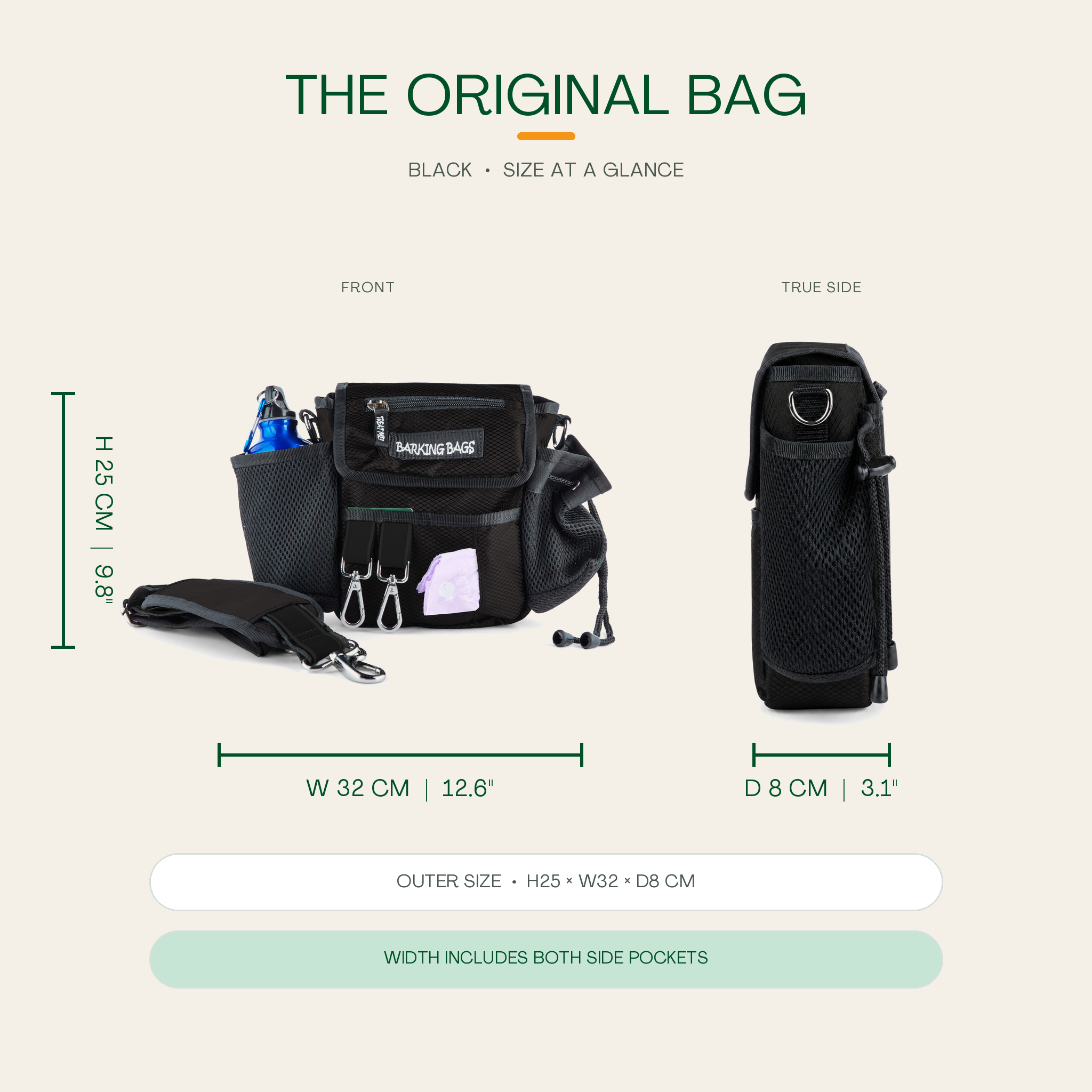
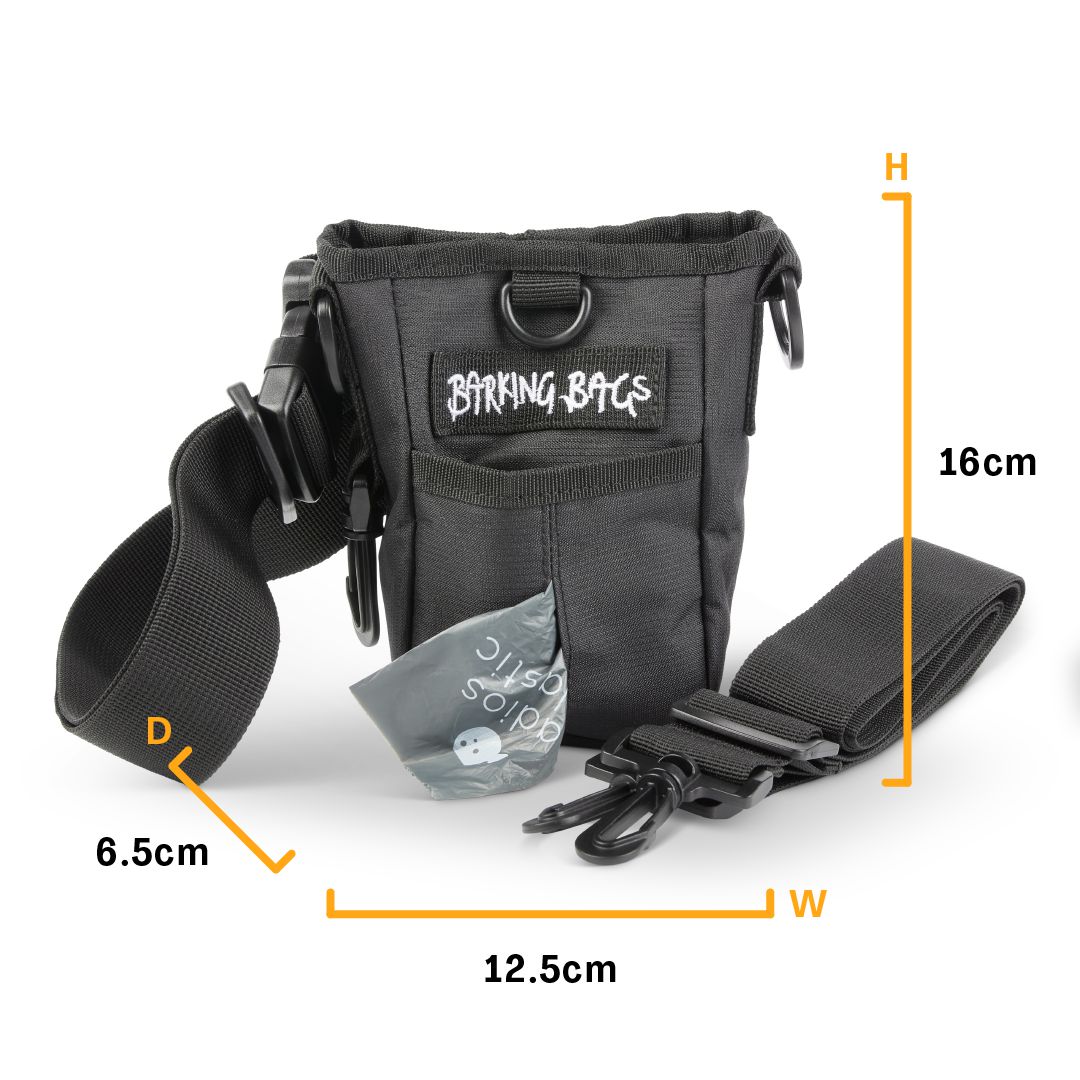
This is why size alone is not the best buying guide. A large bag sounds useful, but if it encourages overpacking or feels clumsy on short walks, it may not suit your daily routine. A compact design often works better for local outings, while heavier-duty walkers may prefer something with more compartments and a wider strap for comfort.
Choosing a bag for dog walking essentials that suits your routine
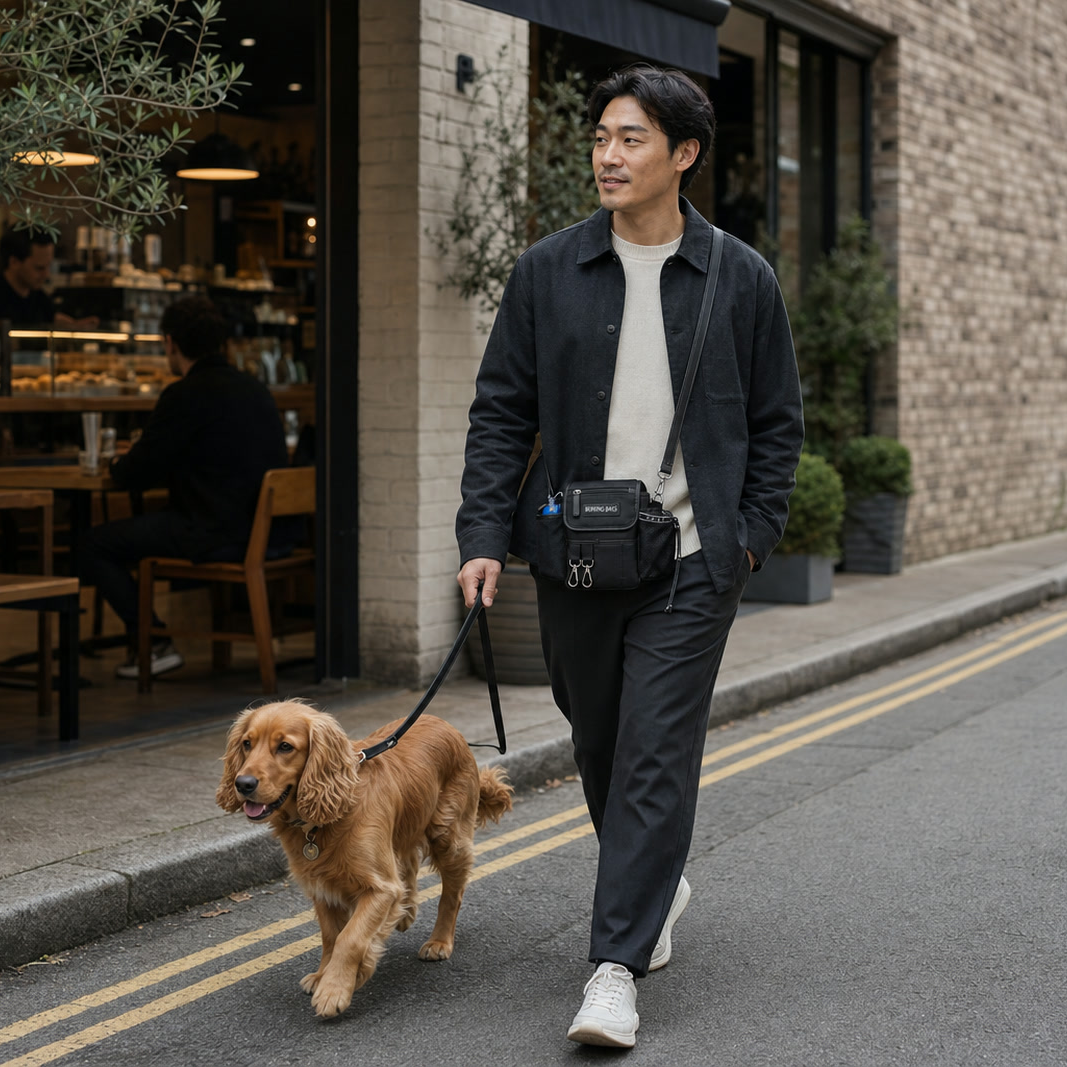
The right choice depends on how, where and how often you walk. For quick morning and evening walks, a compact crossbody-style bag is often the sweet spot. It keeps everything close, leaves your hands free and is easy to grab by the door.
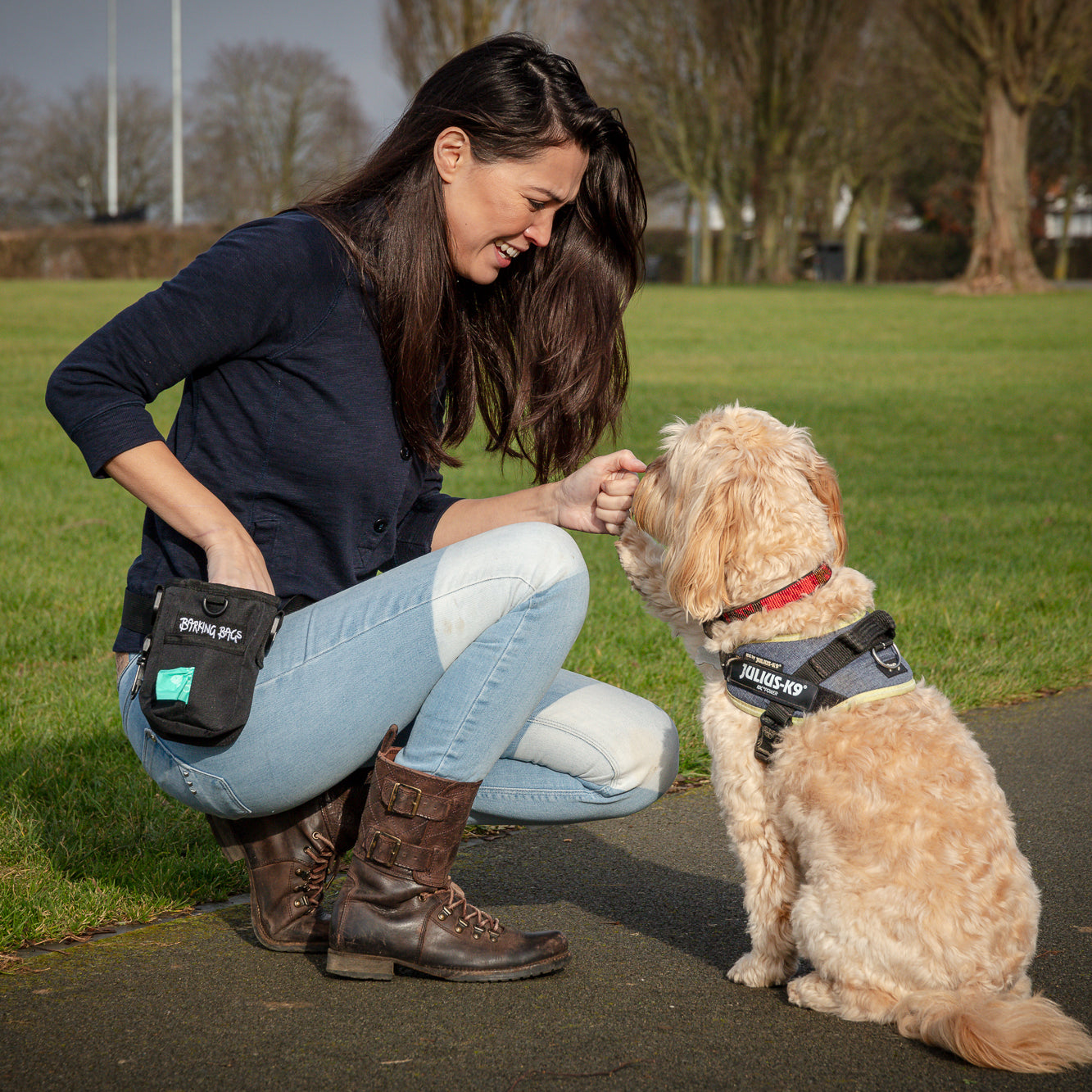
For training sessions, look for a design that gives fast access to treats and separates them from your own things. Nobody wants dog snacks loose near their lip balm. If you walk multiple dogs or spend hours outdoors, you may need more room and stronger organisation, particularly for spare leads, wipes and extra waste bags.
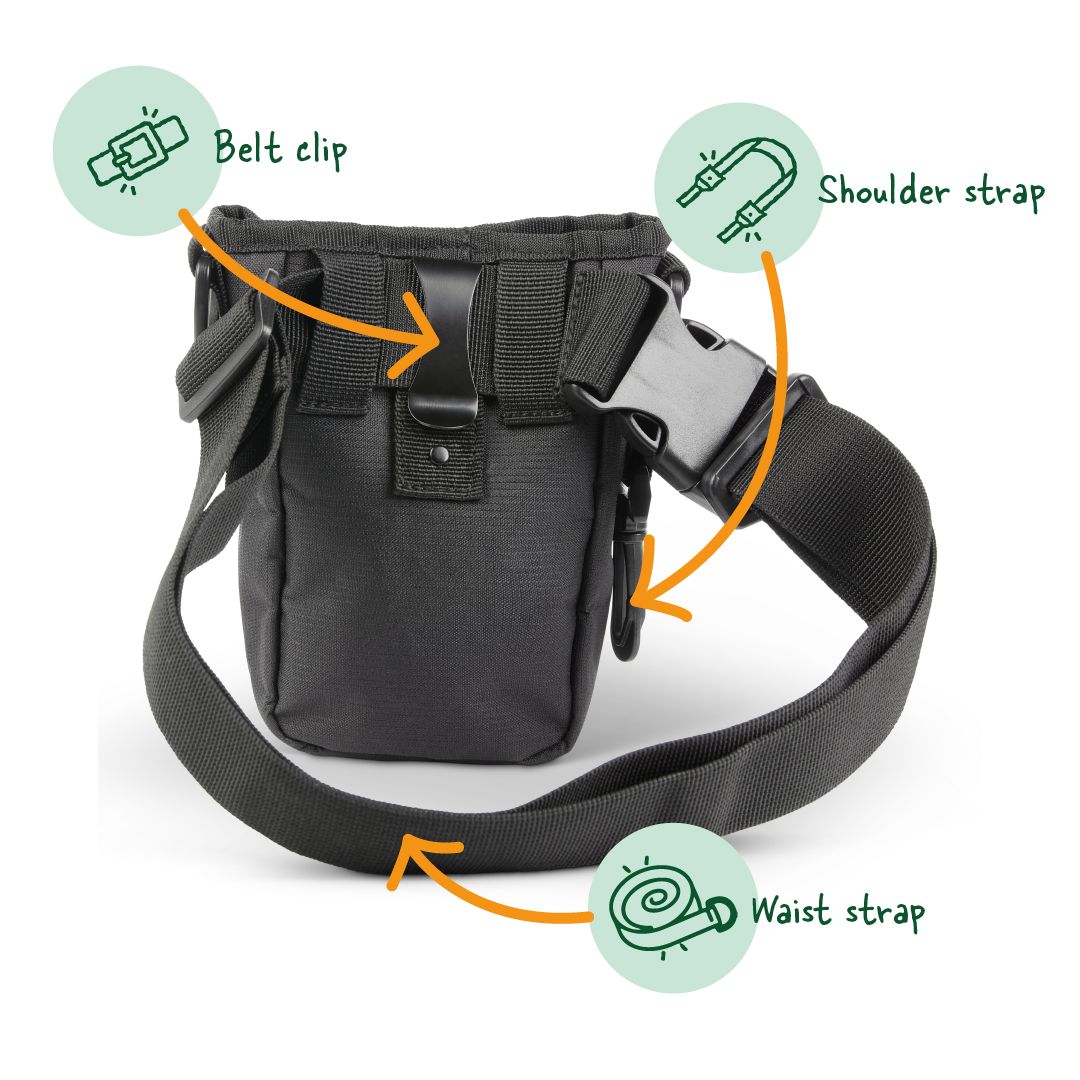
Fit matters too. Adjustable straps are worth having because dog walks are not one-size-fits-all. You may wear a light jumper in July and a thick waterproof in November. A bag should sit comfortably across the body and stay put as you move, bend and reward.
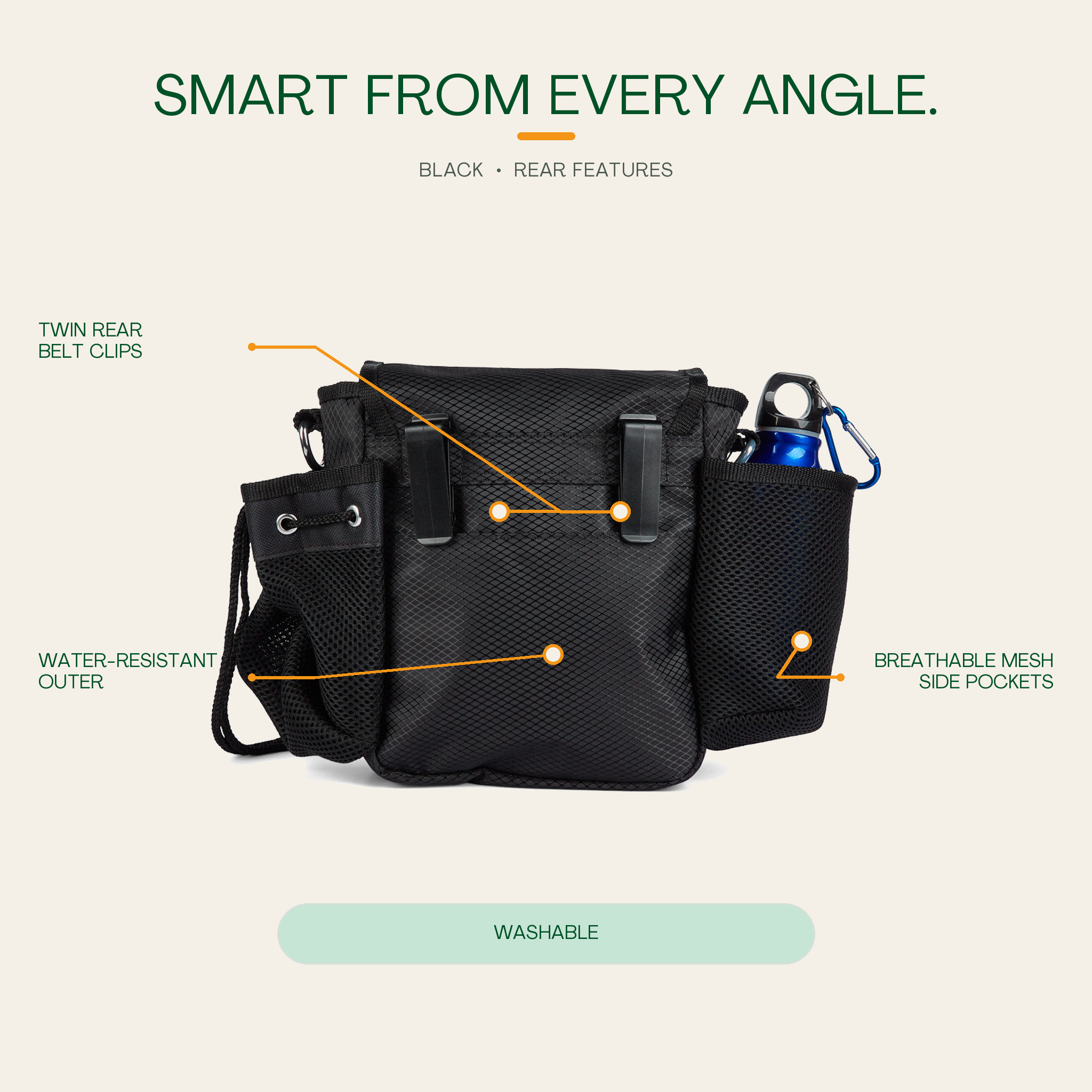
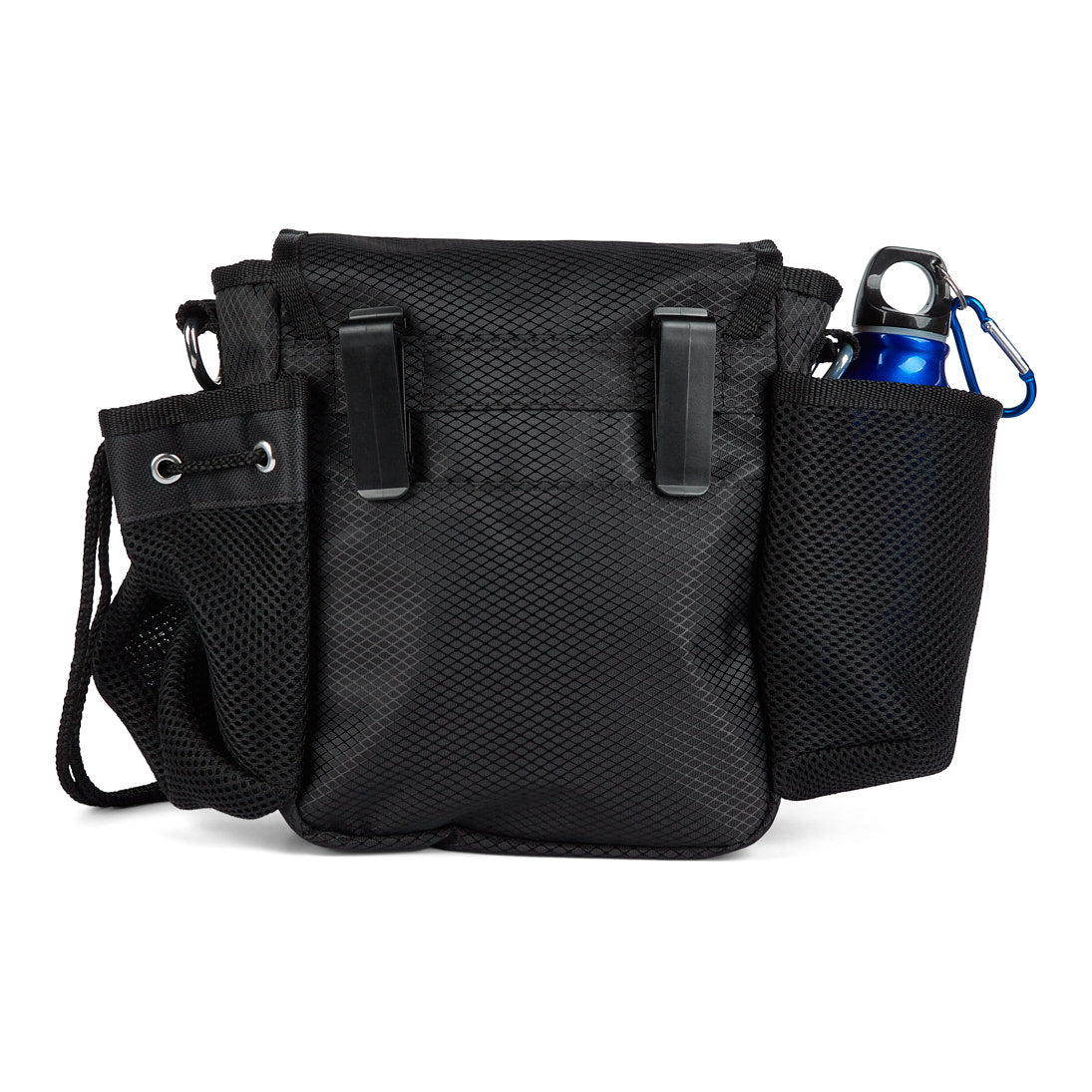
Material is another practical detail that is easy to overlook. British weather is unpredictable, and muddy paw prints are part of the deal. Wipe-clean finishes, durable hardware and interiors that can cope with crumbs, damp or the occasional leak are all sensible features rather than luxuries.
Style matters more than people think
Dog walking gear has improved massively, but there is still a lingering idea that practical means plain. For plenty of owners, that simply does not reflect real life. Your dog walking bag may be the bag you reach for most days, so it should feel good to wear.
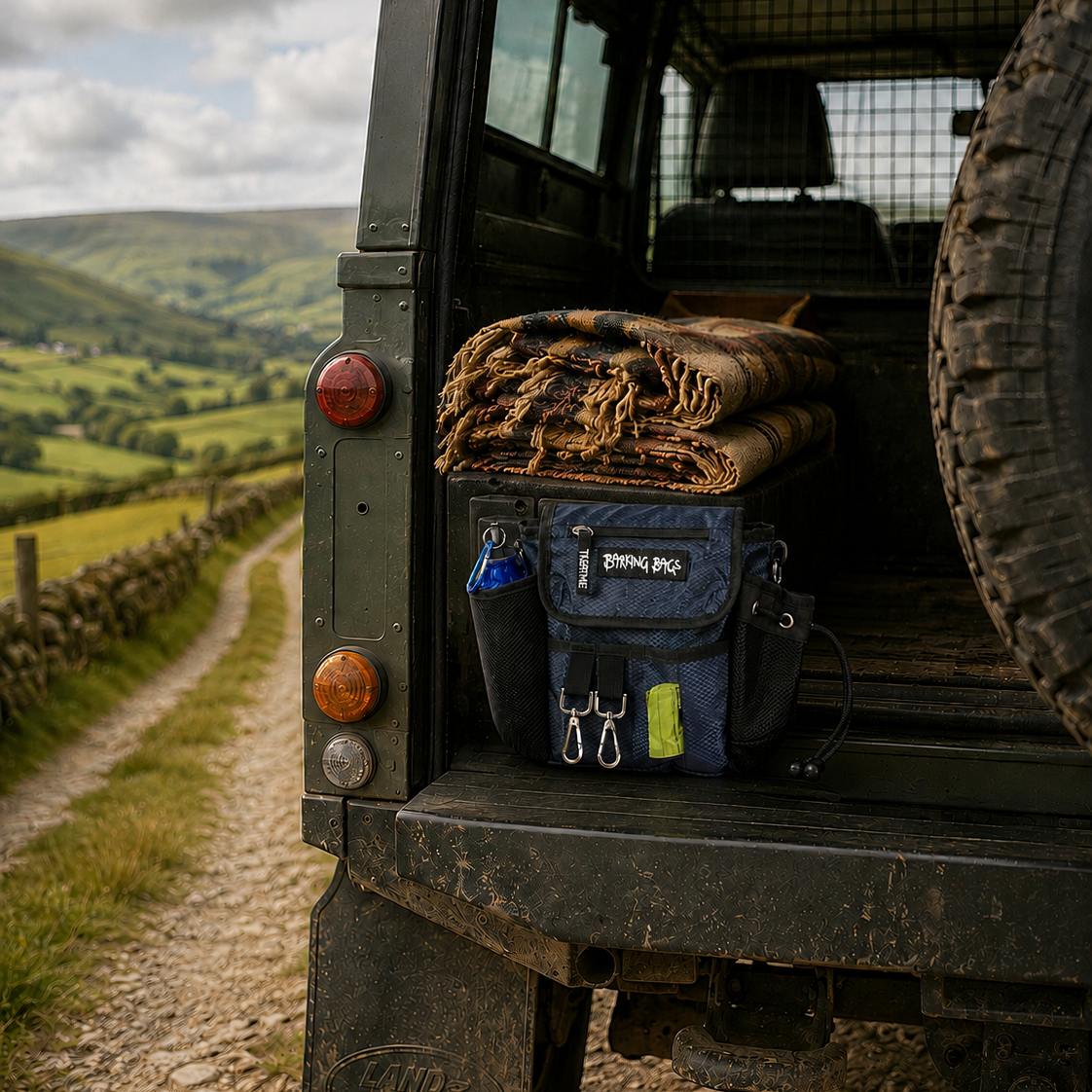
A well-designed bag for dog walking essentials should blend into your routine rather than scream dog kit. Clean lines, thoughtful colours and a shape that works beyond the park make a real difference. It means you can wear it to meet a friend, pop to the shops or head to the café after a walk without feeling like you are carrying specialist equipment.
That balance between function and appearance is exactly why purpose-built bags have found such a strong place in the market. They solve the storage problem while still looking like something you chose, not something you settled for.
Small details that make walks easier
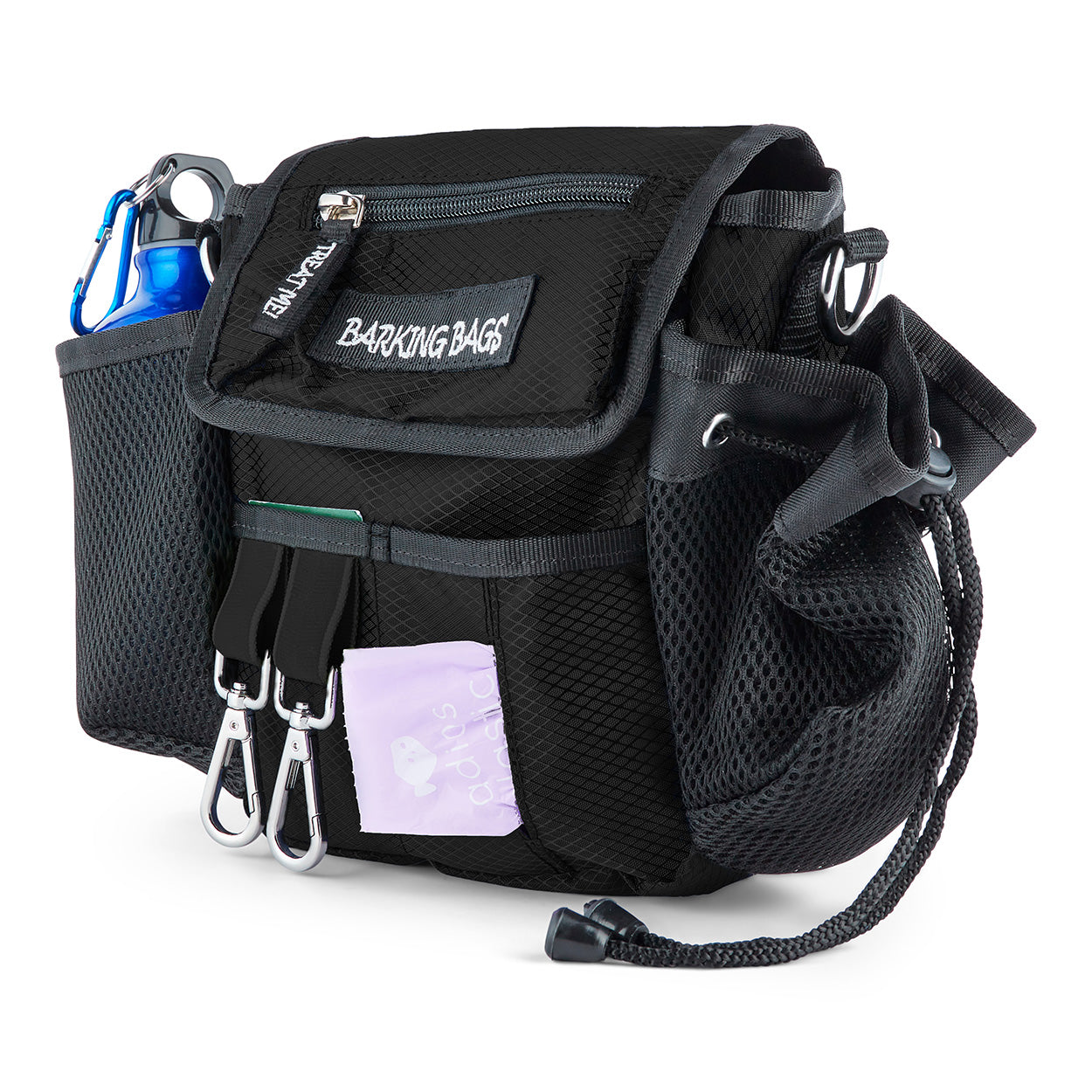
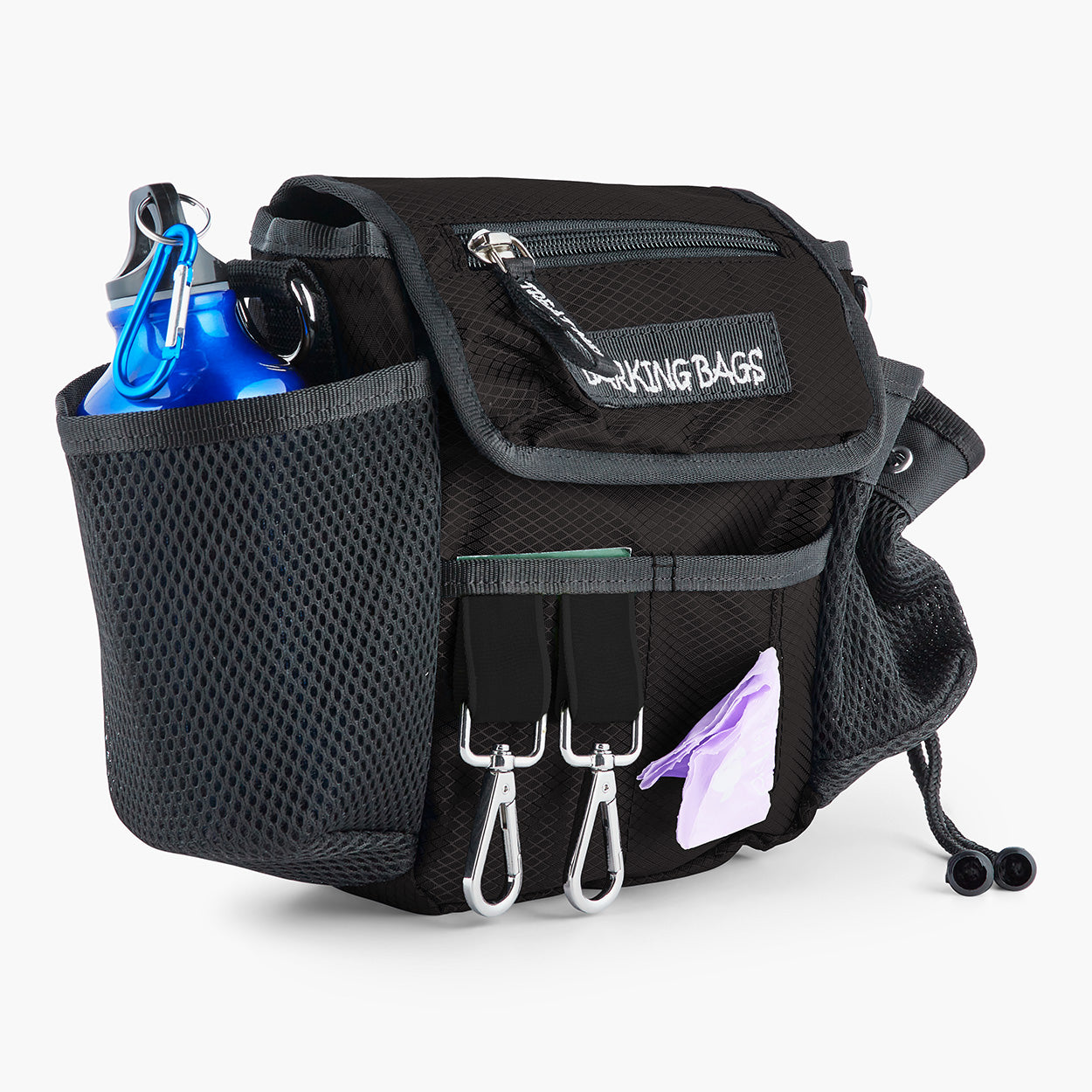
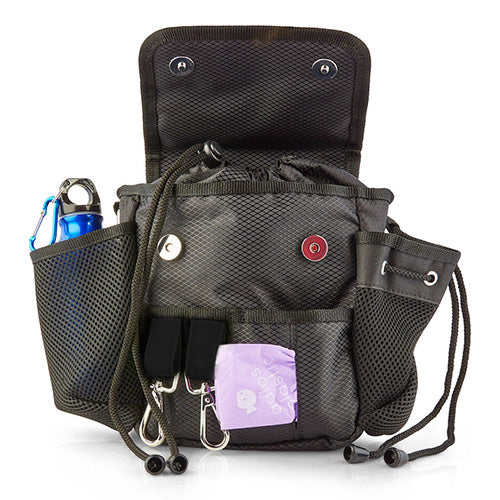
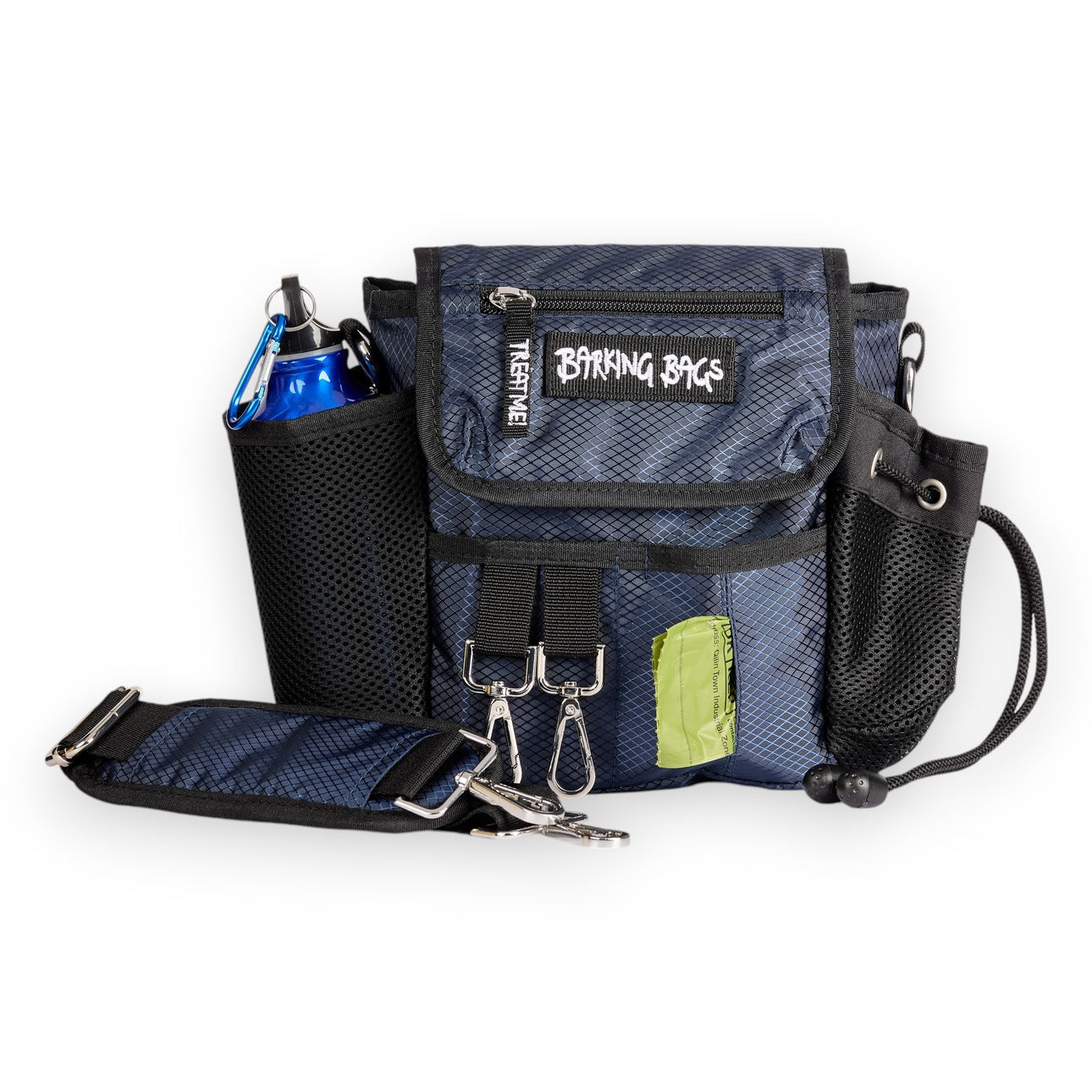
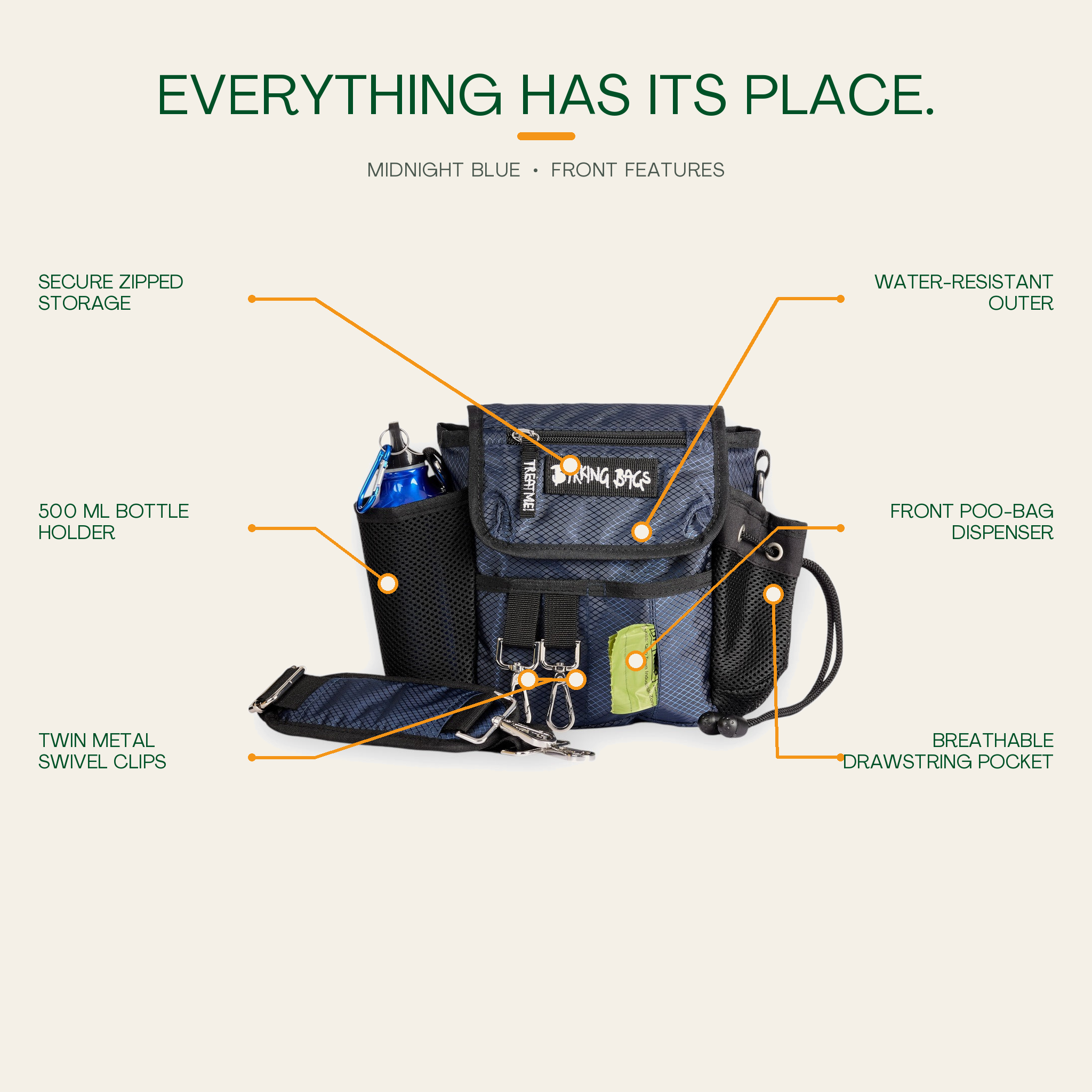
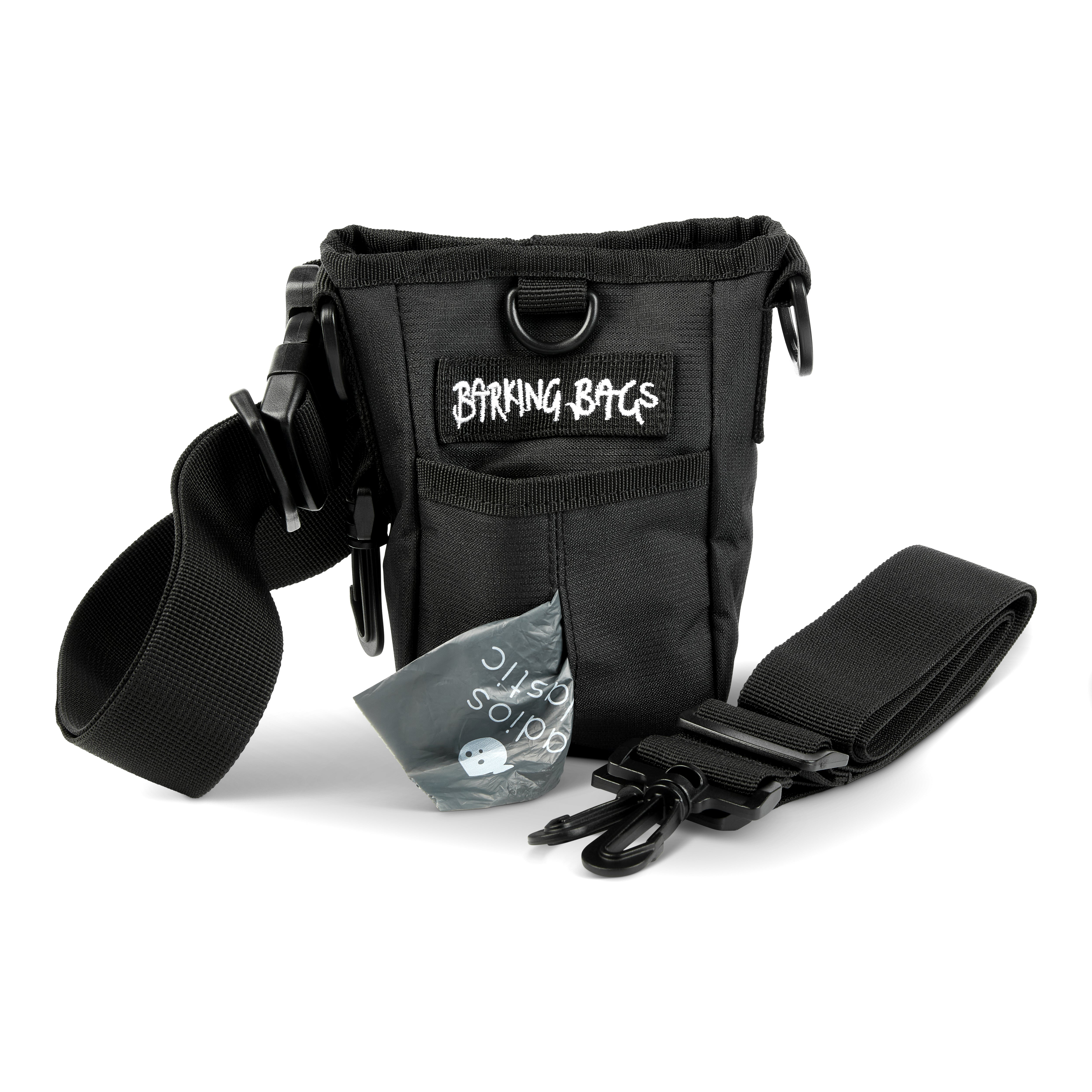
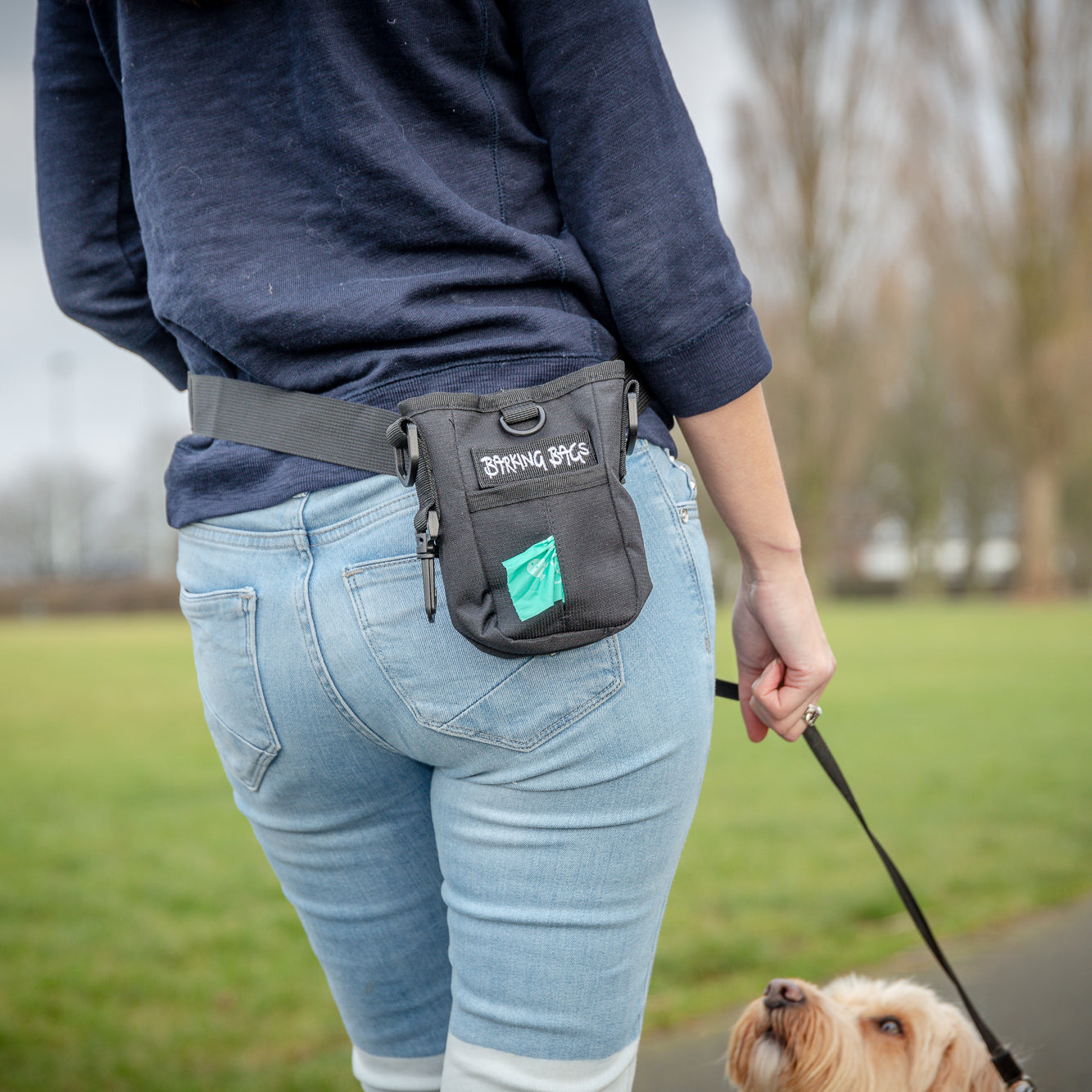
The best dog walking bags often win on the details. A dedicated poo bag dispenser sounds minor until you use one regularly. A zipped pocket for valuables seems obvious, but it becomes essential the first time you crouch to clean up and your keys stay exactly where they should.
Compartments help, but only when they are well judged. Too many and the bag becomes fiddly. Too few and everything merges into one untidy space. Good design sits in the middle. You want enough separation to keep your routine smooth, without turning every walk into a memory test about which pocket holds what.
Comfort features matter as well. A strap that sits well across the body, a shape that stays close rather than bouncing around, and a size that feels proportionate all improve the experience in ways you notice over time. Dog walking is repetitive by nature. Small irritations become big ones when you deal with them twice a day.
Is a dedicated dog walking bag worth it?
For occasional walkers, perhaps not. If you only head out for very short toilet breaks and carry the bare minimum, a coat pocket may do the job. But for anyone who walks daily, trains regularly or likes to feel prepared, a dedicated bag quickly proves its value.
It saves time at the front door. It stops the daily transfer of half your life between handbags, pockets and random tote bags. It creates one reliable place for the things you actually need. That consistency is useful on rushed mornings, rainy evenings and every moment when your dog is already ready before you are.
It is also a more polished solution. Rather than improvising with whatever bag happens to be near the door, you have something built for the job. That does not mean bulky or overly sporty. It means thought-through, easy to use and designed around real dog walking habits.
For many owners, that shift is surprisingly satisfying. Walking the dog is part of everyday life, not a rare event. Having the right bag respects that routine instead of treating it like an afterthought. Barking Bags has built its reputation on exactly that idea - that dog owners deserve a smarter, better organised way to carry the essentials without compromising on style.
A good dog walk starts before you leave the house. When everything has a place, the lead is easy to grab and your essentials are already packed, the whole routine feels lighter. That is the kind of practical upgrade you notice every single day.